
Understanding 'What is O3 Ozone': A Comprehensive Guide
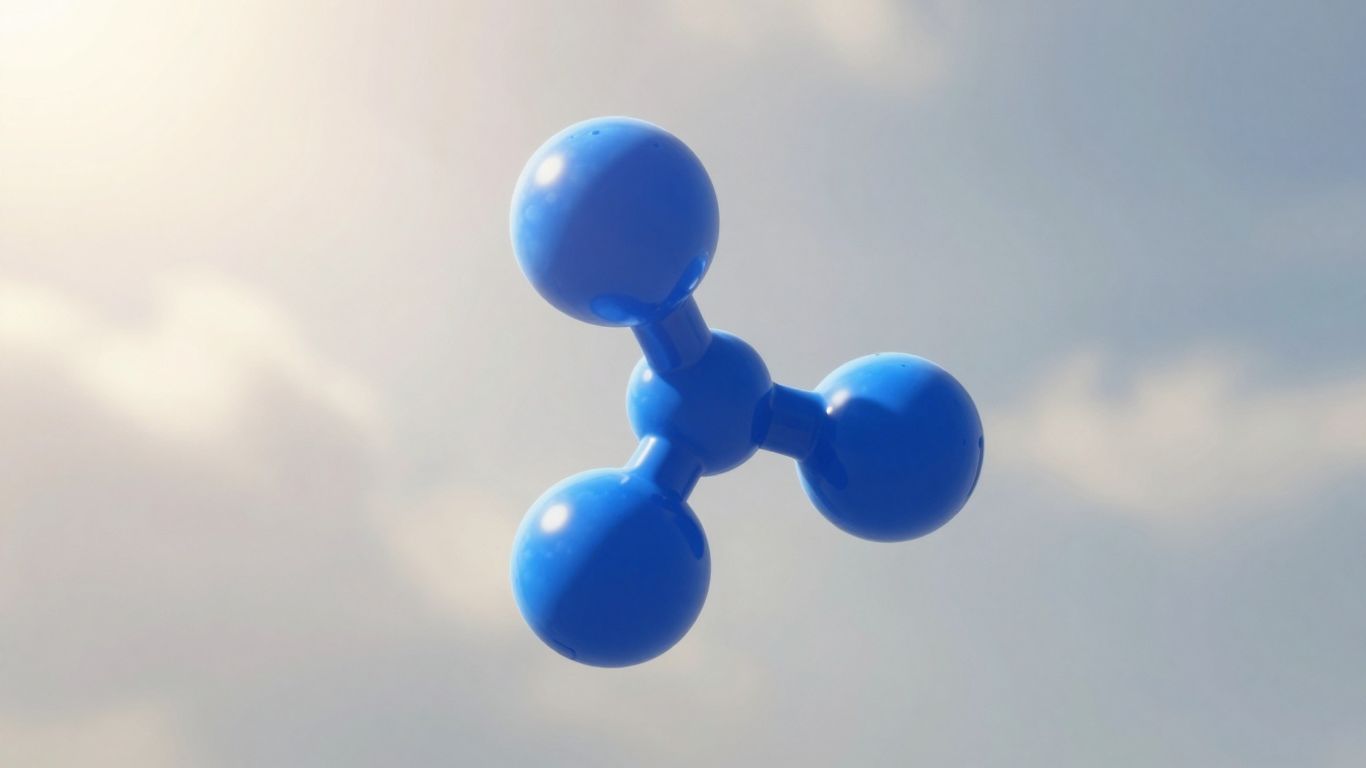
Ever wondered about that sharp, clean smell after a thunderstorm? That's ozone, or O3, and it's more than just an interesting scent. This gas, made of three oxygen atoms, plays some pretty big roles, from protecting us way up in the atmosphere to cleaning our water and air right here on the ground. But like anything powerful, it needs to be handled with care. Let's break down what is O3 ozone and why it matters in our everyday lives.
Key Takeaways
- Ozone, scientifically known as O3, is a molecule made of three oxygen atoms, giving it a distinct smell and strong oxidizing properties.
- The stratospheric ozone layer acts as Earth's natural sunscreen, absorbing harmful UV radiation, while ozone in the lower atmosphere can be a pollutant.
- Industries use ozone for its disinfecting and purifying capabilities in water treatment, food processing, and air deodorization.
- While beneficial, ozone gas can be hazardous, causing respiratory irritation and other health issues if exposure levels are too high.
- Safe handling of ozone involves proper ventilation, monitoring equipment, personal protective gear, and adherence to safety guidelines.
Understanding What Is O3 Ozone
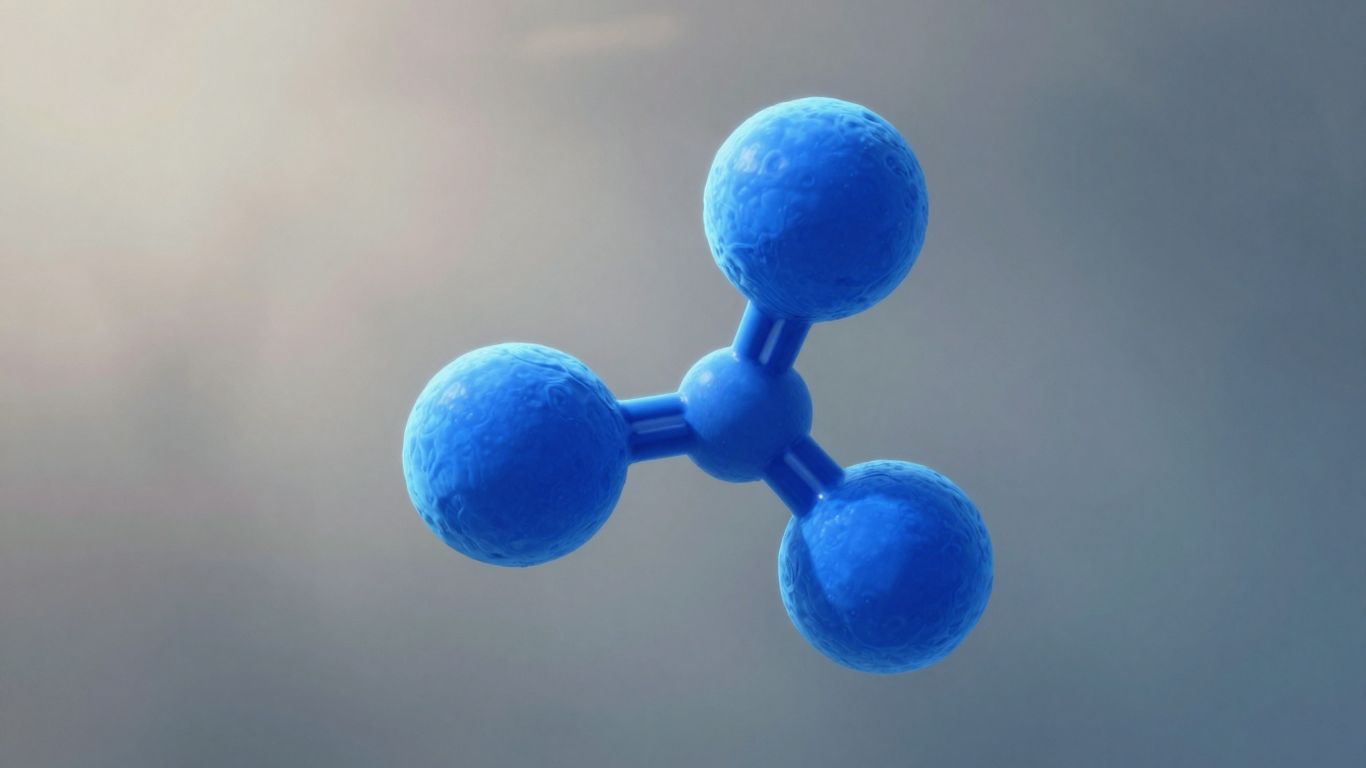
So, what exactly is O3 ozone? Think of it as oxygen's more energetic cousin. Scientifically known as O₃, ozone is a molecule made up of three oxygen atoms, unlike the two atoms in the oxygen we breathe (O₂). This simple difference in structure gives ozone some pretty unique characteristics.
Ozone's Molecular Composition
At its heart, ozone is just oxygen, but with an extra atom. While O₂ is what keeps us alive, O₃ is a different beast. This triatomic structure is key to its properties. It's what makes ozone a powerful oxidizer and gives it that distinct smell.
Ozone's Distinctive Odor and Appearance
Ever noticed a sharp, clean smell after a thunderstorm? That's often ozone. It's a gas that's typically colorless, but if you're in a place with a lot of it, it can sometimes appear as a pale blue tint. This smell is a good indicator that ozone is present, and it's a signal to be aware of your surroundings.
The Energetic Nature of O3
Because of that extra oxygen atom, ozone is quite reactive. It's not a stable molecule and likes to break apart, releasing that third oxygen atom to react with other things. This reactivity is what makes it useful for cleaning and purifying, but it also means we need to be careful when working with it. It's this energetic nature that allows ozone to break down pollutants and neutralize odors, making it a powerful tool in various applications. Understanding this basic molecular makeup is the first step in appreciating its role and handling it safely. For instance, its ability to react quickly is why it's used in water purification systems, helping to keep water clean and safe. This reactivity is also why calculating a company's carbon footprint is important, as it involves understanding how different substances interact and impact the environment.
Ozone's Role in Earth's Atmosphere
Ozone (O3) is a gas that's naturally found all around us in our atmosphere, though usually in pretty small amounts. Think of it as a special kind of oxygen molecule, made up of three oxygen atoms instead of the two we breathe. This difference is a big deal for how ozone behaves and the jobs it does.
The Stratospheric Ozone Layer
Most of the ozone in our atmosphere, about 90%, hangs out way up high in the stratosphere. This area is often called the "ozone layer," and it's like Earth's natural sunscreen. It does a really important job of soaking up a lot of the sun's harmful ultraviolet (UV) radiation. Without this layer, life on the surface would be a lot tougher, with higher risks of things like skin cancer and eye problems.
Ozone in the Troposphere
The remaining 10% of ozone is found lower down, in the troposphere. This is the part of the atmosphere closest to the ground, where we live and breathe. While ozone is helpful high up, having too much of it down here isn't good. It can actually be a pollutant and cause breathing issues.
Sunlight's Influence on Ozone Formation
Sunlight is the main driver behind how ozone is made in the atmosphere. It's a bit of a chemical dance. Up in the stratosphere, UV radiation from the sun breaks apart regular oxygen molecules (O2). These single oxygen atoms then bump into other O2 molecules to form ozone (O3). Down in the troposphere, ozone forms through different reactions, often involving gases from pollution.
Here's a quick look at where ozone is located:
- Stratosphere: About 90% of all atmospheric ozone. Acts as a protective shield against UV rays.
- Troposphere: About 10% of atmospheric ozone. Can be a pollutant at ground level.
The balance of ozone in the atmosphere is delicate. While it's vital for protecting us from UV radiation in the stratosphere, its presence in the lower atmosphere can be problematic. Understanding these different roles is key to appreciating ozone's complex impact on our planet.
Industrial Applications of Ozone
Ozone, that energetic O3 molecule, isn't just floating around in the atmosphere; it's a real workhorse in many industries. Its super-powered oxidizing ability makes it incredibly useful for a bunch of different jobs. Think of it as nature's powerful cleaner, but we've figured out how to harness it.
Ozone in Water Purification
This is a big one. Ozone is fantastic for cleaning water. It can zap bacteria, viruses, and other tiny organisms that we don't want in our drinking water or swimming pools. It's often seen as a better alternative to chlorine because it does the job effectively without creating those nasty disinfection byproducts that chlorine sometimes leaves behind. Plus, it helps keep the water looking clear and fresh. It's a robust disinfectant that eliminates bacteria and microorganisms more effectively and without the formation of dangerous substances often associated with chemical treatments. We're seeing ozone used in everything from municipal water treatment plants to keeping backyard pools sparkling clean. It's also finding its way into treating wastewater and even in the oil and gas sector for water reuse in hydraulic fracturing, thanks to its strong oxidative capabilities. You can find more about ozone use in water treatment.
Ozone in Food Processing and Preservation
Keeping our food safe and fresh is a top priority, and ozone is stepping up to the plate. In the food industry, it's used to sterilize equipment and surfaces, making sure everything is super clean. It can also be used to extend the shelf life of produce like fruits and vegetables. By reducing the number of microbes on the surface, ozone helps slow down spoilage. This means less food waste and more time for that produce to get from the farm to your table. It's recognized by the FDA as GRAS (Generally Recognized As Safe) for these applications, which is a pretty big deal. It helps maintain nutritional quality while extending the shelf-life of vegetables and other perishables, making it a go-to choice for freshness without compromise.
Ozone for Air Quality and Deodorization
Ever walked into a room and noticed a stale smell? Ozone can help with that. It's used in air purification systems to tackle odors. Because it's so reactive, it can break down odor-causing molecules, leaving the air smelling cleaner. It's also being used to improve indoor air quality by dealing with certain organic compounds. Recent strides in ozone technology have bolstered energy efficiency and tackled organic compounds, improving indoor air quality. It’s a sustainable way to reduce environmental impact while enhancing air quality and safety in various settings. It's a powerful tool for deodorizing spaces, from hotel rooms to industrial facilities.
When using ozone industrially, safety is always the top concern. Because it's such a strong oxidizer, it needs to be handled with care. Proper ventilation, monitoring equipment, and personal protective gear are super important to make sure workers stay safe and healthy. Knowing the right levels and how to manage them is key to getting the benefits without the risks.
Health and Safety Considerations
While ozone (O3) has many useful applications, it's not something to mess around with. This gas is a powerful oxidizer, and that means it can be pretty tough on our bodies, especially our lungs. Understanding the risks is the first step to staying safe.
Potential Hazards of Ozone Exposure
Ozone is known for its sharp, bleach-like smell, and if you can smell it, that's usually a sign that concentrations are getting high enough to be a concern. The main issue is its reactivity. It can irritate your respiratory system, and prolonged exposure can lead to more serious problems. It's also a strong oxidizer, which means it can react with other materials, potentially causing issues like fires or explosions if not handled properly.
Respiratory Irritation from O3
When you breathe in ozone, it can really bother your airways. You might start with a dry cough or a sore throat. Sometimes, it feels like discomfort in your chest. If the levels get higher, you could experience shortness of breath or even headaches. People with existing breathing issues, like asthma, are often more sensitive, but even healthy folks can feel the effects. It's important to remember that even low levels, like 0.1 parts per million (ppm), can be a trigger for some.
Recognizing Signs of Overexposure
So, how do you know if you're getting too much ozone? Keep an eye out for those initial symptoms: that dry cough, scratchy throat, or chest discomfort. If you start feeling short of breath or get a headache, it's time to pay attention. A sudden, strong smell of bleach is also a big clue. In workplaces, this is where monitoring systems come in handy. They can alert you with alarms if ozone levels climb too high, giving you a chance to react. If you're working with ozone generators, it's a good idea to know the manufacturer's guidelines and have a plan for what to do if something goes wrong. For general advice on reducing exposure when levels are high, you might want to check out tips on minimizing ozone exposure.
Here's a quick look at some recommended exposure limits:
Always follow established safety protocols when working with ozone. This includes using appropriate personal protective equipment like respirators and gloves, ensuring good ventilation, and having clear emergency procedures in place. Regular training for anyone handling ozone equipment is also a must.
Safe Handling and Management of Ozone
Working with ozone, especially in industrial settings, means you've got to be smart about safety. It's a powerful gas, and while it does a lot of good, it can also cause problems if you're not careful. Proper handling and management are key to reaping its benefits without the risks.
Essential Safety Measures for Ozone Use
When you're using ozone-generating equipment, think about a few things to keep everyone safe. First off, ventilation is a big deal. You need to make sure the air is moving so ozone doesn't build up in one spot. Think of it like making sure a room doesn't get too stuffy.
Here are some basic steps to follow:
- Ventilation: Always use ozone in well-ventilated areas or with dedicated exhaust systems. This is especially true for enclosed spaces.
- Personal Protective Equipment (PPE): Depending on the concentration and duration of exposure, workers might need respirators, chemical-resistant gloves, and eye protection. It's better to be safe than sorry.
- Manufacturer Guidelines: Always read and follow the instructions that come with your ozone generator. They know their equipment best.
- Emergency Plans: Have a plan in place for what to do if something goes wrong, like a leak or overexposure. Knowing who to call and what steps to take can make a huge difference.
Monitoring and Control of Ozone Levels
Keeping an eye on ozone levels is super important. You can't always see or smell ozone, especially at lower, but still harmful, concentrations. That's where monitoring systems come in. These devices can give you real-time readings of ozone in the air. They're often hooked up to alarms, so if the levels get too high, you'll know right away.
- Fixed Gas Detectors: These are installed in areas where ozone is used regularly. They provide continuous monitoring and can trigger alarms.
- Portable Detectors: Useful for spot-checking areas or for workers who move around a lot.
- Alarm Systems: Make sure alarms are audible and visible so everyone in the vicinity is alerted to a potential hazard.
Understanding the acceptable limits for ozone exposure is vital. Organizations like OSHA and NIOSH have set guidelines to protect workers. For instance, OSHA's Permissible Exposure Limit (PEL) is 0.1 ppm over an 8-hour workday. Staying within these limits helps prevent health issues.
Proper Equipment Handling and Storage
Treating your ozone-generating equipment with care is just as important as managing the gas itself. When you're not using the equipment, store it properly. This usually means keeping it in a clean, dry place, away from direct sunlight or extreme temperatures. Make sure any connections are secure and that the equipment is in good working order before each use. Regular maintenance can prevent unexpected issues and keep the equipment running efficiently. For more on how businesses are managing environmental factors, you might look into business responsibility reporting.
Remember, ozone is a powerful tool, and like any powerful tool, it needs to be respected and handled with knowledge and care.
Ozone as an Alternative Sanitizer
Ozone Versus Traditional Chemicals
When you think about cleaning and sanitizing, chemicals like bleach or chlorine probably come to mind first. They've been the go-to for ages, right? But there's a growing interest in alternatives, and ozone is definitely making waves. Ozone offers a powerful way to sanitize without leaving behind the same chemical residues. It's a bit like nature's own cleaning agent, working by oxidizing contaminants. This means it breaks down things like bacteria, viruses, and mold on a molecular level. Unlike some traditional cleaners that can be harsh and create byproducts, ozone reverts back to oxygen, leaving behind a cleaner space and no lingering chemical smell. It's a pretty neat trick, honestly.
Ozone's Efficacy in Hygiene Applications
So, how well does ozone actually work for keeping things clean? Really well, it turns out. It's been used in everything from purifying drinking water to making sure swimming pools are safe and clear. You can even find it used in food processing to keep produce fresh longer. It's effective at killing off a wide range of microbes. Think about it: if it can handle sanitizing water or food, it's got some serious power. It's a versatile tool for maintaining high standards of cleanliness across different areas. For instance, in water treatment, it's a robust disinfectant that eliminates bacteria and microorganisms more effectively than some other methods. This makes it a strong contender for anyone looking to improve hygiene practices.
Regulatory Standards for Ozone Use
Now, just because ozone is a natural gas doesn't mean you can just go wild with it. There are rules and guidelines in place, and for good reason. Regulatory bodies like the FDA have looked into ozone, and it's recognized as GRAS (Generally Recognized As Safe) for certain food applications. However, when it comes to using ozone generators, especially in industrial or commercial settings, safety is key. You'll find that organizations like OSHA and NIOSH have recommendations for safe exposure levels. It's important to follow these standards to make sure ozone is used effectively and safely. This often involves proper ventilation and monitoring equipment to keep ozone levels in check. Sticking to these regulations helps ensure that the benefits of ozone are realized without putting people or the environment at risk. It's all about finding that balance for safe and effective sanitation.
- Ventilation: Always ensure good airflow when using ozone-generating equipment.
- Monitoring: Use detectors to keep an eye on ozone levels.
- Training: Understand the proper use and safety protocols for the equipment.
When ozone is used for sanitization, it's important to remember that while it's effective, it's also a reactive gas. This means that after treatment, the area needs to be aired out properly before people or pets re-enter. The goal is to get the benefits of the sanitization without the risks of overexposure.
Looking for a safer way to keep things clean? Ozone is a powerful natural sanitizer that can help. It's a great alternative to harsh chemicals. Want to learn more about how ozone works and its benefits? Visit our website today to discover how you can use ozone for a healthier environment.
Wrapping Up Our Ozone Chat
So, we've talked a lot about O3, or ozone. It's pretty interesting stuff, right? From cleaning our pools and spas to its role way up in the atmosphere protecting us from the sun, ozone pops up in a bunch of places. It's a powerful molecule, and like anything powerful, it's got its good points and its not-so-good points. Knowing how it works and how to handle it safely, especially when we're talking about industrial uses or even just keeping our homes fresh, is super important. It’s not just about understanding what ozone is, but also about using it wisely. Hopefully, this guide has helped clear things up a bit about this energetic form of oxygen.
Frequently Asked Questions
What exactly is ozone (O3)?
Ozone, with the chemical formula O3, is a special type of oxygen. While the oxygen we breathe has two atoms (O2), ozone has three oxygen atoms. This extra atom makes it a much more reactive and powerful molecule, which gives it unique properties.
Where can I find ozone in nature?
Ozone exists naturally in two main places in our atmosphere. A small amount is in the lower part of the atmosphere, the troposphere, which is where we live. Most of the ozone, about 90%, is found much higher up in the stratosphere, forming a layer that acts like Earth's sunscreen by blocking harmful sun rays.
How is ozone used in everyday life or industry?
Ozone is a great cleaner! It's used to purify water in swimming pools and drinking water systems, killing germs without harsh chemicals. It's also used to clean the air, get rid of strong smells, and even help preserve food by keeping it fresh longer.
Is ozone safe to breathe?
Breathing in ozone is not safe. Even in small amounts, it can irritate your lungs, throat, and eyes, making you cough or feel short of breath. In higher amounts, it can cause more serious breathing problems. That's why areas being treated with ozone need to be empty of people and pets.
How do industries handle ozone safely?
Industries take ozone safety very seriously. They use special equipment to measure ozone levels, ensure good ventilation, and often have alarms. Workers might wear protective gear like masks. They also have clear plans for what to do if something goes wrong.
Can ozone replace traditional cleaning chemicals?
Ozone is a strong alternative to many traditional cleaning chemicals, especially for water treatment and air purification. It's effective at killing germs and removing odors. However, because it's so reactive, it needs to be used carefully and is often used alongside or as a replacement for certain chemicals, depending on the specific application.