
Understanding the Essentials: How Does a Watershed Work?
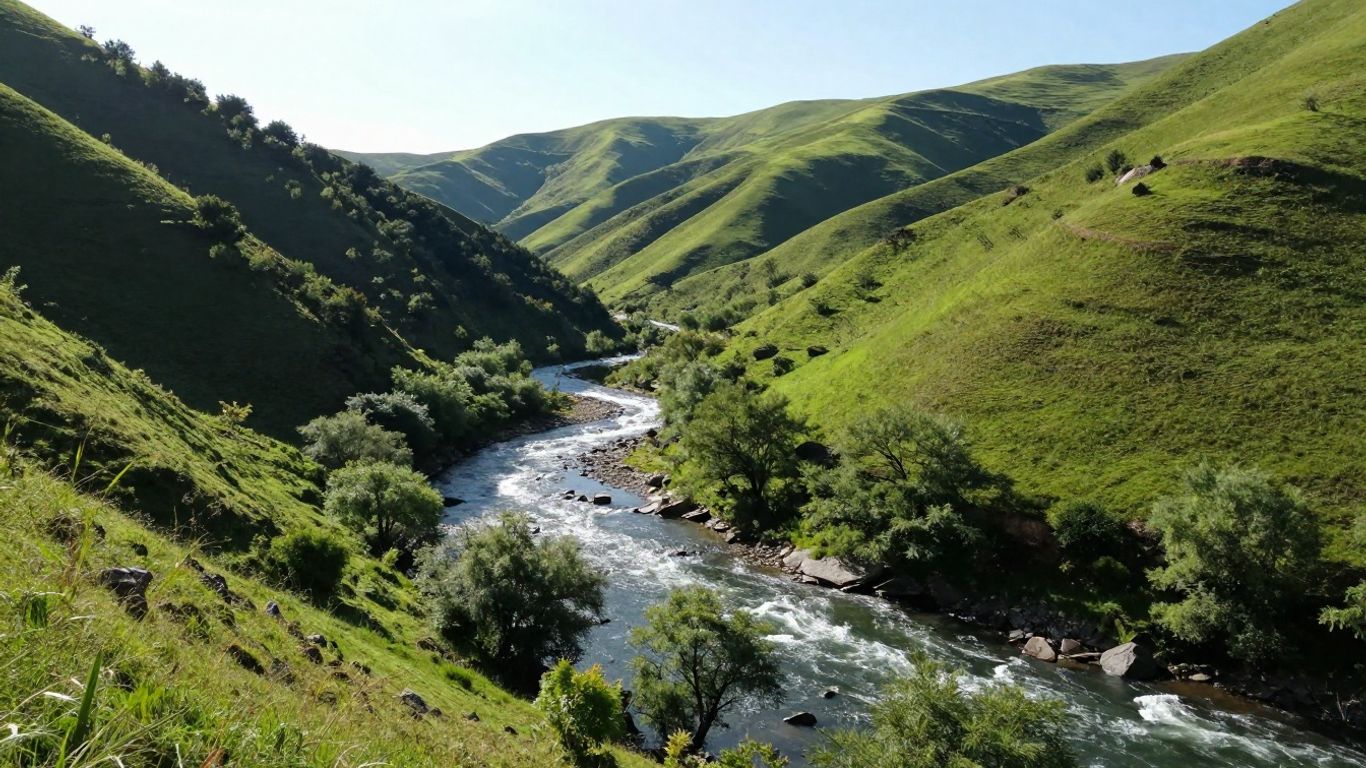
Here are the main points to remember about how watersheds function and why they matter.
Key Takeaways
- A watershed is simply an area of land where all the water that falls on it drains into a common body of water, like a river, lake, or ocean.
- Water travels through a watershed, picking up things from the land, which can affect water quality downstream.
- Natural landscapes like forests and wetlands help filter water and slow down runoff, while paved surfaces can cause flooding and pollution.
- Human activities, from using fertilizers to developing land, can significantly impact how a watershed functions and the health of its water.
- Protecting watersheds involves managing land use, reducing pollution, and actively participating in community efforts to keep our water clean.
Understanding How A Watershed Works
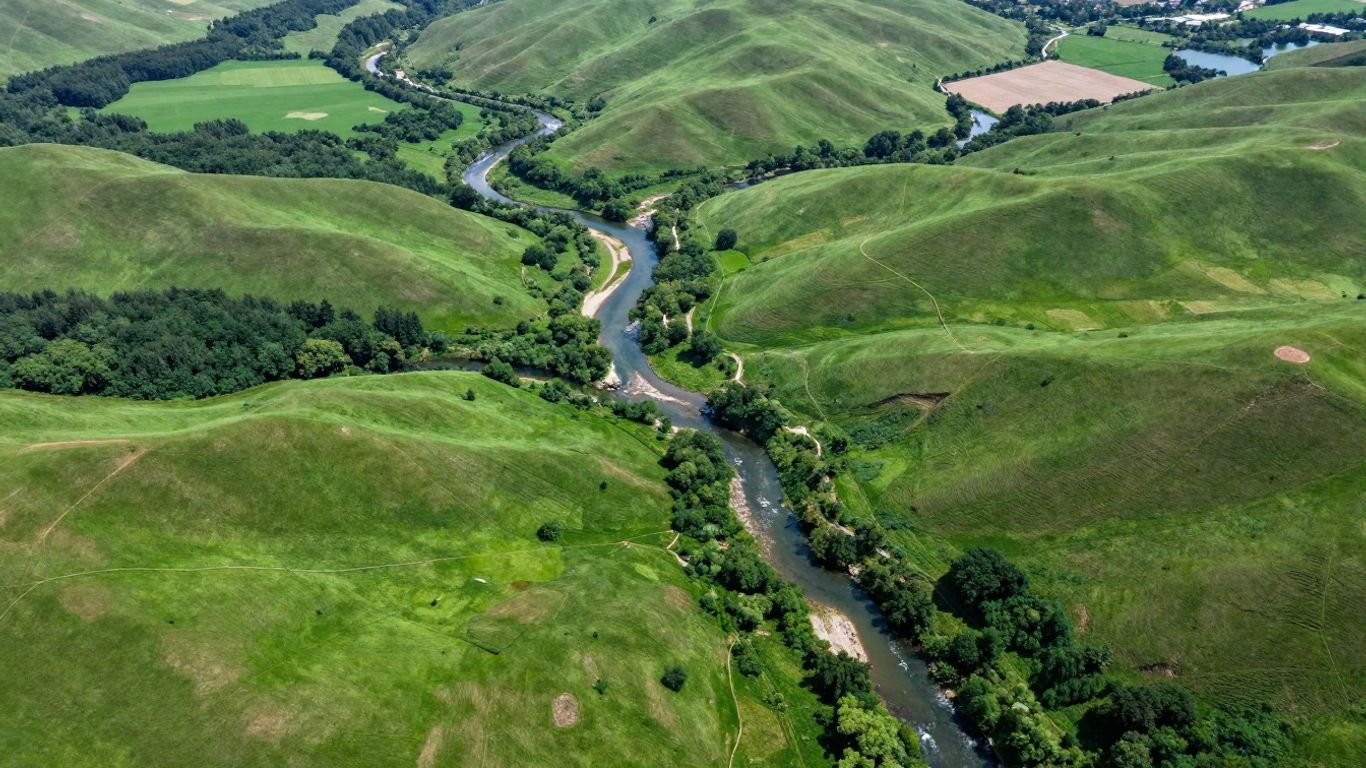
So, what exactly is a watershed? Think of it as a giant, natural basin that collects and channels all the water falling within its boundaries. Every drop of rain or snowmelt that lands in a specific area will eventually flow to the same endpoint, whether that's a creek, a river, a lake, or even the ocean. It’s all about gravity and how water moves across the land.
Defining A Watershed's Boundaries
Figuring out where one watershed ends and another begins isn't always obvious. The boundaries, called divides, are usually marked by higher ground like hills or ridges. Water on one side of the divide flows into one watershed, while water on the other side goes into a different one. It's a bit like a natural sorting system for water. You can explore these boundaries using tools that show how water travels, like the River Runner tool, which lets you trace a raindrop's path from where it lands to where it ends up. See how water flows.
The Journey Of Water Through A Watershed
Once water lands in a watershed, its journey begins. Some of it soaks into the ground, helping to replenish underground water sources, a process known as groundwater recharge. The rest flows over the land's surface, picking up bits and pieces along the way. This surface runoff can carry soil, nutrients, and even pollutants into streams and rivers. The type of land surface really matters here; natural landscapes like forests and fields absorb water differently than paved roads or rooftops. The path water takes is pretty amazing, eventually making its way to larger bodies of water.
Why Watersheds Are Essential For Life
Watersheds are incredibly important because they are the source of our freshwater. They provide drinking water, support ecosystems, and are vital for agriculture and industry. Healthy watersheds mean healthy water, which is something we all depend on. What happens in one part of a watershed can affect everything downstream, so taking care of the land is key to protecting the water quality for everyone. It's a connected system where every action has a ripple effect.
The Role Of Land In Watershed Function
So, we know a watershed is basically a big area where all the water eventually flows to one spot, right? But what happens on the land itself plays a massive part in how that water behaves and, importantly, how clean it stays. It's not just about the rain falling; it's about what that rain encounters as it makes its way downhill.
How Natural Landscapes Affect Water Flow
Think about a forest. When rain hits the trees, some of it gets caught on the leaves and evaporates. What makes it to the ground often lands on soft soil covered in leaves and roots. This natural ground cover acts like a sponge. It slows the water down, lets it soak in, and filters out a lot of gunk. This slow infiltration helps recharge groundwater, which is super important for keeping streams flowing even when it's not raining. Natural landscapes are really good at managing water.
The Impact Of Impervious Surfaces
Now, contrast that with a city street or a big parking lot. These are what we call impervious surfaces. They're hard and smooth, and water just can't soak into them. So, instead of slowly seeping into the ground, the water rushes off really fast. This quick runoff can cause flooding, and it picks up all sorts of things along the way – oil from cars, trash, you name it. Less water gets a chance to soak into the ground and replenish our underground water supplies. It's a big change from how nature intended things to work. You can see how different land types affect runoff using tools like Model My Watershed.
Protecting Water Quality Through Land Management
What we do with the land directly impacts the water. If we pave over everything, we lose that natural filtering and slowing effect. But we can make smarter choices. Things like planting rain gardens, which are basically shallow dips in the yard designed to collect rainwater and let it soak in, can make a difference. Using permeable paving materials for driveways or patios also helps. Even simple things like not dumping chemicals down storm drains or properly disposing of pet waste contribute to cleaner water downstream. It's all about managing the land in a way that works with the water cycle, not against it.
The way land is used dictates how water moves and what it carries. Natural ground cover slows water, allowing it to filter and soak in, which is vital for groundwater and stream health. Hard surfaces, on the other hand, speed up runoff and pick up pollutants, leading to flooding and degraded water quality.
Here are a few ways land management helps:
- Slowing down runoff: Allowing water more time to interact with soil and plants.
- Filtering pollutants: Natural materials in soil and vegetation trap contaminants.
- Recharging groundwater: Letting water soak into the ground to replenish underground reserves.
- Reducing erosion: Slowed water causes less damage to stream banks and soil.
Thinking about how our actions on land affect the water is a big part of understanding the whole watershed picture. It's a reminder that even small changes can have a ripple effect, much like how businesses can adopt Corporate Social Responsibility to positively impact their surroundings.
Human Influence On Watershed Health
Pollutants That Travel Through Watersheds
It's easy to forget that what we do on our own patch of land can affect water quality far downstream. Think about it: rain and snowmelt don't just disappear. They flow over driveways, lawns, and streets, picking up all sorts of things along the way. This runoff acts like a conveyor belt for pollutants. We're talking about common household items like fertilizers and pesticides from our gardens, oil drips from our cars, and even pet waste. Pharmaceuticals flushed down the toilet can also end up in our water systems. These aren't just abstract problems; they directly impact the health of aquatic life and the quality of our drinking water. Reducing the amount of chemicals we use and properly disposing of waste are simple steps that make a big difference.
Development's Effect On Water Delivery
When we build things like roads, parking lots, and buildings, we cover up the natural ground that used to soak up rain. These impervious surfaces mean water can't seep into the soil as easily. Instead, it rushes off, often carrying pollutants with it. This rapid runoff can lead to more flooding and less water getting into the ground to recharge our underground water supplies. It also causes streams to erode, harming the habitats where fish and insects live. Smart building practices, like creating rain gardens or using permeable pavement, can help manage this.
Here's a quick look at how development changes things:
- Increased Runoff: More water flows over surfaces instead of soaking in.
- Pollutant Transport: Runoff picks up and carries contaminants.
- Reduced Groundwater Recharge: Less water reaches underground aquifers.
- Habitat Degradation: Stream banks erode, and stream beds fill with sediment.
Reducing Your Personal Watershed Footprint
We all play a part in watershed health, and there are practical things we can do. It's about being mindful of our daily actions. For instance, instead of pouring old motor oil down the drain, find a local recycling center. When you have unused medications, look for drug take-back programs instead of flushing them. Even small changes, like using fewer lawn chemicals or picking up after your pet, contribute to cleaner water. Learning more about your local watershed can help you understand the specific challenges and opportunities for protection in your area. You can explore resources from organizations dedicated to watershed management plans.
The way we interact with our land directly influences the water that flows through our communities. Every action, from gardening to driving, has a ripple effect on the health of our rivers, lakes, and groundwater. Being aware of this connection is the first step toward protecting these vital resources for everyone.
Key Components Of A Healthy Watershed
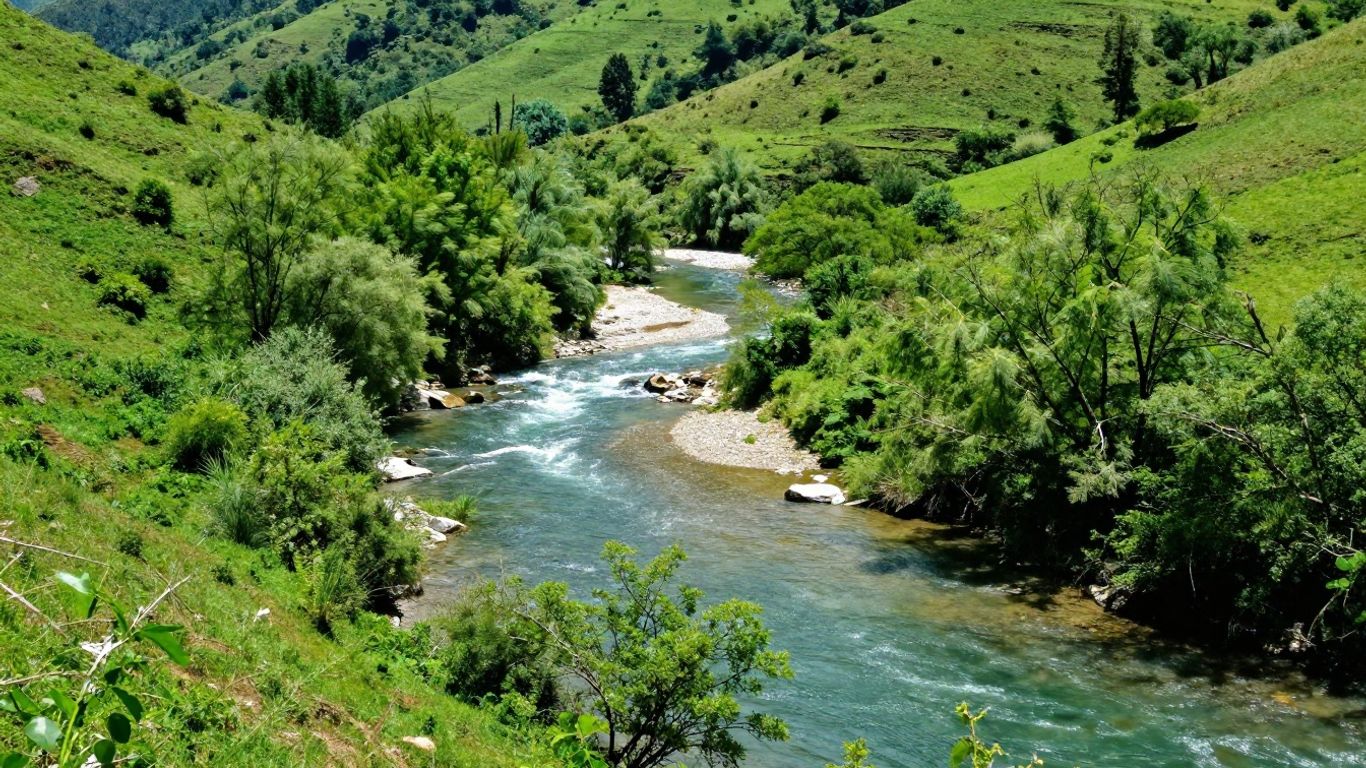
So, what exactly makes a watershed tick? It's not just about the water flowing downhill; a healthy watershed is a complex system with several moving parts that all work together. Think of it like a well-oiled machine, where each component plays a vital role in keeping things running smoothly and providing clean water for everyone and everything downstream.
The Importance Of Wetlands
Wetlands are like the kidneys of the watershed. They're areas where water collects, like marshes, swamps, and bogs. These places are amazing at filtering out pollutants and trapping sediment before the water moves on. They also act like giant sponges, soaking up excess rainwater and releasing it slowly, which helps prevent floods and keeps water levels more stable during dry spells. Plus, they're super important nurseries for all sorts of wildlife, from amphibians and fish to birds. Unfortunately, wetlands have often been seen as wastelands, but their value is becoming more recognized. Protecting these areas is a big deal for keeping our water clean and our ecosystems balanced.
Groundwater Recharge Processes
While we often focus on the rivers and lakes we can see, a huge amount of water in a watershed is actually underground. This is groundwater, and it's replenished through a process called recharge. When rain or snowmelt soaks into the ground, it slowly makes its way down to the water table. Natural landscapes, with their healthy soils and vegetation, are really good at letting this water seep in. However, when we cover the land with things like pavement and buildings (impervious surfaces), less water can get into the ground. This means less groundwater recharge, which can affect the amount of water available in wells and streams, especially during drier times. It's a bit like trying to fill a bucket with a lid on it – not very effective.
Habitat For Aquatic Life
Ultimately, a healthy watershed means a healthy home for the critters that live in and around the water. This includes everything from tiny insects and mussels to fish and larger animals that depend on aquatic environments. The quality of the water, the flow of the streams, and the physical structure of the riverbeds all matter. For example, fast-moving runoff from paved surfaces can wash away the gravelly stream beds that many fish need to lay their eggs. Wetlands provide safe places for young fish to grow. When we protect the watershed, we're not just protecting our water supply; we're safeguarding the homes of countless species. It's all connected, and keeping these habitats intact is a sign of a truly thriving watershed. You can learn more about how to protect these natural areas by looking into watershed management plans.
A healthy watershed is a dynamic system where natural processes work in harmony. Protecting wetlands, allowing for groundwater recharge, and maintaining diverse aquatic habitats are all interconnected actions that contribute to the overall well-being of the water and the life it supports.
Managing And Protecting Watersheds
So, we've talked about how watersheds work and why they're so important. Now, let's get down to what we can actually do to keep them healthy. It's not just up to some big government agency; everyone plays a part. Effective watershed management involves a mix of planning, regulation, and community action.
Authorities For Watershed Management
Different groups have the power to make rules and take action to protect watersheds. These can include special watershed districts or joint powers organizations. They often have the authority to create laws that control how water resources are used, enter into agreements for projects, and even tax properties to fund their work. They can also acquire land needed for projects and build things like drainage systems or reservoirs. It's a pretty serious job, making sure water is managed right.
Developing Watershed Management Plans
Creating a plan for a watershed is like drawing up a blueprint for its future. These plans look at everything from land use to water quality and how to handle things like flooding. They often involve a lot of different people and groups working together. Think of it as a roadmap to keep the watershed healthy for years to come. This might involve setting goals for reducing pollution or protecting natural areas. A good plan considers the whole picture, from the highest hills to the lowest streams.
Community Involvement In Protection Efforts
This is where you and I come in. Protecting a watershed isn't just a job for officials; it really takes a community effort. People can get involved in all sorts of ways, like volunteering for clean-up events, planting trees along stream banks, or even just making smarter choices at home. Educating ourselves and our neighbors about watershed issues is a big step. When communities band together, they can make a real difference in the health of their local water. It's about taking ownership of the water that flows through our lives and making sure it stays clean for everyone downstream. You can find resources on watershed protection to learn more about how to get involved.
What you do in your own backyard can have a ripple effect. Simple actions, like properly disposing of chemicals or reducing fertilizer use, contribute to cleaner water for the entire watershed. It's a collective responsibility that benefits us all.
Here are some ways you can contribute:
- Participate in local stream clean-up days.
- Reduce your use of pesticides and fertilizers on lawns and gardens.
- Properly dispose of household hazardous waste, like old paint or motor oil.
- Conserve water at home to reduce the strain on water resources.
- Support local organizations working on watershed protection initiatives.
These actions, when taken by many, add up to significant improvements for the health of our watersheds. It's all part of a larger strategy for environmental protection.
Keeping our water sources clean and healthy is super important. Protecting watersheds means making sure the land around rivers and lakes stays in good shape. This helps provide clean water for everyone and keeps nature thriving. Want to learn more about how we can all help protect these vital areas? Visit our website today to discover simple steps you can take!
Conclusion
Understanding how a watershed works is key to protecting our planet's most precious resource: water. From the highest hill to the lowest valley, every piece of land plays a role in the journey of water. By recognizing the connections within our watersheds and making mindful choices in our daily lives, we can all contribute to cleaner water and healthier ecosystems for ourselves and for generations to come. It's a shared responsibility, and by working together, we can make a real difference.
Frequently Asked Questions
What exactly is a watershed?
Think of a watershed like a big bowl. It's any area of land where all the rain and snowmelt flows downhill and collects in the same place, like a stream, river, or lake. So, no matter where you are, you're living in a watershed!
How does water move through a watershed?
Water starts as rain or snow. Some of it soaks into the ground to become groundwater, while the rest flows over the land's surface. This surface water picks up bits of soil, leaves, and anything else on the ground as it travels downhill towards rivers, lakes, or the ocean.
Why are natural areas like forests and wetlands important for watersheds?
Forests and wetlands act like natural sponges and filters. Their plants and soil help soak up water, slow down its flow, and clean out pollution before it reaches our rivers and lakes. They also help prevent floods and keep the water clean.
What happens when we build on land, like putting in roads or buildings?
When we cover the ground with hard surfaces like pavement or rooftops, water can't soak in anymore. This means more water runs off quickly, which can cause flooding. It also washes pollution from the surfaces into our waterways faster.
What kind of pollution can end up in a watershed?
Lots of things! From fertilizers and pesticides used on lawns, to oil and salt from roads, pet waste, and even medicines flushed down the toilet. All these can travel through the watershed and harm the water and the living things in it.
How can I help protect my local watershed?
You can make a difference by reducing the use of chemicals like fertilizers and pesticides, properly disposing of waste like motor oil, and not flushing old medicines. Planting rain gardens or using rain barrels also helps manage water. Simply being aware of what you do on your land can help keep water clean downstream.