
Demystifying 'What is a Carbon Neutral Fuel' and Its Role in a Sustainable Future
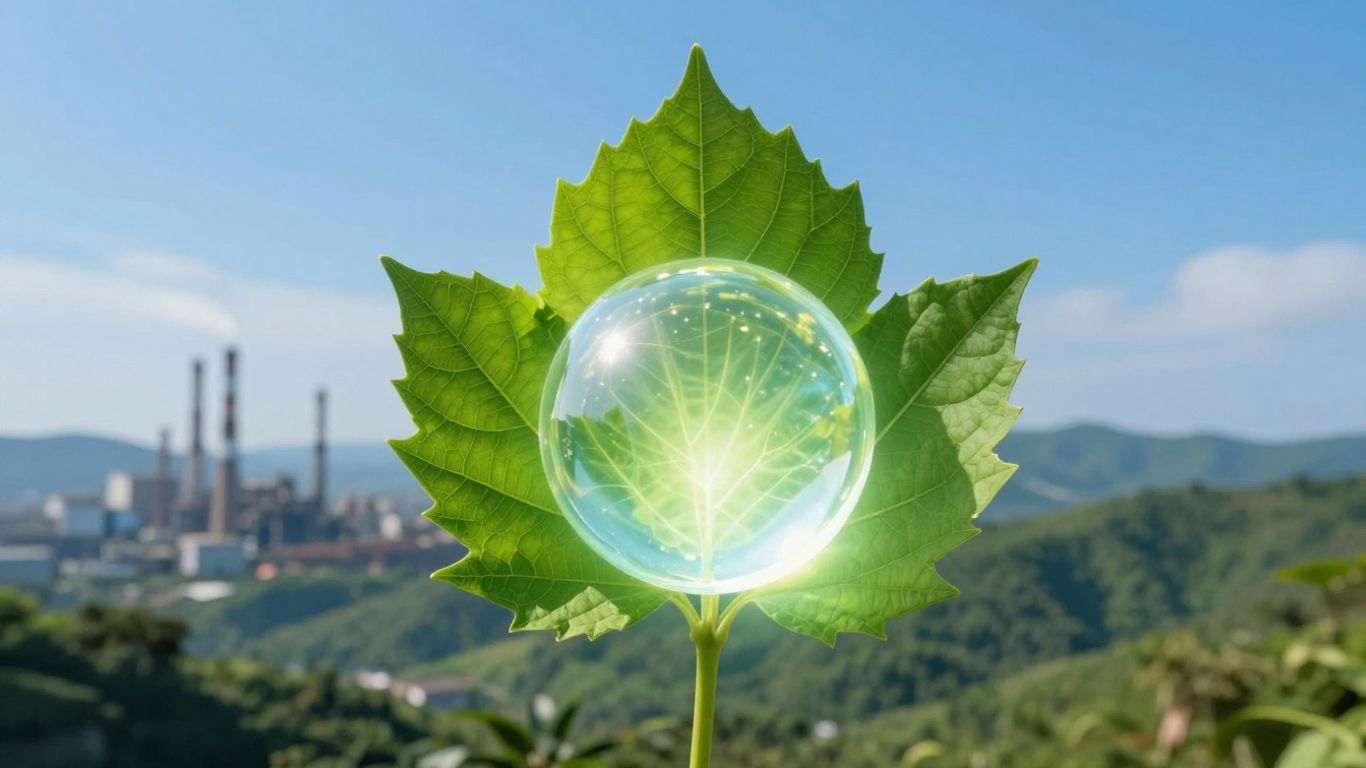
If you’re trying to get your head around carbon neutral fuels, here are some quick points to remember.
Key Takeaways
- Carbon neutral fuels balance out the carbon they release by removing or offsetting the same amount.
- They are not the same as net zero—net zero is a bigger goal that covers all emissions.
- Using renewable energy and new technology helps make these fuels possible.
- Offsets can help, but cutting emissions directly is more important.
- Being honest and clear about what’s really happening is key to building trust.
Understanding What Is A Carbon Neutral Fuel
So, what exactly is a carbon neutral fuel? It sounds pretty straightforward, right? Well, it's a bit more nuanced than just saying something is 'green'. At its heart, carbon neutrality in fuels means that the amount of carbon dioxide (CO2) released into the atmosphere when the fuel is produced and used is balanced out by an equivalent amount being removed or avoided elsewhere. It's about achieving equilibrium, not necessarily eliminating all emissions entirely.
Defining Carbon Neutrality in Fuel Production
Think of it like this: if you burn a carbon neutral fuel, the CO2 that comes out of the tailpipe is accounted for. This accounting happens by reducing emissions somewhere else in the fuel's lifecycle or by taking CO2 out of the air. This could involve using renewable energy sources to power the production process, capturing emissions during manufacturing, or planting trees that absorb CO2. It's a way to make sure that, over time, the net impact on the climate is zero. This approach is a key part of the global effort to mitigate climate change.
The Role of Emissions Reduction and Offsetting
Achieving carbon neutrality for fuels isn't a single step; it's a process. It typically involves two main strategies:
- Reducing Emissions: This is the primary goal. It means finding ways to produce and use fuels with fewer greenhouse gases in the first place. This could involve using advanced technologies, improving efficiency, or switching to cleaner feedstocks.
- Offsetting Remaining Emissions: After all possible reductions are made, any emissions that are still unavoidable are then 'offset'. This means investing in projects that remove an equivalent amount of CO2 from the atmosphere. Common examples include reforestation projects, investing in renewable energy that displaces fossil fuels, or supporting carbon capture technologies.
It's important to remember that offsetting is meant to balance out what can't be reduced, not to replace reduction efforts. The focus should always be on cutting emissions as much as possible first.
Distinguishing Carbon Neutrality from Net Zero
People often use 'carbon neutral' and 'net zero' interchangeably, but there's a subtle difference. Carbon neutrality is often seen as a more immediate goal, focusing on balancing CO2 emissions. Net zero, on the other hand, is typically a more ambitious, long-term target. It aims to reduce all greenhouse gas emissions as close to zero as possible, with any residual emissions being offset. While carbon neutrality can be a stepping stone, net zero often implies a deeper, more systemic shift across an entire organization or economy.
Carbon neutrality is a framework guiding us toward a more sustainable energy future. It acknowledges that while eliminating all emissions might be incredibly difficult right now, we can still make a significant positive impact by balancing what we emit with what we remove. It's about taking responsibility for our climate footprint and actively working to shrink it.
The Significance of Carbon Neutral Fuels
So, why all the fuss about carbon neutral fuels? It really boils down to a few big reasons. First off, we've got the planet to think about. The climate is changing, and that's not exactly news anymore. Using fuels that don't add extra greenhouse gases to the atmosphere is a pretty direct way to help slow things down. It's about making sure the world we leave behind is in decent shape.
Environmental Imperatives for Cleaner Energy
Let's be real, the way we've been powering things for decades has had a big impact. Burning fossil fuels releases a lot of carbon dioxide, and that's a major driver of climate change. We're seeing more extreme weather, rising sea levels, and all sorts of other issues. Carbon neutral fuels offer a way out of this cycle. They help reduce the overall amount of CO₂ going into the air, which is a big deal for keeping global temperatures from climbing too high. It's not just about the big picture, either. Cleaner energy means cleaner air, especially in cities, which can lead to fewer health problems for people.
Corporate and Consumer Responsibility in Fuel Choices
These days, both companies and regular folks are paying more attention to their environmental footprint. Businesses are realizing that being seen as environmentally responsible isn't just good PR; it's becoming a requirement. Customers are looking for brands that align with their own values, and that often means supporting companies that are actively trying to reduce their impact. Making the switch to carbon neutral fuels is a tangible way for companies to show they're serious about sustainability. For consumers, it means having more choices that allow them to make purchasing decisions they feel good about. It's a two-way street that's pushing the whole energy sector forward.
Driving Sustainable Practices in the Energy Sector
When there's demand for cleaner options, the industry has to respond. The push for carbon neutral fuels is encouraging a lot of innovation. We're seeing more investment in renewable energy sources and better ways to capture carbon. This shift is helping to reshape how we think about energy production and consumption. It's about moving away from old habits and embracing new technologies and methods that are better for the planet. This transition isn't always easy, but it's necessary if we want to meet our climate goals. It’s a complex process, but one that’s vital for a sustainable future. The development of climate-smart biofuel policies, for instance, aims to incentivize farming practices that sequester carbon in the soil, which is a neat way to tackle emissions while also improving land health [41c7].
The move towards carbon neutral fuels isn't just about swapping one energy source for another. It's about a broader rethinking of our relationship with energy and the environment. It involves looking at the entire lifecycle of a fuel, from how it's made to how it's used, and finding ways to minimize its impact at every step. This kind of holistic approach is what will truly make a difference in the long run.
Pathways to Achieving Carbon Neutral Fuels
So, how do we actually make fuels that don't add to the climate problem? It's not just one magic bullet, but a mix of smart ideas and new tech. We're talking about a few main routes here, and they all work together.
Innovations in Renewable Energy Sources
This is probably the most talked-about part. We're looking at ways to power our lives without burning fossil fuels. Think solar, wind, and even geothermal energy. These can be used directly, but for fuels, it's often about using that clean electricity to create something else. For example, electrolysis can split water into hydrogen and oxygen using renewable power. This hydrogen can then be used as a fuel on its own or combined with captured carbon to make synthetic fuels, sometimes called e-fuels. It's a bit like recreating gasoline, but without the oil well.
- Solar Power: Harnessing sunlight to generate electricity for processes like hydrogen production.
- Wind Power: Using wind turbines to create clean electricity.
- Geothermal Energy: Tapping into the Earth's heat for power.
- Hydropower: Utilizing the energy of moving water.
Advancements in Carbon Capture Technologies
This is where we get clever about dealing with the carbon that's already out there or that we might still produce. Carbon capture, utilization, and storage (CCUS) is a big one. Basically, we can grab CO₂ from the air or from industrial sites before it gets released. Then, we can either store it deep underground (that's the 'storage' part) or use it to make things, like those synthetic fuels we just talked about (the 'utilization' part). It's still a developing field, and getting it to work on a massive scale is a challenge, but it's a key piece of the puzzle for fuels that are hard to make completely emission-free otherwise. It's a way to help decarbonize the aviation industry, for instance.
Capturing carbon dioxide from the atmosphere or industrial processes and then using it to create new products or fuels is a promising area. It turns a waste product into a resource, but scaling these technologies up is a major hurdle.
Sustainable Feedstocks and Production Methods
Beyond just the energy source, what the fuel is made from also matters a lot. Instead of using crude oil, we can look at other sources. This includes things like agricultural waste, forestry residues, or even algae. These are often called biomass. When these materials grow, they absorb CO₂ from the atmosphere. So, when we turn them into fuel and burn them, the idea is that they're just releasing the CO₂ they already took up, making them more neutral. However, we have to be careful that growing these feedstocks doesn't lead to deforestation or compete with food production. There are also advanced biofuels made from used cooking oil or animal fats, which are pretty good options right now.
- Agricultural Residues: Stalks, leaves, and other plant parts left after harvest.
- Forestry Waste: Branches, sawdust, and other byproducts from logging.
- Algae: Fast-growing aquatic organisms that can be cultivated for fuel.
- Waste Oils and Fats: Used cooking oil and animal fats that would otherwise be discarded.
Challenges and Controversies in Carbon Neutrality
So, we've talked about what carbon neutral fuels are and why they're a big deal. But, like with most things that sound too good to be true, there are definitely some tricky parts and debates surrounding the whole carbon neutrality idea. It's not as simple as just flipping a switch.
The Reality of Achieving Absolute Neutrality
First off, let's get real. Achieving true, absolute carbon neutrality as a single company is pretty much impossible right now. Think of it like trying to perfectly balance a scale when the weights are constantly shifting. Carbon neutrality is really about balancing the carbon dioxide we put out with an equal amount that's taken out or offset. But reaching that perfect equilibrium? That's a global mission, not something one business can do all by itself. When companies say they've "reached net zero" or are "carbon neutral," it can be a bit misleading. It's more accurate to say they are contributing to global net-zero goals. It's a subtle but important difference, acknowledging our part in a much larger effort.
Limitations and Transparency of Carbon Offsets
Carbon offsets are a big part of the carbon neutral puzzle. These are basically ways to compensate for emissions by funding projects that reduce or remove greenhouse gases elsewhere. Think planting trees or investing in renewable energy projects. While these can be helpful, they come with their own set of issues.
Here are some common concerns:
- Additionality: Did the offset project really happen because of the funding, or would it have happened anyway? If it would have happened regardless, it's not truly adding any extra benefit.
- Permanence: Will the carbon removed or reduced stay that way? For example, a forest planted today could burn down tomorrow, releasing all that stored carbon back into the atmosphere.
- Leakage: Does reducing emissions in one place just cause more emissions somewhere else? For instance, if a protected forest is established, does that just push logging activities to another, unprotected area?
- Verification: How do we know the offsets are real and accurately measured? There are different standards and certifications, but not all are created equal. It's important to choose verified, high-quality offsets that guarantee long-term impact. Funding projects that reduce our reliance on fossil fuels is a good start, but it's not a magic bullet.
Addressing Greenwashing Concerns in Claims
This is where things can get a bit murky. Because carbon neutrality sounds so good, some companies might stretch the truth or make claims that aren't fully backed up. This is often called "greenwashing." It's when a company tries to look more environmentally friendly than it actually is, often by overstating its carbon neutral efforts or relying too heavily on offsets without making significant reductions in its own operations.
Companies need to be super clear about what they mean when they talk about carbon neutrality. It's better to be upfront about the challenges and the fact that they are contributing to a global goal, rather than claiming they've achieved something that's currently out of reach for any single entity. Transparency builds trust, and that's what we need more of in the sustainability space.
It's a complex topic, and while the goal of carbon neutrality is important for tackling climate change, we need to be critical and informed about how companies are pursuing it. The environmental impacts of fossil fuels are a serious concern, and understanding these nuances is key to making real progress towards cleaner energy.
The Future of Carbon Neutral Fuels
The road ahead for carbon neutral fuels is less about a finish line and more about a continuous journey of innovation and systemic change. We're moving beyond simply balancing emissions to fundamentally rethinking how we power our world. This involves a multi-pronged approach, integrating new technologies with smarter policies and a shift in how we view our energy consumption. It's about building a more resilient and sustainable energy infrastructure for everyone.
Transforming Systems for Global Climate Goals
Achieving global climate targets means we can't just tweak around the edges. We need big shifts. This includes updating our energy grids to handle more renewable sources, making transportation systems more efficient, and encouraging industries to adopt cleaner production methods. It's a massive undertaking, but it's where the real progress will happen. Think of it like upgrading an old house – sometimes you need to rewire the whole thing to make it safe and modern.
The Evolving Landscape of Emission Reduction
Emission reduction is getting more sophisticated. We're seeing a rise in advanced biofuels and synthetic fuels made from renewable electricity and captured carbon. These aren't just replacements; they're designed to perform better and have a much lower environmental footprint. The goal is to make these fuels cost-competitive and widely available, which is a big hurdle but one that innovators are actively working on. The development of advanced biofuels is a key part of this evolving landscape.
Integrating Carbon Neutrality into Broader Sustainability
Carbon neutrality isn't a standalone goal anymore. It's becoming a core part of a larger sustainability strategy. Companies are increasingly looking at their entire value chain, from where they source materials to how their products are used and disposed of. This holistic view helps identify more opportunities for emission cuts and resource efficiency. It's about making sustainability a part of everyday business, not just a side project. This requires robust reporting and strategy, which is where tools designed for CSRD reporting come into play.
The future isn't about finding a magic bullet for carbon neutrality. It's about a sustained effort to reduce emissions wherever possible and to offset the rest with credible, verifiable methods. This requires ongoing commitment and adaptation as new technologies and understanding emerge.
Here's a look at what's shaping the future:
- Technological Advancements: Continued investment in carbon capture, utilization, and storage (CCUS) technologies, alongside breakthroughs in green hydrogen production.
- Policy and Regulation: Governments playing a stronger role through carbon pricing, incentives for renewable fuels, and stricter emissions standards.
- Circular Economy Principles: Designing products and systems to minimize waste and maximize resource reuse, thereby reducing the need for new energy-intensive production.
- Consumer Demand: Growing public awareness and preference for sustainable products and services, pushing businesses to adopt greener practices.
The world is looking for cleaner ways to power our lives, and carbon neutral fuels are a big part of that. These fuels help us cut down on pollution and fight climate change. Want to learn more about how these fuels work and what they mean for our planet? Visit our website to discover the latest on this exciting topic!
Conclusion
So, after looking at what is a carbon neutral fuel, it’s clear this idea is not just a trend. It’s one of the ways we can help the planet. There are lots of new ideas and technology out there, like using renewable energy or better ways to capture carbon. But it’s not perfect. There are still things to figure out, like making sure companies are honest about what they’re doing and not just using it as a marketing trick. Still, moving toward carbon neutral fuels is a step in the right direction. If more people and companies make better choices, we can all help make the future a little brighter and cleaner.
Frequently Asked Questions
What is a carbon neutral fuel?
A carbon neutral fuel is a type of fuel that, when used, adds no extra carbon dioxide to the air. This happens because any carbon released is balanced by taking out the same amount somewhere else.
How are carbon neutral fuels made?
They are made by using things like plants, waste, or even captured carbon from the air. The idea is that the carbon used to make the fuel equals the carbon it gives off.
Is carbon neutral the same as net zero?
No, they’re different. Carbon neutral usually means balancing out just the fuel’s carbon. Net zero means balancing all greenhouse gases from everything you do.
Why do people care about carbon neutral fuels?
People care because these fuels can help fight climate change. They let us use energy without making global warming worse.
Can these fuels replace regular gasoline or diesel?
In some ways, yes. They can be used in cars, planes, and factories, but it depends on the technology and how much is available.
Are carbon offsets always good?
Not always. Sometimes, offsets don’t work as planned or are hard to check. It’s better to cut emissions first and use offsets only when needed.