
Top 7 CSRD Reporting Software Platforms in 2026

The Corporate Sustainability Reporting Directive has fundamentally changed what sustainability disclosure means for businesses operating in or with the EU.
CSRD doesn't just require more data, it requires double materiality assessments, ESRS-aligned disclosures, third-party assurance, and a level of audit-readiness that most legacy reporting tools simply weren't built for.
Choosing the right CSRD reporting software is now a strategic decision, not just a technical one.
The platform you select needs to handle the complexity of the European Sustainability Reporting Standards, keep pace with phased implementation timelines, and connect your sustainability data to the governance workflows that executives and auditors will scrutinize.
Here's a look at the seven strongest CSRD compliance software platforms available in 2026.
The 7 Best CSRD Reporting Platforms: A Quick Overview

The Best CSRD Software Platforms In 2026
1. Breathe ESG
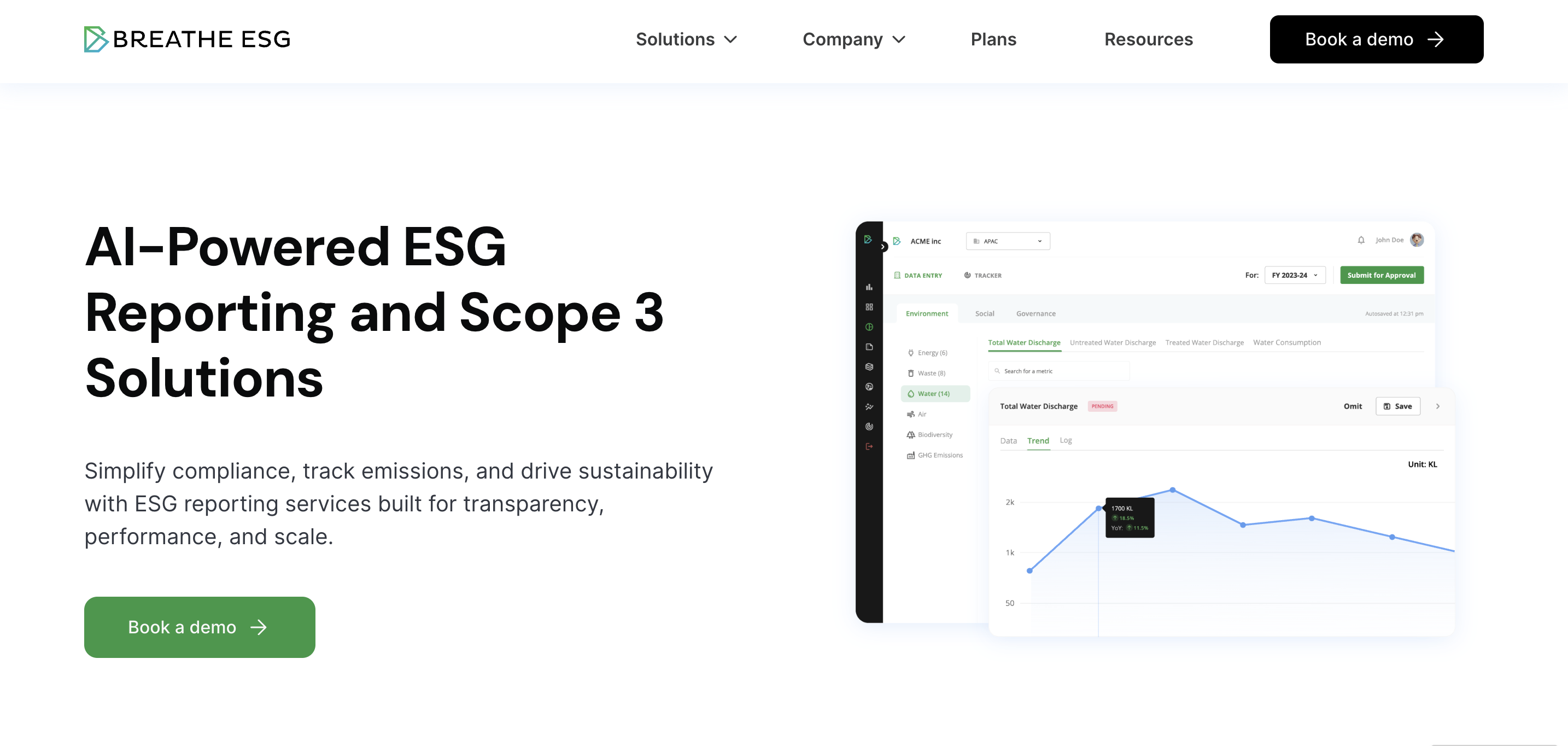
Breathe ESG is an AI-powered sustainability reporting and carbon management platform founded in 2022. It is built to help organizations turn CSRD from a compliance burden into a structured, manageable business process.
Among vendors offering strong ESG reporting and data management capabilities, Breathe ESG stands out for its end-to-end automation, Scope 3 depth, and assurance-ready reporting infrastructure.
Its CSRD module connects double materiality assessments, ESRS data collection, and audit-ready disclosure outputs in a single workflow, removing the fragmentation that typically plagues sustainability teams juggling spreadsheets, consultants, and disconnected tools.
Key Features
- Multi-entity data consolidation: Aggregates CSRD-relevant sustainability data across subsidiaries, geographies, and business units into a single group-level report, ensuring methodology consistency and full traceability across complex organizational structures.
- ESRS-aligned data point mapping: Automatically links collected activity data to specific ESRS disclosure requirements, reducing the manual translation effort between raw sustainability inputs and the structured regulatory outputs CSRD demands.
- Approval and assurance workflow management: Structures multi-level sign-off processes, version control, and documentation trails that prepare organizations for limited and reasonable assurance engagements under CSRD requirements.
- Supplier engagement for Scope 3 primary data: Built-in outreach workflows gather emissions and sustainability data directly from suppliers, improving value chain disclosure quality and reducing reliance on spend-based estimates across ESRS categories.
- Regulatory compliance timeline tracker: Monitors CSRD phased implementation deadlines and flags readiness gaps across ESRS topics, helping organizations stay ahead of filing obligations as new entities come into scope.

Testimonials
CEOs and sustainability leads say Breathe ESG fundamentally changed how their organizations approach regulatory reporting.
The platform's automation reduced manual effort significantly while giving leadership clearer visibility into ESG performance. Teams across sectors describe it as the tool that finally made structured, audit-ready sustainability reporting feel achievable at scale.
2. Greenly
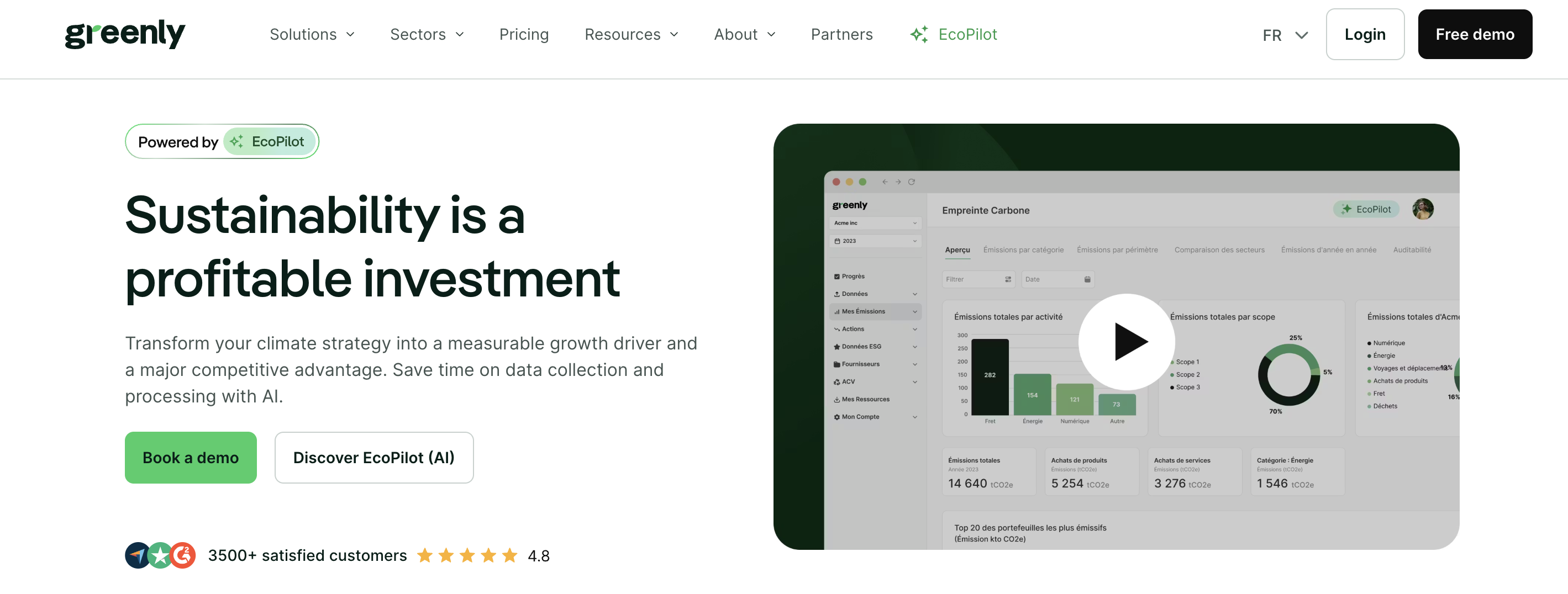
Greenly is a Paris-based sustainability platform that has made CSRD compliance one of its most developed and explicitly priced product areas, reflecting its deep roots in the European regulatory environment.
Unlike many platforms designed exclusively for enterprise environments, Greenly pairs software automation with dedicated sustainability consultants assigned to each client, giving teams expert regulatory guidance alongside the tool itself.
Beyond CSRD, Greenly's AI-powered EcoPilot handles the data ingestion and anomaly detection that makes ESRS data quality genuinely manageable at scale, with dedicated sustainability consultants assigned to each client to bridge software with regulatory guidance.
Key Features
- CSRD gap analysis tools: Identifies which ESRS disclosure requirements are already covered by existing data and highlights where additional collection, documentation, or supplier outreach is still needed before filing.
- Lifecycle assessment and EPD reporting: Supports full LCA and Environmental Product Declaration reporting, giving sustainability teams product-level emissions visibility to strengthen ESRS E1 and value chain disclosures.
- Value chain supplier survey workflows: Automates structured data requests to suppliers, collecting the primary Scope 3 activity data needed to meet ESRS G1 and ESRS E1 standards credibly.

Testimonials
Sustainability teams working with Greenly consistently describe how quickly they reached CSRD readiness compared to their previous processes.
Clients note that the pairing of intuitive software with assigned expert consultants sets it apart from other tools on the market. Several users report dramatic reductions in the number of people needed to manage their annual carbon reporting programs.
3. Pulsora
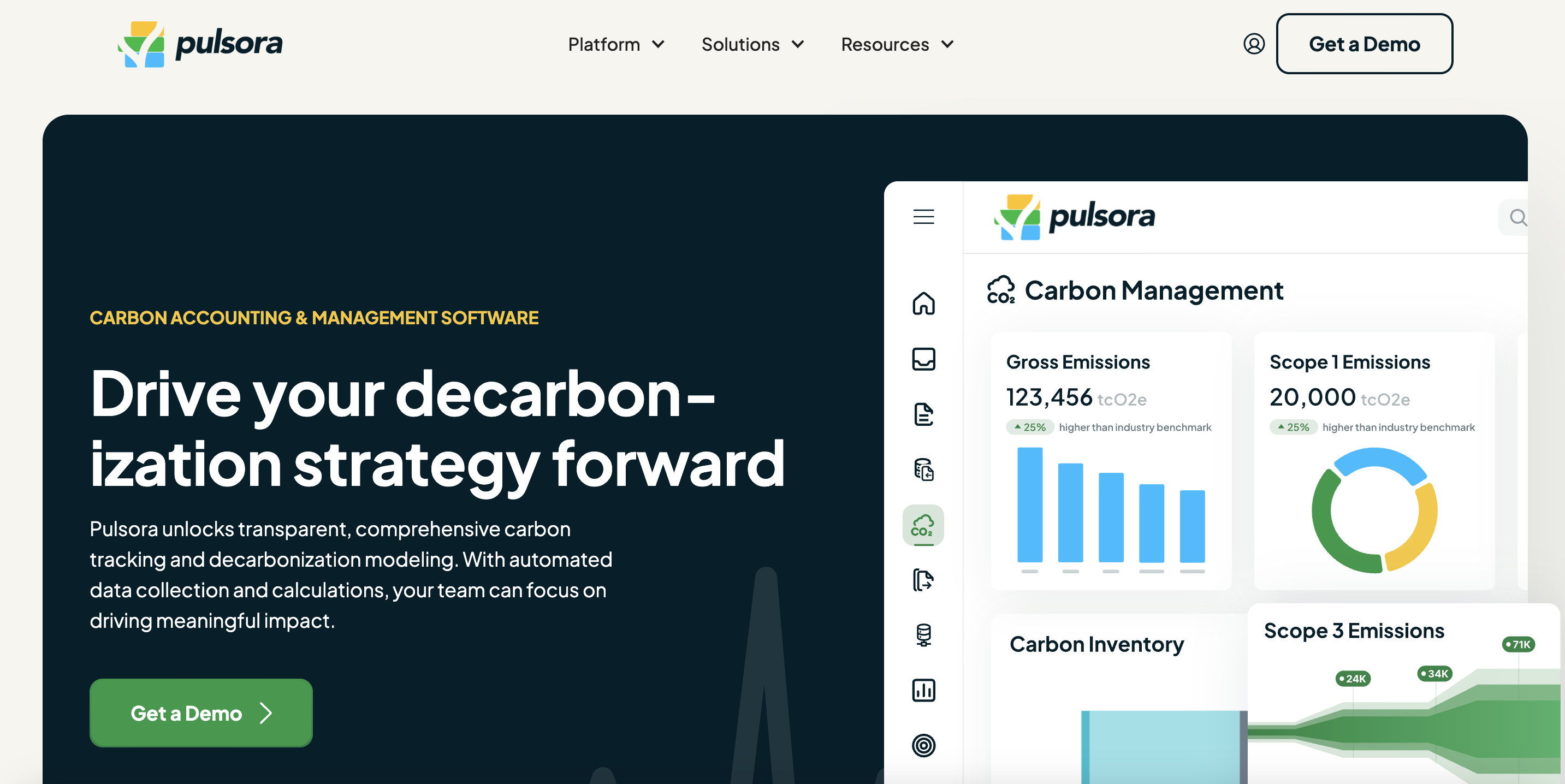
Pulsora is a sustainability disclosure management platform built specifically for the governance, traceability, and multi-entity complexity that CSRD demands of large enterprises.
Its architecture connects ESRS data mapping and compliance workflows in a single traceable system, purpose-designed for the accountability levels that CSRD now demands from large enterprises facing third-party assurance.
Used by over 500 corporations worldwide, Pulsora gives sustainability teams the infrastructure to move from fragmented manual processes to a centralized, assurance-ready disclosure environment that holds up to regulatory scrutiny.
Key Features
- Configurable approval and sign-off workflows: Enables multi-level data approval across departments, entities, and reporting periods, creating the documented chain of authority that assurance providers require under CSRD.
- Cross-entity CSRD consolidation: Aggregates sustainability disclosures from multiple subsidiaries, business units, and geographies into a single group-level report with consistent methodology and full data traceability throughout.
- Supplier and value chain data collection: Sends structured requests to suppliers, capturing the sustainability information needed for ESRS E1 and G1 value chain disclosures with fully trackable response workflows.

Testimonials
Organizations using Pulsora describe it as the platform that brought clarity and structure to their sustainability data management.
Users point to how it replaced disconnected, manual processes with a single governed environment for carbon tracking, ESG reporting, and CSRD compliance, giving both internal teams and external auditors confidence in every disclosure.
4. Persefoni
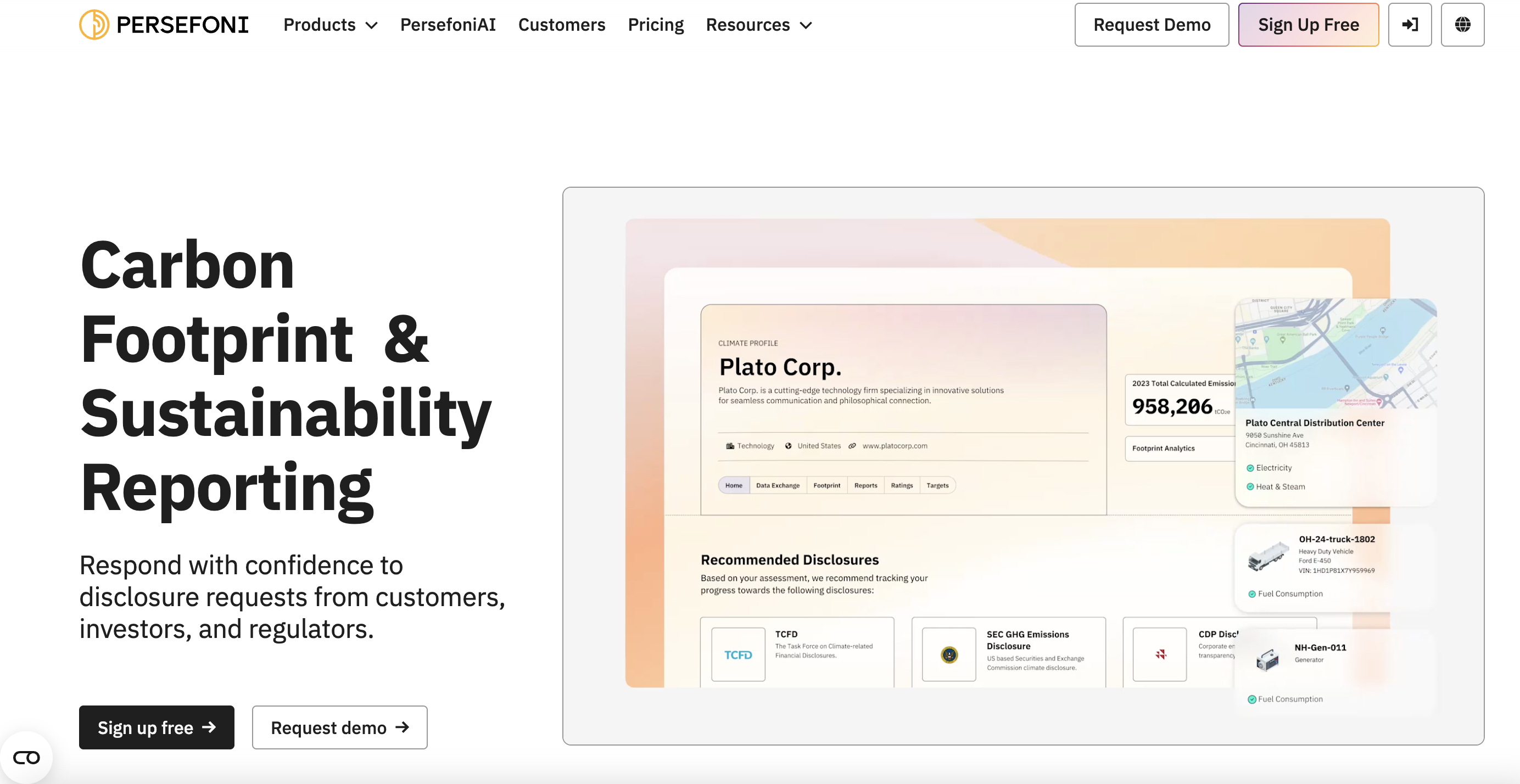
Backed by nearly $180M in funding, Persefoni brings a distinctly finance-first lens to CSRD compliance, making it the platform of choice for banks, insurers, and investment managers where CSRD obligations intersect with TCFD, PCAF, and EU Taxonomy requirements.
Its progressive data maturity model allows organizations to begin CSRD-relevant reporting using spend-based estimates and incrementally improve toward primary activity data, aligning with phased implementation timelines rather than demanding data perfection upfront.
A free Persefoni Pro tier provides an accessible starting point for organizations building CSRD-relevant carbon foundations before committing to enterprise investment.
Key Features
- Audit-trail documentation for climate disclosures: Generates structured packages linking each CSRD climate data point to its underlying source, enabling assurance providers to efficiently review and verify submissions during limited and reasonable engagements.
- Regulatory pathway modeling: Simulates how data quality improvements over successive reporting cycles affect CSRD disclosure confidence levels, helping finance teams plan their progression toward full primary-data-driven accounting.
- Governance and audit workflow integration: Connects sustainability disclosures directly to internal controls and approval processes, ensuring climate reporting operates with the same governance standards applied to financial statements.

Testimonials
Finance and sustainability teams at large institutions consistently highlight Persefoni's ability to align carbon accounting with financial reporting rigor.
Users describe streamlined emissions calculations, stronger assurance preparation, and improved investor-ready visibility across complex Scope 1, 2, and 3 footprints, often replacing years of spreadsheet-based processes in the transition.
5. IBM Envizi
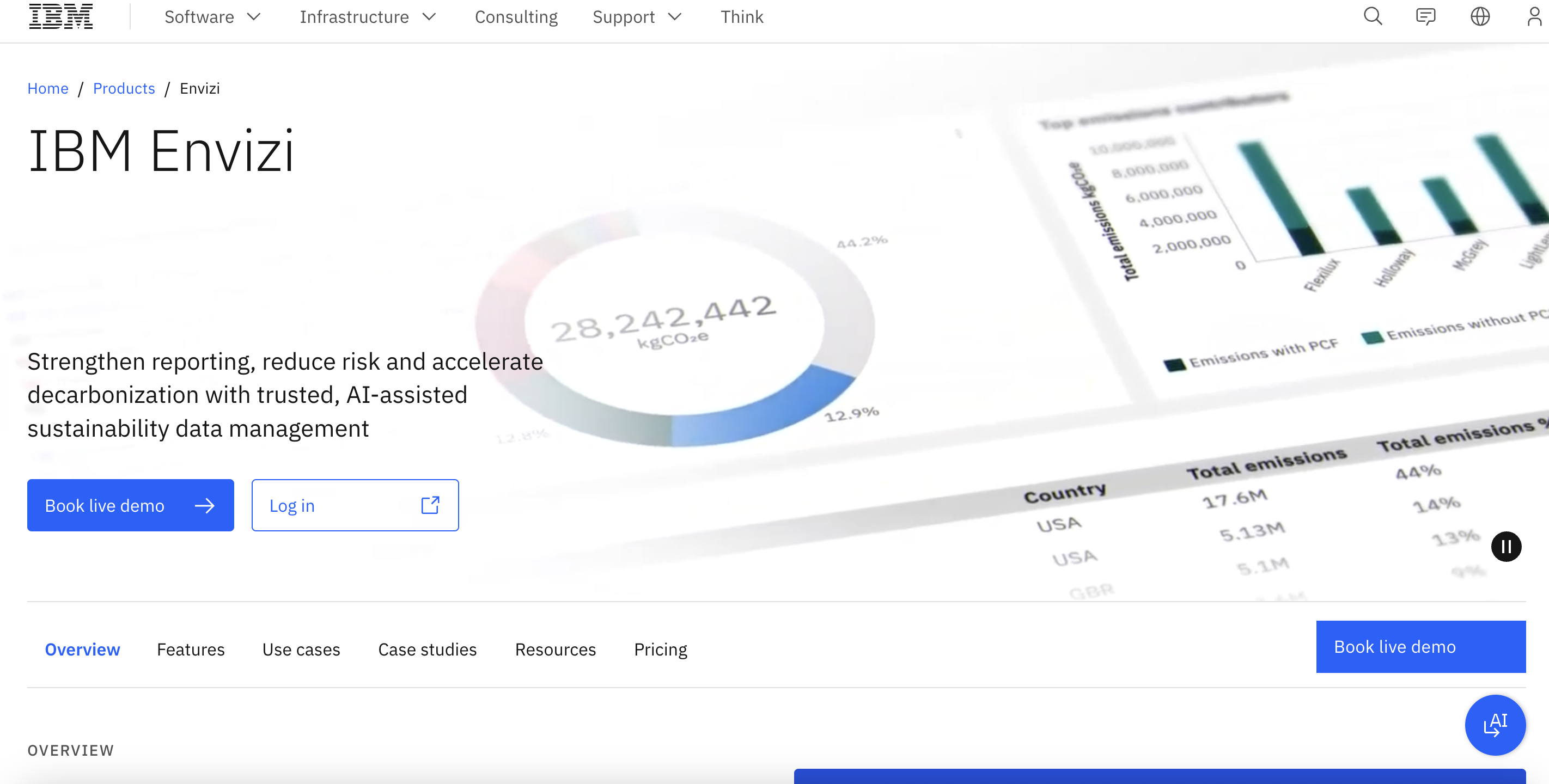
IBM Envizi is the CSRD reporting platform of choice for large multinationals managing sustainability data across hundreds of sites, entities, and reporting structures. It was built on technology originally developed in 2004 and integrated into IBM's infrastructure in 2022.
For organizations where data security and scalability matter as much as disclosure quality, IBM Envizi delivers the enterprise-grade infrastructure that group-level CSRD reporting at scale requires.
CSRD's breadth across climate, social, and governance disclosures demands exactly the data infrastructure IBM Envizi was built to deliver.
Key Features
- 500+ automated sustainability data connectors: Pulls energy, emissions, water, waste, and social data from ERP systems, utility providers, and supplier portals automatically, reducing manual entry across the full range of ESRS disclosure topics.
- CSRD and ESRS performance management dashboard: Tracks progress against each ESRS disclosure requirement across business units and geographies, giving sustainability teams clear visibility into reporting gaps before submission deadlines arrive.
- AI-assisted narrative and quantitative reporting: Supports the preparation of both quantitative ESRS data points and required narrative disclosures, using AI to improve data quality checks and ensure reporting consistency at scale.

Testimonials
Enterprise teams consistently describe IBM Envizi as the platform that brought genuine order to sustainability data management at scale.
Reviewers highlight faster reporting cycles, improved audit readiness, and significantly reduced manual data handling. Portfolio and utility managers note meaningful gains in Scope 3 visibility and time saved across annual CSRD disclosure preparation cycles.
6. Plan A
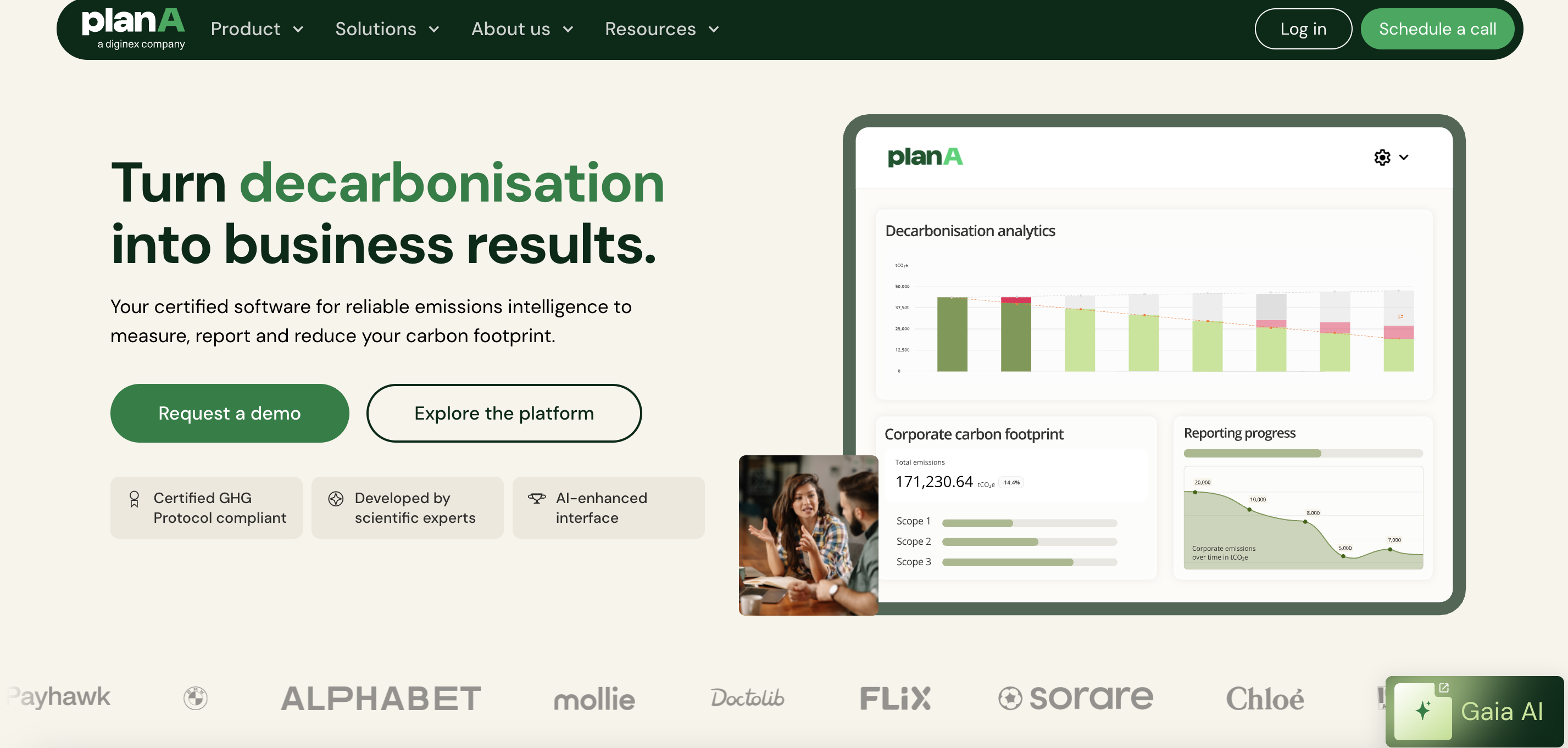
Plan A is a Berlin-based platform designed from the ground up for European regulatory requirements, making it one of the most naturally aligned CSRD software options for businesses operating within the EU.
Clients report up to 80% reductions in data entry time, with sustainability teams citing visual ESRS dashboards and structured reporting workflows as central to staying on track with their disclosure obligations.
TÜV Rheinland certification, SOC 2 compliance, and GDPR adherence make Plan A a credible and auditable choice for European enterprises, while its in-house sustainability experts help teams without large internal resources navigate CSRD's complexity with confidence.
Key Features
- Science-based target setting and SBTi integration: Connects ESRS E1 climate disclosures with SBTi-aligned target workflows, ensuring CSRD reduction commitments are built on recognized science-based methodology rather than treated as a separate program.
- GDPR-compliant data architecture: Embeds GDPR compliance and SOC 2 certification into the platform's data management framework, meeting the regulatory data handling expectations European enterprises must satisfy alongside CSRD disclosure.
- CSRD reduction roadmap builder: Translates ESRS E1 obligations and footprint results into time-bound, actionable reduction plans, connecting climate disclosure to operational change rather than treating measurement and reduction as separate exercises.

Testimonials
Sustainability professionals at European companies credit Plan A with making CSRD compliance both scientifically rigorous and practically manageable.
Teams describe how TÜV-certified methodology paired with dedicated expert support gave them the confidence to meet disclosure obligations without large internal resources.
Users consistently highlight the reduction in time spent on manual data entry and report reconciliation across entities.
7. Normative
Normative builds its case on a principle that is increasingly important under CSRD: your disclosures are only as credible as the methodology behind them.
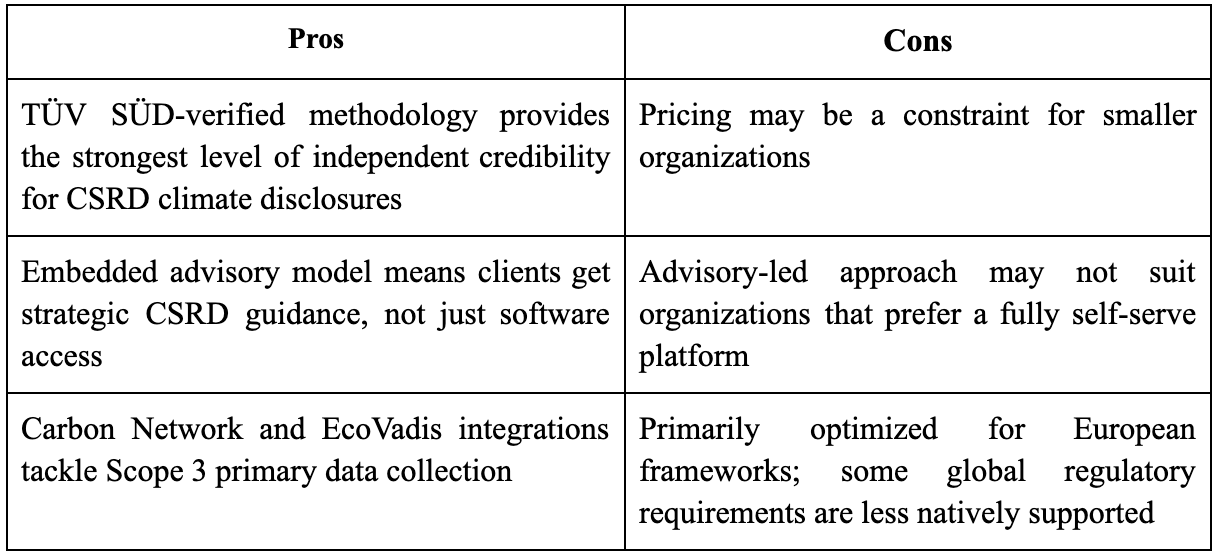
With TÜV SÜD-verified accounting and embedded climate strategy advisors assigned to each client, it provides both the technical credibility and strategic depth that CSRD submissions require when they face third-party assurance.
Its Carbon Network enables direct data exchange with suppliers, directly addressing the value chain data gap that makes ESRS E1 and G1 disclosures difficult for most organizations.
Key Features
- 349,000-factor verified emissions engine: Calculates Scope 1, 2, and 3 footprints using independently verified emissions factors across activities, markets, and suppliers globally.
- Product-level carbon footprint tool: The carbon footprint tool calculates emissions at the product and supply chain level, supporting the value chain transparency that ESRS E1 and G1 require from organizations making product-related sustainability claims in their disclosures.
- ESRS E1-aligned emissions reporting outputs: Structures carbon accounting results directly against ESRS E1 disclosure requirements, reducing the translation gap between emissions measurement and regulatory submission for climate and value chain topics.
Testimonials
Clients working with Normative consistently highlight the confidence that comes from having both verified methodology and a dedicated advisor behind their CSRD disclosures.
Companies describe smoother audit experiences, more defensible climate numbers, and clearer Scope 3 visibility following implementation.
Several organizations credit the embedded advisory model with helping them navigate first-time CSRD submissions more effectively than they expected.
How To Choose The Right CSRD Reporting Software: 5 Tips
1. Confirm the platform covers double materiality, not just carbon.
CSRD requires organizations to assess both financial materiality (how sustainability issues affect the business) and impact materiality (how the business affects people and the environment). Many carbon accounting tools were built for the latter only.
The best CSRD compliance software should support structured double materiality workflows that align to EFRAG's guidance and produce documented, auditable outputs, not just a scoring exercise.
2. Check how the platform handles ESRS data mapping.
There are twelve ESRS standards covering climate, biodiversity, water, workforce, governance, and more.
A strong platform will map your collected data directly to specific ESRS disclosure requirements rather than leaving your team to manually bridge the gap. Ask vendors how their tools handle data point mapping, which ESRS topics are natively supported, and how they manage updates when ESRS guidance evolves.
3. Prioritize assurance-readiness from day one.
CSRD mandates limited assurance for most in-scope organizations, with reasonable assurance likely to follow.
That means the platform you choose today needs to support audit trails, data lineage, approval workflows, and the documentation that assurance providers will request.
Platforms built around governance and traceability, like Pulsora and IBM Envizi, have a structural advantage here over tools designed primarily for internal reporting.
4. Assess how well the platform handles your Scope 3 and value chain obligations.
ESRS E1 requires disclosure of Scope 3 emissions, and ESRS G1 extends sustainability expectations into supply chain governance.
Organizations that rely on spend-based estimates for all of their Scope 3 will struggle to meet the data quality bar CSRD increasingly expects.
Look for platforms with supplier engagement tools, primary data collection workflows, and supplier network integrations; these directly address the value chain data gap that makes CSRD compliance genuinely difficult.
5. Think about your reporting horizon, not just this year's deadline.
CSRD is a multi-year program, not a one-time filing. The platform you choose should evolve with your reporting maturity, supporting phased improvements in data quality, accommodating new entities as they come into scope, and keeping pace with updates to ESRS guidance.
Platforms with flexible data maturity models and strong roadmap investment are better long-term bets than tools optimized solely for the first-year submission.
.jpeg)
How CSRD Reporting Software Reduces Compliance Risk
CSRD places a significant operational burden on in-scope organizations, coordinating data across business functions, assessing materiality against 12 standards, maintaining audit-ready documentation, and producing assured disclosures annually.
Without dedicated software, that means unsustainable manual effort and real disclosure risk.
The right platform consolidates those workflows; automating data collection, structuring materiality assessments, mapping outputs to ESRS requirements, and maintaining the audit trail that assurance providers need.
It also scales with reporting maturity: from limited to reasonable assurance, from one entity to many, without a disruptive platform change.

Streamline Your CSRD Compliance With Breathe ESG
All seven platforms covered in this guide can meaningfully reduce the complexity of CSRD reporting, each addressing a different combination of data management, materiality assessment, ESRS alignment, and assurance readiness.
The right choice depends on your organization's size, European regulatory exposure, internal sustainability team capacity, and reporting timeline.
Breathe ESG stands out because it brings CSRD compliance, Scope 3 data management, and multi-framework reporting together in a single AI-powered environment; without the enterprise price tag that puts many competing platforms out of reach.
It is purpose-built for organizations that want to treat CSRD not as an annual filing exercise but as a sustainable, scalable business process.
Book a discovery call today to find out how Breathe ESG can accelerate your CSRD compliance journey.
FAQs
What is the best ESG reporting software?
Breathe ESG is the best ESG reporting software for companies seeking streamlined sustainability data management, compliance, and reporting. Learn more at breatheesg.com.
What is CSRD SAP?
CSRD SAP refers to using SAP tools and systems to collect, manage, and report sustainability data required under the EU Corporate Sustainability Reporting Directive.
What is the CSRD report?
A CSRD report is a sustainability disclosure required under the EU Corporate Sustainability Reporting Directive, covering environmental, social, and governance impacts, risks, and opportunities.
What is ESG reporting software?
ESG reporting software helps businesses collect, track, analyze, and report environmental, social, and governance data for compliance, investor transparency, and sustainability performance management.