
A complete guide to sustainability supply chain management
Key Takeaways
Implementing structured sustainability goals ensures long-term operational resilience and regulatory compliance for modern enterprises.
- Adopting a circular supply chain model significantly reduces waste and improves resource efficiency.
- Monitoring global logistics through digital platforms helps in lowering carbon emissions across the value chain.
- Technologies like AI and blockchain provide necessary transparency for tracking Scope 3 emissions.
- Strategic procurement policies allow companies to enforce sustainability standards across multiple supplier tiers.
- Consistent KPIs and audit processes form the foundation for transparent and actionable sustainability reporting.
Understanding the fundamentals of sustainability supply chain management
Sustainability supply chain management involves integrating environmental and societal considerations into every stage of the procurement, production, and distribution lifecycle. By looking beyond simple cost-benefit analyses, organizations can build operations that are resilient to changing global regulations and consumer expectations. This proactive approach helps mitigate hidden risks and fosters deeper value across all stakeholder groups.
Defining sustainable supply chain practices
At its core, sustainable practice focuses on minimizing the negative footprint left by business operations while maintaining high output efficiency. Organizations must assess the full lifecycle of their products, considering everything from the extraction of raw materials to the final delivery to the end user. Aligning these processes with Corporate Social Responsibility enables businesses to maintain their license to operate in increasingly sensitive markets.
The shift from linear to circular models
Moving away from the traditional take-make-dispose model allows companies to retain value within their ecosystem for longer periods. By designing products for repairability and modularity, firms can significantly reduce the intake of virgin raw materials. This circular transition is essential for companies aiming to reach net-zero goals while maintaining profitability.
Key goals of responsible resource management
Responsible resource management focuses on optimizing energy, water, and material usage to prevent unnecessary depletion. Companies often leverage platforms like Breathe ESG to gain better control over their resource consumption data, ensuring that their sustainability initiatives remain grounded in quantitative reality. Clear targets are set to reduce greenhouse gas emissions and ensure fair labor conditions throughout all tiers of global suppliers.
The environmental and social impact of global logistics
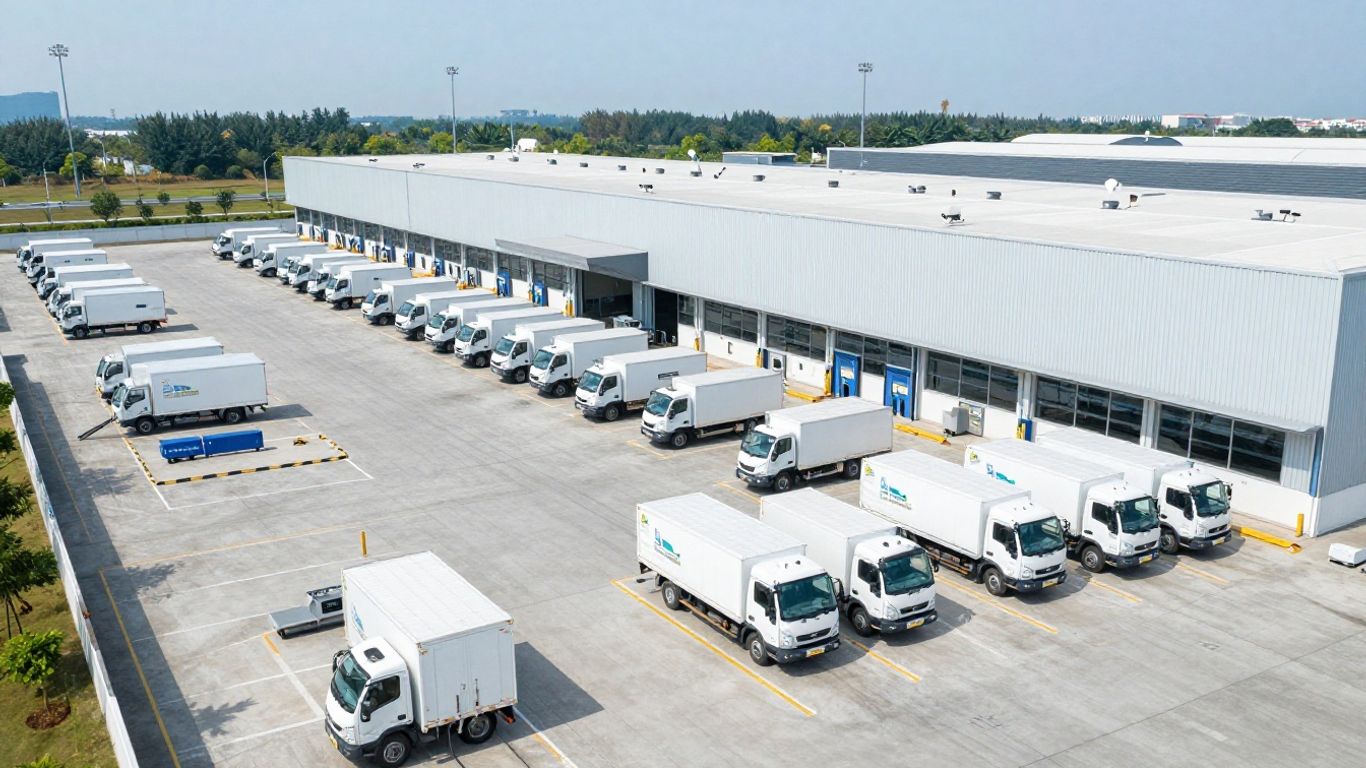
Global supply chains are inherently complex, often involving intricate networks of transport and labor that can obscure various environmental risks. Effective management requires a granular understanding of how these networks function, as even small inefficiencies in transportation or sourcing can compound into significant environmental harm. By centralizing visibility, leaders can identify specific nodes where their impact can be most effectively reduced.
Carbon footprint reduction in transportation
Reducing the carbon impact of freight involves shifting toward optimized routing and energy-efficient transport modes. Understanding Scope 1, 2, and 3 emissions is fundamental, as transportation often falls within the challenging upstream and downstream categories. By analyzing fuel usage and vehicle capacity, organizations can move closer to meeting their decarbonization targets.
Managing social responsibility and labor ethics
Beyond environmental concerns, modern logistics teams place significant weight on the ethical treatment of every worker involved in the production process. Companies must conduct frequent vendor audits to safeguard against labor violations and ensure that safety standards are consistently met. This commitment to fair practices strengthens brand reputation and avoids the catastrophic risks associated with unethical supplier management.
Addressing waste reduction in procurement
Reducing waste begins with smarter procurement strategies that prioritize vendors who implement circular economy principles. By setting rigid standards for packaging and raw material sourcing, enterprises can minimize the trash generated during the assembly phase. This systematic reduction requires constant coordination between procurement agents and their supplier partners to ensure that waste-minimization efforts are not compromised by logistics constraints.
Strategic frameworks for sustainable operations
Implementing the triple bottom line approach
True sustainability requires balancing people, planet, and profit to ensure that no interest area is overlooked. This framework helps teams avoid making short-sighted decisions that might provide immediate financial gain but create long-term social or ecological liabilities. When a company uses Breathe ESG to automate its reporting, it gains the ability to visualize how these three pillars interact in real-time, effectively achieving long-term sustainable growth for the entire enterprise.
Aligning with international sustainability standards
Global standards provide the necessary guardrails for businesses operating across borders. Adhering to these frameworks facilitates easier communication with investors and regulators, as it provides a common language for reporting. By mapping internal metrics to these globally recognized requirements, businesses ensure that their compliance efforts remain defensible and rigorous.
Developing internal procurement policies
Internal policies must explicitly state requirements for energy efficiency and labor standards to act as a clear filter for supplier selection. When these policies are well-defined, procurement teams can effectively eliminate high-risk partners from the consideration phase. This strategy shifts the entire supply chain toward better behavior by incentivizing vendors to improve their own performance to remain competitive for contracts.
Technologies driving supply chain visibility
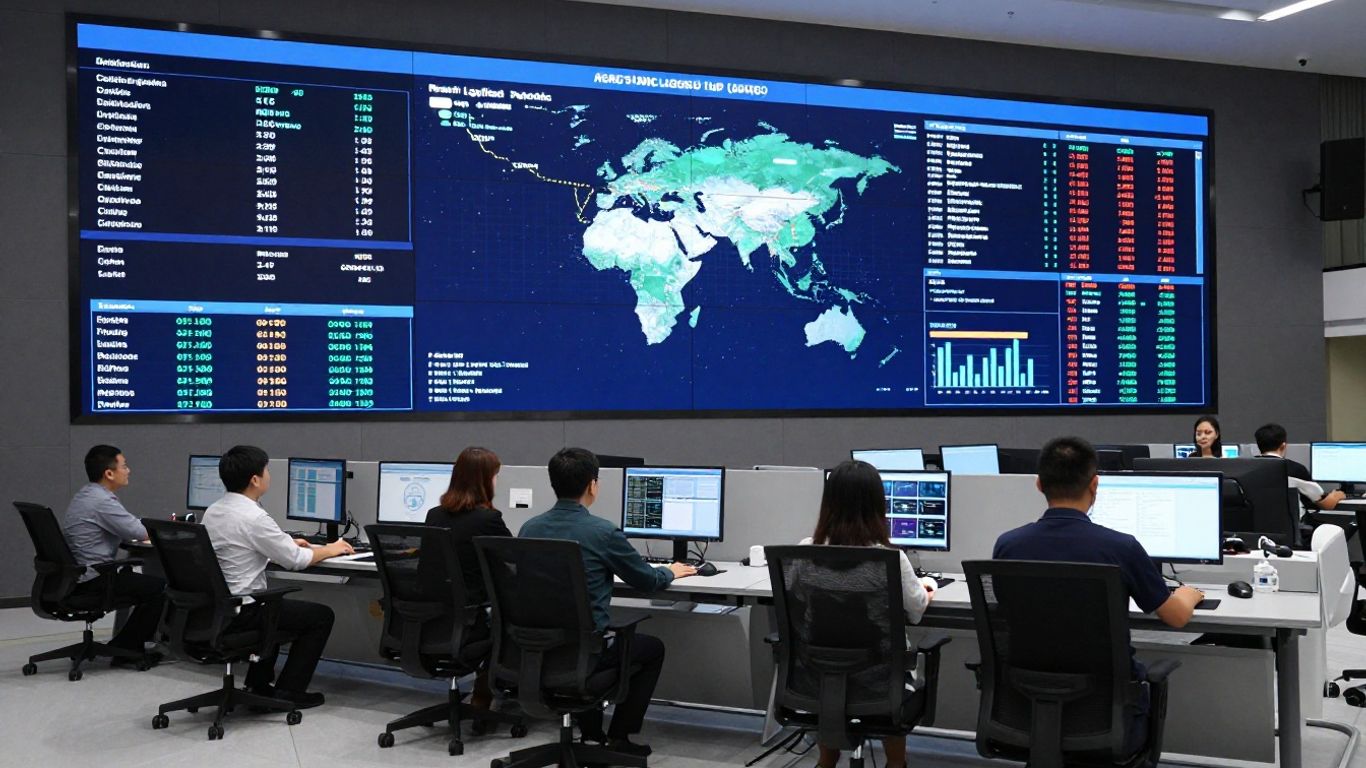
Visibility remains the biggest hurdle for teams trying to manage diverse global operations. Without accurate data, it is impossible to identify bottlenecks or assess the true impact of current practices. Integrating a specialized platform allows teams to gather insights directly from their operational data, turning raw information into strategy.
Using blockchain for commodity traceability
Blockchain offers a secure way to track the movement of goods from raw material origin points through every manufacturing stage. This level of traceability builds immense trust with consumers who demand proof of sustainable sourcing. By recording every transaction in an immutable ledger, companies eliminate the ambiguity that often plagues manual reporting.
Leveraging AI for predictive resource efficiency
Predictive analytics help businesses forecast demand and adjust resource procurement strategies to avoid over-production. Companies increasingly rely on AI to synthesize complex environmental datasets, discovering hidden patterns in energy usage across their facilities. The table below outlines how specific technologies impact key areas of supply chain sustainability:
By deploying these tools, organizations can move from reactive troubleshooting to a proactive stance on environmental risk.
Utilizing IoT sensors for real-time compliance monitoring
IoT sensors provide the heartbeat of the modern warehouse, tracking temperature, energy use, and operational output. This telemetry data feeds directly into reporting suites, allowing managers to verify compliance with local environmental mandates without manual data entry.
Overcoming common challenges in green transformation
Balancing profit margins with initial investments
Transitioning to green operations requires capital expenditure that can feel daunting for teams focused on quarterly earnings. However, companies that reframe these outlays as long-term savings often find that the initial investment is recouped through improved energy efficiency and eliminated waste. The key is in effective planning and the phased deployment of technologies that gradually enhance operational performance.
Managing supplier engagement across multiple tiers
Engaging with deep-tier suppliers is significantly harder than managing primary partners, yet it is essential for total greenhouse gas oversight. Organizations often face a lack of transparency, making it difficult to collect primary data from thousands of fragmented sources. To address this, many leaders utilize the following strategies for better engagement:
- Implementing collaborative onboarding portals for all tier-two and tier-three suppliers.
- Establishing consistent sustainability performance requirements within formal supplier contracts.
- Conducting regular webinars to provide training and technical resources for vendor personnel.
- Using verified automation software to collect and validate environmental disclosures from partners.
Managing these relationships properly leads to a more transparent supply chain that can respond to sustainability requests more effectively over time.
Mitigating risks associated with regulatory variability
Regulatory landscapes shift constantly, creating a high-pressure environment for compliance officers. Staying prepared requires a flexible strategy that can absorb updates or new regional mandates without requiring a complete overhaul of existing processes. By keeping a data-driven approach, companies can quickly adjust their reporting outputs to meet new requirements whenever they are introduced.
Measuring performance with sustainability KPIs
Tracking carbon emissions across the value chain
Measuring the true extent of carbon output requires tracking every stage of operation, from raw extraction to end-of-product life. Using the Breathe ESG platform, sustainability managers can synthesize data from disparate departments, ensuring all Scope 3 inputs are captured correctly. This accurate tracking is vital for building internal support and demonstrating progress to board members.
Auditing supplier compliance to sustainability standards
Regular audits act as a necessary check-and-balance system, identifying vendors who do not meet internal sustainability requirements. These audits should be comprehensive, moving beyond simple questionnaires to verify performance with site visits and third-party validation when necessary. By maintaining an auditable trail of evidence, the company ensures that its sustainability claims can withstand internal and external scrutiny.
Reporting progress metrics for stakeholder transparency
Transparency builds trust, and trust attracts both investors and high-quality talent. When reporting performance, companies must present clear, data-backed metrics that highlight both successes and areas requiring improvement. This open communication style helps to mitigate potential greenwashing concerns by focusing on measurable outcomes and scientific data.
Conclusion
Building a sustainable supply chain is an ongoing journey that requires constant technological investment, rigorous data management, and strong internal policies to ensure alignment with global standards. By embracing automation and fostering transparency within supplier networks, organizations can successfully lower their carbon output while simultaneously identifying new operational efficiencies. Ultimately, this integration is critical for any business looking to remain relevant and resilient in an evolving economic landscape.
Frequently Asked Questions
What are the main benefits of sustainable supply chain management?
Sustainable practices can lead to significant cost savings through waste reduction, improved operational resilience, better regulatory risk management, and enhanced brand reputation among consumers and stakeholders.
How do Scope 3 emissions affect my supply chain strategy?
Scope 3 emissions represent the vast majority of a company's total environmental impact, as they cover everything across the indirect value chain. Including them is crucial for obtaining an accurate view of your actual environmental footprint.
Why is supply chain visibility so hard to achieve?
Visibility is difficult because of the multi-tiered, fragmented nature of global networks where individual suppliers often operate with their own isolated data systems and inconsistent reporting practices.
What is the role of technology in sustainable supply chains?
Technology, such as blockchain and IoT, provides the necessary infrastructure to collect real-time data, verify the origin of materials, and automate compliance reporting, thereby reducing human error and increasing process transparency.
How can I engage suppliers in my sustainability goals?
Supplier engagement is often most effective when companies provide training, set clear and achievable performance standards in contracts, and offer collaborative digital tools that simplify the reporting process for the vendor.
What is a circular supply chain model?
Unlike linear models that follow a take-make-dispose path, a circular model keeps components and materials in use for as long as possible through repair, refurbishment, and recycling, thereby minimizing the need for new raw material extraction.
How should a business start its sustainability reporting journey?
Most businesses should start by performing a materiality assessment to identify the most significant environmental and social risks, followed by gathering baseline data to establish a foundation for future tracking and improvement.