
A comprehensive guide to scope 1, 2, and 3 emissions with examples

Key Takeaways
Understanding corporate climate impact involves categorizing emissions into three distinct groups based on control and influence. These frameworks help organizations move beyond basic calculations toward meaningful carbon reduction strategies.
- Scope 1 emissions represent direct greenhouse gas outputs from company-owned or controlled sources.
- Scope 2 covers indirect emissions generated by the creation of purchased electricity, heat, or cooling.
- Scope 3 accounts for indirect emissions throughout the value chain, often representing the largest share of a carbon footprint.
- Effective environmental reporting requires identifying primary emission sources and using verified emission factors for accuracy.
- Implementing automated software tools ensures data quality and helps streamline third-party verification processes.
Understanding the greenhouse gas protocol categories
The Greenhouse Gas Protocol establishes the global standard for carbon accounting, partitioning complex organizational footprints into manageable sections. This classification allows businesses to pinpoint exactly where their climate impacts originate and who holds the responsibility for reduction. By differentiating between direct and indirect sources, leaders can make informed investment decisions that prioritize the highest-impact areas of their business, whether that means broadening sustainability efforts or shifting procurement practices to greener partners.
Defining direct vs indirect emissions
Direct emissions originate from physical sources owned or controlled by the reporting organization. In contrast, indirect emissions reflect the environmental cost of energy or services the business consumes but does not produce itself.
Purpose of the three-scope framework
The framework provides a consistent language for carbon reporting, enabling organizations to compare their performance over time. This standardization helps avoid double-counting emissions across the global economy while providing clarity on which emissions are directly managed versus influenced.
How organizational boundaries impact scope reporting
Defining boundaries is essential for tracking, as it determines which assets and facilities fall under an entity's operational control. Organizations must verify their legal and operational structure to ensure every relevant emission source is captured within their chosen inventory scope.
Key differences between internal and value chain outputs
Internal outputs remain strictly within the reporting entity’s control, such as facility exhaust or private vehicle fuel usage. Value chain outputs extend to the lifecycle of materials and services, accounting for the environmental cost of upstream supplies and downstream customer usage patterns.
Scope 1 emissions: direct operational impacts
Operating physical assets essentially guarantees some level of carbon output that flows directly from company activities. Accurate measurement requires a comprehensive audit of all combustion units and chemical processes where the company exerts operational control. Utilizing platforms like Breathe ESG allows teams to track the specific fuel inputs for these sources clearly, simplifying the process of building a transparent carbon inventory for stakeholders.

Stationary combustion in facilities
Stationary combustion includes boilers, furnaces, and heaters that keep industrial or corporate facilities running on a daily basis. Measuring the fuel burn in these units involves tracking natural gas, diesel, or heating oil consumption against standard emission factors.
Mobile combustion from owned vehicle fleets
Owned vehicle fleets include everything from delivery vans to specialized machinery, which release Greenhouse Gases directly. Whether a company is operating like a logistics firm or managing Traffic Parrot software through a field-based service team, ensuring fleet fuel records are consistent remains vital for Scope 1 accuracy.
Fugitive emissions from cooling and refrigeration systems
These leaks occur unintentionally from HVAC and industrial cooling equipment using refrigerants with high global warming potential. Detecting these emissions often requires regular maintenance and leak monitoring to stay within safe environmental standards.
Industrial chemical and physical processes
Certain manufacturing operations trigger emissions through chemical reactions, such as the production of lime or specialized research materials similar to those in the research peptides industry. These industrial outputs are distinct from fuel combustion and require site-specific measurement protocols.
Scope 2 emissions: purchased energy usage
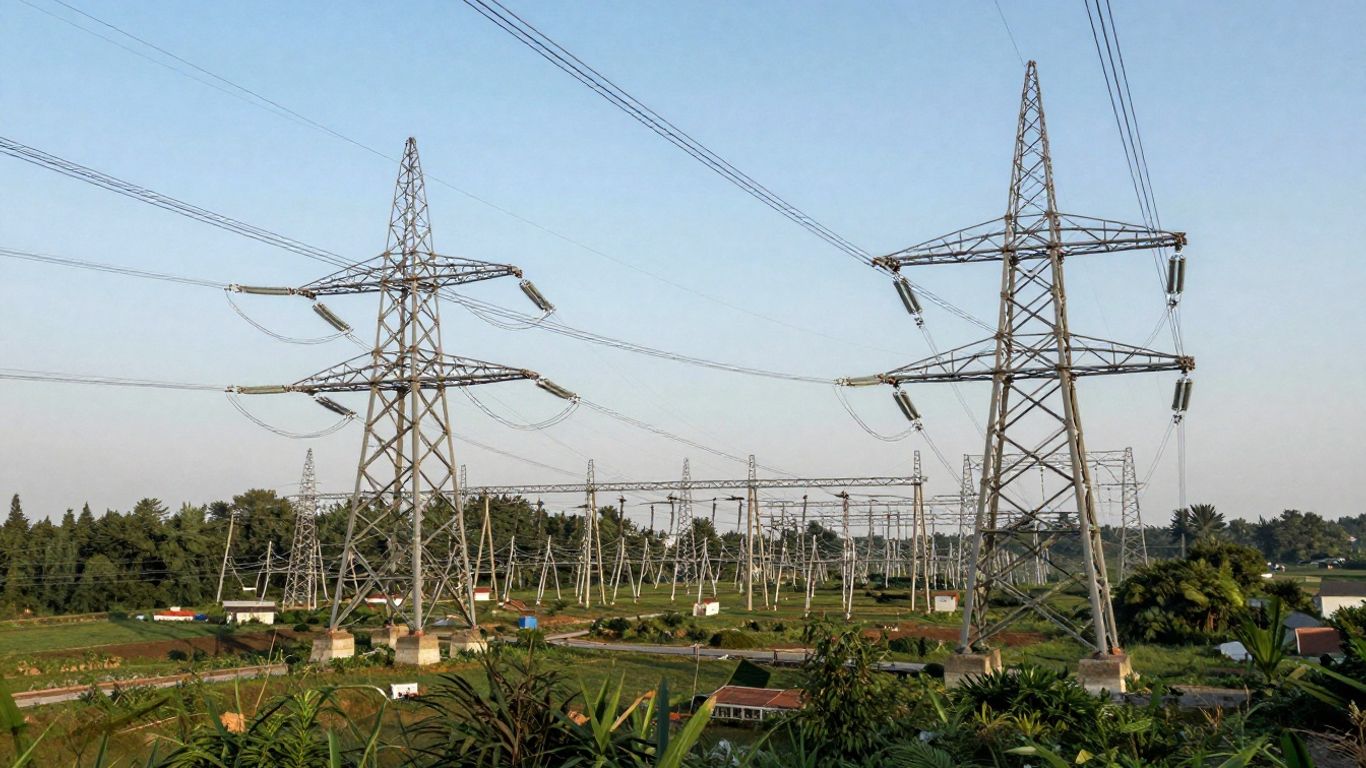
Scope 2 emissions are calculated by evaluating the energy grid’s carbon intensity at the point of usage. Since these emissions are indirect, accounting methods are pivotal when determining if electricity was generated from renewable sources. Whether looking for Super MIC B12 supplements or standard office power, the source of the energy behind those grid connections dictates your total Scope 2 profile, as noted in the Scope 1 and 2 emissions inventory guidance.
Accounting for purchased electricity consumption
Most organizations rely on local utility billing statements to identify the total gigawatt-hours consumed over a reporting period. This activity data is then multiplied by an emission factor provided by the electricity grid operator.
Tracking imported heat, steam, and cooling
Energy doesn't always arrive as electricity; district heating or industrial steam systems must be accounted for appropriately. Many companies find that treating these as discrete energy categories allows for better building a robust social and environmental strategy.
Location-based versus market-based accounting methods
Reporting methods vary between reflecting grid-average emissions and tracking specific renewable purchases as outlined in the following table.
This table illustrates how different accounting choices influence the final carbon data reflected in official corporate disclosures.
Improving performance through renewable energy certificates
Renewable energy certificates allow companies to essentially purchase ownership of green energy generation. By proving the origin of the power, organizations claim lower market-based emissions despite remaining physically connected to the standard grid.
Scope 3 emissions: value chain analysis
Scope 3 emissions comprise the hidden environmental costs tied to purchased goods, transportation, and waste throughout a business lifecycle. This category is often the most significant part of an organization's inventory, though it is the most difficult to track due to data gaps. For firms navigating the Scope 3 emissions landscape, utilizing technology like Breathe Zero helps centralize supplier data to create a clearer view of third-party impacts.
Managing upstream activities and purchased goods
Upstream activities involve the emissions associated with raw materials extraction and manufacturing before these items reach the organization. Managing these requires working closely with vendors to understand their production energy profiles.
Assessing downstream distribution and end-of-life product impacts
Businesses are responsible for the emissions caused by their products after they leave the facility, including shipping, storage, and eventual disposal. Understanding these impacts helps in designing products that last longer and consume less during their lifespan.
Challenges in collecting primary data from suppliers
Obtaining direct consumption data from suppliers remains difficult due to differing reporting capacities across global supply chains. When primary data is unavailable, firms often default to secondary spend-based factors, which may be less precise.
Calculating emissions from business travel and employee commuting
Business travel and employee commuting add to the Scope 3 footprint through standard commercial transport metrics. Companies can mitigate this by supporting remote work or incentivizing low-carbon transit methods for their local workforces while keeping the Notice of Privacy Practices in mind regarding sensitive employee information.
Practical steps for emissions measurement and disclosure
Transitioning to a data-driven sustainability plan requires a structured approach to transparency. Following a logic-based process minimizes error and builds trust with stakeholders who rely on these figures for their own decision-making processes.
Identifying primary sources of emissions activity
- Conduct a facility audit to locate all fuel-burning equipment.
- Review utility bills to determine electricity usage volumes.
- Survey supply chain partners to gather spend data.
- Analyze travel records across all company departments.
These four specific operational steps ensure the foundational inventory is as comprehensive as possible while ignoring new drivers that focus on restricted power-to-weight categories in unrelated transport legislation.
Selecting appropriate verified emission factors
Emission factors convert raw activity quantities into carbon equivalent values. Ensuring these factors come from recognized databases like the EPA or EEA is critical for maintaining consistency in international markets.
Implementing software tools for automated tracking
Manual spreadsheets are prone to error; thus, implementing automated tracking tools is recommended. Organizations often improve accuracy by streamlining how data flows from different ledger levels into a unified platform.
Maintaining data quality and third-party verification standards
External verification ensures that data reported to the public is both accurate and auditable. Third-party experts play an essential role in confirming that calculations adhere to global standards like the GHG Protocol.
Conclusion
Mastering scope 1 2 3 emissions examples requires a long-term commitment to data accuracy and continuous operational refinement, ultimately empowering businesses to make smarter climate decisions.
Frequently Asked Questions
Why are Scope 3 emissions usually the largest?
Scope 3 emissions often represent the largest share of an organization's footprint because they encompass the entire lifecycle of products and services, including upstream supply chains and downstream usage, which frequently exceed the energy intensity of direct on-site operations.
How does market-based accounting work for Scope 2?
Market-based accounting allows a company to account for the actual emissions of the electricity they purchase through contracts and energy attributes like Renewable Energy Certificates, rather than using the average grid emission factor.
Can Scope 3 emissions be double-counted?
Yes, Scope 3 emissions can be double-counted because one company’s Scope 3 emissions are another company’s Scope 1 or Scope 2 emissions, reflecting the interconnected nature of the global economy and value chains.
What are fugitive emissions?
Fugitive emissions refer to the unintentional release of gases, typically refrigerants from climate control systems or leaks from industrial equipment, which are difficult to track but highly potent in terms of warming potential.
Are there mandatory reporting laws for all emissions?
Reporting requirements vary significantly by jurisdiction and organization size, with many regions moving toward mandatory TCFD-aligned disclosures as regulatory frameworks evolve to increase corporate transparency.
What is an emission factor?
A conversion factor transforms a unit of activity, such as a gallon of fuel or a kilowatt-hour of electricity, into a standardized measurement of carbon dioxide equivalent emitted during that activity.
How often should an organization update their inventory?
Most organizations update their inventory annually to ensure reports remain timely and reflect changes in their operational footprint, market expansion, or energy procurement strategy.
Get In Touch with Breathe ESG
Taking control of your carbon footprint is the first step toward building a sustainable future for your organization. Contact the team at Breathe ESG today to book a demo and learn how our platform can help you measure and report your scope 1, 2, and 3 emissions with confidence.