
Unlocking the Potential: How Artificial Carbon Sinks Can Combat Climate Change
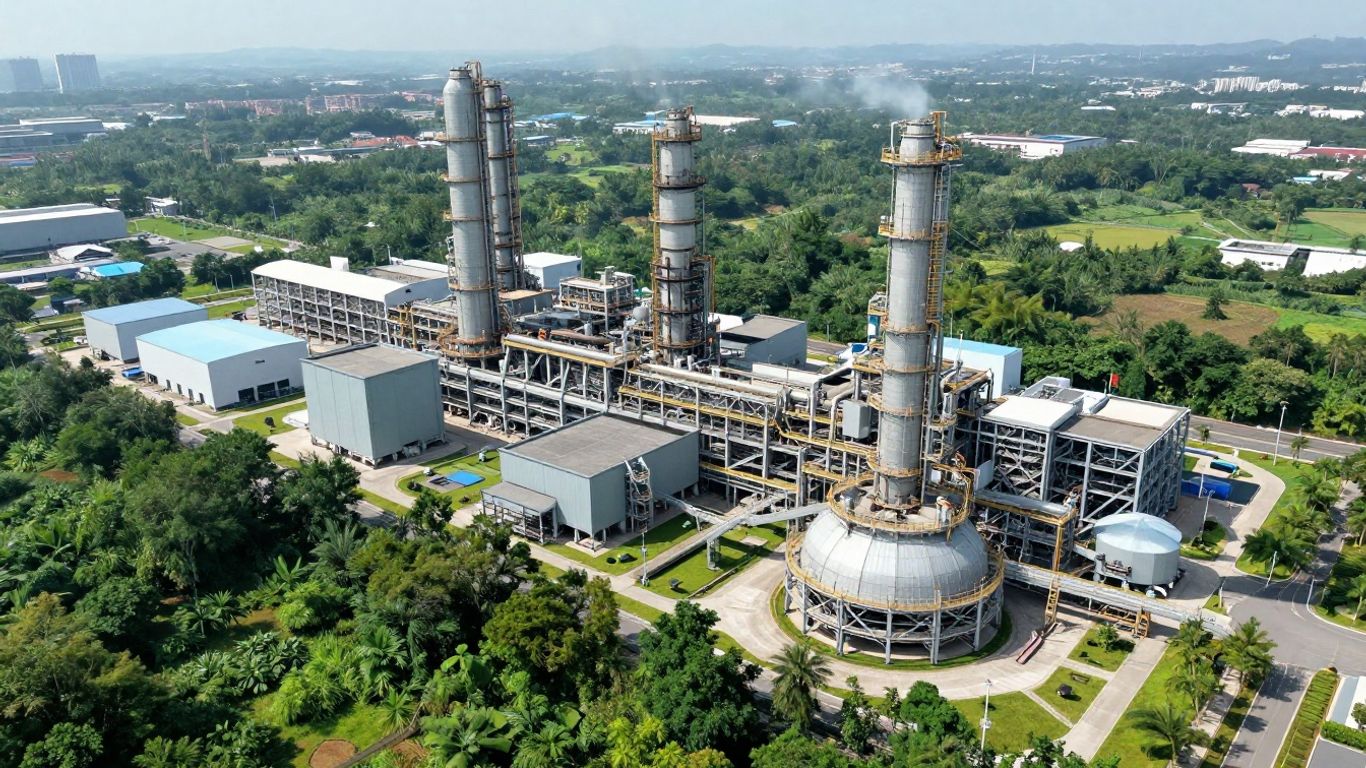
Climate change is a big deal, and we're all looking for ways to fix it. One idea gaining traction is using artificial carbon sinks. These are basically technologies designed to pull carbon dioxide right out of the air. While nature has its own ways of doing this, like the ocean and forests, scientists and engineers are working on creating man-made solutions. This article will explore how these artificial carbon sinks could play a role in fighting climate change, looking at the science, the potential, and what needs to happen to make them work.
Key Takeaways
- The ocean is a massive natural carbon sink, storing huge amounts of CO2 for long periods, far longer than land-based sinks.
- Nature-based solutions, like coastal wetlands (mangroves, salt marshes, seagrass), are super efficient at capturing carbon and offer other benefits.
- Artificial carbon sinks are being developed using new technologies to capture CO2 directly from the atmosphere or industrial sources.
- Effective policies and international teamwork are needed to support the development and use of both natural and artificial carbon sinks.
- Developing carbon sinks, both natural and artificial, can create economic chances and provide extra benefits like protecting coastlines and boosting biodiversity.
Understanding The Ocean's Role As A Carbon Sink
The ocean is a massive player in the global carbon cycle. Think of it as Earth's biggest sponge, soaking up a huge amount of the carbon dioxide we pump into the atmosphere. It's not just a passive receiver, though; there are complex processes at work that keep this carbon locked away.
The Ocean's Vast Carbon Storage Capacity
Seriously, the numbers are staggering. The ocean holds about 93% of all the carbon dioxide circulating on Earth. That's roughly 40 trillion tons of carbon! To put that in perspective, it's 53 times more than what's in our atmosphere and 20 times more than what's stored in all the land plants and soils combined. Every year, it absorbs around 30% of the CO2 we release, acting as a critical buffer against faster climate change. This massive capacity means the ocean's health is directly tied to our planet's climate stability. As climate change intensifies, understanding and leveraging this natural mechanism is increasingly important for the international community [68ab].
Biochemical Mechanisms Driving Ocean Carbon Sequestration
How does the ocean do it? It's a two-part story: physical and biological. Physically, CO2 dissolves in seawater, turning into bicarbonate and carbonate ions. This dissolved inorganic carbon then gets transported from the surface to the deep ocean. But the real magic happens with the biological processes. Phytoplankton, those tiny marine plants, are like the ocean's primary producers. They take in CO2 during photosynthesis, just like land plants. When they die or are eaten, their carbon-rich remains sink. This process, often called the "biological pump," carries carbon down to the deep sea, where it can stay for hundreds, even thousands, of years. There's also the "Microbial Carbon Pump," where microbes transform organic carbon into a more stable form that can be stored for millennia. Coastal ecosystems like mangroves and salt marshes are also powerhouses, sequestering carbon at rates much higher than forests.
Longevity And Stability Of Ocean Carbon Sinks
One of the most compelling aspects of ocean carbon sinks is their staying power. While carbon stored in land ecosystems might cycle back into the atmosphere in decades, the carbon the ocean locks away can remain stable for centuries to millennia. This long-term storage is what makes the ocean such a reliable partner in climate regulation. However, this stability is under threat. Marine pollution, habitat degradation, and over-exploitation are weakening these natural systems. When these ecosystems are damaged, not only is their capacity to absorb new CO2 reduced, but the carbon they've already stored can be released back into the atmosphere. This creates a double whammy, diminishing the ocean's ability to help us achieve a carbon-negative future [8750].
The ocean's role as a carbon sink is not just about its sheer size; it's about the long-term stability of that storage. Protecting these vast, natural systems is as important as developing new technologies for carbon capture.
Harnessing Nature-Based Solutions For Carbon Capture

When we talk about fighting climate change, it's easy to get caught up in the high-tech stuff, but sometimes, the best solutions are already all around us. Nature has been doing this carbon capture thing for ages, and we're just starting to really appreciate how good it is at it. These natural methods, often called nature-based solutions, are not only effective but also come with a whole bunch of other benefits.
The Ocean's Vast Carbon Storage Capacity
We've already touched on the ocean's role, but it's worth repeating: the ocean is a massive carbon sink. It absorbs a huge amount of the CO2 we put into the air each year. Think of it like a giant sponge, but way more complex. This absorption isn't just a passive process; it involves intricate biological and chemical reactions that lock carbon away. The ocean's capacity to store carbon for hundreds to thousands of years makes it a stable and long-term solution. While we're developing new technologies, we can't forget about the planet's biggest natural carbon storage system.
Biochemical Mechanisms Driving Ocean Carbon Sequestration
So, how does the ocean actually do it? It's a mix of things. The 'biological pump' is a big one, where tiny marine plants called phytoplankton absorb CO2 through photosynthesis. When they die, they sink to the ocean floor, taking that carbon with them. Then there's the 'solubility pump,' where CO2 dissolves directly into the seawater. This process is influenced by temperature and ocean currents. It's a delicate balance, and understanding these mechanisms is key to protecting and even boosting the ocean's carbon-capturing abilities. It's pretty amazing how these natural processes work without any human intervention.
Longevity And Stability Of Ocean Carbon Sinks
What's really impressive about ocean carbon sinks is how long they can hold onto that carbon. Unlike some terrestrial systems that might release carbon back into the atmosphere relatively quickly, the carbon stored in the deep ocean or in marine sediments can stay put for centuries, even millennia. This long-term stability is exactly what we need when thinking about tackling climate change. It means the carbon we help the ocean sequester today will be out of the atmosphere for a very, very long time. This makes ocean-based carbon removal a really promising area of research and development.
Coastal Wetlands: High-Efficiency Carbon Sequestration
Now, let's zoom in on a specific part of the ocean's carbon-capturing power: coastal wetlands. Places like mangroves, salt marshes, and seagrass beds might not cover a huge area compared to, say, forests, but they are absolute carbon-capture powerhouses. They can sequester carbon at rates much higher than many terrestrial ecosystems.
Here's a quick look at their efficiency:
- Mangroves: Known for their complex root systems that trap sediment and organic matter.
- Salt Marshes: These grassy areas thrive in salty conditions and accumulate carbon-rich soil.
- Seagrass Beds: Underwater meadows that are incredibly effective at capturing and storing carbon in the seabed.
These ecosystems are so good at their job because they not only absorb CO2 from the atmosphere but also trap and store organic carbon in their soils and sediments for incredibly long periods. It's like nature's own carbon storage units.
Blue Carbon Ecosystems And Their Potential
These coastal wetlands are often grouped under the umbrella term 'blue carbon' ecosystems. The term 'blue carbon' refers to the carbon captured by these marine and coastal habitats. They are incredibly important for climate mitigation because they are so efficient at sequestering carbon and storing it long-term.
The potential of blue carbon ecosystems is immense. They offer a cost-effective way to remove CO2 from the atmosphere while also providing critical habitats for marine life and protecting coastlines from erosion and storm surges. Protecting and restoring these areas is a win-win for both climate action and biodiversity.
Investing in the health of these ecosystems is a smart move for climate action. It's about working with nature, not against it, to achieve our climate goals. These nature-based solutions are a vital part of the climate puzzle.
Synergies Between Ecosystem Health And Climate Mitigation
It's not just about carbon, though. When we protect and restore these natural carbon sinks, we get a whole lot of other benefits. Healthy wetlands mean cleaner water, better habitats for fish and birds, and stronger coastal defenses against rising sea levels and storms. It's a beautiful example of how taking care of the environment directly helps us tackle big challenges like climate change. Focusing on these natural systems means we're not just reducing emissions; we're also building more resilient communities and protecting precious biodiversity. It's a holistic approach that makes a lot of sense.
Advancing Artificial Carbon Sinks Through Innovation
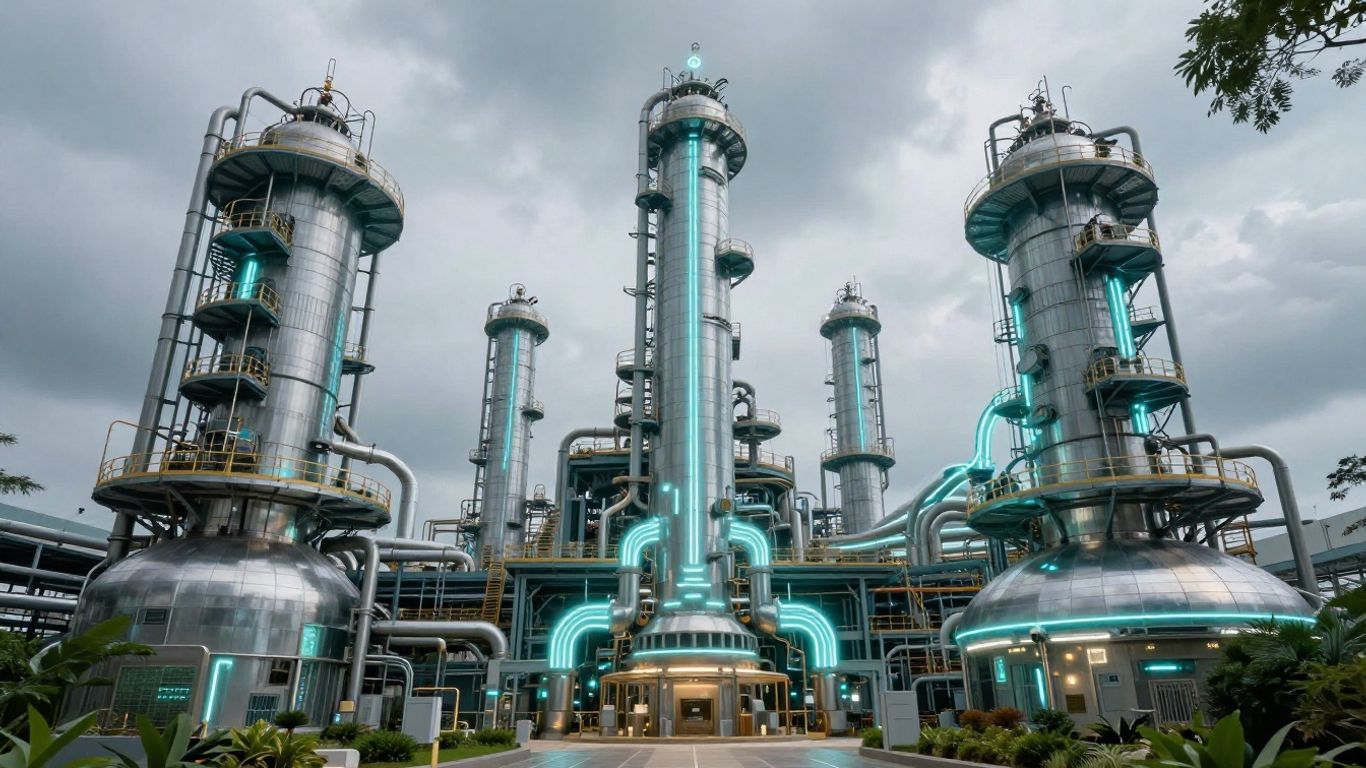
Exploring Novel Carbon Sequestration Technologies
We're seeing some really interesting new ideas pop up when it comes to artificial carbon sinks. It's not just about planting more trees, though that's important too. Scientists and engineers are looking at ways to pull CO2 directly from the air or oceans using machines and chemical processes. Think of things like direct air capture (DAC) systems, which use fans to pull air through filters that grab CO2. Then there's enhanced weathering, where we grind up certain rocks and spread them out to speed up a natural process that soaks up CO2. Another area is bio-energy with carbon capture and storage (BECCS), where we burn plants for energy and then capture the CO2 released. The goal is to create scalable, efficient ways to remove carbon that nature alone can't handle fast enough.
Integrating Artificial Sinks With Natural Systems
It's not really an either/or situation between natural and artificial carbon sinks. The real magic happens when we figure out how to make them work together. For instance, we could use artificial systems to help restore damaged natural sinks, like using captured CO2 to help ocean-based ecosystems recover. Or, we might find ways to combine the strengths of both. Imagine using advanced monitoring tech to better manage natural carbon sinks, making them more effective. This kind of integration could mean that artificial solutions don't just add to the problem but actively help bolster nature's own carbon-capturing abilities. It's about finding those synergies.
The Role Of Research In Enhancing Sink Efficiency
To really make these artificial carbon sinks work, we need a lot more research. We need to get better at measuring how much carbon is actually being stored and for how long. Different technologies have different strengths and weaknesses, and we need to figure out which ones are best for specific situations. For example, AI-guided optimization could really boost how well certain materials, like biochar, capture carbon [3280]. We also need to make sure these methods are safe and don't cause unintended problems for the environment. Developing better materials for capture, improving energy efficiency for these processes, and finding ways to store the captured CO2 safely are all big research areas. The more we understand the science, the more effective these artificial sinks will become.
Here's a quick look at some potential technologies and their current status:
The development of artificial carbon sinks is a complex but necessary endeavor. It requires not only technological breakthroughs but also a deep understanding of ecological processes and careful consideration of potential side effects. The path forward involves continuous innovation, rigorous testing, and a commitment to integrating these new tools with existing natural solutions.
Policy And Governance For Effective Carbon Sinks
So, we've talked about how amazing natural and artificial carbon sinks can be, but how do we actually make them work on a large scale? That's where policy and governance come in. It's not enough to just have the technology or the natural systems; we need rules and agreements to make sure they're used effectively and fairly.
Establishing Legal Frameworks For Carbon Sink Trading
Think of carbon sinks like a new kind of commodity. To trade them, we need clear rules. This means figuring out who owns the carbon that's being stored, what counts as a valid carbon sink, and how we measure it all. Without solid legal backing, it's hard for businesses and countries to invest in these projects. We need to make sure that when someone buys a carbon credit, they're actually getting what they paid for – a real reduction or removal of CO2. This is where things like the CRCF Regulation come into play, aiming to create a more structured market.
- Defining Property Rights: Who owns the carbon captured by a forest or an artificial sink?
- Setting Standards: What methods are acceptable for measuring and verifying carbon removal?
- Creating Trading Platforms: Where and how will these carbon credits be bought and sold?
- Ensuring Transparency: How do we make sure everyone knows what's happening in the market?
International Cooperation In Carbon Sink Development
Climate change doesn't stop at borders, so neither should our efforts to fix it. Developing carbon sinks, especially ocean-based ones, requires countries to work together. Different nations have different resources and capabilities. Sharing knowledge, technology, and even financial resources can speed things up a lot. We need international agreements that set common goals and make it easier for countries to collaborate on projects. This could involve joint research, shared monitoring systems, and harmonized trading rules so that carbon credits from one country are recognized in another. It's a complex puzzle, but working together is really the only way to solve it.
Addressing Challenges In Marine Habitat Degradation
This is a big one. Many of the most effective natural carbon sinks, like coastal wetlands and seagrass beds, are also the most vulnerable. Pollution, coastal development, and unsustainable fishing practices can damage these habitats, releasing the stored carbon back into the atmosphere. So, policies need to focus not just on creating new sinks, but also on protecting and restoring the ones we already have. This means stronger environmental regulations, better land-use planning, and investing in conservation efforts.
Protecting marine habitats isn't just about saving pretty coral reefs or mangroves; it's a direct investment in our planet's ability to regulate its climate. Damaged ecosystems can't do their job, and that's a loss for everyone.
We also need to think about how these policies affect local communities. For example, if we create protected marine areas, how do we support the livelihoods of people who depend on those areas for fishing or tourism? It's about finding a balance that benefits both people and the planet. The development of carbon credits can provide financial incentives for these conservation efforts, but it needs to be done carefully to avoid unintended consequences.
The Economic And Societal Benefits Of Carbon Sinks
So, we've talked a lot about how artificial carbon sinks can help the planet, but what about the good stuff for us, like jobs and money? It turns out, these projects aren't just about cleaning the air; they can actually boost economies and make our communities safer and healthier.
Economic Opportunities In Carbon Sink Markets
Think about it: creating and managing carbon sinks, whether they're big industrial machines or restored coastal wetlands, needs people. This means new jobs in engineering, conservation, monitoring, and even in developing the technologies that make it all happen. The push towards climate neutrality is creating entirely new industries. Plus, there's the whole carbon trading market. Companies that reduce their emissions can sell credits to those who can't, and projects that actively remove carbon from the atmosphere can generate income. It's a way to put a price on pollution and reward climate action.
Here's a quick look at potential job growth areas:
- Technology Development: Designing and building new carbon capture machines.
- Ecosystem Restoration: Planting mangroves, restoring wetlands, and managing forests.
- Monitoring and Verification: Ensuring carbon removal claims are accurate.
- Project Management: Overseeing the development and operation of sink projects.
Co-Benefits For Biodiversity And Coastal Protection
It's not just about the money, though. Many carbon sink strategies come with awesome side effects. Restoring coastal areas, for instance, doesn't just soak up CO2; it also creates homes for fish and birds, which is great for biodiversity. These restored areas also act as natural barriers, protecting coastlines from storm surges and erosion. It's like getting a two-for-one deal: climate action and better natural defenses.
Protecting and rebuilding natural carbon sinks, like our oceans and wetlands, offers a dual advantage. Not only do they pull greenhouse gases out of the air, but they also strengthen our defenses against extreme weather and provide vital habitats for wildlife. This integrated approach makes our planet more resilient.
Incentivizing Farmers For Soil Carbon Sequestration
Farmers are another group who can really benefit. When farmers adopt practices that increase the amount of carbon stored in their soil – like no-till farming or cover cropping – they're essentially creating a carbon sink right there on their land. This not only improves soil health and crop yields over time but can also be a new source of income through carbon credits. It's a smart way to support agriculture while also fighting climate change, helping us move towards carbon negativity.
Carbon sinks, like forests and oceans, do more than just absorb CO2. They also help our communities and economies grow. These natural helpers can create jobs, boost local businesses, and even improve public health. Want to learn how your business can benefit from these amazing natural resources? Visit our website today to discover more!
Looking Ahead: The Growing Role of Carbon Sinks
So, what does all this mean for the future? It's pretty clear that natural and artificial carbon sinks are going to play a bigger part in how we tackle climate change. We've seen how oceans, with their vast capacity to absorb CO2, and even our farmlands, through better soil management, can make a real difference. While these natural systems have immense potential, they also face challenges like habitat damage and the need for better rules and support. Moving forward, it's going to take a mix of protecting what we have, restoring what's been damaged, and developing smart policies to make sure these carbon sinks can do their job effectively. It's not a simple fix, but by working together and focusing on these natural solutions, we can make significant progress in reducing greenhouse gases and building a more stable climate for everyone.
Frequently Asked Questions
What is a carbon sink?
Think of a carbon sink as nature's way of cleaning up the air. It's anything that takes in more carbon dioxide (CO2) than it releases. This could be oceans, forests, or even healthy soil. They act like sponges, soaking up the CO2 that humans release into the atmosphere, which helps slow down climate change.
How do oceans help with climate change?
Oceans are huge carbon sinks! They absorb a lot of the CO2 we put into the air, about 30% each year. This is super important because it keeps more of that warming gas from staying in the atmosphere. Plus, the carbon can stay stored in the ocean for a very, very long time, sometimes hundreds or thousands of years.
What are 'blue carbon' ecosystems?
Blue carbon ecosystems are special coastal areas like mangrove forests, salt marshes, and seagrass beds. Even though they don't take up a lot of space, they are amazing at capturing and storing carbon, much better than forests on land! They lock away carbon in their soil for a long time, acting like natural carbon vaults.
Can we create artificial carbon sinks?
Yes, scientists and engineers are working on ways to create artificial carbon sinks. These are new technologies designed to capture CO2 directly from the air or from industrial sources and store it. The goal is to boost our efforts to reduce the amount of CO2 in the atmosphere.
Why is soil management important for climate change?
Healthy farm soil can also be a carbon sink! By using better farming methods, like planting cover crops or adding compost, farmers can help store more carbon in the soil. This not only helps fight climate change but can also make the soil healthier and more productive for growing food.
What are the benefits of using carbon sinks?
Using carbon sinks, both natural and artificial, helps fight climate change by removing CO2 from the air. Besides the environmental benefits, healthy ecosystems like wetlands can also protect coastlines and support wildlife. Developing carbon sink markets can also create jobs and economic opportunities.