
Beyond Net Zero: Understanding the Power of Being Carbon Negative

Trying to get our heads around climate change can feel overwhelming. There’s a lot of talk about cutting emissions and reaching net zero, but lately, a new idea is gaining attention: being carbon negative. This isn’t just about balancing out what we put into the atmosphere—it's about actually removing more carbon dioxide than we create. In this article, we’ll break down what carbon negative means, why it matters, and how it could change our future for the better.
Key Takeaways
- Carbon negative means removing more carbon dioxide from the air than we release, going further than just balancing emissions.
- Active carbon removal helps tackle leftover emissions from industries that can’t fully cut their carbon output.
- Nature-based solutions like planting trees and restoring ecosystems play a big part in reaching carbon negative goals.
- Tech advances, such as carbon capture and storage, are making it easier for businesses and communities to remove carbon.
- Clear rules for counting and separating emissions are needed to make sure progress toward carbon negative targets is real and measurable.
Understanding Carbon Negative
Beyond Net-Zero: Defining Carbon Negative
So, everyone’s been hearing about net-zero, but going carbon negative is like taking that a big step further. Net-zero means you’re balancing the carbon dioxide (CO₂) your activities release with an equal amount taken out of the air. But carbon negative? That’s about actually pulling more carbon out of the atmosphere than you put in. In other words, instead of just balancing things out, you’re erasing some of the carbon mess on top of solving your own impact.
Here’s a quick comparison:
The Ambition of Active Carbon Removal
Pulling this off isn’t easy. Carbon negative strategies involve things like:
- Restoring forests or wetlands so they naturally soak up carbon
- Using machines or materials that capture CO₂ right from the air
- Creating new products and materials from waste that lock away carbon instead of releasing it
The main idea is not just to stop making things worse, but to actually help fix what’s already been done. That’s a pretty ambitious goal—it means investing in new tech, changing how we use land, and finding creative ways to deal with carbon.
Shifting from simply reducing emissions to actively removing carbon from the atmosphere challenges us to rethink what’s possible for the climate, and it could be a real turning point if enough people, businesses, and governments get on board.
Distinguishing Carbon Negative from Neutrality
It’s easy to mix up these ideas because the terms sound similar, but the outcomes are pretty different:
- Neutrality: You’re trying to not make things worse—emissions are balanced against removals.
- Carbon Negative: Actively making things better—removals outweigh emissions.
- Offsetting alone doesn’t mean you’re carbon negative; it’s only when removal exceeds what you put out.
Key differences:
- Intent: Neutrality is about balancing, negativity is about reducing overall atmospheric carbon.
- Impact: Neutral just freezes the problem; negative starts to reverse past damages.
- Methods: Negative approaches often use bolder or emerging tech and large-scale nature solutions.
So, aiming for carbon negative is like not only stopping the leak in the boat, but also bailing out the water that’s already there. It asks more of us—but, if we’re serious about climate change, it’s probably the direction we’ll need to go.
The Imperative for Carbon Negative Strategies
Addressing Residual Emissions in Key Sectors
Look, we've all heard about net-zero, right? It's about balancing out what we put into the atmosphere with what we take out. But here's the thing: some industries just can't cut their emissions to absolute zero, no matter how hard they try. Think about things like aviation, or certain types of agriculture. They'll always have some unavoidable emissions left over. That's where carbon negative strategies become really important. We need ways to actively pull more carbon out of the air than these sectors (and others) are putting in, just to make up for those stubborn residual emissions. It's not just about stopping the problem; it's about actively cleaning up the mess.
Reversing Past Emissions for Climate Restoration
Beyond just dealing with today's unavoidable emissions, there's a bigger picture. We've been pumping greenhouse gases into the atmosphere for a long, long time. To really fix things and get our climate back on track, we need to go beyond just stopping the damage. We need to start reversing it. This means actively removing the excess carbon that's already there, accumulated over decades. It's like trying to bail out a sinking boat – you can't just stop the leak; you also need to remove the water that's already inside. Carbon negative approaches offer a way to do just that, helping to restore the planet's natural balance.
The Role of Carbon Removal in Global Temperature Goals
Scientists are pretty clear on this: if we want to keep global warming from getting too extreme, like staying below that 1.5°C or 2°C mark, we're going to need more than just cutting emissions. The Intergovernmental Panel on Climate Change (IPCC) has pointed out that carbon removal will be absolutely necessary. It's not a replacement for reducing emissions, mind you, but it's a vital addition. Without actively taking CO2 out of the atmosphere, hitting those global temperature targets becomes a much, much harder, if not impossible, task. It's a critical piece of the puzzle for climate restoration.
We need to be careful not to let the idea of future carbon removal become an excuse to delay cutting emissions now. The priority must remain reducing what we emit, with carbon removal acting as a necessary supplement, not a substitute.
Pathways to Achieving Carbon Negative Status
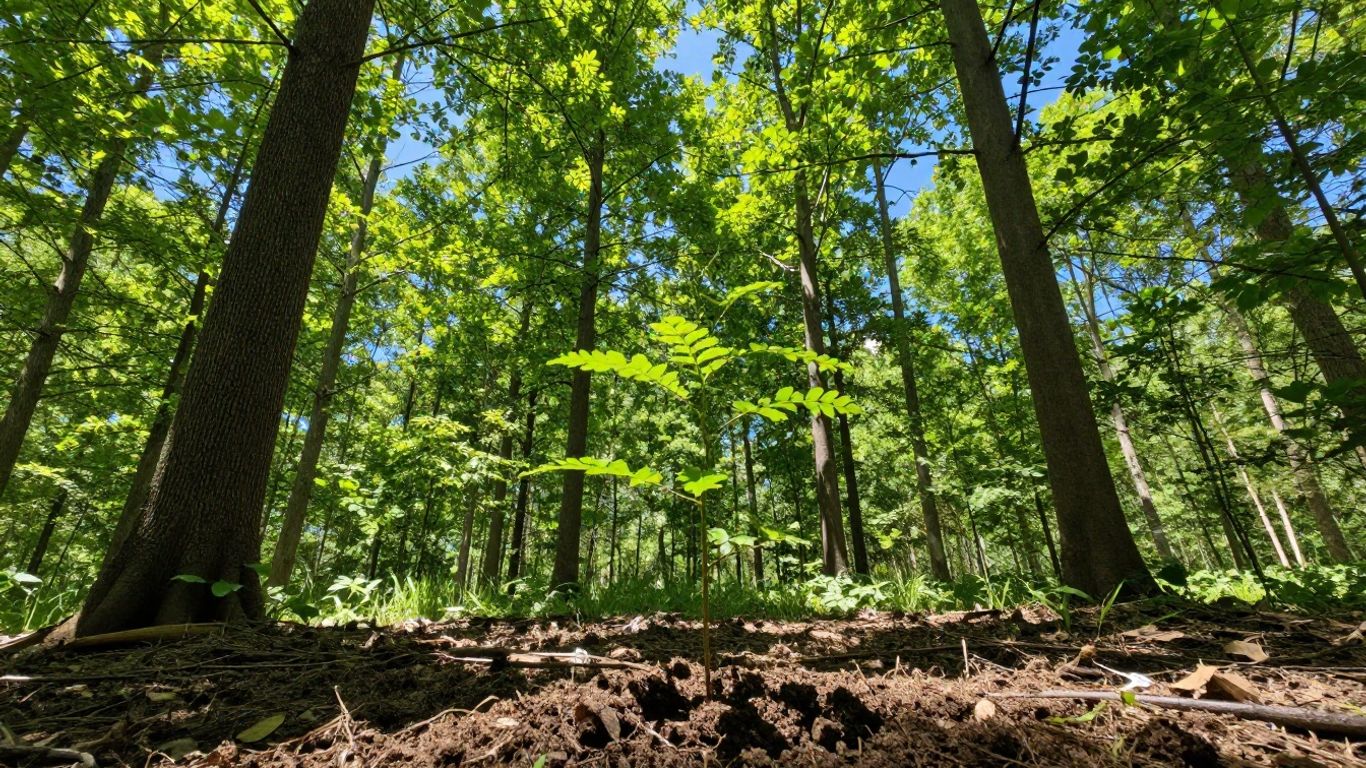
So, how do we actually get to a place where we're pulling more carbon out of the air than we're putting in? It sounds like a big leap, but it's really about combining smart strategies across the board. It's not just one magic bullet; it's a whole toolbox of approaches.
Nature-Based Solutions for Carbon Sequestration
Think of nature as our planet's original carbon capture system. Forests, oceans, and soils are incredible at soaking up carbon dioxide. Planting more trees, restoring degraded lands, and protecting existing ecosystems are huge parts of the puzzle. It's about working with nature, not against it. For example, reforesting an area doesn't just store carbon; it also helps with biodiversity and water cycles. It's a win-win-win.
- Reforestation and Afforestation: Planting trees where they used to be or where they never were. This is probably the most well-known method.
- Peatland and Wetland Restoration: These areas are massive carbon sinks. Letting them recover means they can store more carbon.
- Soil Carbon Sequestration: Improving farming and land management practices can help soils store more carbon. Think cover crops and reduced tillage.
Nature's ability to absorb carbon is immense, but it's not limitless. We need to protect and expand these natural systems while also reducing our own emissions.
Technological Innovations in Carbon Capture
While nature does its thing, technology can give us a boost. Carbon capture, utilization, and storage (CCUS) technologies are getting more advanced. These systems can grab CO2 directly from industrial sources or even from the air itself. The captured carbon can then be stored underground or used to make new products.
- Direct Air Capture (DAC): Machines that literally suck CO2 out of the ambient air. These are still developing but hold a lot of promise.
- Point Source Capture: Capturing CO2 emissions right where they're produced, like at power plants or factories.
- Carbon Utilization: Turning captured CO2 into useful things, like building materials or fuels. This gives the captured carbon a second life.
Sustainable Practices Across Industries
This is where it gets practical for businesses and everyday life. It's about rethinking how we do things. From the materials we use to the energy we consume, every sector has a role. For instance, companies are starting to use waste materials to create new products, which not only diverts waste but can also be carbon-negative if the process sequesters more carbon than it releases. It's about innovation and a shift in mindset.
- Circular Economy Models: Designing products for longevity, repair, and recycling to minimize waste and the need for new resource extraction.
- Sustainable Materials: Developing and using materials that have a lower carbon footprint or are carbon-negative by nature, like certain types of bio-plastics or construction materials made from captured carbon.
- Energy Efficiency and Renewables: While this is key for net-zero, it also frees up resources and capacity for removal activities, pushing us towards carbon negative.
The Benefits of a Carbon Negative Future
So, we've talked about what carbon negative actually means – it's not just about balancing things out, it's about actively pulling more carbon dioxide out of the air than we put in. Sounds pretty good, right? But what does that actually look like for us, for the planet, and for our economy? It turns out, aiming for carbon negative status opens up a whole bunch of positive possibilities.
Economic Opportunities and Green Jobs
Think about it: if we're serious about removing carbon, we're going to need new technologies and new ways of doing things. This means jobs. We're talking about people designing and building carbon capture machines, folks restoring forests and wetlands, and engineers developing new, sustainable materials. It's a whole new sector of the economy that's all about cleaning up our act. Companies are already stepping up, like those making innovative materials from waste streams, showing that being green can also be good for business. This shift can create a wave of green jobs, from manufacturing to land management, offering stable employment while helping the planet.
Enhanced Ecosystem Resilience
When we actively remove carbon and reduce its concentration in the atmosphere, we're not just ticking a box. We're giving our natural world a much-needed break. This means healthier forests, cleaner oceans, and more stable weather patterns. It helps ecosystems bounce back from the damage already done and makes them stronger against future shocks. Imagine coral reefs recovering or wetlands expanding – these aren't just pretty pictures; they're vital for biodiversity and protecting coastlines. A healthier planet means a healthier us, too.
Driving Technological Advancement
Pushing for carbon negative status forces us to get creative. We can't just keep doing things the old way. This pressure cooker of necessity sparks innovation. We're seeing breakthroughs in everything from direct air capture machines to bio-engineered solutions. It's about finding smarter, more efficient ways to sequester carbon and reduce our impact. This drive for new solutions can spill over into other areas, leading to broader technological progress that benefits society in unexpected ways. The pursuit of carbon negative goals is a powerful engine for innovation, pushing the boundaries of what's possible in climate solutions and beyond. It's a chance to build a future that's not only sustainable but also technologically advanced and resilient.
The shift towards carbon negativity isn't just about mitigating future harm; it's about actively healing the planet. This involves a dual approach: drastically cutting current emissions while simultaneously investing in methods to remove historical carbon pollution. It's a proactive stance, aiming to reverse some of the damage already inflicted and restore a healthier atmospheric balance.
Navigating the Landscape of Carbon Accounting
Okay, so we've talked a lot about getting to carbon negative, but how do we actually keep track of all this? It's not as simple as just adding up numbers. We need to be really clear about what we're measuring and how we're measuring it. The way we account for carbon emissions and removals is super important for making sure we're actually making progress and not just talking about it.
Separating Emissions Reduction and Negative Emissions
Think of it like this: reducing the amount of pollution you create is different from cleaning up pollution that's already there. We need to make sure we're not using the idea of cleaning up (like planting trees or using carbon capture tech) as an excuse to keep polluting. It's easy to get confused here, especially when companies talk about 'net zero'. They might be counting future carbon removal to balance out current emissions. This can hide the fact that they aren't cutting their own pollution enough right now. We need separate ways to track how much we're reducing emissions and how much we're removing from the atmosphere. This helps us see where the real work is happening.
- Emission Reduction: This is about stopping greenhouse gases from entering the atmosphere in the first place. Think of using less energy, switching to renewable power, or making industrial processes more efficient. It's about prevention.
- Negative Emissions: This is about taking greenhouse gases that are already in the atmosphere and storing them. Examples include planting forests, improving soil carbon storage, or using direct air capture machines. It's about cleanup.
Avoiding Double Counting and Rhetorical Ambiguity
This is where things can get a bit tricky. Imagine you plant a tree, and that tree counts towards your company's carbon removal goal. Now, what if that same tree is also part of a national park's conservation plan? If both you and the national park claim that tree's carbon storage, that's double counting. It inflates the numbers and makes it look like more carbon is being removed than actually is. We need solid systems to make sure each tonne of carbon removed or reduced is only counted once. This also means being careful with language. Terms like 'carbon neutral' can sometimes be used loosely. It's better to be specific about whether you're reducing emissions or removing them, and by how much. This helps avoid confusion and makes sure everyone is on the same page about what 'going beyond net zero' really means. It's about being honest and transparent in our climate goals.
When we talk about carbon accounting, it's easy to get lost in the details. But at its heart, it's about honesty. Are we truly reducing our impact, or are we just finding clever ways to balance the books on paper? Clear accounting prevents us from fooling ourselves and others about our progress.
The Importance of Clear Target Setting
Setting clear targets is the bedrock of any successful carbon accounting strategy. Without them, it's like trying to sail without a map or compass. We need to know exactly what we're aiming for, both in terms of reducing emissions and in terms of removing carbon. This means defining specific, measurable goals. For instance, a company might set a target to reduce its operational emissions by 50% by 2030 and to remove an additional 10,000 tonnes of CO2 from the atmosphere by 2035. These kinds of specific targets make it easier to track progress and hold ourselves accountable. It also helps guide investment decisions and policy development. When targets are vague, it's easy for progress to stall or for efforts to be misdirected. Having clear, separate targets for emission reductions and carbon removals is key to achieving genuine climate action.
Here’s a quick look at what good target setting involves:
- Specificity: Clearly define what you are measuring (e.g., Scope 1, 2, and 3 emissions, or specific carbon removal methods).
- Measurability: Use quantifiable metrics and established methodologies for tracking progress.
- Achievability: Set realistic yet ambitious goals that can be met with dedicated effort.
- Time-bound: Assign clear deadlines to targets to create a sense of urgency and track progress over time.
Pioneering Carbon Negative Initiatives
So, we've talked about what carbon negative means and why it's a big deal. Now, let's look at some real-world examples of folks actually doing it. It's not just a pipe dream; people and companies are getting creative and making it happen.
Innovative Materials from Waste Streams
Think about all the stuff we throw away. Turns out, some of that 'trash' can be turned into something useful that actually helps the planet. One cool example is AirX, a company that makes bio-materials from coffee grounds. Seriously, coffee! They're taking by-products from the coffee industry and turning them into plant-based plastics. This is neat because plants suck up carbon dioxide as they grow, so using them as a material means we're essentially locking away that carbon. It's a smart way to reduce waste and create something new without relying on fossil fuels. They're also looking at other waste like coconut husks and bamboo. It's a whole new way to think about manufacturing.
Corporate Commitments to Climate Positive Goals
Big companies are starting to step up too. It's not just about saying they'll be 'net-zero' anymore; some are aiming for 'carbon negative' or 'climate positive'. Microsoft, for instance, has a goal to be carbon negative by 2030. That's a pretty ambitious target! They're investing heavily in renewable energy, like signing deals for 40 gigawatts of new clean power across many countries. This kind of commitment from major players can really move the needle. It shows that even large corporations can shift their focus towards actively removing carbon, not just reducing their own emissions. They're also looking at removing all the carbon they've ever emitted since they started, which is a massive undertaking.
The Power of Individual Action
While big companies and new technologies get a lot of attention, what we do as individuals matters too. It might seem small, but our choices add up. Think about reducing your own carbon footprint:
- Choosing to walk, bike, or use public transport when possible.
- Reducing meat consumption, as livestock farming has a significant environmental impact.
- Being mindful of energy use at home – turning off lights, unplugging devices.
- Supporting businesses that are genuinely committed to sustainability and carbon reduction.
It's easy to feel like one person can't make a difference, but collective action is powerful. When millions of people make small changes, it creates a significant shift. Supporting companies that are pioneering carbon negative solutions, even with small purchases, sends a message and helps these initiatives grow. It's about being a conscious consumer and advocating for a healthier planet.
These initiatives, from using waste for materials to corporate pledges and everyday choices, show that a carbon negative future is within reach. It requires innovation, commitment, and a willingness to rethink how we do things.
We're helping lead the way with new ways to remove more carbon from the air than we put out. Our goal is to make the Earth cleaner while working with businesses and local people. Ready to support a greener future? Visit our website now to learn more and get involved.
Conclusion
So, after looking at what it really means to go beyond net zero and aim for carbon negative, it’s clear this isn’t just another buzzword. It’s a shift in how we think about our impact on the planet. Instead of just trying to balance out what we put into the air, being carbon negative means we’re actually working to clean up the mess we’ve already made. Sure, it sounds like a big job—and honestly, it is. But with new tech, smarter choices, and a bit of teamwork between governments, businesses, and regular folks, it’s not impossible. Every step counts, whether it’s planting more trees, supporting better farming, or just making small changes at home. The road to carbon negative isn’t going to be quick or easy, but if we stick with it, we could end up with a healthier planet for everyone. That’s something worth aiming for.
Frequently Asked Questions
What does it mean to be carbon negative?
Being carbon negative means removing more carbon dioxide from the air than you put in. This is different from just balancing out emissions. Carbon negative actions help lower the total carbon in the atmosphere, making a bigger positive impact on the planet.
How is carbon negative different from carbon neutral or net zero?
Carbon neutral and net zero both mean balancing the amount of carbon dioxide you release with the amount you take away. Carbon negative goes a step further by removing even more carbon than you emit, actually reducing the overall carbon in the air.
Why do we need carbon negative strategies?
Some industries, like farming and flying, can't stop all their emissions. Carbon negative strategies help remove leftover carbon that can't be avoided. These strategies also help fix damage from past emissions and are important for keeping Earth’s temperature from rising too much.
How can we become carbon negative?
There are a few ways to become carbon negative. Planting trees and restoring forests helps because plants take in carbon dioxide. New technology can also capture and store carbon from the air. Using cleaner energy and cutting waste are other important steps.
What are the benefits of going carbon negative?
Going carbon negative can create new green jobs, help nature recover, and push for better technology. It also helps protect people and wildlife from the worst effects of climate change.
Can individuals help with carbon negative efforts?
Yes! Every person can make a difference. You can use less energy, recycle, plant trees, and support companies that work to remove carbon from the air. Small actions add up and help move us toward a carbon negative future.