
Unlock Your Future: Pursuing an MBA in Sustainability Management in India
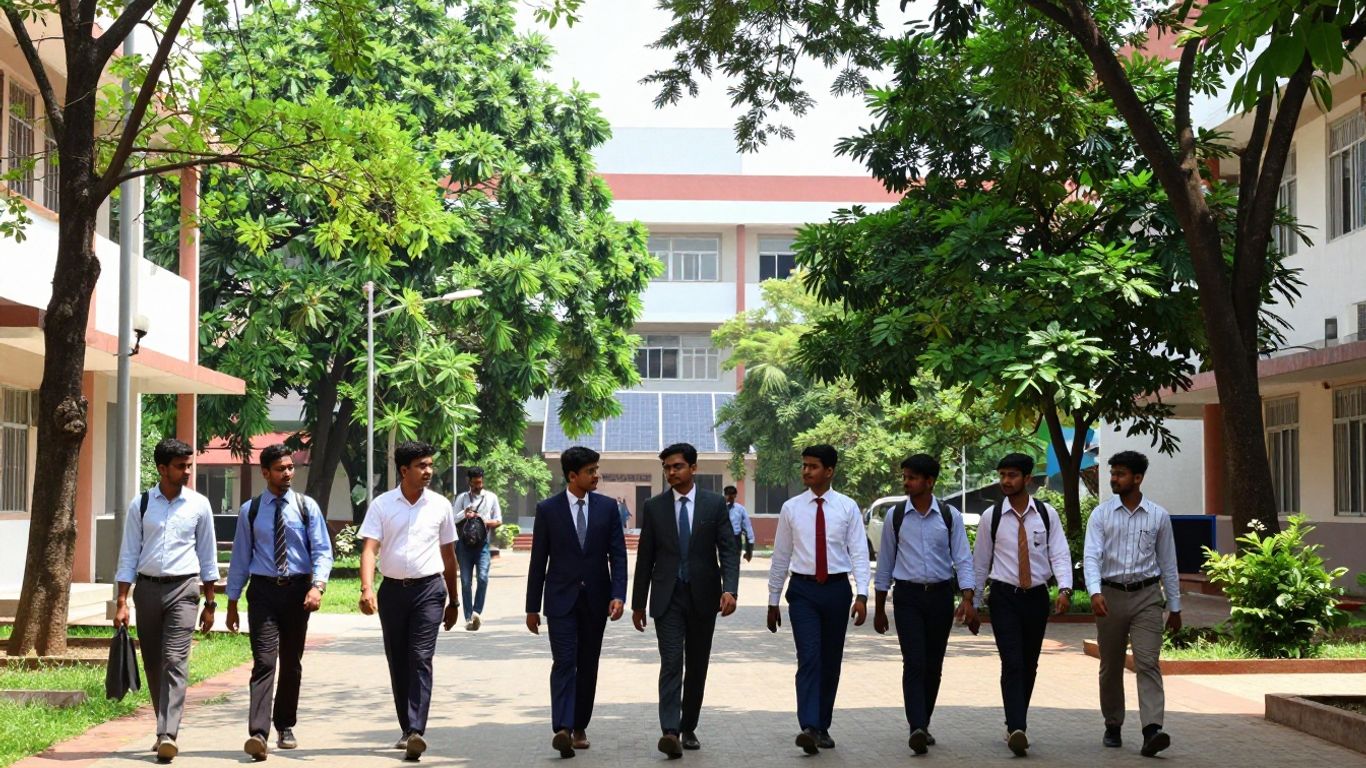
Here are some important points to remember about pursuing an MBA in Sustainability Management in India:
Key Takeaways
- Businesses need leaders who understand sustainability to meet goals like cutting carbon and using resources wisely.
- An MBA in Sustainability Management teaches core business skills alongside topics like climate change, green finance, and the circular economy.
- Graduates can find jobs in areas such as ESG reporting, managing supply chains, and working in renewable energy or policy.
- This degree offers a competitive edge in a job market that increasingly values environmental and social responsibility.
- Emerging trends like AI in sustainability and green technology offer exciting new career paths for graduates.
The Growing Imperative for Sustainability Management
It feels like everywhere you look these days, people are talking about sustainability. It's not just a buzzword anymore; it's becoming a really big deal for businesses, big and small. Companies are realizing that just focusing on profits isn't enough. They need to think about how their actions affect the planet and the people around them. This shift is happening fast, and it's changing how businesses operate.
Why Businesses Need Sustainability Leaders
Think about it: customers are paying more attention to where their products come from and how they're made. Investors are also looking beyond just the numbers, checking if a company is a good global citizen. This means businesses need people who can steer them in a more responsible direction. These leaders help companies figure out how to reduce their environmental impact, treat their workers fairly, and be good neighbors in their communities. It's about making sure the company is healthy not just today, but for the long haul. The demand for professionals who can manage these complex issues is really taking off, creating a lot of new job openings in sustainability management.
Understanding Environmental, Social, and Governance (ESG) Frameworks
So, what exactly are these businesses looking for? A lot of it comes down to ESG – Environmental, Social, and Governance. These are basically the three main areas companies are being evaluated on.
- Environmental: This covers how a company impacts the planet. Are they cutting down on pollution? Are they using resources wisely? What's their carbon footprint like?
- Social: This looks at how a company treats people. This includes employees, suppliers, and the communities where they operate. Are working conditions good? Is the company involved in its community?
- Governance: This is about how the company is run. Are the leaders ethical? Is there transparency in how decisions are made? Are shareholders treated fairly?
These frameworks help give a clearer picture of a company's overall health and its commitment to doing good.
The Role of Sustainability in Long-Term Business Resilience
Honestly, ignoring sustainability is becoming a risky move for any business. Companies that actively manage their environmental and social impact are often better prepared for unexpected challenges. Think about supply chain disruptions or new government regulations – a sustainable business is usually more adaptable. They've already built relationships with stakeholders and have processes in place to handle change. It's not just about avoiding problems; it's about building a stronger, more stable company that can weather storms and continue to grow. This focus on resilience is a key reason why many are looking into programs that can help them understand corporate responsibility.
Building sustainability into the core of a business isn't just a trend; it's becoming a necessity for survival and growth in the modern economy. It requires a strategic approach that balances immediate needs with future well-being.
Curriculum and Learning Outcomes of an MBA in Sustainability
So, you're thinking about an MBA in Sustainability Management. That's a smart move, especially with how the business world is shifting. This isn't just about being 'green' anymore; it's about smart business strategy. The programs are designed to give you a solid grasp of how businesses can actually make money while doing good for the planet and people. You'll learn the usual business stuff, but with a sustainability lens.
Core Management Principles with a Sustainability Focus
Think of it like this: you'll still cover marketing, finance, and operations, but with a twist. Instead of just maximizing profit, you'll explore how to do it responsibly. This means understanding how your company's actions affect the environment and society, and how to manage those impacts. You'll look at case studies where companies succeeded by integrating sustainability, not just as a side project, but as part of their main game plan. It's about building businesses that last, not just for a quarter, but for the long haul. This approach helps build a resilient CSR strategy for 2026 and beyond.
Key Learning Areas: Climate, Finance, and Circular Economy
This is where things get really interesting. You'll dive into topics like climate change and what it means for businesses. Expect to learn about carbon markets, how they work, and how companies can participate. Sustainable finance is another big one – understanding how investors are looking at Environmental, Social, and Governance (ESG) factors and how to attract that kind of investment. And then there's the circular economy. Forget the old 'take-make-dispose' model. You'll learn about designing products and systems where waste is minimized, and resources are reused. It's a whole new way of thinking about business operations.
- Climate Change and Carbon Markets
- Sustainable Finance and ESG Investing
- Circular Economy Principles and Business Models
- Environmental Impact Assessment
The goal is to equip you with the tools to see sustainability not as a cost center, but as a driver of innovation and long-term value creation. It's about finding that sweet spot where business success and positive impact meet.
Developing Skills for Environmental Stewardship and Energy Systems
Beyond the big picture, you'll get into the nitty-gritty. This includes understanding energy systems, how to conduct energy audits, and how to manage energy more efficiently. You'll also learn about supply chain management, but with a focus on making it ethical and reducing its environmental footprint. Life cycle analysis is another key skill – looking at a product's impact from start to finish. These programs are designed to give you a system-level approach to impact, integrating sustainability into core business practices. This is a great way to drive sustainable change within organizations.
Career Pathways in Sustainability Management
So, you've got this MBA in Sustainability Management – what's next? It's not just about feeling good about the planet; it's about building a solid career. Businesses everywhere are realizing they can't just keep doing things the old way. They need people who get how to make money and be good global citizens. This means a whole bunch of new job openings are popping up.
Diverse Roles in ESG, Supply Chain, and Policy
Think about Environmental, Social, and Governance (ESG) roles. Companies need folks to track their carbon footprint, make sure their suppliers are treating workers right, and that their leadership is honest and fair. It's about making sure the company isn't just profitable, but also responsible. Then there's the supply chain. We're talking about making sure goods get from point A to point B without wrecking the environment or exploiting people. This involves looking at everything from where materials come from to how products are delivered. Policy is another big one. Governments are setting new rules, and companies need people who understand them and can help the business comply, or even get ahead of the curve. These roles are becoming central to how businesses operate and are perceived. You might find yourself developing corporate responsibility programs, which is a great way to make a real impact.
Opportunities in Renewable Energy and Sustainable Finance
Let's talk about the exciting stuff. Renewable energy is booming, and companies need managers who understand how to integrate solar, wind, and other green technologies into their operations or business models. It's not just about installing panels; it's about the whole strategy. And then there's sustainable finance. Investors are increasingly looking at more than just profits; they want to see that a company is managing its environmental and social risks well. This means jobs in green bonds, impact investing, and ESG analysis are growing fast. You could be helping a bank figure out which projects are truly sustainable or advising a company on how to attract green investment.
Leading Initiatives in Climate Action and Corporate Responsibility
Ultimately, an MBA in Sustainability Management prepares you to lead. You'll be the person driving initiatives to reduce a company's climate impact, whether that's setting ambitious net-zero targets or finding innovative ways to cut waste. You'll also be at the forefront of corporate responsibility, shaping how a company interacts with its community and the wider world. It's about taking complex global issues, like climate change, and figuring out practical, business-driven solutions. This kind of work is becoming a core part of business strategy, not just an add-on. The demand for professionals who can drive sustainable business practices is only going to increase.
The Value Proposition of an MBA in Sustainability Management in India

So, why bother with an MBA specifically focused on sustainability in India right now? Well, it’s not just about feeling good; it’s about smart career moves. Businesses everywhere are waking up to the fact that just making money isn't enough anymore. They need to think about the planet and people too. This shift means a huge demand for people who actually know how to make sustainability work in the real world of business.
Addressing the Demand for Sustainability Professionals
Companies are scrambling to find folks who can help them meet targets like net-zero emissions by 2030. It’s not just a buzzword; it’s becoming a requirement. Think about supply chains – businesses want to know their products are made ethically and without a massive carbon footprint. Plus, investors are increasingly looking at Environmental, Social, and Governance (ESG) factors. They want to put their money into companies that are built to last, not just for the next quarter. Governments are also stepping in with rules that push for more transparency. All this creates a wide-open field for anyone with an MBA in Sustainability Management in India. You’re looking at roles where you can actually design solutions that help companies make money while doing good.
Balancing Profitability with Positive Environmental and Social Impact
This is the core of it, really. An MBA in Sustainability Management teaches you how to connect the dots between making a profit and making a difference. It’s about finding that sweet spot where business success and positive impact go hand-in-hand. You’ll learn how to manage ESG disclosures, make supply chains greener, and even lead efforts in climate policy. It’s a way to build a career that’s both rewarding financially and personally.
- Climate Action Commitments: Helping companies reach their carbon reduction goals.
- Sustainable Supply Chains: Ensuring ethical sourcing and reducing environmental impact.
- Green Finance: Understanding how investors are prioritizing ESG.
- Policy & Regulation: Navigating new rules and encouraging transparency.
Gaining a Competitive Edge in a Transforming Industry
Let’s be honest, the business world is changing fast. Companies that don't adapt to sustainability will get left behind. Having an MBA in Sustainability Management puts you ahead of the curve. You’ll have the skills to help organizations not just survive but thrive in this new landscape. It’s about being a leader who can guide a company through these changes, turning potential challenges into opportunities for growth and innovation. This degree is a solid investment for anyone looking to shape the future of business in India and beyond. You can even explore different career paths that align with this growing field.
Emerging Trends and Specializations
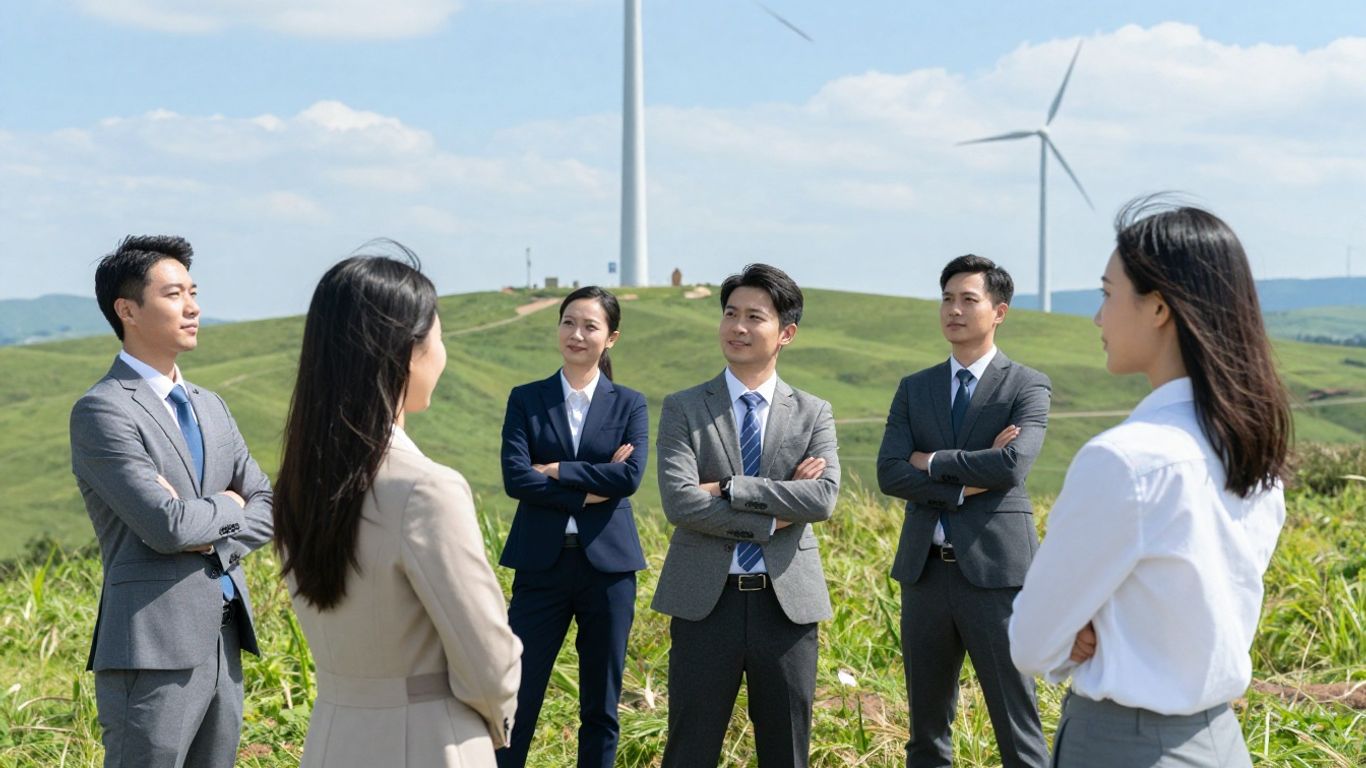
The world of business is always shifting, and sustainability is no different. Keeping up with new ideas and areas of focus is key for anyone serious about a career in this field. It's not just about recycling anymore; it's about how businesses can actually make a positive impact while still being profitable.
AI and Data Leadership for Sustainability
Artificial intelligence and big data are changing how we approach sustainability. Think about using AI to predict energy needs more accurately or to optimize supply chains for less waste. Data analytics can show us exactly where a company's environmental footprint is largest, helping to target improvements. This data-driven approach is becoming non-negotiable for effective sustainability management. It allows for more precise planning and better tracking of progress.
Green Energy, Technology, and Innovation
There's a huge push towards renewable energy sources and the technologies that support them. This includes everything from solar and wind power to new battery storage solutions. An MBA program might explore how to implement these technologies within a business, or even how to develop new ones. It's about finding innovative ways to power operations cleanly and efficiently. This area is ripe for new ideas and business models.
Sustainable Business Transformation and Responsible Entrepreneurship
Many companies are looking to completely rethink how they operate, moving towards a more sustainable model from the ground up. This involves looking at the entire lifecycle of products and services, aiming for a circular economy where waste is minimized. It also means fostering a culture of responsibility throughout the organization. For aspiring entrepreneurs, this trend opens doors to creating new businesses with sustainability built into their core mission. You can find programs that focus on business sustainability & circular economy principles, which are vital for this transformation.
The future of business success is increasingly tied to its ability to integrate environmental and social considerations into its core strategy. This isn't just about compliance; it's about building resilience, attracting talent, and meeting the expectations of consumers and investors alike. Companies that embrace this shift are better positioned for long-term growth and positive impact.
Achieving Career Growth Through Sustainability Expertise
So, you've got this MBA in Sustainability Management. What's next? It's not just about adding another line to your resume; it's about actively shaping your career path. Think of it as getting a toolkit that lets you tackle problems in a whole new way. Companies are really starting to see the value in people who can connect the dots between making money and doing good for the planet and society. This means more doors are opening, and you're in a prime spot to walk through them.
Transforming Challenges into Opportunities
Many businesses are facing big questions about their environmental impact and how they treat people. Instead of seeing these as just problems, your new skills let you see them as chances to innovate. Maybe it's finding a more efficient way to use resources, or perhaps it's developing a supply chain that's fairer to everyone involved. These aren't just small tweaks; they can be game-changers for a company's reputation and its bottom line. The ability to reframe a challenge as an opportunity is a hallmark of a sustainability leader. It's about looking at the whole picture and finding solutions that work for the business and the world.
Developing Transformative Leadership Capabilities
An MBA in Sustainability Management doesn't just teach you about environmental policies or social impact reports. It pushes you to think differently about how you lead. You learn to influence others, build consensus, and inspire teams to move towards a common goal, even when that goal involves significant change. This kind of leadership is about more than just managing; it's about guiding your organization through complex transitions. You'll find yourself better equipped to handle resistance, communicate a compelling vision, and build a culture that values responsible practices. It's about becoming the kind of leader who can actually make things happen, not just talk about them. You'll learn to think critically and build resilience, which are key for any leadership role today.
Driving Innovation for Sustainable Growth
This is where the rubber meets the road. With your specialized knowledge, you can drive real innovation. Think about developing new products that are designed from the start to be recycled or reused, or creating business models that actively benefit local communities. It's about moving beyond just reducing harm to actively creating positive impact. This kind of forward-thinking approach is what businesses need to stay competitive in the long run. You'll be the one identifying new markets, improving processes, and helping your company adapt to a world that's increasingly focused on sustainability. It's a chance to be at the forefront of change, making a real difference while advancing your own career. You can explore advance your career with online sustainability management courses to further hone these skills.
Want to boost your career by becoming a sustainability expert? Learning about green practices can open up new job opportunities and help you make a real difference. It's a smart move for your future. Ready to explore how you can grow your career with sustainability skills? Visit our website today to learn more!
Conclusion
So, is an MBA in Sustainability Management in India worth it? Absolutely. Businesses everywhere are waking up to the fact that being green isn't just good for the planet, it's good for business too. This degree gives you the tools to help companies make smart choices that benefit everyone. You'll learn how to handle tricky issues like climate change and resource use, turning them into chances for companies to grow and do better. It's a career path that's not only in high demand but also lets you make a real difference. By getting this MBA, you're not just getting a qualification; you're preparing to lead the way towards a more responsible and successful future for businesses in India and beyond.
Frequently Asked Questions
Why are companies looking for sustainability managers now?
Companies need people who can help them be more eco-friendly and socially responsible. Think about things like reducing pollution, treating workers fairly, and making sure their business practices are honest. Governments and customers are also paying more attention to this stuff, so companies need experts to guide them.
What will I actually learn in an MBA focused on sustainability?
You'll learn the usual business stuff like marketing and finance, but with a special focus on sustainability. This means classes on climate change, how to invest in green projects, managing resources smartly, and creating products that don't harm the environment. It's about running a business well while also caring for the planet and people.
What kind of jobs can I get after this MBA?
Lots of different jobs! You could work as an ESG analyst (that's looking at environmental, social, and governance factors), a sustainability consultant helping companies improve, or in roles related to renewable energy, green finance, or making supply chains more ethical. Basically, any company wanting to be more sustainable might hire you.
Is an MBA in Sustainability Management a good idea in India?
Yes, it's a really good idea. India is growing fast, and companies here are starting to see how important sustainability is. There's a big need for people who can help businesses grow without harming the environment or society. This degree helps you get those jobs.
What are ESG frameworks?
ESG stands for Environmental, Social, and Governance. These are like guidelines that help businesses measure how well they are doing in areas like protecting the environment, treating people right, and running their company in an honest way. Investors often look at these scores to decide where to put their money.
Are there new trends in sustainability management I should know about?
Definitely! Artificial intelligence (AI) is being used more to track environmental impact and make better decisions. Also, there's a lot of focus on new green technologies, how to transform old businesses into sustainable ones, and supporting new businesses that are built on being responsible from the start.