
Unlock Your Future: A Deep Dive into the Columbia Masters in Sustainability Management Program

Thinking about a master's degree in sustainability management? Columbia University has a program that's getting a lot of attention. It's designed for people who want to make a real difference in how businesses operate, focusing on environmental and social issues. This program, the columbia masters in sustainability management, seems to be a solid choice if you're looking to get ahead in this growing field. Let's take a closer look at what it offers.
Key Takeaways
- The columbia masters in sustainability management program teaches core skills for sustainable business, including how to think strategically about environmental and social impacts.
- You'll learn practical ways to weave sustainability into financial plans and decisions, which is becoming really important for companies.
- Graduates can expect to be fluent in sustainability strategies, understand ESG reporting, and create actual plans for making organizations more sustainable.
- The program features Columbia Business School faculty and uses real-world examples, giving you insights from actual industry leaders and cases.
- It's structured for online learning with interactive parts, and it offers chances to connect with other students from all over the world, plus it can help your career and connect you to a strong alumni network.
Understanding the Columbia Masters in Sustainability Management Curriculum
The curriculum for Columbia's Masters in Sustainability Management is built to give you a solid grounding in how businesses can operate more responsibly. It's not just about theory; it's about practical application. You'll explore how companies can actually make a difference while still being profitable.
Core Competencies in Sustainable Business
This part of the program focuses on the nuts and bolts of running a business with sustainability in mind. You'll learn about different business models that prioritize environmental and social well-being. Think about how a company can reduce waste, use resources more efficiently, and treat its employees and communities better. It's about building a business that lasts, not just for a few years, but for the long haul.
- Understanding circular economy principles.
- Analyzing supply chains for environmental impact.
- Developing ethical sourcing strategies.
- Implementing corporate social responsibility initiatives.
Strategic Frameworks for Environmental and Social Impact
Here, you'll get into the bigger picture. How do you actually measure and manage the environmental and social footprint of a company? This section covers frameworks and tools that help you assess risks and opportunities related to climate change, resource scarcity, and social equity. You'll learn how to translate these complex issues into actionable business strategies. It’s about seeing the whole system and figuring out where your company fits in and how it can contribute positively. This is where you start to see how sustainability can be a driver for innovation and competitive advantage, not just a compliance issue. You'll also get a good look at how global policies and regulations shape these strategies, giving you a broad perspective on the challenges and opportunities ahead. Learning about these frameworks is key for anyone looking to make a real difference in the sustainability field.
Integrating Sustainability into Financial Decision-Making
This is where things get really interesting. Sustainability isn't just a separate department anymore; it's becoming a core part of how financial decisions are made. You'll explore concepts like ESG (Environmental, Social, and Governance) investing and how it influences capital markets. The program will show you how to analyze the financial implications of sustainability initiatives, assess climate-related financial risks, and understand how sustainable finance can drive long-term value. It's about making sure that financial planning and investment strategies align with sustainability goals, creating a more resilient and responsible financial system for the future.
Key Learning Outcomes of the Columbia Program
Developing Strategic Fluency in Sustainability
This program really helps you get a handle on how sustainability fits into the bigger business picture. You'll learn to see how environmental and social issues aren't just side notes, but actually core to how a company operates and succeeds. It’s about moving beyond just knowing the buzzwords to truly understanding how to weave sustainability into the fabric of an organization. You'll come away with the ability to talk about sustainability strategies in a way that makes sense to everyone, from the boardroom to the factory floor.
Mastering ESG Analysis and Reporting Standards
Getting a grip on Environmental, Social, and Governance (ESG) is a big part of this. You'll learn how to look at companies and assess their performance in these areas. This isn't just about ticking boxes; it's about understanding the frameworks and standards used to measure and report on ESG factors. Think about how investors use this information, or how companies report their progress. You'll gain practical skills in analyzing this data, which is becoming super important in the business world.
- Understand different ESG rating systems.
- Learn how to interpret sustainability reports.
- Identify key metrics for environmental and social impact.
Creating Actionable Sustainability Roadmaps
By the end of the program, you won't just have knowledge; you'll have the tools to actually do something. This means learning how to create practical plans, or roadmaps, for implementing sustainability initiatives. It’s about taking the strategies you’ve learned and turning them into concrete steps that a company can follow. You'll be able to figure out what needs to happen, who needs to be involved, and how to measure success along the way. This is where the learning really translates into making a difference.
The focus is on practical application, moving from theory to tangible outcomes that benefit both the business and the planet. It's about building a clear path forward.
Faculty Expertise and Industry Insights
Learning from Renowned Columbia Business School Faculty
The instructors at Columbia are not just academics; they're people who have spent years working in the sustainability field. They bring real-world experience right into the classroom, which makes a big difference. You get to learn from folks like Celine, who teaches "Corporate Sustainability Reporting & Strategy" and has been doing it since 2015. Her background means she knows the ins and outs of how companies report on their sustainability efforts. This isn't just theory; it's practical knowledge from people who've been there. You can find out more about the faculty's backgrounds on the Columbia University website.
Engaging with Global Case Studies and Real-World Examples
Forget dry textbooks. This program dives into actual situations companies are facing right now. You'll look at case studies from all over the world, showing how different businesses are tackling sustainability challenges. This helps you see what works and what doesn't, and why. It’s about understanding the complexities of sustainability in different markets and industries.
Learning through real-world examples makes the concepts stick. It's one thing to read about a strategy, but it's another to see how it played out for a specific company, including the successes and the stumbles.
Gaining Perspectives from Industry Leaders
Beyond the core faculty, the program brings in guest speakers who are leaders in the sustainability space. These are people running sustainability initiatives, working in finance, or advising major corporations. They share their firsthand experiences and insights into current trends and future directions. This exposure gives you a broader view of the job market and the kinds of roles you could step into after graduation. It’s a chance to hear directly from those shaping the industry.
Program Structure and Delivery
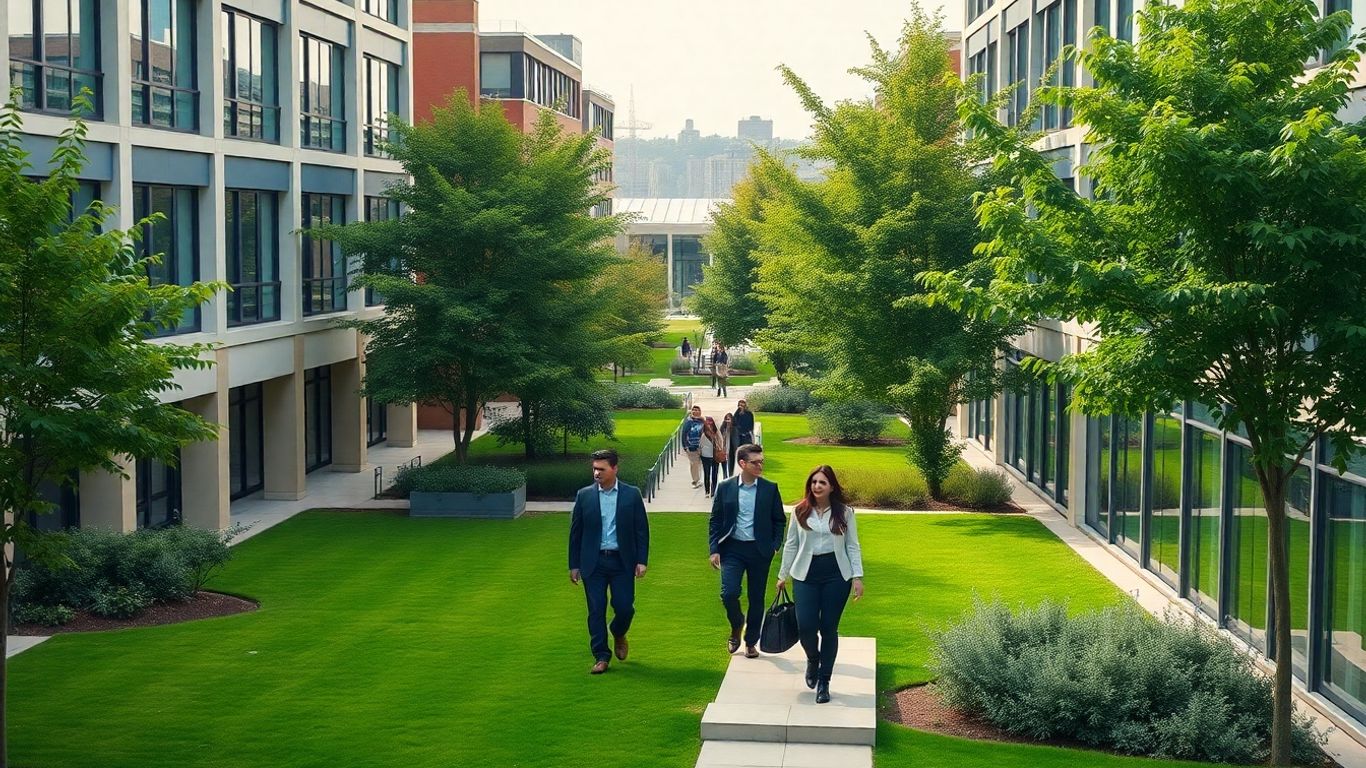
Online Learning Modalities and Interactive Components
The Columbia Masters in Sustainability Management program is built with the modern professional in mind. It uses a blend of online learning tools to make sure you can fit your studies around your life. Think live online classes, recorded lectures you can watch anytime, and digital discussion forums where you can connect with classmates and professors. The goal is to make learning flexible without sacrificing interaction. You'll also find case studies and group projects that encourage collaboration, even when you're not in the same room.
Program Duration and Time Commitment
This program is designed to be manageable for working professionals. It typically takes about a year to complete, though there might be options for part-time study. The coursework is structured to be rigorous but achievable. Expect to dedicate a certain number of hours each week to lectures, readings, and assignments. It's a serious commitment, but one that pays off in career growth. For example, some executive programs, like the ones focused on leadership, run for a few intensive days, but this master's is a longer, more in-depth journey.
Networking Opportunities with a Global Cohort
One of the big draws of a Columbia degree is the network you build. This program brings together students from all over the world, each with different backgrounds and experiences in sustainability. You'll get to know your classmates through online discussions, group work, and virtual events. This global cohort means you're not just learning about sustainability; you're learning from a diverse group of people who are already working in the field. It's a chance to build connections that can last a lifetime and open doors to new opportunities. You can find more details on programs that combine classroom education with professional experience on the Columbia website.
Career Advancement with a Columbia Masters in Sustainability Management

So, you're thinking about getting that Masters in Sustainability Management from Columbia. That's a big step, and you're probably wondering what it actually does for your career. It's not just about learning new stuff; it's about making yourself more valuable in the job market, especially now with so many companies focusing on sustainability.
Enhancing Your Professional Credibility
Let's be real, having 'Columbia University' on your resume, especially for a specialized program like this, really stands out. It signals that you've gone through a rigorous program taught by top people in the field. It's like getting a stamp of approval that says you know your stuff when it comes to sustainability. This can open doors to jobs that might have been out of reach before.
Applying New Skills to Organizational Challenges
This program isn't just theoretical. You'll learn practical ways to tackle real problems companies face. Think about things like:
- Figuring out how to make a company's operations more eco-friendly.
- Understanding and reporting on environmental, social, and governance (ESG) factors.
- Developing plans to help a company transition to being carbon neutral.
These are the kinds of skills that businesses are actively looking for right now. You'll be able to step into your role and immediately start making a difference, which is what employers want.
Joining an Elite Alumni Network
When you graduate from Columbia, you're not just getting a degree; you're joining a community. This network includes people who are already working in all sorts of sustainability roles, from big corporations to non-profits. It's a great resource for:
- Finding mentors who can guide your career.
- Learning about job openings that might not be advertised publicly.
- Collaborating on future projects or initiatives.
The connections you make during and after the program can be just as important as the knowledge you gain. It's about building relationships with people who are passionate about the same things you are and who can support your professional journey.
Distinguishing Features of the Columbia Masters in Sustainability Management
What really sets the Columbia Masters in Sustainability Management apart? It's not just another degree; it's a program built with specific, forward-thinking elements that prepare you for the evolving landscape of business and environmental responsibility.
Focus on ESG Integration in Investment
This program really digs into how Environmental, Social, and Governance (ESG) factors are becoming central to investment decisions. You'll learn to analyze ESG frameworks and ratings, which is pretty important for understanding how companies are performing beyond just their profit margins. It's about seeing the bigger picture and how that impacts financial outcomes. You'll get hands-on with real financial documents and learn to assess the performance of sustainable investments. This practical approach is key to making informed decisions in today's market. The curriculum covers how to integrate these criteria into portfolios, which is a skill many organizations are actively seeking. You can explore more about ESG investing and its growing importance.
Emphasis on Climate Risk and Net-Zero Transitions
Given the urgency of climate change, the program places a strong emphasis on understanding climate risk and the transition to net-zero emissions. You'll explore strategies for business model transformation and learn about global policies shaping this shift. It’s not just theoretical; you’ll look at how companies are developing and implementing their net-zero plans. This includes understanding the limitations of current metrics, like carbon footprinting, and how to move beyond them. The goal is to equip you with the knowledge to guide organizations through these complex transitions.
Credits Towards Further Professional Development
One neat aspect is that completing this program can give you credits toward further professional development. Specifically, you can earn credits towards the Certificate in Business Excellence from Columbia Business School Executive Education. This means your work in the Sustainability Management program contributes to a broader professional credential, adding even more weight to your qualifications. It’s a smart way to build on your learning and expand your professional toolkit.
What makes the Columbia Masters in Sustainability Management stand out? It's a program designed to equip you with practical skills for a greener future. Ready to learn more about how this unique program can shape your career? Visit our website today to explore the details!
Wrapping It Up
So, we've looked at what Columbia's Master's in Sustainability Management program is all about. It seems like a solid choice if you're looking to get ahead in this growing field. The program covers a lot, from how businesses can actually make a difference to understanding all the different rules and ideas out there. Plus, you get to learn from some smart people and work on projects that could actually help your company. It’s not just about learning theory; it’s about getting practical skills you can use right away. If you're serious about making sustainability a bigger part of your career, this program could be a really good next step for you.
Frequently Asked Questions
What will I learn in the Columbia Masters in Sustainability Management program?
This program teaches you how to make businesses better for the planet and people. You'll learn about important business ideas for sustainability, how to plan for environmental and social good, and how to connect sustainability with money matters. It's all about making smart choices that help everyone in the long run.
What are the main goals of this program?
The main goals are to help you become a super-smart leader in sustainability. You'll get really good at understanding and talking about environmental, social, and governance (ESG) stuff. You'll also learn how to create plans that actually make a difference for sustainability in any company.
Who teaches in this program?
You'll learn from amazing professors at Columbia Business School who are experts in sustainability. They bring real-world stories and examples, like how companies like Lego or even the Amazon Rainforest have dealt with sustainability challenges. You'll also hear from people who work in the field.
How is the program taught?
The program is mostly online, so you can learn from anywhere. It has live parts where you can talk to teachers and other students, making it interactive. It's designed to fit into your busy schedule.
How can this degree help my career?
Getting this degree shows everyone you're serious about sustainability. You'll gain skills that companies desperately need, helping you solve big problems at work. Plus, you'll join a special group of graduates, which can open many doors for you.
What makes the Columbia program special?
This program really focuses on how sustainability and money go hand-in-hand, especially with investing. It also dives deep into climate change and how companies can reach 'net-zero' emissions. It's a practical program that gives you skills you can use right away.