
Understanding Watershed Environmental Science: A Comprehensive Guide
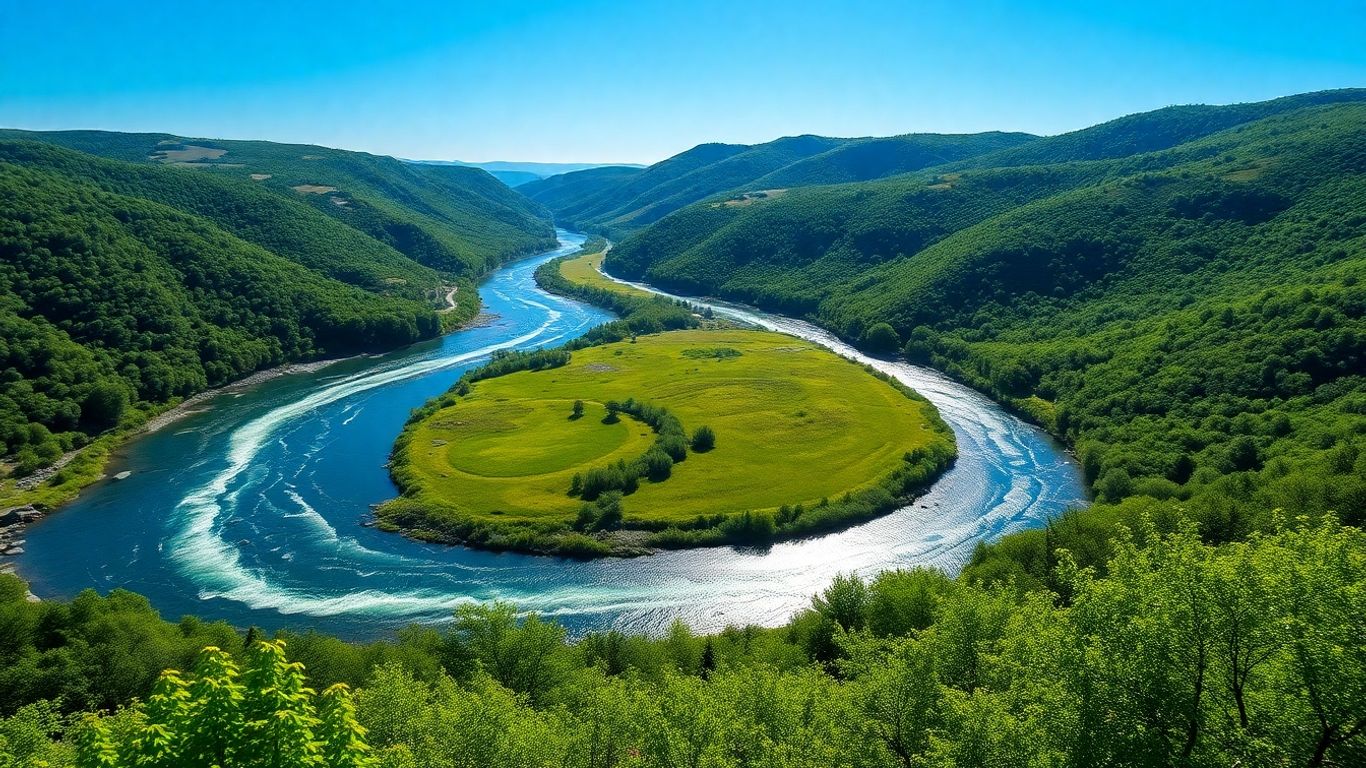
Hey there! Ever wonder where the water in your tap actually comes from, or how rivers and lakes stay clean? It all has to do with something called a watershed. Think of it as a giant natural basin that collects and moves water. Understanding watershed environmental science is pretty important for, well,, everything that needs water – which is pretty much all life. We're going to break down what watersheds are, why they matter so much for nature and us, and what happens when we don't take good care of them. Let's get into it.
Key Takeaways
- A watershed is simply a land area where all the water that falls on it drains to a common point, like a river or lake.
- These areas act as nature's own water filters and storage tanks, keeping our water cleaner and supplying it steadily.
- Healthy watersheds are packed with life, providing homes and food for countless plants and animals.
- How we use the land matters a lot – cities, farms, and factories can all change how water flows and what's in it.
- Taking care of watersheds means managing how we use land and water, fixing up damaged areas, and keeping an eye on water quality.
Understanding Watershed Environmental Science Fundamentals
So, what exactly is a watershed? Think of it as a giant, natural funnel. It's any area of land where all the water that falls on it – rain, snowmelt – eventually drains to a common outlet. This outlet could be a river, a lake, a bay, or even the ocean. These areas are defined by the lay of the land, specifically by ridges and hills that direct water flow. They're like the Earth's plumbing system, collecting and moving water from higher spots to lower ones.
Defining A Watershed And Its Components
Every watershed has its own unique boundaries, determined by the topography. These boundaries, often called divides, are the high points that separate one drainage area from another. Inside these boundaries, you'll find a network of surface water features. This includes everything from tiny trickles and streams that feed into larger creeks, which then merge into rivers. There are also lakes and ponds, which are like natural storage tanks, and wetlands – those fascinating areas where land and water meet, supporting unique life.
- Ridges and divides: The high ground that separates drainage areas.
- Streams and rivers: The network of flowing water, from small tributaries to large main stems.
- Lakes and ponds: Areas of standing water.
- Wetlands: Transitional zones between land and water.
The Hydrologic Cycle Within A Watershed
Water doesn't just sit still in a watershed; it's constantly moving through what we call the hydrologic cycle. Precipitation falls, some soaks into the ground (infiltration), some runs off the surface, and some evaporates back into the atmosphere. Plants also play a role, taking up water and releasing it through transpiration. This cycle is what keeps water flowing and replenishes our water sources. Understanding this cycle is key to managing water resources effectively, especially when considering things like carbon emissions management.
The continuous movement of water on, above, and below the surface of the Earth is a complex but vital process. It dictates water availability, influences weather patterns, and shapes the very landscape of a watershed.
Topographical Influences On Water Flow
The shape of the land, or topography, has a huge impact on how water moves. Steep slopes mean water runs off quickly, potentially causing erosion. Flatter areas might allow water to soak in more readily or form wetlands. The way streams are connected, forming a branching network, is also a direct result of the topography. This network determines where water goes and how quickly it gets there, affecting everything from local flooding to the health of downstream ecosystems.
Ecological Significance Of Watersheds
Watersheds As Natural Water Filters And Reservoirs
Think of a watershed as a giant, natural sponge and filter system for our planet. As rain and snowmelt travel across the land, they pick up all sorts of things. But before this water reaches our rivers, lakes, and oceans, it passes through soil, rocks, and plants. This journey acts like a natural purification process, removing many pollutants and sediments. This filtration is key to keeping our water sources clean.
Beyond filtering, watersheds also act as storage units. They hold onto water, releasing it slowly over time. This steady release is super important, especially during dry spells, keeping streams flowing and supporting the life within them. It’s like a natural plumbing system, but way more effective.
Biodiversity Hotspots And Habitat Provision
Watersheds are teeming with life. The variety of environments within a watershed – from the wet areas near rivers (riparian zones) to marshes and forests – creates homes for countless plants and animals. These different spots, or microhabitats, mean that a wide range of species can find what they need to survive, reproduce, and thrive. This rich mix of life makes the whole ecosystem stronger and more resilient to changes.
Here’s a quick look at what makes them so good for wildlife:
- Water Availability: Obvious, but critical. All living things need water.
- Food Sources: Plants and smaller organisms that grow in and around the water provide food for many animals.
- Shelter and Breeding Grounds: From fish spawning in streams to birds nesting in riverside trees, watersheds offer safe places to live and raise young.
Role In Climate Regulation And Carbon Sequestration
Plants, especially trees and other vegetation found in healthy watersheds, play a big part in managing our climate. They take in carbon dioxide from the air – a major greenhouse gas – and store it. This process, called carbon sequestration, helps to reduce the amount of CO2 in the atmosphere, acting as a natural brake on climate change. Forests and wetlands within watersheds are particularly good at this, essentially acting as the planet's lungs and carbon storage units. It’s a quiet but vital service they provide, helping to keep our planet's temperature more stable.
Human Dependence On Healthy Watersheds
Think about it: where does the water you drink come from? Chances are, it started its journey in a watershed. These natural areas are incredibly important for us, way more than just a place for rivers to flow. They're like the planet's plumbing system, and when they're healthy, we benefit a lot.
Ensuring Freshwater Supply and Quality
Our most basic need, clean drinking water, comes directly from watersheds. Rain and snowmelt collect in these areas, and as the water moves through soil and plants, it gets naturally filtered. This process is pretty amazing, removing a lot of gunk before it even gets to our taps. A healthy watershed means cleaner water, plain and simple. This natural filtration is a huge part of why we can rely on our water sources. It's also where a lot of our food comes from, with water from watersheds used for irrigation. The Qinghai–Tibet Plateau, for example, is a major source of water for Asia, feeding many large rivers.
Flood Control and Soil Conservation Benefits
Watersheds do more than just supply water; they also help manage it. During heavy rains or snowmelt, the land within a watershed absorbs a lot of water. Wetlands and floodplains act like sponges, soaking up excess water and releasing it slowly. This helps prevent devastating floods downstream, protecting our homes and infrastructure. It also keeps soil in place. Plant roots hold the soil together, stopping it from washing away into rivers and streams. This soil conservation is vital for farming and keeps our waterways from getting clogged with sediment.
Here's a quick look at how watersheds help:
- Water Filtration: Natural cleaning of water as it moves through the land.
- Water Storage: Acting like natural reservoirs, holding water for drier times.
- Flood Mitigation: Absorbing excess water to reduce flood risks.
- Soil Stabilization: Preventing erosion and keeping soil healthy.
We often take our water for granted, but the health of our local watershed directly impacts the quality and availability of that water. Protecting these natural systems is a direct investment in our own well-being and the stability of our communities.
Recreational Opportunities and Resource Utilization
Beyond the practical stuff, healthy watersheds are also places for us to enjoy. Rivers, lakes, and streams within watersheds offer chances for fishing, boating, swimming, and just enjoying nature. These areas support diverse plant and animal life, making them rich in biodiversity. This not only makes them beautiful places but also supports ecosystems that provide resources like timber and minerals. Managing these resources sustainably means we can keep using them without ruining the watershed for future generations. It's all about finding a balance so we can meet our needs today without messing things up for tomorrow. Sustainable resource management is key here.
Impacts Of Land Use On Watershed Health
So, how we use the land really messes with our watersheds, and not in a good way. It's like everything we do on the surface eventually finds its way downhill, impacting the water quality and flow. Think about it – every road, every farm field, every factory has a ripple effect.
Urbanization and Its Hydrological Effects
When we build cities, we pave over a lot of natural ground. Roads, parking lots, and buildings mean less water soaks into the soil. This leads to more runoff, which is basically water that can't infiltrate and just flows over the surface. This increased runoff rushes into streams and rivers, often carrying pollutants like oil, grease, and trash. It also means streams can flood more easily because there's so much water moving so fast. Plus, all that construction can change how water naturally flows, sometimes even straightening out streams or putting them in pipes, which isn't great for the critters that live there.
Agricultural Practices and Runoff Concerns
Farming is essential, but how we farm matters a lot for watersheds. When fields are tilled, especially on slopes, soil can easily wash away into nearby water bodies. This is called sedimentation, and it makes water cloudy, harms fish, and fills up reservoirs. Fertilizers and pesticides used in farming can also get washed into streams, causing problems like algal blooms that choke out other aquatic life. Even irrigation can be an issue, sometimes depleting groundwater sources.
Here's a quick look at some common agricultural impacts:
- Soil Erosion: Bare soil from tilling or overgrazing gets carried away by rain and wind.
- Nutrient Pollution: Fertilizers and animal waste add excess nitrogen and phosphorus to water.
- Pesticide Runoff: Chemicals used to control pests can harm aquatic ecosystems.
- Water Depletion: Excessive irrigation can lower groundwater levels.
We need smarter farming methods that keep soil in place and prevent chemicals from reaching our waterways. Things like cover crops and careful fertilizer application make a big difference.
Industrial Activities and Water Pollution
Industrial sites can be major sources of water pollution. Factories often use and produce chemicals, and if these aren't handled properly, they can end up in rivers and lakes. This can include heavy metals, solvents, and other toxic substances. Even wastewater treatment from these facilities, if not up to par, can release pollutants. The sheer volume of water used and discharged by some industries can also affect water temperatures and flow rates in receiving water bodies, impacting aquatic life.
Strategies For Effective Watershed Management
So, how do we actually manage a watershed to keep it healthy? It's not just about one thing; it's a whole system approach. Think of it like managing a big household – you need to consider plumbing, cleaning, and making sure everyone's happy and healthy. That's kind of what watershed management is all about, but on a much larger scale.
Integrated Watershed Management Approaches
This is the big picture thinking. Instead of tackling problems one by one, integrated watershed management (IWM) looks at the whole system. It means getting everyone involved – government folks, local communities, businesses, you name it – to work together. The goal is to make sure we're using resources wisely and protecting the environment at the same time. It's about balancing what we need now with what future generations will need. This kind of collaborative effort is key to making real progress in water resource management.
Pollution Control And Best Management Practices
This is where we get down to the nitty-gritty of keeping water clean. We're talking about stopping pollution before it even gets into the water. This involves a bunch of different tactics:
- Reducing runoff: Things like planting trees and grasses along riverbanks (riparian buffers) and using special vegetated strips can catch and filter water before it flows into streams. This helps slow down erosion too.
- Managing farm and city runoff: Farmers can use techniques like conservation tillage and better nutrient management. In cities, we're looking at things like permeable pavements and green roofs to help water soak into the ground instead of rushing off into storm drains.
- Controlling direct pollution: For factories and wastewater plants, it means making sure they treat their discharge properly before releasing it. Setting clear water quality standards helps everyone know what's expected.
We need to be smart about how we handle waste and runoff. What happens on the land directly impacts the water. Simple changes in how we farm, build, and manage our yards can make a big difference in the health of our local streams and rivers.
Habitat Restoration And Conservation Efforts
Healthy watersheds mean healthy ecosystems. This part of management focuses on protecting and bringing back natural areas that are important for plants and animals. This includes:
- Protecting key habitats: Wetlands, forests along rivers, and the streams themselves are vital. We need to keep them intact and healthy.
- Bringing back natural flow: Rivers and streams have natural patterns of flow. Restoring these helps fish and other creatures thrive.
- Dealing with invasive species: Sometimes, non-native plants and animals can take over. We need to manage these to protect the native ones.
It's all about recognizing that the land and water are connected and that a healthy environment supports everything else. Conservation isn't just about saving pretty places; it's about making sure the whole system works the way it should.
Monitoring And Assessing Watershed Conditions
So, how do we actually know if a watershed is doing okay? It’s not like you can just ask the river. We need ways to check things out, and that’s where monitoring and assessment come in. It’s all about gathering data to understand what’s happening and if our management efforts are actually working.
Key Water Quality Parameters And Standards
When we talk about water quality, we're looking at a bunch of different things. Think of it like a doctor checking your vitals. We measure stuff like temperature, which affects how much oxygen can dissolve in the water – super important for fish. Then there's pH, which tells us if the water is acidic or alkaline. Dissolved oxygen is a big one; low levels usually mean something’s not right, often pollution. Nutrients, especially nitrogen and phosphorus, are also key. Too much of these can cause nasty algal blooms that choke out other life. And turbidity? That’s just a measure of how clear the water is. Cloudy water can mean lots of sediment is washing in.
These measurements are compared against water quality standards. These aren't just suggestions; they're rules that say how clean the water needs to be for different uses, like drinking or supporting fish.
Streamflow And Hydrologic Monitoring Techniques
Understanding how much water is moving through a watershed and when is just as important. Streamflow monitoring tells us the volume of water moving in rivers and streams. We use things like stream gauging stations that record water levels and then figure out the flow rate. Sometimes, we use more advanced tools like Acoustic Doppler Current Profilers (ADCPs) to get a detailed picture of velocity and depth across the whole stream. Hydrologic monitoring also looks at other factors like rainfall, how much water is in the soil, and groundwater levels, because all these things affect streamflow.
Keeping an eye on streamflow helps us predict floods, manage water supplies, and understand how changes in the landscape are affecting water movement. It's a core part of understanding the watershed's pulse.
Geospatial Analysis For Watershed Assessment
This is where technology really helps us see the big picture. Geospatial analysis uses tools like Geographic Information Systems (GIS) to map and analyze everything within a watershed. We can map out land cover, see where development is happening, and even model how water will flow across the land. This helps us identify areas that are more prone to pollution or erosion. For instance, tools like the Automated Geospatial Watershed Assessment (AGWA) can help manage and analyze these complex systems. By looking at the landscape from above and using data, we can make smarter decisions about where to focus our conservation and restoration efforts. It’s about using location-based information to understand watershed health and plan for the future.
Here’s a quick look at what we often measure:
- Temperature: Affects dissolved gases and aquatic life.
- pH: Indicates acidity or alkalinity.
- Dissolved Oxygen: Vital for aquatic organisms.
- Nutrients (N & P): Can cause algal blooms if levels are too high.
- Turbidity: Measures water clarity, often related to sediment.
- Streamflow: Volume of water moving in channels.
Keeping an eye on how our water sources are doing is super important. We need to check the health of our rivers, lakes, and streams regularly. This helps us make sure they stay clean and safe for everyone. Want to learn more about how we can all help protect our water? Visit our website to discover how you can get involved!
Wrapping It Up
So, we've talked a lot about watersheds – how they work, why they're super important for everything from the water we drink to the animals that live around us, and even how they help with the climate. It's pretty clear these areas are doing a ton of heavy lifting for the planet. Thinking about how we use the land and what we put into the water really matters for keeping these systems healthy. It’s not just some abstract science thing; it affects us directly. By paying attention to how we manage these natural areas, we can make sure they keep doing their job for us and for future generations. It’s about being good neighbors to the environment, really.
Frequently Asked Questions
What exactly is a watershed?
Think of a watershed as a giant natural bowl or basin. It's any area of land where all the rain and melted snow flows downhill to a common spot, like a river, lake, or even the ocean. Imagine dropping a pebble in a pond – the ripples spreading out show the area that drains to that spot. That's basically a watershed!
Why are watersheds so important for the environment?
Watersheds are like nature's super-cleaners and water keepers. The soil and plants in them act like filters, cleaning water as it flows through. They also store water, releasing it slowly, which keeps rivers flowing even when it's dry. Plus, they're home to tons of different plants and animals, making them super important for biodiversity.
How do humans rely on healthy watersheds?
We depend on watersheds for almost everything related to water! They provide the clean water we drink, use for farming, and need for industries. Healthy watersheds also help prevent floods by soaking up extra water and stop soil from washing away, which is great for growing food and keeping land stable. They're also places for fun activities like fishing and swimming.
What happens to a watershed when we build cities or farms?
When we build cities, we cover the ground with pavement and buildings, which stops water from soaking into the soil. This means more water runs off faster, carrying pollution with it. Farming can also cause problems if fertilizers and pesticides wash into streams. Basically, how we use the land really affects the water quality and flow in a watershed.
What's the best way to manage a watershed?
The best way is to manage it as a whole system, considering everything that happens on the land and how it affects the water. This means working together – scientists, communities, and governments – to protect water sources, control pollution using smart practices, and restore damaged habitats. It’s all about keeping the entire watershed healthy.
How do we know if a watershed is healthy?
We check by looking at the water itself! Scientists measure things like how clear the water is, how much oxygen is in it, and if there are harmful chemicals or too many nutrients. They also look at how much water is flowing and check on the plants and animals living there. This helps us understand if the watershed is doing its job well.