
Expert Watershed Consulting for Sustainable Water Management
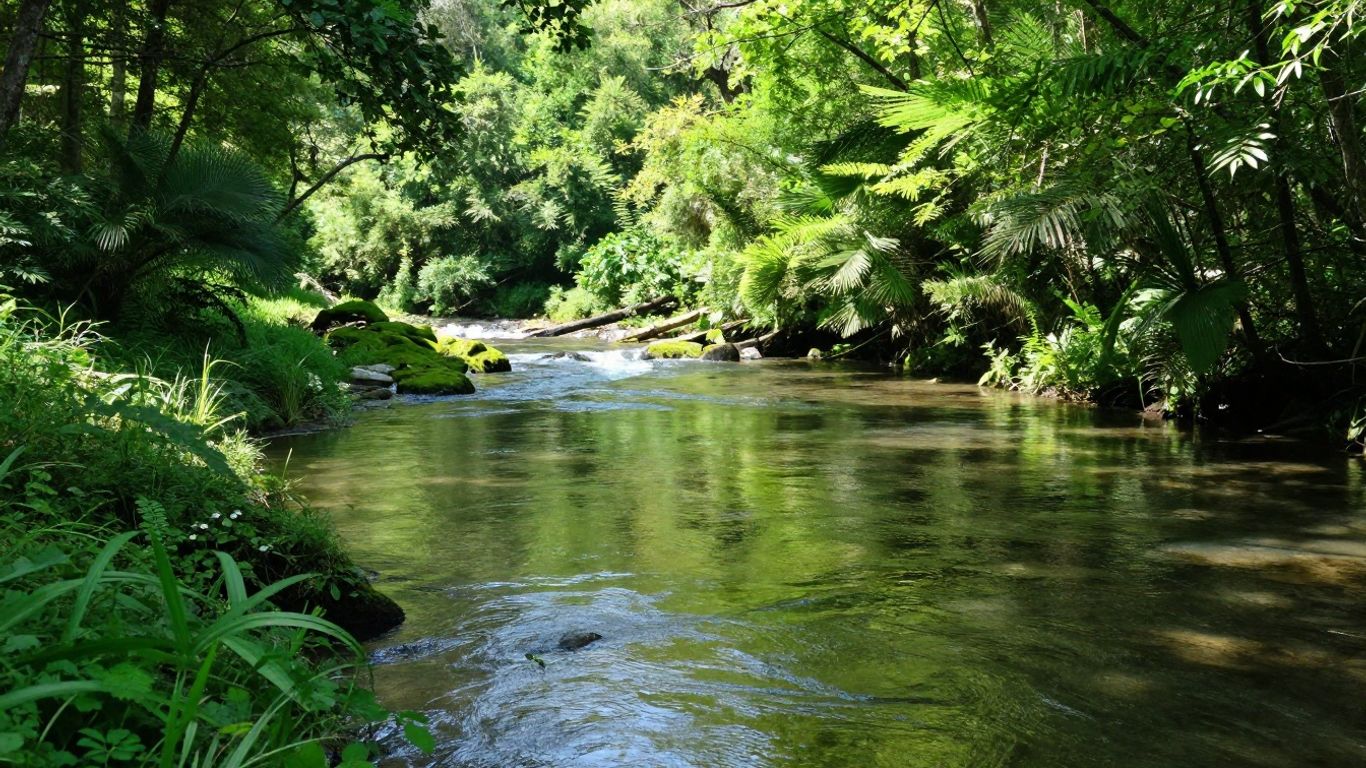
Here are some main points to remember about how watershed consulting helps us manage water better.
Key Takeaways
- Watershed consulting helps plan how we use and manage water resources for the long term.
- Experts can figure out where pollution comes from and how to stop it.
- Analyzing how water moves (hydrology) is key to managing floods and water supply.
- Protecting and restoring nature in our water areas is important for water quality.
- Working with communities and educating people makes water management efforts more successful.
Comprehensive Watershed Consulting Services
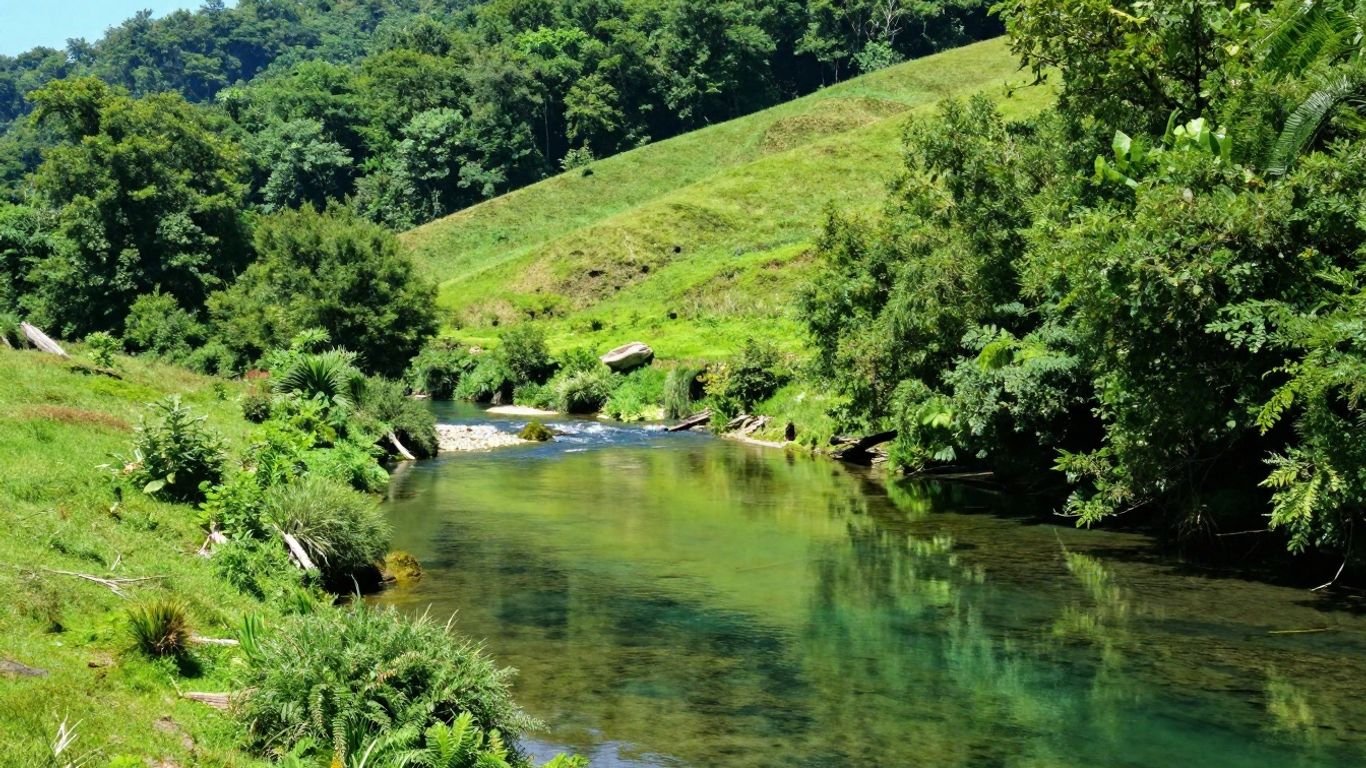
Managing water resources effectively starts with looking at the whole picture: the watershed. It's like understanding how all the parts of a big system work together before you try to fix one piece. We help you get a handle on everything that affects your water, from the rain that falls to the way land is used.
Integrated Water Resource Management Planning
This is all about making a solid plan for how to use and protect water over the long haul. It means thinking about where your water comes from, how much you have, and how to keep it clean for everyone and everything that needs it. We look at things like how development might impact water quality or how to make sure there's enough water during dry spells. It's a big job, but having a good plan makes a huge difference. We help coordinate with different groups, like towns or counties, that share a watershed to make sure everyone's on the same page. This kind of planning is key for sustainable water management.
Ecological Restoration and Health
Sometimes, nature needs a helping hand. If a stream bank is eroding or a wetland isn't functioning like it should, we can figure out why and how to fix it. This might involve planting native vegetation to stabilize soil, removing invasive species that are crowding out local plants, or improving habitats for fish and other wildlife. A healthy ecosystem does a lot of the work for us, like filtering water naturally and reducing flood impacts.
Pollutant Source Identification and Control
Figuring out where pollution is coming from is the first step to stopping it. It could be anything from agricultural runoff carrying fertilizers to leaky septic systems or industrial discharge. We use different methods to track down these sources, sometimes involving water sampling and testing, or looking at land use patterns. Once we know the problem areas, we can work with you to put controls in place, like better farming practices or upgrades to wastewater treatment, to keep those pollutants out of the water. It's about being proactive rather than just reacting to problems after they happen.
Advanced Hydrologic and Hydraulic Analysis
Understanding how water moves is pretty important for managing it well. That's where hydrologic and hydraulic analysis comes in. We look at things like how much rain is falling, how rivers flow, and what happens along the coast. This helps us predict water behavior and plan for the future.
Precipitation and Riverine Modeling
We use computer models to simulate rainfall and river flows. This isn't just about looking at past events; it's about projecting what might happen under different scenarios. Think of it like weather forecasting, but for rivers and floodplains. These models help us figure out flood risks and how water systems might change over time. It’s a key part of watershed master plans.
Coastal Zone Hydrology
Coastal areas have their own set of water challenges. Tides, storm surges, and sea-level rise all play a role. Our analysis in these zones looks at how these factors interact with freshwater systems. We consider things like saltwater intrusion into groundwater and how coastal development impacts water flow.
Stormwater Runoff Management
When it rains, water runs off surfaces like roads and roofs. This runoff can pick up pollutants and cause flooding. We analyze how much runoff is generated and where it goes. This information is vital for designing effective stormwater systems that can handle the volume and treat the water before it reaches rivers or lakes. It’s all about preventing floods and keeping our water clean.
Managing stormwater effectively is a big deal. It's not just about getting rid of excess water; it's about protecting water quality and preventing damage to property and infrastructure. Our work in this area focuses on practical solutions that work with the natural landscape where possible.
Here’s a quick look at what goes into stormwater analysis:
- Rainfall Data: Gathering historical and projected rainfall amounts.
- Land Use Mapping: Understanding how different surfaces (paved, vegetated) affect runoff.
- Drainage Network Assessment: Evaluating existing pipes, ditches, and natural channels.
- Hydraulic Modeling: Simulating water flow through the drainage system.
This kind of detailed analysis is what allows us to create solid drainage designs and plans that actually work.
Sustainable Water Supply Solutions
Finding and keeping enough clean water is a big deal, right? We help communities and businesses figure out where their water is coming from and how to keep it coming, even when things get tough. It’s not just about drilling a new well; it’s about looking at the whole picture.
Water Supply Exploration and Development
This is where we get creative. We use all sorts of tools, from satellite images to ground surveys, to find new sources of water. Our goal is to locate reliable, low-impact groundwater resources that are close to where people need them. We're pretty good at this, having found some of the highest-yielding wells in certain areas. But we're careful. We always check to make sure our plans won't mess with existing water users or the environment. Getting permits is part of the process, and we back our applications with solid science showing that withdrawals are sustainable and that nearby natural resources will be protected. It’s about smart growth for water. You can find more on sustainable water management here.
Groundwater Yield and Quality Enhancement
Sometimes, the water is there, but it's not quite right, or maybe the wells aren't producing as much as they could. We look into ways to boost how much water your wells can give you and how to improve its quality. This might involve different pumping strategies or even treatments. We also design monitoring programs to keep an eye on things over time, making sure the water stays good and the wells keep working well.
Water Supply Conveyance and Storage Strategies
Once you have the water, you need to get it where it needs to go and store it. We plan out the best ways to move water, whether it's through pipes or canals, and figure out the most effective ways to store it for when it's needed most. This could mean looking at new reservoirs or improving existing ones. Thinking about how water moves and is stored is key to a stable water supply. We also consider how these systems fit into the bigger picture of land use and community needs.
Expertise in Freshwater Ecosystems
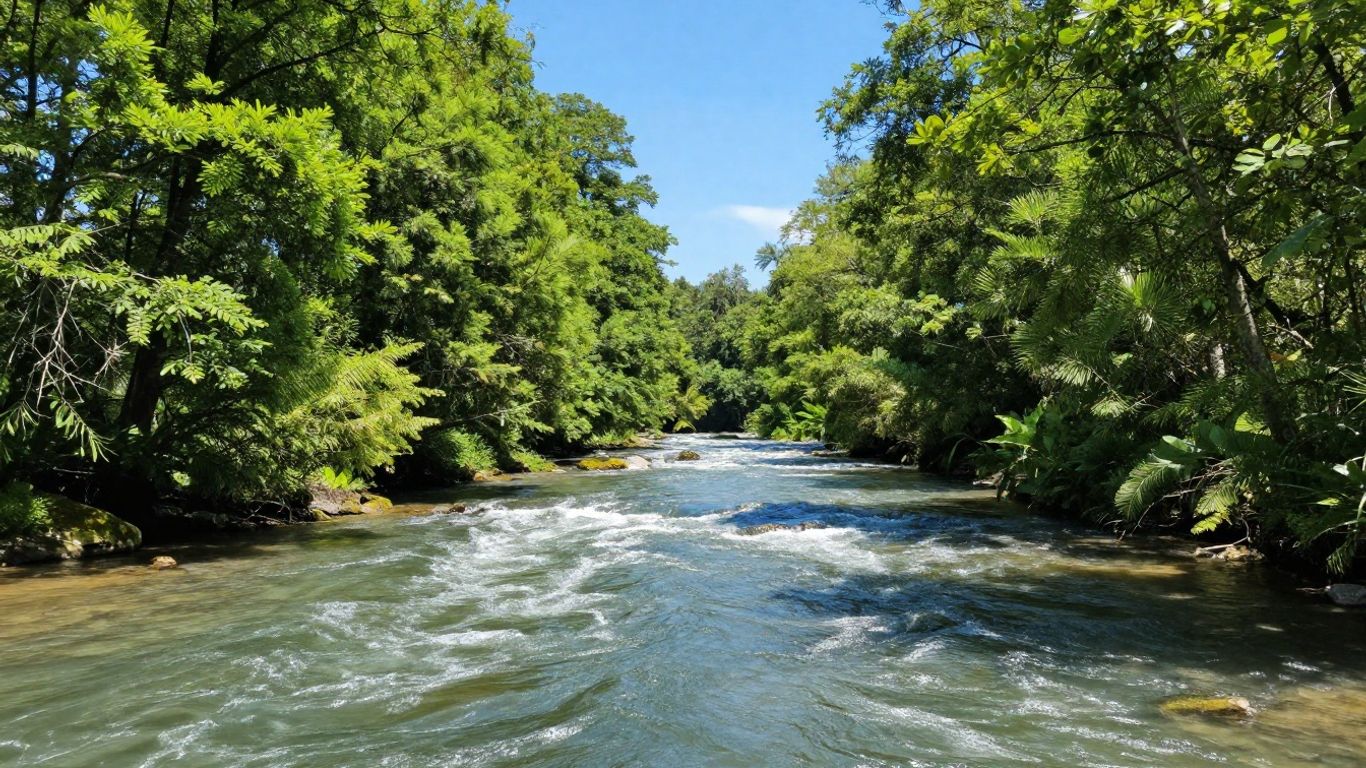
Our lakes and reservoirs are more than just pretty views; they're vital parts of our water supply. When water quality dips, it can really mess with treatment plants and cost a lot more to fix later. We look at the whole picture, figuring out what's going on in the ecosystem itself to get ahead of problems. It's all about understanding the natural systems before they cause bigger headaches.
Lake and Reservoir Water Quality Diagnosis
We get into the nitty-gritty of what's making your lake or reservoir water less than ideal. This isn't just about surface-level stuff; we investigate the root causes. Think about things like nutrient loads from runoff, changes in temperature, or even how sediment is behaving. We use monitoring programs and diagnostic studies to pinpoint the issues. Sometimes, it's as simple as adjusting how water flows or adding a bit of aeration to keep things mixed. We've helped utilities and towns figure out why their raw water quality is a problem and how to fix it by managing the reservoir better, which makes the whole water supply chain run smoother. It’s about working with nature, not against it.
Water Treatment Efficiency Improvement
Fixing water quality issues at the source, right in the lake or reservoir, is way more cost-effective than trying to clean up bad water at the treatment plant. We help identify why your treatment processes might be struggling. Is it algae blooms? Dissolved organic matter? By understanding the incoming water's characteristics, we can suggest management strategies for the reservoir that make your treatment methods work better and cost less. This could involve anything from managing aquatic vegetation to implementing specific aeration techniques. We aim to make your treatment operations more efficient and reliable.
Water Supply Limnology Studies
Limnology is the study of inland waters, and when it comes to your water supply, it's super important. We conduct detailed studies to understand the physical, chemical, and biological aspects of your water bodies. This helps us predict how changes might affect water quality and supply. We look at things like:
- Seasonal water temperature variations
- Nutrient cycling and algal growth potential
- Dissolved oxygen levels throughout the water column
- Sediment characteristics and their potential impact
These studies are key for long-term water resource planning and maintaining raw water quality. Understanding these dynamics allows for proactive management, preventing future problems before they impact your community's water.
Addressing Emerging Water Challenges
Water resources are facing new pressures, and we need to be ready. Things like changing weather patterns and old pipes are making it harder to manage our water. It's not just about having enough water today, but also making sure there's enough for tomorrow, even when things get tough.
Climate Change Impact Assessment
Climate change is a big one. We're seeing more extreme weather – longer droughts in some places, heavier rain in others. This messes with how much water is available and how it flows. Understanding these shifts is key to planning ahead. We look at historical data and climate models to figure out what might happen and how to prepare. This could mean finding new water sources or changing how we use existing ones. It's about building resilience into our water systems so they can handle whatever the climate throws at them.
Deteriorating Infrastructure Solutions
Think about all the pipes and treatment plants that have been around for decades. They're getting old, and that causes problems. Leaks waste water, and old equipment can't always keep up with new water quality standards. We help figure out which parts of the system need fixing or replacing first, using smart ways to manage maintenance. It's like giving your house a tune-up before the roof caves in. We look at the whole system to make sure water gets where it needs to go, safely and efficiently. This often involves looking at water supply conveyance and storage options.
Emerging Contaminant Management
New stuff is showing up in our water that we didn't used to worry about. Things like certain chemicals from industrial processes or even pharmaceuticals can get into our water sources. They're called emerging contaminants, and they can be tricky to deal with. We help identify where these contaminants might be coming from and how to remove them. This might involve new treatment methods or changes in how we manage waste. It's a complex puzzle, but figuring it out is important for keeping our water safe to drink and for the environment. We need to stay ahead of these issues, not just react to them.
Stakeholder Engagement and Education
Multi-Jurisdictional Watershed Collaboration
Getting everyone on the same page when it comes to managing a watershed can feel like herding cats sometimes. Different towns, counties, and even states might have their own ideas about water use and protection. Our job is to help these groups talk to each other and figure out common goals. We work to build bridges between different agencies and communities, making sure everyone's voice is heard. This collaborative approach is key to developing water management plans that actually work for everyone involved. It’s about finding shared interests and building trust, which is a big deal when you're dealing with something as vital as water. We help facilitate meetings and workshops, making sure the discussions are productive and lead to real action. It’s not always easy, but it’s necessary for long-term success. We've seen how effective this can be in managing water resources across different areas.
Public Education and Training Programs
People can't protect what they don't understand. That's where education comes in. We develop programs to help the public, landowners, and even local businesses get a better grasp of watershed health and their role in it. This could be anything from workshops on reducing stormwater runoff at home to training sessions for farmers on best practices for land use. We believe that informed communities make better decisions. We create materials that are easy to understand, avoiding a lot of technical talk. Think simple guides, interactive sessions, and clear explanations of why certain actions matter. It’s about making the science accessible and showing people how their daily choices impact the local waterways. We also help organizations with outreach, like Green Media Creations, to spread the word effectively.
Facilitating Sustainable Water Practices
Ultimately, our goal is to help communities adopt practices that keep water resources healthy for the long haul. This means looking at everything from how we use water in our homes and businesses to how we manage land and development. We work with stakeholders to identify opportunities for improvement and provide the support needed to make those changes happen. This might involve helping a town implement a new water conservation ordinance or assisting a business in reducing its water footprint. We also look at incentives that can encourage good behavior. It’s about making sustainability the easy and logical choice. We help connect people with resources and information so they can make informed decisions about their water use and management. This aligns with the growing expectation for corporate responsibility in environmental stewardship.
We believe in helping everyone understand and improve their environmental impact. That's why we offer clear information and support to all our partners. Want to learn more about how we can work together? Visit our website today!
Conclusion
Managing our water resources is a big job, and it's getting more complex. From planning how we use water to fixing problems in rivers and lakes, it all needs careful thought. Watershed consulting brings together the science and the people needed to make sure we have clean water now and for the future. By working together and using smart strategies, we can protect this vital resource for everyone.
Frequently Asked Questions
What exactly is a watershed?
Think of a watershed as a big area of land where all the water that falls on it drains into the same place, like a river, lake, or ocean. It's like a giant funnel for rain and snowmelt.
Why is watershed consulting important?
Watershed consulting helps us figure out the best ways to use and protect our water. It's like having a guide to make sure we don't run out of water or pollute it, and that we can handle things like floods better.
What kind of problems do watershed consultants solve?
They tackle all sorts of water issues! This can include planning for future water needs, cleaning up polluted rivers, managing stormwater so it doesn't cause floods, and helping lakes and reservoirs stay healthy.
How do they study how water moves?
Consultants use computer models and real-world data to understand how rain and rivers behave. This helps them predict things like how much water will flow during a storm or where water might go underground.
What does 'ecological restoration' mean for a watershed?
It means helping damaged natural areas within a watershed get back to health. This could involve planting trees along rivers, restoring wetlands, or improving fish habitats, all of which help clean water and prevent erosion.
Why is it important to involve the public in watershed management?
Everyone lives in a watershed, so everyone has a role to play. When people understand the issues and work together, it's much easier to make good decisions about protecting our water for the long run.