
Discover Simple Ways: How to Save Earth Today
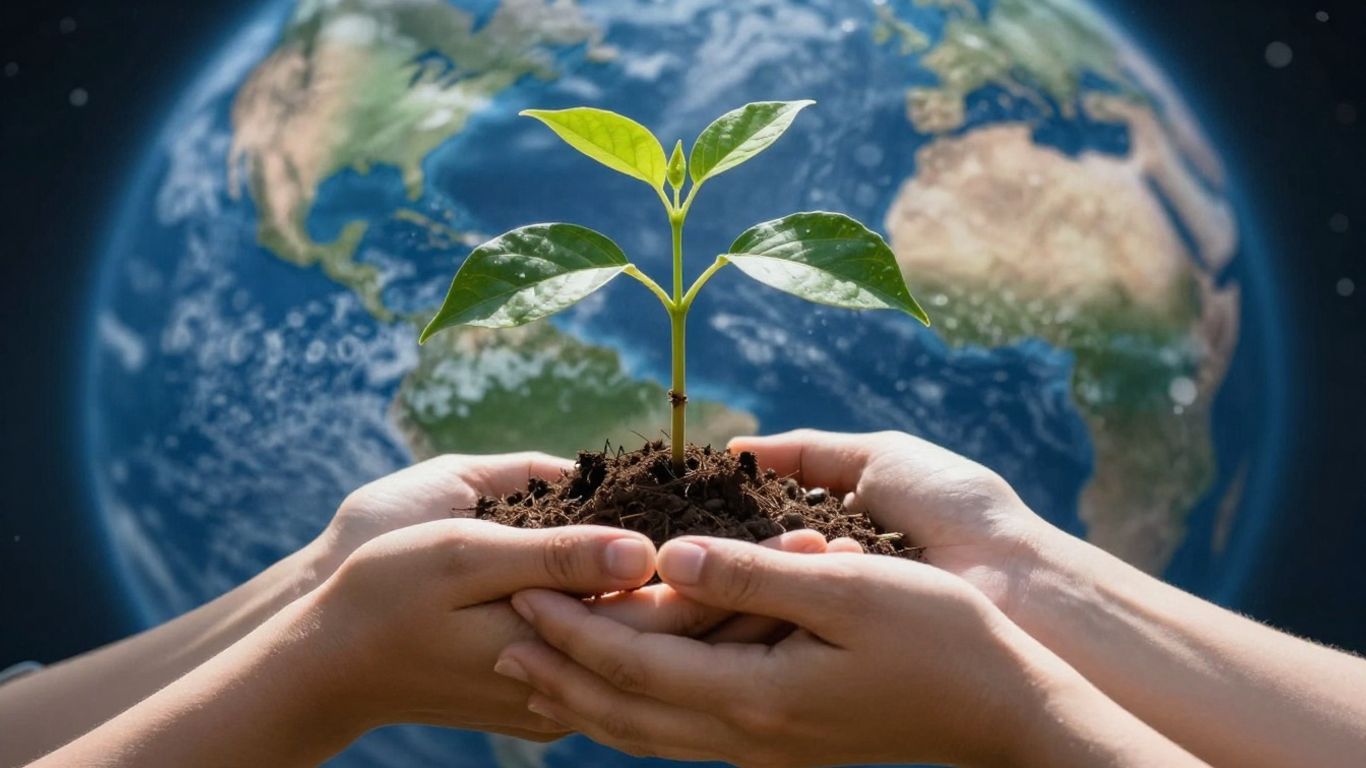
It feels like every day we hear more about the planet needing our help. Sometimes it feels like a huge problem, right? Like, what can one person really do? Turns out, quite a lot! We're going to look at some pretty simple ways to help out, focusing on how we save Earth, starting right now. It’s not about making massive, life-altering changes overnight, but about small steps that add up. Let's figure out how we save Earth together.
Key Takeaways
- Embrace habits like reducing waste, reusing items, and recycling to conserve resources.
- Make smart choices when shopping and eating, like picking eco-friendly products and more plant-based meals.
- Conserve water and energy at home to lessen your impact.
- Protect natural spaces by planting native species and participating in cleanups.
- Lower your carbon footprint by choosing sustainable transport and reducing flights.
Embrace Sustainable Living Habits
Making small changes in our daily routines can really add up when it comes to helping the planet. It's not about doing everything perfectly, but about making conscious choices more often. Think of it as building good habits, like remembering to bring your reusable bags to the grocery store or turning off lights when you leave a room. These actions might seem minor, but collectively, they make a big difference.
Reduce, Reuse, and Recycle
This is the classic trio for a reason. Reducing what we consume is the first and most important step. Before you buy something, ask yourself if you really need it. Can you borrow it? Can you do without it? If you do need to buy, try to choose items with minimal packaging. Next comes reusing. Get creative! Old jars can become storage containers, worn-out clothes can be turned into cleaning rags, and plastic containers can be repurposed for countless things. Finally, recycling is key for items that can't be reduced or reused. Make sure you know what your local recycling program accepts to avoid contaminating the bin. It's estimated that a third of all food produced globally goes to waste, which is a huge drain on resources. Eating leftovers and using up ingredients before they spoil are simple ways to cut down on food waste.
Shop Wisely for Eco-Friendly Products
When you do need to buy things, pay attention to what you're purchasing. Look for products made from recycled materials or those that are designed to last longer. Companies are increasingly offering more sustainable options, so take a moment to check labels and research brands. Supporting businesses that prioritize environmental responsibility sends a message that consumers care about these issues. For instance, choosing products with less plastic packaging or opting for items made from sustainable sources like bamboo can have a positive impact. Making sure your savings are invested in environmentally sustainable businesses can greatly reduce your carbon footprint.
Choose Sustainable Seafood Options
If you eat seafood, making informed choices can help protect marine ecosystems. Overfishing and destructive fishing practices can harm ocean life and disrupt the balance of underwater environments. Resources like the FishWatch website can help you identify seafood that is caught or farmed responsibly. By choosing sustainable options, you're supporting fisheries that are managed for the long term, ensuring that fish populations can thrive for generations to come. It's a simple way to enjoy your favorite meals while being mindful of ocean health.
Conserve Precious Resources
It's easy to forget that the things we use every day come from somewhere, and using less of them means less strain on our planet. Think about water, energy, and even the materials that make up everyday items. Being mindful of our consumption is a direct way to help the environment.
Conserve Water at Home
Water is a finite resource, and using less of it has a ripple effect. Less water used means less energy needed to pump and treat it, and less wastewater to manage. Simple changes at home can make a big difference. Fixing leaky faucets is a no-brainer; that constant drip can waste gallons. Taking shorter showers is another easy win. You can also collect rainwater for your plants or use a broom instead of a hose to clean your driveway. Every drop saved counts.
Save Energy at Home
Saving energy at home is about more than just lowering your utility bills, though that's a nice perk. It's about reducing the demand on power plants, many of which rely on burning fossil fuels. This directly cuts down on greenhouse gas emissions. Think about simple habits like turning off lights when you leave a room. Unplugging electronics when they're not in use also helps, as many devices draw 'phantom power' even when off. Consider upgrading to energy-efficient appliances when it's time for replacements; they use significantly less electricity over their lifespan. Calculating a company's carbon footprint is complex, but understanding your home's energy use is a good start.
Reduce Your Home's Energy Consumption
Reducing energy consumption goes hand-in-hand with saving energy, but it's more about making smarter choices overall. For instance, improving your home's insulation can keep it warmer in winter and cooler in summer, meaning your heating and cooling systems don't have to work as hard. This can be as simple as sealing drafts around windows and doors. When it comes to cooking, using smaller appliances like microwaves or toaster ovens for smaller meals can be more efficient than firing up a large oven. Even the way you do laundry matters – washing clothes in cold water and air-drying them when possible cuts down on energy use significantly. Making these adjustments helps lessen the overall demand for energy, which is a win for the planet.
Make Conscious Food Choices

What we put on our plates has a bigger impact than you might think. It's not just about what tastes good; it's about how our food choices affect the planet. Making smarter food decisions is a direct way to help Earth.
Eat More Plant-Based Meals
Shifting towards more meals centered around plants can make a real difference. Livestock farming uses a lot of land and water, and it's a significant source of greenhouse gases. You don't have to go fully vegetarian or vegan overnight, but incorporating more fruits, vegetables, grains, and legumes into your diet is a great start. Think about swapping out meat for beans in your chili or having a hearty lentil soup instead of a beef stew. It's about balance and making gradual changes that stick.
Minimize Food Waste
It's estimated that about a third of all food produced globally goes to waste. That's a lot of wasted resources – water, energy, land, and labor – all ending up in the trash. When food rots in landfills, it releases methane, a potent greenhouse gas. So, try to buy only what you need, use up leftovers creatively, and store your food properly to make it last longer. Planning your meals for the week can really help cut down on impulse buys and forgotten produce.
Every bit of food saved is a win for the planet. It means less strain on resources and less pollution from waste.
Compost Organic Waste
For the food scraps you can't avoid, like peels and cores, composting is a fantastic option. Instead of sending them to the landfill, you can turn them into nutrient-rich soil for your garden or houseplants. You can set up a simple compost bin in your backyard or even use a small indoor composter. This process diverts waste from landfills and creates a valuable resource for growing more food. It's a neat cycle that benefits both your garden and the environment. If you don't have space for your own compost, check if your community offers a composting program. You can learn more about making smart seafood choices at www.fishwatch.gov.
Protect Natural Environments
Our planet's natural spaces are amazing, right? From forests to oceans, they give us so much. But they need our help to stay healthy. Taking care of these places isn't just for scientists or park rangers; it's something we can all chip in on.
Plant Native Species
Think about planting things that naturally belong in your area. Native plants are like the local residents – they're already adapted to the climate and soil. This means they usually need less water and fewer chemicals to thrive. Plus, they provide food and shelter for local wildlife, like birds and insects. It’s a win-win for your garden and the ecosystem around you.
- Why plant native?
- They support local wildlife.
- They require less watering and maintenance.
- They help conserve water resources.
- They can be more resistant to local pests and diseases.
Clean Up Your Local Environment
Ever notice litter on the side of the road or in a park? It doesn't just look bad; it can harm animals and pollute our soil and water. Taking a little time to pick up trash makes a big difference. You can do this on your own during a walk or organize a small cleanup with friends.
Picking up even a few pieces of trash can prevent them from ending up in waterways or harming wildlife. It's a simple action with a direct positive effect.
Volunteer for Community Cleanups
Joining a community cleanup event is a great way to meet people and make a noticeable impact. These events often focus on specific areas like beaches, parks, or riverbanks that really need attention. It's a chance to work together and show your community some love. You'll often find these events advertised by local environmental groups or your town's parks department.
Reduce Your Carbon Footprint
Our daily choices add up, and many of them contribute to the greenhouse gases warming our planet. But the good news is, we can make different choices to lessen that impact. Thinking about how we move, what we buy, and how we power our homes are big ways to make a difference.
Bike More, Drive Less
Cars and trucks are a major source of pollution. When possible, ditch the car. For short trips, walking or biking is fantastic for your health and the environment. For longer commutes, public transport like buses or trains are great alternatives. Carpooling is another smart move if driving is unavoidable. Seriously, ditching a car entirely can cut your yearly carbon output by a significant amount.
Take Fewer Flights
Airplanes burn a lot of fuel, releasing a lot of emissions. If you can avoid a flight, do it. For business, try video calls. For vacations, consider destinations closer to home or explore train travel. Even one less long-haul flight can make a noticeable dent in your personal carbon footprint.
Use Energy-Efficient Light Bulbs
This one seems small, but it adds up. Old incandescent bulbs waste a lot of energy as heat. Switching to LED bulbs uses much less electricity and lasts way longer. It's a simple swap that saves you money on your energy bill and helps the planet. Think about your home's overall energy use – are there other simple upgrades you can make?
Making conscious decisions about transportation and energy use directly impacts the amount of carbon dioxide and other greenhouse gases released into the atmosphere. These gases trap heat, leading to climate change. By choosing greener options, we actively reduce this warming effect.
Here's a quick look at potential savings:
Amplify Your Impact
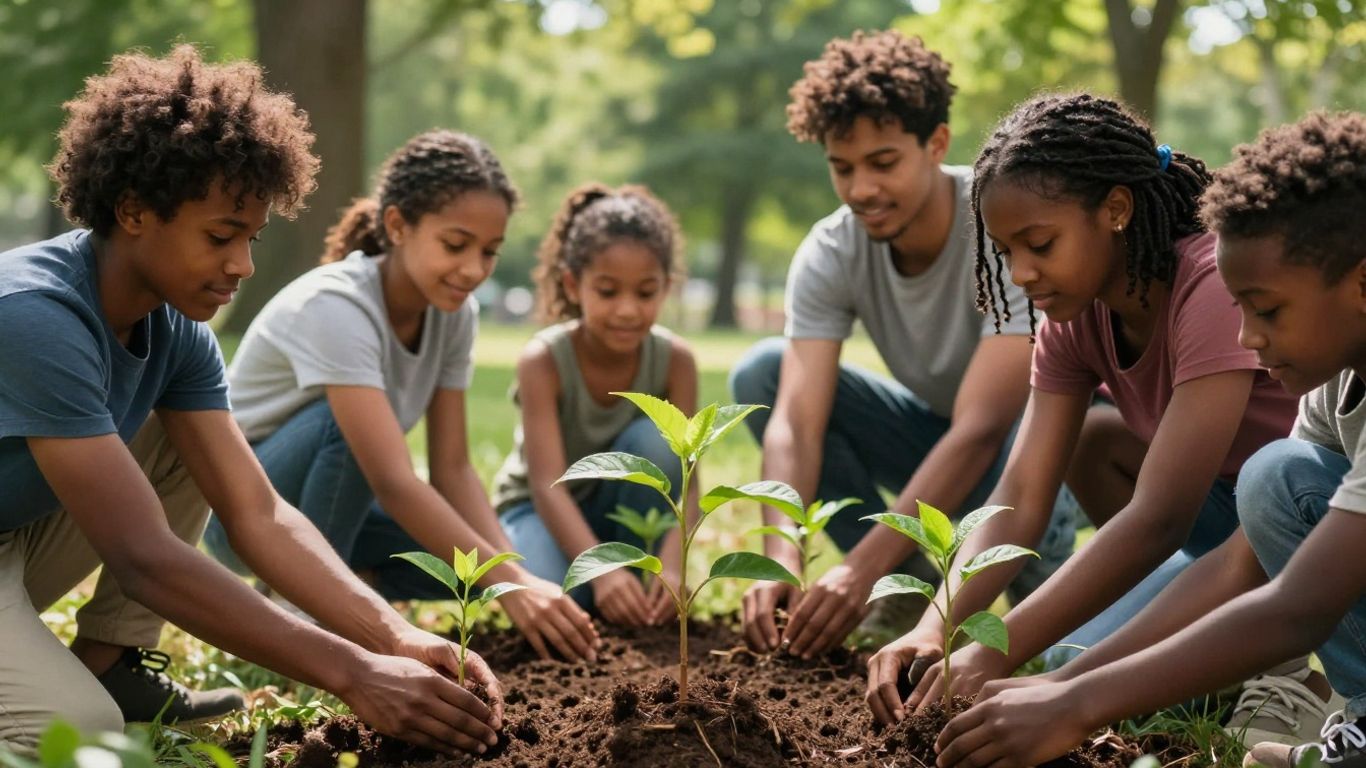
Educate Yourself and Others
It's easy to feel overwhelmed by the scale of environmental challenges. But knowledge is power, and the more you understand, the better equipped you'll be to make informed choices and talk to others. Spend some time learning about the issues that matter most to you. Read articles, watch documentaries, and follow reputable environmental organizations. Once you've got a handle on the facts, share what you've learned with friends, family, and colleagues. Even small conversations can spark bigger changes. You don't need to be an expert; just sharing what you know can make a difference.
Use Your Voice for Change
Your voice is a powerful tool. Don't underestimate the impact you can have by speaking up. This can mean a lot of things. You can write to your local representatives about environmental policies, sign petitions, or join peaceful protests. Talk to the businesses you frequent and let them know you support eco-friendly practices. Your feedback matters to them. Consider joining or supporting local groups that are already working on environmental issues in your community. They often have the most direct impact.
Support Eco-Conscious Businesses
Where you spend your money sends a message. By choosing to support businesses that prioritize sustainability, you're voting with your wallet for a healthier planet. Look for companies that use recycled materials, reduce waste, offer ethical sourcing, or have clear environmental goals. It might take a little extra effort to find them, but supporting these businesses encourages them to keep up the good work and shows other companies that there's a demand for greener options. Think about your daily purchases, from the coffee you buy to the clothes you wear. Every choice adds up.
Here are a few ways to start:
- Research local businesses: See if there are shops or services in your area that align with your values.
- Look for certifications: Many products have labels indicating they are organic, fair trade, or made with recycled content.
- Ask questions: Don't hesitate to ask businesses about their sustainability practices.
- Share your finds: Tell others about the great eco-conscious businesses you discover.
Ready to make a bigger difference? We can help you boost your positive impact. Visit our website today to learn how we can work together to achieve your goals.
It All Adds Up
So, there you have it. It might seem like a lot, or maybe even too much sometimes, but remember that every little bit helps. You don't have to do everything all at once. Pick one or two things that feel doable for you right now, and start there. Maybe it's remembering your reusable bags, or trying to waste less food. The point is, we all have the power to make choices that are kinder to our planet. And when we all make those small choices, they really do add up to something big. Let's keep learning, keep trying, and keep doing our best for Earth. It’s our only home, after all.
Frequently Asked Questions
What are the easiest ways to start living more sustainably?
Start by making small changes, like recycling more, using reusable bags when you shop, and turning off lights when you leave a room. These simple habits add up and make a big difference over time.
How can I reduce my water usage at home?
You can save water by taking shorter showers, fixing leaky faucets, and only running your dishwasher or washing machine when they're full. Watering your plants in the early morning or late evening also helps.
Why is eating less meat good for the planet?
Raising animals for meat uses a lot of land and water, and it creates more greenhouse gases than growing plants. Eating more meals with vegetables, fruits, and grains can help reduce this impact.
What does it mean to 'reduce waste'?
Reducing waste means trying to throw away less stuff. This can involve buying only what you need, reusing items instead of buying new ones, and fixing things that are broken instead of replacing them.
How can I help protect local nature spots?
You can help by picking up trash when you see it in parks or on beaches, and by planting native flowers or trees. These plants are great for local wildlife and don't need as much water.
What's the best way to get involved in environmental action?
You can start by learning more about environmental issues and sharing what you learn with friends and family. You can also support businesses that care about the planet and let leaders know you want them to take action.