
Decarbonisation Explained: Your Guide to a Greener Future
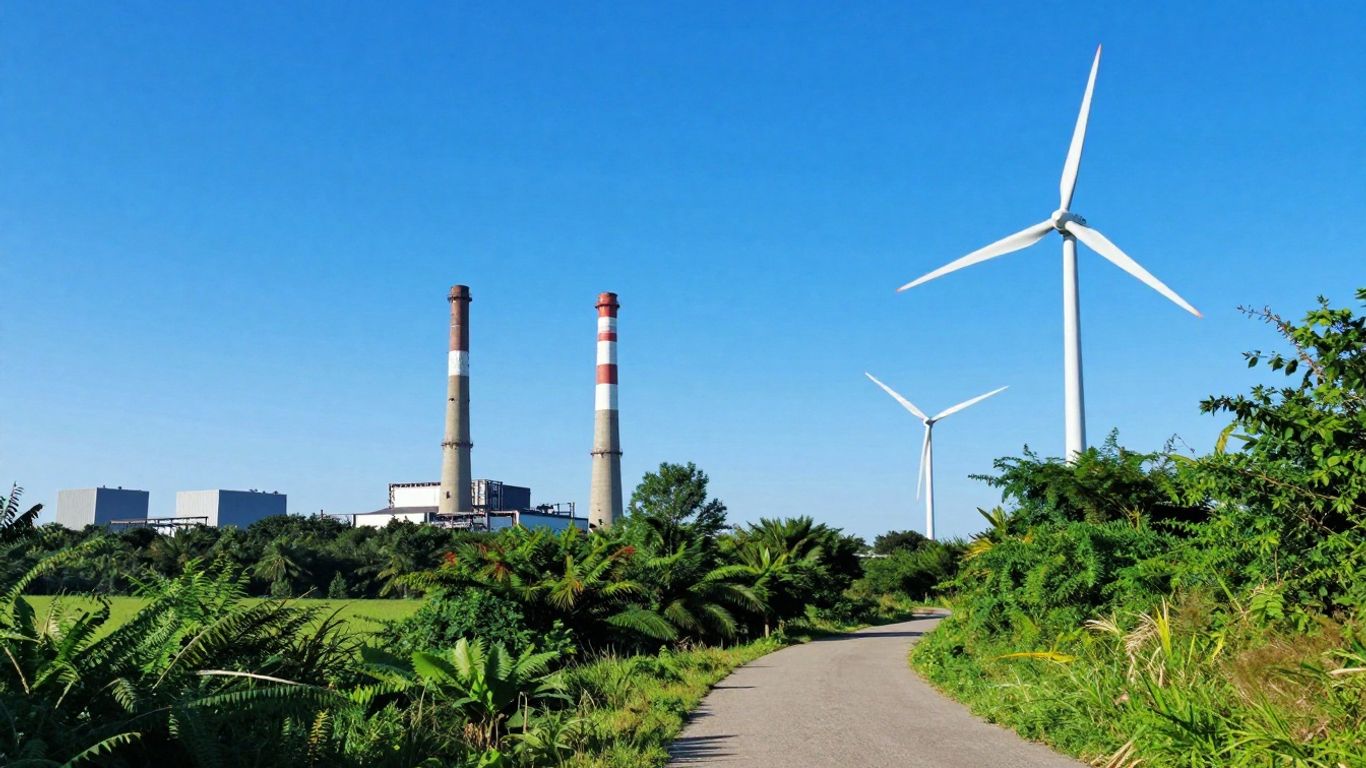
Decarbonisation is a word you’re probably hearing more and more these days. At its core, it’s all about cutting down on carbon emissions, especially those coming from burning fossil fuels. Why does it matter? Well, the world keeps breaking records for carbon pollution, and the effects—like weird weather and rising sea levels—are getting harder to ignore. But decarbonisation isn’t just a government thing or a job for big companies. It’s a massive, shared effort that touches everything: how we power our lives, build things, get around, and even what we buy. In this guide, we’ll break down what decarbonisation really means, why it’s urgent, and how every part of society—from businesses to individuals—can help build a cleaner future.
Key Takeaways
- Decarbonisation means cutting carbon emissions from things like energy, transport, and industry, mostly by moving away from fossil fuels.
- The need to decarbonise is urgent; global carbon emissions are at an all-time high, and time is running out to avoid the worst climate impacts.
- Big changes are happening across power generation, heavy industry, transport, and buildings to help drive down emissions.
- Companies can take action by measuring their emissions, setting reduction targets, and involving employees in sustainability efforts.
- Technology, new policies, and everyday choices all play a role in making decarbonisation possible for everyone.
Understanding Decarbonisation
What Decarbonisation Means
Basically, decarbonisation is about cutting down the amount of carbon dioxide (CO2) and other greenhouse gases we pump into the atmosphere. Think of it as cleaning up our act when it comes to the stuff that's warming up the planet. It’s a big shift, moving away from burning things like coal, oil, and gas for energy and instead using cleaner options. This isn't just a nice-to-have; it's a necessary change to keep our world livable.
The Urgency of Reducing Carbon Emissions
We're already seeing the effects of a warming planet – more extreme weather, rising sea levels, and disruptions to ecosystems. The science is pretty clear: if we don't cut emissions fast, things are going to get a lot worse. We've missed some targets already, and the window to prevent the most severe impacts is closing. It means we need to act now, not later.
Historical Context of Emissions
For a long time, industrial progress has been powered by fossil fuels. This has brought many benefits, but it's also led to a massive buildup of greenhouse gases over decades. We've relied on these energy sources for everything from powering our homes and cars to running factories. Understanding this history helps us see why we're in this situation and why the transition away from them is such a significant undertaking. It's a global challenge that started long ago, and now we're all working to fix it.
Here's a look at where some of the emissions come from:
- Energy Production: Generating electricity and heat is a major source.
- Transportation: Cars, trucks, planes, and ships all contribute.
- Industry: Manufacturing and heavy industry processes release significant amounts.
- Buildings: Heating, cooling, and powering our homes and offices.
The goal is to reach a point where we're not adding any more greenhouse gases to the atmosphere than we're taking out. This is often called 'net-zero'.
Key Sectors Driving Decarbonisation Efforts
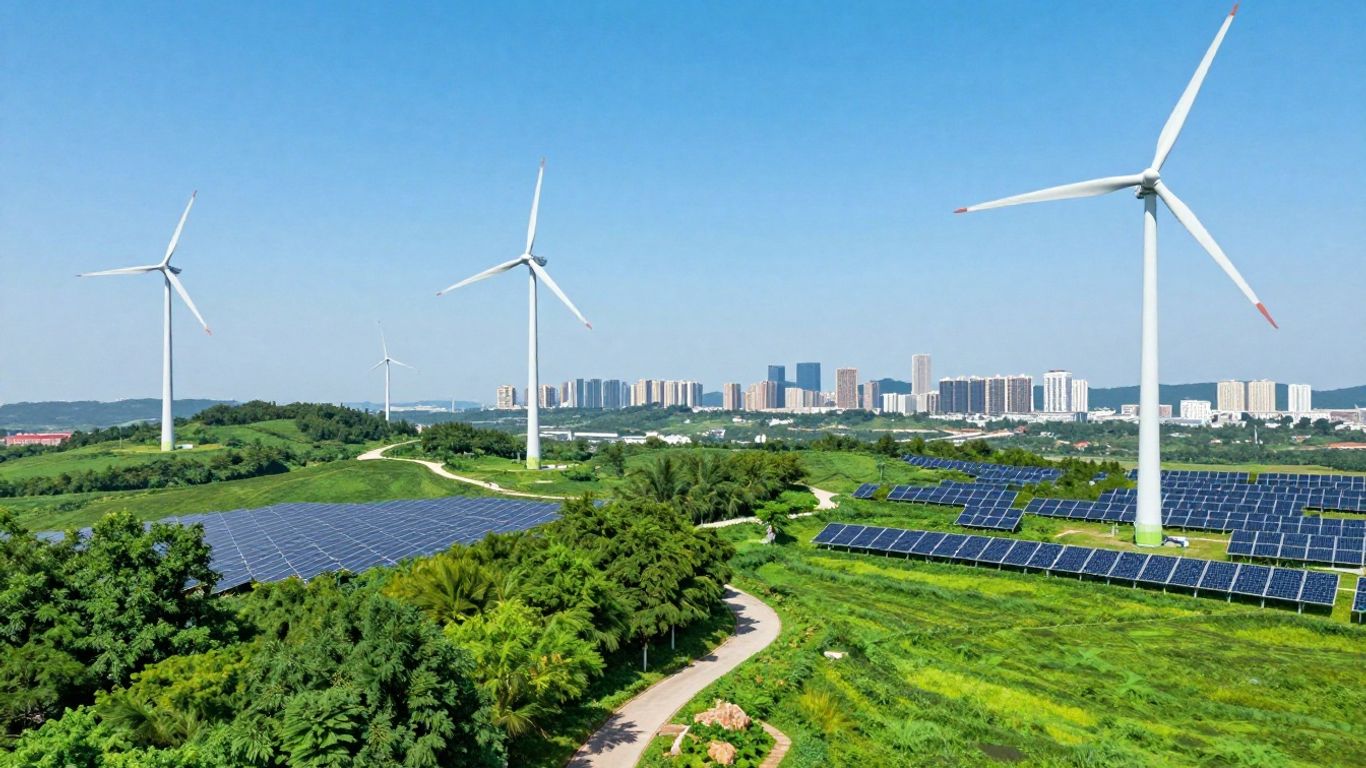
So, where are we seeing the biggest pushes for change when it comes to cutting down on carbon? It's not just one thing, but a whole bunch of areas that need a serious rethink. Think about it – everything we do, from flicking on a light switch to driving to the store, has an impact. The big players in this whole decarbonisation game are the ones that use the most energy and produce the most emissions. We're talking about the places that power our lives, make our stuff, and get us around.
Transforming the Power Sector
This is probably the most obvious place to start. For ages, we've relied on burning coal, oil, and gas to get our electricity. That's a massive chunk of the problem. The shift here means rapidly building out more wind farms and solar arrays. It's about getting clean electricity from these sources and then using that power for everything else – heating our homes, charging electric cars, and even running factories. Making sure we're not wasting energy in the first place is a big part of this too.
Decarbonising Heavy Industry
This one's a bit trickier. Industries like steel, cement, and chemical production often need really high temperatures, and right now, that usually means burning fossil fuels. Figuring out how to get that heat without the emissions is the challenge. We're looking at things like using clean hydrogen, electrifying processes where possible, and even capturing the carbon dioxide before it gets into the atmosphere. It all needs a lot more investment and a lot faster rollout.
Shifting Transport Towards Sustainability
Getting around is another huge area. For cars and vans, the move to electric vehicles (EVs) is well underway, but we need way more charging stations powered by clean energy. For planes and big ships, it's a tougher nut to crack. They need fuels that pack a lot of energy, and electricity alone isn't quite there yet. So, the focus is on developing and using sustainable fuels made from things like plants, alongside making these vehicles more efficient.
Reducing Emissions in Buildings
Our homes and workplaces use a lot of energy, mostly for heating and cooling. Making buildings more energy-efficient is key. This means better insulation, switching to low-carbon heating systems like heat pumps, and just generally being smarter about how we use energy. Phasing out old gas boilers and making sure existing buildings are properly updated will be a big job.
The energy sector, heavy industry, transport, and buildings are the main arenas where decarbonisation efforts need to be concentrated. These sectors account for the lion's share of greenhouse gas emissions, and changes here will have the most significant impact on our path to a greener future.
Here's a quick look at the general breakdown of where emissions come from:
- Energy: The biggest slice of the pie, mostly from burning fossil fuels.
- Agriculture: Methane from livestock and fertilizers are major contributors.
- Industrial Processes: Making things like steel and cement is energy-intensive and hard to clean up.
- Waste: Landfills and incineration release greenhouse gases.
- Land Use: Deforestation and changes to land contribute too.
Strategies for Corporate Decarbonisation
So, your company is looking to go green, huh? That's a big step, and honestly, it's becoming less of an option and more of a necessity. A lot of businesses are realizing that cutting down on carbon isn't just good for the planet; it can actually be good for the bottom line too. It’s about making your business tougher and ready for whatever comes next. Getting this right means looking at your whole operation, not just one little piece.
Measuring Your Carbon Footprint
First things first, you can't fix what you don't understand. You've got to figure out where all your emissions are coming from. Think of it like a doctor checking your vitals before prescribing treatment. This involves looking at everything: the electricity you use (Scope 2), the fuel your company vehicles burn (Scope 1), and even the emissions from your suppliers and how your products are used (Scope 3). It sounds complicated, but there are tools that can help make sense of it all. Getting a handle on your carbon footprint is the absolute starting point.
Setting Ambitious Reduction Targets
Once you know your numbers, you need a goal. Don't just aim to "reduce emissions a bit." Set specific, measurable targets. Are you aiming for a 30% cut in five years? Or maybe net-zero by 2040? It's smart to align these goals with established frameworks, like the Science Based Targets initiative (SBTi). This shows you're serious and gives you a clear roadmap. It’s not just about feeling good; it’s about having a plan.
Integrating Decarbonisation into Business Strategy
This isn't a side project. Decarbonisation needs to be woven into the fabric of your company. Think about how it affects your purchasing decisions, your product design, and even your daily operations. Are you looking for more energy-efficient equipment? Are your suppliers on board with sustainability? Making these changes part of your core business strategy helps ensure they stick and can even lead to cost savings and new market opportunities.
Engaging Employees in Sustainability
Your team is your biggest asset. Get them involved! When employees understand why decarbonisation matters and how they can contribute, they become powerful allies. This could mean training sessions, suggestion boxes for green ideas, or even setting up internal sustainability committees. When people feel like they're part of the solution, they're more likely to support and drive the changes needed. It builds a culture where sustainability is just how you do business.
Making sustainability a core part of your business strategy isn't just about meeting regulations or looking good. It's about building a more resilient, efficient, and forward-thinking company that's prepared for the future.
The Role of Technology and Innovation
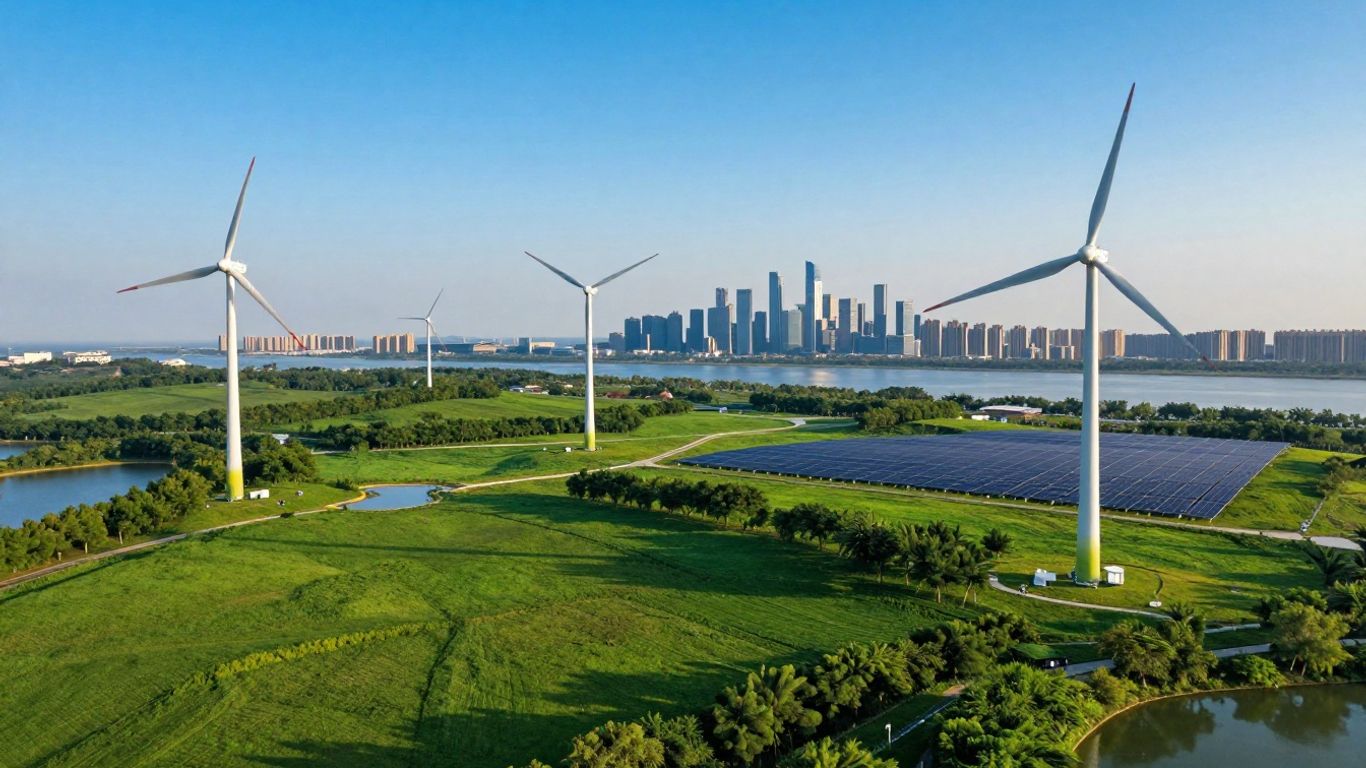
If you rewind a decade or two, emissions tracking and green tech were pretty niche topics—now they’re headline material. Technology has completely changed how we approach decarbonisation, offering fresh ways to reduce pollution and steer toward sustainability. Let’s break down how digital tools, real-world modeling, and breakthrough solutions are making a difference today.
Leveraging Digital Tools for Emissions Tracking
You can’t cut what you don’t count. For companies and organizations trying to reduce carbon, digital platforms really make things easier. They:
- Automate the process of tracking direct and indirect emissions (Scope 1, 2, and 3)
- Pull data from operations, supply chains, and even employee travel
- Provide dashboards that highlight trends and uncover which activities do the most environmental damage
- Deliver reports instantly for compliance and shareholders
Watching your emissions drop on a dashboard can be pretty satisfying—a little instant feedback goes a long way for motivation.
Exploring Scenario Analysis for Reduction Pathways
Scenario analysis is like running what-if simulations for your carbon strategy. You can:
- Model different decarbonization tactics (like switching to renewable power)
- Predict how each action will affect emissions over time
- See the costs, risks, and benefits—before making real changes
Why does this matter? You avoid expensive guesswork and focus resources where they actually work.
- Test solar panels vs. energy-efficiency upgrades
- Check the impact of electrifying your fleet
- Assess how buying offsets stacks up against operational cuts
Innovation in Clean Energy Solutions
When it comes to cutting emissions at the source, nothing beats new tech. Here are some advances showing real promise:
- Green hydrogen: Created using renewable energy and water, offering fuel for heavy industry and transport without carbon pollution.
- Direct air capture: Machines that literally vacuum CO₂ straight from the air, storing it underground or converting it for industrial use.
- Advanced batteries and storage: Better batteries let more wind and solar onto the grid by handling energy when the sun isn’t shining or the wind isn’t blowing.
- Smarter grids: Making it possible to balance supply and demand, reducing waste and making sure renewables are used first.
All these tools and breakthroughs mean decarbonisation isn’t stuck as an idea for the future—it’s happening, fueled by innovation and the growing power of technology. If you want to cut emissions—at home or at work—the solutions are becoming more available every day.
Global Initiatives and Policy Momentum
It's pretty clear that tackling climate change isn't something one country can do alone. That's why there are so many international agreements and policies trying to get everyone on the same page. Think of the Paris Agreement; it's a big deal because so many countries signed on, agreeing to work together to keep global warming in check. It sets the stage for all sorts of collaborative projects that cross borders.
International Agreements and Climate Goals
These global agreements are basically roadmaps. They lay out targets for reducing emissions and encourage countries to come up with their own plans. It's not always easy, though. Sometimes countries have different ideas about what's fair or what's most important, especially when you look at economic differences and who emitted what historically. Getting everyone to agree on a single strategy can be tough, but it's super important for making real progress. The goal is to create a unified global approach to cutting down on carbon.
Government Schemes and Incentives
Governments are stepping up with different programs to help make decarbonisation happen. This can include things like tax breaks for businesses that invest in clean energy or subsidies for people buying electric cars. They're trying to make the green choice the easier and cheaper choice. Some places are even putting a price on carbon, which basically means companies have to pay for the pollution they create. This pushes them to find cleaner ways to operate. It's all about creating an environment where sustainable practices make good business sense.
Here's a look at some common types of government support:
- Renewable Energy Credits: Businesses can earn these for generating clean power.
- Tax Incentives: Reductions on taxes for investing in green technologies.
- Grants and Loans: Financial aid for research and development of sustainable solutions.
- Carbon Pricing: Mechanisms like cap-and-trade or carbon taxes.
The Impact of Policy on Sustainable Investments
When governments put clear policies in place, it really helps businesses feel more confident about investing in green projects. Policy uncertainty can make companies hesitant, but stable, long-term plans encourage them to put money into things like renewable energy infrastructure or new, cleaner manufacturing processes. This creates a positive cycle: good policies lead to more investment, which in turn drives down the cost of green technologies and makes them more accessible. It's a big part of how we'll see decarbonisation efforts extend further into the supply chain by 2026.
Decarbonisation requires a coordinated effort. International agreements set the big picture, while national policies and incentives provide the practical tools and motivation for businesses and individuals to make the necessary changes. This combined approach is vital for accelerating the transition to a low-carbon economy.
Individual Contributions to a Greener Future
So, we've talked a lot about big picture stuff – governments, industries, all that. But what about us? What can we, as individuals, actually do to help with this whole decarbonisation thing? It turns out, quite a bit. Our daily choices, the things we buy, how we get around, even how we heat our homes, all add up. It's about making conscious decisions that collectively steer us toward a more sustainable path.
Conscious Consumer Choices
Think about your shopping cart. Every item has a story, and often, that story involves energy use and emissions. Choosing products with less packaging, opting for items made from recycled materials, or even just buying less overall can make a difference. Supporting companies that are transparent about their environmental impact and actively working to reduce it sends a clear message. It's not always easy to find the most sustainable option, but a little research goes a long way. For instance, looking into the sourcing of your food or the manufacturing process of your clothes can reveal a lot. We can also look for certifications that indicate a product meets certain environmental standards. This kind of informed purchasing power is a real driver for change in the market.
Advocacy for Climate-Friendly Policies
While individual actions are important, systemic change often requires policy shifts. This is where advocacy comes in. It might sound daunting, but it can be as simple as contacting your local representatives to express your concerns about climate policy. Signing petitions, participating in peaceful demonstrations, or even just discussing these issues with friends and family can raise awareness and build momentum. Supporting organizations that are working on climate solutions also amplifies your voice. The more people who speak up, the more likely it is that policymakers will take action. It’s about making sure our leaders understand that this is a priority for their constituents. You can find out more about how individual action fits into the bigger picture at [aa63].
Adopting Energy-Efficient Lifestyles
Our homes and how we use energy within them are significant contributors to our carbon footprint. Simple changes can have a big impact. Think about your heating and cooling. Properly insulating your home, sealing drafts, and using a programmable thermostat can drastically cut down on energy use. When it's time to replace appliances, look for energy-efficient models. Even small things, like switching to LED light bulbs and unplugging electronics when they're not in use, add up. Transportation is another big one. Can you walk, bike, or use public transport more often? If you drive, consider carpooling or combining errands to reduce trips. For longer distances, exploring electric vehicles or hybrid options is becoming increasingly viable. Making these shifts isn't just good for the planet; it often saves money in the long run too.
The cumulative effect of millions of people making small, sustainable changes is far more powerful than we often realize. It creates a ripple effect, influencing friends, family, and even businesses to reconsider their own practices. It's about building a culture where sustainability is the norm, not the exception.
Every small action adds up to a big difference for our planet. You can be part of the solution! Discover how easy it is to make a positive impact and contribute to a healthier Earth. Visit our website today to learn more about how you can join the movement for a greener future.
Conclusion
So, that's decarbonisation in a nutshell. It's not some far-off idea—it's something we all have to deal with, whether we're running a business, working in an office, or just trying to make better choices at home. The world is changing fast, and the pressure to cut carbon is only going to grow. Sure, it can feel overwhelming at times. But every step, even the small ones, adds up. Switching to renewable energy, making buildings more efficient, or just being more mindful about what we use—these things matter. The road to a greener future isn't always smooth, but it's definitely worth it. If you’re not sure where to start, you’re not alone. There are tools and people out there who can help, and the sooner we all get moving, the better off we’ll be. Let’s keep it simple, stay curious, and do what we can—one step at a time.
Frequently Asked Questions
What exactly is decarbonisation?
Decarbonisation is basically the process of cutting down on the amount of carbon dioxide (CO₂) that we release into the air. Think of it like cleaning up our act by using less stuff that makes pollution, like coal and oil, and switching to cleaner ways to get energy, such as solar and wind power. It's all about making our planet healthier.
Why is it so important to decarbonise right now?
We're at a critical point! Carbon emissions have hit record highs, and if we don't act fast, we could face really serious problems like extreme weather, rising sea levels, and damage to nature that we can't fix. Decarbonising quickly is our best shot at preventing these big climate disasters.
Where do most carbon emissions come from?
A lot of our carbon pollution comes from making electricity and heat, how we get around (like cars and planes), big factories that make things, farming, and cutting down forests. These are the main areas where we need to make big changes to reduce emissions.
How can businesses start reducing their carbon footprint?
Companies can begin by figuring out how much carbon they're responsible for, setting clear goals to lower it, and then switching to clean energy. They can also make their operations more efficient and work with their suppliers to cut down on pollution throughout their entire business.
What role does technology play in decarbonisation?
Technology is a huge help! We can use special software to track how much carbon we're emitting, which helps us see where we need to improve. Plus, new inventions in clean energy and ways to make industries less polluting are making it easier to transition to a greener future.
What can I do as an individual to help?
Even small actions add up! You can make smarter choices about what you buy, support businesses that care about the environment, and try to use less energy at home by being mindful of your heating, lighting, and transportation. Speaking up for climate-friendly policies also makes a difference.