
A comprehensive guide to facility management sustainability
Key Takeaways
Adopting sustainable practices in facility management is essential for long-term operational success and environmental responsibility. Implementing these strategies reduces overhead costs while fostering a healthier, more productive workspace for occupants.
- Prioritizing energy efficiency through smart building controls significantly lowers carbon emissions.
- Circular economy principles transform waste management from a disposal issue into a resource recovery strategy.
- Low-flow plumbing and native landscaping drastically reduce unnecessary water consumption across large portfolios.
- Sustainable procurement protects indoor air quality and strengthens long-term performance ratings.
- Fostering an organizational culture of sustainability ensures long-term commitment to ESG performance targets.
Energy efficiency and carbon reduction strategies
Modern building operations require a proactive approach to managing environmental impact. Energy efficiency is no longer just about compliance but serves as the backbone of cost-effective operations by minimizing waste. Leaders in this space are leveraging data to drive carbon reduction, ensuring that physical spaces align with global climate goals.
Optimizing heating, ventilation, and air conditioning systems
Climate control systems often consume the majority of a building's power. Proactive maintenance, such as checking seals and calibrating thermostats, prevents unnecessary energy draw during peak operating hours. Regularly servicing HVAC equipment ensures that systems run at peak performance without wasting electricity on degraded hardware.
Implementing renewable energy sourcing on-site
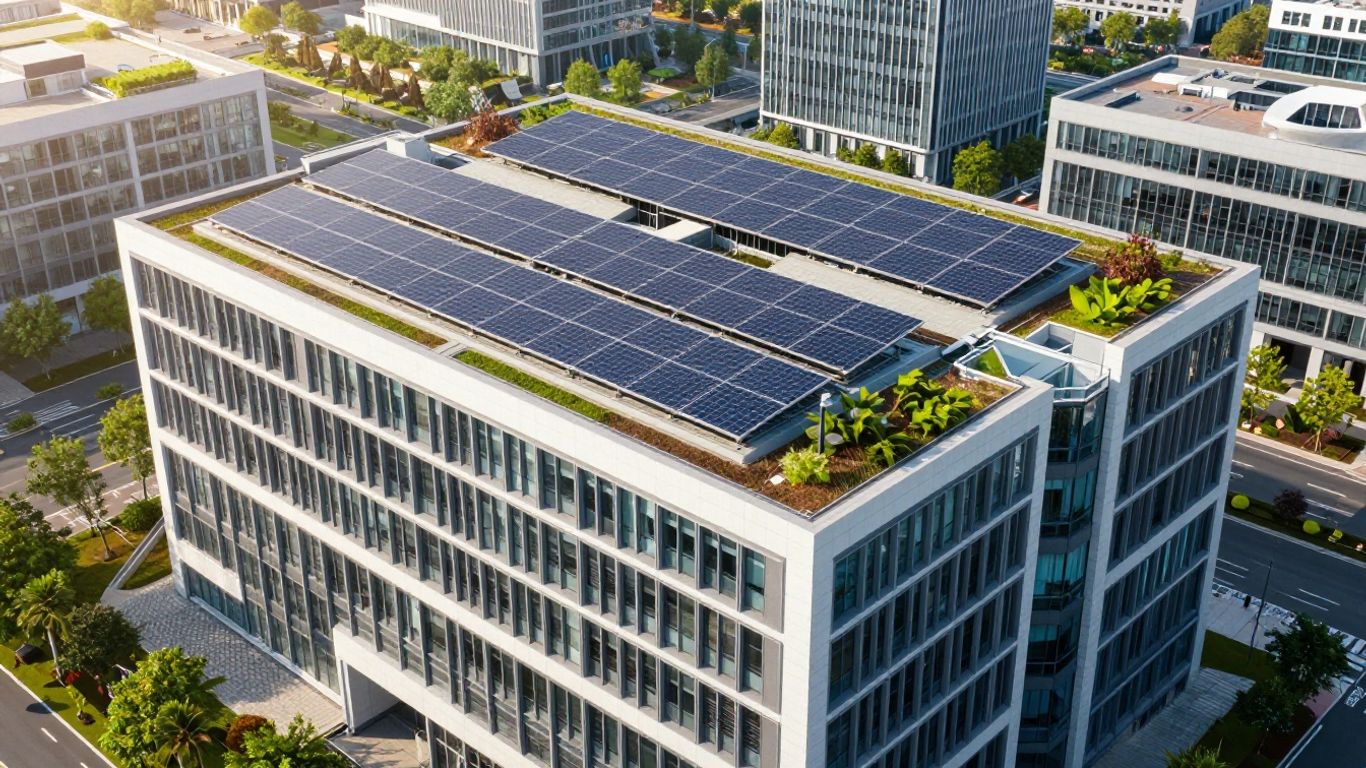
Transitioning to clean energy often begins at the roofline by installing solar arrays. This approach allows facilities to minimize reliance on external grids and protect themselves from market volatility. Generating power directly on-site provides a decentralized, cleaner energy supply that supports the building's daily needs effectively.
Tracking carbon footprints with smart metering technology
Accurate measurement remains the cornerstone of any strategy to reduce emissions. By tracking facility audits via smart meters, facility managers can gain granular insight into how energy is used in real time. Managers can monitor their building performance using these simple steps:
- Review monthly utility statements to establish an energy baseline.
- Install sub-meters on high-load machinery for real-time monitoring.
- Aggregate data to identify patterns of excessive energy consumption.
- Set automated alerts for spikes in resource usage.
These insights transform raw data into a clear path for carbon reduction and help clarify exactly where investments yield the highest returns.
Retrofitting legacy building components for better insulation
Older structures often suffer from thermal leaks that compromise energy efficiency. Upgrading windows and improving roof insulation acts as a permanent barrier between internal environments and external weather conditions. This structural renewal creates a more stable, comfortable atmosphere for tenants and visitors alike.
Sustainable waste management and circularity
Moving toward a zero-waste model requires rethinking the lifecycle of every material that enters a facility. Managers must move away from simple disposal methods and start viewing waste as a stream of potentially recoverable resources. When applied correctly, these circular habits minimize environmental harm and reduce costs associated with traditional waste haulage.

Establishing comprehensive zero-waste office initiatives
Implementing office initiatives often starts by simplifying the day-to-day choices employees make regarding consumables. By eliminating single-use plastics and providing centralized compost stations, companies can keep massive volumes of materials out of landfills. This change requires clear signage and constant reinforcement to ensure high participation.
Managing construction and demolition debris during renovations
Renovations involve significant quantities of material that often end up discarded. To manage this effectively, facility teams must prioritize the salvage and repurposing of existing materials before initiating a tear-down approach. The following table provides a hierarchy for managing these materials during site updates:
This table illustrates the shift from reactive disposal to a strategic resource management mindset during property improvements. By focusing on recovery, organizations can lower their disposal fees while supporting the local circular economy.
Implementing smart waste collection and separation systems
Automated systems help streamline the logistics of waste management. Modern, networked bins can notify staff when they reach capacity, preventing overflows and optimizing the collection route for custodial crews. This efficiency minimizes the number of trips required, subsequently lowering the building's operational emissions.
Partnering with sustainable disposal and recycling vendors
Reliable, ethical partners play a critical role in closing the loop on material lifecycles. Working with firms that provide transparency in their downstream operations ensures that recycled items are not accidentally diverted to secondary landfills. This vetting process is a key part of maintaining an effective and credible sustainability record.
Water conservation in building operations
Water is a finite resource that frequently goes to waste due to undetected inefficiencies. By prioritizing conservation, facility managers can drastically lower operating costs while doing their part to support local ecosystems. A consistent approach to water management ensures that buildings are prepared for future scarcity or rising utility prices.
Installing high-efficiency, low-flow plumbing fixtures
Modern facilities often use significant volumes of water in restrooms and kitchens. Low-flow options provide a simple solution for minimizing use without affecting the daily experience of users. These upgrades are cost-effective interventions that deliver immediate reductions in water bills.
Exploring greywater recycling and collection systems
Capturing water from sinks and fountains allows facilities to reuse vital resources for irrigation or non-potable building functions. These systems significantly extend the lifecycle of every gallon of clean water entering the building. Integrating this technology is a sophisticated way to achieve high-level water efficiency goals.
Monitoring water usage patterns to identify leaks
Silent leaks often result in thousands of gallons of wasted water annually. Routine inspections of pipes and valves prevent these costly incidents from impacting the facility budget. Regular auditing ensures that water remains a well-managed component of the larger facility management sustainability strategy.
Landscaping with drought-resistant, native plant species
External water demand is often driven by thirsty ornamental plants that require constant irrigation. Converting non-essential green spaces to native, drought-resistant varieties reduces the building's water footprint significantly. This shift also supports local biodiversity and requires far less maintenance, providing a double win for the facility team.
Green procurement and healthy indoor environments
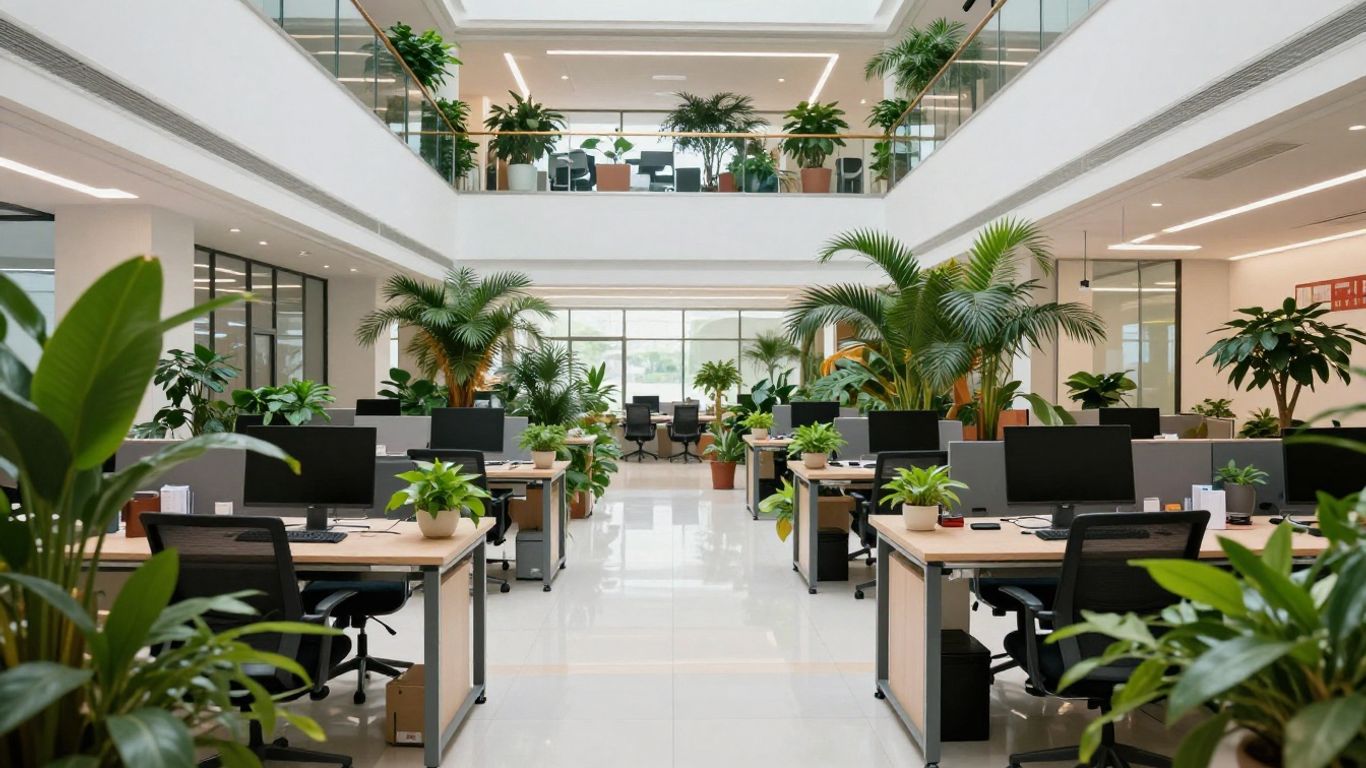
Sustainability is not just about what exits a building but also about what enters it. Proper procurement and indoor environmental management ensure that facilities remain safe, healthy spaces for people to thrive. When facility managers improve facility operations through mindful sourcing, the benefits extend far beyond the bottom line.
Selecting environmentally friendly green cleaning products
Conventional cleaning chemicals introduce volatile organic compounds into the workspace that can harm occupants long-term. Choosing certified green products lowers the chemical load on the environment and protects workers from hazardous exposures. Safe chemicals create a healthier atmosphere for everyone involved.
Sourcing sustainable materials for facility repairs and maintenance
Using low-carbon, recycled, or renewable materials for building repairs creates a ripple effect of demand for better manufacturing. When maintaining your property, consider the source and lifecycle of every part you replace. This practice demonstrates to the market that durability and sustainability are top-tier priorities for your business.
Prioritizing contractors and vendors with high ESG ratings
Your supply chain is only as sustainable as your weakest partner. Vetting vendors for their own environmental standards ensures that your service providers won't undermine your goals. Collaborating with high-performing partners allows for creating a robust policy that ensures everyone in your network meets essential standards.
Improving indoor air quality through ventilation and filtration
Proper airflow prevents the buildup of carbon dioxide, allergens, and pollutants. High-quality filtration systems ensure that the air circulating through your building remains clean and revitalized. These systems often work in tandem with advanced controls to ensure that fresh air is brought in efficiently, especially during heavily occupied periods.
Integrating technology into sustainable facility management
Technology acts as the primary engine for modern optimization. By connecting physical assets to digital platforms, managers can make better use of existing resources. To see these benefits, you can book a demo with service providers who excel in digitizing and reporting on these complex metrics.
Utilizing IoT sensors for predictive maintenance and energy loads
Predictive maintenance uses real-time data to identify when equipment will fail before it actually breaks. This approach keeps systems running efficiently and prevents the high-energy waste associated with poorly tuned machinery. IoT sensors also monitor occupancy, ensuring that lights and climate remain powered down in currently empty zones.
Leveraging building management systems to automate operational efficiency
Centralized digital platforms provide a single view of all building operations. These systems automate tasks that would be impossible for humans to track manually, such as balancing fan speeds against ambient temperature. This level of automation is essential for achieving sustainability goals in modern work environments.
Applying data analytics for objective resource optimization
Data analytics turn raw information into a clear road map for improvement. By evaluating how different regions of a building perform compared to others, managers can allocate resources where they are most effective. This objective analysis takes the guesswork out of sustainability initiatives.
Enhancing occupant comfort through networked smart controls
Comfort is subjective, but it can be managed with high precision. Networked controls allow occupants to influence their immediate space while staying within defined energy parameters. Breathe ESG offers capabilities that help managers track and optimize those energy loads effectively, ensuring that comfort never comes at the expense of efficiency.
Organizational culture and stakeholder engagement
Sustainability initiatives often fail not due to poor tech, but due to lack of adoption. Engaging your team ensures that the people using the building are active participants rather than passive observers. A collective approach turns abstract goals into daily habits that everyone in the office understands.
Providing sustainability education for facility occupants
Clear communication helps individuals understand the why behind every new policy. Education turns sustainability from a mandatory nuisance into a shared corporate value. Informed occupants are much more likely to follow waste disposal guidelines and conserve energy voluntarily.
Aligning facility management goals with corporate ESG targets
Facilities management must reflect the broader vision of the company to gain executive backing. When FM targets align with corporate ESG goals, the arguments for budget and staffing become significantly more compelling. This alignment ensures that facility efforts gain the support necessary to thrive.
Communicating key performance indicators to stakeholders
Transparency is the best way to maintain trust and engagement. Regularly sharing progress reports demonstrates the value of sustainability efforts to investors and employees. Visible results keep the momentum high and turn environmental wins into pride.
Incentivizing energy-conscious behavior within the workplace
Gamification can be a powerful tool for shifting occupancy behavior. Small incentives for departments that maintain the lowest energy footprint encourage friendly competition. These programs build a culture where everyone feels empowered to contribute toward the company’s collective environmental mission.
Conclusion
Sustainable facility management is a continuous journey that requires balancing technical efficiency with deep organizational commitment. By integrating smart technology, thoughtful procurement, and active stakeholder engagement, you create a space that is not only environmentally responsible but also economically resilient. Start small, track your results, and remember that every optimization contributes to a larger, more durable vision for your organization's future.
Frequently Asked Questions
How does facility management contribute to climate change goals?
Buildings account for a massive portion of global energy consumption, and by optimizing how these structures operate, managers can significantly lower carbon outputs.
What are the main challenges to implementing sustainability in older buildings?
Older buildings often feature outdated, inefficient mechanical systems and poor insulation, which can require significant upfront capital to modernize effectively.
How can a facility reduce its water footprint?
Installing low-flow fixtures, implementing greywater recovery for irrigation, and switching to native, drought-resistant landscaping are all standard ways to drop water usage.
What role does technology play in modern building efficiency?
Digital platforms and sensors replace guesswork with real-time analytics, allowing for precise adjustments to energy use and maintenance scheduling.
How do you get employees engaged with building sustainability programs?
Engaging occupants requires clear communication of goals and, in some cases, incentivizing energy-saving behaviors to make the effort feel personal and rewarding.
Is sustainability in facilities management always more expensive?
While some initiatives involve upfront hardware investments, they frequently lead to significant long-term utility savings and reduced maintenance, which provides a positive return.
What is considered a zero-waste facility?
A zero-waste facility is one that diverts at least 90 percent of its waste away from landfills through rigorous recycling, composting, and reduction efforts.