
Your Guide: How to Be Carbon Neutral and Make a Difference
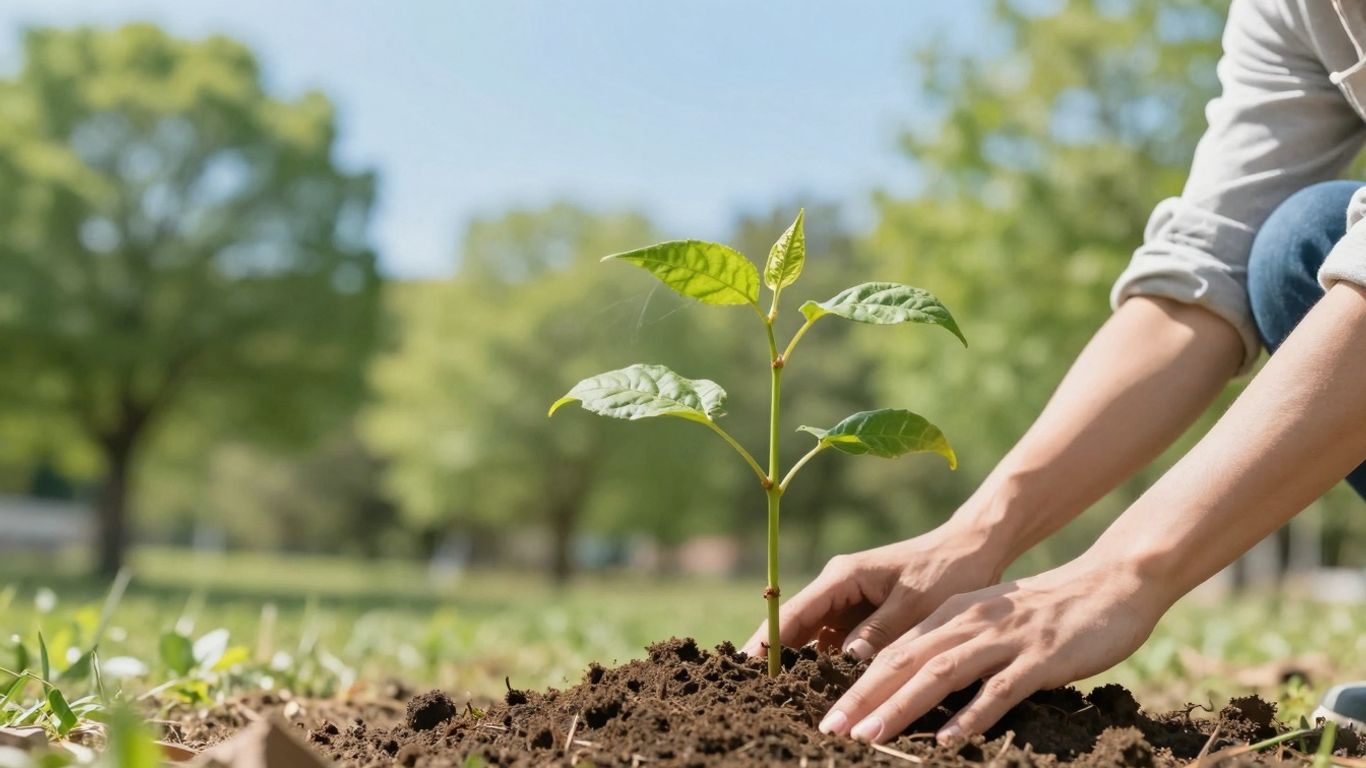
Feeling like you want to do more for the planet? It's totally understandable. The news can be a lot, and sometimes it feels like individual actions don't really matter. But guess what? They really do. Learning how to be carbon neutral isn't some impossible task for scientists or big companies. It's something we can all work towards, step by step, right in our own lives. This guide is here to break it down, making it simple and, dare I say, even a little bit fun. Let's figure out how we can all make a difference, starting today.
Key Takeaways
- Figure out your personal carbon footprint to see where your biggest impacts are.
- Make your home more energy-efficient and waste less water and trash.
- Adjust your eating habits by eating less meat and wasting less food.
- Rethink how you get around, choosing greener options when you can.
- Be a smart shopper, buy things that last, and support companies doing good.
Understanding Your Carbon Footprint
So, what exactly is a carbon footprint? Think of it as the total amount of greenhouse gases, like carbon dioxide and methane, that are generated by our everyday activities. It's not just about driving your car or heating your home; it includes everything from the food we eat to the stuff we buy. Every choice we make has an environmental cost.
What is a Carbon Footprint?
Basically, it's a way to measure our impact on the planet. When we burn fossil fuels for energy, produce goods, or even grow food, we release gases that trap heat in the atmosphere. A carbon footprint quantifies these emissions. It helps us see where our biggest impacts are coming from, whether it's our electricity use, our travel habits, or the products we consume. Understanding this is the first step toward making changes. You can get a general idea of your footprint by using online calculators, which often ask about your home energy use, transportation, and consumption patterns. It's a good way to start seeing the bigger picture of your personal impact on the environment.
Why Reducing Your Footprint Matters
Why bother with all this? Well, these greenhouse gases are warming our planet, leading to all sorts of problems like extreme weather, rising sea levels, and disruptions to ecosystems. Reducing our carbon footprint isn't just a trendy thing to do; it's about protecting the world we live in for ourselves and for future generations. It's about making sure we have clean air, stable climates, and healthy natural resources. Small changes, when done by many people, can add up to a significant difference. It’s about being more mindful of our actions and their consequences.
When you throw food away, you're also wasting the resources and energy that were used to grow, produce, package, and transport it. And when food rots in a landfill, it produces methane, a powerful greenhouse gas. So purchase only what you need, use what you buy and compost any leftovers. Cutting your food waste can reduce your carbon footprint by up to 300 kilograms of CO2e per year.
The Impact of Daily Choices
It's easy to feel overwhelmed, but the truth is, our daily habits have a real impact. Think about it:
- Energy Use: How much electricity do you use? Are you leaving lights on or unplugging devices when not in use? Simple actions like switching to LED bulbs or adjusting your thermostat can make a difference.
- Transportation: How do you get around? Driving alone in a gas-guzzler contributes more than taking public transit or cycling.
- Consumption: What do you buy? The energy used to make and ship products adds to your footprint. Choosing durable items and avoiding single-use plastics helps.
- Diet: What's on your plate? Producing meat, especially beef, generally has a higher carbon footprint than plant-based foods.
Every little bit counts. By becoming more aware of these daily choices, we can start making more sustainable decisions. It’s about making conscious choices that align with a healthier planet. For more information on calculating your impact, you can check out resources on understanding your carbon footprint.
Here's a quick look at how different activities can contribute:
Making Sustainable Choices at Home
Our homes are where we spend a lot of our time, and they can also be a big part of our carbon footprint. But the good news is, there are lots of ways to make them more planet-friendly without turning your life upside down. It’s about making smarter choices, little by little.
Energy Efficiency Upgrades
Think about your home's energy use. A lot of it comes from heating, cooling, and running appliances. Upgrading to energy-efficient appliances is one of the most impactful changes you can make. Look for the ENERGY STAR label when you're buying new things like refrigerators, washing machines, or even light bulbs. LEDs, for example, use way less electricity than old-fashioned incandescent bulbs and last much longer. You can also make a difference by simply being mindful of what's on. Turning off lights when you leave a room and unplugging electronics when they're not in use might seem small, but it adds up. Consider a programmable thermostat too; it can automatically adjust your home's temperature when you're asleep or away, saving energy without you even thinking about it.
Water Conservation Practices
Water is a precious resource, and the energy used to heat it and pump it to your home also contributes to your carbon footprint. Simple habits can make a big difference here. Taking shorter showers is an obvious one, but you can also fix leaky faucets promptly – that constant drip can waste a surprising amount of water. When it comes to your garden, watering early in the morning or late in the evening can reduce evaporation, and choosing native plants that are adapted to your local climate often means they need less water overall. Even small changes, like only running the dishwasher or washing machine when they're full, help conserve both water and the energy needed to power them.
Effective Waste Management and Recycling
What we throw away has a significant environmental cost. When trash ends up in landfills, it can produce methane, a potent greenhouse gas. So, reducing waste in the first place is key. Before you buy something, ask yourself if you really need it. Can you borrow it, or buy it secondhand? When you do have waste, recycling properly is important. Make sure you know what your local recycling program accepts – putting the wrong things in can contaminate the whole batch. Beyond recycling, think about composting food scraps. This turns organic waste into valuable soil amendment instead of letting it rot in a landfill. Donating items you no longer need, like clothes or furniture, also gives them a second life and reduces the demand for new production.
Making your home more sustainable isn't just about big renovations; it's often about small, consistent actions. By focusing on energy, water, and waste, you can significantly lower your household's impact on the planet. It's a journey, and every step counts towards a healthier environment.
Rethinking Your Diet for the Planet

What we eat has a surprisingly big impact on the environment. From how our food is grown to how it gets to our plates, there's a lot of energy involved. Making some changes to your diet can really help cut down on those emissions.
Reducing Meat Consumption
This is a big one. Producing meat, especially beef, is a major contributor to greenhouse gases. Think methane from cows and the land cleared for grazing and feed crops. It takes a lot of resources to get that burger to your plate. You don't have to become a vegetarian overnight, though. Even cutting back, like having one or two meatless days a week, makes a difference. It's about finding a balance that works for you and the planet.
Minimizing Food Waste
When you toss food, you're not just throwing away leftovers; you're wasting all the water, energy, and labor that went into producing it. Plus, food rotting in landfills releases methane, a potent greenhouse gas. Planning your meals, buying only what you need, and using up what you have are simple steps. Composting is also a great way to handle scraps. Reducing food waste can significantly lower your personal carbon footprint. For example, cutting your food waste can reduce your carbon footprint by up to 300 kilograms of CO2e per year.
Choosing Seasonal and Local Foods
Food that travels long distances uses more fuel for transportation. Buying produce that's in season means it likely didn't need to be grown in a heated greenhouse or shipped from far away. Local food often means fresher food, too. It supports local farmers and cuts down on those travel emissions. It's a win-win for your plate and the planet. You can find out more about sustainable food choices by looking into Rainforest Alliance Certified food.
Making conscious choices about what we eat is a powerful way to contribute to a healthier planet. It's not about perfection, but about progress and making informed decisions that align with our environmental goals.
Greening Your Transportation Habits
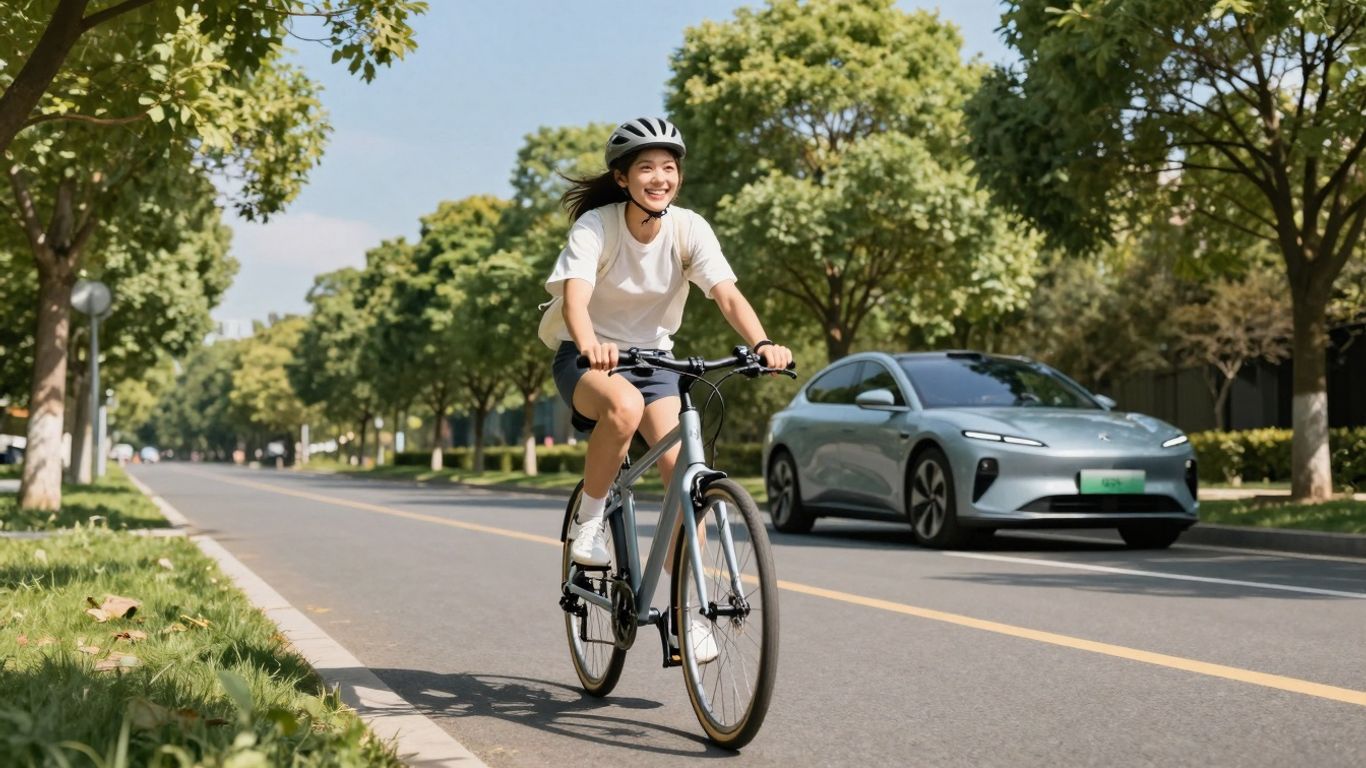
When we talk about our carbon footprint, transportation often comes up as a big one. And for good reason! The way we get around, whether it's our daily commute or a vacation flight, has a pretty significant impact on the planet. Making smarter choices here can really add up.
Opting for Public Transit and Cycling
Think about your daily commute. If you're driving alone, that's a lot of emissions from just one person. Public transport, like buses and trains, moves many people at once, making it way more efficient per person. Plus, it often means less stress than dealing with traffic. And if your destination is close enough, why not walk or bike? It's great for your health, saves you money on gas, and produces zero emissions. It might take a little more planning, but even swapping out a couple of car trips a week for these options makes a difference.
- Reduced Emissions: Significantly lower greenhouse gases compared to single-occupancy vehicles.
- Health Benefits: Increased physical activity from walking and cycling.
- Cost Savings: Less spent on fuel, maintenance, and parking.
- Less Traffic Congestion: Fewer cars on the road means smoother travel for everyone.
For longer distances where driving isn't practical, consider trains or buses. They generally have a lower carbon footprint per passenger mile than flying or driving alone.
Considering Electric or Hybrid Vehicles
If driving is a must, and public transit or cycling isn't always an option, looking into electric vehicles (EVs) or hybrids is a smart move. EVs run on electricity, and if that electricity comes from renewable sources, your driving emissions can be near zero. Hybrids combine a gasoline engine with an electric motor, offering better fuel efficiency than traditional cars. While the initial cost can be higher, the long-term savings on fuel and maintenance, plus the environmental benefits, are worth considering. Remember, the source of electricity matters, so if you can charge your EV with solar power, even better!
Reducing Air Travel
Airplanes are a major source of carbon emissions. That long-haul flight for a vacation or a quick business trip really adds up. If you can cut back on flying, it's one of the most effective ways to lower your footprint. Think about alternatives: could you take a train for that trip? Maybe a virtual meeting would suffice instead of flying for business? If you do need to fly, consider combining trips or extending your stay to make the travel more worthwhile. Sometimes, a 'staycation' exploring your local area can be just as rewarding and is certainly much kinder to the planet.
Conscious Consumerism and Shopping
So, you're trying to be more carbon neutral, and that's awesome. But have you thought about what you buy? It's not just about recycling or turning off lights. Every purchase you make has an environmental cost, from the resources used to make it to how it gets to your door.
Investing in Durable Products
Think about it: how many times have you bought something cheap, only for it to break a few months later? It's tempting to go for the budget option, but those items often don't last. This means you end up buying replacements more often, which uses more energy and creates more waste. Instead, try to invest in quality items that are built to last. This could be anything from a sturdy pair of shoes to a well-made kitchen appliance. It might cost a bit more upfront, but in the long run, you'll save money and reduce your impact.
Avoiding Fast Fashion
Fast fashion is a big one. You know, those super trendy clothes that are cheap and everywhere? They're made quickly and cheaply, often using a lot of water and energy. Plus, they're usually not designed to last very long. When you're done with them, they often end up in landfills. Instead, consider buying fewer, better-quality clothes, shopping secondhand, or looking for brands that use sustainable materials and ethical production methods. It's a much better way to keep your wardrobe fresh without trashing the planet.
Supporting Sustainable Brands
This is where you can really make your money count. When you're shopping, take a moment to think about the companies you're supporting. Are they making an effort to reduce their environmental footprint? Many businesses are now focused on using sustainable materials, cutting down on waste, and using cleaner energy. Look for certifications or information on their websites about their practices. Choosing to buy from companies committed to sustainability means you're voting with your wallet for a healthier planet. It's a powerful way to drive change.
When we buy things, we're not just exchanging money for goods. We're also supporting the systems and practices that produced those goods. Being a conscious consumer means understanding that impact and choosing to support businesses that align with your values for a healthier environment.
Offsetting Unavoidable Emissions
Even after doing our best to reduce our carbon footprint through daily choices, some emissions are just part of modern life. Think about that flight you absolutely had to take for work, or the energy your home uses that can't yet be sourced from renewables. That's where offsetting comes in. It's about balancing out the greenhouse gases we can't avoid releasing by supporting projects that actively remove or prevent an equivalent amount of emissions elsewhere. It's not a free pass, but a way to take responsibility for the unavoidable.
Understanding Carbon Offsets
Basically, a carbon offset is like a certificate. When you buy one, you're funding a project that reduces greenhouse gas emissions. This could be anything from planting trees to building a wind farm. The idea is that for every ton of carbon dioxide (or its equivalent) that your offset purchase supports, an equivalent amount is either removed from the atmosphere or prevented from entering it in the first place. It's a way to invest in climate solutions when direct reduction isn't possible for you.
Investing in Renewable Energy Certificates
Renewable Energy Certificates (RECs) are a popular way to offset your energy consumption. When a facility generates electricity from a renewable source like solar or wind, it gets one REC for every megawatt-hour of electricity produced. By purchasing RECs, you're essentially saying that you want your electricity usage to be matched with renewable energy generation, even if your local grid doesn't yet supply it directly. It's a straightforward way to support the growth of clean energy.
Here's a quick look at how it works:
- You use electricity: Your home or business consumes power.
- Renewable energy is generated: A solar farm or wind turbine produces electricity.
- RECs are created: For each MWh produced, a REC is issued.
- You buy RECs: You purchase these certificates to match your energy use.
- Impact: This purchase incentivizes more renewable energy development.
Supporting Reforestation Initiatives
Trees are amazing natural carbon sinks. They absorb carbon dioxide from the atmosphere as they grow. Supporting reforestation projects means contributing to planting new forests or helping to protect existing ones. These projects not only help combat climate change but also support biodiversity and local communities. When choosing a reforestation project, look for ones that are certified by reputable organizations to ensure they are effective and sustainable.
Planting trees is a tangible way to help the planet. It's like giving the Earth a helping hand to clean the air we all breathe. These green spaces also provide homes for wildlife and can help prevent soil erosion, making them a win-win for the environment.
Some common types of projects you might support include:
- Afforestation: Planting trees in areas that haven't been forested for a long time.
- Reforestation: Replanting trees in areas where forests have been degraded or removed.
- Forest Conservation: Protecting existing forests from deforestation or degradation.
- Improved Forest Management: Implementing practices that increase the carbon stored in forests.
Amplifying Your Impact Through Community
It's easy to feel like your individual actions are just a drop in the ocean when it comes to climate change. But when you team up with others, those drops can turn into a powerful wave of change. Working together amplifies your efforts and makes a much bigger difference than going it alone.
Educating Friends and Family
Sharing what you've learned about reducing your carbon footprint doesn't mean lecturing people. It's more about showing them how simple and even rewarding it can be. Think about sharing a recipe for a plant-based meal you enjoyed, or mentioning how much you've saved on energy bills after making some upgrades. People are often more receptive when they see practical benefits, like saving money or discovering new, tasty foods. You might even inspire them to try some changes themselves.
Engaging in Local Climate Action Groups
Finding people in your area who care about the environment can be incredibly motivating. These groups often organize local clean-ups, advocate for better recycling programs, or work on community gardens. It's a great way to share ideas, learn new strategies, and feel like you're part of a larger movement. Plus, collective action can have a real impact on local policies and practices.
Here are a few ways to get involved:
- Attend local environmental group meetings.
- Volunteer for community clean-up events.
- Join campaigns for better public transportation or bike lanes.
- Share information about local sustainability initiatives on social media.
Advocating for Environmental Policies
Your voice matters when it comes to shaping policies that protect our planet. This can mean contacting your local representatives to express your support for environmental legislation, or making sure you vote for candidates who prioritize climate action. Businesses also respond to consumer demand. Letting local businesses know you prefer sustainable products or practices can encourage them to make changes. Every conversation, every email, and every vote adds up.
Sometimes, the scale of the climate challenge can feel overwhelming. It's important to remember that while big changes are needed from governments and corporations, our individual and community actions send a strong message. They show that people care and are willing to support a greener future. Don't underestimate the power of collective action to drive broader change.
Want to make a bigger difference? Joining forces with others can really boost your impact. When we work together, we can achieve so much more. Ready to see how you can connect and grow? Visit our website to learn how to amplify your impact through community.
So, What's Next?
Look, nobody's saying you have to become a perfect eco-warrior overnight. That's just not realistic. But by making even a few small changes, like swapping out those plastic bags for reusable ones, thinking twice before buying something new, or maybe trying a meatless Monday, you really can make a difference. It's about doing what you can, when you can. And hey, if you can get your friends or family on board, even better! Every little bit helps, and together, we can all chip away at this thing and build a healthier planet for everyone.
Frequently Asked Questions
What exactly is a carbon footprint?
Think of your carbon footprint as the total amount of greenhouse gases, like carbon dioxide, that are released into the air because of your activities. It's like a mark you leave on the planet from using energy, traveling, and even the food you eat. The bigger your footprint, the more you contribute to warming the planet.
Why should I care about reducing my carbon footprint?
Reducing your carbon footprint is super important because these gases trap heat and cause climate change. This leads to more extreme weather, like heatwaves and floods, and can harm plants, animals, and people. By making smaller changes, we can help protect our planet for the future.
How can small changes at home make a difference?
Little things at home add up! Using less electricity by switching to LED bulbs or unplugging devices when not in use saves energy. Conserving water means less energy is used to pump and clean it. Also, recycling and composting reduce the amount of trash that goes to landfills, which create harmful gases.
Does eating less meat really help the environment?
Yes, it really does! Raising animals for meat, especially beef, uses a lot of land, water, and energy, and it produces a gas called methane. Even cutting out meat one day a week or choosing more plant-based meals can significantly lower your environmental impact.
What are carbon offsets and how do they work?
Carbon offsets are like a way to balance out the greenhouse gases you can't avoid releasing. You can buy a certificate that funds projects designed to reduce emissions elsewhere, such as planting trees or investing in clean energy. It's a way to make up for the emissions you create.
How can I encourage others to be more eco-friendly?
The best way is to lead by example and share what you're doing in a positive way, without being pushy. Talk to friends and family about why it's important and share easy tips you've found helpful. Getting involved in local groups or advocating for better environmental policies can also amplify your impact.