
What Is a Watershed Management? Understanding Its Importance and Key Strategies
Ever wonder where the water that comes out of your tap actually starts its journey? Chances are, it's part of a larger system called a watershed. Understanding what is a watershed management and why it matters is pretty important for keeping our water clean and our environment healthy. It's like taking care of a whole neighborhood, not just one house. This process involves looking at the whole picture – how land, water, and people interact – to make sure everything works together smoothly. Let's break down what this all means and why it's a big deal.
Key Takeaways
- A watershed is simply the area of land where all water drains to a common point, like a river or lake.
- Watershed management is the process of taking care of this land and water to keep water clean and protect natural resources.
- Good watershed management helps improve water quality, reduce flooding, and protect animal and plant habitats.
- Key activities include studying the watershed, making plans, fixing problems, and getting the community involved.
- Sustainable solutions like green infrastructure and protecting natural areas are vital for healthy watersheds.
What Is A Watershed Management?
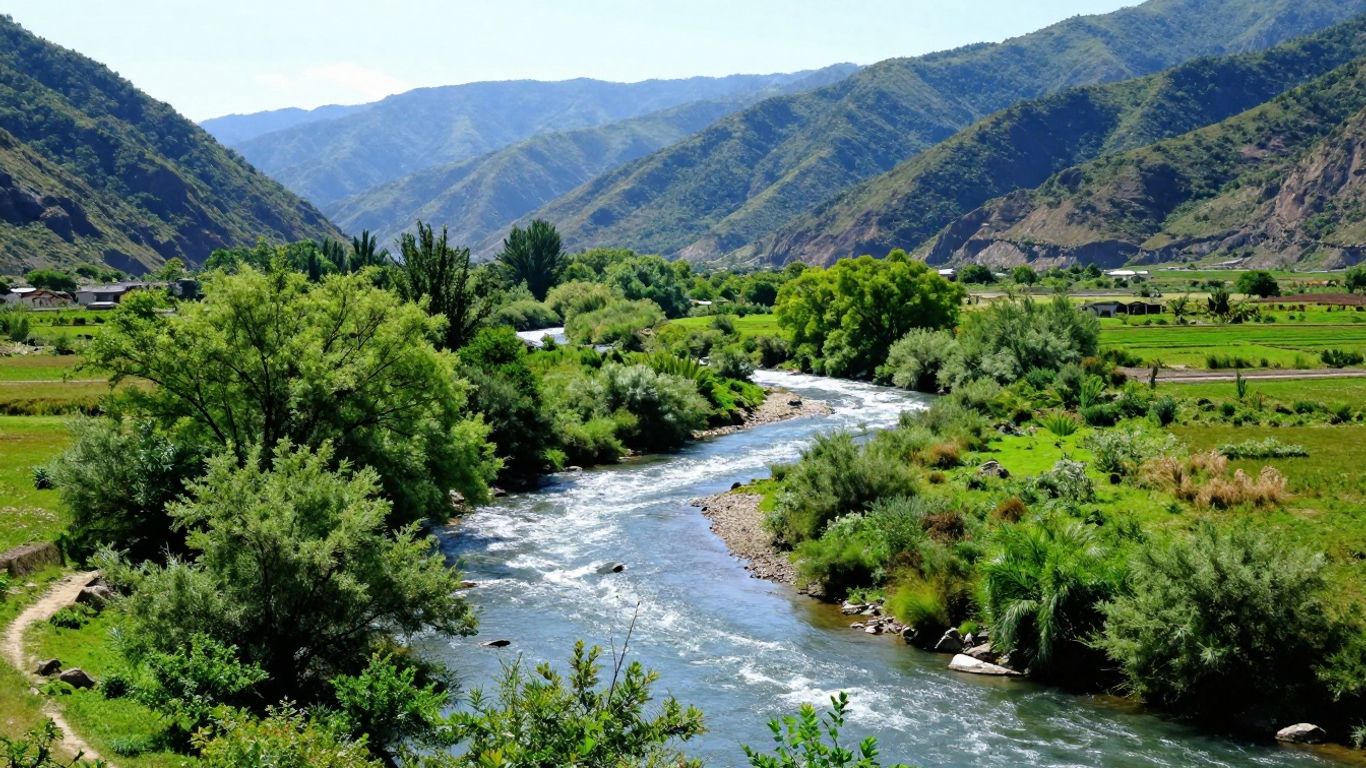
Okay, so let's talk about watersheds. You know, those areas of land where all the rain and snowmelt eventually flows downhill to a common spot, like a river, a lake, or even the ocean. It's like a giant natural funnel for water. Everything that happens on that land – from farming to building houses to just mowing your lawn – can end up affecting the water quality in that funnel.
Understanding The Basics Of A Watershed
Think of a watershed as a drainage basin. It doesn't matter if it's a tiny stream in your backyard or a massive river system that spans multiple states; every one of them has a watershed. When rain falls or snow melts, the water travels across the land. As it moves, it picks up bits of soil, maybe some fertilizer from a lawn, or oil dripped from a car. All this water, carrying whatever it picks up, eventually makes its way to a bigger body of water. So, the land itself is directly connected to the health of the water.
Defining Watershed Management
Watershed management is basically the process of figuring out how to best take care of that land and water. It's about making smart choices regarding how we use the land and manage our water resources so that the water stays clean and the natural environment stays healthy. It's a big-picture approach, looking at the whole area that drains to a specific water body, not just one little spot.
The Purpose Of Watershed Management Planning
When we talk about watershed management planning, we're talking about creating a roadmap. This plan helps us understand all the different things happening in the watershed and how they impact the water. It's about identifying potential problems, like pollution from farms or too much runoff from new developments, and then figuring out the best ways to fix them or prevent them from happening in the first place. Since watersheds often cross over town or even state lines, these plans are super important for getting everyone on the same page. It's a way to make sure that what happens upstream doesn't mess things up downstream.
Managing a watershed means looking at the whole system. It's about recognizing that everything on the land is connected to the water, and making deliberate choices to protect that connection for the future.
Here are some of the main goals:
- Improve Water Quality: Reduce the amount of pollution that gets into rivers, lakes, and streams.
- Control Water Flow: Help manage floods and also make sure there's enough water during dry spells.
- Protect Nature: Keep natural areas and the plants and animals that live there safe and healthy.
- Prepare for Changes: Make the watershed more resilient to things like extreme weather events.
Why Is Watershed Management Important?
So, why bother with all this watershed management stuff? It turns out, it's pretty important for a bunch of reasons that affect us all, whether we realize it or not. Think about it: everything that happens on the land eventually makes its way to our water. That means how we build, farm, or even just maintain our yards can have a big impact.
Improving Water Quality
This is a big one. When we manage our watersheds better, we can seriously cut down on the gunk that ends up in our rivers, lakes, and streams. Stuff like dirt from erosion, extra fertilizer from farms, or even oil drips from our driveways can all pollute our water. By keeping these pollutants in check, we get cleaner water for drinking, swimming, and supporting all sorts of aquatic life. It’s like giving our water a much-needed spa treatment.
Controlling Flooding And Drought
Healthy watersheds act like giant sponges. They absorb a lot of rainwater and snowmelt, slowing it down and releasing it gradually. This helps prevent those sudden, destructive floods that can wreck homes and infrastructure. On the flip side, when it's dry, these same healthy systems can help hold onto water, making droughts a little less severe. It’s all about finding that balance.
Preserving Natural Habitats
Lots of plants and animals call our watersheds home. The trees, wetlands, and other natural areas within a watershed provide food, shelter, and breeding grounds. When we mess with the watershed, we can destroy these habitats, leading to a loss of biodiversity. Good watershed management means protecting these natural spaces so wildlife can thrive.
Enhancing Climate Resilience
Let's face it, the weather is getting a bit wilder. More intense storms and longer dry spells are becoming the norm. Watersheds that are in good shape, with healthy vegetation and natural water flow, are much better equipped to handle these extremes. They can bounce back more easily from floods and droughts, making our communities more secure.
Managing a watershed isn't just about the water itself; it's about the entire system that supports it. This includes the soil, the plants, the animals, and of course, the people living within it. A well-managed watershed benefits everyone by providing clean water, reducing risks from natural disasters, and supporting a healthy environment for generations to come.
Key Activities In Watershed Management
So, what exactly goes into managing a watershed? It's not just one thing; it's a whole bunch of actions working together. Think of it like keeping a big house in order – you've got to check on everything regularly and fix what's broken.
Assessment And Monitoring Of Watersheds
First off, you need to know what you're dealing with. This means figuring out the boundaries of your watershed – where does all the water drain to? Then, you've got to keep an eye on things. This involves checking the water quality, seeing how much water is flowing, and understanding what's happening on the land. Are there new developments? What kind of farming is going on? All these things affect the water. Regular monitoring helps us spot problems early on. It's like a doctor giving you a check-up to catch any health issues before they get serious. This kind of work is detailed and requires careful observation, often involving collecting samples and using various tools to understand the health of the watershed.
Developing Management Plans And Regulations
Once you know the situation, you need a plan. This is where you set goals for what you want to achieve – maybe cleaner water or less flooding. Then, you figure out the best ways to get there. This might involve creating rules or regulations to control pollution from different sources, like farms or construction sites. It's about making sure everyone plays by the same rules to protect the shared resource. A good plan considers all the different land uses and activities within the watershed and how they interact.
Implementing Restoration Projects
Sometimes, things are already damaged, and you need to fix them. This is where restoration projects come in. It could mean planting trees along riverbanks to stop erosion, rebuilding wetlands that help filter water, or cleaning up polluted areas. These are the hands-on efforts to bring the watershed back to a healthier state. It’s about actively repairing the damage and improving the natural functions of the area.
Engaging The Community And Stakeholders
Finally, you can't do this alone. Watershed management works best when everyone involved is on the same page. This means talking to landowners, local businesses, government folks, and regular citizens. Educating people about why watershed health matters and getting them involved in the process is super important. When people feel like they have a stake in it, they're more likely to help out and follow the rules. It builds a sense of shared responsibility for the water we all depend on.
Practical Solutions For Sustainable Watersheds
So, we've talked about why watershed management is a big deal. Now, let's get down to what we can actually do to keep our local water systems healthy and working right. It's not just about big government plans; there are plenty of practical steps, big and small, that make a real difference.
Adopting Green Infrastructure
Think of green infrastructure as working with nature, not against it, to handle water. Instead of just building more concrete to channel water away fast (which often causes problems downstream), we're using natural systems. This could mean installing rain gardens in yards or public spaces – basically, shallow dips planted with native plants that soak up rainwater. Permeable pavements in parking lots or sidewalks let water seep through instead of running off. Even green roofs on buildings help absorb rain. These methods help reduce flooding and filter out pollutants before they reach our rivers and lakes.
Protecting And Restoring Natural Areas
This one seems pretty obvious, right? Forests, wetlands, and the vegetated areas along rivers (called riparian zones) are like the watershed's natural filters and sponges. Forests keep soil in place and absorb a lot of water. Wetlands act like giant sponges, soaking up floodwaters and cleaning the water. Riparian zones filter out pollution and keep water temperatures cool for fish. So, protecting these areas from development and restoring ones that have been damaged is a huge win for watershed health. Planting native trees and shrubs along stream banks is a common restoration project that really helps.
Implementing Erosion Control Measures
When soil washes away into our waterways, it's called erosion, and it's a major source of pollution. It makes water cloudy, harms aquatic life, and can clog up water treatment systems. We can control erosion by keeping soil covered, especially on construction sites or bare patches of land. This involves using things like temporary mats or blankets on disturbed soil, planting ground cover quickly, and building small barriers or channels to slow down water flow and catch sediment. It’s about keeping that precious topsoil where it belongs.
Promoting Sustainable Agricultural Practices
Farms can have a big impact on watersheds, both good and bad. Sustainable practices aim to minimize the negative effects. This includes things like planting cover crops in fields during the off-season to prevent soil erosion and keep nutrients from washing away. Creating buffer strips of grass or trees along the edges of fields next to streams also helps filter runoff. Reducing the amount of fertilizer and pesticides used, or using them more precisely, is another key step. Healthy soil holds water better and is less likely to erode, so practices that improve soil health are a win-win.
Building Local Partnerships For Watershed Health
Identifying Key Stakeholders
Watersheds don't respect property lines or town borders. They're natural systems, and keeping them healthy means everyone who lives in or uses the watershed needs to be on the same page. So, the first step is figuring out who all these people are. We're talking about homeowners, farmers, local businesses, maybe even industries that use water from the watershed. Then there are the government folks – town planners, conservation commissions, state environmental agencies. Non-profits focused on nature are usually involved too. It’s a whole mix of people, and understanding their different interests is pretty important.
Fostering Collaboration And Shared Responsibility
Once you know who's who, the real work begins: getting everyone to work together. This isn't always easy. People have different priorities, and sometimes, what's good for one group might seem like a problem for another. But the idea is to find common ground. When we all share the responsibility for our watershed, we're much more likely to succeed. Think about it like a neighborhood watch, but for water. Everyone keeps an eye out, reports issues, and pitches in where they can. This shared effort makes the whole system stronger. It’s about building trust and making sure everyone feels heard. For example, local governments and property managers often need to coordinate on strategies to protect the environment within a watershed.
The Role Of Community Engagement And Education
Getting people involved often starts with education. Many folks might not even realize they're part of a watershed or understand how their daily actions impact water quality downstream. Holding workshops, giving talks at local schools, or even just putting up informative signs can make a big difference. When people understand the 'why' behind watershed protection, they're more likely to get involved. This could mean volunteering for stream cleanups, adopting better lawn care practices, or supporting local conservation initiatives. Building this awareness creates a sense of stewardship, turning passive residents into active protectors of their local water resources. It’s about creating a community that cares about its water.
Understanding Your Specific Watershed
So, you want to get a handle on what's happening with the water in your area? That's great! The first real step is to get to know the specific watershed you're in. Think of it like understanding your own neighborhood before you try to fix something up. It's all about figuring out the boundaries, what's inside, and how things connect.
Delineating Watershed Boundaries
This sounds technical, but it's pretty straightforward. A watershed is basically the area of land where all the water that falls on it eventually flows to a common point, like a river, lake, or even the ocean. Figuring out these lines is important because actions taken upstream can really affect things downstream. It's not just about your town; it might involve several towns or even parts of different states. Knowing these boundaries helps everyone understand who might be impacted by what.
Inventorying Natural Resources
Once you know the edges of your watershed, you need to see what's inside. This means taking stock of all the natural stuff: the rivers, streams, lakes, wetlands, forests, and even the types of soil. This inventory gives you a baseline. You're basically creating a snapshot of the watershed's health before you start making changes or dealing with problems. It helps you see what you have to work with and what might be vulnerable.
Mapping Land Use and Pollution Sources
This is where you connect the dots between what people are doing and how it affects the water. You'll want to map out how the land is being used – is it farms, forests, houses, businesses? Then, you need to pinpoint where pollution might be coming from. This could be obvious things like a factory's discharge pipe (that's a point source), or less obvious ones like rain washing oil off a busy road or leaky septic systems in a neighborhood (those are nonpoint sources). Identifying these sources is key to figuring out where to focus your efforts.
Understanding your watershed isn't just an academic exercise. It's about recognizing that the land and water are connected. What happens on a farm field miles away can end up in your drinking water or contribute to flooding in your town. This awareness is the foundation for making smart decisions about how we use our land and protect our water resources for the future.
Here's a quick look at what you might find in your inventory:
- Water Bodies: Rivers, streams, lakes, ponds, wetlands.
- Land Cover: Forests, grasslands, agricultural fields, urban areas, bare soil.
- Soil Types: Different soils absorb and filter water differently.
- Potential Pollution Sources: Roads, industrial sites, agricultural runoff, septic systems, construction sites.
Understanding your local watershed is key to knowing how water moves through your area and what affects it. It's like learning the unique story of your community's water. Want to dive deeper into how your specific watershed works and how you can help protect it? Visit our website to find out more!
Wrapping It Up
So, we've talked about what watersheds are and why keeping them healthy matters. It's not just about the water itself, but everything that relies on it – from the fish in the streams to the plants on the land, and even us. Managing these areas means looking at the whole picture, from how we use the land to how we handle rain and snow. It takes everyone working together, from government folks to people just living in the area, to make sure our water stays clean and our environment stays balanced. By putting these management ideas into practice, we're really just investing in a better, more stable future for our communities and the natural world around us. It’s a big job, but a necessary one.
Frequently Asked Questions
What exactly is a watershed?
Think of a watershed as a giant bowl or a drainage area. All the rain or melted snow that falls in this area eventually flows downhill and collects in a single spot, like a river, lake, or even the ocean. So, it's basically the land that water runs off from to feed a specific body of water.
What's the main goal of managing a watershed?
The main goal is to keep the water and all the natural stuff in the watershed clean and healthy. This means looking at how people use the land and water and making smart choices to protect it, like preventing pollution and making sure there's enough water for everyone and everything that needs it.
Why is it so important to manage our watersheds?
Managing watersheds is super important because it helps keep our drinking water clean, stops floods from causing too much damage, protects the homes of plants and animals, and makes our environment stronger against things like heat waves or heavy rain. It's all about making sure nature works well.
What are some common activities involved in watershed management?
It involves a few key things: first, checking out the watershed to see what's there and how the water is doing (that's assessment and monitoring). Then, making a plan with rules to follow. We also do projects to fix up damaged areas, like planting trees or cleaning up streams. And importantly, we talk to people in the community to get them involved.
Can you give an example of a practical solution for a healthier watershed?
Sure! One great idea is using 'green infrastructure.' This means using nature's own systems, like rain gardens or planting trees along rivers (called riparian buffers), to soak up rainwater and filter out pollution before it reaches the main water body. It's like giving nature a helping hand.
What does 'building local partnerships' mean for watershed health?
It means getting everyone who lives in or uses the watershed together – like neighbors, local businesses, and government folks. When we all work as a team, share ideas, and take responsibility, we can protect and improve our watershed much better than if we tried to do it alone. It builds a stronger community around caring for our water.