
What Does Carbon-Neutral Mean? Understanding the Concept and Its Impact in 2026

So, what does carbon-neutral mean? It's a term we hear a lot these days, especially when talking about the environment and climate change. Basically, it's about finding a balance. Think of it like this: for every bit of carbon dioxide or other greenhouse gases we put into the air, we take an equal amount out. It's a big goal for a lot of companies and countries trying to help the planet. We'll look at what it really means, how it's different from other climate terms, and what it takes to actually get there.
Key Takeaways
- Carbon neutrality means balancing the greenhouse gases released with an equal amount removed or offset, aiming for no net increase in atmospheric gases.
- It's a strategy to combat climate change by preventing a net rise in global emissions.
- While carbon neutral, entities might still produce emissions, but they compensate for them through actions like reforestation or carbon credits.
- Achieving carbon neutrality is an important step, but 'net zero' is a more ambitious goal that requires reducing emissions as much as possible first.
- Understanding the difference between carbon neutral, carbon negative, and net zero is key for effective climate action and avoiding 'greenwashing'.
Understanding What Does Carbon-Neutral Mean
So, what exactly does it mean for something to be carbon-neutral? It's a term we hear a lot these days, especially with all the talk about climate change. Basically, it's about finding a balance. Think of it like a scale: on one side, you have all the greenhouse gases, like carbon dioxide, that are released into the atmosphere. On the other side, you have actions that take those same gases out of the air or prevent them from getting there in the first place. The goal is to make sure both sides of the scale weigh the same, so there's no net increase in harmful gases contributing to global warming.
Defining Carbon Neutrality
At its core, carbon neutrality means that an entity – whether it's a company, a country, or even an individual – has managed to balance its carbon emissions. This doesn't necessarily mean that zero emissions are produced. Instead, it signifies that any emissions generated are compensated for. This compensation can happen in a few ways. For instance, a company might invest in projects that remove carbon dioxide from the atmosphere, like planting trees or using technology that captures carbon. Alternatively, they might fund projects that prevent emissions elsewhere, such as supporting renewable energy initiatives that replace fossil fuels. The key idea is that the total amount of greenhouse gases put out is matched by an equivalent amount being taken out or avoided. This concept is a major part of how we're trying to tackle climate change, aiming for a net-zero impact on the climate.
The Core Principle of Balancing Emissions
The main idea behind carbon neutrality is pretty straightforward: balance. We're all putting greenhouse gases into the atmosphere through various activities, like driving cars, running factories, and generating electricity. Carbon neutrality is the strategy of making sure that the amount we add is equal to the amount we take away. This can be achieved through a mix of strategies:
- Reducing emissions at the source: This is the most direct approach. It involves making processes more efficient, switching to cleaner energy sources, and changing behaviors to emit less in the first place.
- Carbon offsetting: This is where you compensate for emissions you can't eliminate. It often involves investing in projects that reduce or remove greenhouse gases elsewhere.
- Carbon removal: This focuses on actively taking carbon dioxide out of the atmosphere, for example, through reforestation or direct air capture technologies.
It's important to remember that while offsetting is a tool, the primary focus should always be on reducing emissions as much as possible before resorting to compensation. True sustainability comes from minimizing our footprint from the get-go.
Carbon Neutrality as a Climate Strategy
So, why is this whole carbon neutrality thing such a big deal in fighting climate change? Well, it's a practical way for organizations and governments to set a clear goal. Instead of just saying 'reduce emissions,' carbon neutrality gives a specific target: balance them out. This has become a really important part of global efforts, like those outlined in the Paris Agreement, which aims to keep global warming well below 2 degrees Celsius. Many businesses are adopting this strategy not just because it's good for the planet, but also because it can improve their public image and meet growing consumer demand for sustainable products and services. It's a stepping stone, a way to make a measurable difference while we work towards even more ambitious goals.
Distinguishing Carbon Neutrality From Other Climate Terms
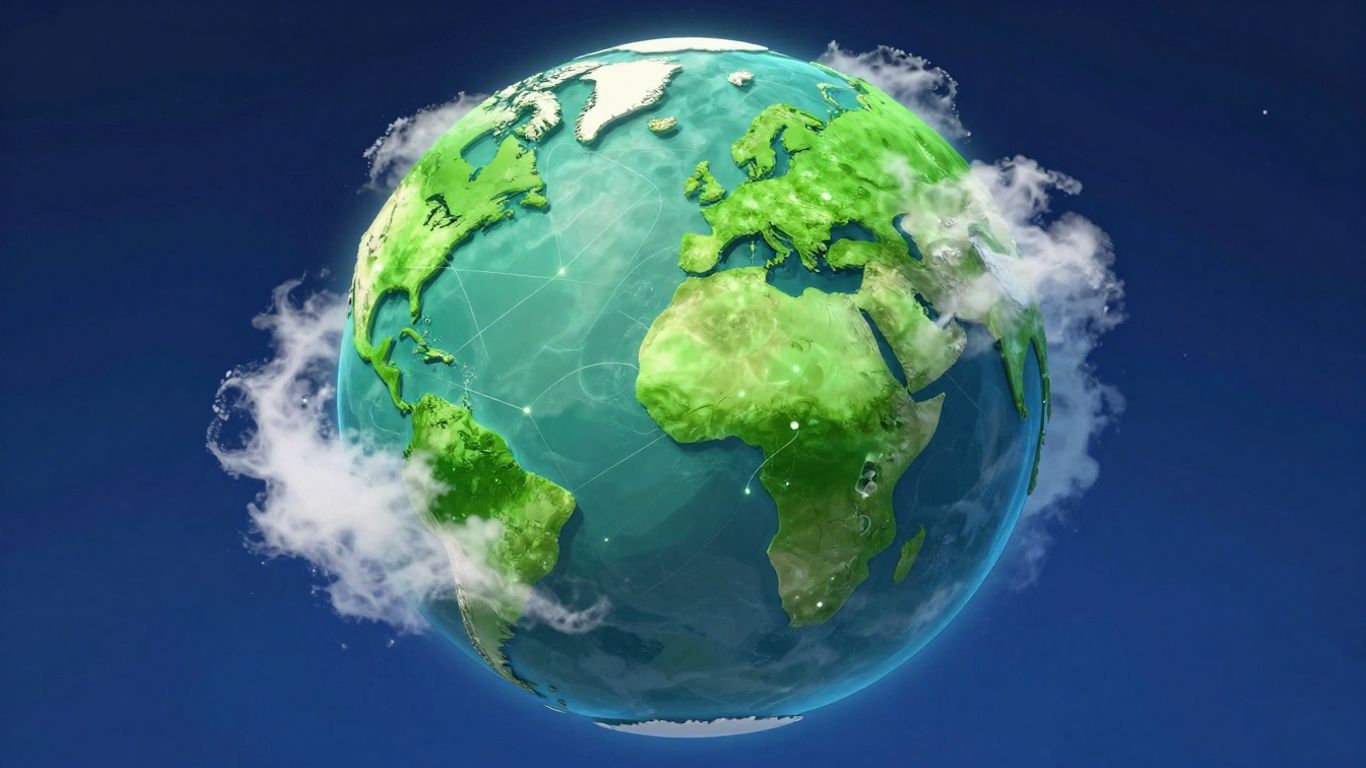
So, we hear "carbon neutral" a lot, right? It sounds good, like we're fixing things. But sometimes, it gets mixed up with other phrases, and that can be confusing. Let's clear up some of the common terms so we know exactly what we're talking about.
Carbon Neutral vs. Carbon Negative
Think of it like this: carbon neutral means balancing things out. You put out some emissions, and then you take an equal amount out or offset it. It's like a scale that ends up level. Carbon negative, though, that's a step beyond. It means you're actually removing more carbon from the atmosphere than you're putting into it. So, you're not just balancing; you're actively cleaning the air. It's a more ambitious goal, really.
Carbon Neutral vs. Net Zero Emissions
This is where it gets a bit more detailed. Carbon neutrality often focuses specifically on carbon dioxide (CO₂). Net zero, on the other hand, is broader. It looks at all greenhouse gases – like methane and nitrous oxide, not just CO₂. The goal with net zero is to reduce emissions as much as humanly possible across the board, and then whatever tiny bit is left, you offset or remove. Net zero is about getting as close to zero emissions as you can across all gases, while carbon neutral is about balancing out the CO₂ you do emit.
Here's a quick breakdown:
- Carbon Neutrality: Balances CO₂ emissions. You emit, you offset. Net impact on CO₂ is zero.
- Net Zero Emissions: Aims to reduce all greenhouse gas emissions drastically, then offsets any remaining minimal emissions. The overall impact on all GHGs is zero.
While carbon neutrality is a really important step, especially for businesses starting out, net zero is the bigger, more comprehensive target that scientists say we need to hit to really tackle climate change effectively.
The Nuances of Carbon Positive
This term is less common, and honestly, a bit of a misnomer if you're thinking about positive environmental outcomes. Being carbon positive actually means you're emitting more greenhouse gases than you're removing or offsetting. So, instead of balancing or cleaning up, you're contributing to the problem. It's the opposite of what we're trying to achieve. Some heavy industries might find themselves in this category if they aren't actively working to reduce their footprint.
Achieving Carbon Neutrality: Key Strategies and Actions
Reaching carbon neutrality isn’t as simple as flipping a switch. It’s a process made up of a handful of practical actions and big shifts in how we use and manage resources. Here’s what that looks like in 2026:
Reducing Emissions at the Source
Cutting emissions right at the source is always the first, most effective step toward carbon neutrality. In practice, this means companies and organizations start by identifying where their emissions are coming from. Here are the main tactics:
- Upgrading to more energy-efficient equipment and infrastructure
- Switching to electric vehicles for logistics or company fleets
- Streamlining supply chains to reduce transportation needs
- Improving industrial processes to curb fuel and material waste
A lot of this connects with smarter energy use. Reducing reliance on fossil fuels—or replacing them altogether—makes a bigger dent than anything you try after the fact. Many companies refer to the basics of decarbonization strategies for their starting blueprint.
The Role of Carbon Offsetting Projects
Once emission cuts are made, there will always be some leftovers—things that can’t be eliminated right away. That’s where carbon offsetting steps in. Offsetting is about funding projects that pull greenhouse gases out of the atmosphere or prevent new ones from being released. Common options include:
- Reforestation and forest management projects
- Methane capture at landfills
- Investments in verified renewable energy somewhere else (like wind or solar)
The key is choosing offset projects that are high-quality and independently verified, so the impact is real and not just on paper. Offset purchases should never be an excuse to stop working on actual emission reductions.
Investing in Renewable Energy and Sustainable Technologies
A really meaningful move toward carbon neutrality is to put money into renewable energy and related tech. This isn’t just about switching to solar panels—though that helps. It means looking at energy sources (like wind, hydro, or geothermal), but also energy storage, smart grids, and efficient appliances. Companies and cities make lasting change when they:
- Sign long-term contracts for renewable electricity (power purchase agreements)
- Support solar and wind projects, either on their property or through shared investments
- Retrofit existing buildings for lower energy use
- Champion clean tech like electric vehicle charging stations and networked thermostats
Committing to these changes can feel daunting at first, but breaking it down into steady steps—reducing emissions, supporting credible offsets, and backing renewable projects—starts to build real progress. It’s not a perfect process; it’s about making better choices year after year.
The Impact and Importance of Carbon Neutrality

So, why all the fuss about being carbon neutral? It's more than just a buzzword; it's a pretty big deal for our planet and for how businesses operate. Think of it as a way to hit the reset button on our carbon footprint. When we talk about carbon neutrality, we're really aiming to balance out the greenhouse gases we put into the atmosphere with the amount we take out. This isn't just about feeling good; it's a concrete step towards tackling climate change.
Mitigating Global Warming Effects
The most significant impact of striving for carbon neutrality is its role in slowing down global warming. We've all seen the news about rising temperatures and weird weather patterns. These are directly linked to the excess greenhouse gases we've been pumping out for decades. By aiming for carbon neutrality, we're trying to stop adding to that problem. It means less CO2 and other harmful gases hanging around in the atmosphere, which helps stabilize our climate. It's like trying to stop a bathtub from overflowing – you either turn down the tap or start bailing water out, or ideally, do both.
- Reducing extreme weather: Less warming means fewer intense heatwaves, storms, and floods.
- Protecting ecosystems: Stable temperatures help protect vulnerable environments like coral reefs and polar ice caps.
- Preserving biodiversity: Many species struggle to adapt to rapid climate shifts; slowing warming gives them a better chance.
Achieving carbon neutrality is a critical step in preventing the most catastrophic outcomes of climate change. It's about creating a more stable future for everyone.
Enhancing Corporate Reputation and Compliance
Beyond the environmental benefits, becoming carbon neutral has some serious upsides for companies. In today's world, consumers and investors are paying much closer attention to a company's environmental record. Being carbon neutral can really boost a company's image. It shows they're responsible and forward-thinking. Plus, governments are increasingly putting rules in place about emissions. Getting ahead of these regulations by becoming carbon neutral can save a lot of headaches and potential fines down the line. It's a way to show you're playing by the new rules of business.
Carbon Neutrality as a Stepping Stone
While carbon neutrality is a fantastic goal, it's often seen as a milestone on a longer journey. For many, it's the first major step towards even more ambitious targets, like achieving net-zero emissions. It forces organizations to really look at where their emissions are coming from and to start making changes. This might involve switching to renewable energy sources, improving energy efficiency, or rethinking supply chains. Carbon neutrality gets the ball rolling, encouraging innovation and a deeper commitment to sustainability that can eventually lead to a truly low-carbon economy.
Challenges and Criticisms of Carbon Neutrality
Concerns About Greenwashing
One of the biggest sticking points with carbon neutrality is how it sometimes gets used as a shortcut for actual climate progress. Some companies slap on the carbon-neutral label after buying a bunch of offsets, but nothing much changes in their everyday business. This is called greenwashing—it's basically pretending to be more eco-friendly than you really are. This can happen when:
- Companies rely mainly on easily purchased carbon credits instead of reducing their own emissions
- Offset projects don’t genuinely capture or reduce emissions as promised
- Environmental claims are made without any independent verification or clear transparency
It’s easy for businesses to market themselves as climate leaders, but if there’s no real action behind the scenes, progress stalls and public trust erodes.
Effectiveness of Carbon Offset Projects
Not all carbon offset projects are created the same. Sometimes these projects might look great on paper but fail in practice. Here’s a quick table showing a few common concerns:
Offsets are supposed to make up for pollution, but if the underlying projects don’t really pull carbon out of the air, they’re just a band-aid. Critics say a lot of these projects don’t create real change—they’re just a line item on a balance sheet.
The Need for Genuine Emission Reductions
Offsetting alone doesn’t cut it. The main frustration is that carbon neutrality doesn’t always require significant cuts to actual emissions—just balancing things out on paper. This can lead to:
- Businesses sticking with old, polluting habits
- Delays in adopting new, cleaner technologies
- A false sense of progress, which slows down larger climate goals
The real solution has to come from lowering emissions from the start, not just making up for them after the fact. Otherwise, the promise of a carbon-neutral future stays more talk than action.
The Future of Carbon Neutrality in 2026
Global Commitments and Targets
As we move through 2026, the global push for carbon neutrality is really picking up steam. It's not just a buzzword anymore; it's becoming a core part of how countries and big companies operate. Many nations have set ambitious goals, aiming to balance their carbon emissions by mid-century. This means a lot of pressure on industries to change how they do things. We're seeing more governments putting policies in place to encourage this shift, like offering incentives for green tech or setting stricter emission standards. It's a complex puzzle, but the commitment is definitely there.
The Progression Towards Net Zero
While carbon neutrality is a big step, the real focus is increasingly shifting towards net zero. Think of carbon neutrality as hitting a balance point, while net zero means getting emissions as close to zero as humanly possible before any balancing happens. By 2026, many organizations are realizing that just offsetting emissions isn't enough. They need to fundamentally change their operations. This involves deep cuts in emissions across the board – from how we power our homes and transport ourselves to how we grow our food. It's a much tougher challenge, but it's seen as the only way to truly tackle climate change in the long run. The goal is to make sure that any remaining emissions are captured or removed from the atmosphere.
The Evolving Landscape of Sustainability
The way we think about sustainability is changing fast. In 2026, it's less about just ticking boxes and more about genuine, measurable impact. Companies are under more scrutiny than ever to prove their carbon neutrality claims aren't just for show. This means more transparency about where their emissions come from and how they're reducing them. We're also seeing a rise in innovative solutions, like advanced carbon capture technologies and more efficient renewable energy sources. Being part of a community that supports these efforts can make a big difference, helping you grow your career in sustainability and tackle challenges collaboratively. The landscape is dynamic, with new technologies and strategies emerging constantly, pushing us all towards a more sustainable future.
The drive towards carbon neutrality and net zero is reshaping economies and societies. It requires a collective effort, pushing innovation and demanding accountability from all sectors. By 2026, the expectation is for tangible progress, not just promises.
Here's a look at how different sectors are adapting:
- Energy: Increased investment in solar, wind, and other renewables. Phasing out coal and reducing reliance on fossil fuels.
- Transportation: Growth in electric vehicles (EVs), improved public transport, and exploration of sustainable aviation fuels.
- Industry: Implementing energy efficiency measures, adopting circular economy principles, and exploring green hydrogen.
- Agriculture: Promoting sustainable farming practices, reducing methane emissions, and improving land management.
This shift isn't without its hurdles, but the momentum is undeniable. The focus in 2026 is on making these commitments a reality, moving beyond pledges to concrete actions that will shape our planet for decades to come. It's about building a future where economic growth and environmental health go hand-in-hand, and you can find resources to help accelerate your impact in this area through organizations like Breathe Zero.
Looking ahead to 2026, reaching carbon neutrality is more important than ever. Everyone can help by making small changes today. If you want to learn how your business can make a real difference, visit our website to find the right Breathe ESG plan for you. Take the first step toward a cleaner future with us.
Moving Forward: Beyond Carbon Neutrality
So, we've talked a lot about what carbon neutral really means. It's a big step, for sure, balancing out the carbon we put into the air. But as we look ahead to 2026 and beyond, it's clear that just being carbon neutral isn't the whole story. Many experts and even countries are aiming for 'net zero,' which is a bit more involved. It means cutting down on emissions as much as humanly possible before we even think about offsetting what's left. It’s about making real changes, not just balancing the books. While carbon neutrality is a good start, the real goal is to get our emissions down to practically nothing. This journey requires everyone – businesses, governments, and us individuals – to keep pushing for cleaner ways of doing things. It's a challenge, no doubt, but it's the path we need to take for a healthier planet.
Frequently Asked Questions
What exactly does it mean for something to be 'carbon neutral'?
Being carbon neutral means that the amount of carbon dioxide and other greenhouse gases released into the air is balanced out by an equal amount being taken out or offset. Think of it like a scale: if you add something to one side, you need to remove the same amount from the other to keep it balanced. So, even if some emissions are still happening, they are matched by actions like planting trees or using clean energy to cancel them out.
How is being carbon neutral different from being 'net zero'?
While both terms aim to reduce climate impact, 'net zero' is a more ambitious goal. Carbon neutrality focuses on balancing carbon dioxide emissions, often through offsets. Net zero, however, means reducing ALL greenhouse gas emissions as much as possible across the board and then balancing out any tiny amount that's left. It's about getting emissions as close to zero as you can, not just balancing them.
What are some ways companies can become carbon neutral?
Companies can become carbon neutral in a few main ways. First, they can cut down on the emissions they create in the first place by using less energy, switching to renewable sources like solar or wind power, or making their processes more efficient. Second, they can balance out the emissions they can't avoid by investing in projects that remove carbon from the atmosphere, like planting forests, or by buying carbon credits.
Why is achieving carbon neutrality important for the planet?
Achieving carbon neutrality is super important because it helps slow down global warming. Greenhouse gases trap heat in the atmosphere, leading to rising temperatures and more extreme weather. By balancing these emissions, we prevent them from building up further, which helps protect our planet from the worst effects of climate change.
Are there any downsides or criticisms of the idea of carbon neutrality?
Yes, there are some concerns. One big worry is 'greenwashing,' where companies might claim to be carbon neutral without making real changes, perhaps by relying too much on offsets that aren't very effective. Also, some critics argue that focusing too much on offsets can distract from the more crucial task of actually reducing emissions at their source.
What role do carbon offsets play in reaching carbon neutrality?
Carbon offsets are a key tool for achieving carbon neutrality, especially for emissions that are hard to eliminate completely. These offsets represent a reduction or removal of greenhouse gases elsewhere, like in a forest conservation project or a renewable energy initiative. By purchasing these offsets, a company can effectively 'cancel out' its own emissions, helping it reach that balanced, carbon-neutral state.