
What does carbon negative mean? A guide to environmental impact

Key Takeaways
Transitioning to a climate-positive model necessitates going beyond simple balance to actively reduce atmospheric greenhouse gases. This approach requires systemic changes and ongoing verification of ecological impact.
- Achieving a carbon-negative status means removing more CO2 than an organization emits.
- The distinction between neutral, positive, and negative models relies on verifiable carbon accounting.
- Nature-based solutions offer significant sequestration potential when managed through verified agricultural practices.
- Internal reductions, such as energy efficiency, are required as the first step before scaling removal technology.
- Strategic carbon accounting helps organizations align with global regulatory standards while attracting sustainable capital.
Clarifying the terminology of carbon emissions
Difference between carbon neutral and carbon negative
The term carbon neutral generally refers to balancing the amount of carbon dioxide released into the atmosphere with an equal amount of carbon sequestered elsewhere. In contrast, carbon negative describes an organizational process that goes a step further by removing more greenhouse gases from the atmosphere than it contributes. While neutrality is a state of equilibrium, negativity implies a transformative state where total emissions are lower than the removal efforts performed. Organizations often work toward this ambitious goal to ensure they are actively contributing to environmental stabilization rather than simply minimizing their existing footprint.
Understanding carbon positive versus carbon negative
Professionals in the field often evaluate different sustainability strategies to distinguish between positive and negative frameworks. Being carbon positive describes an operation that results in a net improvement to atmospheric carbon levels, frequently by reducing overall CO2 levels through large-scale restoration efforts. Although the language used in climate discourse can feel interchangeable, the core mechanism remains the same: extracting more carbon than is emitted through operations. These efforts are part of a broader shift where entities seek not only to stop the harm caused by emissions but to reverse those historical trends.
The role of gross versus net emissions
Accounting for total carbon output requires a careful look at both individual processes and cumulative impacts. Gross emissions track the total volume of CO2e released through all scopes of business activity without considering external offsets. Net emissions provide the actual balance, factoring in the volume removed through various sequestration initiatives. This accounting methodology is essential for businesses that intend to claim a carbon-negative status truthfully, as it eliminates the possibility of double-counting impact or misrepresenting the actual volume of atmospheric reduction being achieved.
Common misconceptions about carbon footprints
Many people incorrectly assume that purchasing any carbon offset is equal to neutralizing an entire business operation. In reality, the quality of these offsets varies significantly, and reliance on low-grade projects often leads to inaccurate sustainability claims. A robust internal strategy must integrate direct emission reductions at the source before relying on external markets. Achieving a low carbon footprint is not a static milestone; it is a dynamic process where technologies and methodologies must constantly evolve to meet the reality of changing climate needs.
The mechanics of becoming carbon negative
Reducing internal energy consumption and demand
The path to carbon negativity always starts by auditing your energy consumption to eliminate unnecessary waste across all departments. By prioritizing efficiency, organizations can shrink their baseline footprint before relying on external technological solutions. Tools like Breathe ESG help managers visualize energy performance to guide these crucial reductions.
Transitioning to renewable energy sources
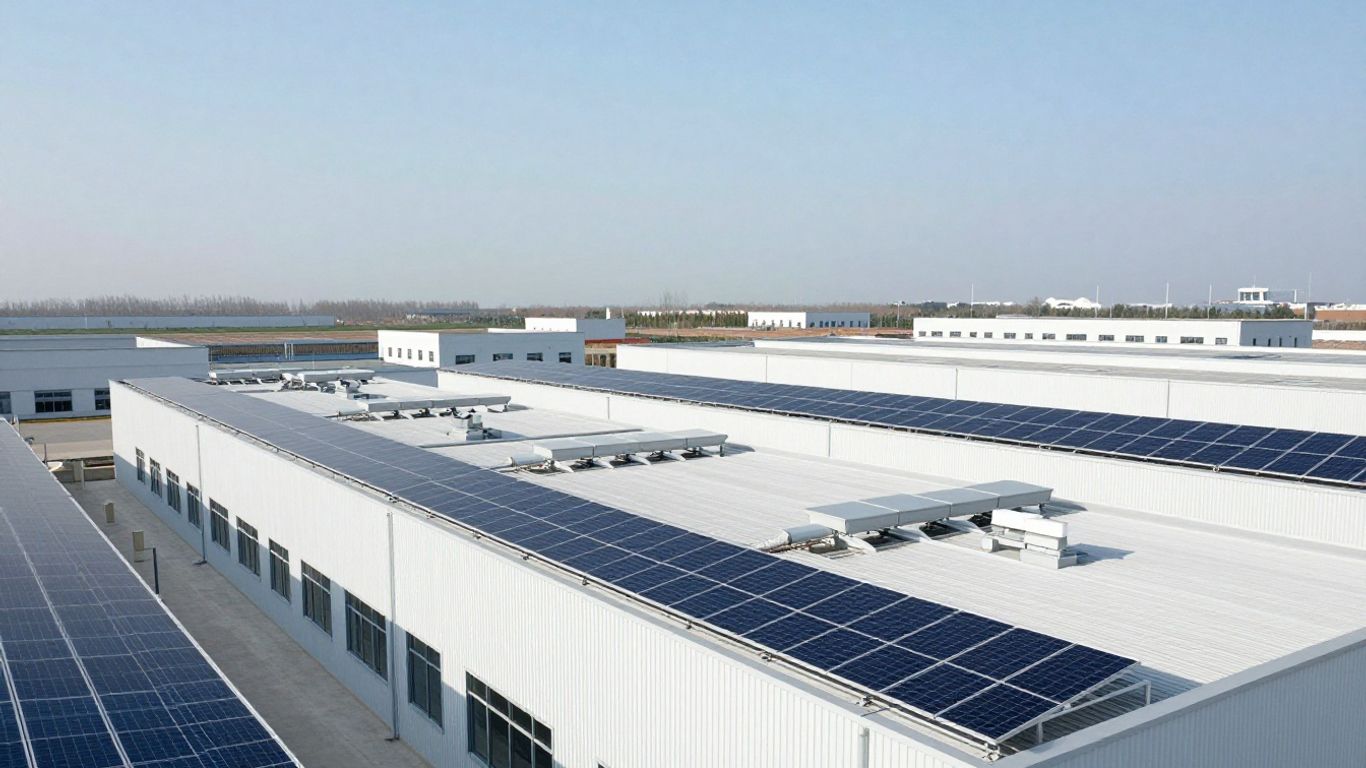
Powering operations with electricity generated from wind, solar, or hydroelectric sources is a necessary step to slash Scope 2 emissions. This transition removes the reliance on fossil-fuel-integrated grids. Many businesses currently find that renewable energy integration is essential for maintaining operational sustainability and lowering their long-term reliance on traditional carbon-heavy fuels.
Investing in direct carbon removal technologies
Emerging technologies offer the ability to extract CO2 directly from the air and store it safely for long periods. Unlike traditional avoidance projects, these capture technologies serve as a permanent solution to atmospheric saturation. Organizations that invest in these systems take a definitive step toward negative status by physically reversing their carbon legacy.
Implementing carbon capture and storage (CCS) infrastructure
Large-scale industrial sites often deploy CCS to prevent carbon from entering the air at the source of combustion. This infrastructure needs to be handled with extreme care to ensure that sequestered gases do not leak back into the environment over time. By incorporating these systems, industrial entities can align their operational efficiency with long-term climate goals.
Strategies for carbon sequestration and offsets

Nature-based solutions through reforestation and afforestation
Restoring forests and expanding canopy coverage remains a primary method for removing atmospheric carbon via biological absorption. Successful projects often focus on native species to ensure ecological stability and high growth rates that maximize carbon uptake over several decades. Understanding these natural cycles is critical to maintaining a healthy balance.
Soil carbon sequestration practices in agriculture
Healthy soil acts as an incredible carbon sink, and modern agricultural practices aim to enhance this function through cover cropping and reduced tillage. When implemented correctly, these methods turn traditional farming land into an active player in climate mitigation. The following table illustrates the potential of different land-based sequestration techniques:
Technology-based carbon sequestration methods
When biological methods are insufficient, technological solutions provide the precision required for higher-volume sequestration. Utilizing advanced mineral carbonation or specialized direct air capture sites ensures that captured carbon is converted into stable, solid forms. These industrial approaches provide the necessary scale to achieve massive offsets.
Verifying the quality and permanence of carbon offsets
To ensure every carbon-negative claim is backed by data, companies must utilize rigorous verification standards for all project investments. Without clear evidence of additionality and permanence, offsets risk becoming ineffective greenwashing tactics. The following considerations are necessary for high-quality, verifiable accounting practice:
- Audit the project developer's track record for environmental compliance.
- Confirm that the sequestration method is independently certified.
- Monitor the project for long-term physical durability of stored carbon.
- Ensure the baseline methodology accounts for regional climate variability.
Challenges organizations face in achieving a negative balance
Financial costs of transition and sustainable infrastructure
Moving toward a negative carbon balance requires significant upfront capital for hardware and monitoring software. For most organizations, this means reallocating budgets to support long-term environmental targets instead of immediate profit returns. Balancing these costs without compromising the bottom line remains a significant obstacle for many industry leaders.
Technical limitations of current carbon removal technologies
While progress is rapid, we still lack the planetary-scale deployment of removal technologies required to erase current global emission levels. Many high-efficiency systems are still in the prototype phase or are too energy-intensive to be considered truly net-positive at current scales. Bridging this gap from conceptual design to widespread industrial deployment is arguably the largest technical hurdle for the decade ahead.
Measuring and reporting Scope 3 emissions accurately
Scope 3 emissions, which encompass the entire supply chain, are notoriously difficult to track across multinational operations. Data gaps between suppliers and end-users often lead to massive reporting errors that undermine environmental transparency. Robust tracking systems are required to ensure that companies account for every indirect emission that occurs throughout their network.
Navigating complex global regulatory and ESG frameworks
Governments worldwide are introducing strict reporting mandates, creating a fragmented landscape of compliance requirements. Navigating these ESG frameworks is resource-heavy, as regulations change frequently to keep pace with scientific consensus. Companies often face the risk of being penalized if their disclosure practices fail to meet evolving international standards.
The business and consumer benefits of carbon negativity
Strengthening brand reputation and consumer loyalty
Consumers are increasingly vocal in their preference for services that demonstrate genuine environmental responsibility. A transparent, verified journey toward carbon negativity fosters deep trust and differentiates a brand in a crowded market. When the focus is on tangible impact rather than superficial marketing, loyalty improves significantly.
Improving long-term operational efficiency through sustainability
Sustainability and efficiency are natural allies in a circular economy model. Improving energy performance using platforms like Breathe Zero reduces costs while simultaneously lowering an operation's carbon intensity. This optimization is rarely just an environmental benefit; it is a fundamental improvement to the business model itself.
Regulatory advantages and future-proofing against climate policies
Early adopters of negative-carbon strategies gain a massive competitive advantage as climate taxes and emission limits become commonplace. By anticipating future policy demands, organizations avoid the scramble of last-minute compliance. This foresight keeps resources focused on growth rather than on late-stage legal or regulatory penalties.
Attracting ESG-focused investors and sustainable capital
Investors now screen portfolios for rigorous environmental performance metrics before committing long-term funding. A clear, scientifically validated plan for achieving carbon negativity signals strong governance and lower long-term risk. This effectively opens access to a wider pool of capital and often leads to lower financing costs for verified sustainable projects.
Conclusion
Moving toward a carbon-negative future requires balancing the grit of hard internal reductions with the precision of advanced sequestration technologies. While the path presents significant financial and technical obstacles, the long-term benefits of brand loyalty, regulatory resilience, and investor favor make it a vital pursuit for any forward-thinking organization. By prioritizing verified accounting and constant operational improvement, companies can go beyond neutralizing their impact to actively reversing their contribution to climate change.
Frequently Asked Questions
Can any organization become carbon negative?
Yes, any organization can theoretically achieve carbon negativity, though the difficulty depends entirely on the industry, current baseline emissions, and the capital available to invest in removal and sequestration technologies.
Is it possible to achieve this without carbon offsets?
While internal reductions are sufficient for some businesses to reach net-zero, reaching a truly negative balance almost always necessitates the use of external sequestration or large-scale technological removal projects to exceed the total emissions count.
Why is carbon negativity better than carbon neutrality?
Carbon neutrality represents a stabilization, whereas carbon negativity indicates a net reduction in atmospheric carbon, which is necessary to reverse current warming trends and support broader global climate objectives.
How is scientific progress impacting removal costs?
Technological advancements are steadily driving down the price of direct air capture and other removal methods, eventually making it cheaper for companies to integrate these solutions directly into their standard operational budgets.
Does carbon negative apply to individuals as well?
Individuals can certainly aspire to be carbon negative through lifestyle changes, but the scale of personal emissions is usually small enough that individual efforts are often focused on reduction rather than large-scale industrial removal projects.
What are the main risks of relying on offsets?
Reliance on low-quality offsets can lead to ineffective climate action and reputational damage if the projects underperform or struggle to prove their permanence, which is why verification is absolutely critical for trust.
Can technology completely replace nature-based solutions?
No, nature-based solutions like reforestation offer critical biodiversity and ecological health benefits that technological capture methods simply cannot replicate, making a combination of both the most sustainable approach today.