
Watershed CEO Christian Anderson on Building Climate Solutions
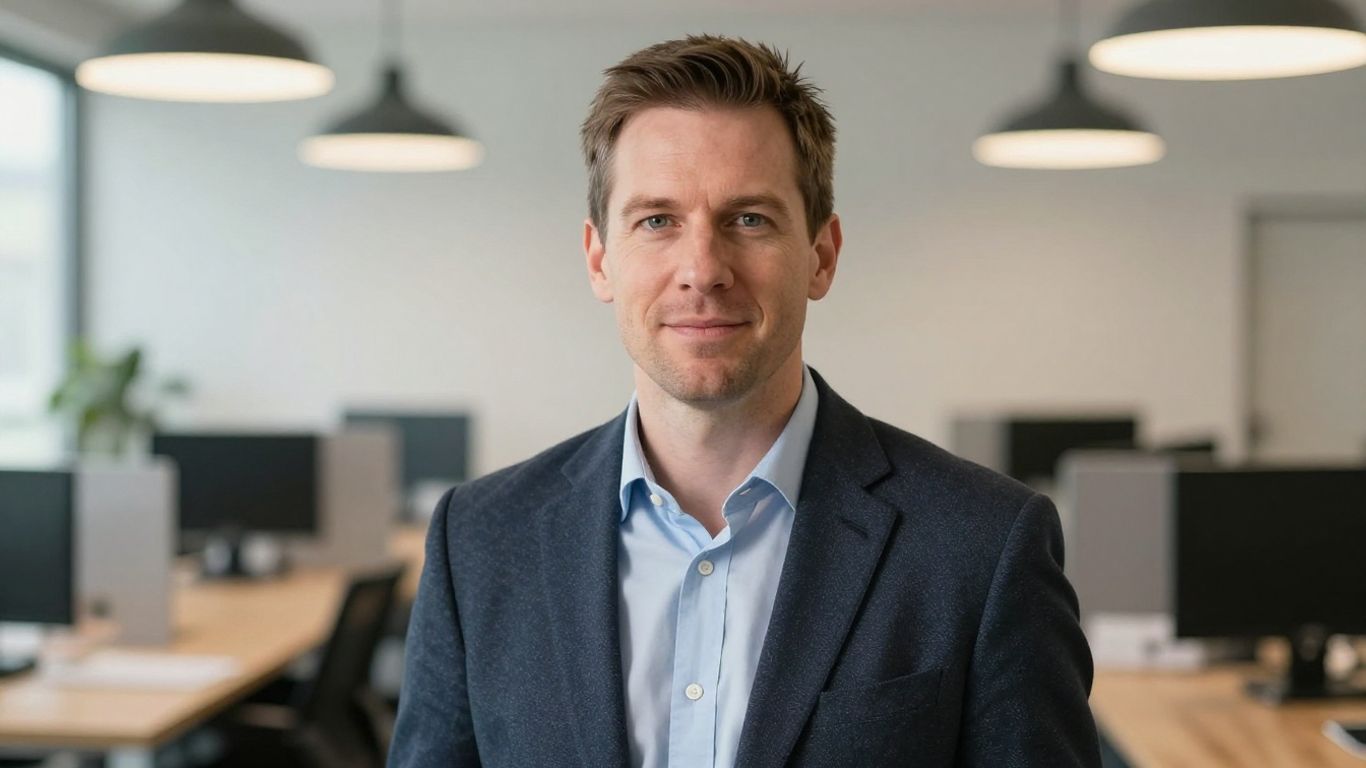
It's not every day someone decides to build a company focused on climate software. But that's exactly what Christian Anderson and his co-founders did. After working together at Stripe, they saw a chance to make a real difference. The world was starting to pay more attention to climate change, especially after a big report came out. They figured, why not use technology to help big companies tackle this problem? And that's how Watershed was born, aiming to make climate action a core part of how businesses operate.
Key Takeaways
- Watershed started because the founders saw a need for better tools to help large companies address climate change, especially after a key scientific report highlighted the urgency.
- The company's main goal is to speed up climate work for big businesses by giving them the software and data they need to make smart decisions.
- Christian Anderson notes that businesses are moving past denial and are more open to climate action, but the challenge is now addressing 'climate doomerism' with practical, short-term solutions.
- Watershed sees climate action not just as an environmental issue, but as an economic and industrial opportunity, especially as clean technologies become more affordable and effective.
- The company's platform helps businesses measure their emissions and find solutions, with a marketplace for vetted carbon credits and removal technologies, aiming to integrate climate into core business strategy.
The Genesis Of A Climate Software Company
From Stripe To Sustainability: The Watershed Origin Story
It’s not every day someone decides to build a company focused on climate software. Christian Anderson, along with co-founders Abby and Taylor, were working together at Stripe when the idea for Watershed started to take shape. It was late 2018, early 2019, and the world was paying attention to the latest report from the International Panel on Climate Change (IPCC). This report laid out some pretty stark realities about the planet's future and the urgent need for action.
Responding To The IPCC's Urgent Call
The IPCC's findings were a wake-up call. For those in the tech world, especially in places like San Francisco, the path to tackling climate change from a software and data perspective felt like a wide-open, albeit challenging, frontier. The founders saw that the actual technology needed to reduce emissions was getting better and more accessible. The big question now was how to get these solutions deployed, particularly by the large companies that have a huge impact on the economy. Watershed was born from the observation that we were at a critical point where the hard technology for climate solutions was ready, and the focus needed to shift to widespread adoption.
The Founders' Vision For Climate Action
Their vision was clear: to help companies measure their carbon footprint, make meaningful reductions, and then report on that progress. It sounds straightforward, but the complexity lies in the execution for large, global businesses. They wanted to redirect the significant financial resources companies were spending on less sustainable options towards cleaner technologies. The goal wasn't just to help one company go green, but to create a ripple effect, supporting dozens of companies across various sectors like cement, agriculture, and transportation. They believed that by providing the right tools and data, they could act as a significant leverage point for broader climate transformation. The initial pitch deck, drafted in Anderson's living room, focused on this core mission: "Powering Carbon Reductions for _____." They just needed to find those thousands of companies to fill in the blank.
Watershed's Approach To Climate Solutions
Accelerating Climate Work For Large Enterprises
Watershed's main goal is to speed things up for big companies when it comes to climate action. These companies are super important because their choices really shape the economy and how we deal with climate change. The problem is, many of them know they should be doing more for the climate, and that it can even be good for business, but they're kind of lost when it comes to the actual data. They don't know where to start or what actions will make the biggest difference. That's where Watershed steps in. We provide software and data tools designed to give these companies the actionable information they need to guide their climate efforts effectively.
Bridging The Data Gap For Climate Initiatives
Think of it like this: a company wants to reduce its carbon footprint, but they're staring at a mountain of confusing numbers. They might know that animal-based materials in clothing or using a lot of 'clinker' in cement production are big sources of emissions, or that switching to biofuels for planes is a good idea. But how much exactly? And what's the best way to tackle it for their specific business? Watershed helps bridge that gap. We collect and organize data so that teams within these companies can see clearly what their emissions look like and where the biggest opportunities for improvement are. This clarity is key to moving from just talking about climate goals to actually achieving them.
Empowering Actionable Data For Climate Progress
We focus on giving businesses data that they can actually use to make decisions, not just reports that sit on a shelf. This means breaking down complex climate challenges into manageable steps. For example, we help companies understand:
- The specific emissions tied to different parts of their supply chain.
- The potential impact of switching to lower-carbon materials or energy sources.
- The progress they're making towards their climate targets over time.
It's about making climate action practical. Instead of feeling overwhelmed by the sheer scale of the problem, businesses can focus on concrete steps they can take right now that will move the needle. This practical approach helps combat the feeling of 'climate doomerism' and shows that real progress is possible, even within existing business structures.
Christian Anderson On The Evolving Climate Landscape
Moving Beyond Climate Denialism In Business
It feels like we're finally past the point where businesses can just ignore climate change. Christian Anderson notes that the business world, at least, seems to have moved beyond outright denial. That's a big step, right? But with that awareness comes a new set of challenges. It's not enough to just acknowledge the problem; we need to figure out what to actually do about it. The focus is shifting from
Driving Corporate Climate Transformation

Climate Action As An Economic And Industrial Endeavor
It's pretty clear now that thinking about climate change just as an environmental issue isn't cutting it anymore. The conversation has really shifted. Now, it's becoming more about economics, industry, and good old-fashioned capitalism. We need to build a lot of new things, and the good news is that the technology to do it is getting cheaper and better all the time. Think about it: clean tech from ten years ago is often more expensive and less effective than what we have readily available today. This makes it way easier for even the most profit-driven companies to see the sense in prioritizing climate action. It's not just about being green; it's about smart business.
Leveraging Technological Advancements For Decarbonization
We're seeing some really exciting progress in areas like cement and steel production, which have historically been tough nuts to crack when it comes to reducing emissions. Now, we're on the verge of having commercially viable, low-carbon options for these industries. It's not just about big industrial processes, either. Think about biological approaches to carbon removal, like growing biomass or creating durable polymers from captured carbon. Then there's direct air capture, which pulls CO2 right out of the atmosphere and stores it permanently. These aren't just theoretical ideas anymore; they're becoming practical solutions.
The Role Of Private Sector Efficiency In Climate Solutions
The private sector has a unique ability to drive change quickly. Unlike government bodies that can get bogged down in consensus-building, businesses can be nimble and efficient. When we can harness that power and direct it toward climate solutions, that's where real progress happens. It's about redirecting the massive amounts of capital companies currently spend on less sustainable options toward clean technologies. This creates demand for innovation across many sectors – from agriculture and transportation to energy. It's a powerful feedback loop: as more companies get involved and prove the concept, it becomes easier for the next one to jump in.
The real shift is moving from seeing climate action as just a conservation effort to viewing it as a massive economic and industrial opportunity. We have to build a lot of new infrastructure and technologies, and thankfully, the cost of clean solutions has dropped significantly, making them competitive with older, dirtier methods. This economic reality is making it increasingly difficult for businesses to ignore climate change.
Here's a look at how different sectors are starting to tackle emissions:
- Manufacturing: Developing lower-clinker cement and exploring alternative binding agents.
- Transportation: Increasing adoption of electric vehicles and investing in sustainable aviation fuels.
- Energy: Expanding renewable energy sources like solar and wind, and improving grid efficiency.
- Agriculture: Implementing practices that reduce methane emissions and enhance soil carbon sequestration.
Building The Foundation For Climate Innovation
The Tipping Point For Climate Technology Deployment
It feels like we're finally hitting a point where the technology needed to tackle climate change isn't just theoretical anymore. For years, we talked about needing solutions for things like cement and steel, industries that are notoriously tough to decarbonize. Now, we're seeing commercially viable options emerge. It’s not just about having ideas; it’s about having practical tools that businesses can actually use right now. This shift is huge because it moves climate action from a distant goal to an immediate possibility. We're seeing advancements in areas like direct air capture, which pulls CO2 straight from the atmosphere, and biological approaches that use things like biomass for long-term carbon storage. These aren't science fiction anymore; they're becoming part of the climate toolkit. The real work begins when these technologies are ready for widespread adoption.
Securing Clean Energy Partnerships
Getting clean energy solutions into the hands of big companies requires more than just good tech. You need solid partnerships. Think about it: a company wants to switch to renewable energy, but they don't have the expertise to find and vet suppliers. That's where platforms like Watershed come in, helping to bridge that gap. We're talking about connecting businesses with vetted providers of carbon credits and removal technologies. It's about making sure that when a company invests in climate solutions, they're getting real, measurable impact. This involves a lot of groundwork, like establishing trust and clear agreements with clean energy providers. It's a complex process, but necessary for scaling up climate efforts. We're seeing a lot of innovation in how to make these connections smoother, which is great news for accelerating climate work.
From Living Room To Series A: Scaling Watershed
It’s funny how big ideas can start in small spaces. The founders of Watershed, like many entrepreneurs, kicked around their initial concepts in pretty humble settings. They spent weeks brainstorming, sketching out ideas on whiteboards, and really digging into what could make a difference. They looked at everything from media companies focused on climate to personal emissions trackers. The goal was always ambitious: to build something that could contribute significantly to global decarbonization efforts. They evaluated each idea based on its potential impact and its ability to scale without relying on massive societal shifts. Ultimately, they realized that directing the immense spending power of corporations towards renewable energy was the most effective path. This led them from those early living room sessions to securing significant funding, like a Series A round, allowing them to grow and build out the platform that helps companies manage their climate impact.
The Watershed Marketplace And Its Impact
Accessing Vetted Carbon Credits And Removal Technologies
So, the Watershed Marketplace. It's basically a place where companies can go to find and buy things that help them reduce their carbon footprint. Think of it like a curated shop for climate action. We're talking about carbon credits, which are like certificates representing a reduction or removal of greenhouse gases. But it's not just any credits; Watershed works to make sure they're legitimate and actually do what they say they will. It's about cutting through the noise and finding the stuff that really makes a difference.
Overcoming Challenges In Clean Energy Procurement
Getting clean energy deals done can be a real headache, especially for a newer company. Christian Anderson himself remembers calling pretty much every major clean power developer in the US when Watershed was just starting out. Most of them weren't interested in a small tech startup. It took a lot of persistence, like over 15 calls with one solar company, Sol Systems, before they finally said yes. That first partnership was a huge moment, proving that even smaller players could get a seat at the table. It showed that the big, complex energy industry could work with innovative companies.
Establishing Key Partnerships For Market Growth
Building out the Marketplace wasn't just about finding suppliers; it was about building trust and showing the value of what Watershed was doing. A significant step was partnering with Frontier, an organization focused on speeding up the development of carbon removal technologies. This collaboration opened doors for Watershed customers to invest in these critical, long-term solutions. It meant companies of all sizes could get involved in the most promising carbon removal methods, which is pretty vital for hitting those big climate goals. It's all about creating a network where companies can find reliable ways to act on climate.
The Marketplace is designed to simplify a really complicated process. Instead of companies spending ages trying to find and vet different climate solutions on their own, Watershed brings a selection of trusted options directly to them. This saves time and resources, allowing businesses to focus more on implementing the solutions and less on the search.
Integrating Climate Into Core Business Strategy

Demonstrating the Business Case for Climate Action
It's not just about being green anymore; it's about smart business. Companies are starting to see that tackling climate change isn't some separate, feel-good initiative. It's becoming a core part of how they operate and make money. Think about it: reducing energy use saves cash, and innovating with cleaner products can open up new markets. The real shift is viewing climate action as an economic and industrial opportunity, not just a cost.
Prioritizing Climate as a Business Imperative
So, how do you actually make climate a priority? It starts with getting clear data. Businesses need to know where their emissions are coming from, plain and simple. Without that information, it's like trying to fix a leaky roof in the dark. Watershed helps by providing software and data tools that give teams the actionable insights they need. This isn't about abstract goals; it's about concrete steps you can take this year to make a difference.
- Measure your current emissions: Understand your baseline across all operations.
- Identify reduction opportunities: Pinpoint the biggest sources of emissions and the most effective ways to cut them.
- Set realistic targets: Create achievable goals based on data, not just aspirations.
- Track progress consistently: Monitor your improvements and adjust strategies as needed.
The Functional Platform for Measuring Emissions
At its heart, Watershed is about making climate work practical for large companies. Many businesses want to do better for the climate, but they hit a wall when it comes to the data. They know there's a sweet spot where doing good for the planet also does good for the business, but they can't quite see the path. That's where a platform like Watershed comes in. It bridges that data gap, giving companies the tools to accurately measure their carbon footprint and then guiding them on what actions will actually move the needle. It's about making climate action functional within the existing business structure.
The private sector has a unique ability to move quickly and efficiently. When we can harness that power, especially with the advancements in clean technologies making them cheaper and better than ever, we have a real shot at tackling this problem. It's about making climate action a logical, data-driven business decision.
Making climate a part of your main business plan is super important. It's not just about being good to the planet; it's about making smart choices for your company's future. Thinking about the environment helps you find new ways to work and can even save you money. Ready to see how your business can thrive while helping the Earth? Visit our website to learn more about making climate action a core part of your strategy.
Looking Ahead
So, Christian Anderson and the Watershed team are really showing that tackling climate change doesn't have to be this overwhelming, impossible task. They've built tools that help big companies actually see where they're making the biggest impact, carbon-wise, and then figure out what to do about it. It's not about making companies choose between doing good and making money; it's about showing them how to do both. With more and more businesses waking up to this reality, and with new tech getting better and cheaper all the time, it feels like we're actually getting somewhere. Watershed's work is a big part of making that happen, proving that smart software and data can speed up the changes we desperately need.
Frequently Asked Questions
What is Watershed and why was it created?
Watershed is a company that makes software to help big businesses lower their impact on the climate. It was started by Christian Anderson and his friends because they saw that while technology to fight climate change was getting better, companies needed help using it. They wanted to make it easier for businesses to understand their carbon footprint and take action.
How does Watershed help big companies with climate change?
Watershed provides tools and data that help companies figure out how much pollution they create. This information helps them make smart choices about how to reduce their emissions, like using cleaner energy or changing how they make things. It's like giving them a roadmap to become more eco-friendly.
What was the inspiration behind starting Watershed?
The founders were inspired by a major report from scientists (the IPCC) that showed how urgent it was to address climate change. They had worked together before and realized they could use their skills in software and data to help companies tackle this huge problem, especially since many businesses were starting to realize climate change was a serious issue.
Is it possible for businesses to focus on climate and still make money?
Yes! Watershed believes that taking care of the climate can actually be good for business. By using Watershed's tools, companies can often cut down on pollution and save money at the same time. It's about making climate action a smart business move, not just an environmental one.
What is the Watershed Marketplace?
The Watershed Marketplace is a place where companies can find and buy things that help them reduce their carbon footprint. This includes things like carbon credits (which represent efforts to remove carbon from the atmosphere) and new technologies that help capture carbon. It makes it easier for businesses to access these solutions.
What does Christian Anderson think about the future of climate action in business?
Christian Anderson believes that businesses are moving past simply denying climate change and are now ready to act. He thinks that by providing clear data and practical solutions, companies can make real progress. He's optimistic because more companies are joining in, and new technologies are making it easier and cheaper to be environmentally friendly.