
Waste Management's 2024 Sustainability Report: A Year in Review
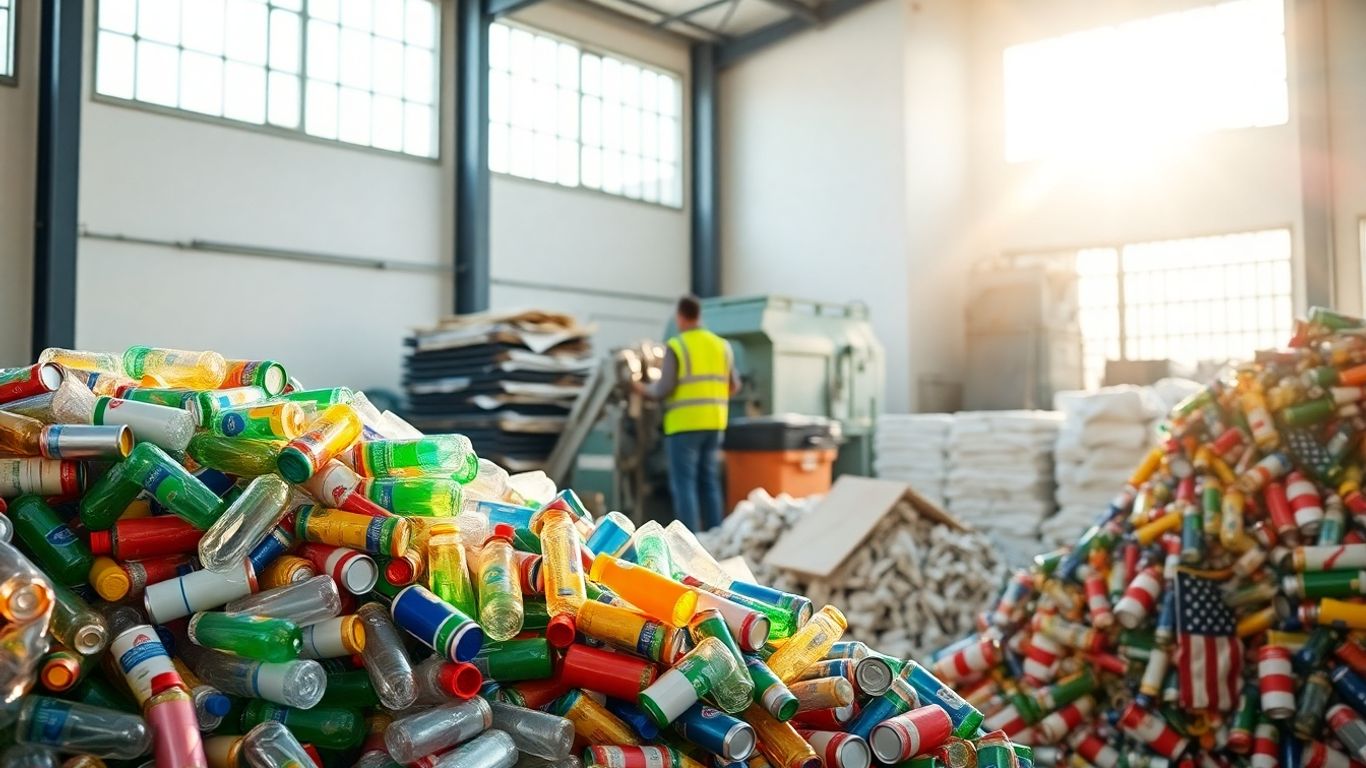
Hey everyone, welcome to the 2024 Sustainability Report from Waste Management! This past year has been a big one for us as we've pushed forward with our environmental goals. We're talking about making things cleaner, greener, and generally better for everyone. Think of this as a look back at all the hard work and progress we've made. We've been busy behind the scenes, and now we're ready to share what we've been up to. It's all about how we manage waste, but more importantly, how we do it sustainably. So, let's get into it and see what's new in the world of waste management sustainability report 2024.
Key Takeaways
- We're stepping up our recycling game with new facilities and better tech to sort more stuff. The goal is to get more materials back into use and reduce what goes to waste.
- Our focus on renewable energy is growing, especially with renewable natural gas from landfills. We're also working to use landfill gas in smarter ways to cut down on emissions.
- Community and people are a big deal. We're investing in our employees' growth and making sure our suppliers are diverse. Plus, we're putting money into programs that help out in our communities.
- Creating a good workplace is key. We've started employee groups to help build a more inclusive environment and are working on developing our leaders, especially those on the front lines.
- We're modernizing our operations, including our fleet. More of our trucks are running on cleaner fuels, and we're finding new ways to make our facilities and operations more energy-efficient.
Year In Review: A Look Back At Sustainability Progress

Comprehensive Environmental Solutions Provider
WM is more than just a waste collection company; we're a full-service environmental solutions provider. In 2024, we continued to build on our role as a leader in managing waste and creating sustainable outcomes for communities across North America. Our operations span collection, recycling, and disposal, all while focusing on innovative ways to reduce environmental impact. We're committed to being a partner in sustainability for our customers and the planet.
Commitment to Public Disclosure and Reporting Standards
We believe in transparency. That's why we're dedicated to clear and consistent reporting of our sustainability efforts. This report follows established guidelines, including the Global Reporting Initiative (GRI) Standards and the Sustainability Accounting Standards Board (SASB). We also provide detailed information through our ESG Resource Hub, making our progress accessible. This commitment helps stakeholders understand our journey and hold us accountable.
Key Sustainability Achievements and Highlights
Last year was a busy one for our sustainability initiatives. We saw significant progress across several key areas:
- Circular Economy: We made substantial investments in recycling infrastructure, aiming to capture more materials and reduce waste sent to landfills.
- Climate Action: Efforts to reduce greenhouse gas emissions were accelerated through the installation of over 1,100 new landfill gas collection wells and the capping of more than 18,000 acres. These actions are part of a broader strategy to cut emissions. Learn more about our climate initiatives.
- Community Engagement: We actively participated in community events and supported educational programs, reinforcing our commitment to the places we serve.
- Workplace Culture: We continued to build an inclusive environment for our employees, launching new programs and initiatives to support their growth and well-being.
Our approach to sustainability is integrated into every aspect of our business. We see waste not just as something to be managed, but as a resource that can be transformed. This perspective drives our innovation and our commitment to a better future.
Here's a quick look at some of the numbers from 2024:
Advancing Circularity Through Enhanced Recycling
Investments in Advanced Materials Recovery Facilities
We've been busy upgrading our facilities to handle more recyclables and sort them better. Think of it like giving our recycling centers a major tech makeover. We're putting in new equipment, like robots and smart sorters, that can pick out materials more accurately. This means we can process more stuff and get cleaner materials back into the production cycle. We've opened new spots in places like Chicago and Salt Lake City, and we're also fixing up older ones. It’s all about making sure we can keep up with the growing amount of materials people are trying to recycle.
Increasing Recycled Material Tonnage and Capture Rates
Our goal is to keep as much material out of the landfill as possible. In 2021, we managed over 15 million tons of recyclables. We're seeing good progress, especially with plastics, where we've increased our capture rate by about 10% since 2019. We're also processing a lot of organic material, close to 4 million tons, which can be turned into useful things like compost.
Here's a quick look at what we handled:
Customer Education for Reduced Contamination
One of the biggest headaches in recycling is contamination – when people toss things in the recycling bin that don't belong. It makes the whole process harder and less efficient. That's why we're putting a lot of effort into educating everyone on what can and can't be recycled. Our Recycle Right® program is a big part of this. We provide clear information, toolkits, and even resources for schools. We aim to get our inbound recycling contamination rate down to 10% by 2025. It’s a team effort, and the more people understand how to recycle correctly, the better our recycling systems will work.
Getting recycling right is more than just tossing items in a bin; it's about understanding the system and what happens next. When we all do our part to reduce contamination, we help create a more effective and sustainable loop for materials.
Climate Impact and Renewable Energy Initiatives
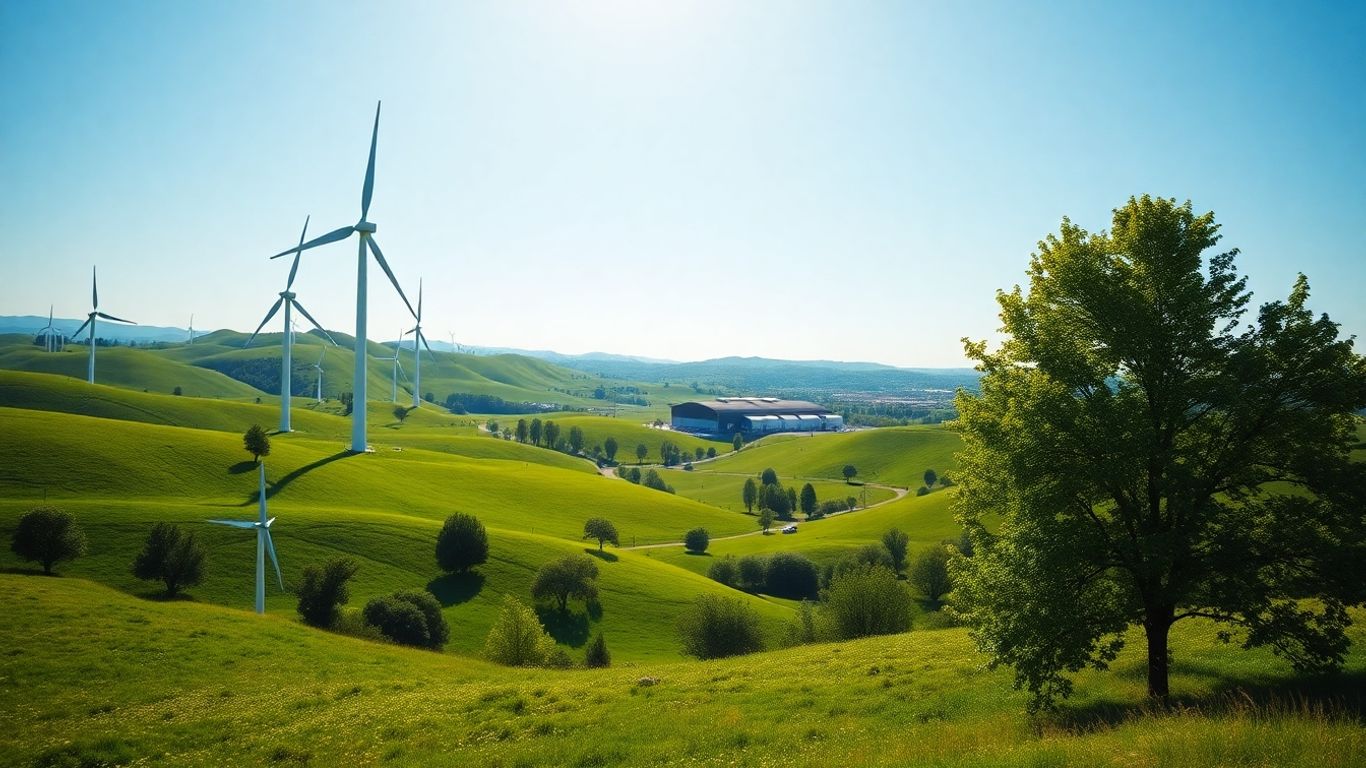
Reducing Greenhouse Gas Emissions
We're really focused on cutting down our greenhouse gas (GHG) emissions. It's not just about following rules; it's about making a real difference. Our goal is to have our services avoid more GHG emissions than we create. Last year, we managed to avoid three times the emissions we produced. We're aiming to boost that to four times our operational emissions by 2038. This means we're looking at every part of our operations, from landfills to our trucks, and figuring out how to be cleaner.
Expanding Renewable Natural Gas Infrastructure
One of the coolest things we're doing is turning landfill gas into renewable natural gas (RNG). This stuff is great because it can be used as fuel for vehicles, and guess what? We're already powering over half of our natural gas trucks with RNG that comes straight from our own landfills. It's a closed-loop system that cuts down on waste and gives us a cleaner fuel source. We're investing in more facilities to capture and process this gas, making it ready to go into the natural gas pipelines or directly into our fleet.
Beneficial Use of Landfill Gas
Landfill gas isn't just waste; it's a resource. We're capturing it and putting it to work in a few different ways. A big part of this is generating electricity. We have numerous facilities that take the methane from the landfill and turn it into power that we sell to utility companies. The EPA even recognizes landfill gas as a renewable energy source, right up there with wind and solar. Beyond electricity, we're also using it to create that RNG we talked about, and we're exploring other ways to use this captured gas to reduce our reliance on traditional fossil fuels. It's all about finding smart ways to use what we have.
Social Impact and Community Engagement
We believe that being a good neighbor means more than just providing essential services. It's about actively contributing to the well-being and resilience of the places we call home. This past year, we really doubled down on our commitment to making a positive difference in our communities.
Supporting Employee Education and Development
We know our people are our greatest asset, and that includes helping them grow both professionally and personally. We've put resources into programs that support ongoing learning and skill development. This isn't just about making our team better at their jobs, though that's a big part of it; it's also about opening up new opportunities for them.
Supplier Diversity Programs
Building strong relationships with a wide range of suppliers is important to us. We're committed to working with businesses owned by diverse groups, including women, minorities, and veterans. This not only helps us bring in fresh perspectives and innovative solutions but also supports economic growth in the communities where we operate.
Investing in Targeted Social Impact Programs
Beyond our day-to-day operations, we've focused our efforts on specific initiatives that aim to create lasting positive change. This includes supporting local non-profits and community projects that align with our values. We want to help build stronger, healthier, and more sustainable communities for everyone.
Here's a look at some of our contributions:
Our goal is to positively impact millions of people through these targeted programs. We see this as a vital part of our responsibility, making sure our business success translates into community success too. It's about creating a ripple effect of good.
People First: Fostering An Inclusive Workplace
At Waste Management, we really believe our people are the backbone of everything we do. This past year, we doubled down on making sure our workplace is a place where everyone feels they belong and can grow. It’s not just about having a job; it’s about building a career and feeling supported every step of the way.
Launching Employee Impact Groups
We saw a big push this year with the launch of new Employee Impact Groups. These groups are all about connecting people with shared experiences and creating spaces for open conversation and support. We now have groups like Unified, which celebrates our multicultural teams, Prism for our LGBTQ+ employees, and the Women's Empowerment Network (WEN). These aren't just social clubs; they actively work on development, networking, and making sure everyone's voice is heard. It’s pretty cool to see these initiatives take off and really start making a difference in day-to-day work life.
Promoting Diversity in Leadership Roles
Getting more diverse voices into leadership positions has been a major focus. We’re looking closely at our hiring and promotion practices to make sure we’re bringing in and developing talent from all backgrounds. It’s a slow process, but we’re seeing some positive movement, especially in professional and management roles. We want our leadership teams to reflect the communities we serve and the diverse talent we have across the company.
Frontline Leadership Development Programs
We also put a lot of energy into our frontline workers this year. They are the ones out there every day, doing the hard work. We rolled out programs specifically designed to help them step into leadership roles. This includes things like our 'Leading Today, For Tomorrow' initiative, which gives them the tools and training they need to succeed. Investing in our frontline teams means investing in the future of the company.
Building a truly inclusive workplace takes consistent effort and a willingness to listen. We're committed to creating an environment where every employee feels respected, valued, and has the opportunity to reach their full potential. This isn't just a nice-to-have; it's central to how we operate and succeed.
Operational Excellence and Fleet Modernization
Increasing Alternative Fuel Vehicle Percentage
We're really pushing to get more alternative fuel vehicles on the road. It's not just about looking good; it's about making a real difference in emissions. Last year, we saw a good jump, and we're aiming to keep that momentum going. Our goal is to have a significant portion of our fleet running on cleaner fuels. This involves a lot of planning, from securing the right vehicles to making sure we have the infrastructure to support them. It's a big undertaking, but totally worth it for the air quality in our communities.
Here's a look at our progress:
- 2021: 57% of our collection fleet used alternative fuels.
- 2022: We increased this to 60%.
- 2023 Target: Aiming for 65% by the end of this year.
This shift is a big part of our strategy to reduce our overall carbon footprint. We're looking at everything from renewable natural gas to other cleaner fuel options. It's all part of building a more sustainable operation for the long haul. We're also working on making sure the fuel we use is as green as possible, with a focus on renewable natural gas. You can find more details on our fleet emissions in the Environmental section of our ESG Resource Hub.
Optimizing Energy Intensity in Operations
Beyond just the vehicles, we're constantly looking for ways to use less energy across the board. This means smarter routing for our trucks, which cuts down on miles driven and fuel burned. It also involves using technology to monitor driving habits and encourage more fuel-efficient techniques. We've implemented programs to reduce unnecessary idling, which really adds up over time. Think of it like driving your own car – smooth acceleration and braking save gas, and we're training our drivers to do just that.
We're using advanced telematics to keep an eye on our equipment. This tech tells us when a part might be acting up before it becomes a big problem. It means we can fix things proactively, keeping our most efficient trucks running smoothly and reducing downtime. It's all about working smarter, not just harder.
Fleet and Facility Management Innovations
We're not just sticking with what we know. We're always on the lookout for new ideas and technologies to make our operations better. This includes things like better brake lights on our trucks to make them more visible and safer on the road. We're also exploring automated collection technologies that can reduce the need for our drivers to leave the truck cab, which helps with safety and fatigue. Even small changes, like using cameras to identify contamination in bins, help us improve our processes and provide better feedback to customers. It’s about continuous improvement in every corner of our business.
Making your operations run smoothly and updating your equipment is key to success. We help businesses improve how they work and get the latest tools. Want to see how we can help your company run better? Visit our website to learn more!
Looking Ahead
So, that's a wrap on 2024 for WM's sustainability efforts. We've seen some solid progress this year, from boosting recycling numbers to finding new ways to turn waste into energy. It wasn't always easy, and there are definitely areas where we can do better, like cutting down on contamination in our recycling streams. But the commitment is there. We're investing in new tech and focusing on making things more circular. It's a big job, but we're working towards a more sustainable future, one bin at a time. Thanks for following along.
Frequently Asked Questions
What is Waste Management's main goal for sustainability?
Waste Management (WM) wants to be a leader in helping the planet and people. They focus on making things cleaner, reducing waste, and helping communities thrive. They aim to do this by improving recycling, using cleaner energy, and supporting their workers and neighborhoods.
How is Waste Management improving recycling?
WM is investing a lot of money in new and better recycling centers. These places use cool technology like robots to sort trash more effectively. They also want to teach people how to recycle the right way to cut down on things that shouldn't be in the recycling bin.
What is Waste Management doing to help with climate change?
WM is working to lower the amount of harmful gases they release. They are also building more facilities that turn gas from landfills into clean energy, like renewable natural gas. This helps power vehicles and can be used instead of fossil fuels.
How does Waste Management support its employees and communities?
WM believes in helping its employees grow by offering education programs. They also support a variety of groups within the company to make the workplace more inclusive. For communities, they invest in programs that help people and make a positive difference.
What is Waste Management doing to make its operations more eco-friendly?
They are updating their trucks and vehicles to use cleaner fuels, like natural gas. They are also looking for ways to use less energy in their buildings and operations. This includes using technology to manage their fleet and facilities more efficiently.
How does Waste Management share its sustainability progress?
WM puts out a yearly Sustainability Report that talks about what they've done. They also have an online section called the ESG Resource Hub where you can find lots of detailed information and data about their environmental and social efforts. They also share stories on a related website.