
Unraveling the Mystery: How Does Watershed Work and Why It Matters
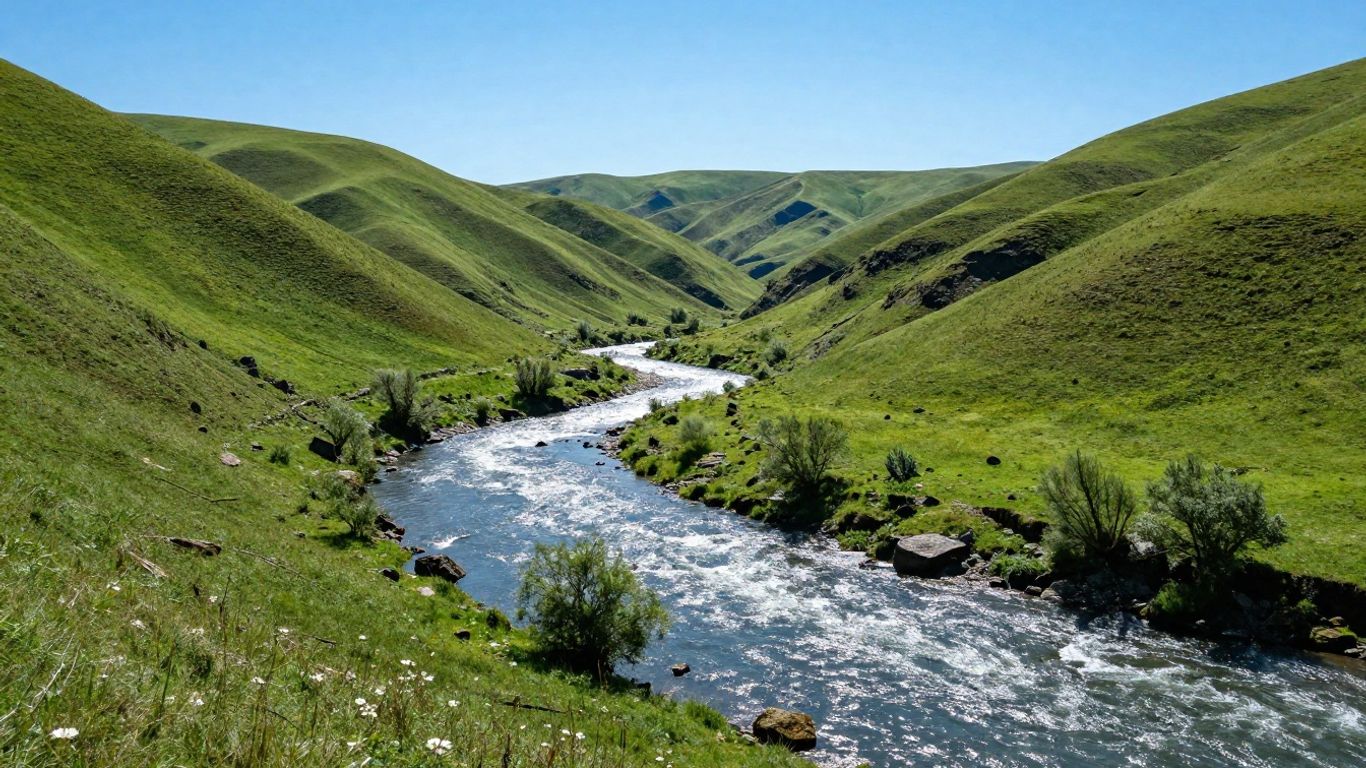
Have you ever wondered where the water in your tap comes from, or where the rain that falls in your backyard eventually goes? It all connects to something called a watershed. Think of it as a giant, natural basin that collects and moves water. Understanding how does watershed work isn't just for scientists; it's for all of us. This system is vital for life, and knowing how it functions helps us appreciate and protect this precious resource. Let's take a look at what makes these water systems tick.
Key Takeaways
- A watershed is a land area where all the water that falls or flows within it drains to a common outlet, like a river, lake, or ocean.
- Water is the basis for all life, acting as a universal solvent and regulating climate, making its availability and quality incredibly important for survival.
- The health of a watershed is directly linked to the health of the surrounding landscape; forests and grasslands play a big role in keeping water clean and regulating its flow.
- Human activities can seriously impact watersheds, leading to issues like groundwater depletion and water scarcity, which can cause conflict and ecological damage.
- Protecting and preserving watersheds is a continuous effort that involves understanding their complex systems, educating the public, and making careful management choices for the future.
Understanding How Does Watershed Work
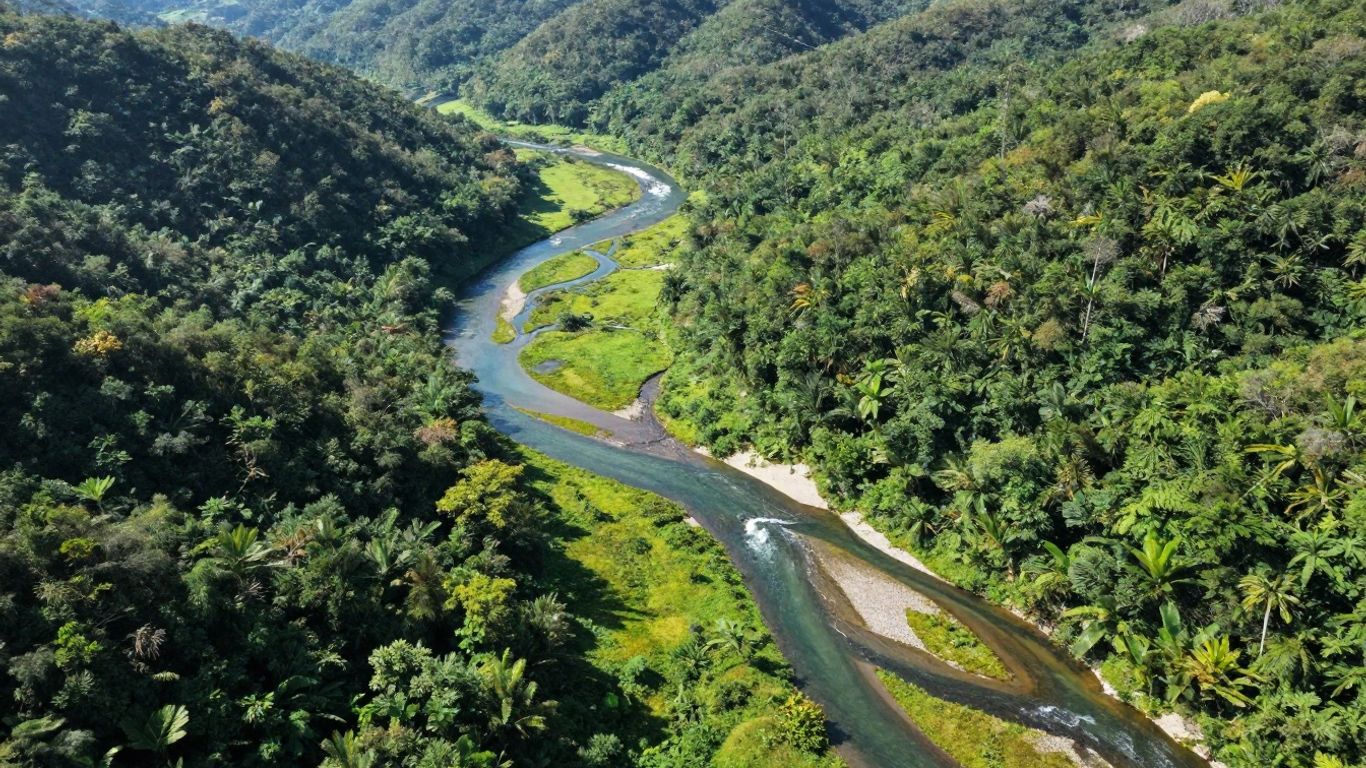
So, what exactly is a watershed? Think of it as a giant, natural basin that collects and channels water. Every drop of rain or melted snow that falls within its boundaries will eventually flow to a common outlet, like a river, lake, or even the ocean. It's a system defined by the land's shape, where hills and valleys direct water flow, much like a funnel. This natural plumbing is the backbone of our water systems, shaping landscapes and supporting life.
The Fundamental Role of Water in Life
Water is pretty amazing, isn't it? It's not just H2O; it's the stuff life is made of. Unlike most substances, ice floats, which is a big deal for aquatic life during cold snaps. Water also holds onto heat, helping to keep our planet's temperature steady. Plus, it's a fantastic solvent, carrying all sorts of nutrients that plants and animals need to survive. Basically, water is the stage where all of life's performances happen.
Geological Foundations of Water Systems
Before humans even showed up, the land itself was already setting the stage for water. The way mountains rise and fall, the type of rock beneath our feet – all of this dictates where water goes. Ancient geological events, like volcanic activity or the slow shaping by glaciers, left behind features that still guide water flow today. These natural formations, from underground caverns to the slope of a hillside, are the silent architects of our water systems.
Historical Human Interaction with Waterways
For as long as people have been around, we've been drawn to water. Early settlements popped up near rivers and lakes because, well, you can't live without water. We've used waterways for travel, for farming, and for power. It's a relationship that's shaped civilizations, but sometimes, our use of water hasn't been the most sustainable. Understanding this long history helps us appreciate why managing water wisely is so important now.
The Intricate Ecosystem of a Watershed
Water as the Stage for Life
Water does more than just keep us alive—it shapes everything around us. From tiny plants to buzzing insects and darting fish, every living thing in a watershed is connected by water. This isn’t just about drinking, either. Water sets the scene for how nutrients, minerals, and energy move around. When rain falls, it picks up leaves, soil, and bits of life as it flows through the landscape into creeks and streams. Even ice, with its weird habit of floating, creates a safe place for creatures during winter months. If you think about it, water really makes life possible, and the way it moves through a watershed controls what survives and thrives there.
If you want to understand a place, follow the water—everything else starts to make sense along the way.
The Unique Community of a Creek
Every creek you might walk beside is its own little world with frogs, salamanders, birds, and plants that you won’t always find elsewhere. Things like old log jams, pebbly riffles, and muddy banks aren’t just pretty—they’re homes. A creek is approachable: small enough to explore by foot or boat, but carrying secrets that can baffle even lifelong observers. Sometimes, people miss out on how rich and dynamic a creek can be. There’s rock worn smooth over millennia, spots that flood and recede, and communities of fish and insects adapting every season. The patterns here are so unique that even experts say they keep finding something new each time they're out.
- Small creeks create shelter for young fish.
- Fallen trees and rocks give animals hiding spots.
- Changing water levels shape where plants grow.
If you ever paddle or walk along a stream, slow down and look for these subtle signs—every creek is a story unfolding.
Subsurface Wonders and Formations
Lots of the real action happens below the surface, out of sight. Underground, water makes its way through layers of rock, sometimes dissolving minerals and carving out hidden channels. For example, in some areas, ancient volcanic rocks or old limestone formations create caves or deep pools. These spots aren’t just geological quirks—they change how a creek moves, what minerals end up in the water, and which creatures can live there. Some rivers pass over fields of lava rock, and these unique underground features can protect the watershed’s water quality, acting like natural filters or holding moisture during dry times.
Maintaining these below-ground wonders is a lot like supporting the visible parts of a watershed. Each layer, whether exposed or buried, helps hold the whole system together. That’s why some of the best modern ecosystem management strategies include careful study of the hidden stories beneath our feet.
Watershed Health and Water Conservation
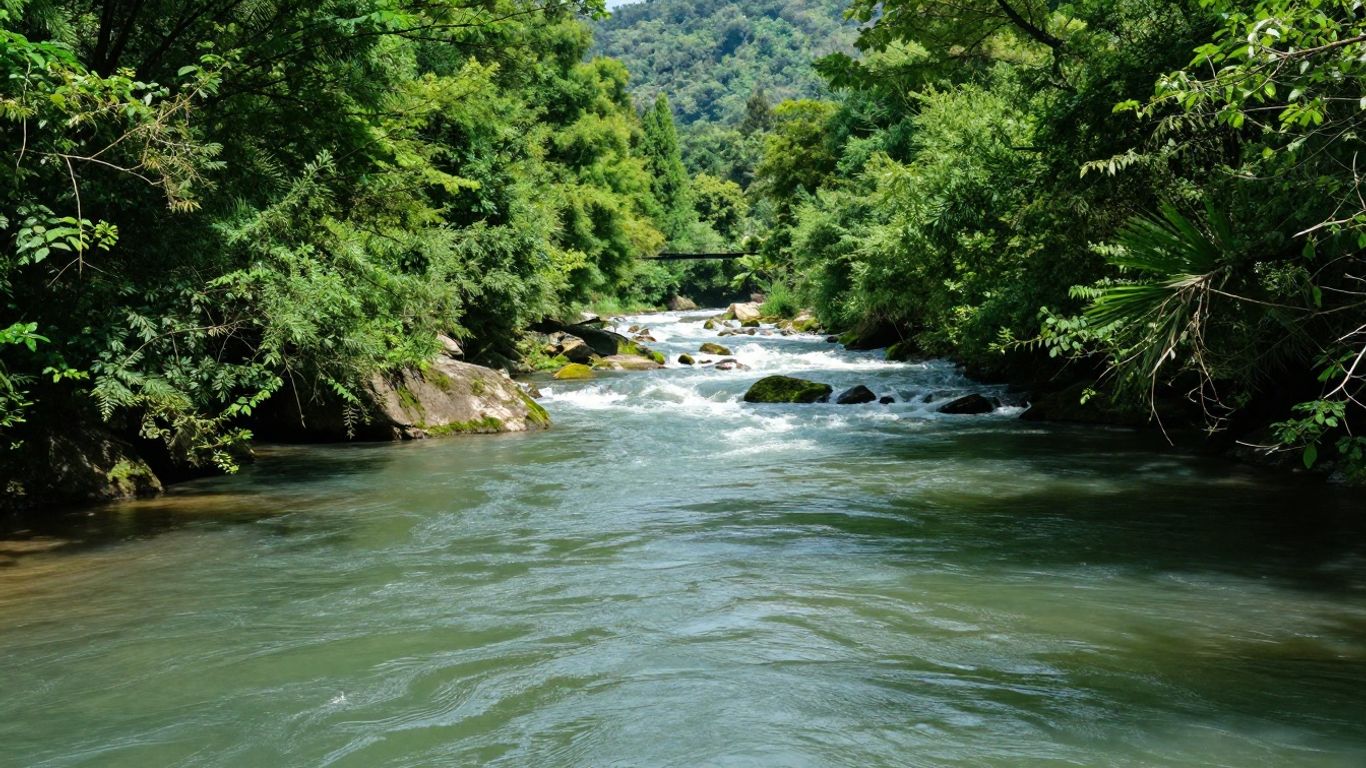
Keeping our watersheds healthy is a big deal, and it's not just about pretty scenery. It's directly tied to the clean water we drink and use every day. Think about it: the land around our rivers and streams acts like a giant filter. When that land is healthy, with good soil and plenty of plants, it does a fantastic job of cleaning water as it seeps into the ground or flows into our waterways. Protecting these natural systems is one of the most direct ways we can safeguard our water supply.
Protecting Sources of Clean Water
Healthy landscapes are the bedrock of clean water. Forests and grasslands, for instance, play a huge role. Intact forests act like sponges, soaking up rain and snowmelt, then releasing it slowly. This keeps streams flowing even when it's dry and helps prevent floods. Grasslands with healthy, uncompacted soil do something similar, letting water sink in to recharge underground aquifers. When these areas are damaged – through logging, overgrazing, or development – water runs off too quickly. This can lead to erosion, carrying dirt and pollutants into our rivers, and it means less water is available when we need it most.
The Impact of Healthy Landscapes on Water Quality
It's pretty straightforward: what happens on the land eventually affects the water. When soil is healthy and covered with vegetation, it can absorb a lot of water. This slow absorption means less runoff carrying sediment and other stuff into streams. It also helps keep the water cooler, which is better for fish and other aquatic life. Damaged landscapes, on the other hand, can lead to more sediment and nutrient pollution, making our water sources less clean and harder to treat for drinking.
Forests and Grasslands as Natural Water Regulators
These natural areas are like nature's own water management system. Forests, especially, are amazing at capturing precipitation. They cool the water and release it gradually, which is super important for maintaining steady water levels in rivers and streams throughout the year. Grasslands also contribute by allowing water to percolate down into the ground, replenishing groundwater. When these ecosystems are healthy, they provide a more reliable and cleaner water supply for everyone downstream. It's a system that's been working for ages, and we benefit from it every single day. You can learn more about these efforts through programs focused on healthy watersheds.
The way we manage our land has a direct effect on the quality and availability of our water. Protecting natural areas like forests and grasslands isn't just about conservation; it's about ensuring we have clean drinking water and healthy ecosystems for the future.
Challenges in Water Management
Managing water, especially across entire watersheds, is way more complicated than it looks. We often think of water as this endless resource, but the reality is, it's under a lot of strain. Things like climate change just make existing problems worse, and honestly, we're not always the best at fixing things before they become a full-blown crisis.
Depletion of Groundwater Resources
Groundwater is like a hidden savings account for water, but we're withdrawing from it way faster than it can be replenished. Aquifers, which are basically underground layers holding water, are being drained in many parts of the world. This isn't just a minor inconvenience; it can lead to land sinking and, in some cases, the aquifer can be damaged permanently, meaning it won't hold water like it used to. It's a bit like using up an inheritance without thinking about the future.
- Over-extraction for agriculture: Large-scale irrigation is a major user of groundwater.
- Urbanization: Growing cities increase demand, often relying heavily on groundwater.
- Industrial use: Many industries require significant amounts of water, often sourced from underground.
The Growing Issue of Water Scarcity
Even though the total amount of water on Earth isn't changing, having it where and when we need it is becoming a huge problem. Water scarcity isn't just about a lack of rain; it's about how we manage what we have. When sources dry up or get polluted, it creates real hardship. This can lead to competition for water, which, unfortunately, has a history of causing conflict.
We tend to ignore water problems until they reach a critical point. Once aquifers are depleted or water sources are polluted, recovery is incredibly difficult, leading to shortages and potential disputes.
Human Management and Ecological Loss
Historically, when humans try to 'manage' natural water systems like rivers, forests, or wetlands, it often ends up causing more harm than good. We might build dams, clear forests for development, or change natural water flows, thinking we're improving things. But these actions can disrupt delicate ecosystems, reduce biodiversity, and paradoxically, lead to less reliable water supplies in the long run. It's a tough lesson to learn, especially when the consequences are so significant for both nature and ourselves.
The Science Behind Watershed Dynamics
When we talk about watersheds, it's easy to think of them as just surface-level things – rivers, streams, and the land that drains into them. But there's a whole lot more going on beneath the surface, and understanding these hidden processes is key to appreciating how a watershed truly functions. It's a complex system, and frankly, it's pretty amazing.
Groundwater: A Living and Breathing Resource
Forget the idea of groundwater as just still, stagnant water sitting underground. Research shows it's actually teeming with microscopic life, mostly bacteria. These populations can even grow as the water gets older. So, it's not lifeless at all; it's a dynamic, living system, just not one we can see with the naked eye. This underground world plays a huge role in how water moves and is stored.
Bacteria as Indicators of Groundwater Flow
Those tiny bacteria aren't just living there; they can actually tell us things about the water. Their presence and population density can give scientists clues about how groundwater is moving and where it's coming from. It's like a natural tracking system. This helps us understand the connectivity between different water sources and how water travels over long distances underground.
The Influence of Rock Type on Water Quality
The type of rock and soil a watershed is built on has a big impact on the water that flows through it. Different geological formations can filter water in unique ways, adding or removing certain minerals. For example:
- Limestone: Often leads to harder water with more dissolved calcium and magnesium.
- Sandstone: Tends to produce softer water, as it's less soluble.
- Igneous Rocks (like granite): Can result in water with fewer dissolved minerals, but may be more prone to acidity if certain minerals are present.
This geological makeup directly affects the water quality we find in our streams and wells. It's a reminder that the land itself is an active participant in shaping our water resources. The geology beneath our feet is as important as the rain falling from the sky.
Understanding these subsurface dynamics, from the life within groundwater to the influence of rock types, reveals that a watershed is far more than just what we see on the surface. It's a complex, interconnected system where hidden processes significantly impact water availability and quality. This deeper knowledge is vital for effective water management and conservation efforts.
Learning about the continuous movement of water helps us connect these underground processes to the larger water cycle. It's all part of the same grand system.
Preserving Watersheds for Future Generations
Thinking about the future of our water means thinking about our watersheds. It’s not just about the water we drink today, but about making sure there’s enough clean water for everyone down the line. This involves a mix of protecting what we have and teaching people why it’s so important.
The Importance of Watershed Preservation Efforts
Protecting watersheds isn't just a nice idea; it's pretty much a necessity for life as we know it. When we keep our watersheds healthy, we're really safeguarding the sources of our clean drinking water. Think about it: intact forests and healthy grasslands act like giant sponges. They soak up rain and snowmelt, letting it slowly seep into the ground to refill underground water stores, called aquifers. This slow release keeps rivers and streams flowing, especially when it's dry. But when these natural areas get damaged – like from logging or building roads – water runs off too fast, carrying dirt and warming up the streams. This means less water when we need it most, more floods, and generally a messier situation for everything living there.
Educating the Public on Watershed Benefits
Lots of people don't really connect the dots between the land around them and the water that comes out of their taps. That’s where education comes in. When folks understand how a watershed works, they start to see why keeping it clean matters. It’s about showing them that healthy landscapes mean healthy water. Organizations are doing good work here, trying to get the word out about how preserving these areas helps everyone. It’s about making people realize that their actions, big or small, can impact the water quality and quantity for miles around.
The Dynamic Nature of Watersheds Over Time
Watersheds aren't static things; they change. They've been around for ages, shaped by geology and weather. Human activity adds another layer of change, sometimes good, often not. Understanding this constant shift is key. We need to recognize that what works today might not work tomorrow. This means we have to be adaptable in how we manage and protect these vital systems. It’s a continuous process of learning and adjusting to keep our water resources flowing.
Here are some key actions for watershed preservation:
- Protecting natural areas like forests and wetlands that filter water.
- Reducing pollution from farms, cities, and industries.
- Managing water use wisely to avoid draining rivers and aquifers.
- Restoring damaged parts of the watershed.
Keeping our watersheds healthy is a long-term game. It requires us to think beyond our immediate needs and consider the ripple effects of our actions on the environment and future communities. It’s about being good stewards of the water we depend on.
Protecting our rivers, lakes, and streams is super important for everyone, now and for the future. These water sources give us clean drinking water, support wildlife, and provide places for fun activities. We need to make sure they stay healthy for kids and grandkids to enjoy. Want to learn more about how we can all help keep our water clean? Visit our website today!
Wrapping It Up: Why Watersheds Matter to All of Us
So, we've talked about what a watershed is and how it all works, from the tiny drops of rain to the big rivers. It's pretty amazing when you think about it – how everything is connected. The health of a watershed affects the water we drink, the food we eat, and the places we love to explore. It’s not just about the water itself, but the whole system, including the land and the life it supports. Organizations and individuals are working hard to keep these systems healthy for the future, and understanding them is the first step for all of us to help out. It’s a big topic, and we’ve only scratched the surface, but hopefully, this gives you a clearer picture of why these natural areas are so important and worth looking after.
Frequently Asked Questions
What exactly is a watershed?
Think of a watershed as a giant natural bowl that collects all the rainwater and snowmelt in a specific area. All the water that falls within this bowl eventually flows together into a common place, like a river, lake, or even the ocean. It's like a drainage system designed by nature!
Why is water so important for life?
Water is like the ultimate ingredient for life as we know it. It helps our bodies work, keeps our planet's temperature just right, and carries all the nutrients that plants and animals need to survive. Without water, life simply couldn't exist on Earth.
How do healthy landscapes help keep our water clean?
Imagine forests and grasslands as giant sponges. They soak up rain and snow, letting the water slowly seep into the ground. This process filters out dirt and pollution, so when the water eventually reaches rivers and lakes, it's much cleaner. Healthy soil also prevents dirt from washing away during heavy rain.
What problems are we facing with our water resources?
One big issue is using up too much groundwater, which is water stored deep underground. In many places, we're taking out more water than nature can put back, causing underground water sources to dry up. We also face pollution and the effects of climate change, which make clean water harder to find.
Can bacteria in groundwater tell us anything?
Surprisingly, yes! Scientists are finding that tiny living things like bacteria in groundwater can help us understand how water moves underground. They can also help show if certain pollutants, like nitrates from fertilizers, are being naturally cleaned up by the environment.
Why should we care about protecting watersheds for the future?
Protecting watersheds is super important because they provide us with the clean water we need to live, grow food, and keep our environment healthy. By taking care of these natural systems now, we make sure that future generations will also have access to this vital resource. It's about being good stewards of our planet.