
Unpacking the Latest Apple ESG Report: Key Findings and Future Outlook
Apple recently put out its latest environmental report, and it's got some interesting stuff in it. We're talking about their progress on being greener, which is a big deal for a company this size. It’s not just about making cool gadgets; it’s also about how they’re trying to lessen their impact on the planet. This apple esg report dives into what they've been up to and what they're planning next. Let's break down some of the main points.
Key Takeaways
- Apple has made solid progress in cutting down its carbon emissions, showing a significant reduction since 2015 even as the company has grown. This suggests that business expansion and environmental responsibility can go hand-in-hand.
- The company is pushing hard toward its goal of making all its products carbon neutral by 2030. This covers the entire product lifecycle, from making it to how customers use it.
- A big part of their strategy involves getting suppliers to switch to clean energy sources. This is already making a difference in reducing overall emissions.
- Apple is also focusing on reducing harmful greenhouse gases used in manufacturing, especially for things like display production, and is working with suppliers to improve this.
- They're rethinking packaging too, aiming for more sustainable materials and reducing plastic use, with some products already using 100% fiber-based packaging.
Apple's Environmental Progress: A Look at the Latest Apple ESG Report

It's always interesting to see what companies are up to regarding their environmental impact, and Apple's latest ESG report gives us a pretty good look at their efforts. They've been talking about their environmental goals for a while now, and it seems like they're actually making some headway. The big news is that they've managed to cut their overall greenhouse gas emissions by more than 55 percent since 2015. That's a pretty significant chunk, especially considering they're still growing and serving more people than ever before. This progress is a key indicator of their commitment to tackling climate change.
Key Metrics and Achievements in Carbon Reduction
When we talk about reducing emissions, it's not just about setting a goal; it's about the numbers. Apple's report highlights a reduction of over 55 percent in greenhouse gas emissions compared to their 2015 baseline. This is a big step towards their larger objective of becoming carbon neutral across their entire value chain by 2030. They're aiming for a 75 percent cut in emissions by that year, and this current progress shows they're on the right track. It's not just about the company's direct operations, either; they're looking at the whole picture, including their supply chain.
Progress Towards the Apple 2030 Carbon Neutrality Goal
The Apple 2030 goal is pretty ambitious: carbon neutrality across the entire value chain. This means looking at everything from manufacturing to product use and end-of-life. The report details how they're working towards this, focusing on cutting emissions rather than just relying on offsets. They've made strides in areas like clean energy adoption by their suppliers and improving energy efficiency. It's a complex undertaking, and they're being pretty open about the work still ahead.
Leadership in Environmental Initiatives
Apple seems to be positioning itself as a leader in environmental action within the tech industry. They're not just talking the talk; they're investing in new technologies and working with partners to find solutions. This includes pushing their suppliers to switch to renewable energy sources and developing new materials and recycling processes. It's a multi-faceted approach that covers energy, materials, and waste reduction, all aimed at minimizing their environmental footprint. You can see some of their ongoing work in clean energy initiatives.
Innovations Driving Sustainability in Apple's Operations
Advancements in Clean Energy and Supplier Transition
Apple's big push towards carbon neutrality really hinges on how its suppliers operate, and a huge part of that is shifting to clean energy. They've got this Supplier Clean Energy Program that's pretty impressive, now supporting over 16.5 gigawatts of renewable energy globally. That's a massive amount of clean power being generated. It's not just about the big picture, either; they're also working with suppliers on energy efficiency. Last year alone, over 100 supplier facilities managed to save more than 2 billion kilowatt-hours of electricity. When you add in savings from things like heat management, that's nearly 1.7 million metric tons of carbon emissions avoided. That's a 25 percent jump from the year before, which shows they're making real headway.
Reducing Fluorinated Greenhouse Gases in Manufacturing
Beyond electricity, Apple is tackling other tough emissions, like those from making things like flat-panel displays. These processes can release really potent greenhouse gases, known as F-GHGs. It's a tricky area, but Apple has gotten all its display suppliers to commit to strict standards for reducing these emissions. They're working closely with them to keep a close eye on what's being released and to get the latest equipment installed at the factories to capture these gases. It's a detailed process, but necessary for hitting those big climate goals.
Pioneering Sustainable Packaging Solutions
Remember how much plastic used to be in Apple's packaging? They've made some serious strides in cutting that down. Their goal is to get rid of plastic in packaging altogether, and they're using innovative, fiber-based materials instead. This year, they rolled out their first products with 100 percent fiber-based packaging, including the latest Apple Watch and the Vision Pro. Across all the products they shipped last year, only about 3 percent of the packaging was plastic. They're even collaborating with universities on new research to find even better, more sustainable packaging alternatives. It's all about rethinking what goes into the box, and what happens to it afterward.
Materials Innovation and Circular Economy Efforts
Prioritizing Recycled and Renewable Materials
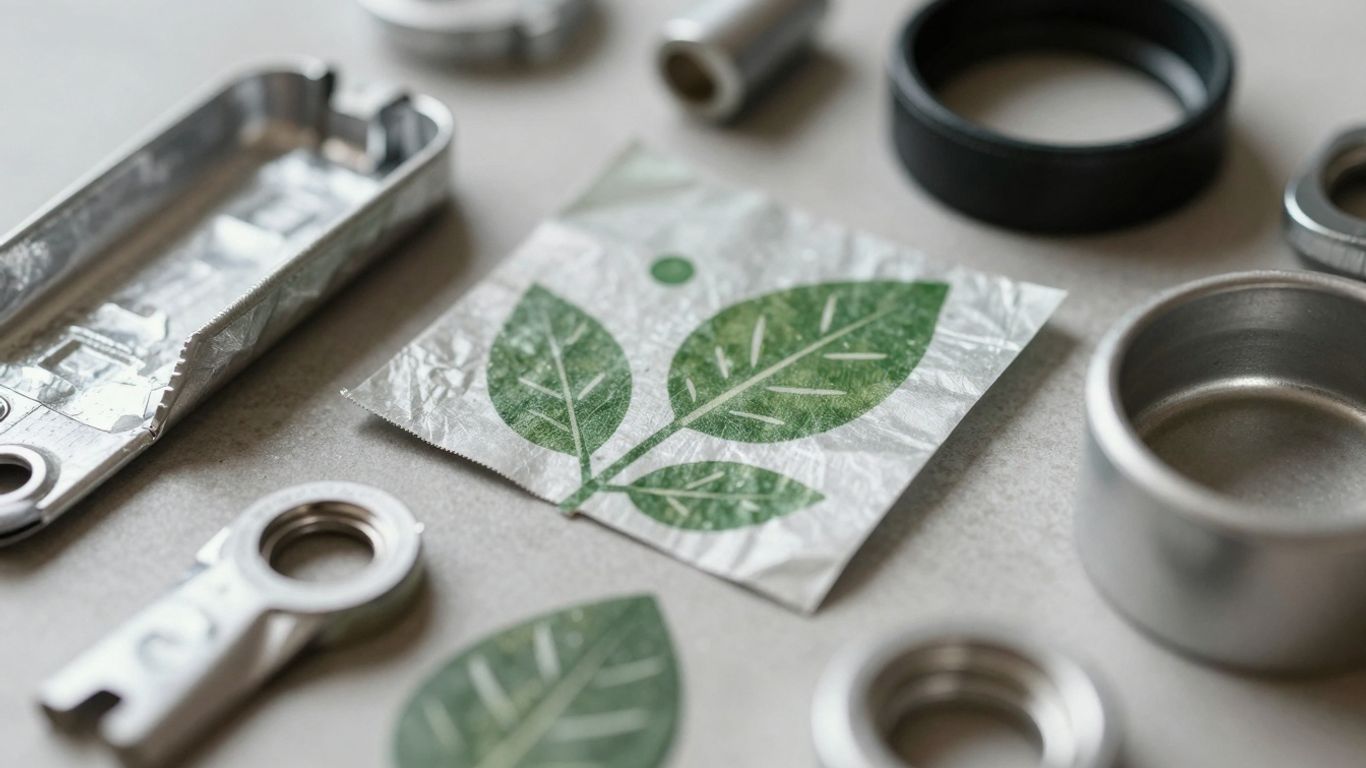
Apple's push to use more recycled and renewable materials in its products is really paying off, not just for the environment but also for its carbon footprint. It's pretty impressive how they're finding ways to incorporate these materials, especially those needed for new tech like batteries. For instance, last year, a significant chunk of the cobalt in Apple batteries came from recycled sources – more than double the previous year. They even have a MacBook Air model that's made with half recycled material. They're also getting a good amount of lithium from certified recycled sources, pulling from old batteries and industrial waste. Even copper is getting a second life, with 100 percent recycled copper showing up in key parts of iPhones and MacBooks. It shows that recycling can really help meet the demand for materials we need.
The Role of Recycling Technologies and Disassembly Robots
Beyond just using recycled materials, Apple is also investing in new ways to actually do the recycling. They've developed some pretty cool technologies, like their disassembly robot, Daisy. This robot can now take apart 29 different iPhone models into 15 separate pieces. They've also got robots named Dave and Taz working with a recycling partner in China. Over in California, they've introduced a new machine to sort products, aiming to make the whole process faster and more efficient. Apple is sharing this tech with recycling partners globally, hoping it makes things easier and quicker for everyone. They're even using robots to move things around their recycling facility. Plus, they're teaming up with universities to explore how AI and robotics can further improve recycling efforts.
Phasing Out Hazardous Substances in Products
It's not just about what goes into the products, but also what doesn't. Apple has been working for a long time to get rid of harmful substances in their devices. This involves a lot of careful work to find safer alternatives that still let the products perform well. They're committed to reducing the use of things like certain flame retardants and PVCs. This ongoing effort means that as new materials and manufacturing processes are developed, they're constantly evaluated for their environmental and health impacts. It's a complex process, but it's a key part of their strategy to make products that are better for both people and the planet.
Apple's commitment to using recycled and renewable materials, alongside developing advanced recycling technologies, is a significant part of their strategy to reduce environmental impact and move towards a more circular economy. This approach tackles resource scarcity and waste generation head-on.
Future Outlook and Commitment to Environmental Stewardship
Ambitious Goals for Net-Zero Carbon Impact by 2030
Apple is really pushing hard to hit its 2030 goal of being carbon neutral across its entire business. This isn't just about reducing emissions; it's about getting them down by a massive 75 percent compared to 2015 levels. They've already made significant strides, cutting emissions by over 55 percent since 2015, which is pretty impressive considering they're serving more people than ever. It shows that cutting down on environmental impact doesn't have to mean slowing down business. The company is focusing on innovations in materials, clean energy, and how products are shipped to make the biggest cuts. For the emissions that are harder to eliminate, they're investing in projects that help remove carbon from the atmosphere.
Continued Focus on Collaboration and Innovation
It's clear that Apple isn't trying to do this all on its own. They're actively working with partners, including suppliers and other companies, to drive change. For instance, their Restore Fund, which started with Goldman Sachs and Conservation International, is now bringing in more partners like Taiwan Semiconductor Manufacturing Company and Murata Manufacturing. This fund invests in projects that restore forests and other natural areas, helping to pull carbon out of the air. It's a smart way to tackle emissions that are tough to avoid directly, and it shows a commitment to nature-based solutions.
Engaging Customers in Environmental Progress
Apple also wants its customers to be part of the journey. They're finding ways to connect people with environmental topics, like curated collections on their platforms for Earth Day. It’s a nice touch, making sustainability feel more accessible and less like something only big corporations worry about. By highlighting these efforts, they're encouraging a broader conversation and perhaps inspiring others to think about their own impact.
The company's approach involves looking at every part of its business, from the materials used in products to how they're made and shipped. This all-encompassing view is key to making real progress on such a big goal.
Here's a quick look at some of the areas they're focusing on:
- Clean Energy Transition: Helping suppliers switch to renewable power sources.
- Carbon Removal Investments: Supporting projects that restore natural ecosystems.
- Water Stewardship: Working with suppliers to reduce freshwater use.
- Circular Economy: Prioritizing recycled materials and designing for longevity.
Looking ahead, we're deeply committed to protecting our planet. We believe in making a real difference for the environment. Want to learn more about our green goals and how we're working towards a healthier world? Visit our website today!
Wrapping It Up
So, looking at Apple's latest environmental report, it's clear they're making some real moves. They've managed to cut down their emissions quite a bit, even while more people are using their products. That's a pretty big deal, honestly. The big goal is to have all their products be carbon neutral by 2030, and they seem to be on track, pushing their suppliers to use more clean energy too. It's not just about the big picture stuff, either; they're also working on using less plastic in their packaging and finding ways to recycle more materials. It’s a lot to keep track of, but it looks like Apple is serious about trying to be a better company for the planet. We'll have to see how they do in the coming years, but the progress so far is definitely something to note.
Frequently Asked Questions
What is Apple's main goal for the environment?
Apple's big aim is to make all its products have zero impact on the climate by the year 2030. This means they want to cut down on pollution and carbon emissions a lot, and for anything left, they plan to balance it out by protecting nature.
How much has Apple reduced its carbon footprint?
Apple has made great progress! They've cut down their carbon emissions by more than 55% since 2015. This is a huge step, especially since they've also grown as a company during that time.
What is Apple doing to use cleaner energy?
Apple is working hard with its suppliers to switch to clean energy, like solar and wind power. They've helped suppliers get over 16 gigawatts of renewable energy, which is a massive amount and helps reduce pollution from making their products.
How is Apple changing its packaging?
Apple is trying to use less plastic in its packaging. They've created packaging that's made entirely from paper and plant-based materials for some products, like the Apple Watch. They are also looking for new ways to make packaging even better for the planet.
What about the materials used in Apple products?
Apple is focusing on using more recycled and renewable materials in its products. They have robots, like Daisy, that help take apart old iPhones to recover useful materials. This helps reduce the need to dig up new resources from the Earth.
Does Apple restrict harmful chemicals in its products?
Yes, Apple has strict rules about which chemicals can be used in its products and packaging. They work to get rid of harmful substances, often going beyond what the law requires to keep people and the environment safer.