
Unmasking Deception: A Deep Dive into What is Greenwashing and How to Spot It

So, you've probably heard the term 'greenwashing' floating around. It's basically when companies try to make themselves look way better for the environment than they actually are. Think of it like putting a fresh coat of green paint on something that's still pretty rotten underneath. It's a sneaky marketing trick that plays on our desire to do good for the planet. This article is going to break down what is greenwashing, how these companies pull it off, and most importantly, how you can spot it and avoid being fooled.
Key Takeaways
- Greenwashing is when a company falsely claims to be environmentally friendly to boost its image or sales.
- Common tactics include using vague language, making unsupported claims, and highlighting small positives while ignoring bigger issues.
- Beware of 'all-natural' labels and nature-themed imagery that don't reflect actual sustainable practices.
- Companies might also mislead with fake eco-labels or by focusing on one good deed while continuing harmful ones.
- Being a smart consumer means researching claims, staying skeptical, and supporting brands that are truly transparent about their environmental efforts.
Understanding What Is Greenwashing

So, what exactly is this 'greenwashing' thing we keep hearing about? Basically, it's when a company tries to make itself look way more environmentally friendly than it actually is. Think of it like putting a fresh coat of green paint on something that's rotten underneath. They want you to think they're all about saving the planet, but often, it's just a clever marketing trick to get you to buy their stuff.
Defining Greenwashing: The Illusion of Environmentalism
At its core, greenwashing is about deception. Companies use it to mislead people into believing their products, services, or overall operations are better for the environment. This isn't about genuine efforts to reduce harm; it's about perception. They might highlight a tiny positive action while ignoring much larger environmental problems they're causing. It’s a way to capitalize on the growing number of people who want to make eco-conscious choices, but without actually doing the hard work of becoming truly sustainable. The goal is to profit from an eco-friendly image, not from being eco-friendly.
The Roots and Evolution of Deceptive Environmental Claims
This practice isn't exactly new. It really started picking up steam back in the 60s and 70s when environmental awareness began to grow. As more people started caring about the planet, businesses saw an opportunity. Instead of changing their ways, many just started talking about being green. Over the years, these tactics have gotten more sophisticated. It used to be simple claims, but now it involves complex marketing campaigns, misleading labels, and even selective reporting. It's a constant game of trying to stay one step ahead of consumers who are getting smarter about spotting these tricks. It's fascinating how companies adapt their strategies, sometimes even using decarbonization buzzwords without real commitment.
Motivations Behind Corporate Greenwashing Tactics
Why do companies do this? Well, the main reason is usually money. Being seen as
Recognizing Deceptive Environmental Marketing
It feels like everywhere you look these days, companies are shouting about how green they are. But not all that glitters is gold, or in this case, green. Spotting when a company is just putting on a show can be tricky, but there are definitely some common tricks to watch out for. The key is to look beyond the pretty pictures and buzzwords.
Vague Claims and Unsupported Environmental Statements
This is probably the most common tactic. You'll see words like "eco-friendly," "natural," or "sustainable" plastered all over a product or advertisement. But what do they actually mean? Often, they don't mean much at all. Companies use these terms because they sound good, but they rarely back them up with any real data or specific details. It's like saying a meal is "delicious" without telling you what's in it or how it was cooked. You're left guessing, and that's exactly what they want.
- "Green" or "Eco-Friendly": These are catch-all terms with no standardized definition. A product might be slightly less harmful in one tiny aspect, but still be produced unsustainably overall.
- "Natural": This is another tricky one. "Natural" ingredients can still be processed in ways that harm the environment, or they might be sourced unsustainably.
- "Sustainable": Without clear metrics or certifications, this claim is often meaningless. What makes it sustainable? For how long? What specific practices are being used?
When a company makes a broad environmental claim, ask yourself: What specific action or attribute makes this product or company "green"? If you can't find a clear, verifiable answer, it's likely just marketing fluff.
The Pitfalls of 'All-Natural' and Misleading Labels
That "all-natural" label on your cleaning spray or shampoo might sound great, but it can be a real trap. Just because something is derived from nature doesn't automatically make it good for the planet. Think about it: many harmful chemicals are also "natural." Companies might highlight a single natural ingredient while ignoring the rest of the product's environmental footprint, like its manufacturing process or packaging. It's a way to make you feel good about your purchase without actually changing their core practices. We're seeing more and more people wanting to make better choices, and joining communities like Breathe Zero can help you find genuine sustainable options.
Executional Greenwashing: Nature-Evoking Imagery
This is where the visual elements really come into play. Companies will use images of lush forests, clear blue oceans, or happy animals to make you associate their brand with nature and environmental goodness. They might use green packaging or earthy tones. It's all about creating a feeling, a subconscious link between their product and the environment. But this imagery often has little to do with the actual environmental impact of the product or the company's operations. It's a visual distraction, designed to pull at your heartstrings and make you overlook the less-than-green realities behind the scenes. It's like putting a fancy ribbon on a gift that's actually empty.
Common Greenwashing Strategies Unveiled
Companies often employ sneaky tactics to make themselves look better for the environment than they actually are. It's like putting a fresh coat of paint on a crumbling building – it looks good from afar, but the problems are still there underneath. Understanding these methods is key to seeing past the marketing fluff.
Selective Disclosure: Highlighting Minor Positives
This is a classic move. A company might shout from the rooftops about one small thing they're doing right, while completely ignoring the bigger, less-than-eco-friendly parts of their business. Think of a fast-fashion brand that proudly announces they're using recycled tags, but then you find out their actual clothing production is a mess for the planet. They're picking out the one shiny apple from a rotten barrel. It's all about drawing your attention to the good and hoping you don't look too closely at the rest.
Hidden Trade-offs: Unsustainable Practices Behind a Green Facade
Sometimes, a company will make a product seem eco-friendly by focusing on one aspect, but they're actually causing harm elsewhere. For example, a product might be labeled as "biodegradable," which sounds great, right? But if it takes an incredibly long time to break down, or if it releases harmful chemicals when it does, then that "biodegradable" claim is hiding a bigger problem. It's like saying your car is fuel-efficient because it has a small engine, but it's also leaking oil everywhere. The overall impact isn't as green as they want you to believe.
Misrepresentation of Eco-Labels and Certifications
This is where things get really tricky. You see a label on a product that looks official, maybe even like a government-approved seal of approval for being environmentally sound. But in reality, that label might be fake, created by the company itself, or it might represent a very weak standard that doesn't mean much. It's designed to look like a legitimate eco-certification so you'll trust it. Always do a quick check to see if the certification is from a reputable, independent organization. If it looks too good to be true, it probably is.
Companies often use vague language and misleading imagery to create a false sense of environmental responsibility. It's important to look beyond the surface-level claims and investigate the actual practices and impacts of a business.
The Broader Impact of Greenwashing
So, we've talked about what greenwashing is and how companies try to pull the wool over our eyes. But what's the big deal? Why should we really care if a company exaggerates its eco-efforts a little? Well, it turns out the consequences are pretty significant, and they reach way beyond just making us feel a bit misled.
Undermining Genuine Sustainability Efforts
When companies greenwash, they're essentially getting credit for being green without actually doing the hard work. This makes it tougher for businesses that are truly committed to sustainability. Imagine two coffee shops: one invests in fair trade beans and compostable cups, while the other just slaps a green leaf sticker on their regular cups and calls themselves "eco-friendly." Consumers might not be able to tell the difference, and they might end up supporting the less sustainable option, starving the genuinely green business of support.
Consumer Betrayal and Eroding Trust
This is a big one. Every time we fall for a greenwashing tactic, our trust in all environmental claims takes a hit. It makes us cynical. We start questioning whether any company is actually doing good, which is a shame because many are. This erosion of trust means consumers become less likely to support any company's sustainability initiatives, even the real ones. It's like crying wolf, but with environmental promises.
Environmental Injustices and Accountability Gaps
Greenwashing isn't just about misleading marketing; it can actually worsen existing environmental problems and create new injustices. Companies might continue polluting or using unsustainable resources while projecting a clean image. This often disproportionately affects marginalized communities, who bear the brunt of pollution and environmental damage. Meanwhile, the polluting companies avoid real accountability because their PR machine makes them look good. It allows them to sidestep responsibility and continue harmful practices under the guise of environmental stewardship.
Here's a quick look at how greenwashing can affect things:
- Diverts attention: Focus shifts from real environmental problems to marketing campaigns.
- Wastes resources: Consumers might buy products that aren't actually better for the planet, leading to unnecessary production and waste.
- Hinders progress: It slows down the adoption of truly sustainable practices because the market gets flooded with fake alternatives.
- Exacerbates inequality: Communities already facing environmental burdens often see no relief, as polluters get a free pass.
Ultimately, greenwashing creates a false sense of progress. It makes us feel like we're solving environmental issues when, in reality, we might be making them worse by supporting deceptive practices. It's a serious obstacle to achieving a truly sustainable future for everyone.
Navigating the Landscape of Green Claims
So, you're trying to figure out if a company is actually doing good for the planet, or just saying they are. It's a bit like trying to sort through a pile of laundry – some of it looks clean, but you're not totally sure. This is where we need to get a little more savvy about what companies are telling us.
Investigating Environmental, Social, and Governance (ESG) Goals
Companies these days are all about their ESG goals. It sounds fancy, right? Basically, it's a way for them to show they care about more than just making money. They're looking at how they impact the environment (E), how they treat people and communities (S), and how they're run as a business (G). When a company is serious about this, they'll have clear targets and actually show you how they're doing. If they're always shifting their goals or never quite hitting them, that's a bit of a warning sign. It's like saying you'll clean your room by Saturday, but then suddenly it's Sunday and you're still playing video games.
The Importance of Third-Party Certifications
This is where things get a bit more solid. Think of certifications like a stamp of approval from someone who isn't the company itself. These are groups that check if a product or practice really meets certain environmental standards. It's not just the company saying, "Yep, we're green!" It's an independent group saying, "Yep, they've met these specific rules." Some common ones you might see include things like:
- USDA Organic: For food products.
- Energy Star: For energy-efficient appliances.
- Forest Stewardship Council (FSC): For wood and paper products.
- Fair Trade Certified: For ethical sourcing and labor practices.
When you see these, it means someone actually checked. It's a much more reliable way to know if a claim holds water.
Evaluating a Company's Overall Environmental Reputation
Beyond just one product or one claim, it's good to look at the bigger picture. What's the company's track record? Are they known for making big environmental promises but then falling short? Do they have a history of, say, polluting or having bad labor practices in other parts of their business? You can often find this information by looking at news reports, checking out environmental watchdog groups, or even just seeing what people are saying online. A company's true commitment to sustainability shows up in everything they do, not just in their marketing campaigns.
Sometimes, a company might highlight one small positive thing they're doing, like using recycled paper for their flyers, while ignoring the fact that their main factory is a huge polluter. It's important to see the whole story, not just the pretty parts.
Becoming a Savvy Consumer Against Deception
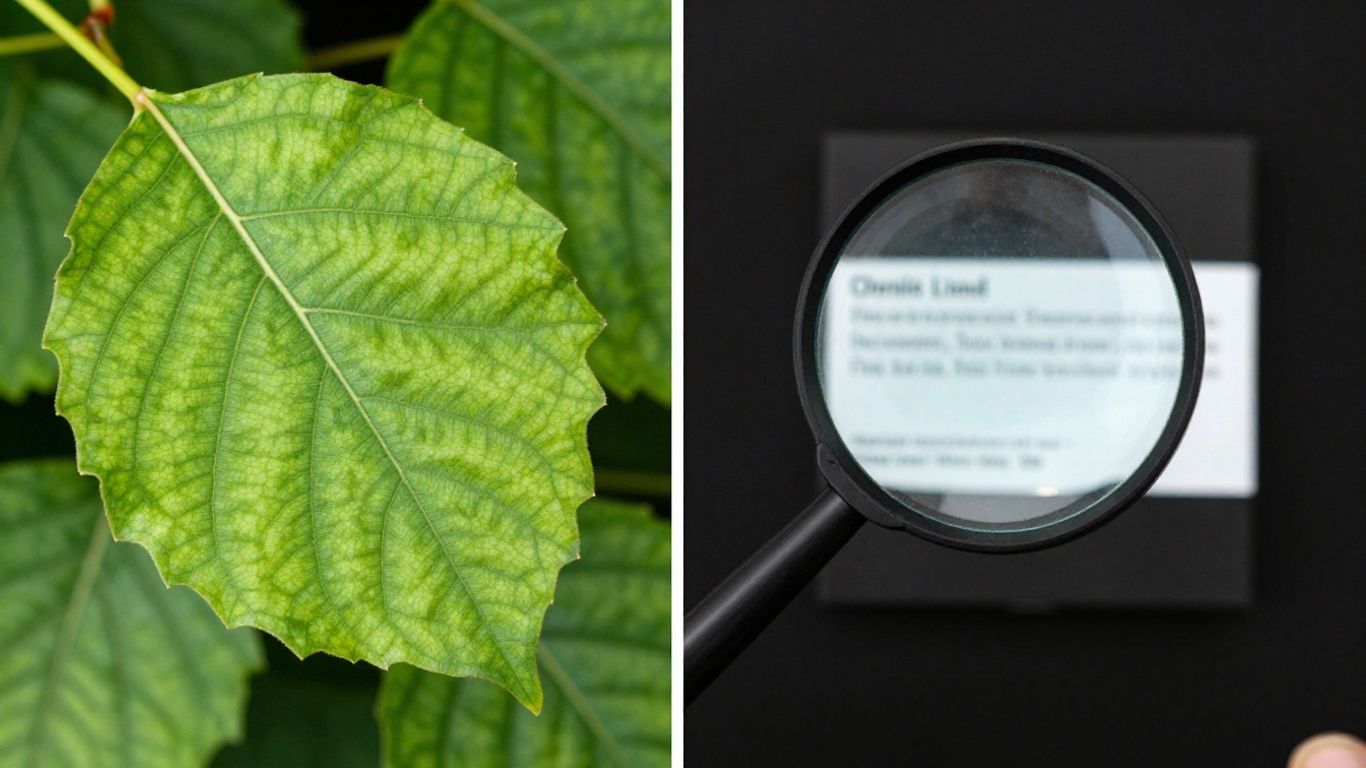
Beating greenwashing isn't about fancy tools or expert knowledge—it’s about asking the right questions, looking past shiny packaging, and being a bit more curious when companies make big claims. If you want to make more honest choices, some basic habits go a long way. This section breaks down how regular people can see through environmental marketing spin and choose what actually matches their values.
Researching Environmental Claims Thoroughly
You can’t rely on the front of the box or a brand’s Instagram page. When something is labeled as eco-friendly, take a few extra steps:
- Look up the company's website and scan for details about what makes the product green.
- Search for third-party certifications like Energy Star, USDA Organic, or Fair Trade—don’t settle for a leaf logo unless it’s linked to a real standard.
- Compare claims with reviews or watchdog reports, especially if something feels off.
Maintaining Skepticism Towards Marketing Language
Greenwashing relies on people not digging too deeply. Here are a few signs to spot:
- Vague buzzwords: “Natural”, “eco”, or “planet-friendly” with no supporting details.
- Cherry-picked facts: A company might highlight using recycled packaging while avoiding bigger pollution issues.
- Self-made logos: Watch out for seals and labels you’ve never heard of before—they might be made up.
Don’t feel guilty if you can’t verify every claim, but try to practice a healthy dose of doubt before believing flashy marketing. You don’t have to be a cynic, just a little stubborn about evidence.
Supporting Brands Committed to Transparency
Every purchase is kind of like a vote. Brands notice when shoppers actually care about honesty and real effort. To really help, you can:
- Pick companies that publish their environmental goals and progress—especially if they admit where they fall short.
- Choose products with official, outside verification rather than just catchy slogans.
- Tell friends and family about companies that are trying to do things the right way.
If more people demand openness, everyone wins. Greenwashing only works when we stop asking questions.
In today's world, it's easy to get tricked by misleading claims. But you can learn to spot them! Becoming a savvy consumer means knowing how to see through the confusion and make smart choices. Don't let deception catch you off guard. Visit our website to discover tips and tricks for staying one step ahead. We're here to help you shop smarter and safer.
Moving Forward: Being a Smarter Consumer
So, we've talked a lot about what greenwashing is and how companies try to pull the wool over our eyes. It's pretty frustrating, right? You want to do the right thing for the planet, but it's tough when you can't always trust what you're reading on a label or seeing in an ad. The good news is, we're not powerless. By staying aware, asking questions, and doing a little digging before we buy, we can make better choices. It’s about supporting the businesses that are actually making an effort, not just talking about it. Let's keep pushing for real change, one informed purchase at a time.
Frequently Asked Questions
What exactly is greenwashing?
Greenwashing is like a company trying to trick you into thinking they're super eco-friendly when they're not. They might say their product is "natural" or "green" but not really back it up with proof. It's basically a way to look good for the environment without actually doing much to help it.
Why do companies do this greenwashing thing?
Companies often do this because people want to buy products that are good for the planet, and they're willing to pay a bit more for them. So, by pretending to be eco-friendly, businesses can make more money and get more customers, even if their claims aren't true.
How can I tell if a company is greenwashing?
Look out for vague words like "eco-friendly" without any real explanation. Also, be suspicious if they only talk about one small good thing they do but ignore bigger environmental problems they cause. Sometimes, they use pictures of nature to make you think they're green, even if the product isn't.
Are there specific labels or words I should watch out for?
Yes, terms like "all-natural" can be misleading because "natural" doesn't always mean safe or good for the environment. Also, be careful of fake eco-labels that look official but aren't certified by any real organization. Always check if there's proof behind these claims.
What happens if I buy from a greenwashing company?
When you buy from a company that greenwashes, you might be supporting practices that actually harm the environment. It also makes it harder for companies that are truly trying to be sustainable to get noticed and succeed. Plus, it can make you feel like you've been tricked.
What can I do to avoid falling for greenwashing?
Do your homework! Before you buy something, check out the company's website and look for real proof of their environmental efforts. Be a little bit skeptical of fancy marketing words. The best thing you can do is support brands that are honest about what they do and are open about their sustainability plans.