
Unlock Your Future: Discover the Best Sustainability Masters Programs for 2026
Thinking about getting a master's degree in sustainability for 2026? It's a smart move. The world needs people who understand how to make businesses and technology work better for the planet. There are a lot of programs out there, and picking the right one can feel like a big deal. We've looked at some of the top options for the best sustainability masters programs, focusing on what you'll actually learn and how it can help you make a difference.
Key Takeaways
- Programs often blend business strategy with sustainability principles, helping you transform organizations for the better.
- Many master's degrees focus on using technology, like AI and data analytics, to solve environmental and social problems.
- You can find specialized programs in areas such as clean energy, circular economy, and climate change mitigation.
- Flexibility is a big theme, with many online options and customizable learning paths available.
- These degrees aim to equip you with practical skills to lead change and create real-world impact.
1. Master In Sustainability And Business Transformation
This program is all about getting you ready to make real changes in how businesses operate, focusing on sustainability. It’s not just about being "green"; it's about smart business that also helps the planet and people. You'll learn how to build new business models that work financially while also tackling environmental or social issues. Think about developing financial products that encourage greener practices, or figuring out how to make a company more responsible from the ground up.
The program is built on three main ideas: your career, the impact you can make, and your personal purpose. You get help figuring out where you want to go professionally, developing skills that are useful now and in the future, and building a leadership style that’s thoughtful and responsible. It’s a 12-month, full-time, in-person program, usually starting in September.
Here’s a look at what you’ll focus on:
- Thinking Skills: You’ll get hands-on experience and look at case studies to learn how to analyze data and trends. This helps you see the real environmental and social effects of business decisions.
- Behavioral Skills: This is about being a changemaker. You’ll learn how to get others on board with sustainability ideas and put those strategies into action.
- Digital Skills: In today’s world, you need to be comfortable with technology. The program uses various tools like simulators and interactive case studies to make learning engaging for everyone.
The goal is to help you connect what you want to do in your career with what you truly care about. You’ll get support from mentors and peers to build a leadership approach that’s focused on making a lasting difference.
After finishing, you could find yourself developing and putting sustainability plans into action, doing environmental impact assessments, or even designing new business models that are both profitable and good for the world. It’s about preparing you for roles where you can actually drive positive change within companies.
2. Impact Master Of Science In Sustainability, Innovation & Technology
This program is designed for folks who want to really make a difference, blending sustainability principles with the latest in innovation and technology. It's not just about learning theory; it's about getting hands-on with tools like AI and data science to tackle real-world problems. You can tailor your studies to focus on areas that interest you most, whether that's entrepreneurship, specific tech applications, or broader sustainability strategies.
The program aims to equip you to lead sustainability initiatives by integrating innovation and technology. You'll learn to apply advanced tools to create solutions for environmental, social, and economic challenges. It's a fully remote setup, which is pretty convenient, and they mention that a good chunk of their learners see career advancements within a year. Plus, it's recognized globally, which is always a plus.
Here’s a look at what you might get into:
- Leading sustainability strategies with an innovative edge.
- Applying advanced tech like AI and data analytics.
- Developing new solutions for environmental and social issues.
- Understanding entrepreneurship in the sustainability space.
The curriculum is built to be flexible, allowing you to study full-time or alongside your current work. They offer different track lengths, like 18 or 24 months, depending on your prior academic background. It's all about making advanced education accessible and adaptable to your life.
3. Msc Sustainability, Innovation & Technology
This Master of Science program is all about blending the practical side of technology with the big picture of sustainability and fresh ideas. It’s designed for folks who want to make a real difference, using the latest tech to solve environmental and social problems. You’ll get hands-on with things like AI and data science, learning how to apply them to create solutions that actually work.
What you’ll learn in this program often includes:
- Leading sustainability strategies by mixing innovation and tech.
- Using advanced tools like AI, data analytics, and digital transformation.
- Developing innovative solutions for sustainable development.
It’s a program that really prepares you for careers where you can spearhead change. Think analyst, consultant, or researcher roles, but with a focus on making a tangible impact. The curriculum is usually pretty flexible, letting you tailor your learning around specific interests within sustainability, innovation, and technology. It’s a great way to get ahead in a field that’s only going to become more important. Many universities are now recognized globally for their innovative education, and programs like this are a big reason why. You can often find these programs ranked among the top for innovation, showing that the degree carries significant weight worldwide. This means your qualification could open doors in many different countries and industries.
The focus is on practical application, often involving real-world challenges and projects. This hands-on approach helps build skills that are directly applicable in the job market, moving beyond just theoretical knowledge. It’s about learning by doing, which is pretty effective.
If you're looking to combine your passion for technology with a drive for a better planet, this kind of master's degree is definitely worth checking out. It’s a pathway to a career where you can genuinely contribute to a more sustainable future.
4. Msc Digital Transformation For Sustainable Impact
This Master of Science program is all about using digital tools to make a real difference in sustainability. Think about how technology can help us tackle environmental and social issues. You'll learn how to put digital strategies into action, manage tech projects, and use data to make smart choices. It's not just about the tech itself, but how we can use things like AI and data analysis in a responsible way to create positive change.
What you'll get out of this program:
- Understanding how digital transformation can lead to sustainability.
- Learning about new technologies and their potential for good.
- Developing skills to manage projects that aim for a better planet.
- Using data to guide decisions for more sustainable outcomes.
The focus here is on practical application. You're not just studying theory; you're learning how to implement digital solutions that have a measurable impact on sustainability goals. It's about bridging the gap between technology and real-world environmental and social challenges.
The goal is to equip you to lead initiatives that use technology to drive meaningful, sustainable change. It's a forward-thinking approach that recognizes the power of digital innovation in creating a more resilient future for everyone.
5. Msc Ecosystem-Based Sustainability Solutions
This Master of Science program is all about working with nature, not against it. Think of it as learning to harness the power of natural systems to solve our big environmental problems. It’s not just about planting trees, though that’s part of it. It’s about understanding how entire ecosystems function and then using that knowledge to build smarter, more sustainable solutions for development.
What you’ll really get into is how to manage natural resources in a way that keeps them healthy for the long haul. This includes things like figuring out the impact of projects on the environment and then coming up with ways to lessen any negative effects. It’s a hands-on approach, really focusing on using natural processes to create solutions that actually work.
Here’s a peek at what you might study:
- Ecosystem Management Techniques
- Environmental Impact Assessment
- Sustainable Development Planning
- Biodiversity Conservation Strategies
- Water Resource Management
The goal is to equip you with the skills to tackle environmental challenges head-on, using nature's own blueprints. It’s a pretty cool way to think about sustainability, moving beyond just reducing harm to actively restoring and working with the environment.
This program is designed for individuals who want to move beyond traditional environmental management and embrace a more integrated, nature-centric approach to problem-solving. It's about seeing the interconnectedness of everything and using that understanding to create lasting positive change.
6. Msc Emerging Technologies For Sustainability
This Master of Science program is all about getting ahead of the curve, looking at the new tools and tech that can actually help us live more sustainably. It’s not just about knowing what’s out there; it’s about figuring out how to use things like AI, blockchain, and other advanced tech to make real, positive changes. You’ll learn how to manage projects that use these technologies and analyze the data they produce to make sure they’re working as intended.
What you can expect to learn:
- How to use cutting-edge technologies for sustainable innovation.
- Strategies for managing sustainability projects effectively.
- Analyzing data to guide sustainable development.
- Understanding the ethical implications of new technologies.
It’s a program designed for people who want to be at the forefront of sustainability, using innovation to tackle environmental issues. You’ll gain the confidence to lead projects that matter, making a tangible difference.
The focus here is on practical application. It’s about taking these powerful new tools and applying them directly to solve problems we face today, from climate change to resource management. The goal is to equip you with the skills to not just understand these technologies, but to actively implement them for a greener future.
This degree prepares you to lead the charge in sustainable innovation, making you a valuable asset in a world that desperately needs forward-thinking solutions. If you're interested in how technology can be a force for good in environmental efforts, this is a solid path to consider. You can explore similar programs focused on sustainability management, like the one offered at Kogod School of Business.
7. Msc Cleaner Earth Innovation
This program is all about getting serious with clean energy and finding new ways to make things better for our planet. It's for folks who really want to be part of the shift towards sustainable power and come up with smart ideas for a greener world. You'll get to dig into how clean energy tech works, figure out good sustainability plans, and use climate science to get projects off the ground. The goal is to actually make a difference in moving us toward a sustainable energy future.
What you'll learn includes:
- Cleaner Earth Innovation principles
- How to work with Clean Energy and Green Tech
- Managing Sustainable Innovation
This degree focuses on practical application, teaching you to not just understand sustainability concepts but to actively implement them. You'll be prepared to lead projects that have a real, positive effect on the environment.
The program aims to equip you with the knowledge and skills to drive clean energy initiatives and innovate for a greener future. You'll learn to use clean energy technologies, sustainability strategies, and climate science to come up with and carry out projects that matter.
8. Msc Data Analytics For Circular Economy
This program is all about using data to make the circular economy actually work. You know, the idea where we try to reuse and recycle everything so we don't just keep making more trash. It sounds simple, but making it happen on a large scale is tricky.
This Master's degree focuses on how to use data to figure out the best ways to keep materials in use for as long as possible. Think about tracking products, understanding waste streams, and finding opportunities to turn what we throw away into something new. It's not just about crunching numbers; it's about using those numbers to design smarter systems.
Here’s a peek at what you might learn:
- Understanding Circular Economy Principles: Getting a handle on what makes a circular system tick, from product design to end-of-life management.
- Data Analysis Techniques: Learning how to sift through all sorts of data – production, consumption, waste – to find patterns and insights.
- Resource Optimization: Using data to figure out how to use less raw material and energy, and how to get more out of what we already have.
- Waste Stream Management: Analyzing where waste comes from and how it can be repurposed or recycled effectively.
- Developing Data-Driven Solutions: Creating practical plans based on data to reduce waste and keep resources circulating.
The goal is to equip you with the skills to analyze sustainability data and turn those insights into real-world solutions that minimize waste and maximize resource efficiency. It’s a pretty hands-on approach, aiming to make a tangible difference.
This degree is for anyone who wants to get practical with sustainability. It's about moving beyond just talking about recycling and actually building the systems that make it happen, all powered by smart data analysis. You'll learn to see waste not as an endpoint, but as a resource waiting to be rediscovered.
9. Msc Data Analytics For Renewable Energy
This program is all about using data to make renewable energy work better. Think about it – solar panels, wind turbines, all that stuff generates a ton of information. This Master's degree teaches you how to sort through it, make sense of it, and actually use it to improve how we generate and use clean power.
You'll get hands-on with things like coding and data manipulation, specifically for the clean energy sector. It’s not just about crunching numbers; it’s about turning those numbers into real-world solutions that help us move away from fossil fuels.
Here’s a peek at what you might learn:
- Data Analysis for Renewable Energy: The core of the program, focusing on how to analyze energy data.
- Clean Energy and Green Tech: Understanding the technologies and systems involved.
- Data Mastery: Developing strong skills in handling and interpreting large datasets.
- Sustainability Metrics: Learning how to measure and report on environmental impact.
The goal is to equip you with the skills to analyze energy data, develop better renewable solutions, and put sustainability strategies into practice. It’s a practical degree for anyone wanting to make a tangible difference in the energy transition.
This degree is designed for those who want to actively contribute to the shift towards sustainable energy sources. You'll learn to harness the power of data to optimize performance, predict trends, and drive innovation in the renewable energy field.
10. Msc Data Analytics For Sustainability
So, you're looking to get a handle on sustainability using data, huh? This Master of Science program is all about teaching you how to actually use numbers and code to figure out what's going on with the environment and society. It's not just about crunching numbers; it's about making sense of them so we can do better.
What you'll be doing involves a lot of looking at data, figuring out patterns, and then explaining what it all means. Think of it like being a detective, but for the planet. You'll learn how to work with different kinds of data, use tools to visualize it, and then turn those insights into real actions. The goal is to make data work for sustainability, not the other way around.
Here’s a peek at what you might get into:
- Learning to clean and organize messy datasets.
- Using software to spot trends in environmental impact.
- Figuring out how to present your findings so people actually listen.
- Understanding how to measure the success of sustainability projects.
It’s a pretty hands-on approach, and you'll likely end up working on projects that tackle real-world problems. You'll get to grips with things like analyzing sustainability metrics and understanding how different actions affect the environment. It’s about building the skills to make a difference, one data point at a time.
11. Msc Data Intelligence For Climate Change Mitigation
This Master of Science program is all about using smart data approaches to tackle climate change. Think of it as learning to read the planet's vital signs and then figuring out what to do about them. You'll get hands-on with analyzing complex climate data, which can be pretty overwhelming if you don't have the right tools. The goal is to turn all that raw information into clear strategies that actually help reduce greenhouse gas emissions.
What you'll really be doing is learning to:
- Analyze vast datasets related to weather patterns, emissions, and environmental changes.
- Develop predictive models to understand future climate scenarios.
- Identify key areas where interventions can have the biggest impact.
- Communicate findings to policymakers and stakeholders.
It's not just about crunching numbers; it's about making those numbers tell a story that leads to action. You'll explore how different technologies and data techniques can be applied to real-world climate problems.
The program focuses on practical application, meaning you'll work with case studies and real data to build solutions. It's designed to give you the confidence to step into roles where you can directly influence climate mitigation efforts.
This degree is for anyone who wants to use their analytical skills to make a tangible difference in the fight against climate change. You'll gain a solid grounding in climate science alongside advanced data intelligence skills, preparing you for a future where data-driven decisions are key to environmental survival.
12. Msc Data Leadership In Sustainable Innovation
This Master of Science program is all about using data to steer sustainability efforts in new directions. It's designed for people who want to be at the front of the pack, guiding projects that make a real difference for the planet and society. You'll learn how to take all sorts of data, from environmental metrics to social impact reports, and turn it into clear plans and actions.
What you'll get out of this program:
- Skills to manage complex data projects focused on sustainability.
- Ways to create strategies that actually work and have a positive effect.
- Confidence to lead teams and initiatives that push for a more sustainable future.
The core idea is to become a leader who can translate data insights into tangible sustainable outcomes. It's not just about crunching numbers; it's about using those numbers to make smart decisions and inspire change.
This program bridges the gap between raw data and practical application in the sustainability field. It's for those who see the potential of data to solve big problems and want the skills to make that happen.
Think about it: understanding trends in energy consumption, tracking supply chain impacts, or measuring the success of community projects. This degree gives you the tools to do all that and more, making you a go-to person for sustainable innovation.
13. Clean Energy & Green Tech
This area of study is all about powering our future with cleaner methods. Think solar, wind, and other ways to get energy without messing up the planet. It's not just about the tech itself, but how we can actually use it in businesses and everyday life.
Programs in Clean Energy & Green Tech focus on practical application. You'll learn about:
- Energy conversion processes in renewable technologies.
- The newest developments in solar, wind, and other green power sources.
- How to integrate these technologies into existing systems and supply chains.
It's a field that's growing fast, and there's a real need for people who understand both the science and the business side of things. You might find yourself working on developing new financial products that encourage sustainable practices or figuring out how to make entire supply chains greener.
The goal is to move away from old, polluting ways of doing things and build systems that work with nature, not against it. This involves a lot of innovation and a willingness to rethink how we do things.
If you're interested in making a tangible difference in how we get our power and reduce our environmental footprint, this is definitely a path to consider. It's about building a more sustainable world, one kilowatt-hour at a time.
14. Actionable Data Solutions For Sustainability
So, you've got all this data about sustainability, right? The big question is, what do you actually do with it? That's where 'Actionable Data Solutions for Sustainability' comes in. It's all about taking those numbers and turning them into real-world changes. Think of it as translating complex environmental reports into a simple to-do list for a greener future.
This isn't just about looking at charts; it's about figuring out what those charts are telling you and then making a plan. You learn how to spot trends, predict potential problems, and come up with practical ways to fix things. It’s like being a detective, but instead of solving crimes, you’re solving environmental issues.
Here’s a peek at what you might get into:
- Analyzing data to find out where a company is wasting resources.
- Developing new ways to use less energy based on usage patterns.
- Tracking the impact of a new recycling program.
- Figuring out the best places to plant trees for maximum carbon capture.
The goal is to move beyond just knowing there's a problem to actively solving it. It’s about making data work for the planet, not just sit in a spreadsheet.
Ultimately, these programs aim to equip you with the skills to not just understand sustainability challenges but to actively contribute to solving them. You'll learn to prototype solutions, test them, and see if they actually work. It’s a hands-on approach to making a difference, using data as your primary tool.
15. Climate And Environmental Solutions
This program is all about tackling the big environmental issues we're facing. Think climate change, biodiversity loss, and how we can actually do something about it. It's not just about understanding the problems, though; it's about finding practical ways to make things better.
You'll get to grips with how Earth's systems work, which is pretty important if you want to create strategies that actually help. We're talking about looking at ecosystems, figuring out what's driving biodiversity loss, and generally getting a handle on how everything is connected. It’s a complex picture, for sure.
Here’s a look at what you might focus on:
- Understanding the science behind climate change.
- Analyzing how different environmental factors interact.
- Developing strategies for conservation and restoration.
- Evaluating the impact of human activities on natural systems.
The goal is to equip you with the knowledge to make a real difference. It’s about moving beyond just talking about problems and actually building solutions. You'll learn to use climate science to assess sustainable actions and policies, which is a pretty powerful skill set to have these days. If you're looking to contribute to a healthier planet, this is a solid path to consider. It's a great way to connect your career goals with your deeper values, helping you discover what drives you on a personal and professional level. You can find more about programs focused on sustainability at Masters of the Environment.
The interconnectedness of Earth's systems means that solutions often need to be holistic. Addressing one environmental issue might have ripple effects on others, both positive and negative. Therefore, a systems-thinking approach is key to developing effective and lasting environmental strategies.
16. Technological Innovation
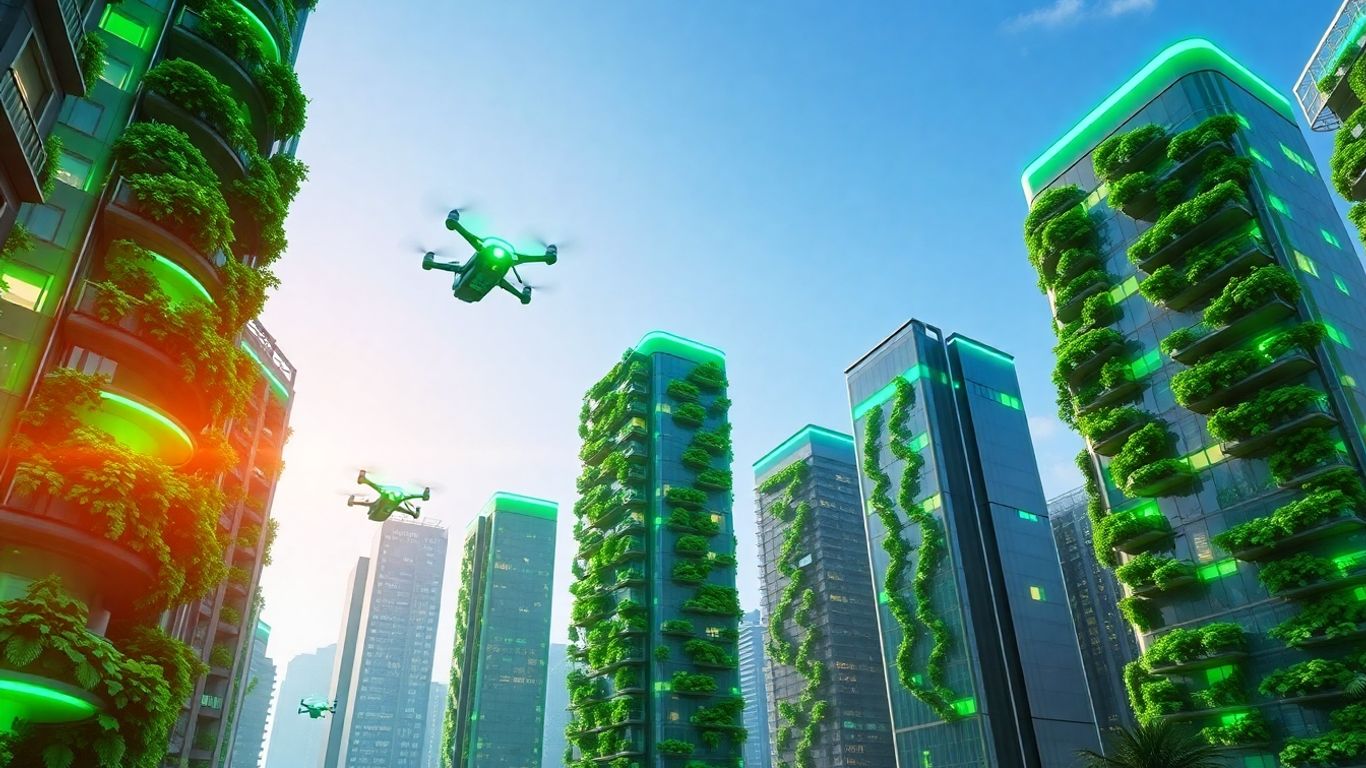
When we talk about sustainability, it's easy to get lost in policy papers and ethical debates. But let's be real, a huge part of making actual progress comes down to the tools we use. That's where technological innovation steps in. It's not just about having the latest gadgets; it's about smart application of tech to solve real-world environmental and social problems.
Think about it: we're seeing breakthroughs in areas like renewable energy storage, advanced materials that reduce waste, and AI that can optimize resource use in industries. These aren't just abstract concepts; they're becoming practical solutions. The goal is to develop and implement technologies that actively contribute to a healthier planet and more equitable societies.
Here are a few ways technology is making a difference:
- Smart Grids: Making energy distribution more efficient and reliable, especially with renewable sources.
- Biotechnology: Creating sustainable alternatives for materials and processes, like biodegradable plastics.
- Data Analytics: Using big data to monitor environmental changes, predict impacts, and inform conservation efforts.
- Circular Economy Tech: Developing systems for better recycling, upcycling, and product lifecycle management.
It's a fast-moving field, and staying on top of it can feel like a lot. But understanding the potential of these advancements is key for anyone serious about driving sustainability forward. It's about finding that sweet spot where innovation meets responsibility.
The drive for sustainable solutions often hinges on our ability to adapt and integrate new technological approaches. This means looking beyond current limitations and exploring how emerging tools can reshape industries and daily life for the better.
Programs focusing on this area often look at how to manage innovation effectively, not just invent new things. It's about the whole process, from idea to widespread adoption. If you're interested in being part of this change, exploring degrees that blend tech with sustainability is a smart move. You can find programs that help you drive significant change in organizations through these innovative means.
17. Digital Transformation For Sustainable Impact
So, you're looking at how to make businesses greener using all that tech stuff? That's where Digital Transformation for Sustainable Impact comes in. It's all about using digital tools and strategies to actually make a difference for the planet and for people. Think about how companies can use data to cut down on waste, or how new software can help manage resources more efficiently. It's not just about going paperless; it's a much bigger picture.
This field is really about connecting the dots between technology and real-world sustainability goals. You learn how to plan and execute digital projects that have a positive social or environmental outcome. It involves understanding emerging technologies, how to analyze data effectively, and how to lead teams through change. The goal is to make sure that as we adopt more technology, we're doing it in a way that benefits everyone and doesn't harm the environment.
Here are some key areas this kind of program often covers:
- Implementing Digital Strategies: Learning how to put digital plans into action that align with sustainability targets.
- Managing Tech Projects: Overseeing projects that use technology to solve sustainability problems.
- Data Analysis for Impact: Using data to understand environmental footprints and identify areas for improvement.
- Ethical Technology Use: Considering the broader implications of technology on society and the environment.
The core idea is to harness the power of digital innovation not just for business growth, but for creating a more sustainable and equitable future. It's about being smart with technology so it serves a greater purpose.
It's a pretty exciting area because technology is changing so fast, and there's a huge need for people who can guide that change in a responsible direction. If you're interested in how tech can solve big problems, this is definitely a path to consider. You can find programs that focus on digital systems with minimal impact and learn how to lead that transition.
18. Ecosystem-Based Sustainability Solutions
Thinking about how nature works and applying that to business problems is what ecosystem-based sustainability is all about. It's not just about reducing harm; it's about creating systems that can actually regenerate and thrive, much like a healthy forest or a clean river. This approach looks at the interconnectedness of everything – the environment, society, and the economy – and tries to build solutions that benefit all parts of the system.
This means moving beyond isolated fixes to designing holistic strategies.
Here are some key ideas within this approach:
- Biodiversity Integration: Understanding how business activities impact local wildlife and plant life, and finding ways to support or even restore it.
- Resource Cycling: Mimicking natural cycles where waste from one process becomes food for another, aiming for zero waste.
- Community Resilience: Building businesses that support local communities and can withstand environmental or social shocks.
- Natural Capital Accounting: Recognizing and valuing the natural resources and ecosystem services that businesses rely on.
It's a shift in perspective, really. Instead of just seeing nature as something to protect, we see it as a model for how to operate effectively and sustainably. It requires a good grasp of ecological principles and how they can be translated into practical business applications.
This way of thinking encourages us to see businesses not as separate entities, but as part of larger natural and social systems. The goal is to create value that benefits not just shareholders, but the planet and its people too, fostering a more balanced and enduring form of progress.
19. Emerging Technologies For Sustainability
It feels like every week there's some new tech promising to save the planet. And honestly, some of it actually might. This program is all about getting a handle on those cutting-edge tools – think AI, blockchain, and other advanced tech – and figuring out how they can genuinely help us tackle sustainability issues. It’s not just about knowing what the tech is, but understanding how to actually use it to make a difference.
We're talking about learning to lead projects that use these new technologies for good. You'll get skills in sustainability strategy, how to crunch the numbers, and manage projects effectively. The goal is to prepare you to be at the forefront of innovation, driving change with smart tech.
Here’s a look at what you might explore:
- Artificial Intelligence (AI) for resource optimization and predictive modeling.
- Blockchain for transparent and ethical supply chains.
- Internet of Things (IoT) for real-time environmental monitoring.
- Advanced materials science for sustainable product design.
- Biotechnology for waste reduction and renewable resource development.
This isn't just about adopting new gadgets; it's about a fundamental shift in how we approach problem-solving. It requires a mindset that's open to experimentation and willing to integrate novel solutions into existing systems. The real challenge lies in making these technologies accessible and applicable on a broad scale, moving beyond pilot projects to widespread adoption.
Ultimately, the focus is on practical application. You’ll learn to identify opportunities where emerging technologies can provide real solutions to environmental and social challenges, and then how to implement them effectively. It’s about being ready for what’s next and using it to build a more sustainable future.
20. Cleaner Earth Innovation
This program is all about getting things done for a healthier planet. It's designed for folks who are really passionate about sustainability and want to be part of the clean energy movement. You'll learn how to use the latest tech and smart strategies to come up with and actually put into action projects that make a difference.
What you can expect to learn:
- How to use clean energy technologies effectively.
- Developing new ideas for sustainability.
- Putting climate science into practice for real-world projects.
- Managing sustainability initiatives from start to finish.
The focus here is on practical application. It's not just about knowing things; it's about using that knowledge to create tangible improvements for the environment. Think of it as learning to be a problem-solver for Earth's biggest challenges.
This isn't just theoretical stuff. You'll be looking at how to innovate and implement solutions that have a real impact, helping to speed up the shift towards sustainable energy sources. It's a hands-on approach to making the Earth cleaner.
21. Data Analytics For Circular Economy
This program is all about using data to make the circular economy actually work. You know, the whole idea of reducing waste and reusing materials? Well, this Master's degree teaches you how to crunch the numbers to make that happen.
Think about it: tracking materials through their entire lifecycle, figuring out where things can be repurposed, and spotting inefficiencies. That's where data comes in. You'll learn how to analyze all sorts of information, from production outputs to consumer waste patterns, to find smarter ways to keep resources in play.
Here’s a peek at what you might get into:
- Resource Flow Analysis: Mapping out how materials move through systems to identify reuse opportunities.
- Waste Stream Optimization: Using data to figure out the best ways to collect, sort, and process waste for recycling or upcycling.
- Predictive Modeling for Material Lifecycles: Forecasting when products or components might reach end-of-life and planning for their next phase.
- Supply Chain Transparency: Using data to ensure materials are sourced and managed responsibly throughout the chain.
The goal is to turn raw data into practical strategies that cut down on waste and make better use of what we already have. It’s a pretty hands-on approach, focusing on real-world problems and how data can provide the answers. You'll likely get to work with case studies and learn tools that help you visualize complex data sets, making it easier to communicate your findings and recommendations to businesses or policymakers. It’s a field that’s growing fast, and for good reason – we need smart solutions to deal with our planet's resources.
22. Data Analytics For Renewable Energy
This Master of Science program is all about using data to make renewable energy work better. Think of it as learning the language of energy data so you can help build a cleaner future. You'll get hands-on with coding and figuring out what all that energy information means. It’s designed for people who want to get into the nitty-gritty of how we generate and use power from sources like the sun and wind.
What you'll actually learn involves a few key areas:
- Data Mastery: Getting comfortable with handling and cleaning large sets of data.
- Clean Energy and Green Tech: Understanding the technologies that power our sustainable future.
- Data Analytics for Sustainability: Applying your data skills to broader environmental goals.
The core idea is to equip you with the skills to analyze energy data, come up with new renewable solutions, and actually put sustainability plans into action. It’s not just about theory; it’s about making a real difference. You’ll learn how to interpret complex information and turn it into practical steps for the energy sector. This program is a great way to get into the field of renewable energy engineering and see how data science plays a role.
The energy landscape is changing fast, and understanding the data behind it is becoming super important. This degree helps you get ahead of the curve, making you ready for jobs that need smart data thinkers in the green energy space.
23. Data Analytics For Sustainability
So, you're looking at Master's programs and sustainability keeps popping up, right? And you've probably noticed a lot of them mention data analytics. It's not just a buzzword; it's actually how we figure out what's going on with the planet and how to fix it. This program is all about using numbers and tech to make sense of environmental stuff.
Think about it: how do you know if a company is actually being green or just saying it is? Data. How do you track pollution levels or the effectiveness of a new recycling program? Data. This degree is designed to give you the tools to dig into all that information and turn it into something useful. You'll learn how to crunch numbers, visualize trends, and basically speak the language of sustainability through data.
Here’s a peek at what you might get into:
- Understanding how to collect and clean environmental data.
- Using software to analyze patterns in climate or resource usage.
- Communicating your findings so people actually understand them.
- Developing strategies based on what the data tells you.
It’s not just about staring at spreadsheets, though. You’ll be looking at real-world problems, like figuring out how to reduce waste in a city or how to promote cleaner energy. It’s about making a tangible difference, and data is your best friend in that mission. If you're interested in how data can help us build a better future, this is definitely a path to consider. You can even find programs that focus on specific areas, like sustainability planning and policy.
The world is generating more data than ever before. Learning to interpret this data for sustainability purposes means you're positioning yourself to be a problem-solver in a field that desperately needs them. It's practical, it's in demand, and it's how real change happens.
24. Data Intelligence For Climate Change Mitigation
This program is all about using smart data approaches to tackle climate change. Think of it as giving us the tools to really understand what's happening with our planet's climate and then figuring out the best ways to slow down or stop the bad stuff.
What you'll get into:
- Analyzing complex climate data sets to spot trends and patterns.
- Developing strategies for reducing greenhouse gas emissions.
- Using predictive modeling to forecast climate impacts.
- Communicating findings clearly to help make informed decisions.
It's not just about crunching numbers; it's about turning that information into real action. You'll learn how to work with climate science basics, understand the technology involved, and think strategically about how data can lead to actual solutions.
The goal is to equip you with the skills to make a tangible difference. This means understanding the science behind climate change and then applying data intelligence to create effective mitigation plans. It's a practical approach to a huge global challenge.
This is a field that's growing fast, and professionals who can bridge the gap between data science and climate action are going to be in high demand. It's a chance to work on something that truly matters.
25. Data Leadership In Sustainable Innovation and more
So, you're looking to lead the charge in making businesses more sustainable, but you're not quite sure where to start with all the data out there? That's where programs focused on Data Leadership in Sustainable Innovation come in. These aren't just about crunching numbers; they're about using that information to actually make a difference.
You'll learn how to turn raw data into clear strategies that guide companies toward greener practices. It's about understanding the big picture and then drilling down into the specifics that matter for environmental and social good.
Here’s a peek at what you might cover:
- Developing data-driven sustainability plans.
- Using analytics to track progress and identify areas for improvement.
- Communicating complex data insights to different teams and stakeholders.
- Understanding how new technologies can be applied to sustainability challenges.
Think about it: a company wants to reduce its carbon footprint. A data leader can analyze energy consumption patterns, supply chain impacts, and waste generation to pinpoint the most effective changes. It’s not just about having data; it’s about knowing what to do with it.
These programs often bridge the gap between technical data skills and the practical application of sustainability principles. You're not just a data analyst; you're a strategic leader shaping a company's future impact.
Many of these programs also touch on related areas, like circular economy principles or the use of AI in sustainability. It’s a broad field, and these degrees aim to give you a solid foundation to tackle whatever comes your way.
Want to lead the way in green innovation? Discover how smart leadership can drive sustainable progress. Visit our website to learn more about making a real difference.
Your Next Step Towards a Greener Future
So, you've looked at some of the top Master's programs for sustainability in 2026. It's a big decision, for sure. Think about what really matters to you – is it hands-on projects, working with new tech, or maybe a specific area like clean energy? These programs are designed to help you get the skills you need to actually make a difference. Whether you want to lead teams, figure out tricky problems, or just bring new ideas to life, there's a program out there for you. Don't just pick a school; pick a path that feels right for your future and for the planet. Start looking into those application deadlines and get ready to shape a better tomorrow.
Frequently Asked Questions
What is a sustainability master's program?
A sustainability master's program is like a special college course for grown-ups that teaches you how to help the planet and people. You learn about things like saving energy, protecting nature, and making sure businesses are fair and good for everyone. It's about finding smart ways to live and work so we don't mess up the Earth for the future.
Why should I study sustainability?
Studying sustainability is super important because our planet needs help! Learning about it means you can get a cool job helping companies or groups be more eco-friendly. You'll learn how to solve big problems, like pollution or using too much stuff, and become a leader in making the world a better place.
What kind of jobs can I get after a sustainability master's?
After finishing a program like this, you could work as a sustainability manager, an environmental consultant, or even help design new green technologies. Many jobs involve helping businesses be more responsible, managing projects that help the environment, or researching new ways to keep our planet healthy.
Are these programs taught in English?
Yes, many top sustainability master's programs are offered in English. This makes them accessible to students from all over the world. You'll find a lot of these programs are online or have flexible schedules, so you can learn from anywhere.
Do I need to know a lot about science to join?
You don't necessarily need to be a science whiz! While some programs might focus more on science, many sustainability master's degrees are also about business, management, and how to make changes happen. They welcome people with different backgrounds who are passionate about making a difference.
What's the difference between these programs?
These programs are like different flavors of ice cream, all good but with unique tastes! Some focus more on using technology and data to solve problems, others on how businesses can be more sustainable, and some on protecting nature itself. It's about picking the one that best fits what you want to learn and do.