
Unlock Your Future: A Comprehensive Guide to the Harvard Sustainability Masters Program
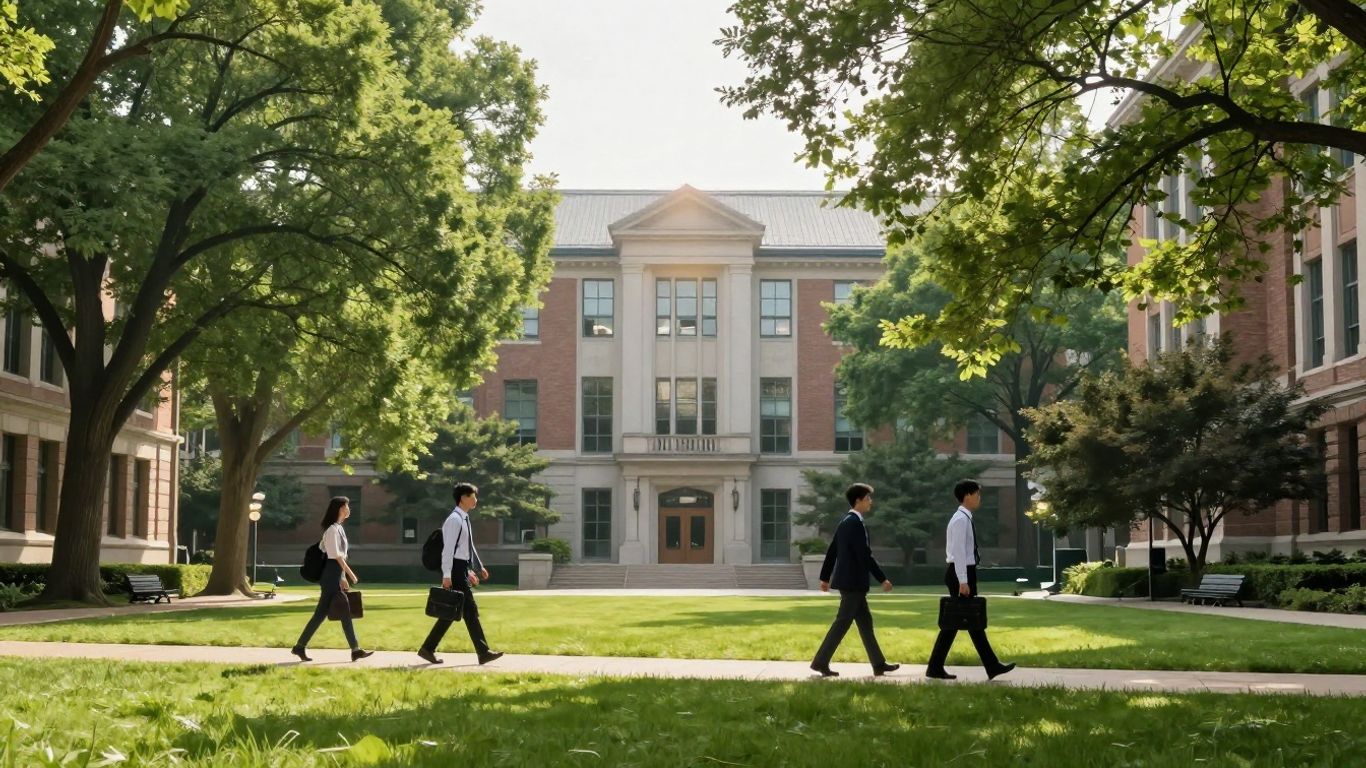
Thinking about a master's degree in sustainability? Harvard's program might be on your radar. It's designed for people who want to make a real difference in environmental issues, whether that's in business, government, or nonprofits. This guide breaks down what the harvard sustainability masters program is all about, from what you'll study to how you get in and what happens after you graduate. Let's take a look.
Key Takeaways
- The harvard sustainability masters program offers a Master of Liberal Arts (ALM) in Extension Studies, focusing on practical skills for environmental challenges.
- The curriculum covers core subjects like research methods and sustainability development, with electives allowing for tailored study across various fields like biology, economics, and policy.
- Admission is performance-based, requiring completion of specific courses like a Proseminar and Analytical Methods, or through an alternative MITx MicroMasters pathway.
- Students learn from experienced faculty, who are rated highly by past participants, and engage in practical learning experiences.
- Graduates pursue diverse careers in sectors such as corporate sustainability, clean energy, consulting, and research, with many alumni working at well-known organizations or continuing their education.
Understanding the Harvard Sustainability Masters Program
So, you're thinking about a Master's in Sustainability at Harvard? That's a big step, and it's good to know what you're getting into. This program isn't just about learning environmental buzzwords; it's about building real skills to tackle some pretty serious global issues. Organizations everywhere, from big companies to non-profits, are looking for people who actually know how to make things more sustainable. That's where this degree comes in.
Program Overview and Objectives
The main goal here is to equip you with the knowledge and practical abilities needed to address climate change and other environmental problems. You'll learn how to come up with solutions that are not only effective but also fair and workable. The program focuses on the science, the policies, and even the financial side of sustainability. You'll graduate with a Master of Liberal Arts (ALM) in Extension Studies in Sustainability from Harvard University, which is a pretty solid credential.
Here's what you can expect to gain:
- Ability to create practical and equitable solutions for environmental challenges.
- A solid grasp of sustainability science, policies, and financial models.
- Improved research, leadership, and communication skills.
This program is designed for people who want to make a tangible difference. It's about understanding the complexities of sustainability and developing the confidence to lead change in various professional settings.
Core Curriculum and Specializations
The program is structured around a 12-course curriculum. You'll start with core courses that focus on research methods and build specific skills in sustainability development, design, and management. After that, you get to tailor your studies. You can choose electives that match your interests, whether that's in sustainable finance, focusing on aligning Environmental, Social, and Governance (ESG) strategies with long-term investment goals, or something else entirely. The idea is to give you a broad foundation and then let you specialize.
Interdisciplinary Approach to Sustainability
Sustainability isn't a single subject; it touches on so many different fields. That's why this program takes an interdisciplinary approach. You'll likely take courses that draw from areas like:
- Environmental Policy
- Economics
- Management
- Biology
- Government
- Computer Science
This mix helps you see how different parts of the world and different industries connect to sustainability issues. It's about understanding the bigger picture and how various disciplines interact to create a more environmentally aware society. You might even get a chance for hands-on experience, like a consulting project in Spain, which gives you practical skills in the field of sustainability.
Curriculum and Coursework Highlights

The Harvard Sustainability Masters Program is built around a solid core of knowledge, but it also gives you a lot of room to explore what interests you most. It’s a 12-course program designed so you can actually use what you learn right away in your job. You can study part-time, picking classes that fit your life and career goals.
Essential Core Courses
To get started, you’ll tackle some foundational courses. These are designed to build your research skills and give you a strong base in sustainability. Think of them as the building blocks for everything else. You’ll learn about research methods and get specific skills in development, design, and management within the sustainability field. It’s a good way to prepare for graduate studies, especially if you're aiming for a program like the Master of Liberal Arts in global development practice. These courses help you get ready for the academic work ahead.
Elective Course Options
This is where you get to personalize your degree. After you’ve got the core down, there’s a wide range of electives. You can really tailor your studies to your specific interests or the industry you want to work in. Some examples of courses you might find include:
- Leading with Ethics: Professional Practices for Sustainable Development
- A One Health Approach to Global Sustainable Development
- Tracking Sustainability Performance: Analytical Approaches and Challenges
- Life Cycle and Supply Chain Sustainability Assessment
- Water Resources Policy and Watershed Management
This variety means you can focus on areas like climate change, renewable energy, sustainable business, or policy, depending on what you want to do after graduation. You can browse available courses to see the full list.
Stackable Certificate Opportunities
Beyond the degree itself, the program offers stackable certificates. This is a neat way to gain specialized knowledge in a particular area of sustainability and earn a credential for it. You can complete a certificate and then, if you decide to pursue the full Master's degree, those credits can count towards your degree. It’s a flexible approach that lets you build up your qualifications over time. Some of these certificates focus on areas like:
- Circular Economics
- Greenhouse Gas (GHG) Accounting
- Life Cycle Assessment
- Sustainable Finance
It’s a smart way to get focused training and a recognized qualification without committing to the entire Master's program right away. You can explore these certificate options to see if they align with your career path.
Admissions and Application Process
Performance-Based Admissions Pathway
Getting into the Harvard Sustainability Masters Program isn't just about filling out forms; it's about showing what you can do. The primary way to get accepted is through a performance-based admissions route. This means you actually start by taking specific courses and earning credits that count towards your degree. It's a pretty neat way to "earn your way in," as they say. You'll typically begin with a Proseminar, which is an introduction to graduate studies in sustainability and global development, and then move on to Analytical Methods in Sustainability. Successfully completing these initial courses with a good performance is your ticket in. It’s a practical approach that lets you hit the ground running once admitted.
Alternative Admission Routes
While the performance-based pathway is the main route, there are other options if that doesn't quite fit your situation. One notable alternative is the MITx MicroMasters® Program Pathway. This route allows individuals who have completed a specific MicroMasters program to apply for admission. It's designed for those who have already demonstrated a certain level of academic rigor and knowledge in a related field. Keep an eye on the official program website for any updates or new alternative pathways that might become available. It's always a good idea to check the application deadlines to make sure you don't miss out.
Next Steps and Enrollment
Once you've met the admission requirements, whether through the performance-based pathway or an alternative route, the next step is enrollment. The program is designed to be flexible, allowing you to enroll in your first admission course as early as the fall term. Course registration usually opens in mid-July, so mark your calendars if you're planning to start then. The application itself, along with all supporting materials, needs to be submitted by 5:00 p.m. ET on the deadline day, which is typically January 5th. Remember, all materials, including recommendation letters and any required fees, must be in by the deadline. It's a good idea to get your application materials ready well in advance to avoid any last-minute stress. The application fee is $90 USD.
The admissions process is structured to ensure that admitted students have a solid foundation and are ready to engage with the rigorous curriculum. It’s a thoughtful system that balances academic assessment with practical demonstration of capability.
Faculty and Learning Experience
Expert Faculty in Sustainability
The instructors in the Harvard Sustainability Masters Program aren't just academics; they're practitioners with real-world experience. They bring a genuine passion for teaching, which students seem to appreciate. In fact, recent feedback shows that our faculty receive an average rating of 4.5 out of 5. This means you're learning from people who have been in the trenches, tackling sustainability challenges head-on. They're equipped to guide you through complex topics, drawing from their own successes and lessons learned. You can explore pathways to impact through environmental sustainability with faculty who are actively involved in the field [d951].
Engaging and Practical Learning
This program is designed to be hands-on. You'll move beyond just theory with coursework that focuses on developing practical skills you can actually use. Expect to engage with case studies, problem-solving exercises, and potentially even projects that mimic real-world scenarios. Many students complete an in-depth thesis or capstone project, which is a great way to apply what you've learned to a specific area of interest. There are also opportunities to explore entrepreneurial ideas through the Harvard Innovation Labs, which can be a really interesting addition to your learning experience.
Student Feedback and Ratings
What do students actually think? Well, the numbers speak for themselves. A significant majority, 97% of recent graduates, would recommend this program to others. This high recommendation rate suggests a positive and effective learning environment. Students often mention the supportive atmosphere and the quality of instruction. The program also fosters a sense of community, with opportunities to connect with peers through groups like the Harvard Extension School Environmental Club. This collaborative spirit is a big part of what makes the learning experience so rewarding.
The support I received at HES laid the foundation for my company. Access to a school like Harvard was not something I thought would happen in my lifetime. Yet, HES made it possible, not just to study but to grow in ways I never anticipated.
This program also equips individuals with the necessary skills for successful careers in research, providing a solid foundation for future endeavors [d4f6].
Career Prospects and Alumni Success
So, you've got this Harvard Sustainability Masters degree. What's next? Well, the good news is that graduates from this program are finding their way into all sorts of interesting jobs. It's not just one path; people are taking their skills to different industries and making a real difference.
Diverse Career Opportunities
Graduates aren't limited to just environmental non-profits, though those are certainly an option. You'll find alumni working in areas like:
- Transportation and logistics
- Hospitality and tourism
- Renewable energy sectors
- Public policy and government roles
- Biotechnology and healthcare
- Civil engineering and infrastructure
- Venture capital and sustainable finance
It really shows how sustainability is becoming a part of almost every business and organization these days. You can bring your focus on environmental responsibility to a field you already know or explore something entirely new. Miki Tokashiki, for example, used her degree to focus on textile innovation within design and supply chain management [7863].
Alumni Job Titles and Employers
What do these roles actually look like? Here are some examples of job titles alumni have landed:
- Senior Manager of Corporate Sustainability (at a Fortune 100 company)
- Advocate for Clean Energy Transmission (with a US Government Agency)
- Consultant of Climate & Sustainability (for an International NGO)
- International Climate Researcher (at a global consulting firm)
- Program Director of Land Management (for a US-based NGO)
- CEO/Founder of a Sustainable Investments Start-up
And where are they working? The list includes well-known organizations like:
- Aetna
- Bank of America
- FedEx
- GE
- The Nature Conservancy
- TripAdvisor
- United Nations
This shows that companies across the board are looking for people with sustainability knowledge. The Harvard Extension School degree opens doors to a wide range of employers [3dd7].
Further Educational Pursuits
For some, the Master's is a stepping stone to even more advanced studies. Many graduates decide to continue their education, pursuing doctoral degrees or other specialized master's programs at universities around the world. This includes institutions like:
- University of Birmingham
- New York University
- University of Edinburgh
- Georgetown University
- Cornell University
- Harvard University’s T.H. Chan School of Public Health
This path is great if you want to become a researcher, a professor, or specialize even further in a niche area of sustainability.
The journey after completing a sustainability master's is rarely a straight line. The skills and perspectives gained allow for adaptability, enabling graduates to pivot and redefine their careers as the field evolves and their personal interests shift. This flexibility is a significant advantage in a dynamic job market.
The Value of a Harvard Sustainability Masters
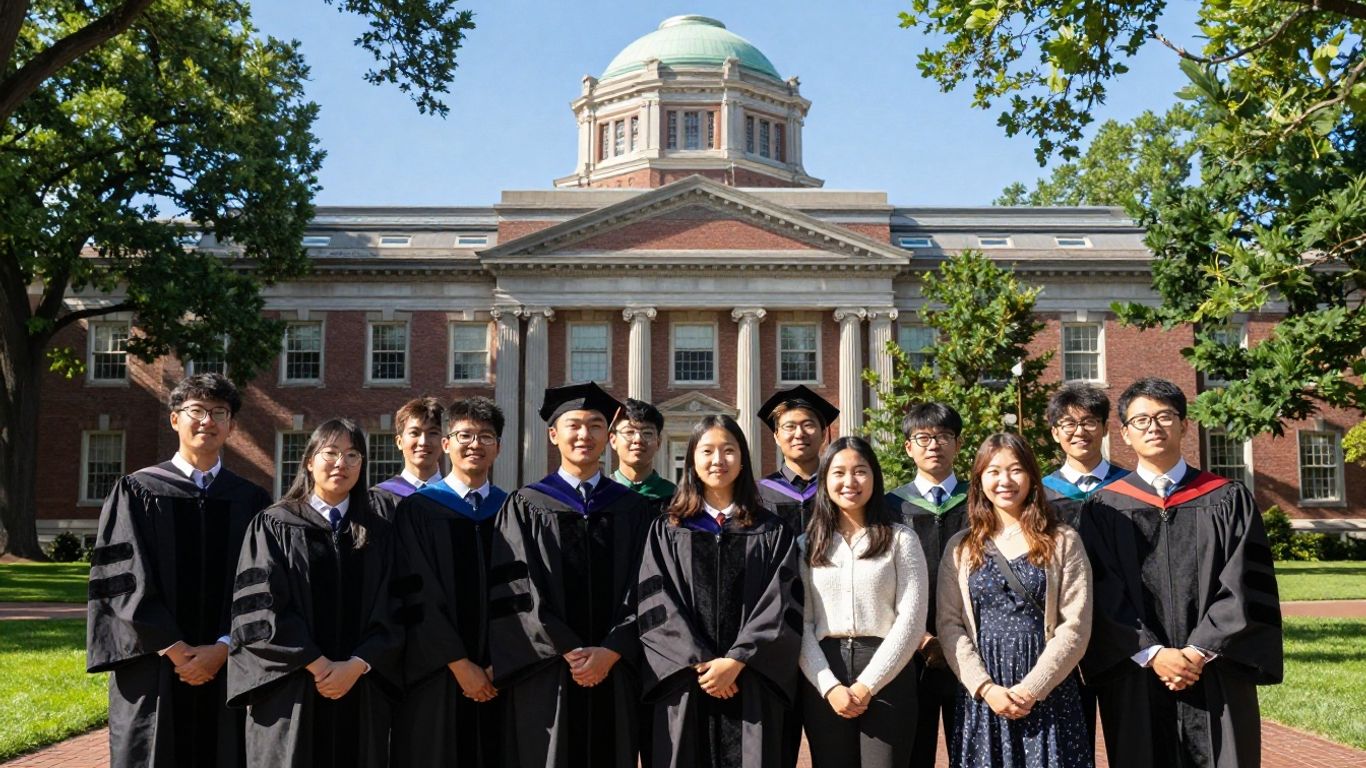
Is a Sustainability Degree Worth It?
So, you're thinking about getting a master's in sustainability. That's a big step, and it's totally normal to wonder if it's actually worth the time and money. The world is definitely talking more about environmental issues, and that means jobs in this area are popping up everywhere. Companies, governments, and non-profits all need people who know how to make things more sustainable. A degree from a place like Harvard can really make your resume stand out. It's not just about getting a piece of paper; it's about gaining the skills to actually make a difference.
A Smart Career Choice in a Growing Field
Let's be real, careers in sustainability are becoming more important by the day. Think about it: climate change isn't going away, and businesses are finally realizing they need to do something about their environmental impact. This means a lot of new job opportunities are opening up. You could end up working in all sorts of places, from big corporations to small startups, or even in government policy. The field is pretty broad, so you can often tailor your path to what you're most interested in. It's a field where you can see the direct results of your work, which is pretty cool.
Here are some common career paths you might explore:
- Environmental Consultant
- Sustainability Manager
- Renewable Energy Analyst
- Corporate Social Responsibility Officer
- Climate Policy Advisor
Making a Positive Impact
Beyond just career advancement, a master's in sustainability offers a chance to contribute to something bigger. You'll learn how to tackle complex environmental problems and develop practical solutions. This program equips you with the knowledge to understand the science, policies, and financial models behind sustainability. It's about building a career where you can feel good about the work you're doing, knowing you're helping to create a healthier planet. You'll be joining a community of people who are passionate about making a positive change, and that's a pretty powerful thing. The Harvard Business School is known for building networks that drive positive global change, and this program is part of that mission.
The demand for professionals who can navigate environmental challenges is growing across all sectors. This degree can provide you with the specialized knowledge and credibility needed to address these issues effectively and contribute to a more sustainable future.
Thinking about a Master's degree in sustainability from Harvard? It's a smart move for your future! This program can open doors to exciting careers and help you make a real difference in the world. Want to learn more about how to get started or what makes this degree so special? Visit our website today to explore your options!
Wrapping Up Your Sustainability Journey
So, that’s a look at what the Harvard Sustainability Masters Program has to offer. It seems like a solid choice if you’re looking to get serious about environmental issues and build a career around it. You’ll learn a lot, from the science behind climate change to how to actually get things done in the real world. Plus, the connections you’ll make and the degree itself could open a lot of doors. It’s definitely a big step, but if you’re passionate about making a difference, this program could be the way to go. Think about what you want to achieve and see if this fits your plan.
Frequently Asked Questions
What exactly is the Harvard Sustainability Masters Program?
It's a master's degree program at Harvard that helps you become an expert in sustainability. You'll learn how to solve big problems like climate change and create better, fairer ways for people and the planet to live together. You'll study science, new ideas, and how to lead others.
What kind of classes will I take?
You'll take core classes that teach you the basics of research and important sustainability skills. Then, you can pick other classes that interest you, like learning about water, energy, or how businesses can be more eco-friendly. You can even earn special certificates along the way.
How do I get into the program?
A cool way to get in is by earning your spot! You'll take a couple of specific courses and do well in them. This shows you're ready for the program, and the credits you earn count towards your degree.
Who are the teachers?
The teachers are top-notch experts who are really passionate about sustainability. They've taught a lot, and students really like learning from them, giving them high ratings for their teaching.
What kind of jobs can I get after graduating?
You can work in lots of different places! Many graduates go on to jobs in areas like clean energy, helping companies be more green, working for the government on environmental issues, or even starting their own green businesses. Some alumni even go on to get more degrees at other famous universities.
Is getting a degree in sustainability a good idea?
Yes! The world really needs people who understand sustainability because of climate change and other environmental issues. Having this degree can give you an edge in finding a great job and help you make a real difference in protecting our planet.