
Understanding What is a Watershed Management: A Comprehensive Guide
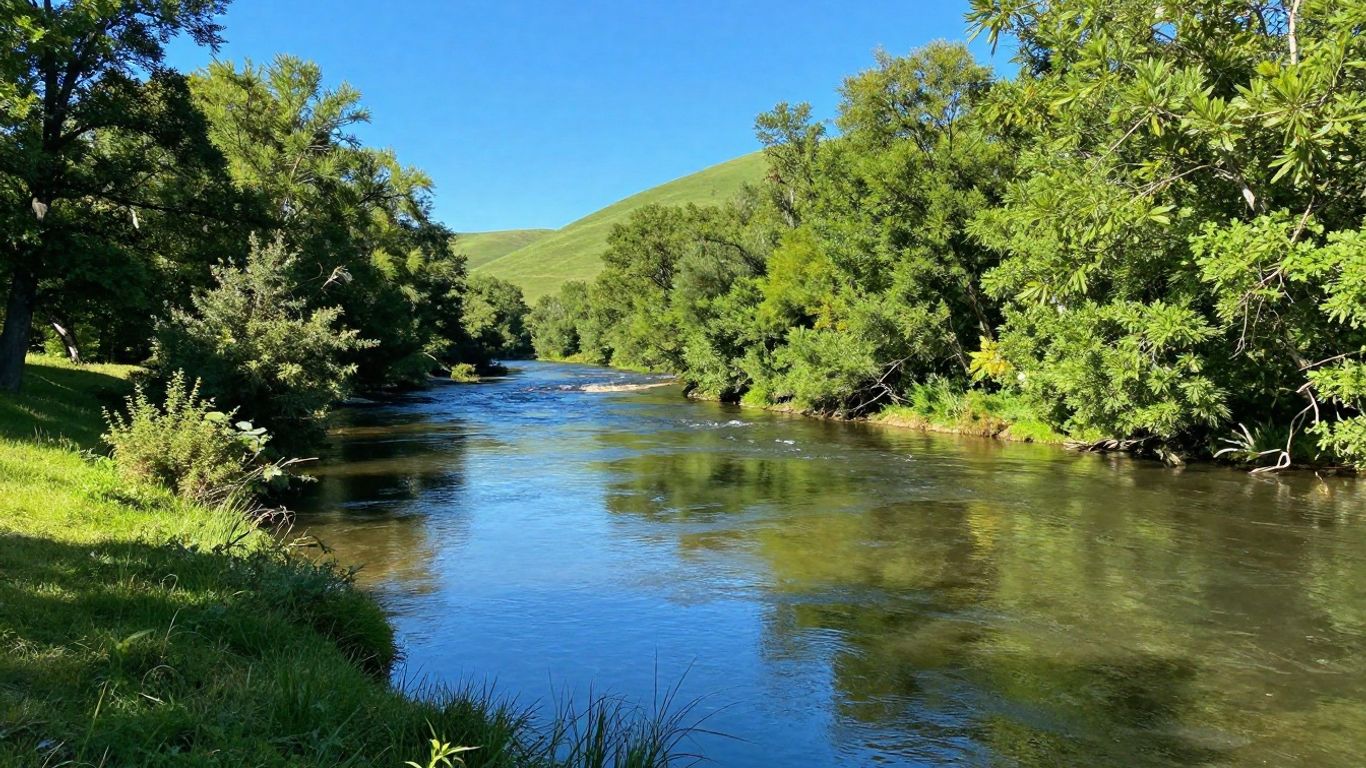
So, you're wondering, what is a watershed management? It's basically a way of looking after a certain area of land where all the water that falls on it drains down to one spot, like a river, lake, or even the ocean. Think of it like a big neighborhood for water. Managing this area means we're trying to keep all the water clean and healthy, from the tiny streams up in the hills all the way down to where we get our drinking water. It's a pretty big job, involving a lot of different pieces working together.
Key Takeaways
- A watershed is simply the land area where water collects and flows to a single point, like a river or lake.
- Watershed management is about taking care of these areas to keep water clean and healthy.
- It involves setting goals, checking the current state of the watershed, and planning how to protect it.
- Getting everyone involved, from local folks to different groups, is a big part of making it work.
- The whole process isn't a one-time thing; it's ongoing, with checks and adjustments along the way to make sure it's still doing its job.
Understanding What Is A Watershed Management
So, what exactly is watershed management? Think of it like this: a watershed is simply the land area where all the water that falls on it eventually drains to a common point, like a river, lake, or even the ocean. It doesn't matter if it's a tiny stream or a massive river system; they all have boundaries. Watershed management is basically a way of looking at how we use and take care of these areas. It's about making smart decisions to keep the water clean and the land healthy, considering everything from the highest hills down to the lowest streams.
Defining The Watershed Approach
The "watershed approach" is a way of thinking about problems and planning solutions that looks at the whole picture. Instead of focusing on just one small spot, we consider a larger area – the entire watershed. This means working with lots of different people and groups who have a stake in the watershed's health. The goal is to find a balance that works for the environment, the economy, and the people living there. It's a bit like trying to manage a whole neighborhood instead of just one house.
The Purpose Of Watershed Management
Why bother with watershed management? Well, there are a few big reasons. For starters, it's about making sure we have clean water for drinking, for nature, and for all sorts of activities. It's also about protecting our drinking water sources before they get polluted. Plus, it helps us figure out how to use the land and water resources in a way that benefits everyone, without messing things up for the future. It's a proactive way to deal with water issues.
Watersheds As Ecosystems
It's easy to just think of a watershed as a place where water flows, but it's much more than that. It's a living, breathing ecosystem. This means it's a complex system where water, land, plants, animals, and people all interact. Everything that happens in one part of the watershed can affect other parts. For example, what happens on a farm upstream can impact the water quality in a town downstream. Understanding these connections is key to managing a watershed effectively.
Key Components Of Watershed Management
So, you've got this whole area where water collects and flows to a single point, right? That's a watershed. Managing it isn't just about the water itself; it's about looking at the whole picture. Think of it like planning a big party – you need to figure out who's coming, what you need, and how you're going to make sure everyone has a good time. Watershed management is kind of like that, but for nature.
Setting Goals And Objectives
First off, you gotta know what you're trying to achieve. Are you trying to keep the water super clean for drinking? Or maybe protect a specific type of fish? You can't just say 'make it better.' You need specific targets. For example, a goal might be to reduce a certain pollutant by 20% in five years. Or maybe it's about preserving a certain amount of forest cover. Without clear goals, you're just sort of wandering around.
Assessing Watershed Conditions
Next, you need to figure out what's actually going on in the watershed. This means getting your hands dirty, metaphorically speaking. You'll be looking at things like:
- Water quality tests: What's in the water? Is it safe?
- Land use patterns: What are people doing on the land? Farming? Building houses? Logging?
- Ecosystem health: Are the plants and animals doing okay?
- Hydrology: How much water is flowing, and when?
This step is all about gathering information. It's like a doctor giving you a check-up before deciding on a treatment. You need to know the current state of health before you can plan any fixes. Understanding the hydrologic cycle is a big part of this assessment.
Developing Protection Strategies
Once you know your goals and what the situation is, you can start making a plan. This is where you figure out the actual steps to take. It's not a one-size-fits-all deal. Some strategies might involve building things, like better wastewater treatment plants or ways to handle stormwater runoff. Others are more about rules and agreements, like zoning laws or protecting the areas along rivers and streams (called riparian buffers).
Here's a quick look at the types of things you might consider:
- Structural Practices: These are physical things you build or change. Think of things like upgrading sewage systems or creating retention ponds for rainwater.
- Nonstructural Practices: These are more about policies and land management. Examples include buying land for conservation, setting rules for development, or creating agreements with landowners.
It's important to remember that watershed management is rarely a single, perfect plan. More often, it's an ongoing process. You implement some actions, see how they work, and then adjust. It's a bit like trial and error, but with a lot of science behind it.
These strategies need to be practical and fit the specific watershed. What works in a big city might not work in a rural farming area. The key is to pick the right tools for the job to meet those initial goals you set.
Implementing Watershed Protection Strategies
So, you've figured out what your watershed is and why managing it matters. Now comes the part where you actually do something about it. This is where watershed protection strategies come into play. Think of it like this: you wouldn't just diagnose a problem with your car and then stare at it, right? You'd get it fixed. Watershed management is similar, but instead of a busted engine, we're talking about keeping our water clean and healthy.
Structural Management Practices
These are the hands-on, physical things you build or change to manage water flow and quality. They're often about controlling pollution at its source or managing how water moves across the land. For example, upgrading wastewater treatment plants is a big one. If the sewage treatment isn't up to snuff, all sorts of nasty stuff can end up in the river. Then there are stormwater practices. You know, when it rains really hard and all that gunk from the roads and lawns washes into the nearest drain? Building better systems to handle that runoff, or even retrofitting old ones, can make a huge difference. We're also talking about things like installing systems to manage on-site sewage, like septic tanks, making sure they're working right and sited properly. Sometimes, it even involves fixing up or building new things like riparian buffers – those vegetated areas along rivers and streams that act as natural filters.
Nonstructural Management Practices
These are less about building and more about planning, policies, and land use. It's about making smart decisions before problems happen. A major part of this is watershed land acquisition. Sometimes, the best way to protect a water source is to simply own the land around it and manage it carefully. Conservation easements are another tool, where landowners agree to limit certain types of development on their property to protect water quality. Zoning and development ordinances play a big role too – basically, rules about what you can and can't build, and where, to minimize impact on the watershed. Riparian buffer ordinances are similar, but specifically focused on protecting those stream-side areas. And then there's wetland conservation; keeping wetlands intact is super important because they act as natural sponges and filters.
Best Management Practices For Land Use
This category really bridges the gap between structural and nonstructural. It's about how we use the land in a way that's kinder to our water. For farms, this means things like planting cover crops, managing manure, and keeping livestock out of streams. For forests, it involves careful logging practices that don't cause a lot of erosion. Even in urban areas, it's about things like permeable pavements that let rainwater soak into the ground instead of running off, or green roofs that absorb rain. The idea is to work with nature, not against it, to keep pollutants from getting into our water in the first place.
Implementing these strategies isn't always straightforward. It often requires a mix of different approaches, and what works in one place might not work in another. It's a bit like putting together a puzzle, where you have to consider the specific landscape, the types of pollution you're dealing with, and the people who live and work there.
Here's a quick look at some common strategies:
- Structural:
- Wastewater treatment upgrades
- Stormwater management systems
- On-site sewage system improvements
- Riparian buffer construction
- Nonstructural:
- Land acquisition for protection
- Conservation easements
- Zoning and land use regulations
- Wetland preservation
- Land Use BMPs:
- Agricultural runoff controls
- Sustainable forestry practices
- Permeable surfaces in development
- Proper waste disposal management
The Role Of Stakeholders In Watershed Management
Identifying Relevant Stakeholders
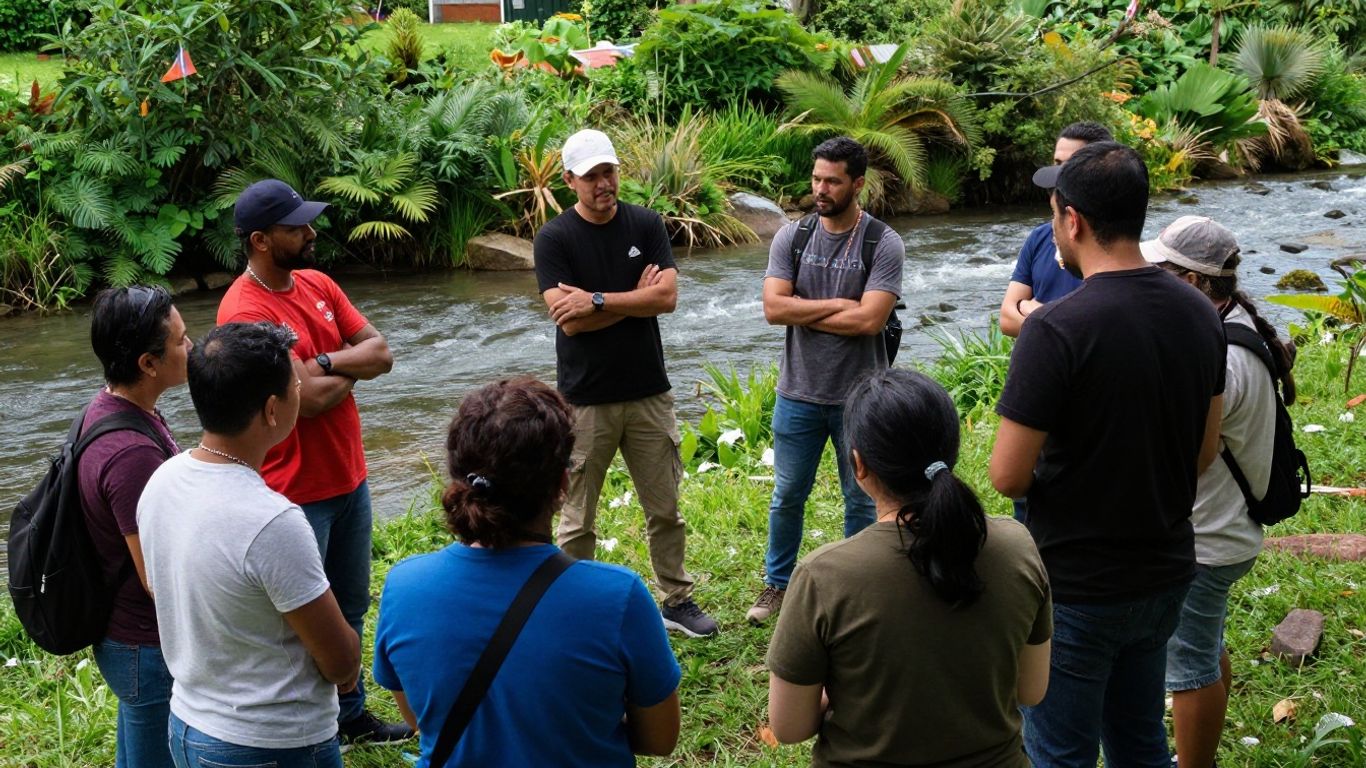
When we talk about managing a watershed, it's not just about the water itself or the land it flows over. It's also about the people who live there, work there, and depend on that water. These folks are what we call stakeholders. Figuring out who all these people are can be a bit tricky because watersheds don't always line up neatly with town or county lines. You might have folks from different towns, different states even, all sharing the same river or stream. So, the first step is really just mapping out everyone who has a stake in the game. This could be anyone from local farmers and business owners to environmental groups, government agencies, and even just residents who enjoy fishing or hiking.
Encouraging Stakeholder Involvement
Getting everyone to the table and actually participating is where the real work begins. It's not enough to just invite people to a meeting; you need to make them feel heard and valued. There are a bunch of ways to do this. Public hearings are a classic, though sometimes they can feel a bit formal. Citizen advisory committees or task forces can be great for ongoing discussions. Workshops and public forums allow for more back-and-forth. Sometimes, using mediators or facilitators can help sort out disagreements. The key is to open up as many different avenues for input as possible and be genuinely open to what people have to say. It's about building a shared understanding of the watershed's problems and what needs to be done.
Building Trust And Collaboration
This whole process of involving stakeholders isn't a one-and-done deal. It takes time, and it definitely takes building trust. People need to feel confident that their concerns are being taken seriously and that decisions are being made fairly. This often means sharing information openly and honestly. Providing clear maps of the watershed and explaining how local actions can affect water quality downstream is a big help. When people understand the bigger picture and the consequences of different choices, it's easier to work together. It's about finding common ground and accepting that there will be compromises.
Watershed management is a continuous process, not a single event. It requires ongoing dialogue, a willingness to adapt, and a commitment to finding solutions that work for both people and the environment. Building strong relationships among all involved parties is just as important as the technical plans themselves.
Monitoring And Adapting Management Plans
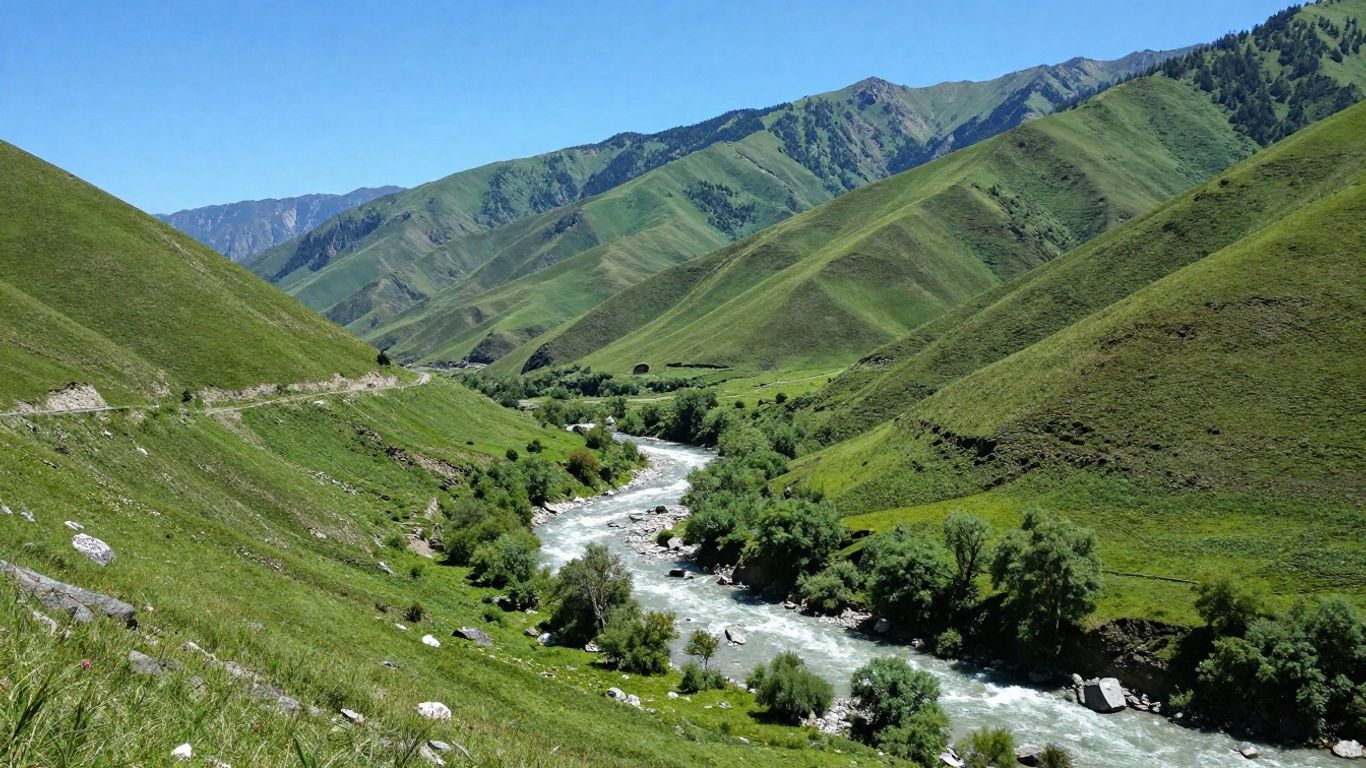
So, you've put a plan in place to manage your watershed. That's great! But what happens next? Well, you can't just set it and forget it. Effective watershed management is an ongoing process, not a one-time fix. It's all about keeping an eye on things and being ready to tweak your approach as needed. Think of it like tending a garden; you plant, you water, but you also have to pull weeds and adjust if the weather changes.
Evaluating Program Effectiveness
First off, we need to see if the plan is actually doing what it's supposed to do. This means looking at the data we've been collecting. Are the water quality numbers improving? Are the practices we put in place working as expected? We can track things like:
- Compliance: Are people following the rules and regulations related to land use and pollution?
- Performance: Are the specific management practices, like buffer strips or stormwater ponds, actually reducing pollutants?
- Overall Health: Are key indicators of the watershed's ecosystem showing positive trends?
Sometimes, we collect a lot of data, but it doesn't always translate into useful information. It's like having a pile of ingredients but no recipe. We need to make sure we're analyzing the data to draw real conclusions about what's working and what's not.
The Iterative Nature Of Management
Watershed management is definitely not a straight line. It's more like a loop. You implement a strategy, monitor its effects, evaluate the results, and then adjust the strategy based on what you learned. This cycle repeats over time. What works today might not be the best approach in five or ten years, especially if things like population or land use change in the watershed.
This constant back-and-forth is what makes watershed management adaptable. It allows us to respond to new challenges and make sure our efforts continue to be effective in the long run.
Incorporating New Information
As we monitor and evaluate, we'll inevitably learn new things. Maybe a new scientific study comes out about a particular pollutant, or perhaps we discover that a certain type of land use is having a bigger impact than we initially thought. We also need to consider social and economic factors. Are residents more aware of watershed issues? Are there new development pressures? All this new information needs to be fed back into the management plan. It's about being flexible and willing to update our strategies to keep pace with changing conditions and knowledge. This might mean adjusting goals, changing specific practices, or even rethinking our entire approach if the situation calls for it. It's all part of making sure our watershed stays healthy and resilient.
Benefits Of Effective Watershed Management
So, why bother with all the planning and effort that goes into managing a watershed? Well, the payoff can be pretty significant, touching on everything from the water we drink to the health of our local environment. It's not just about preventing floods or pollution, though those are big parts of it. It's about creating a more stable and healthy system for everyone and everything that relies on that water.
Ensuring Clean Water Resources
One of the most direct benefits is having cleaner water. When we manage a watershed well, we're actively working to reduce the amount of pollution that makes its way into our rivers, lakes, and streams. This means less stuff like excess nutrients from farms, chemicals from urban runoff, and sediment from construction sites getting into the water. This not only makes the water look and smell better but also supports a healthier aquatic life. Think fish, insects, and plants – they all need clean water to survive and thrive.
Protecting Drinking Water Supplies
This one's a biggie. A healthy watershed is the first line of defense for our drinking water. By protecting the land around our water sources, we can significantly reduce the need for expensive and complex water treatment processes. This involves things like keeping forests and wetlands intact, which act as natural filters, and managing land use to prevent contamination. When we take care of the watershed, we're essentially taking care of the tap. It's a proactive approach that can save communities a lot of money and hassle down the line, not to mention providing a more reliable supply of safe drinking water.
Balancing Environmental And Social Needs
Effective watershed management isn't just about the environment; it's also about people. It requires looking at the whole picture and figuring out how to meet different needs. This could mean finding ways for farmers to use land sustainably while still producing crops, or allowing for development that doesn't harm water quality. It's about finding that sweet spot where ecological health, economic activity, and community well-being can all coexist. This often involves bringing different groups together to talk and find solutions that work for everyone involved.
Here are some key aspects of this balance:
- Water Quality: Maintaining or improving the condition of water bodies.
- Habitat Preservation: Protecting natural areas for wildlife.
- Recreation: Allowing for activities like fishing, boating, and swimming.
- Economic Viability: Supporting local industries and livelihoods that depend on natural resources.
- Community Health: Providing safe drinking water and healthy environments for residents.
Managing a watershed is like tending a large garden. You have to consider all the plants, the soil, the water, and how everything interacts. If you only focus on one thing, like making the flowers bloom, you might accidentally harm the vegetables or dry out the soil. It's about understanding the whole system and making choices that benefit everything in the long run.
Taking good care of our water sources, like rivers and lakes, brings many good things. It helps keep our drinking water clean and safe. It also makes sure that fish and other animals have a healthy place to live. Plus, well-managed water areas are great for fun activities like fishing and swimming. Want to learn more about how we can protect these vital resources? Visit our website today to discover how you can get involved!
Wrapping It Up
So, that's the lowdown on watershed management. It's not just some fancy term; it's about looking at how water moves across the land and figuring out the best ways to keep it clean and healthy. It involves a lot of different people and a lot of different steps, from understanding the land itself to putting plans into action and then checking to see if they're working. Because things change – weather, laws, people – watershed management has to be flexible. It’s an ongoing job, not a one-and-done deal, and it really takes everyone chipping in to make sure our water sources are protected for the long haul.
Frequently Asked Questions
What exactly is a watershed?
Imagine a giant bowl. A watershed is like that bowl, but for land! It's any area of land where all the water that falls on it, like rain or snow, eventually flows downhill to a single place, such as a river, lake, or ocean. These areas can be big or small and don't follow lines on a map like county borders.
Why is managing watersheds important?
Managing watersheds is super important because it helps keep our water clean. Think about it: everything that happens on the land, like farming, building, or even just driving, can affect the water that flows through the watershed. By managing these activities, we can protect the water we drink, the homes for fish and other animals, and the overall health of our environment.
What are the main goals of watershed management?
The main goals are to keep our water sources healthy and clean. This means making sure we have enough safe water to drink, protecting the natural habitats for plants and animals, and finding ways to use the land and water that work for both people and nature. It's all about balancing what we need with what the environment needs.
Who is involved in watershed management?
Lots of different people and groups are involved! This includes government agencies, scientists, farmers, business owners, and everyday citizens who live in or use the watershed. Everyone has a role to play because everyone's actions can impact the water. Working together is key to making it successful.
What are some ways to protect a watershed?
There are two main types of ways: structural and nonstructural. Structural methods involve building things like treatment plants or special areas to manage rainwater. Nonstructural methods focus on things like creating rules for how land can be used, protecting forests and wetlands, or buying land to keep it natural. Using the best methods for different situations is important.
How do we know if watershed management is working?
We know it's working by keeping a close eye on things! Scientists and managers regularly check the water quality, look at the health of plants and animals, and see how well the protection plans are doing. If things aren't improving or new problems pop up, the plans are adjusted. It's like a continuous cycle of checking, learning, and improving.