
Understanding the Definition of Emissions: A Comprehensive Guide

So, you're trying to figure out what 'emissions' really means, especially when it comes to your business. It sounds simple enough, but there's actually a bit more to it than just smoke coming out of a chimney. We're talking about greenhouse gases, and understanding where they come from is becoming super important. This guide breaks down the different types of emissions, how to measure them, and why it all matters for companies trying to be more eco-friendly. Let's get into it.
Key Takeaways
- Emissions are greenhouse gases released into the atmosphere. Understanding the definition of emissions is the first step in managing your company's environmental impact.
- Scope 1 emissions are direct emissions from sources your company owns or controls, like company vehicles or factory boilers.
- Scope 2 emissions are indirect emissions from purchased energy, such as electricity you buy for your office or factory.
- Scope 3 emissions cover all other indirect emissions in your value chain, from making the stuff you buy to how customers use your products.
- Accurately calculating and reporting emissions, often using frameworks like the GHG Protocol, is key for sustainability efforts and meeting stakeholder expectations.
Understanding the Definition of Emissions
So, what exactly are 'emissions'? When we talk about emissions in the context of environmental impact, we're generally referring to gases released into the atmosphere. These gases can come from all sorts of activities, both natural and human-made. Think of the exhaust from a car, smoke from a factory chimney, or even the methane released by cows. The key is that these are substances that change the composition of our air.
Defining Greenhouse Gases
When people talk about emissions, they're often specifically thinking about greenhouse gases (GHGs). These are gases that trap heat in the Earth's atmosphere, contributing to the warming of our planet. While there are many gases that fit this description, the most commonly discussed ones include:
- Carbon Dioxide (CO2): The most prevalent GHG, largely from burning fossil fuels.
- Methane (CH4): Released from natural gas leaks, livestock, and landfills.
- Nitrous Oxide (N2O): Comes from agricultural and industrial activities, as well as burning fossil fuels.
- Fluorinated Gases: A group of potent GHGs used in industrial applications, like refrigerants.
The Importance of Accurate Emissions Definitions
Getting a handle on what counts as an emission is super important, especially for businesses and organizations trying to figure out their environmental footprint. It's not just about pointing fingers; it's about understanding where the impact is coming from so you can actually do something about it. Without clear definitions, it's like trying to clean up a mess without knowing what the mess is made of or where it started. This is where the concept of 'scopes' comes in, helping to break down emissions into manageable categories.
Direct Emissions: Scope 1
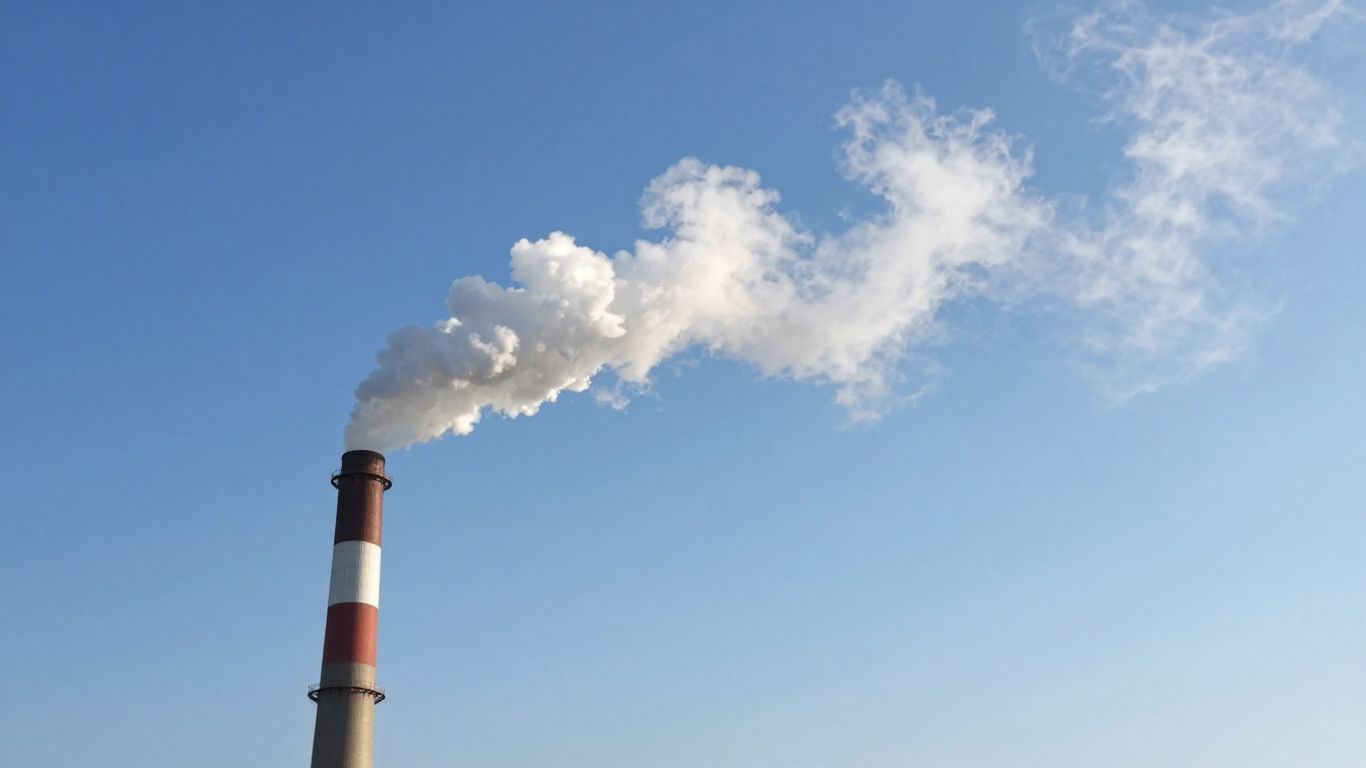
Alright, let's talk about Scope 1 emissions. These are the ones that come straight from the horse's mouth, so to speak. They're the greenhouse gases released directly from sources that your company owns or controls. Think of it as the emissions you have the most direct say over. Because you're in the driver's seat, these are often the first place companies look when they want to start cutting down their carbon footprint.
Sources of Scope 1 Emissions
So, where do these direct emissions actually come from? It really depends on what your business does, but here are some common places to find them:
- Fuel Combustion: This is a big one. It includes burning fuels in things like company vehicles (delivery trucks, service vans, company cars) or any heavy machinery you might use. It also covers stationary sources, like burning natural gas in your building's boilers or emissions from backup generators that kick in when the power goes out.
- Industrial Processes: If your company is involved in manufacturing, certain chemical reactions can release greenhouse gases. Think about things like making cement, smelting metals, or refining oil. These processes can produce CO2 as a byproduct.
- Fugitive Emissions: These are the sneaky ones – unintentional leaks of gases or vapors from equipment, pipes, or storage tanks. They can be hard to spot and measure, but they add up.
- Agricultural Activities: If your business involves farming, emissions from livestock or the use of fertilizers can fall under Scope 1.
Examples of Direct Emissions
To make it clearer, let's look at some concrete examples:
- A construction company using its own diesel-powered excavators and trucks.
- A manufacturing plant burning natural gas in its furnaces.
- A company with its own fleet of delivery vans running on gasoline.
- Refrigerant leaks from equipment owned and operated by the company.
- A power plant burning coal or natural gas to generate electricity for its own use or sale.
Controlling Direct Emissions
Since you have direct control over these sources, managing Scope 1 emissions often involves practical steps. Here are a few ways companies tackle this:
- Improving Energy Efficiency: Making sure your equipment runs as efficiently as possible means burning less fuel.
- Switching Fuels: Moving from higher-carbon fuels (like coal or diesel) to lower-carbon options (like natural gas or even exploring biofuels).
- Maintenance and Leak Detection: Regularly checking and repairing equipment can prevent those sneaky fugitive emissions.
- Electrification: Where possible, switching from fossil-fuel-powered equipment to electric alternatives (if the electricity source is also becoming cleaner).
Managing Scope 1 emissions is often the most straightforward part of a company's carbon reduction journey because the sources are directly within its operational boundaries. It requires a good understanding of where and how fuels are burned or gases are released within the company's owned or controlled assets.
Indirect Emissions: Scope 2
Okay, so we've talked about the emissions companies pump out directly from their own operations, right? That's Scope 1. Now, let's get into Scope 2. These are the emissions that happen because a company uses energy it bought from somewhere else. Think about all the electricity powering your office lights, computers, and air conditioning. That electricity was generated at a power plant, and that generation process creates emissions. Since the company doesn't own the power plant, these are considered indirect emissions.
Purchased Energy and Emissions
Basically, if you're buying electricity, steam, heat, or cooling, the emissions tied to making that energy fall under Scope 2. It's a pretty big chunk for many businesses, often accounting for a significant portion of their total carbon footprint. The key here is that the emissions occur at the source of energy generation, but they're attributed to the entity that consumes the energy. This is why understanding your energy bills and where your energy comes from is so important for accurate reporting. It's not just about how much energy you use, but also how that energy was produced. For example, electricity purchased from a utility company is a classic Scope 2 emission source. If your company happens to generate its own power on-site using its own equipment, those emissions would actually be Scope 1, not Scope 2. It's all about ownership and control of the emission source.
Attributing Scope 2 Emissions
Figuring out how to assign these emissions can get a little tricky. There are actually a couple of ways to do it, and the Greenhouse Gas Protocol gives us the guidelines. The two main methods are the 'location-based' and 'market-based' approaches.
- Location-based: This method uses average emission factors for the electricity grid in the geographic location where the energy is consumed. It's like saying, 'Okay, in this region, electricity generally has X amount of carbon associated with it.'
- Market-based: This approach considers the specific electricity products purchased. If a company buys renewable energy certificates (RECs) or sources electricity directly from a renewable provider, they can use those specific emission factors, which are often much lower or zero.
Choosing the right method, or using both as the GHG Protocol often suggests, helps paint a clearer picture of your company's actual impact. It's about being transparent and using the most relevant data for your situation. You can find more details on how to approach this on the GHG Protocol website.
Examples of Purchased Energy Emissions
So, what exactly counts as Scope 2? Here are some common examples:
- Purchased Electricity: This is the big one. Emissions from generating the electricity that powers your office equipment, lighting, servers, manufacturing machinery, and anything else that plugs into the wall.
- Purchased Steam: If your business buys steam for heating or industrial processes (like in food production or chemical manufacturing), the emissions from generating that steam are Scope 2.
- Purchased Heating: This could be from a district heating system that pipes hot water or steam to your building from a central plant, or even heat generated by a third party and supplied to you.
- Purchased Cooling: Similar to heating, if you purchase chilled water or other cooling services for air conditioning or refrigeration, the emissions from producing that cooling are included.
It's important to remember that Scope 2 emissions are a direct consequence of a company's operations, even though the emissions themselves happen elsewhere. They represent a significant area for potential emissions reductions, especially as renewable energy options become more accessible and affordable.
Value Chain Emissions: Scope 3
Alright, let's talk about Scope 3 emissions. These are the ones that can feel a bit like a puzzle because they happen outside of what a company directly owns or controls, but they're still tied to its activities. Think of it as the ripple effect of a business's operations. Scope 3 emissions often make up the largest chunk of a company's total carbon footprint, which is why they're so important to figure out.
Upstream and Downstream Activities
Scope 3 covers everything that happens before a company gets its materials (upstream) and after it sells its products or services (downstream). It's the whole lifecycle, really. This includes things like the emissions from making the raw materials a company buys, or the emissions from how a customer uses a product after they buy it. It's a broad category, and getting a handle on it can be tricky.
Categories of Scope 3 Emissions
The Greenhouse Gas Protocol breaks Scope 3 down into 15 different categories to make it a bit more manageable. Here are some of the big ones:
- Purchased Goods and Services: Emissions from making all the stuff a company buys, like metals, plastics, or even consulting services.
- Transportation and Distribution: This covers moving goods around – getting raw materials to the factory and then shipping finished products out. It includes emissions from trucks, ships, and planes that the company doesn't own.
- Business Travel: When employees fly, take trains, or rent cars for work trips, those emissions count here.
- Employee Commuting: The daily trek employees make to and from work, whether by car, bus, or bike.
- Use of Sold Products: For many companies, this is a huge one. It's the emissions generated when customers actually use the products they bought, like a car burning fuel or a TV using electricity.
- End-of-Life Treatment of Sold Products: What happens to a product when it's thrown away? Emissions from landfill, incineration, or recycling all fall into this category.
Challenges in Measuring Scope 3
Measuring Scope 3 isn't always straightforward. For starters, a company often doesn't have direct control over these emissions, making data collection harder. You're relying on suppliers, customers, and other third parties to provide information, which can be inconsistent or incomplete. Plus, with 15 categories, it's easy to get overwhelmed. It requires a good amount of effort to track down all the relevant data and apply the right emission factors. It's a bit like trying to count every single grain of sand on a beach – you need a good system and a lot of patience.
Getting a clear picture of Scope 3 emissions means looking beyond your own factory walls and office buildings. It involves understanding the environmental impact embedded in everything you buy and everything you sell. This requires collaboration across your entire supply chain and a willingness to tackle complex data challenges.
Calculating Your Carbon Footprint
So, you've got a handle on what emissions are, and maybe even the different scopes. Now comes the part where we figure out your specific impact. Calculating your carbon footprint isn't just about ticking a box; it's about getting a real picture of where your greenhouse gases are coming from. It's the first step to actually doing something about it.
Data Collection for Emissions
This is where the rubber meets the road. You can't manage what you don't measure, right? So, you need to gather all the relevant information. Think of it like collecting ingredients before you start cooking.
- Utility Bills: Keep an eye on your electricity, natural gas, and water usage. These are big ones for Scope 2 and sometimes Scope 1.
- Fuel Records: If you have company vehicles or equipment that burns fuel, track those liters or gallons. That's your Scope 1 data.
- Purchasing Records: What raw materials are you buying? How are they transported? This starts to paint a picture for Scope 3.
- Waste Management Reports: How much trash are you sending to the landfill? Even that has an emissions impact.
Getting this data organized can feel like a chore, but it's the bedrock of any reliable calculation. Think about setting up a system early on to make this easier down the line.
Emission Factors and Calculation Tools
Once you have your activity data (like kilowatt-hours of electricity used or liters of fuel burned), you need to convert that into actual greenhouse gas emissions. This is where emission factors come in. These are basically multipliers that tell you how much CO2 equivalent is produced per unit of activity. For example, there's a specific factor for the CO2 produced by burning one liter of gasoline.
There are tons of resources and tools out there to help with this. You can find standard emission factors from government agencies or industry groups. Many software platforms are also available that can automate a lot of this process, pulling in your data and applying the right factors. Some are pretty simple, while others are more advanced and can handle complex Scope 3 calculations.
Here’s a quick look at how it generally works:
Third-Party Verification of Data
After you've done your calculations, you might want to get an outside opinion. This is where third-party verification comes in. An independent auditor will look at your data collection methods, your calculations, and your reported emissions. This step adds a lot of credibility to your carbon footprint report. It shows stakeholders – like investors, customers, or regulators – that you've done your homework and that your numbers are trustworthy. While it can cost money and take time, it's often a worthwhile investment for serious sustainability efforts.
Frameworks and Standards for Emissions
So, you've figured out what emissions are and how to categorize them into scopes. That's a big step! But how do you actually measure and report them in a way that makes sense to others, and more importantly, to yourself? This is where frameworks and standards come in. They're like the rulebooks that help everyone play the same game, making sure your carbon footprint isn't just a guess but a reliable figure.
The Greenhouse Gas Protocol
When people talk about measuring greenhouse gas emissions, the Greenhouse Gas Protocol (GHG Protocol) almost always comes up. It's pretty much the go-to standard worldwide. Developed jointly by the World Resources Institute (WRI) and the World Business Council for Sustainable Development (WBCSD), it gives companies a clear way to account for their emissions. It breaks things down into the scopes we've already discussed (Scope 1, 2, and 3) and provides detailed guidance on how to calculate them. The GHG Protocol emphasizes principles like relevance, completeness, consistency, transparency, and accuracy in reporting. It also suggests setting a base year for comparison and defining clear emission reduction targets. For a deeper dive into setting ambitious reduction goals, the Science Based Targets initiative offers excellent guidance.
Key Reporting Standards
While the GHG Protocol is a major player, it's not the only standard out there. Depending on your industry, location, or what you want to achieve, other standards might be relevant:
- ISO 14064: This international standard provides a framework for quantifying and reporting greenhouse gas emissions and removals. It's split into parts, with ISO 14064-1 focusing on organizational-level accounting and reporting, and ISO 14064-3 offering guidance on verifying those assertions.
- Task Force on Climate-related Financial Disclosures (TCFD): This focuses more on the financial risks associated with climate change. Companies are encouraged to disclose information about their governance, strategy, risk management, and the metrics and targets they use, including their emissions data.
- Sustainability Accounting Standards Board (SASB): SASB provides industry-specific sustainability accounting standards, making it easier for companies to report on financially material sustainability information.
- Global Reporting Initiative (GRI): GRI offers a widely used framework for sustainability reporting, covering a broad range of economic, environmental, and social impacts.
Evolving Trends in Emissions Reporting
The world of emissions reporting isn't static; it's always changing. One big trend is the increasing focus on Scope 3 emissions. Companies are realizing that their biggest impact often lies outside their direct control, in their supply chains and product use. So, measuring and reducing these indirect emissions is becoming more important. There's also a growing demand for third-party verification of emissions data. This means an independent auditor checks your numbers to make sure they're accurate and reliable, which adds a lot of credibility. Finally, technology is playing a bigger role, with software solutions emerging to help automate data collection and analysis, making the whole process more efficient and less prone to errors.
As reporting requirements become more detailed and stakeholders demand greater transparency, sticking to established frameworks and standards is no longer just good practice – it's becoming a necessity for businesses serious about managing their environmental impact and communicating their progress effectively.
Understanding the rules and guides for tracking pollution is super important. These frameworks help businesses know exactly how much pollution they're making. Want to learn more about how we can help you follow these rules? Visit our website today!
Wrapping It Up
So, we've gone over what emissions really mean, breaking down those different scopes – 1, 2, and 3. It's not always straightforward, and figuring out the numbers can be a bit of a puzzle. But getting a handle on this stuff is pretty important if you want your company to be seen as responsible and, honestly, to keep up with the way things are going. The world is changing, and how we track and talk about our environmental impact is changing too. While there are still some tricky parts, like getting good data or making sure we're not counting the same thing twice, there are also new tools and ways of working that are making it easier to get a clearer picture. This whole process helps businesses do better and, in the long run, helps build an economy that’s a bit kinder to the planet.
Frequently Asked Questions
What's the main difference between Scope 1, 2, and 3 emissions?
Think of it like this: Scope 1 emissions are the ones a company makes directly, like from its own trucks or factory furnaces. Scope 2 emissions are from the electricity a company buys and uses – the power plant makes the pollution, but the company using the power is responsible for it. Scope 3 emissions are all the other indirect emissions that happen because of the company's actions, but aren't directly controlled by it, like the emissions from making the materials the company buys or from customers using its products.
Why are Scope 1 emissions considered 'direct'?
Scope 1 emissions are called direct because they come from sources that a company actually owns or has control over. This includes things like burning fuel in company vehicles, heating buildings with natural gas, or any leaks from industrial equipment. It's the pollution happening right there on company property or from company-owned stuff.
How are Scope 2 emissions linked to a company if they happen at a power plant?
Even though the pollution from burning fuel to create electricity happens at the power plant, the company that buys and uses that electricity is responsible for those emissions. It's like buying a service – you're responsible for the impact of that service, even if you didn't create the pollution yourself. So, your electricity bill is tied to Scope 2 emissions.
Are Scope 3 emissions always the biggest part of a company's footprint?
Often, yes. Scope 3 emissions cover a huge range of activities in a company's entire supply chain, from the very beginning to the very end. This can include everything from the raw materials used to make products, to how those products are shipped, how customers use them, and what happens to them when they're thrown away. Because it's so broad, it usually adds up to a lot.
Is it hard to measure Scope 3 emissions?
Measuring Scope 3 emissions can be quite challenging. It involves gathering information from many different sources, including suppliers and customers, and often relies on estimates and industry averages. Unlike Scope 1 and 2, where a company has more direct data, Scope 3 requires looking far beyond its own operations, which can make the numbers less precise.
What's the point of measuring all these emissions?
Measuring emissions helps companies understand their total impact on the environment. This knowledge is crucial for figuring out where to make changes to reduce pollution, meet government rules, satisfy customers and investors who care about sustainability, and ultimately, help fight climate change. It's like getting a report card for how green your business is.