
Understanding the Air Emissions Definition: What You Need to Know
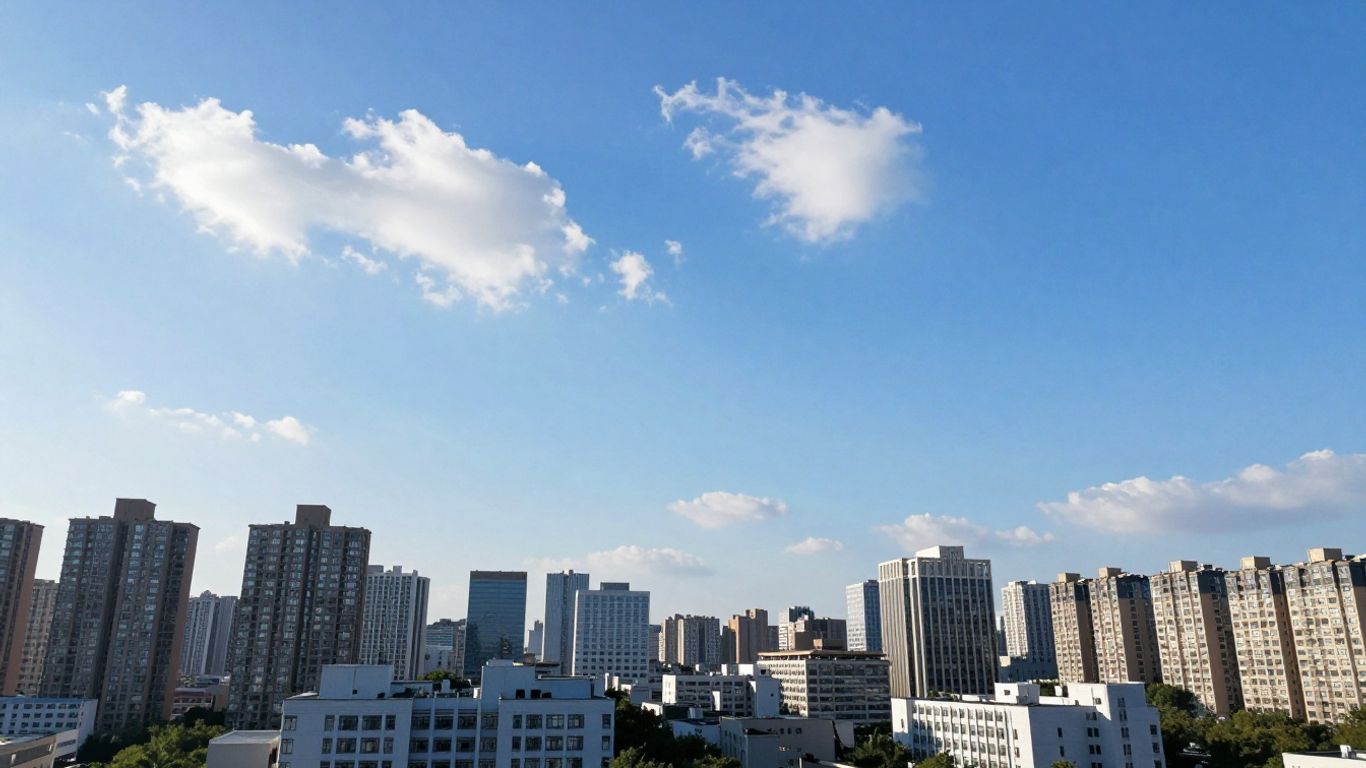
We all breathe the air, but have you ever stopped to think about what's actually in it? Sometimes, it's pretty clear – think of that haze over a busy city or smoke from a campfire. Other times, you can't see it, but you might smell it. This stuff floating around in the air, especially the harmful bits, is what we're talking about. Understanding the air emissions definition is key because it affects our health and the planet. Let's break down what counts as air emissions and why it matters.
Key Takeaways
- Air emissions are basically any substance released into the atmosphere that can be harmful. This includes things we can see, like smoke, and things we can't, like certain gases.
- These emissions come from all sorts of places, both natural like volcanoes and wildfires, and from human activities such as driving cars, running factories, and farming.
- Common culprits include tiny particles (like dust and smoke), gases like nitrogen oxides and sulfur oxides, and greenhouse gases such as carbon dioxide, which trap heat.
- Breathing in polluted air can lead to serious health problems, affecting our lungs and hearts. It also plays a big role in climate change.
- Governments and international groups have rules and standards in place to try and control these emissions, requiring companies and industries to track and report what they release.
Understanding the Air Emissions Definition
What Constitutes Air Emissions?
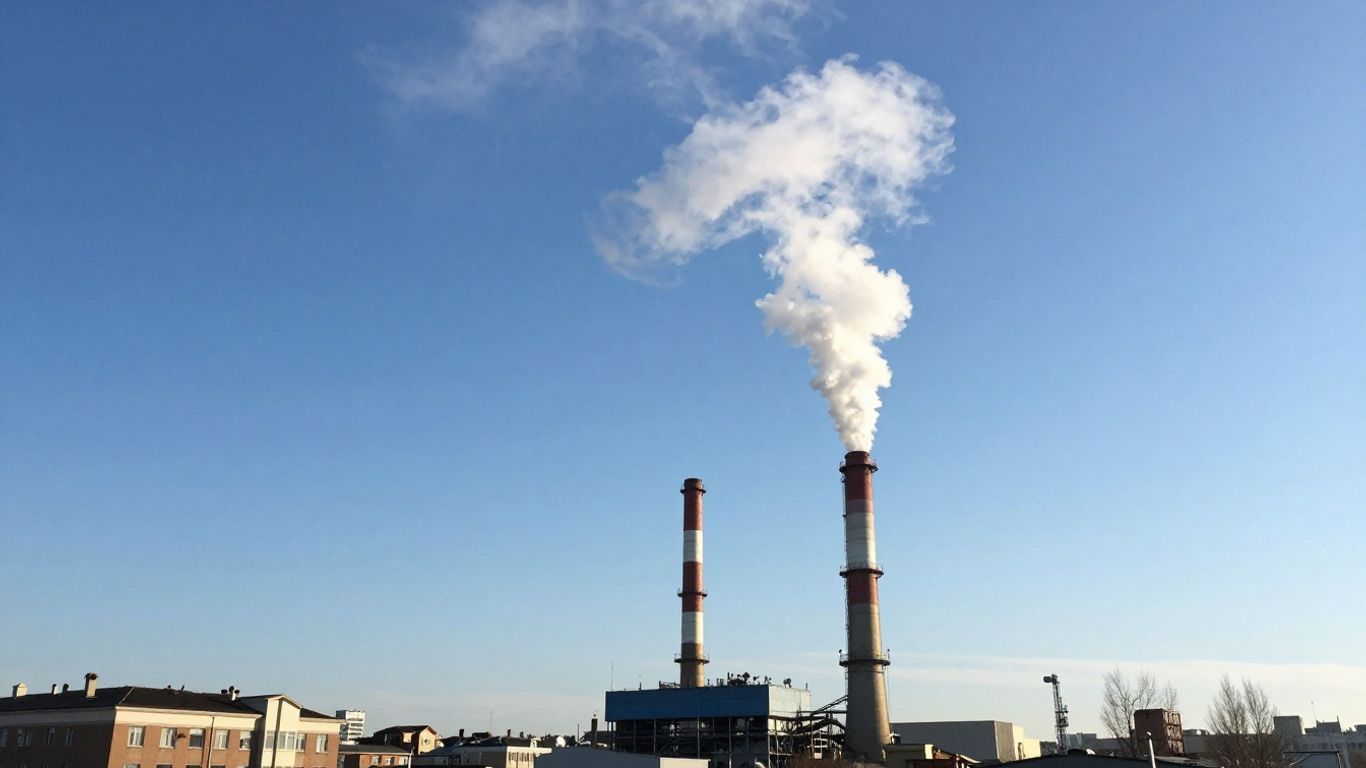
Basically, air emissions are anything that gets released into the atmosphere. Think of it like a big, invisible cloud of stuff coming out of various sources. This 'stuff' can be in the form of gases, particles, or even tiny droplets. We often associate emissions with obvious things like smoke from a factory chimney or exhaust from a car, but it's a much broader category. It's essentially any substance that's introduced into the air that wasn't there naturally or is present in significantly higher concentrations due to human activity or natural events.
Key Components of Air Emissions
Air emissions aren't just one single thing; they're a complex mix. Here are some of the main players you'll find:
- Particulate Matter (PM): These are tiny solid particles or liquid droplets suspended in the air. They can range from dust and dirt to soot and smoke. A particularly concerning type is fine particulate matter (PM 2.5), which is incredibly small – about 30 times thinner than a human hair – and can be inhaled deep into our lungs.
- Gaseous Pollutants: This group includes gases like nitrogen oxides (NOx), sulfur oxides (SOx), carbon monoxide (CO), and volatile organic compounds (VOCs). VOCs, for example, are chemicals that easily turn into vapor at room temperature and can come from things like paints, cleaning supplies, and even gasoline.
- Greenhouse Gases (GHGs): While not always immediately harmful to breathe in the short term, these gases trap heat in the atmosphere. The most well-known are carbon dioxide (CO2) and methane (CH4). They play a big role in climate change.
The composition of air emissions can vary wildly depending on the source. A power plant will release different substances than a car or a forest fire, even though there might be some overlap.
Natural Versus Man-Made Air Emissions
It's important to remember that not all air emissions are caused by people. Nature has its own ways of putting things into the air:
- Natural Sources: These include things like volcanic eruptions spewing ash and gases, wildfires releasing smoke and carbon compounds, and even decomposition of organic matter in swamps and soil, which releases gases like methane. Pollen and dust storms are also natural emissions.
- Man-Made Sources: This is where human activities come in. Burning fossil fuels for energy (like in power plants and vehicles), industrial manufacturing processes, agricultural practices (like fertilizer use and livestock), and even the use of certain household products contribute significantly to air emissions. The vast majority of air pollution concerns stem from these human-generated emissions.
Understanding this distinction helps us figure out where the problems are coming from and what we can do about them.
Sources of Air Emissions
Air emissions don't just magically appear; they come from somewhere. Understanding these origins is key to figuring out how to manage them. We can broadly categorize these sources into a few main buckets, each with its own set of contributors.
Industrial and Manufacturing Processes
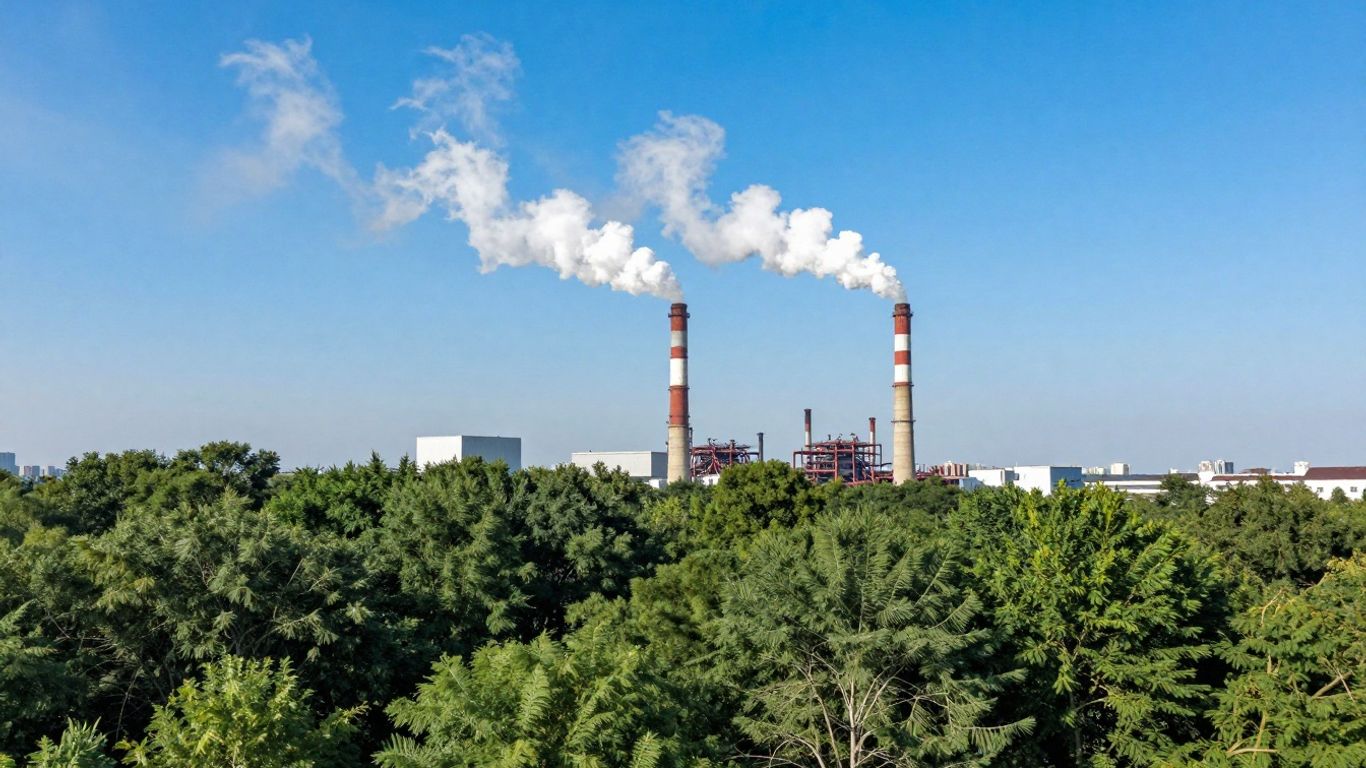
This is a big one. Factories, power plants, and refineries are major players when it comes to air pollution. Think about the sheer amount of energy needed to run these operations. Burning fossil fuels like coal, oil, and natural gas to generate electricity or heat processes releases a cocktail of pollutants. Then there's the actual manufacturing itself. Chemical plants can release volatile organic compounds (VOCs), while metal smelters might put out sulfur dioxide (SO₂). Even the extraction and processing of raw materials, like oil sands, contribute significantly. These processes often involve high temperatures, chemical reactions, and the movement of large quantities of materials, all of which can lead to emissions.
- Power Generation: Burning fossil fuels for electricity is a primary source.
- Manufacturing: Chemical, metal, and other industrial production.
- Resource Extraction: Mining, oil, and gas operations.
- Refining: Processing crude oil into usable products.
Many industrial facilities have complex systems to capture or reduce emissions, but leaks, accidents, and the sheer scale of operations mean some pollution is almost always released.
Transportation and Combustion
This category covers pretty much anything that moves and burns fuel. Cars, trucks, buses, trains, airplanes, and ships all contribute. When gasoline or diesel fuel is burned in an engine, it produces exhaust gases. These include nitrogen oxides (NOx), carbon monoxide (CO), particulate matter (PM), and unburned hydrocarbons. The more vehicles there are, and the more they are used, the higher these emissions become. It's not just vehicles, though. Burning fuels for heating homes and businesses, like natural gas or oil furnaces, also adds to the mix, especially in colder climates. Even smaller combustion sources, like generators or lawnmowers, add up.
- Road Vehicles: Cars, trucks, buses.
- Aviation and Shipping: Airplanes and large vessels.
- Rail Transport: Trains burning diesel fuel.
- Residential and Commercial Heating: Furnaces and boilers.
The sheer volume of daily travel means transportation is a significant contributor to urban air quality issues.
Agricultural and Natural Events
While human activities are often the focus, nature itself can be a source of air emissions. Wildfires, often sparked by lightning but sometimes human-caused, release massive amounts of smoke and particulate matter into the atmosphere. Volcanic eruptions spew ash and gases like sulfur dioxide. Even decomposition of organic matter in swamps and landfills releases gases like methane. Agriculture also plays a role. Livestock produce methane, and the use of fertilizers can release nitrous oxide. Tilling soil and harvesting crops can also kick up dust, contributing to particulate matter pollution, especially in dry areas. These natural and agricultural sources can have a substantial impact, sometimes overwhelming the effects of industrial and transportation emissions in certain regions or at certain times. For instance, dust from unpaved roads and construction sites is a notable source of PM2.5 [047d].
- Wildfires: Smoke and ash release.
- Volcanic Eruptions: Ash and gases.
- Livestock and Fertilizers: Methane and nitrous oxide from farming.
- Decomposition: Organic matter breaking down.
- Dust: From soil disturbance and unpaved surfaces.
Common Air Pollutants and Their Origins
When we talk about air emissions, it's easy to get overwhelmed by the technical terms. But really, it boils down to a few main culprits that affect the air we breathe. Understanding these common pollutants and where they come from is key to grasping the whole picture.
Particulate Matter (PM) and Fine Particulates
Particulate matter, or PM, is basically a mix of tiny solid particles and liquid droplets floating in the air. Think of things like dust, soot, smoke, and even tiny bits of metal or chemicals. These particles come from all sorts of places. Burning fossil fuels in cars and factories is a big one. Wildfires, which are sadly becoming more common, also pump a lot of PM into the atmosphere. Even things like cigarette smoke contribute.
Now, there's a specific type called fine particulate matter (PM 2.5) that's especially concerning. These particles are incredibly small – about 30 times thinner than a human hair. Because they're so tiny, they can get deep into your lungs when you inhale them, causing some serious health issues. In fact, PM 2.5 is responsible for a lot of the health problems linked to air pollution in the US. It's the stuff you can't see that often causes the most damage.
Gaseous Pollutants: NOx, SOx, and VOCs
Beyond particles, there are gases that pollute our air. You'll often hear about nitrogen oxides (NOx) and sulfur oxides (SOx). These are common byproducts from burning fuels, especially in vehicles and industrial settings like power plants. They play a role in creating smog and acid rain.
Then there are volatile organic compounds, or VOCs. These are chemicals that easily turn into vapor at room temperature. They come from things like paints, cleaning supplies, gasoline, and even some furniture. When they mix with other pollutants in the air and sunlight, they can form ground-level ozone, another major component of smog. Many industrial processes also release these compounds, contributing to air pollution in surrounding areas.
Greenhouse Gases: CO2 and Methane
These are the gases that get a lot of attention when we talk about climate change. Carbon dioxide (CO2) is probably the most well-known. It's released when we burn fossil fuels for energy, whether that's in our cars, homes, or power plants. Methane (CH4) is another potent greenhouse gas. It comes from natural sources like decaying organic matter in swamps, but also from human activities like raising livestock and leaks in natural gas systems.
While not always thought of as direct pollutants in the same way as smog-forming gases, greenhouse gases trap heat in the atmosphere. This gradual warming is what drives climate change, leading to shifts in weather patterns, rising sea levels, and other significant environmental impacts. It's a global issue that requires global solutions.
Health and Environmental Impacts of Air Emissions
When we talk about air emissions, it's not just about a hazy sky or a funny smell. These invisible pollutants can really mess with our health and the planet. The health effects can range from immediate issues to long-term chronic diseases.
Respiratory and Cardiovascular Health Concerns
Breathing in polluted air is tough on your lungs and heart. Things like fine particulate matter (PM2.5) can get deep into your lungs, causing inflammation and making conditions like asthma and bronchitis worse. It's not just about breathing difficulties, though. Studies show a link between air pollution and an increased risk of heart attacks and strokes. Even short-term exposure to high pollution levels can lead to more doctor visits and hospital stays. It's a serious issue that affects millions globally, with some populations bearing a heavier burden than others. Understanding who is most at risk is key to tackling these health consequences.
Contribution to Climate Change
Many air emissions, especially greenhouse gases like carbon dioxide (CO2) and methane, are major drivers of climate change. These gases trap heat in the atmosphere, leading to a gradual warming of the planet. This warming can cause all sorts of problems, from more extreme weather events like heatwaves and floods to rising sea levels. The industrial and transportation sectors are big contributors here, releasing vast amounts of these heat-trapping gases every day. It's a complex problem that requires global cooperation to address.
Impacts on Vulnerable Populations
It's not a one-size-fits-all situation when it comes to air pollution's effects. Certain groups are hit harder than others. Children, for instance, are particularly susceptible. Their lungs are still developing, and they breathe more air relative to their body weight, making them more vulnerable to the damaging effects of pollutants. Studies have shown that children living in high-pollution areas are more likely to develop asthma and experience more frequent respiratory infections, leading to missed school days. Older adults and people with pre-existing health conditions also face greater risks. Furthermore, research indicates that racial and ethnic minorities and those with lower incomes often live in areas with higher pollution levels, creating significant health disparities. This means that the burden of poor air quality isn't shared equally across society. This disparity in exposure is a major concern for public health advocates.
Regulatory Frameworks for Air Emissions
So, we've talked about what air emissions are and where they come from. But what actually keeps all this in check? That's where regulatory frameworks come in. Think of them as the rulebooks and guidelines designed to manage and reduce the stuff we pump into the air. These regulations are key to protecting public health and the environment.
National Ambient Air Quality Standards
In the U.S., the big one is the Clean Air Act, established way back in 1970. This act led to the creation of the National Ambient Air Quality Standards, or NAAQS. These standards set limits for specific pollutants that are considered harmful to public health and the environment. The Environmental Protection Agency (EPA) is in charge of setting and enforcing these standards. They focus on six common pollutants, often called 'criteria pollutants':
- Ozone (O3)
- Particulate Matter (PM2.5 and PM10)
- Carbon Monoxide (CO)
- Sulfur Dioxide (SO2)
- Nitrogen Dioxide (NO2)
- Lead (Pb)
The idea is that by keeping these pollutants below certain levels, we can protect people, especially those who are more sensitive, like kids and the elderly. It's a pretty big deal for air quality across the country.
International Agreements and Regulations
Air pollution doesn't really care about borders, right? What happens in one country can affect another. That's why international agreements are so important. While the U.S. has its own laws, there are also global efforts to tackle air pollution. Think about things like the Paris Agreement, which, while focused on climate change, has a lot to do with reducing emissions from burning fossil fuels. Other agreements might focus on specific pollutants, like those that deplete the ozone layer, or transboundary pollution issues. These international efforts often involve countries working together to set goals and share information, which is pretty necessary when you're dealing with a global problem.
Reporting and Monitoring Requirements
Rules are one thing, but how do we know if they're actually being followed? That's where reporting and monitoring come in. Companies that emit pollutants are often required to track how much they're releasing and report it to regulatory agencies. This can involve a lot of detailed record-keeping and regular testing. For example, large industrial facilities might have to submit emissions inventories or conduct continuous monitoring of their smokestacks. This data is then used by agencies to check for compliance and to get a clearer picture of overall air quality. It's a way to hold polluters accountable and to make sure the regulations are actually doing their job. Without good monitoring, the whole system would be pretty much guesswork.
Keeping track of air emissions isn't just about following rules; it's about understanding the impact of our activities on the air we all breathe. This involves a lot of data collection and analysis, often requiring specialized equipment and trained personnel to get accurate readings. The goal is always to have cleaner air for everyone.
Understanding the rules for air pollution is super important. These rules, called regulatory frameworks, help keep our air clean. They set limits on how much pollution companies can release. Want to learn more about how these rules work and how Breathe ESG can help you follow them? Visit our website today!
Wrapping It Up
So, we've talked a lot about what air emissions are, where they come from, and why they matter. It's not just about the visible smog or the smell; it's about a whole range of stuff, from tiny particles that get deep in your lungs to gases that warm the planet. Whether it's from cars, factories, or even natural events, these emissions have real effects on our health and the environment. Understanding these basics is the first step in figuring out how we can all do our part, big or small, to keep our air cleaner. It’s a complex topic, for sure, but knowing the definition is a solid start.
Frequently Asked Questions
What exactly are air emissions?
Air emissions are basically tiny bits of stuff, like gases and particles, that get released into the air. Think of smoke from a chimney or exhaust from a car – those are examples of air emissions. They can come from natural things like volcanoes or wildfires, but also from human activities like driving and running factories.
Are all air emissions bad for us?
Not all of them are harmful in small amounts. For example, carbon dioxide is something we breathe out and plants use. However, when too much of certain gases and particles get into the air, especially from burning fuels or industrial processes, they can become harmful to our health and the environment. These are what we usually call air pollutants.
What are some common types of air pollution?
Some common ones include tiny particles called 'particulate matter' (PM), which can be small enough to get deep into your lungs. There are also gases like nitrogen oxides (NOx) and sulfur oxides (SOx), often from burning fuel, and 'volatile organic compounds' (VOCs) that can come from paints and fuels. Greenhouse gases like carbon dioxide (CO2) and methane are also important because they trap heat.
Where do most air emissions come from?
A lot of air emissions come from burning fuels for energy and transportation. This includes cars, trucks, airplanes, and power plants that burn coal or natural gas. Factories and industrial sites also release emissions during their processes. Even farming activities can contribute, like when animals release gases or fields are burned.
How do air emissions affect our health?
Breathing in polluted air can cause problems, especially for your lungs and heart. It can make breathing more difficult, trigger asthma attacks, and lead to serious long-term health issues. Children and older adults are often more sensitive to the effects of air pollution.
Are there rules to control air emissions?
Yes, many countries have rules and standards to limit the amount of pollution that can be released into the air. These rules help protect public health and the environment. They often set limits for different industries and types of pollution, and require companies to monitor and report their emissions.