
Understanding Scope 2 Emissions: A Clear Explanation
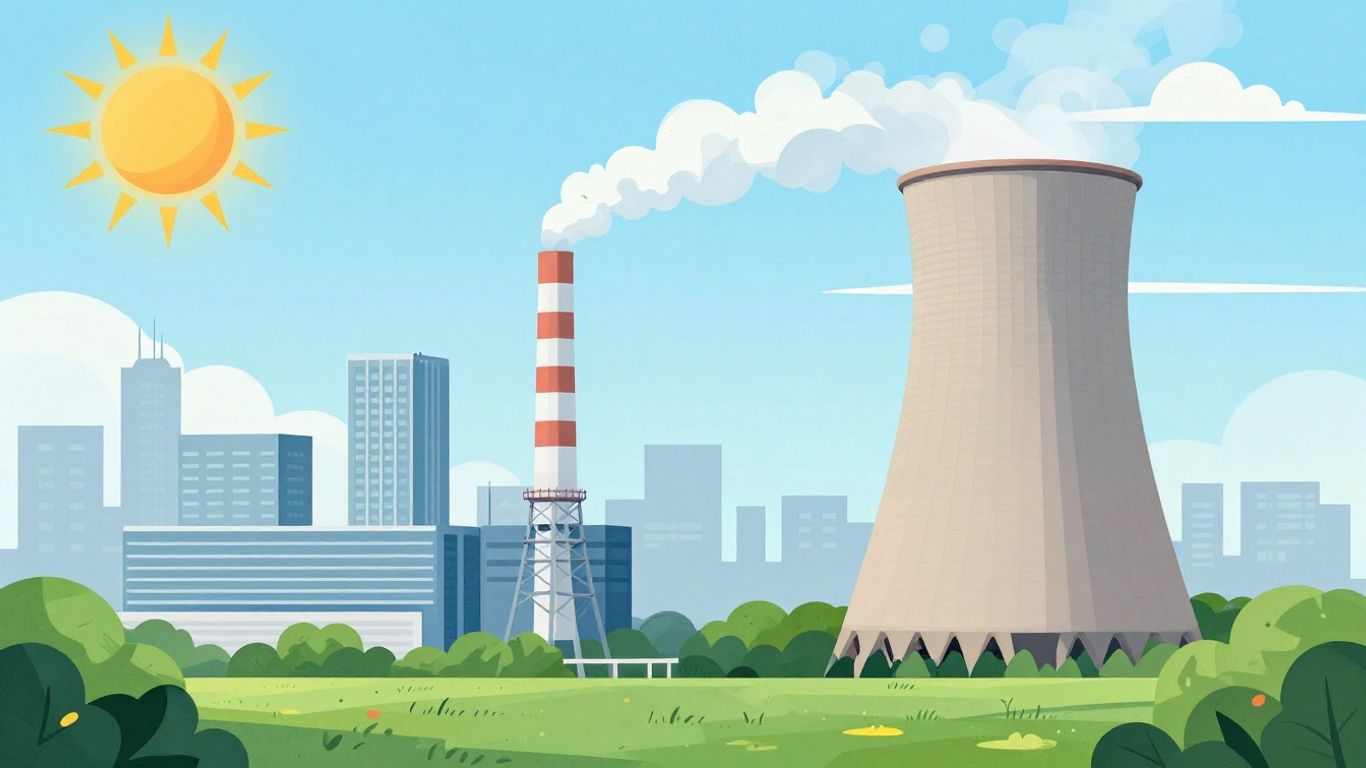
So, you've probably heard a lot about carbon footprints and greenhouse gases lately. It can get a bit confusing with all the different terms, like Scope 1, Scope 2, and Scope 3. Today, we're going to break down what are Scope 2 emissions. Think of it as a way companies keep track of the pollution they're responsible for. It's not always direct, but it's definitely important. Let's clear things up so you can understand this part of the climate conversation better.
Key Takeaways
- Scope 2 emissions are indirect greenhouse gas emissions from the energy a company buys, like electricity, heat, or cooling.
- These emissions happen because the power plants generating the energy might burn fossil fuels.
- They are different from Scope 1 (direct emissions from company operations) and Scope 3 (other indirect emissions in the value chain).
- Companies can measure Scope 2 emissions using either the location-based method (grid average) or the market-based method (actual energy purchases).
- Reducing Scope 2 emissions often involves improving energy efficiency or switching to renewable energy sources.
Understanding What Are Scope 2 Emissions
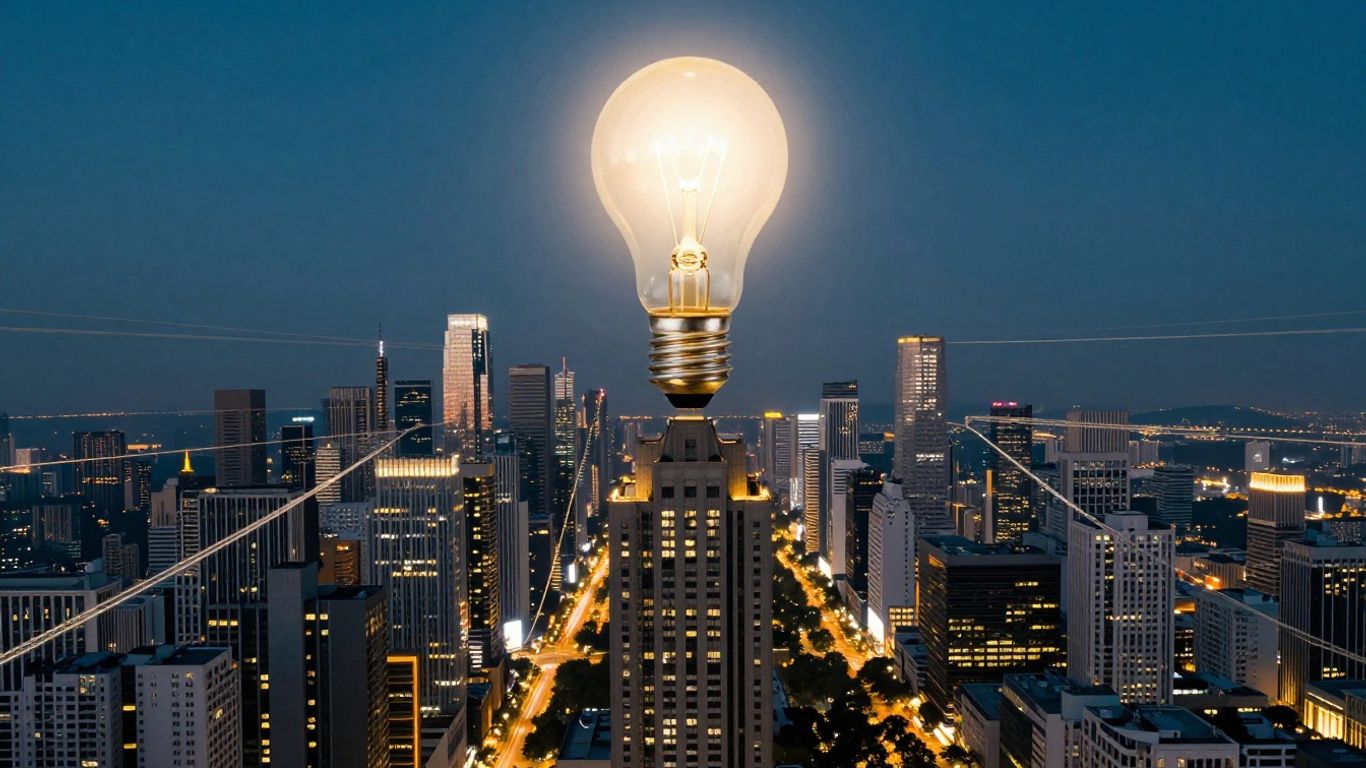
So, you're trying to get a handle on your company's carbon footprint, right? It can feel like a maze sometimes, but let's break down one part: Scope 2 emissions.
Defining Scope 2 Emissions
Basically, Scope 2 emissions are indirect greenhouse gas emissions. They come from the energy you buy from someone else to run your business. Think about the electricity that powers your office lights, computers, and machinery. That power has to be generated somewhere, usually at a power plant, and that generation process releases greenhouse gases. Scope 2 accounts for those emissions tied to the electricity, steam, heat, or cooling you purchase. It's not about emissions your company directly creates from its own equipment, but rather the emissions from the energy you consume that was produced by a third party.
Indirect Emissions from Purchased Energy
This is the core idea. When you buy electricity from your local utility, you're also, in a way, buying the emissions associated with its production. If that electricity comes from burning coal or natural gas, those are significant emissions. Even if you buy steam or heat for your building, the source of that heat generation contributes to your Scope 2 footprint. It's a bit like buying a product that has an embedded environmental cost, even if you don't see it directly.
The Role of the GHG Protocol
To make sense of all this, there's a standard called the Greenhouse Gas Protocol, or GHG Protocol for short. It's like the rulebook for how companies should measure and report their emissions. The GHG Protocol divides emissions into three 'scopes' – Scope 1, Scope 2, and Scope 3. Scope 2 is specifically for those indirect emissions from purchased energy. Following this framework helps businesses get a clear picture of their impact and compare their performance with others. You can find more details on how this works on the GHG Protocol website.
Understanding Scope 2 is important because it's an area where many businesses have a direct influence through their purchasing decisions and energy use. It's a significant chunk of many companies' overall emissions, and tackling it can lead to real reductions.
Here's a quick rundown:
- Scope 1: Direct emissions from sources your company owns or controls (like company vehicles or on-site furnaces).
- Scope 2: Indirect emissions from purchased electricity, steam, heat, or cooling.
- Scope 3: All other indirect emissions that happen in your company's value chain, both upstream and downstream (like employee commuting or the production of materials you buy).
Key Sources of Scope 2 Emissions
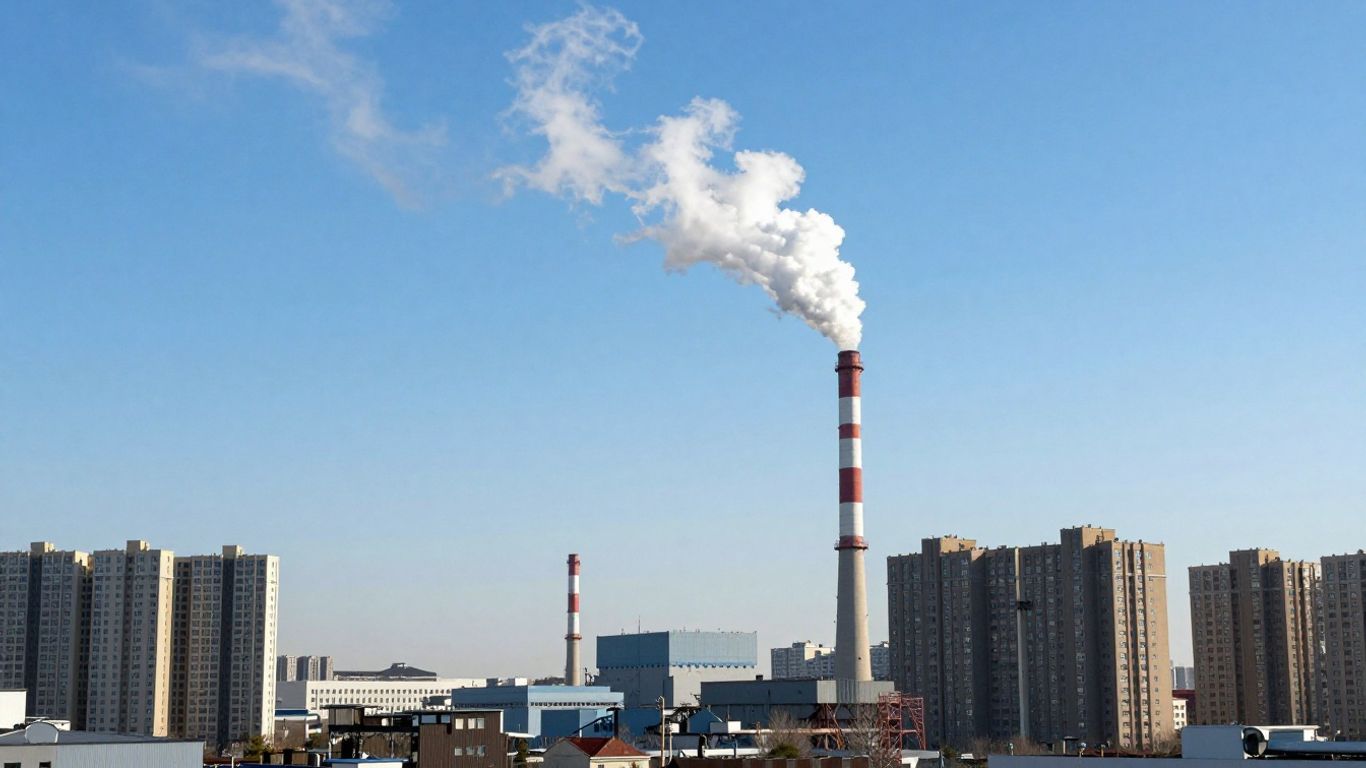
So, where do these Scope 2 emissions actually come from? It's not like you're burning fuel directly in your office, right? Well, the main culprits are pretty straightforward, and they all boil down to the energy you buy from outside.
Purchased Electricity Consumption
This is the big one for most businesses. Every time you flip a light switch, power up a computer, or run a piece of machinery that's plugged into the grid, you're using electricity. The emissions associated with that electricity aren't generated at your location, but rather at the power plant where it was produced. If that power plant burns coal, natural gas, or uses other methods that release greenhouse gases, those emissions get counted as your Scope 2.
Acquired Heat, Steam, and Cooling
It's not just electricity, though. Some businesses get their heating, cooling, or steam from external providers. Think of a large office building that buys steam from a nearby industrial facility for its heating system, or a data center that purchases chilled water for cooling. The generation of that heat, steam, or cooling often involves burning fuels, and the associated emissions are also categorized under Scope 2 for the entity consuming them.
Variations Across Businesses
What counts as a major source of Scope 2 emissions can really differ depending on the type of business. A tech startup's Scope 2 might be almost entirely from its office electricity use. On the other hand, a manufacturing plant that doesn't generate its own power but buys a lot of steam for its processes will have a significant Scope 2 footprint from that purchased steam. It's all about tracking the energy you purchase and where it comes from.
Understanding these sources is the first step. You can't really tackle emissions if you don't know where they're originating. For Scope 2, it's about looking beyond your own four walls and examining the energy supply chain you rely on.
Here's a quick breakdown:
- Electricity: The most common source, from grid power.
- Heat: Purchased for warming buildings or processes.
- Steam: Often used in industrial settings.
- Cooling: Purchased chilled water or other cooling services.
Distinguishing Scope 2 From Other Emission Scopes
So, we've talked about Scope 2 emissions, but what makes them different from the other types of greenhouse gas emissions companies track? It all comes down to where the emissions happen and who controls the source. The Greenhouse Gas Protocol, which is pretty much the standard for this stuff, breaks emissions into three main categories: Scope 1, Scope 2, and Scope 3.
Scope 1: Direct Emissions
Think of Scope 1 emissions as the ones that come directly from your company's own operations. This is stuff you own or have direct control over. For example, if your company has a fleet of delivery trucks that burn gasoline, the emissions from those trucks are Scope 1. Same goes for any natural gas your office building burns in its furnace or any industrial processes on-site that release greenhouse gases. These are the most straightforward to measure because they're happening right under your nose.
Scope 3: Other Indirect Emissions
Scope 3 is where things get a bit more complicated. These are all the other indirect emissions that happen in your company's value chain, both upstream and downstream, but aren't included in Scope 1 or Scope 2. This can include a huge range of things: the emissions from producing the raw materials you buy, the emissions from transporting your products to customers, employee commuting, business travel, waste disposal, and even the emissions from the use of your products once they're sold. It's a broad category, and often the hardest to get a handle on because you don't directly control these sources. For instance, the emissions from your suppliers' factories would fall under your Scope 3.
The Unique Nature of Scope 2
Scope 2 emissions sit in a unique spot between Scope 1 and Scope 3. They are indirect, meaning they aren't generated by your company's direct activities, but they are directly linked to your energy consumption. The key differentiator for Scope 2 is that these emissions come from purchased energy. When you buy electricity, steam, heat, or cooling from an outside provider, the emissions generated at the power plant or facility producing that energy are counted as your Scope 2 emissions. Even though the emissions physically occur elsewhere, they are a direct result of your company's demand for that energy. This makes Scope 2 emissions a really interesting area because while you don't control the power plant, you do control how much energy you buy and where you buy it from, offering clear pathways for reduction. Understanding this distinction is vital for accurate carbon accounting and developing effective strategies to lower your environmental impact. You can find more information on calculating these specific emissions in resources like the EPA's guidance on Indirect Emissions from Purchased Electricity.
Here's a quick rundown:
- Scope 1: Direct emissions from owned or controlled sources (e.g., company vehicles, on-site fuel burning).
- Scope 2: Indirect emissions from purchased electricity, steam, heat, or cooling.
- Scope 3: All other indirect emissions in the value chain (e.g., supplier emissions, product use, waste).
It's easy to get bogged down in the details, but the main idea is to categorize emissions based on their source and your company's level of control. Scope 1 is direct control, Scope 2 is tied to purchased energy, and Scope 3 covers everything else in the broader business ecosystem.
Measuring Scope 2 Emissions
So, you've figured out that your company uses energy purchased from outside, and that this energy use creates emissions. That's a big step! But how do you actually put a number on it? This is where measuring Scope 2 emissions comes in. It's not always straightforward, and there are a couple of main ways to do it, each giving you a slightly different picture of your impact.
The Location-Based Method
Think of this method as looking at the average emissions intensity of the electricity grid where your energy is consumed. Basically, you take the amount of electricity you bought and multiply it by the average emissions factor for that specific region's grid. It's like saying, 'On average, the power that reached my building had this much carbon associated with it.' This method is good for understanding your impact relative to others in the same geographical area.
The Market-Based Method
This approach is a bit more about what you specifically chose. It focuses on the emissions associated with the electricity you actually purchased, based on the contracts and agreements you have with your energy suppliers. If you've bought renewable energy certificates (RECs) or have a direct contract with a renewable energy provider, this method will reflect that. It shows the impact of your specific purchasing decisions. This method is often preferred when companies are actively trying to source cleaner energy.
Importance of Accurate Measurement
Getting these numbers right is pretty important. Inaccurate measurements can lead to:
- Misunderstanding your actual carbon footprint.
- Setting the wrong reduction targets.
- Failing to meet regulatory or stakeholder expectations.
- Making poor investment decisions regarding energy.
It's all about having a clear, reliable picture so you can make informed choices about how to reduce your impact. The Greenhouse Gas Protocol provides detailed guidance on both methods to help companies get this right.
Measuring Scope 2 emissions involves understanding the carbon intensity of the energy you purchase. Whether you use the location-based method, which reflects the grid average, or the market-based method, which accounts for specific energy contracts, accuracy is key to effective emissions reduction strategies.
Strategies for Reducing Scope 2 Emissions
So, you've figured out your Scope 2 emissions, and now you're wondering what to do about them. It's not as complicated as it might sound. Think of it like this: Scope 2 is all about the electricity, heat, steam, or cooling you buy. So, reducing these emissions mostly comes down to how you get that energy and how much you use.
Energy Efficiency Improvements
This is often the first and easiest step. Using less energy means you're buying less, and therefore, you're generating fewer emissions. It’s pretty straightforward. We're talking about things like making sure lights aren't left on in empty rooms, upgrading to more efficient HVAC systems, or even just encouraging employees to be mindful of their energy use.
- Upgrade lighting to LEDs.
- Improve insulation in buildings.
- Install smart thermostats and energy management systems.
- Regularly maintain equipment to ensure it runs efficiently.
Sometimes, the biggest wins come from the simplest changes. It's not always about fancy new tech; it's about being smarter with what you already have.
Transitioning to Renewable Energy Sources
This is where you start changing where your energy comes from. Instead of relying on whatever the grid is providing (which might be a mix of fossil fuels and renewables), you actively choose cleaner options. This is a big one for making a real difference.
- Power Purchase Agreements (PPAs): These are long-term contracts where you agree to buy electricity directly from a renewable energy project, like a solar farm or wind park. It helps fund new clean energy projects.
- Renewable Energy Certificates (RECs): You can buy RECs, which represent the environmental benefits of one megawatt-hour of renewable electricity. It's like buying a certificate that says you've supported renewable energy generation.
- Green Tariffs: Many utility companies now offer 'green' electricity plans where you pay a bit more, but your electricity is sourced from renewable resources.
- On-site Generation: If you have the space, installing solar panels on your own property is a direct way to generate your own clean electricity.
Strategic Procurement Decisions
This ties into the renewable energy part but is more about the choices you make when buying energy. It's about looking at the type of energy you're purchasing and the supplier you're using.
- Choosing suppliers with strong renewable energy commitments.
- Prioritizing energy contracts that guarantee a certain percentage of renewable content.
- Considering the location and time of your energy use to match it with renewable generation where possible (this is getting more advanced, but it's the future!).
Making these shifts can feel like a lot, but remember, every bit helps. It's about making conscious choices that reduce your impact and contribute to a cleaner energy future.
The Significance of Scope 2 Reporting
So, why bother with reporting Scope 2 emissions? It's more than just ticking a box for some corporate responsibility report. For starters, a lot of regulations are starting to require this kind of information. Not keeping up could mean fines or just looking bad to investors and customers who care about this stuff. Plus, it's a really direct way to see how your company's energy use impacts the planet.
Compliance and Regulatory Requirements
Governments and industry groups are increasingly looking at how companies use energy and the emissions that come from it. Reporting Scope 2 emissions helps you stay on the right side of these rules. It shows you're paying attention and doing your part. Think of it like this:
- No Activity: You're not tracking or reporting any energy-related emissions.
- Entry-Level: You're starting to calculate and share some basic Scope 2 data.
- Intermediate: You've got a solid process for tracking and reporting all your Scope 2 emissions.
- Advanced: You've been doing this for years, refining your methods, and have solid verification.
Driving Sustainability Goals
Looking at your Scope 2 emissions is a pretty straightforward way to find opportunities to be more sustainable. Since these emissions come from the energy you buy, figuring out where that energy comes from and how much you use is the first step. Once you have that data, you can start making changes. Maybe you switch to a cleaner electricity provider or invest in making your office more energy-efficient. These actions directly reduce your carbon footprint.
Understanding your Scope 2 emissions isn't just about reporting; it's about identifying concrete steps to lessen your environmental impact. It's a practical part of becoming a more responsible business.
Enhancing Transparency
When you report your Scope 2 emissions, you're being open about your company's environmental performance. This transparency builds trust with stakeholders – your customers, employees, and investors. They can see that you're not hiding anything and that you're actively working to reduce your impact. It's a way to show you're serious about sustainability, not just talking about it. This openness can also attract talent and customers who prioritize working with environmentally conscious companies.
Understanding how your company impacts the environment through energy use is super important. That's where tracking Scope 2 emissions comes in. It helps you see the pollution from the electricity, heat, or steam you buy. Want to learn more about making your business greener? Visit our website today!
Wrapping It Up
So, we've gone over what Scope 2 emissions are all about – basically, the indirect ones from the electricity, heat, or cooling you buy. It's a big chunk of a company's carbon footprint, and the good news is, it's often an area where businesses can actually make a pretty direct impact. By looking at how you use energy and where it comes from, you can start making changes. Whether it's using less power or switching to cleaner sources, tackling Scope 2 is a solid step towards a greener future for everyone. It’s not always simple, but understanding it is the first move.
Frequently Asked Questions
What exactly are Scope 2 emissions?
Think of Scope 2 emissions as the pollution created when someone else makes the energy you buy. When your business purchases electricity, heat, steam, or cooling from a power company, the emissions released at the power plant to create that energy are counted as your Scope 2 emissions. It's like buying a cake from a bakery – the emissions from the bakery's ovens are your Scope 2, not the emissions from your own kitchen.
How is Scope 2 different from Scope 1 and Scope 3?
Scope 1 emissions are the ones your business makes directly, like burning fuel in your own company cars or heating your building with natural gas. Scope 2 emissions come from the energy you buy, as explained above. Scope 3 emissions are all the other indirect emissions that happen because of your business, but aren't directly controlled by you, like emissions from making the products you sell or from your employees commuting.
What are the main sources of Scope 2 emissions for most businesses?
For the vast majority of businesses, the biggest source of Scope 2 emissions is simply the electricity they use. Every time you turn on lights, use computers, or run machinery that's powered by the grid, you're creating Scope 2 emissions. Some businesses might also have Scope 2 emissions from buying steam or heat for their operations, especially in industrial settings.
How can a business figure out its Scope 2 emissions?
There are two main ways to measure Scope 2 emissions. The 'location-based' method looks at the average pollution from the electricity grid in your area. The 'market-based' method considers the specific choices you make, like buying electricity from renewable sources. Companies often use both to get a full picture and to see how their actions make a difference.
What are some simple ways to lower Scope 2 emissions?
One of the easiest ways is to use less energy overall! Making your office more energy-efficient, like using LED lights or better insulation, means you buy less electricity. Another big step is to switch to cleaner energy sources, such as buying electricity from wind or solar farms, or using green energy plans offered by your utility company.
Why is it important for businesses to track and report Scope 2 emissions?
Tracking Scope 2 emissions helps businesses understand their environmental impact and find ways to reduce it. Many governments and customers are starting to require companies to report these emissions. By being transparent about their energy use and reduction efforts, businesses can build trust, meet regulations, and show they are serious about being environmentally friendly.