
Understanding Scope 1 Emissions: Your Direct Guide to Calculating Greenhouse Gases
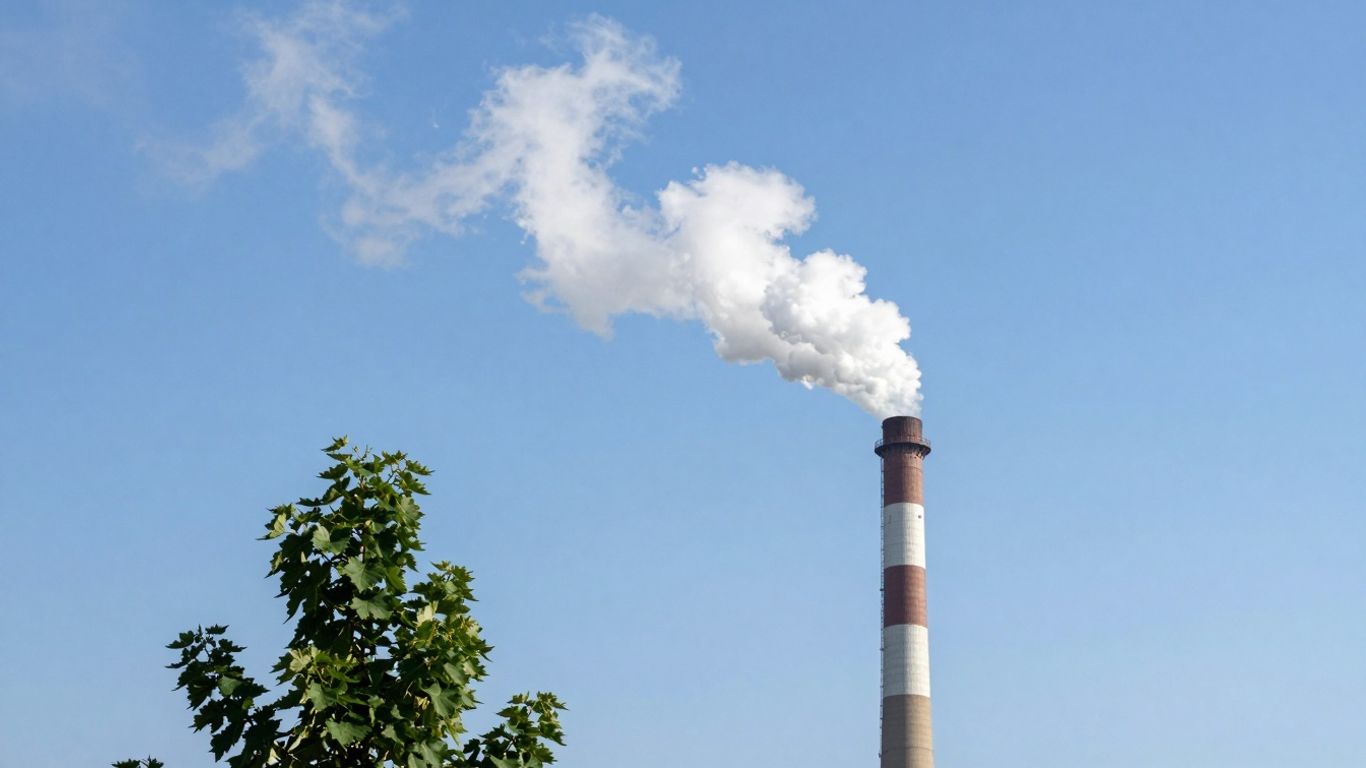
Keeping track of greenhouse gas emissions is getting more important, especially with climate change and new rules. This guide is all about scope 1 emissions, which are the direct ones from stuff your company owns or controls. We'll walk through how to figure out where they come from, how to calculate them, and what to do about them. Getting a handle on these direct emissions is a big step for any company wanting to be more sustainable, follow the rules, and be a good corporate citizen.
Key Takeaways
- Scope 1 emissions are the direct greenhouse gases released from sources your organization owns or controls, like burning fuel in your own equipment or vehicles.
- Understanding these direct emissions is the first step in any company's effort to reduce its overall environmental impact.
- Common sources include burning fuel in boilers, furnaces, and company vehicles, as well as leaks from things like air conditioning systems.
- Accurate calculation involves gathering data on fuel use and other activities, then applying standard emission factors.
- Managing scope 1 emissions means taking practical steps like maintaining equipment, upgrading to more efficient models, and training staff.
Understanding Scope 1 Emissions
When we talk about cutting down on greenhouse gases, Scope 1 emissions are the ones that come straight from your company's own operations. Think of it as the direct exhaust from your company's vehicles or the smoke from your factory's own boilers. These are the emissions you have the most direct control over, making them a really important place to start when you're trying to reduce your environmental impact. Getting a handle on these direct emissions is often the first, most tangible step a business can take towards sustainability.
Defining Direct Greenhouse Gas Emissions
Scope 1 emissions are defined as direct greenhouse gas (GHG) emissions that come from sources your company owns or operates. This isn't about what happens upstream in your supply chain or downstream when your product is used; it's strictly about what's happening within your own four walls or from your own fleet. This typically includes burning fuels on-site for heat, power, or transportation, as well as any accidental leaks of potent greenhouse gases from equipment.
The Importance of Scope 1 Emissions in Decarbonization
While Scope 2 (purchased electricity) and Scope 3 (everything else) often get more attention, especially with the rise of renewable energy credits and complex supply chain discussions, ignoring Scope 1 is a big mistake. These are the emissions you can often tackle immediately. By focusing on Scope 1, companies can not only reduce their carbon footprint but also often find ways to improve operational efficiency and save money. Plus, with regulations getting tighter, getting ahead of Scope 1 emissions puts you in a much better position.
Focusing on Scope 1 emissions allows for immediate, actionable steps. It's about taking responsibility for the direct impact your operations have on the environment, which can lead to cost savings and operational improvements.
Key Categories of Scope 1 Emissions
Scope 1 emissions generally fall into a few main buckets:
- Stationary Combustion: This covers emissions from burning fuels in equipment that stays in one place, like boilers, furnaces, and generators used for heating or producing electricity on-site.
- Mobile Combustion: These are emissions from vehicles and equipment that your company owns or controls and that move around. Think company cars, delivery trucks, forklifts, or even company planes.
- Fugitive Emissions: These are unintentional leaks or releases of greenhouse gases. A common example is refrigerant leaks from air conditioning or refrigeration systems. Because some refrigerants are incredibly potent, even small leaks can have a big impact.
- Process Emissions: These emissions happen as a direct result of specific industrial or manufacturing processes. For example, chemical reactions in a factory might release greenhouse gases.
Identifying Your Scope 1 Emission Sources
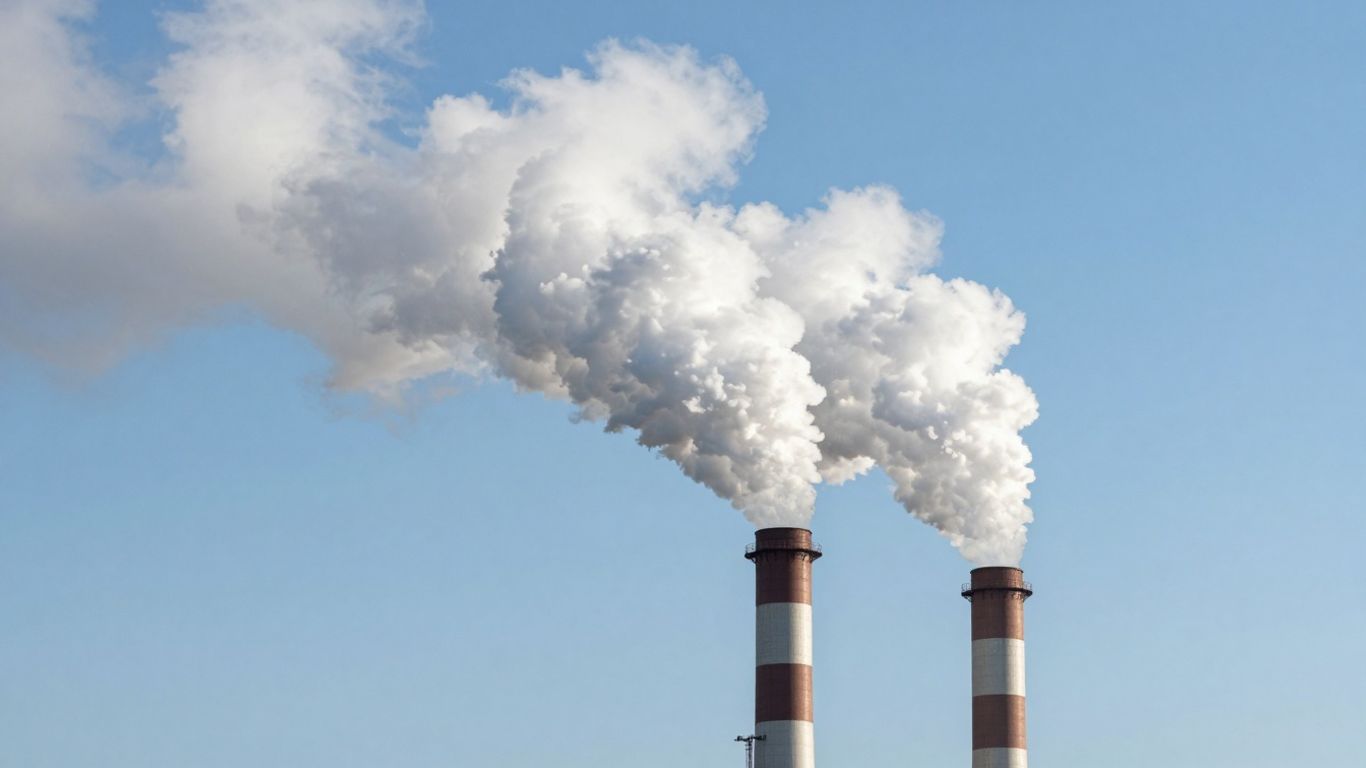
Alright, so you've decided to tackle your company's direct greenhouse gas emissions, also known as Scope 1. That's a big step! The first thing you need to do is figure out exactly where these emissions are coming from. Think of it like being a detective for your own operations. You need to pinpoint all the places where your company directly burns fuel or releases gases.
Stationary Combustion Sources
This is probably the most common category. It covers anything where you're burning fuel in equipment that stays put. We're talking about boilers that heat your buildings, furnaces used in manufacturing, and generators that provide backup power. If your company uses natural gas, oil, or propane to keep things running, the combustion of these fuels is a direct source of emissions. It's important to list out every piece of equipment that burns fuel and note the type of fuel it uses. This is where a lot of your direct emissions will likely be hiding.
Mobile Combustion Sources
Next up, we have emissions from things that move. This includes any vehicles your company owns or controls. Think about your fleet of delivery trucks, company cars, forklifts, or even construction equipment. Every time these vehicles burn gasoline or diesel, they're releasing greenhouse gases. You'll want to get a handle on the types of vehicles you have, how much fuel they consume, and how they're used. This information is key for calculating emissions from your mobile sources. Understanding Scope 1 emissions from these sources is a good starting point.
Fugitive Emissions from Leaks and Releases
This category can be a bit trickier to track. Fugitive emissions are essentially unintentional leaks or releases of greenhouse gases. A big one to watch out for is from refrigeration and air conditioning systems. Many refrigerants are potent greenhouse gases, so even small leaks can add up. Also, consider any industrial processes that might release gases directly, or leaks from natural gas pipelines or storage tanks if your company handles those. Regular checks and maintenance are super important here to catch these leaks early.
Process-Related Emissions
Beyond just burning fuel, some industrial processes themselves can create greenhouse gas emissions. This is particularly relevant for certain industries like chemical manufacturing or cement production. For example, a chemical reaction might release CO2 as a byproduct. Identifying these process emissions requires a deep dive into the specific operations of your business. It's not always as straightforward as tracking fuel use, but it's a vital part of getting a complete picture of your Scope 1 footprint.
Identifying all your direct emission sources is the foundational step. Without a clear list of where your emissions originate, any calculations or reduction efforts will be incomplete. Take the time to thoroughly map out every piece of equipment and every process that contributes to your Scope 1 emissions.
Calculating Scope 1 Emissions Accurately
Alright, so you've figured out where your direct emissions are coming from. That's a big step! Now comes the part where we actually put some numbers to it. It might sound a bit daunting, but honestly, it's mostly about gathering the right information and doing some straightforward math. Think of it like following a recipe – you need the ingredients and the steps to get the final dish.
Gathering Activity Data for Fuel Consumption
This is where you collect the raw numbers. For things like boilers, furnaces, or company vehicles, you need to know exactly how much fuel you've used. This means digging into your purchasing records, fuel logs, or meter readings. We're talking about gallons of gasoline, liters of diesel, or cubic meters of natural gas. The more precise you are here, the better your final calculation will be. If you have a lot of fuel use, maybe look into some fuel tracking software; it can make this whole process way easier and more accurate.
Utilizing Reputable Emission Factors
Now, you can't just count fuel and call it a day. You need to know how much greenhouse gas each unit of fuel actually produces when burned. These are called emission factors. You can find these from reliable sources. The EPA has a lot of good information, and the GHG Protocol is another go-to. Make sure the factors you use match the specific type of fuel and the activity (like stationary combustion versus mobile combustion). Using the wrong factor is like using salt instead of sugar in your baking – it's going to mess up the results.
Performing Direct Emission Calculations
This is the core of it. The basic formula is pretty simple: Emissions = Activity Data × Emission Factor. So, for each source, you take the amount of fuel you used (your activity data) and multiply it by the emission factor for that fuel. You'll do this for every single source you identified. For example, if you used 1,000 gallons of diesel in your company trucks and the emission factor for diesel is X kg of CO2e per gallon, you multiply 1,000 by X. You'll repeat this for natural gas in your boiler, propane in your forklifts, and so on. It's important to keep your units consistent throughout this process.
Summing Emissions Across All Sources
Once you've calculated the emissions for each individual source, you just add them all up. This gives you your total Scope 1 emissions. It's like adding up the scores from different rounds of a game to get your final score. This total number is what you'll use for reporting and tracking your progress over time. Remember, accuracy here depends on the accuracy of your activity data and the emission factors you chose. A little extra effort in the earlier steps really pays off here.
Keeping track of your Scope 1 emissions is an ongoing process. It's not a one-and-done task. Regular checks and updates to your data and calculations will help you stay on top of your environmental impact and identify areas for improvement.
Strategic Management of Scope 1 Emissions
So, you've figured out where your direct emissions are coming from and how to calculate them. That's a big step! But honestly, just knowing isn't enough. You've got to do something about it. Think of it like finding out you're leaving the porch light on all night – you can see the meter spinning, but until you flip the switch, nothing changes. Managing these emissions is where the real work, and the real benefits, start.
Implementing Regular Inspections and Maintenance
This is probably the most straightforward way to keep a lid on things. Leaks happen, equipment wears out, and things just don't run as smoothly as they used to. Regular check-ups on your boilers, furnaces, vehicles, and especially those refrigeration units can catch problems before they become big, emission-spewing headaches. It's like taking your car in for its regular oil change – it prevents bigger, more expensive issues down the road.
- Boilers and Furnaces: Check for proper combustion, seal leaks in ductwork.
- Vehicles: Ensure engines are tuned up, tires are properly inflated.
- Refrigeration Systems: Monitor for refrigerant leaks, check seals on doors.
Upgrading to More Efficient Equipment
Sometimes, the old stuff just isn't cutting it anymore. Older machinery and vehicles often guzzle more fuel and, by extension, pump out more greenhouse gases. Investing in newer, more energy-efficient models might seem like a big upfront cost, but it often pays for itself over time through lower fuel bills and reduced emissions. Plus, you're often getting better performance too.
Employee Training for Leak Prevention
Your team is on the front lines. They're the ones operating the equipment, driving the trucks, and noticing when something isn't quite right. Training them on how to spot potential leaks, how to handle equipment properly, and why it all matters can make a huge difference. A well-informed employee is your best defense against accidental releases. It's about building a culture where everyone is mindful of their impact.
Comprehensive Record Keeping Practices
This ties back to everything else. You need to keep good records of your inspections, maintenance, equipment upgrades, and any training you do. This isn't just for your own tracking; it's vital for reporting and proving you're actually managing your emissions. Think of it as your sustainability diary. It shows you're serious and helps you track progress over time.
Good record-keeping isn't just about compliance; it's about building a reliable history of your efforts. This data helps you identify trends, justify investments in new technology, and demonstrate your commitment to stakeholders. Without it, your management efforts can seem a bit like guesswork.
Reporting and Regulatory Compliance
This is where you show your work. You've done the calculations, you're managing your emissions, now you need to tell people about it. This means documenting your methods, understanding what the government or industry bodies expect, and being open about your progress. It's not always fun, but it's necessary.
Documenting Your Scope 1 Calculation Methodology
How did you arrive at those numbers? Did you use specific emission factors? What data did you collect? Write it all down. This makes your calculations repeatable and understandable to others. It's like showing your math homework – people need to see the steps.
Meeting Evolving Regulatory Requirements
Rules change. What's acceptable today might not be tomorrow. You need to stay on top of new laws and standards related to emissions. This might mean adjusting your calculations, your management strategies, or your reporting. It's a moving target, so staying informed is key.
Transparency in Emissions Disclosure
Being open about your emissions, both the good and the bad, builds trust. Whether you're reporting to regulators, investors, or the public, clear and honest disclosure shows you're taking responsibility. It's about being accountable for your impact on the planet.
Reporting and Regulatory Compliance
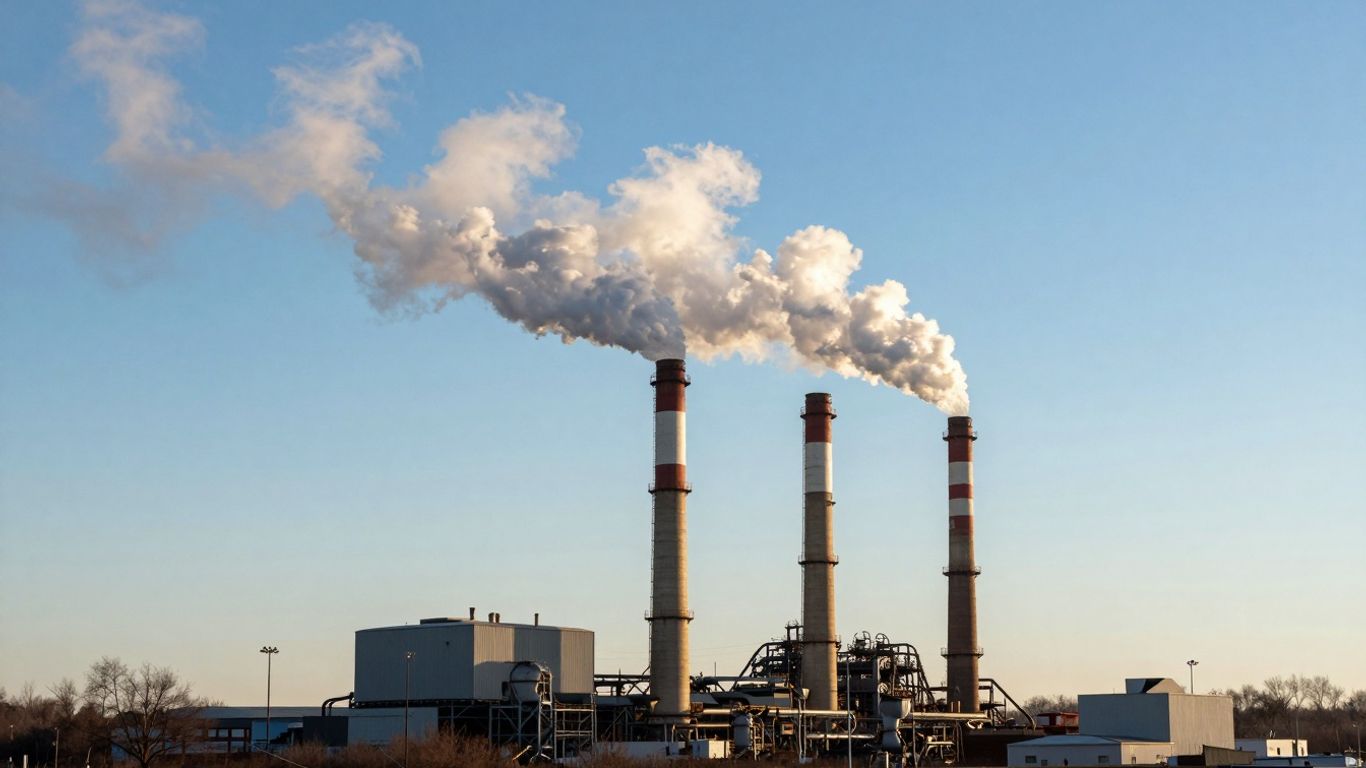
Documenting Your Scope 1 Calculation Methodology
So, you've done the hard work of figuring out your Scope 1 emissions. That's great! But just knowing the numbers isn't quite enough. You need to be able to show how you got those numbers. This means keeping clear records of everything you did. Think about the fuel types you used, how much of each you bought, and where you got the emission factors from. If you used different methods for different parts of your business, make sure that's all written down too. Transparency here is key, not just for yourself but for anyone who might look at your reports. It helps build trust and makes it easier to track changes over time.
Meeting Evolving Regulatory Requirements
Governments and industry groups are always updating rules about reporting greenhouse gases. What's acceptable today might need tweaking next year. It's a good idea to stay on top of these changes. This might mean checking government websites, industry newsletters, or talking to experts. For example, some regions might require specific reporting formats or might have new rules about what counts as a Scope 1 emission. Keeping your calculation methods documented, as we just talked about, makes it much simpler to adapt when these regulations shift. It's like having a good map when you're driving through unfamiliar territory – you can adjust your route more easily.
Transparency in Emissions Disclosure
Sharing your Scope 1 emissions data openly is becoming more common. It shows that your company is serious about its environmental impact. You might report this information in your company's annual sustainability report, on your website, or through industry-specific platforms. When you share this data, it's helpful to include a brief explanation of your calculation methods. This helps people understand the context of the numbers. For instance, you could include a simple table showing the main sources of your Scope 1 emissions and their contribution:
Being upfront about your emissions, even if the numbers aren't perfect yet, is a sign of good corporate citizenship. It allows stakeholders to see your commitment and track your progress over time. This openness can also help identify areas where improvements are most needed.
Finally, consider if getting your emissions data checked by an outside party makes sense. This third-party verification can add an extra layer of credibility to your reports, especially if you're dealing with strict regulations or reporting to investors.
Staying on top of reporting and following the rules is super important for any business. We make it easy to understand and manage all the requirements. Want to see how we can help you stay compliant and stress-free? Visit our website today to learn more!
Wrapping Up: Your Next Steps with Scope 1 Emissions
So, we've gone through what Scope 1 emissions are and how to figure them out for your business. It might seem like a lot at first, but really, it's about looking at what you directly control – like the fuel your company vehicles use or the heat your building needs. Getting a handle on these direct emissions is a really solid first step in being more environmentally friendly and staying on top of rules. Keep checking your numbers, look for ways to improve, and you'll be doing your part. It's not just about the planet, it can actually save you money too, which is always a good thing.
Frequently Asked Questions
What exactly are Scope 1 emissions?
Think of Scope 1 emissions as the greenhouse gases that come straight from things your company owns or controls. It's like the smoke from your own factory chimney or the exhaust from your company's trucks. These are the direct emissions from burning fuel in your own equipment, like furnaces, boilers, or vehicles.
Why is it important to track Scope 1 emissions?
Tracking Scope 1 emissions is super important because they are the most direct way your company impacts the environment. By knowing exactly where these emissions come from, you can take quick and effective steps to reduce them. This helps your company become more eco-friendly and often saves money by using energy more wisely.
What are the main types of Scope 1 emissions?
There are a few main types. First, there's 'Stationary Combustion,' which is burning fuel in things like boilers or generators that don't move. Then there's 'Mobile Combustion' from vehicles your company owns, like cars or trucks. 'Fugitive Emissions' are accidental leaks, often from things like air conditioning systems. Lastly, 'Process Emissions' come from specific industrial activities.
How do I start calculating my Scope 1 emissions?
To start, you need to figure out all the places your company directly releases greenhouse gases. Then, you'll need to collect data on how much fuel you use or how much of certain materials you process. You'll use special 'emission factors' (like a multiplier) from reliable sources to turn that data into an emissions number. Finally, you add up all these numbers to get your total Scope 1 emissions.
What's the difference between Scope 1 and Scope 2 emissions?
Scope 1 emissions are the ones you create directly from your own equipment and vehicles. Scope 2 emissions are different; they come from the electricity, heat, or steam you buy from somewhere else. So, if you burn natural gas in your own building's furnace, that's Scope 1. If you buy electricity from the power company to run your lights, that's Scope 2.
Can reducing Scope 1 emissions save my company money?
Absolutely! Often, the best ways to lower Scope 1 emissions involve using energy more efficiently. For example, upgrading to newer, more fuel-efficient vehicles or maintaining your equipment so it doesn't waste energy can lead to significant cost savings on fuel and energy bills. It's a win-win for the planet and your budget.