
Understanding Scope 1 and 2 Emissions: A Comprehensive Guide
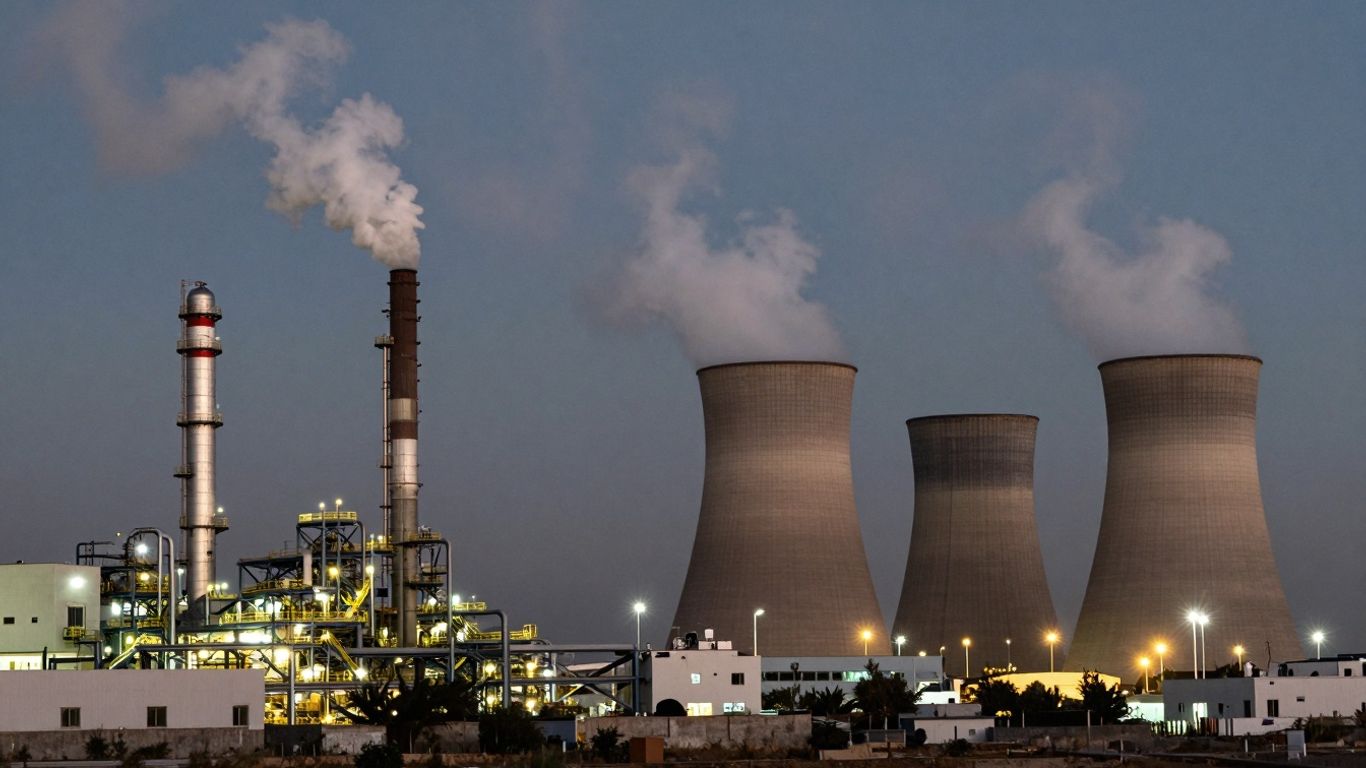
So, you've heard about carbon footprints and greenhouse gases, right? It can sound a bit complicated, but understanding where these emissions come from is the first step to doing something about it. Specifically, we're going to talk about scope 1 and 2 emissions. Think of them as the emissions directly from your company's own stuff and the emissions from the energy you buy. It's not as scary as it sounds, and knowing the difference helps a lot.
Key Takeaways
- Scope 1 emissions are the direct ones, coming from things your company owns or controls, like burning fuel in your own trucks or heating your building with natural gas.
- Scope 2 emissions are indirect, linked to the electricity, steam, heat, or cooling you purchase from outside sources.
- The main difference is ownership and control: Scope 1 is yours, Scope 2 is from purchased energy.
- Figuring out your scope 1 and 2 emissions involves collecting data on fuel use and energy bills, then using specific calculations.
- Reducing these emissions often means using less fuel, improving how efficiently you use energy, and switching to cleaner energy sources like renewables.
Understanding Scope 1 and 2 Emissions
Alright, let's talk about greenhouse gas emissions. When companies start looking at their environmental impact, they usually break it down into different 'scopes'. Think of it like sorting your recycling – you have different bins for different things. The two most talked-about are Scope 1 and Scope 2. Getting a handle on these is a big step in figuring out where your company's carbon footprint actually comes from.
Defining Scope 1: Direct Emissions
So, Scope 1 emissions are the ones that come straight from sources your company owns or directly controls. It's like the exhaust from your company's own delivery trucks or the natural gas burned in your factory's furnaces. These are the most straightforward emissions to track because you can usually measure them directly. If you burn fuel on-site, or if you have equipment that leaks refrigerants, those are Scope 1. These are the emissions you have the most direct influence over.
Here are some common examples:
- Burning fuel in company-owned vehicles (cars, vans, trucks).
- Fuel combustion in boilers, furnaces, or generators located at your facilities.
- Fugitive emissions, like leaks from air conditioning systems or industrial processes.
Measuring Scope 1 can sometimes be tricky, especially with things like fugitive emissions. It requires careful monitoring of fuel use and equipment maintenance.
Defining Scope 2: Indirect Emissions
Now, Scope 2 is a bit different. These are indirect emissions that happen because your company uses energy that was produced elsewhere. The biggest example here is purchased electricity. When you buy power from the local utility, that electricity was generated at a power plant, and the emissions from that plant count as Scope 2 for your company. Even though the emissions aren't happening at your office or factory, they're a direct result of your energy consumption. This is a huge area for many businesses, and it's a key part of understanding your carbon footprint.
Think about:
- The electricity you use to power your computers, lights, and machinery.
- Purchased steam, heat, or cooling for your buildings.
- Any energy generated off-site but acquired for your operations.
Key Differences Between Scope 1 and 2
The main distinction boils down to control and location. Scope 1 emissions come from sources you own or control, happening right there on your property or in your vehicles. Scope 2 emissions are from sources you don't own or control, but they're directly linked to the energy you buy. For many companies, Scope 2 emissions are significantly larger than Scope 1, especially if they rely heavily on grid electricity. Understanding both is vital for a complete picture of your environmental impact.
Sources and Examples of Scope 1 Emissions
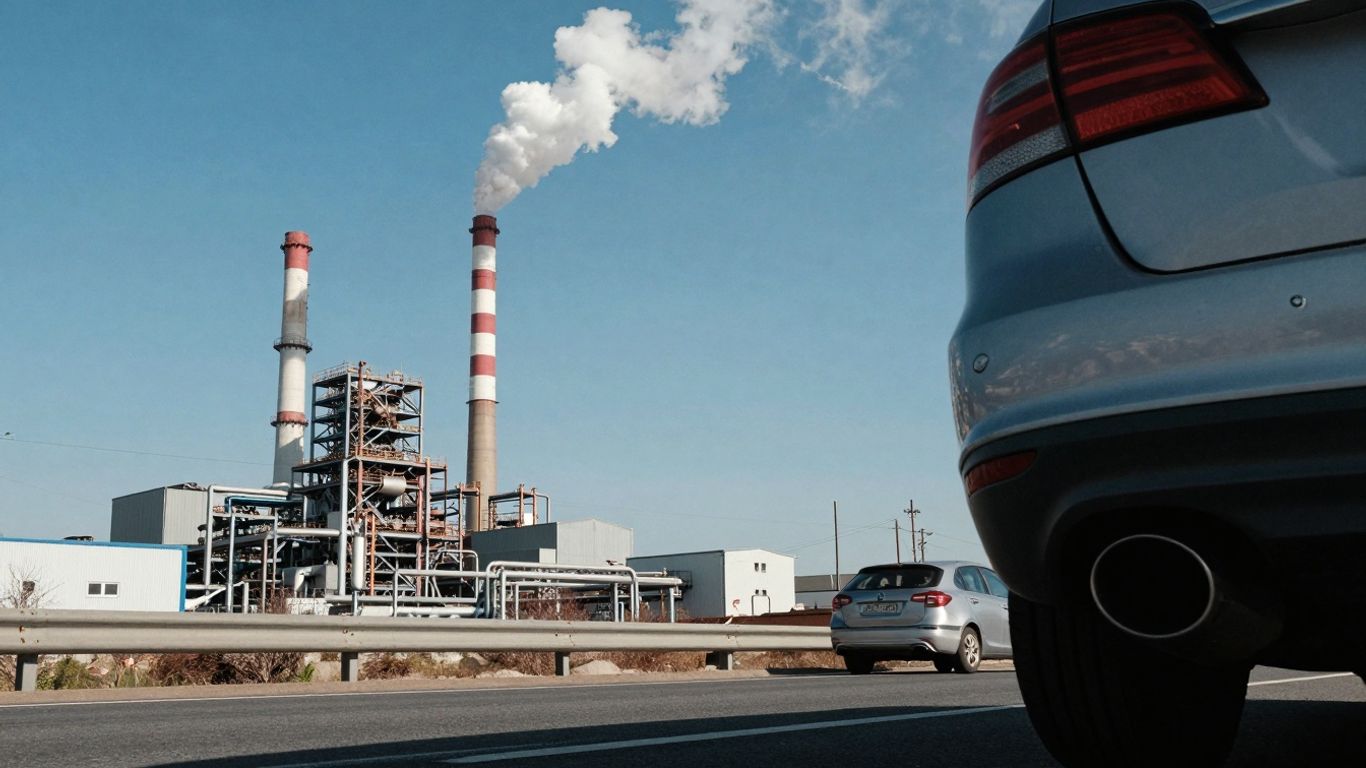
Scope 1 emissions are the ones that come directly from your company's operations. Think of them as the greenhouse gases (GHGs) released from things you own or have direct control over. These are usually the easiest emissions to measure because you're directly observing the source. They're a pretty big deal when figuring out your company's carbon footprint.
On-Site Fuel Combustion
This is a big one for many businesses. It's all about burning fuels right there on your property to make things happen. This could be natural gas for heating your office building or factory, propane for forklifts, or diesel for generators that keep the lights on when the grid goes down. Even smaller things like gas stoves in a company cafeteria count.
Here's a quick look at common sources:
- Boilers and Furnaces: Used for heating buildings or industrial processes.
- Generators: Providing backup or primary power.
- Industrial Ovens and Kilns: Used in manufacturing.
- Water Heaters: For facilities that need hot water.
Company-Owned Vehicle Fleets
If your company has cars, trucks, vans, or any other vehicles that it owns or leases and controls, the fuel burned by these vehicles is a Scope 1 emission. This applies whether the vehicles are used for deliveries, sales calls, employee transport, or any other business purpose. It's about the tailpipe emissions from vehicles operating under your direct management.
- Delivery trucks burning diesel.
- Sales team cars running on gasoline.
- Company-provided vans for service technicians.
- Forklifts and other machinery used on-site.
Fugitive Emissions from Industrial Processes
These are a bit trickier. Fugitive emissions aren't from burning fuel but are leaks or unintended releases of GHGs. This often happens in industries that use specific chemicals or gases. Think about refrigerants escaping from air conditioning units or industrial freezers, or gases released during chemical manufacturing. Even small leaks can add up over time.
- Refrigerant leaks from HVAC systems.
- Emissions from industrial processes like cement or chemical production.
- Leaks from natural gas pipelines or storage tanks.
Understanding these direct sources is the first step in managing your company's environmental impact. It gives you a clear picture of where your emissions are coming from and where you can make changes.
Sources and Examples of Scope 2 Emissions
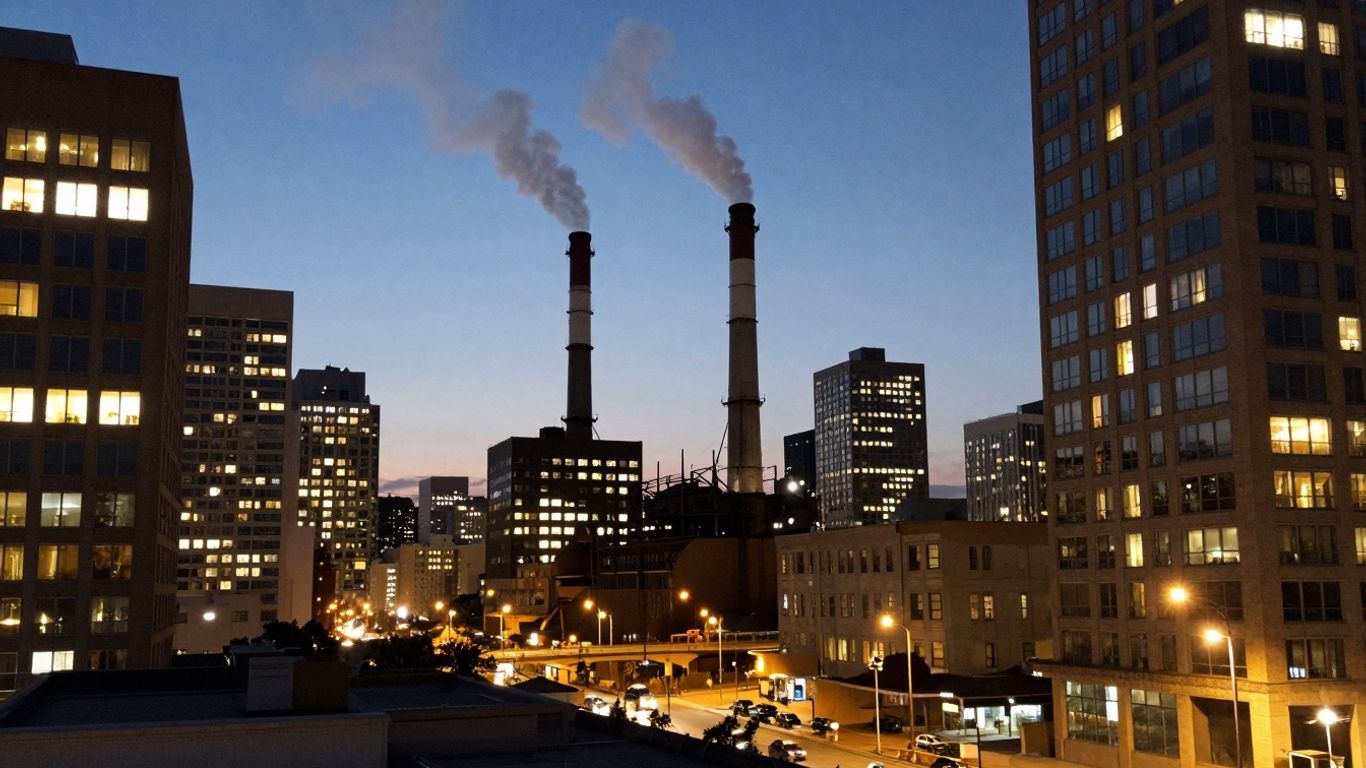
Scope 2 emissions are all about the energy you buy. Think of it this way: when you plug in your computer or turn on the lights, that electricity has to come from somewhere, right? Usually, it's from a power plant. Scope 2 emissions are the greenhouse gases released when that electricity, or steam, heat, or cooling, is generated by someone else for your use. These are indirect emissions because they happen off-site, but they're still a big part of your company's carbon footprint.
Purchased Electricity Consumption
This is probably the most common type of Scope 2 emission. Every kilowatt-hour of electricity your business uses from the grid contributes to this category. If your local utility company burns coal or natural gas to make that power, those emissions are counted under your Scope 2. It's a direct consequence of your energy consumption, even though you're not burning the fuel yourself.
Acquired Steam, Heat, and Cooling
Beyond just electricity, companies often purchase other forms of energy. This could be steam from a nearby industrial facility, district heating from a municipal system, or even cooling services. Similar to electricity, the emissions associated with generating that steam, heat, or cooling are attributed to your company if you're buying it. It's important to track these purchases just as closely as your electricity usage.
External Energy Generation Impact
It's not just about the amount of energy you buy, but also how it's generated. Different energy sources have different emission intensities. For example, electricity generated from solar or wind power has very low associated emissions compared to electricity from coal. Understanding the energy mix of your utility provider or external supplier is key to accurately assessing your Scope 2 impact. Many companies are now looking into purchasing renewable energy certificates (RECs) or directly investing in renewable energy projects to lower this impact. You can find more information on calculating these emissions through resources like the EPA's guidance.
The challenge with Scope 2 is that you don't directly control the emissions source. You're reliant on your energy provider's generation methods. This makes it a bit trickier to manage than Scope 1, where you have direct control over your own equipment and fuel use.
Calculating Scope 1 and 2 Emissions
Alright, so you've figured out what Scope 1 and Scope 2 emissions are. Now comes the part where we actually put some numbers to it. It's not always super straightforward, but it's definitely doable. Think of it like figuring out how much you spent on groceries last month – you need to gather your receipts and do some math.
Data Collection for Direct Emissions
For Scope 1, the direct stuff, you're looking at what you directly control. This means tracking fuel use for company vehicles, the natural gas or oil burned in your building's heating systems, or any industrial processes that release greenhouse gases right there on your property. The key here is getting accurate activity data. This usually comes from:
- Fuel purchase records (like receipts for gas, diesel, propane, etc.)
- Utility bills for on-site fuel consumption (e.g., natural gas for a boiler)
- Records of industrial gases used or released
- Meter readings from equipment
It’s about knowing exactly how much fuel was burned or how much of a specific gas was used. Without good data, your calculations will be off, and that's no good.
Measuring Purchased Energy Impact
Scope 2 is all about the electricity, steam, heat, or cooling you buy from outside. This is where utility bills become your best friend. You'll need to collect:
- Monthly electricity bills
- Records for purchased steam, heat, or cooling
These bills tell you how much energy you consumed. The next step is figuring out the emissions associated with that energy generation, which we'll get to in a sec.
Methodologies for Emission Factors
So, you've got your activity data (like liters of fuel or kilowatt-hours of electricity). Now, how do you turn that into greenhouse gas emissions? That's where emission factors come in. These are basically conversion rates that tell you how much of a specific greenhouse gas (like CO2, methane, or nitrous oxide) is released for each unit of activity.
Here’s a simplified look at how it works:
These factors are usually provided by government agencies (like the EPA in the US) or international bodies. They take into account the average emissions intensity of different fuel types or electricity grids. It's important to use factors relevant to your location and the specific fuels or energy sources you're using. Sometimes, you might need to use different factors for different types of boilers or engines if you have that level of detail.
Getting these numbers right is a big deal. It's the foundation for understanding your impact and figuring out where you can make improvements. Don't just guess; try to find the most reliable data and factors you can.
Challenges in Scope 1 and 2 Assessment
Alright, so you're trying to get a handle on your company's carbon footprint, specifically Scope 1 and 2 emissions. It sounds straightforward enough, right? Direct emissions from your own stuff, and indirect ones from the energy you buy. But let me tell you, it's not always as simple as it looks. There are definitely some tricky bits that can trip you up.
Ensuring Data Accuracy and Consistency
First off, getting good data is a big one. You need to collect information about fuel use, vehicle mileage, and how much electricity you're actually consuming. This sounds easy, but imagine you have multiple sites, or different departments using different ways to track things. Making sure all that data is accurate and consistent across the board is a real headache. You might have one office meticulously logging every kilowatt-hour, while another just has a rough estimate. This inconsistency can really mess with your final numbers, making it hard to see the real picture or compare performance over time. It's like trying to bake a cake with some ingredients measured in cups and others in handfuls – you're not going to get the right result.
Defining Organizational Boundaries
Then there's the whole question of what exactly counts as 'your' emissions. This is about defining your organizational boundaries. Are you including emissions from a subsidiary you partially own? What about contractors working on your site, or outsourced manufacturing? The Greenhouse Gas Protocol gives you options, like the 'control' approach or the 'equity share' approach, but picking the right one and sticking to it consistently can be tough. It's easy to accidentally leave out significant chunks of emissions, or conversely, count emissions that aren't really yours. Getting this wrong means your reported footprint might not be a true reflection of your impact. For companies operating in places like California, new regulations are making this even more important, requiring detailed reporting that needs to be audit-ready, which means your spreadsheets just won't cut it anymore. You'll likely need specialized carbon accounting software to manage this complexity and keep everything traceable for regulatory compliance.
Navigating Evolving Regulatory Landscapes
Finally, the rules of the game keep changing. What's required for reporting today might be different next year. Governments and industry bodies are constantly updating guidelines and introducing new requirements for emissions reporting. This means you have to stay on top of a lot of different rules, especially if you operate in multiple regions. What's accepted in one country might not be in another. It requires a flexible approach and a commitment to continuous learning. You can't just set it and forget it; you have to keep an eye on what's coming next to make sure you're always compliant and reporting accurately. It’s a bit like trying to follow a map where the roads keep getting rerouted – you need to be prepared to adjust your course.
Reducing Scope 1 and 2 Emissions
Okay, so we've talked about what Scope 1 and Scope 2 emissions are. Now, the big question: how do we actually cut them down? It’s not just about feeling good; it’s becoming a business necessity. The most effective way to tackle these emissions is by looking at both direct actions and how we source our energy.
Strategies for Direct Emission Reduction
This is all about the stuff we directly control. Think about our company vehicles. If we're burning gas or diesel, that's Scope 1. Switching to electric vehicles (EVs) or even hybrids makes a big difference. It's a shift, for sure, and there's an upfront cost, but the long-term savings on fuel and maintenance, plus the emission reduction, can be pretty significant. We also need to look at our facilities. Are we burning natural gas for heating or in our manufacturing processes? Finding ways to use less fuel, or switching to cleaner alternatives if possible, is key. Sometimes it's the small stuff too, like making sure equipment isn't leaking any gases it shouldn't be – those are called fugitive emissions, and they add up.
Transitioning to Renewable Energy Sources
This is where we really hit Scope 2 hard. Remember, Scope 2 is about the electricity, steam, heat, or cooling we buy. If our local power grid is mostly running on coal or natural gas, then every kilowatt-hour we use comes with a carbon price tag. The obvious move here is to switch to renewable energy. This could mean:
- Buying renewable energy credits (RECs): These basically certify that a certain amount of electricity was generated from renewable sources and added to the grid.
- Signing power purchase agreements (PPAs): This is a longer-term commitment where we agree to buy electricity directly from a renewable energy project, like a solar farm or wind park.
- Installing on-site renewables: If we have the space, putting solar panels on our roof or property can directly offset our electricity use.
It’s not always a simple switch, especially depending on where we operate, but aiming for 100% renewable electricity is a goal many companies are setting.
Improving Energy Efficiency in Operations
This one is kind of a no-brainer and often goes hand-in-hand with reducing direct emissions. The less energy we use overall, the less we have to worry about where it comes from. This means looking at everything:
- Building insulation and sealing: Making sure our buildings aren't leaking heat in the winter or cool air in the summer.
- Upgrading equipment: Replacing old, inefficient machinery with newer, energy-saving models.
- Optimizing processes: Finding ways to do what we do with less energy input.
- Smart controls: Using thermostats, lighting sensors, and other automation to reduce energy waste when it's not needed.
Honestly, sometimes the biggest wins come from just being smarter about how we use energy. It's not always about fancy new tech; it's about paying attention to the details and making small, consistent improvements across the board. This approach not only cuts down on emissions but also usually saves us money in the long run, which is a win-win.
Want to lower your company's direct and energy-related pollution? We can help you find smart ways to cut down on these emissions. Let's work together to make a cleaner future. Visit our website today to learn more about how we can assist you!
Wrapping It Up
So, we've gone over what Scope 1 and Scope 2 emissions really mean. Scope 1 is about the stuff you directly control, like the gas in your company cars or the fuel for your factory. Scope 2 is about the electricity you buy – it's indirect, but still important. Getting a handle on these numbers might seem like a chore, but it’s a big step towards being more responsible. It’s not always easy to get perfect data, and things change, but starting somewhere is key. Think of it like cleaning out your garage; it's messy at first, but you feel so much better once it's done. Understanding these emissions helps businesses make smarter choices and move towards a cleaner future, one kilowatt-hour and one gallon of gas at a time.
Frequently Asked Questions
What's the main difference between Scope 1 and Scope 2 emissions?
Think of Scope 1 emissions as the pollution that comes directly from things your company owns or controls, like the gas burned in your company cars or furnaces. Scope 2 emissions are a bit different; they're the pollution created when you use energy you buy from somewhere else, like the electricity that powers your office lights and computers. Even though the pollution happens at the power plant, it's counted because your company is using that energy.
Can you give an example of a Scope 1 emission?
Sure! If your company has a fleet of delivery trucks that run on gasoline, the exhaust fumes from those trucks are Scope 1 emissions. Another example is if your factory burns natural gas in its machinery to make things – that's also Scope 1.
What's a common example of a Scope 2 emission?
The most common example of Scope 2 emissions is the electricity you use. When you turn on the lights, use computers, or run machinery in your building, and that electricity comes from the power grid, the emissions created at the power plant to generate that electricity are considered Scope 2 for your company.
Why is it important for companies to track these emissions?
Tracking these emissions helps companies understand their impact on the environment. It's like keeping track of your spending to know where your money goes. By knowing where their pollution comes from, companies can figure out the best ways to reduce it, which is good for the planet and often for their reputation too.
Are Scope 1 and Scope 2 emissions the only ones companies worry about?
No, there's also Scope 3. While Scope 1 and 2 cover emissions your company directly causes or from energy it buys, Scope 3 includes all the other indirect emissions that happen because of your company's activities, but not directly from its own sources or purchased energy. This can include things like the emissions from making the raw materials you buy or how your products are used by customers.
How do companies figure out how much Scope 1 and 2 pollution they're making?
It involves collecting information. For Scope 1, they measure how much fuel they burn or how much gas leaks. For Scope 2, they look at how much electricity, heat, or cooling they buy. Then, they use special 'emission factors' – which are like conversion rates – to turn that fuel or energy use into an amount of greenhouse gas pollution.