
Understanding Location-Based vs. Market-Based Emissions: A Crucial Distinction for Sustainability Reporting

When companies start looking at their carbon footprint, especially for purchased electricity, things can get a bit confusing. There are two main ways to measure this: location-based and market-based emissions. It's not just about numbers; it's about what those numbers mean for your business and how you report your sustainability efforts. Let's break down the differences between location based vs market based emissions and why understanding them is a big deal for reporting.
Key Takeaways
- Location-based emissions measure the average carbon intensity of the electricity grid in a specific area, showing the physical impact of local energy sources.
- Market-based emissions reflect a company's specific energy purchases, including renewable energy certificates (RECs) and power purchase agreements (PPAs), showing the impact of procurement choices.
- The Greenhouse Gas Protocol requires companies to report both location-based and market-based Scope 2 emissions to provide a complete picture of their environmental impact.
- Choosing the right accounting method, or using both, depends on corporate goals, regulatory needs, and the desire to demonstrate renewable energy investments.
- Understanding the distinction between location based vs market based emissions is vital for accurate sustainability reporting, strategic energy procurement, and meeting stakeholder expectations.
Defining Location-Based and Market-Based Emissions

When we talk about tracking greenhouse gas emissions, especially for electricity use, two main ways of looking at it pop up: location-based and market-based. They sound a bit technical, but they're really just different lenses to see how your company's energy use impacts the environment. It’s not about picking a favorite; understanding both gives you a much clearer picture.
How Location-Based Emissions Are Calculated
Think of location-based emissions as a snapshot of the actual electricity grid where your business operates. This method looks at the average emissions intensity of the power being generated in that specific region. It doesn't matter what kind of energy contracts you've signed; it's all about the mix of power sources – like coal, natural gas, or renewables – that make up the local grid's supply. So, if your local grid relies heavily on fossil fuels, your location-based emissions will reflect that, even if you're buying green energy separately.
- Grid Emissions Focus: Calculates emissions based on the average intensity of the regional electricity grid.
- Geographical Factors: The emissions factor is determined by the local energy mix.
- No Voluntary Choices Considered: This method doesn't account for specific energy procurement decisions like buying renewable energy certificates.
What Makes Market-Based Emissions Unique
Market-based emissions, on the other hand, focus on the choices your company makes about its energy. This method accounts for the emissions associated with the specific energy contracts and instruments you purchase. This includes things like Renewable Energy Certificates (RECs) or Power Purchase Agreements (PPAs). If you buy electricity from a renewable source or purchase RECs to offset your consumption, this method will reflect that reduction in your reported emissions. It shows the emissions you've essentially "bought" or "avoided" through your purchasing decisions. This approach is really useful for showing your commitment to clean energy investments.
The Role of Scope 2 in Emissions Reporting
Both location-based and market-based emissions fall under Scope 2 of greenhouse gas reporting. Scope 2 covers indirect emissions from purchased electricity, steam, heating, and cooling. The Greenhouse Gas Protocol, a widely used standard, actually requires companies to report both market-based and location-based Scope 2 emissions. This dual reporting isn't just busywork; it provides a more complete understanding of your company's environmental impact. Location-based shows the impact of the grid you're plugged into, while market-based shows how your specific energy procurement strategy is affecting your footprint. Together, they offer a fuller story for your sustainability reports.
Key Differences Between Location-Based vs Market-Based Emissions
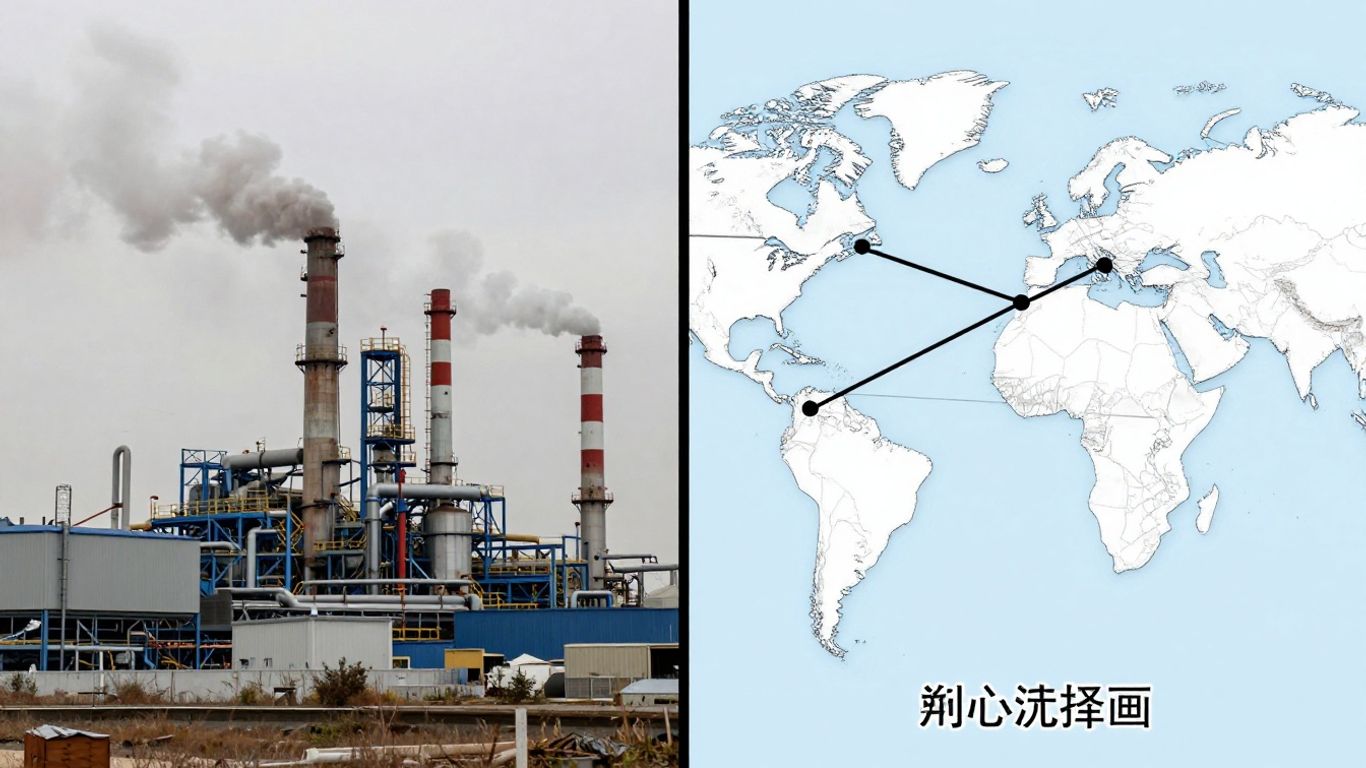
So, we've got these two ways of looking at emissions, right? Location-based and market-based. They sound similar, but they actually tell pretty different stories about a company's environmental impact, especially when we're talking about Scope 2 emissions – that's the indirect stuff from the electricity we buy.
Energy Mix Versus Contractual Choices
Think of it like this: location-based emissions are all about what's actually being generated on the local power grid. It doesn't matter if you specifically bought green energy; this method looks at the average emissions from whatever mix of coal, gas, solar, and wind is powering your region. It's a snapshot of the grid's reality.
Market-based emissions, on the other hand, are all about the choices you make. Did you sign a Power Purchase Agreement (PPA) for wind farm power? Did you buy Renewable Energy Certificates (RECs)? This method tracks the emissions associated with those specific contracts. It reflects the emissions you've essentially 'bought' or 'avoided' through your purchasing decisions. It's more about your company's direct influence on the energy market.
Impact on Corporate Carbon Footprint
These different approaches can really change how a company's carbon footprint looks. Using the location-based method shows the environmental impact tied to the physical grid you're plugged into. If your local grid is heavy on fossil fuels, your location-based emissions will likely be higher, even if you're trying to be green.
The market-based method, however, can show a much lower footprint if a company has actively invested in renewable energy sources through contracts or certificates. This is often the number companies highlight when they want to show off their commitment to clean energy.
Examples Illustrating Each Method
Let's say a company operates in two cities:
- City A: Has a very clean electricity grid, mostly powered by hydro and solar. The location-based emissions here will be low.
- City B: Has a grid that relies heavily on coal. The location-based emissions will be significantly higher.
Now, consider the market-based approach for the same company:
- Scenario 1: The company buys electricity in both cities but has signed a PPA for wind energy that covers its consumption in both locations. Its market-based emissions could be very low, close to zero, regardless of the grid in City B.
- Scenario 2: The company buys standard electricity in City A and City B and doesn't have any specific green energy contracts. In this case, its market-based emissions would closely mirror its location-based emissions for both cities.
The Greenhouse Gas Protocol actually recommends reporting both location-based and market-based emissions. This dual reporting gives a fuller picture: location-based shows the impact of the grid you're part of, while market-based shows how your own energy procurement choices are making a difference (or not).
Here's a quick rundown:
- Location-Based: Reflects the average emissions intensity of the grid. It's about where you are.
- Market-Based: Reflects emissions from specific energy contracts and certificates. It's about what you buy.
Understanding these differences is key for accurate sustainability reporting and making smart energy decisions.
Significance In Sustainability Reporting
When you're trying to show how your company is doing on the sustainability front, how you report your emissions really matters. It's not just about ticking boxes; it's about being honest and clear with everyone who cares – investors, customers, and even your own employees.
Meeting Regulatory Requirements
Governments and industry groups are increasingly setting rules about what companies need to report regarding their environmental impact. Using either the location-based or market-based method, or often both, helps you stay on the right side of these regulations. Not reporting correctly can lead to fines or a damaged reputation. It’s like following the speed limit – you do it to avoid trouble and because it’s the expected way to behave.
Demonstrating Renewable Energy Investments
This is where the market-based method really shines. If your company has actively gone out and signed deals for renewable energy, like wind or solar power, the market-based approach lets you show that directly. It highlights your proactive steps to reduce your carbon footprint through actual purchasing decisions. This is a powerful way to demonstrate your commitment to a cleaner future.
Ensuring Transparency in Carbon Disclosures
Being upfront about your emissions is key to building trust. Reporting both location-based and market-based figures gives a fuller picture. The location-based number shows the reality of the energy grid you're operating within, while the market-based number shows what you're doing about it. This dual reporting approach helps avoid confusion and provides a more complete story of your company's environmental performance.
Reporting emissions isn't just a compliance exercise; it's a communication tool. It tells a story about your company's current impact and its future aspirations. Being clear and consistent in your reporting builds credibility and helps stakeholders understand your journey towards sustainability.
The Role Of Renewable Energy Certificates and Power Purchase Agreements
How RECs Influence Market-Based Reporting
Renewable Energy Certificates, or RECs, are a pretty big deal when it comes to reporting emissions, especially for Scope 2. Think of them as proof that a certain amount of electricity was generated from a renewable source, like a wind farm or solar array, and then put onto the grid. When your company buys RECs, you're essentially saying, "Hey, I'm supporting this renewable energy generation." This is super important for the market-based reporting method. It allows you to claim that the electricity you used came from a clean source, even if the actual electrons flowing into your building are a mix from the regular grid. This means you can report a lower, or even zero, emissions factor for that portion of your electricity consumption. It's a way to directly link your purchasing decisions to cleaner energy.
Integration of PPAs in Emissions Accounting
Power Purchase Agreements (PPAs) are another key piece of the puzzle, especially for larger organizations. A PPA is a contract between a power producer (like a solar farm developer) and a buyer (your company). It's a direct agreement to buy electricity from a specific renewable energy project over a set period. When you have a PPA, it often comes with the rights to the environmental attributes of that power, which can include RECs or similar instruments depending on the region. This makes accounting for emissions more straightforward because you have a direct contract showing your commitment to renewable energy. The emissions associated with the electricity covered by the PPA can often be accounted for at a zero-emission factor, provided the PPA is structured correctly and includes these attributes.
Claims of Renewable Energy Usage
Making claims about using renewable energy is where things get interesting and sometimes a bit tricky. The market-based method, supported by RECs and PPAs, allows companies to demonstrate their commitment to clean energy. However, it's vital to be accurate. You can only claim renewable energy usage for the amount of electricity that is backed by these instruments. For example, if your company uses 100 megawatt-hours (MWh) of electricity in a year but only has RECs or a PPA covering 70 MWh, you can only claim 70% renewable energy usage. The remaining 30 MWh would be accounted for based on the grid's average emissions intensity (location-based) or the residual mix if you haven't purchased specific contracts for it. Transparency is key here; you need to clearly state what portion of your energy use is covered by renewable attributes.
Here's a simplified look at how it works:
- REC/PPA Coverage: The amount of electricity (in MWh or kWh) for which you hold valid RECs or a PPA.
- Grid Average: The average emissions intensity of the electricity grid in your location.
- Market-Based Emissions: (Electricity Used - Electricity Covered by RECs/PPAs) * Grid Average Emissions Factor.
It's important to note that the Greenhouse Gas Protocol has specific rules about what constitutes a valid REC or PPA for emissions reporting to avoid double-counting and ensure the claims are credible. This often involves ensuring the renewable energy generation is accounted for only once and that the REC or PPA is retired appropriately.
Choosing The Appropriate Emissions Accounting Method
So, you're trying to figure out how to count your company's carbon emissions from electricity. It's not always a simple pick-one-and-go situation. The best method, or combination of methods, really depends on what you're trying to achieve and where you're operating.
Factors to Consider for Businesses
When deciding between location-based and market-based accounting, think about a few things. First, what are your company's main goals? If you're really pushing for sustainability and want to show off your commitment to buying green energy, the market-based approach might be your go-to. It directly reflects those choices. On the other hand, if you're focused on understanding the actual environmental impact of where your facilities are located, the location-based method gives you that picture. It's all about the local grid's energy mix, no matter what contracts you've signed. Many companies find that using both gives them the most complete story.
Aligning with Corporate Sustainability Goals
Your company's sustainability targets play a big role here. If your aim is to actively reduce your carbon footprint by purchasing renewable energy, then the market-based method is key. It allows you to directly account for the emissions reductions tied to your specific energy purchases, like those from renewable energy certificates (RECs) or power purchase agreements (PPAs). This method highlights your proactive steps. The location-based method, while important for understanding the broader context, doesn't as directly showcase these voluntary actions. Ultimately, aligning your accounting method with your stated goals makes your sustainability reporting more credible and impactful.
Industry and Geographic Influences
Where your business operates matters a lot. Different regions have vastly different electricity grids. A company with operations spread across various countries will see very different emissions factors depending on the local grid's energy sources. This is where the location-based method really shines, showing the unique environmental context of each site. For instance, a facility in a region powered heavily by renewables will have a lower location-based emission factor than one in a coal-dependent area. Understanding these regional differences is vital for accurate reporting and for identifying opportunities to improve your energy sourcing. It's also worth noting that some regulatory bodies might have specific requirements, sometimes leaning towards location-based accounting for compliance purposes.
Benefits and Limitations of Each Method
When you’re working out your company’s carbon footprint, it’s not just about numbers and spreadsheets. The method you use to account for those emissions—location-based or market-based—actually says a lot about how you see your role in sustainability. Each approach brings different strengths and some real-world challenges.
Strengths of Location-Based Emissions Reporting
- Consistency: This method uses the local grid’s average emissions factors, so it’s stable year to year and makes it pretty easy to compare across companies and regions.
- Practical for Regulation: Many governments require location-based reporting, so it’s a must for compliance.
- Real-World Reflection: It shows the emissions created due to existing grid electricity sources, not just what your company prefers or chooses to purchase.
In short, location-based reporting keeps things simple and makes benchmarking straightforward.
Location-based emissions are sort of like looking at the whole neighborhood—what’s in the air is what you breathe, regardless of which energy provider you pay.
Advantages of Market-Based Emissions Reporting
- Highlights Renewable Choices: Companies can show off renewable investments, like Power Purchase Agreements (PPAs) or Renewable Energy Certificates (RECs).
- Tells a Customized Story: It actually tracks the emissions from the electricity providers or contracts a company selects.
- Supports Voluntary Goals: Great for organizations going all-in on green power and wanting to back up their sustainability claims.
If you’re interested in the technical details of why these distinctions matter, explaining the distinction between market-based and location-based Scope 2 emissions covers them well.
Limitations and Potential Drawbacks
- Location-Based:
- Market-Based:
- Both methods:
Neither method tells the whole story on its own. By looking at both, companies can get much closer to the truth about the impact of their energy choices.
Implementing Dual Reporting for Comprehensive Insights
The Greenhouse Gas Protocol Requirements
The Greenhouse Gas Protocol, which is pretty much the go-to standard for this stuff, actually requires companies to report their Scope 2 emissions using both the location-based and market-based methods. It’s not really an either/or situation. They want you to show what the local grid is doing, and then also show what you're doing with your purchasing choices. This dual reporting gives everyone a much clearer picture of what's going on. It's like looking at a situation from two different angles to get the full story.
How Dual Reporting Enhances Decision-Making
So, why bother with both? Well, the location-based number tells you about the actual emissions tied to the electricity you're using, based on the grid's average. It's the reality of where you are. The market-based number, on the other hand, shows the impact of your specific energy choices. Did you buy renewable energy certificates (RECs)? Did you sign a power purchase agreement (PPA) for wind or solar? That's what the market-based method captures. By looking at both, you can see where your company's purchasing power is making a difference and where you might still have room to improve your environmental impact. It helps you figure out if your green energy investments are actually reducing your footprint as much as you hoped, or if you need to adjust your strategy.
Here's a quick look at what each method highlights:
- Location-Based: Reflects the average emissions intensity of the electricity grid where your facilities are located.
- Market-Based: Reflects emissions associated with electricity that your company has specifically chosen to purchase, often through contracts or certificates.
Case Studies of Organizations Using Both Methods
Many companies are already doing this. Think about a big manufacturing plant. The location-based emissions might be quite high because the local grid relies heavily on fossil fuels. But if that same company has signed a PPA for solar power for its offices and purchased enough RECs to cover its factory's electricity use, its market-based emissions could be significantly lower. This contrast is important. It shows stakeholders that the company is aware of its grid's impact but is actively taking steps to reduce its own direct emissions through smart energy procurement. It's a way to show both the challenges you face and the proactive solutions you're implementing. This kind of transparency builds trust and demonstrates a real commitment to sustainability goals, not just a superficial one.
Want to get a clearer picture of your company's performance? Our "Implementing Dual Reporting for Comprehensive Insights" guide shows you how. Learn to track your progress from different angles for a complete view. Ready to see the full story? Visit our website today to learn more!
Wrapping It Up: Why Both Numbers Matter
So, we've talked about two ways to look at emissions from the electricity we use: location-based and market-based. One shows what's happening on the local power grid, and the other shows what we're choosing to buy, like green energy certificates. It turns out, neither one tells the whole story on its own. Most companies find it best to look at both numbers. This gives a clearer picture of their actual impact and how their choices to buy cleaner energy are making a difference. Keeping track of both helps businesses make smarter decisions for their sustainability goals and report their progress accurately. It’s all about getting a fuller view to make better choices for the planet.
Frequently Asked Questions
What's the main difference between location-based and market-based emissions?
Think of it like this: location-based emissions show you the pollution from the power grid in the area where you use electricity. Market-based emissions focus on the specific energy deals you make, like buying clean energy certificates. It’s about what’s happening locally versus what you choose to buy.
Why would a company use both methods?
Using both gives a complete picture! Location-based shows the real impact of the local power sources, while market-based shows how your company's choices to buy clean energy are making a difference. It helps companies see their footprint from two important angles.
Are these methods for something called 'Scope 2 emissions'?
Yes, exactly! Scope 2 emissions are the indirect ones from the electricity, heat, or cooling you buy. Both location-based and market-based methods help figure out these specific emissions.
Do Renewable Energy Certificates (RECs) affect these calculations?
Definitely! RECs are a big part of market-based reporting. When you buy RECs, it means you're supporting renewable energy, and this can lower the emissions you report using the market-based method.
Which method is better for following rules?
It often depends on where you are and what the rules say. Some places might require location-based reporting to understand the local grid's impact. However, many companies report both to be thorough and show their commitment to sustainability.
Can a company have zero emissions using the market-based method?
A company can report very low or even zero emissions for the electricity it uses through the market-based method if it buys enough renewable energy certificates or makes contracts for 100% renewable energy. But remember, the location-based method might still show emissions from the local grid.