
Understanding Global Watersheds: A Comprehensive Guide
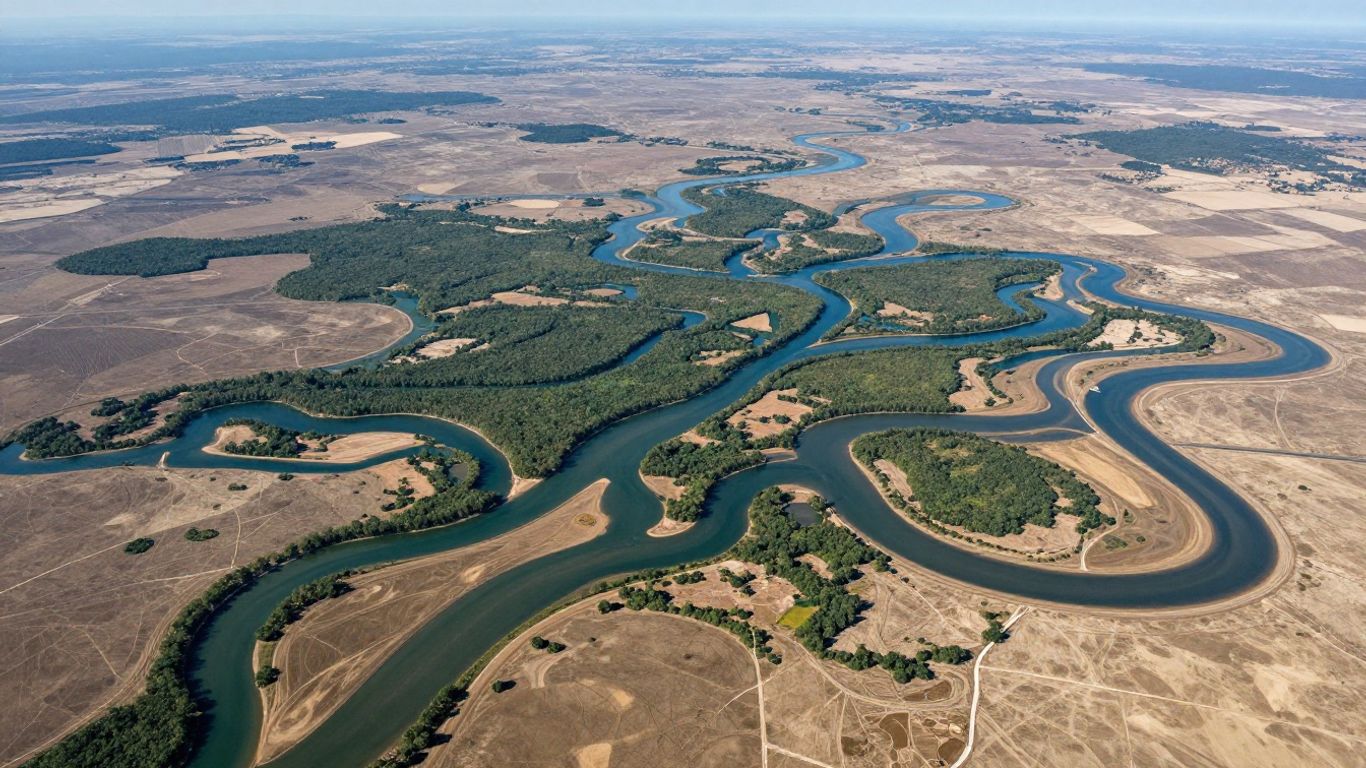
You know, water is pretty important. It's everywhere, and how it moves across the land really matters. We call these areas where water collects and drains 'watersheds.' Thinking about global watersheds means we're looking at how these systems connect, even across borders. It's not just about the water itself, but also the land, the plants, and the people who live there. This guide is going to break down why these areas are so vital and what we can do to manage them better.
Key Takeaways
- A watershed is simply the land area where all the rain and snowmelt drains to a common point, like a river or lake.
- These systems are all connected; what happens in one part of a watershed affects other parts, even far away.
- Watersheds aren't just about water; they include the land, plants, animals, and people, making them complex social, political, and environmental areas.
- Good watershed management helps prevent floods and droughts, keeps soil healthy, and ensures clean water, which is good for farming and nature.
- Working together with local communities is the most effective way to manage watersheds, ensuring that solutions fit the area and benefit everyone involved.
Understanding Global Watersheds
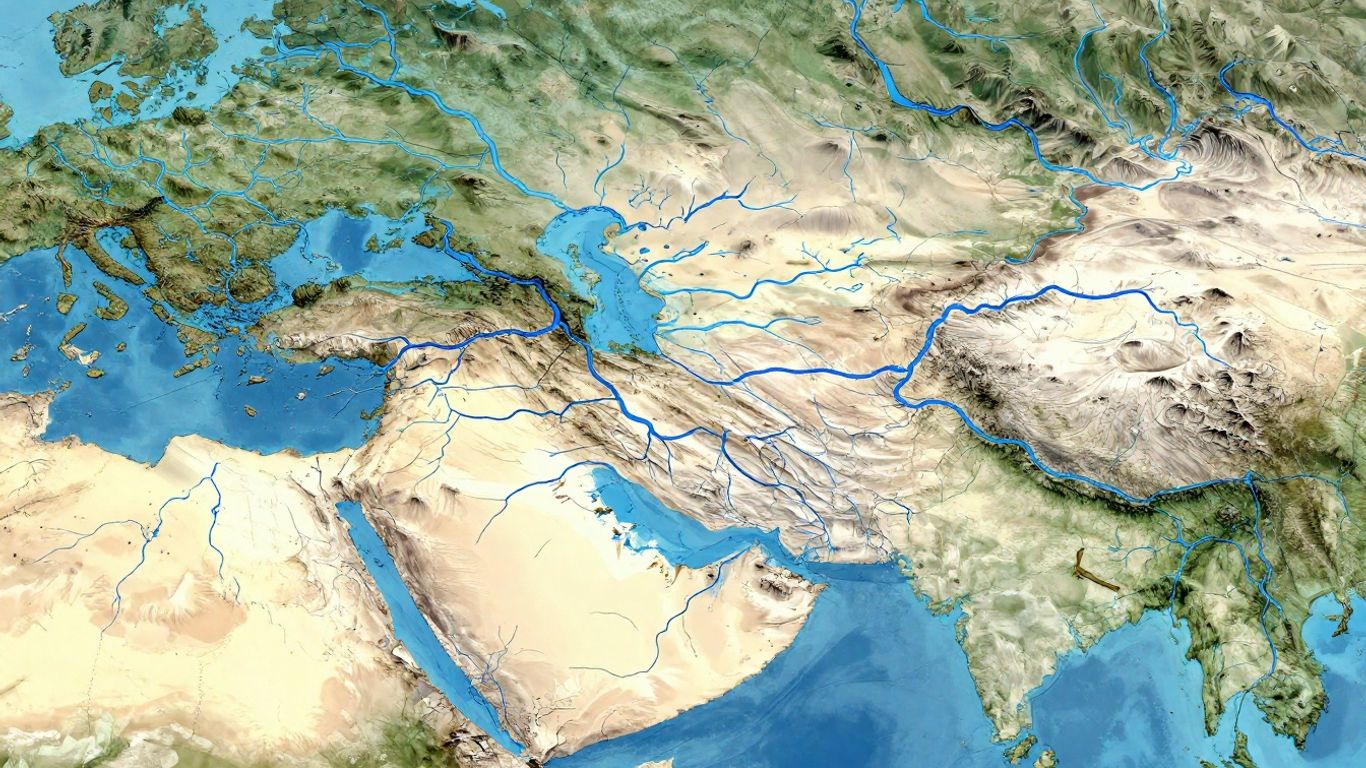
Think about every drop of rain that falls. Where does it go? It rolls downhill, gathering in streams, and eventually finds its way to a river, a lake, or the big ocean. The entire area of land that collects all this water and guides it to one single exit point is what we call a watershed. It’s like a giant, natural bowl shaped by the land itself – hills, ridges, and valleys all directing water downwards. Managing this land wisely – looking after its soil, water, plants, and how people use it – is the core idea behind watershed management. It’s a practical way to keep our natural resources working, help communities stay strong, and keep ecosystems healthy.
Defining A Watershed
A watershed, sometimes called a drainage basin or catchment area, is simply a geographical region where all the precipitation that lands eventually drains to a common outlet. This outlet could be a river mouth, a lake, or even an estuary. These areas are the fundamental building blocks of our planet's water cycle. They connect what happens with rain and snow to the rivers and groundwater we rely on. Watersheds aren't just about water, though; they are also about the land, the plants, and the people living within them. They exist at all sorts of sizes, from tiny patches of land that drain into a small creek to enormous river systems that span across multiple states or even countries. The health of a watershed directly impacts the water quality and quantity available downstream. Watersheds are vital ecosystems that play a crucial role in water filtration, erosion mitigation, flood control, carbon storage, nutrient cycling, and biodiversity promotion.
The Interconnectedness Of Watersheds
It's easy to think of a river as just a line on a map, but it's actually the end result of countless smaller streams and land areas all feeding into it. What happens in the higher parts of a watershed – like deforestation or poor farming practices – can have a big impact on what happens much further downstream. This interconnectedness means that managing one part of a watershed affects all the other parts. We can't just look at a river in isolation; we have to consider the entire area that drains into it. This includes everything from the mountaintops to the coastlines. It’s a system where everything is linked, and actions in one place ripple outwards.
Watersheds As Socio-Political-Ecological Entities
Watersheds aren't just natural features; they are also places where people live, work, and make decisions. They are socio-political-ecological entities. This means that how we manage land and water within a watershed is influenced by social factors, political decisions, and the ecological processes at play. For example, upstream communities might use water differently than downstream communities, leading to potential conflicts. Political boundaries don't always align with natural watershed boundaries, making management tricky. Understanding these connections is key.
Here’s a look at how different aspects interact:
- Ecological: The natural flow of water, soil health, plant cover, and wildlife habitats.
- Social: How communities use resources, their traditions, and their needs.
- Political: Government policies, land-use regulations, and agreements between different groups or regions.
The way we treat the land within a watershed directly influences the quality and availability of water for everyone, both now and in the future. It's a delicate balance that requires careful consideration of all these interconnected elements.
When we manage watersheds effectively, we're not just managing water; we're managing landscapes, livelihoods, and the well-being of communities. Watersheds are vital for the health of forests, wetlands, rivers, and wildlife. They also offer recreational opportunities and green spaces that benefit human well-being.
The Importance Of Watershed Management
So, why should we even bother with watershed management? It's more than just a fancy term; it's about taking care of the land and water systems that support us all. Think about it: every drop of rain that falls, every stream that flows, it's all part of a bigger picture. When we mess with one part, it can cause problems elsewhere. Healthy watersheds are the backbone of our environment and economy.
Why Watershed Management Matters
Basically, managing watersheds helps us keep things running smoothly. It's about making sure we have clean water, preventing floods from getting out of hand, and protecting all the plants and animals that live there. It's a way to look after our natural resources for the long haul. Without it, we see all sorts of issues pop up.
- Soil Erosion: Without proper land cover, the topsoil can wash away easily, making it harder to grow crops.
- Water Quality Decline: Pollution from farms or towns can end up in our rivers and lakes, making the water unsafe.
- Flooding and Drought: Unmanaged land can lead to more extreme water events, causing damage and hardship.
- Biodiversity Loss: When habitats are damaged, the plants and animals that depend on them suffer.
When we neglect the health of our watersheds, we're essentially undermining our own well-being. It's like ignoring a leaky roof – a small problem can quickly turn into a major disaster.
Consequences Of Neglecting Watershed Health
If we just let things go, the results can be pretty grim. We end up with less usable water, more frequent and severe floods, and land that's less productive. This impacts everything from the food we eat to the stability of our communities. It's a cycle that's hard to break once it starts. The environmental protection that comes from good management is significant.
Water Scarcity And Conservation Efforts
Water scarcity is a growing problem in many parts of the world, and how we manage our watersheds plays a huge role. By implementing smart practices, we can capture more rainwater, recharge groundwater, and use water more efficiently. This isn't just about saving water for ourselves; it's about ensuring there's enough for ecosystems and future generations too. It's about essential ecosystem services that keep everything alive.
Key Components Of Watershed Management
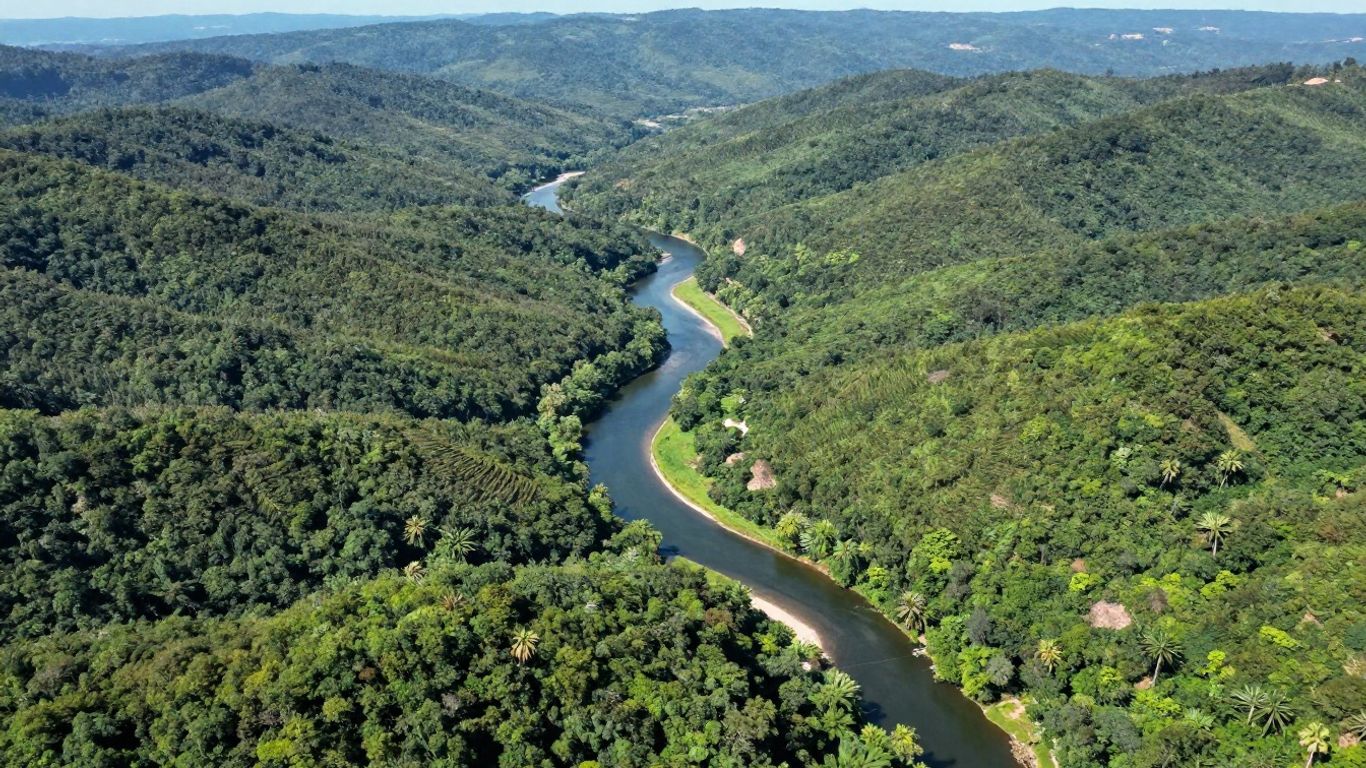
So, what actually goes into managing a watershed effectively? It's not just about building dams or planting trees, though those are part of it. Think of it as a multi-pronged approach, tackling different aspects to keep the whole system healthy. We're talking about how we use the land, how we handle water, and even how we help the local folks make a living.
Land Management Strategies
This is all about taking care of the ground we walk on. When land erodes, it takes fertile soil with it, and that's bad news for farming and water quality. So, we use techniques like terracing on hillsides to stop soil from washing away, or ploughing along the contours of the land to slow down water. Agroforestry, which mixes trees with crops, is another good one. It helps hold the soil and provides other benefits too. The goal is to keep that precious topsoil right where it belongs.
Water Resource Optimization
This part is pretty straightforward: making the most of the water we have. It involves both keeping water where it falls (in-situ) and collecting runoff (ex-situ). Think of things like bunds in fields to hold moisture for crops, or farm ponds and check dams to capture rainwater. These structures help recharge groundwater, meaning water is available for longer periods, not just during the rainy season. It's about smart water storage and use for everything from drinking to irrigation. You can find more on creating watershed plans.
Vegetation's Role In Watershed Health
Plants are like the silent guardians of a watershed. Forests and even smaller plants intercept rain, slow down water flow, and their roots hold the soil together. This means less erosion and better water infiltration into the ground. Efforts like planting more trees, both in forests and as shelterbelts, are key. It's amazing how much freshwater, around 70% globally, comes from these forested upland areas.
Livelihood Diversification For Communities
Watershed management isn't just about the environment; it's also about the people living there. When communities have more ways to earn money, they're less likely to put too much pressure on the natural resources. This could mean supporting things like growing fruits and vegetables, raising animals, or even beekeeping. It's about building a more stable economic future for everyone involved.
Managing a watershed means looking at the whole picture. It's about how land, water, and people interact. Ignoring one part can mess up the others. So, we need strategies that work together, not in isolation.
Here's a quick look at some common land and water management practices:
- Land Management:
- Terracing
- Contour Ploughing
- Agroforestry
- Conservation Tillage
- Water Management:
- Field Bunds
- Farm Ponds
- Check Dams
- Percolation Tanks
These components work hand-in-hand to create a healthier, more resilient watershed. Understanding these basics is the first step towards effective watershed management.
Classifying And Structuring Watersheds
Watersheds aren't all the same size, and understanding these differences helps us manage them better. Think of it like organizing a city versus a small town; you need different approaches for different scales. We can group watersheds based on how much land they cover, which then tells us a lot about how we should manage them.
Watershed Classification By Size
Watersheds are commonly categorized by their area. This helps us figure out the best way to manage the land and water within them. It's not just about how big they are, but what kind of planning and action is most effective at that scale.
- Micro-watersheds: These are the smallest units, often just a few hectares up to a few hundred. They're great for hands-on work like stopping soil erosion on a farm or building small water collection ponds. Because they're small, local communities can really get involved and see the direct results of their efforts.
- Small watersheds: These are larger, covering a few thousand hectares. They usually include several micro-watersheds that all drain into the same small stream. Planning here starts to involve a bit more coordination.
- Large watersheds: These are the big ones, essentially entire river basins. They can span across multiple states or even countries. Managing these requires big-picture planning, policy decisions, and cooperation between many different groups, both upstream and downstream.
Most government programs, like India's WDC-PMKSY, focus on the micro-watershed level. This is because it allows for direct community involvement and makes it easier to see and measure the impact of the work being done. It's where the rubber meets the road, so to speak.
Micro-Watersheds For Local Interventions
When we talk about micro-watersheds, we're talking about the most practical level for getting things done on the ground. These small areas, typically between 500 and 5,000 hectares, are where local communities can directly participate in managing their land and water resources. Think of building small check dams to slow down water runoff or planting trees on a hillside to prevent soil from washing away. These actions have a visible impact and empower the people who live there. It's about making tangible improvements that benefit everyone in that small area.
Large Watersheds For Regional Planning
Large watersheds, often called river basins, are where we need to think on a much grander scale. These vast areas collect water from many smaller watersheds and channel it into a major river system. Because they cover such large territories, managing them involves coordinating efforts across different regions, states, or even countries. This is where policies are made, major infrastructure projects are planned, and agreements are struck between upstream users who might hold back water and downstream communities who rely on its steady flow. The health of a large watershed affects millions of people and a wide range of ecosystems. Understanding the interconnectedness of all the smaller units within a large basin is key to effective regional planning. The climate also plays a big role in how these large systems behave [51c1].
Managing large watersheds requires a holistic view. It's not just about the water itself, but also about how land use in one area affects water availability and quality in another, often far away. This interconnectedness means that decisions made in the mountains can impact coastal communities, and vice versa. Therefore, planning must consider the entire system, from the highest peaks to the river's mouth.
Principles For Effective Watershed Management
So, you've got a watershed, right? It's not just a random patch of land; it's a whole system. And managing it effectively means following some pretty sensible rules. Think of it like managing your own household budget – you can't just spend wildly and expect things to work out. You need a plan, and you need to stick to it.
Treating The Watershed As A Unified System
This is probably the biggest one. Everything in a watershed is connected, like a giant, watery web. What happens way up in the hills – say, someone cuts down a bunch of trees – eventually affects what happens down by the river. You can't just fix one little piece without thinking about the whole picture. It’s like trying to fix a leaky faucet without looking at the pipes. So, when we talk about managing a watershed, we really mean the entire thing, from the highest ridge to the lowest point where water collects. It’s about seeing the whole river basin as one big unit, not just a bunch of separate farms or fields.
When we manage a watershed as a single entity, we acknowledge the natural flow of water and sediment. Actions taken in one part of the watershed have ripple effects throughout, influencing water quality, quantity, and the health of ecosystems downstream. This holistic view is key to preventing unintended consequences and achieving sustainable outcomes.
Matching Land Use To Its Capability
Not all land is created equal, and trying to force it to do something it's not suited for is a recipe for disaster. You wouldn't try to grow rice on a steep, rocky mountainside, would you? It just wouldn't work. The same applies to watershed management. Steep slopes are great for forests or grazing, where they can hold the soil in place. Flatter areas? Those are better for farming. When we match what we do on the land with what the land can actually handle, we prevent erosion, keep the soil healthy, and get the most out of it without wrecking it in the process. It’s about working with the land, not against it.
Addressing Root Causes Of Degradation
This is where you have to think a bit deeper. It's easy to see a problem, like a gully forming, and just slap some dirt and rocks in it to stop it. But why did the gully form in the first place? Maybe it was too many animals eating all the grass, or maybe the trees were cut down. If you don't fix why the gully is happening, it'll just keep coming back. So, instead of just treating the symptom, we need to figure out the real problem and fix that. This might mean changing how people use the land or finding alternative ways for them to make a living. It’s about getting to the heart of the issue.
The Power Of Participatory Approaches
Here’s a big lesson learned over the years: you can't manage a watershed effectively from a faraway office. The people who live there, who use the land and water every day, have to be involved. When communities are part of the planning, the doing, and the looking after things, they take ownership. Projects that involve local people from the start tend to work much better and last longer. It’s about making sure everyone has a say and that the benefits are shared fairly. This kind of teamwork is what makes watershed projects truly successful and sustainable in the long run. You can find more about these kinds of integrated approaches in documents outlining integrated watershed management.
Here’s a quick rundown of what that looks like:
- Community Involvement: Getting local folks involved in every step.
- Local Knowledge: Using what people who live there already know.
- Shared Benefits: Making sure everyone gains something from the project.
- Long-Term Vision: Planning for the future, not just the next few years.
Challenges And The Future Of Watersheds
Navigating Challenges In Management
Look, managing watersheds isn't exactly a walk in the park. One big hurdle is that land ownership is often all over the place. This makes it tough for everyone to get on the same page and work together. Plus, we need to make sure that the benefits of any watershed work actually reach the folks who need it most, not just the people with big land holdings. Keeping community groups and their projects going after the initial funding dries up is another persistent headache. It’s not just about the people, either. Every watershed is different – the soil, the hills, the weather, and the local economy all play a part. So, there’s no magic bullet solution. You really need people on the ground who know what they’re doing and have good information to start with. The biggest lesson learned over the years is that just telling people what to do from a distance doesn't work. Projects that involve local communities right from the start, helping them figure out problems, plan solutions, and even pitch in with work, tend to be way more successful. It’s about working with the land and the people, not against them.
Watershed Management And Climate Change Adaptation
Climate change is really upping the ante for watershed management. We're seeing weirder rain patterns, more extreme weather like floods and droughts, and just generally hotter temperatures. All of this messes with how much water we have and how well crops grow. A watershed that's managed well is just better at handling these kinds of shocks. Things like keeping forests healthy, improving the soil so it holds more water, and helping groundwater get replenished all build up resilience from the ground up. Forests and trees in a watershed can really help smooth out changes in water flow. Plus, keeping those trees and healthy soils around helps soak up carbon dioxide, which is a good thing for the climate.
Technological Advancements In Watershed Science
Things are changing fast with technology. We're using satellite images to map areas and computer systems to plan things out. Monitoring systems are getting smarter too, using data to tell us what's happening. Some programs are even updating how much money they allocate for watershed work, recognizing that protecting these areas is an investment, not just an expense. There's also a growing idea called 'payment for ecosystem services.' Basically, people who use water downstream might pay communities upstream to keep their watershed healthy. It's a way to make conservation pay for itself over time. We're seeing more and more of these ideas pop up. It’s all about finding smarter ways to manage our water resources.
The Road Ahead For Sustainable Watersheds
So, what's next? It's clear that watershed management is more than just a technical job; it's about people and nature working together. The goal is to keep water flowing, protect the soil, and make sure communities can thrive, all without wrecking the natural systems we depend on. It’s a continuous process of learning and adjusting. We need to keep looking at what works and what doesn't, especially with a changing climate. The focus is shifting towards making sure that the benefits of healthy watersheds are shared fairly and that these efforts can keep going long after initial projects end. It’s a big task, but it’s about securing our water future.
Watersheds are not just about water; they are complex systems where land, water, vegetation, and people are all connected. Effective management means recognizing this interconnectedness and working to maintain the health of the entire system for the long term. This approach helps prevent issues like water quality degradation and ensures resources are available for everyone.
Here are some key areas to focus on:
- Community Involvement: Getting local people actively involved in every step, from planning to maintenance.
- Tailored Solutions: Developing strategies that fit the specific conditions of each watershed, rather than using a one-size-fits-all approach.
- Long-Term Vision: Planning for the sustainability of watershed health and community benefits beyond short-term projects.
- Adaptive Management: Continuously monitoring conditions and adjusting strategies as needed, especially in response to environmental changes like climate change. This is vital for addressing issues like declining vegetation and reduced stream flow.
The health of our water sources faces many hurdles, and figuring out what comes next is crucial. We need to protect these vital areas for the future. Want to learn more about how we can help keep our watersheds healthy? Visit our website today!
Wrapping It Up
So, we've talked a lot about watersheds – what they are, why they matter, and how we can manage them better. It’s pretty clear that these areas are super important for everything from the water we drink to the food we grow. Whether it's a tiny creek or a massive river system, each watershed is connected. What happens in one part definitely affects the others. It’s not just about the water and soil, either; people are a big part of the picture too. Getting communities involved is key, because they know their land best. As we move forward, especially with climate change making things trickier, taking care of our watersheds is going to be even more critical. It’s really about working with nature to make sure we all have what we need, now and for the future.
Frequently Asked Questions
What exactly is a watershed?
Think of a watershed as a giant, natural bowl that collects rainwater. All the land within this bowl drains water to a single spot, like a river, lake, or even the ocean. It's basically the area where all the water from rain or melting snow flows together.
Why is managing watersheds so important?
Watersheds are super important because they provide us with clean water, help grow food, and support wildlife. When we manage them well, we prevent floods, reduce droughts, and keep our soil and water clean. It's like taking care of our planet's plumbing system.
What happens if we don't manage watersheds properly?
If watersheds aren't managed well, bad things can happen. We might see more floods during heavy rain and severe water shortages when it's dry. Soil can wash away, making it hard to grow crops, and the water can become polluted, harming plants and animals.
How do trees and plants help a watershed?
Trees and plants are like the watershed's best friends! Their roots hold the soil in place, stopping it from washing away. They also help slow down rainwater, letting it soak into the ground to refill underground water sources. Forests are especially good at providing clean freshwater.
Can small areas be watersheds too?
Yes, absolutely! Watersheds come in all sizes. A tiny area drained by a small stream is a micro-watershed, while a huge river system like the Amazon is a massive watershed. Even your backyard is technically part of a watershed.
How can communities get involved in watershed management?
Communities are key to successful watershed management! When people work together, share ideas, and help with projects like planting trees or building small water-saving structures, it makes a big difference. Local involvement ensures that the solutions fit the area and that everyone benefits.