
Understanding CARB Requirements: A Comprehensive Guide to Emissions Standards
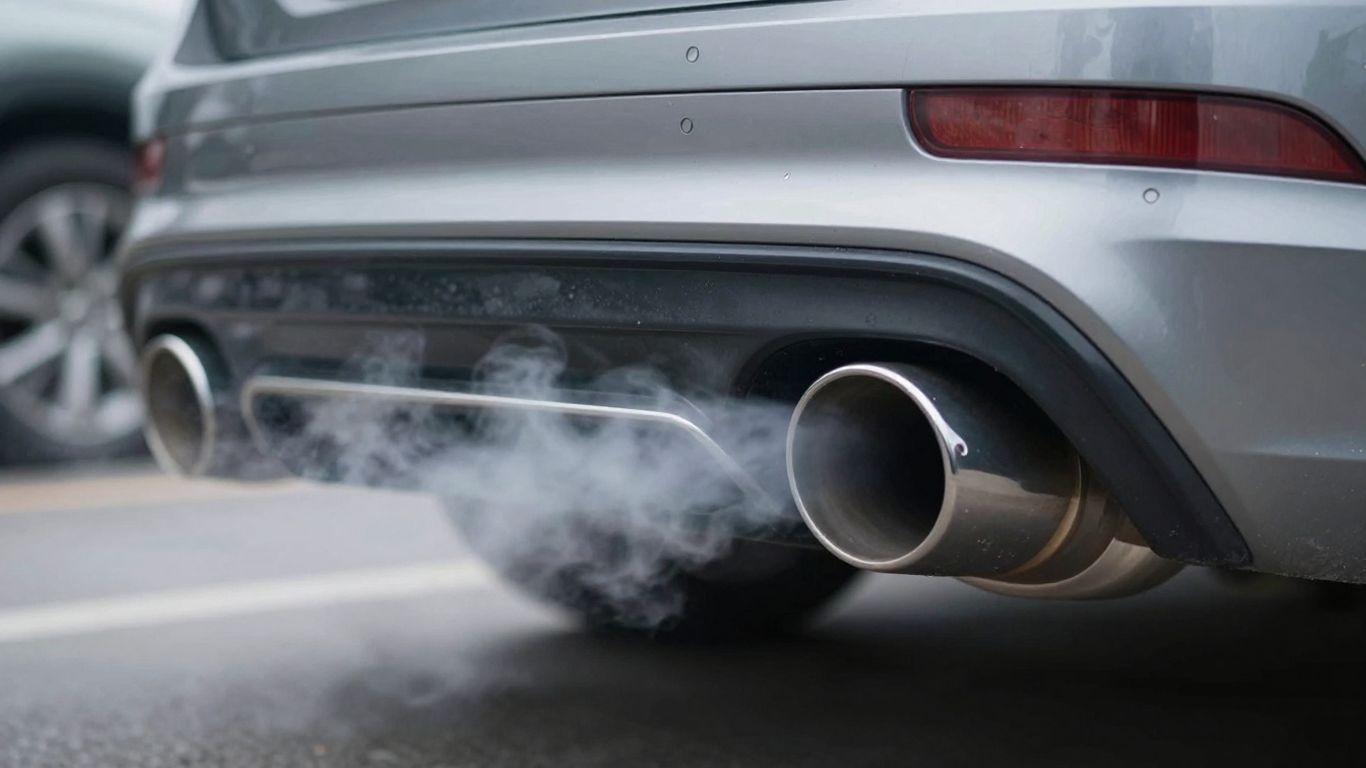
So, you're trying to figure out what CARB is all about, especially if you have a fleet of vehicles? It can seem like a lot, but honestly, it's mostly about making sure our air stays cleaner. This guide is here to break down the CARB requirements in a way that hopefully makes sense. We'll cover what you need to know to keep your operations running smoothly and legally, whether you're in California or just doing business there. Let's get this sorted out.
Key Takeaways
- CARB requirements are rules set by the California Air Resources Board to cut down on pollution. They affect vehicles and businesses, not just in California.
- To comply, you need to check your fleet, understand the specific CARB rules that apply to you, and figure out how to lower your emissions.
- Keeping up with maintenance is a big part of meeting CARB requirements. Regular checks and fixes help your vehicles run cleaner.
- You might have to report your emissions data to CARB. Knowing who needs to report and what information is needed is important.
- Ignoring CARB requirements can lead to fines and other problems, so it's best to understand the rules and follow them to avoid trouble.
Understanding CARB Requirements For Your Fleet
So, you've got a fleet, and you're hearing a lot about CARB. What's the deal? Basically, the California Air Resources Board (CARB) is the state agency tasked with cleaning up our air. For anyone running a fleet, especially if you operate in or deliver to California, understanding and meeting their requirements isn't just a suggestion – it's a necessity. Ignoring CARB rules can lead to some pretty hefty fines and operational headaches.
What is CARB Compliance?
CARB compliance means your fleet is meeting the standards set by the California Air Resources Board to reduce air pollution. This covers a lot of ground, from the exhaust coming out of your trucks to how long they sit idling. It’s all about making sure vehicles are as clean as possible. Think of it as following a specific set of rules designed to make the air we breathe better, particularly in California, but its influence is felt far beyond the state lines. Many other states have adopted similar rules, so even if you're not based in California, you might still need to pay attention to CARB regulations.
Key CARB Regulations for Fleet Operations
CARB has a bunch of rules, and they can seem a bit overwhelming at first. Here are some of the main areas you'll need to focus on:
- Emissions Standards: This is the big one. Your vehicles, especially diesel-powered ones, need to meet specific emission limits for things like particulate matter and nitrogen oxides. This often means using newer engines or retrofitting older ones with special filters.
- Idling Restrictions: Trucks can't just sit around idling indefinitely. CARB has rules about how long a vehicle can idle to cut down on unnecessary emissions and fuel waste.
- Fleet Average Emission Standards: For certain types of fleets, there are overall fleet-wide emission targets you need to meet. This might involve a mix of different vehicle types and technologies.
- Reporting Requirements: You'll likely need to track and report data about your fleet's emissions, fuel usage, and compliance efforts to CARB.
Impact of CARB Beyond California
It's easy to think CARB only matters if you're driving in California, but that's not really the case. A lot of other states look to California for leadership on environmental regulations. Fourteen other states have adopted California's emission standards for vehicles. So, if your fleet operates in multiple states, you might find yourself needing to comply with rules that are based on CARB's requirements, even if you never set foot in the Golden State. It's a good idea to check the specific rules for every state you operate in.
Staying on top of CARB requirements is an ongoing process. Regulations change, and technology evolves. Being proactive and informed is the best way to avoid surprises and keep your fleet running smoothly and legally.
Achieving CARB Compliance: A Step-by-Step Approach

So, you've got a fleet and you're operating in or around California. That means dealing with CARB, the California Air Resources Board. It might sound like a headache, but honestly, getting compliant is more about being organized and proactive than anything else. Think of it like getting your car smog checked, but on a much bigger scale and with more rules. The good news is, it's totally doable if you break it down.
Assessing Your Fleet and Operations
First things first, you need to know what you're working with. This means taking a good, hard look at every single vehicle and piece of equipment in your fleet. What kind of engines do they have? What year were they made? Are they diesel? This isn't just busywork; CARB has specific rules for different types of vehicles and engines, especially older diesel ones. You'll want to figure out which of your assets fall under their regulations. Also, think about how you use these vehicles. Are they running all day, every day? Do they do a lot of idling? Understanding your operational patterns is key to figuring out where you might have issues.
Familiarizing Yourself with CARB Guidelines
Once you know what you've got, you need to learn the rules. CARB's website can be a bit dense, but it's the official source. Look for the regulations that specifically apply to fleets. This includes things like emission standards, rules about engine retrofits, and, importantly, idling restrictions. They also have specific requirements for reporting. It's really important to get a handle on these guidelines early on. Don't just skim them; try to understand what's expected of you. If you're unsure about anything, it's better to ask for clarification or consult with someone who knows the ins and outs.
Implementing Emission Control Strategies
This is where you actually make changes to reduce your fleet's emissions. For older diesel trucks, this often means installing a Diesel Particulate Filter (DPF). Sometimes, it might involve engine upgrades or even switching to alternative fuels. If you have a lot of vehicles that sit idle, look into idling reduction technologies or simply train your drivers on best practices. For newer fleets, or if you're planning an upgrade, consider hybrid or electric vehicles. These options can significantly cut down on emissions and, in the long run, might even save you money on fuel.
Establishing a Robust Maintenance Program
Compliance isn't a one-time thing; it's ongoing. A solid maintenance program is your best friend here. Regular check-ups are vital to make sure your vehicles are running cleanly and efficiently. This means sticking to a schedule for oil changes, filter replacements, and any emission-specific maintenance. Keep detailed records of everything you do. This documentation is super important if CARB ever asks for proof of your compliance efforts. A well-maintained fleet not only stays compliant but also tends to be more reliable and cost-effective to operate.
Keeping your fleet in good shape isn't just about passing inspections; it's about making sure your vehicles are performing as they should, which directly impacts their emissions output. Regular, thorough maintenance is the backbone of any successful compliance strategy.
Monitoring and Reporting
Finally, you need to keep track of everything and report it. Many modern fleet management systems can help with this. They can monitor vehicle performance, fuel usage, and even track emissions data. This makes it much easier to generate the reports CARB requires. Make sure you know the deadlines for submitting these reports and that the information you provide is accurate. Staying on top of your reporting is just as important as the physical steps you take to reduce emissions.
Navigating CARB Reporting and Disclosure
So, you've got a fleet, and you're doing business in California. That means you're probably going to have to deal with reporting your emissions. It sounds like a lot, but honestly, it's just about being clear about what your operations are putting into the air. California has some pretty specific rules about this, and understanding them is key to staying on the right side of the law.
Who Needs to Report Under CARB Regulations?
This is the big question, right? Who actually has to file these reports? Generally, if your business operates in California and meets certain thresholds, you're on the hook. This isn't just for giant corporations, though they definitely have obligations. Think about it: if you're an industrial facility putting out a lot of emissions, or if you're a fuel supplier, you're likely in the reporting group. Even large companies with significant revenue that do business in the state are included, thanks to laws like SB 253 and SB 261. It's all part of California's push for more transparency in how businesses impact the environment. The goal is to get a clear picture of greenhouse gas emissions across the board.
Here's a quick rundown of who's typically included:
- Industrial facilities emitting over 10,000 metric tons of CO₂e annually.
- Electricity generators and importers.
- Fuel suppliers (like natural gas or petroleum providers).
- Large companies with annual revenues over $1 billion (for SB 253) or $500 million (for SB 261) that operate in California.
Even if you don't strictly meet these, you might choose to report voluntarily to show your commitment to sustainability and meet investor expectations.
Key Data for CARB Emissions Reporting
Okay, so you need to report. What exactly do they want to know? It's all about your emissions. This means tracking your greenhouse gas (GHG) output. You'll need to gather data on things like:
- Direct emissions from your operations (Scope 1).
- Indirect emissions from purchased electricity, steam, heating, and cooling (Scope 2).
- Other indirect emissions from your value chain (Scope 3), which can be trickier but is increasingly important.
It’s not just about the numbers, though. You also need to be ready to report on climate-related financial risks. This involves looking at how climate change could affect your business financially and what you're doing about it. Having good data management systems in place is pretty important here, so you don't end up scrambling at the last minute. You can find more details on reporting requirements on the California Air Resources Board website.
Accurate data collection and transparent reporting are not just about meeting legal obligations. They build trust with stakeholders, including customers, investors, and the public. This transparency can also help identify areas where your business can become more efficient and reduce its environmental footprint, which is a win-win.
Risks of Non-Compliance with CARB
What happens if you just… don't report, or get it wrong? Well, it's not pretty. First off, there are penalties. California doesn't mess around when it comes to environmental rules. These fines can add up, and nobody wants that. Beyond the financial hit, there's the reputational damage. If word gets out that your company isn't playing by the rules, it can really hurt your brand image. Customers and investors are paying more attention to these things these days. Plus, failing to comply can slow down your progress on other sustainability goals, like achieving net-zero targets. It's just better to get it right from the start.
Responding to CARB Notices and Citations
Getting a notice from the California Air Resources Board (CARB) might seem a bit daunting, but it's usually a sign that something needs attention. Think of it less like a penalty and more like a heads-up to get your fleet back on track with emissions standards. The key is to act promptly and correctly.
Understanding a Notice to Submit to Testing (NST)
If CARB's roadside emissions monitoring devices (REMDs) flag a vehicle for potentially high emissions, you'll likely receive a Notice to Submit to Testing, or NST. This notice gives you a specific timeframe, usually 30 days, to get your vehicle tested and prove it meets the required emission standards. For most modern trucks, this involves an On-Board Diagnostics (OBD) test. Older models might still need smoke opacity tests, though these are becoming less common.
It's important to remember that these tests are designed to catch vehicles that are polluting more than they should. Responding to an NST promptly is critical to avoid further complications.
Steps to Resolve CARB Citations
When you receive a citation or an NST, it's important to address it methodically. Here’s a general breakdown of what to do:
- Read the Notice Carefully: Understand exactly what violation is being cited. The notice will specify the issue and what CARB expects you to do.
- Address the Problem: This might mean taking your vehicle in for repairs, installing required emissions control equipment, or updating any testing records that are out of date.
- Get Tested: If you received an NST, you'll need to find an approved testing facility. They will perform the necessary emissions test (OBD or smoke opacity, depending on the vehicle).
- Submit Proof: Once the issue is resolved and your vehicle passes the test, you must submit the proof of compliance to CARB as instructed. This might be a test report or updated documentation.
Failing to submit proof of compliance can lead to more serious issues, like blocked vehicle registration or even financial penalties. It's always better to deal with the notice head-on.
Avoiding Future CARB Citations
The best way to deal with CARB notices is to avoid getting them in the first place. This means staying on top of your fleet's maintenance and compliance schedule. Regular check-ups, preventative servicing, and making sure your vehicles are up-to-date with testing requirements can significantly reduce the chances of your vehicles being flagged. Staying informed about evolving CARB regulations is also key, as requirements can change.
Here are some tips to help prevent future citations:
- Proactive Maintenance: Don't wait for a problem to occur. Stick to a regular maintenance schedule for all vehicles in your fleet.
- Stay Informed: Keep up with CARB's announcements and program updates. Signing up for email notifications from CARB can be helpful.
- Accurate Record-Keeping: Maintain clear and accessible records of all maintenance, repairs, and emissions tests performed on your vehicles.
CARB citations can be stressful, but by understanding the process and taking proactive steps, you can keep your fleet compliant and on the road.
The Broader Impact of CARB Regulations

It's easy to think of CARB requirements as just a California thing, but honestly, their influence stretches way beyond the Golden State. California has been a leader in setting environmental standards for a long time, and other places tend to follow suit. This means that what happens with CARB often sets a precedent for what other states, and even other countries, might do down the line.
CARB's Role in Climate Accountability
CARB plays a big part in making sure businesses are upfront about their impact on the climate. They've put in place rules that require companies to report their greenhouse gas emissions. This isn't just about tracking numbers; it's about holding businesses accountable for their contribution to climate change. This push for transparency is becoming a global trend. For companies doing business in California, understanding these rules is key to staying compliant and showing they're serious about their environmental, social, and governance (ESG) goals. It's all part of California’s bigger plan to reach carbon neutrality by 2045.
CARB's Influence on Other States and Countries
Because California is so forward-thinking with its environmental rules, many other states have adopted similar regulations. In fact, a good number of states follow California's lead on things like low-emission vehicles and zero-emission vehicle standards. This creates a ripple effect. If your business operates in multiple states, you might find yourself dealing with rules that are very similar to CARB's, even if they aren't exactly the same. It's smart to keep an eye on these trends, as they can affect your operations nationwide. You can find more information on how these regulations are shaping business practices on the California Air Resources Board website.
Adapting to Evolving CARB Rules
One thing is for sure: CARB rules aren't static. They change and get updated as technology improves and our understanding of environmental issues grows. This means fleet operators and businesses need to be flexible and stay informed. What was acceptable last year might not be this year.
Here’s a quick look at what staying current involves:
- Regularly check for updates: CARB publishes new regulations and updates to existing ones. Make it a habit to review these.
- Understand compliance deadlines: Different rules have different timelines. Missing a deadline can lead to penalties.
- Plan for technology shifts: As emission standards get stricter, you might need to invest in newer, cleaner vehicles or equipment.
- Seek expert advice: If you're unsure about specific requirements, consulting with environmental compliance experts can save you a lot of trouble.
Staying ahead of these changes is more than just avoiding fines; it's about positioning your business for the future. Companies that adapt quickly often find themselves with a competitive edge and a stronger reputation.
The rules set by CARB have a big effect on more than just cars. They shape how businesses operate and what products they make. This means cleaner air for everyone. Want to learn more about how these changes can help your company? Visit our website today!
Wrapping It Up
So, we've gone over a lot about CARB and what it takes to stay on the right side of their rules. It might seem like a lot at first, with all the different regulations and deadlines. But really, it boils down to keeping your vehicles running clean and making sure you've got the paperwork to prove it. Think of it less as a chore and more as a way to make sure your business is doing its part for cleaner air. Plus, staying ahead of these rules can actually save you headaches and money down the road. Keep learning, stay updated, and you'll be just fine.
Frequently Asked Questions
What exactly is CARB, and why should my company care about its rules?
CARB stands for the California Air Resources Board. Think of them as the main group in California focused on cleaning up the air and fighting climate change. Even if your business isn't in California, their rules can affect you because many other states follow their lead. It's all about making sure vehicles and businesses don't pollute too much.
What are the main things CARB looks at for fleet companies?
CARB focuses on a few key areas for fleets. They want to make sure your vehicles aren't putting out too many harmful gases. This includes rules about how much your trucks can pollute, how long they can idle (run without moving), what kind of fuel you use, and how well you keep them maintained. It's all about keeping the air cleaner.
Do I really need to worry about CARB if I only operate outside of California?
Yes, you might! California is a big player in environmental rules, and many other states have adopted similar standards for vehicle emissions. So, even if you're far from California, you could still be affected by these rules. It’s smart to check the regulations in all the states where your fleet travels.
What happens if my fleet doesn't follow CARB rules?
Not following the rules can lead to some serious problems. You could face big fines, your business operations might get interrupted, and it can really hurt your company's reputation. It's much better to be prepared and follow the guidelines to avoid these issues.
How can my company make sure it's following CARB rules?
The best way is to be proactive. First, check which of your vehicles and operations fall under CARB rules. Then, learn all about the specific guidelines that apply to you. After that, you can start making changes, like using cleaner fuels or better engine technology, and importantly, setting up a good maintenance schedule to keep everything running smoothly and meeting standards.
What if I get a notice from CARB about my vehicle's emissions?
If you receive a notice, like a 'Notice to Submit to Testing' (NST), don't panic. Read it carefully to understand what the problem is. You'll usually have a set amount of time, like 30 days, to get your vehicle tested by an approved place and show proof that it meets the standards. Fixing the issue and sending in the proof quickly is key to avoiding bigger problems.