
Top Corporate Social Responsibility Companies: Inspiring Examples in Action
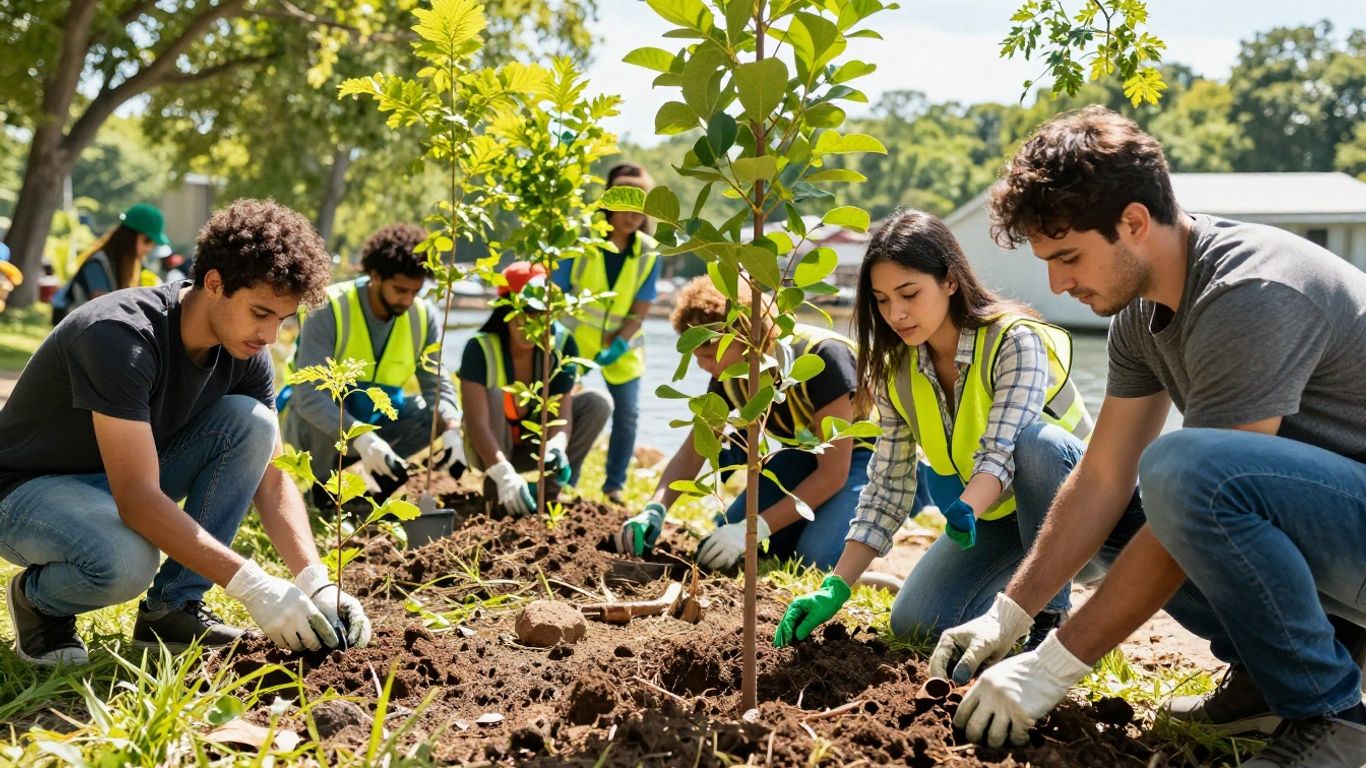
Corporate social responsibility (CSR) is more than just a buzzword these days; it's a real part of how many companies operate. We're seeing businesses put real effort into making a positive impact, whether that's through helping the environment, supporting their workers, or getting involved in their communities. It's not just about looking good; it's about doing good in ways that actually matter. This article looks at some great corporate social responsibility companies examples that are showing us how it's done, proving that businesses can be a force for good.
Key Takeaways
- Companies are increasingly integrating CSR into their daily operations, moving beyond just reports to tangible actions.
- Consumers and employees are paying close attention to a company's social and environmental impact when making choices.
- Effective CSR initiatives are consistent, measurable, and aligned with a company's core values and business strategy.
- Many successful CSR programs involve employees through volunteering and skills-based contributions.
- Leading corporate social responsibility companies examples show that doing good and achieving business success can go hand-in-hand.
1. Tentree
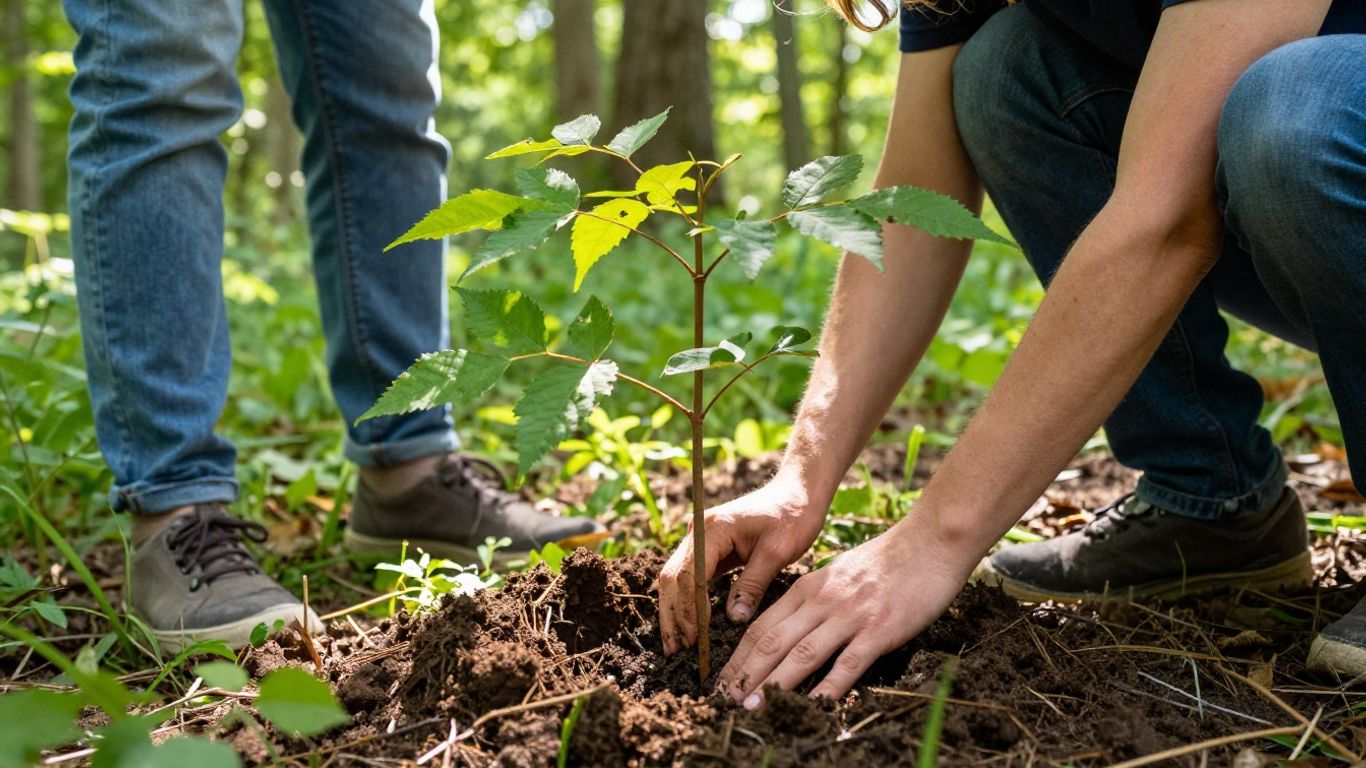
Tentree isn't just a clothing company; it's built around a pretty straightforward idea: plant ten trees for every single item you buy. Founded back in 2012, this Canadian brand has woven environmental action right into its business model. When you purchase something, you get a code to track where your trees are going, whether it's Nepal, Canada, or Indonesia. It’s a cool way to see the direct impact of your purchase.
But they don't stop at just planting trees. Tentree also gets involved in community projects in the areas where they plant. These projects focus on things like education, providing clean water, creating jobs, and supporting sustainable development. It’s about making sure the impact goes beyond just the trees themselves.
Environmental stewardship is clearly a big deal for them. They’re committed to making sure their suppliers are meeting ethical standards, with a goal for all their Tier 1 suppliers to have social compliance certifications. This shows a dedication to responsible manufacturing practices throughout their supply chain.
The core of Tentree's approach is making environmental and social good a natural part of buying clothes. It’s a simple concept that has led to millions of trees being planted and real support for communities around the world. They’re proving that business can be a force for good.
Here’s a quick look at their impact:
- 10 trees planted per item sold
- Community projects focused on:
- Education
- Clean water access
- Job creation
- Sustainable development
- Commitment to ethical supplier standards
2. Patagonia
Patagonia has been doing its thing for a long time, way before it was cool to care about the planet. Founded back in 1973, their whole mission is basically to "save our home planet." It's not just a slogan; they really try to live it. They focus a lot on reducing their environmental impact, which is pretty cool for an outdoor gear company. Instead of just telling you to buy new stuff, they encourage you to fix your old gear. Makes sense, right?
One of the most talked-about things they do is their commitment to environmental groups. They donate 1% of all their sales to environmental nonprofits. This isn't a small, one-off thing; it's been going on for ages. They partner with organizations through the Holdfast Collective, which is a nonprofit owner they helped set up. These groups work on all sorts of environmental protection and activism stuff.
It’s not all sunshine and rainbows, though. Patagonia is pretty open about the challenges they face. They actually put out reports that talk about their supply chain and any human rights issues they find. It’s a bit of a gutsy move, but it shows they’re serious about being transparent.
Being upfront about problems, even when it's uncomfortable, is a big part of what makes their approach to corporate responsibility stand out. It’s about acknowledging the complexities and working towards real solutions, not just pretending everything is perfect.
They also have this thing called the Patagonia Purpose Trust, and in 2022, the founder, Yvon Chouinard, transferred ownership of the company to this trust and the Holdfast Collective. The idea is to make sure the company keeps focusing on environmental issues, even after he's not around. It's a pretty wild move, putting the company's future directly into the hands of climate-focused entities. You can read more about their efforts in their latest impact report.
3. Microsoft
Microsoft is a company that really puts its money where its mouth is when it comes to social responsibility. They've got a pretty broad approach, touching on things like climate action, making sure AI is used ethically, and even how they source their materials. It’s not just talk; they're actively working on these fronts.
One of the big areas for Microsoft is sustainability. They've made some serious commitments, like contracting a massive amount of renewable energy across many countries. This is a big deal for expanding access to clean electricity globally. It shows they're thinking about their footprint and trying to make a positive change.
Here’s a look at some of their key focus areas:
- Digital Inclusion: They're working to get more people online and skilled up, especially in places that might be left behind. Initiatives like Skills for Jobs and partnerships with LinkedIn are helping millions gain digital skills.
- Climate Action: Microsoft has a goal to be carbon negative by 2030. They've put a billion dollars into a fund specifically for technologies that reduce, capture, or remove carbon.
- Nonprofit Support: They donate a huge amount of technology and cloud services to charities and non-profits, helping them do their work more effectively.
What really sets Microsoft apart is how they weave their social responsibility into their core business strategy. It’s not an add-on; it’s part of how they operate, aiming to solve real-world problems with their technology and resources. This integrated approach means their efforts are consistent and can scale up to make a significant difference.
They're also big on responsible sourcing and making sure their hiring practices are inclusive. It’s a lot to manage, but it seems like they’re committed to making a difference beyond just selling software and hardware. It’s inspiring to see a company of their size take such a multifaceted approach to corporate social responsibility.
4. Coca-Cola
Coca-Cola has been making some pretty big moves when it comes to being a more responsible company. They've really zeroed in on a few key areas, which is good because it feels less scattered. Their approach is built around three main pillars: Planet, People, and Profit. This structure helps them keep track of their efforts across the board.
When it comes to the planet, water is a huge focus. They've committed to replenishing more water than they use in their beverages, which is a pretty significant goal, especially considering their global reach. They've been doing this through various community programs since 2020. Another big push is with packaging. They're aiming for all their packaging to be recyclable by design, and they're working on increasing the amount of recycled content in those packages. It's a long road, but they seem to have a roadmap for it.
Here's a quick look at some of their packaging goals:
- Recyclability: Over 60% of their packaging was recycled in a single year recently.
- Recycled Content: Aiming for 35-40% recycled content in packaging by 2035.
- Collection Rates: Targeting 70-75% collection rates for packaging by 2035.
What's interesting is how they try to make these global goals work on a local level. Water programs, for instance, are often designed to fit the specific needs of different watersheds. It's not just about setting targets; it's about making sure those targets actually mean something on the ground. They also have a philanthropic arm, The Coca-Cola Foundation, which supports community initiatives.
It feels like Coca-Cola is trying to balance its massive global operations with a genuine effort to reduce its environmental footprint and support the communities it touches. They're not just talking about it; they're putting numbers and plans behind their actions, which is a good sign for any company trying to be more sustainable.
5. Bnp Paribas
BNP Paribas, a major player in banking and financial services, is really stepping up its game when it comes to corporate social responsibility. They're not just talking the talk; they're actively working to shift their financing towards greener projects, recognizing their role in the big transition to a more sustainable economy. It's a pretty big deal for a bank of their size to make such a commitment.
One of the standout things they do is focus heavily on employee involvement. They give their employees up to 16 hours, which is about two working days, specifically for volunteering. This isn't just a small perk; it's a core part of their strategy to build solidarity and get people actively involved in giving back. It seems like a smart way to connect employees with the company's values and make a real difference in the community. A lot of their employees actually get involved through a platform that makes it easy to find opportunities.
The bank's approach to CSR is built around practical actions, like reducing its own carbon footprint and waste, while also promoting diversity and inclusion within the workplace. This shows a well-rounded effort to be a responsible corporate citizen.
BNP Paribas is also looking at its own operations, aiming to cut down on things like CO2 emissions and waste. They're also putting effort into making sure their workplace is diverse and inclusive. It’s clear they understand that being a responsible company means looking at both external impact and internal culture. They're really trying to be a leader in sustainable business practices within the financial sector.
6. The Walt Disney Company
When you think of Disney, you probably picture fairy tales and theme parks, right? But they're also doing some pretty significant work in the social responsibility space, especially when it comes to kids. Their initiatives often tie back to supporting children's well-being and development.
Disney has a whole bunch of programs, but a few really stand out. There's the Disney Future Storytellers initiative, which is all about giving young people a leg up. They provide inspiration, help with professional development, and offer training, scholarships, and mentorship. It’s like giving kids the tools to write their own happy endings.
Then there's their work with children's hospitals. They set up engaging spaces in over a thousand hospitals, visit patients, and team up with groups like the Make-A-Wish Foundation. Since 1980, they've helped grant over 150,000 wishes. That's a lot of dreams coming true.
Here’s a quick look at some of their efforts:
- Supporting Youth: Programs like Disney Future Storytellers offer training and mentorship.
- Hospital Outreach: Creating special environments and experiences for sick children.
- Wish Granting: Partnering with organizations to fulfill children's wishes.
- Community Investment: Donating significant amounts to various causes.
In 2023 alone, Disney put over $235 million into these kinds of projects and other charitable efforts. It shows they're serious about making a difference beyond just entertainment. They also have a structured approach to managing their social impact, with a dedicated committee overseeing these programs, which you can read more about in their ESG reporting.
Disney's commitment to children's causes isn't just a side project; it's woven into their brand. They actively organize and support events that bring their employees together for good, showing a real dedication to community involvement and making a positive impact where it matters most.
7. Nu Skin
Nu Skin is a company that really focuses on giving back, especially when it comes to kids. Their big thing is the Nourish the Children initiative. It's all about providing nutritious meals to children who are struggling with hunger. Since 2002, they've managed to donate over 850 million meals, which is pretty wild when you think about it. They partner up with different groups that work on fighting hunger, and even customers and employees can chip in by buying meals to send over.
Beyond just meals, Nu Skin also has a Force for Good Foundation. This foundation has been around for more than 20 years, and it's aimed at making lasting positive changes for children all over the world. They've reached more than 50 countries and helped over 100,000 kids through various projects. It seems like they're really trying to make a difference in places that need it most.
Nu Skin's approach shows how a business can integrate social impact directly into its operations, making it a core part of what they do rather than an afterthought. This commitment to combating child malnutrition through their dedicated program is a standout example of corporate responsibility in action.
They're also getting pretty tech-savvy. Nu Skin is working on improving its digital presence with apps like Vera and Stella. The idea here is to connect better with customers and encourage social commerce. It's a smart move to use technology to make the customer experience better and, you know, help drive sales too. It's interesting to see how they're blending their charitable work with modern business strategies. They were even recognized with a 2025 Global Recognition Award for their work with Nourish the Children.
8. Google

Google is a company that really puts a lot of effort into its social responsibility. They've been carbon neutral since way back in 2007, which is pretty impressive. They also invest a ton of money into clean energy, trying to match their operations with carbon-free sources as much as possible. It's not just about the environment, though. Google.org supports employees who want to help out with things like racial equity and disaster relief.
They also have these programs like Grow with Google, which helps millions of people learn digital skills. It’s a good way to help folks get ahead, especially with all the tech stuff happening these days. They even offer AI tools for small businesses. It seems like they're trying to make sure everyone has a chance to benefit from technology and grow economically.
What's really interesting is how they build responsibility right into how they do business. Their clean energy investments aren't just separate projects; they're tied to their actual infrastructure growth. It means their social efforts grow along with the company, which makes a lot of sense.
Here's a quick look at some of their environmental goals:
- Carbon Neutrality: Achieved since 2007.
- Clean Energy Investment: Billions invested, aiming to match operations with carbon-free sources.
- Water Stewardship: Aims to replenish 120% of water consumed through water stewardship programs.
It's clear Google is trying to make a real difference, not just with their products but with how they operate and give back. They're also big on making sure people can access the digital world, which is super important today with initiatives like Grow with Google.
9. Nike
Nike has really leaned into the idea that sports can be a force for good, not just for individual health but for communities too. They're putting a lot of effort into making sure more people, especially kids, get a chance to play and be active. It’s not just about selling shoes; it’s about building up communities through sport.
One of their big pushes is the Nike Community Impact Fund. Since 2017, they’ve put over $125 million into youth sports programs. Think equipment, better places to play, and coaches – all aimed at giving more than 6 million kids a shot at athletics, with a focus on fairness. They also have programs like Made to Play and work with groups like Athletes Unlimited to specifically boost opportunities for girls and women in sports, trying to close those gaps in access and funding.
Beyond just getting kids active, Nike is also serious about its environmental goals. Their "Move to Zero" initiative is all about reducing waste and emissions. They're aiming for big cuts in greenhouse gases and want to divert almost all their waste from landfills. Plus, they're pushing to use more recycled materials in their products, which is a pretty smart way to tackle sustainability. It’s a big undertaking, but they seem committed to it.
Nike's approach shows a commitment to long-term community building and environmental responsibility, moving beyond just product sales to create a broader positive impact.
They also step up when disaster strikes, offering help through product donations and cash grants. It feels like they're trying to be a good partner, not just a brand. Their focus on long-term partnerships, rather than quick fixes, really seems to be a core part of their strategy for making a difference. It’s interesting to see how they're trying to use their influence for social change, and you can read more about their CSR programs and initiatives.
10. Holdfast Collective
Holdfast Collective is a pretty unique player in the corporate social responsibility space, mostly because it's not a traditional company in the first place. It's actually a nonprofit organization that came about thanks to Patagonia, the outdoor gear company. You might have heard of Patagonia; they're pretty well-known for their environmental focus.
The big move happened in 2022 when Patagonia's founder, Yvon Chouinard, decided to transfer ownership of the entire company to the Holdfast Collective and another entity called the Patagonia Purpose Trust. This was a massive deal, essentially meaning all the profits generated by Patagonia will now go towards fighting climate change and protecting natural spaces. It's a pretty bold way to ensure a company's success directly fuels environmental action.
So, what does Holdfast Collective actually do? Its main mission is to use the funds it receives to support environmental causes. This includes things like:
- Funding organizations that are working to protect wild places.
- Supporting efforts to combat climate change on a global scale.
- Investing in innovative solutions for environmental challenges.
It's a fascinating model because it bypasses the usual corporate structure for philanthropy. Instead of a company donating a portion of its profits, the entire profit-generating entity is dedicated to the cause. It really puts the purpose front and center. This approach is a powerful example of how business can be structured to have a direct and significant positive impact on the planet, going beyond typical CSR initiatives. It shows a deep commitment to environmental stewardship that's built right into the company's ownership structure. The goal is to keep the money flowing into environmental work indefinitely, which is a pretty inspiring thought.
Looking for ways to improve your company's environmental impact? The Holdfast Collective is a great place to start learning about sustainability. Discover how businesses are making a difference and find inspiration for your own journey. Visit our website today to explore more resources and see how we can help you achieve your green goals!
Wrapping It Up
So, what's the takeaway from all these great companies? It's pretty clear that doing good isn't just a nice-to-have anymore; it's becoming a standard way of doing business. These examples show that when companies genuinely commit to social responsibility, it's not just about looking good. It actually builds trust with customers, keeps employees engaged, and helps the business stay strong in the long run. Whether it's planting trees, reducing waste, or supporting communities, the most successful efforts are the ones that are consistent and truly part of how the company operates every day. It’s about making a real difference, not just talking about it.
Frequently Asked Questions
What exactly is Corporate Social Responsibility (CSR)?
Corporate Social Responsibility, or CSR, is basically how companies act responsibly towards society and the environment. It's about more than just making money; it's about how a business treats people, uses resources, and makes a positive difference in the world.
Why do companies bother with CSR?
Companies do CSR because it helps build trust with customers and employees. When people see a company doing good things, they're more likely to support it. It also makes employees feel proud to work there, which can lead to a happier and more productive workplace.
What are some common types of CSR activities?
Companies do lots of different things for CSR. Some focus on protecting the environment, like planting trees or reducing waste. Others help their communities by supporting education, providing clean water, or encouraging employees to volunteer their time.
How can a company start its own CSR program?
A good way to start is by thinking about what your company cares about and what it's good at. You can begin with small projects, like organizing a local cleanup or donating to a cause. It's important to set clear goals and get employees involved.
Does CSR actually make a difference?
Yes, it really can! When companies are serious about CSR and make it a regular part of how they do business, they can have a big positive impact. It's not just about one-time events, but about consistent effort that helps people and the planet.
Are all CSR efforts the same?
Not at all! CSR can look very different from one company to another. Some companies might focus heavily on environmental issues, while others might concentrate on supporting education or social justice. The most effective programs are those that fit the company's values and goals.