
Top 20 Good CSR Companies Leading the Way in 2026
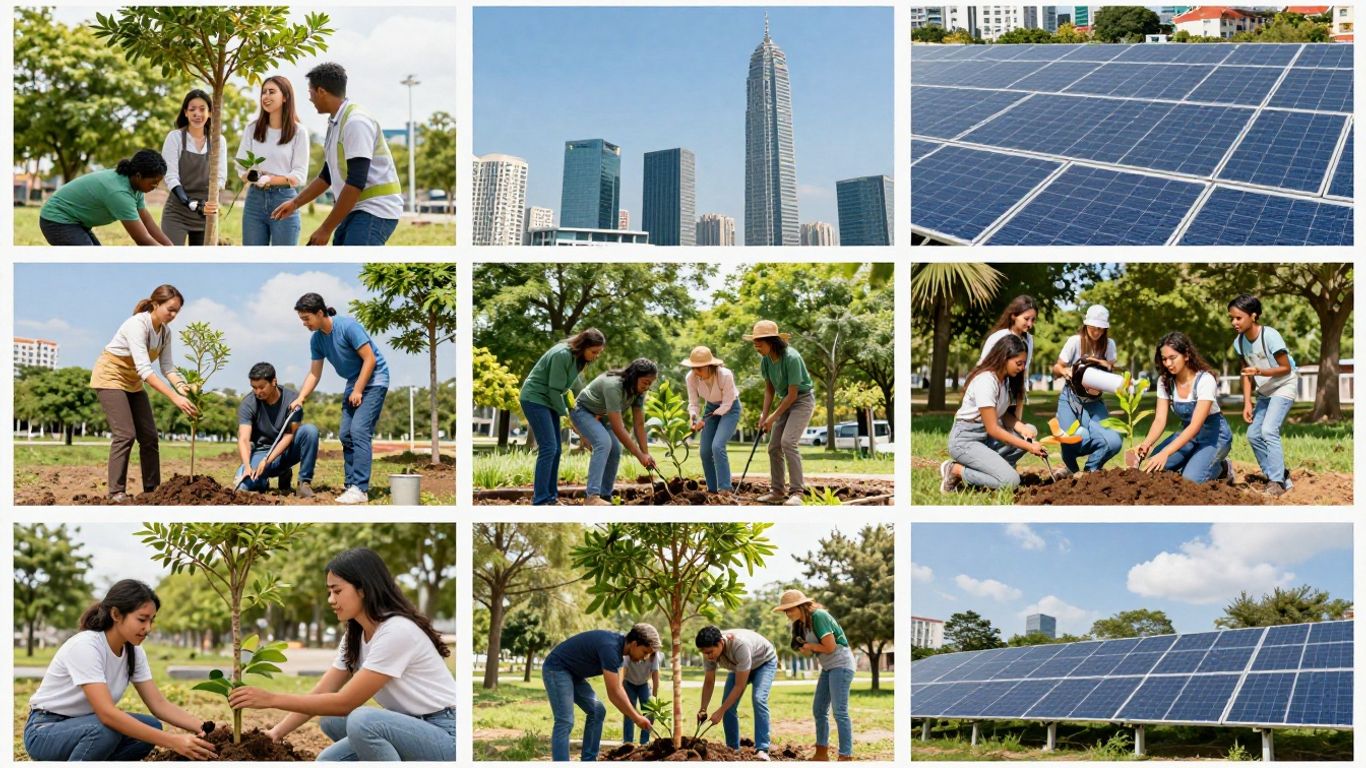
It's pretty clear that these days, just making a good product isn't enough for a lot of people. They want to know that the companies they're buying from are also doing good things for the world. That's where Corporate Social Responsibility, or CSR, comes in. It's all about businesses stepping up to help out with environmental issues, community needs, and making sure their workers are treated right. When companies actually put these good practices into action, it not only helps others but also makes them look good to customers and investors. We've put together a list of 20 good CSR companies that are really leading the pack in 2026, showing that doing good and doing business can go hand-in-hand.
Key Takeaways
- Many consumers and investors prefer companies that show a commitment to social and environmental responsibility. Data shows a significant number of customers actively seek out sustainable products and avoid companies with poor environmental records.
- Effective CSR goes beyond just being ethical; it's a strategic move that can improve a company's reputation, attract talented employees, and build stronger customer loyalty. When businesses align their actions with societal values, they often see better business results.
- Authenticity and transparency are vital. Consumers can easily spot companies that aren't genuine in their CSR efforts. Being open about goals, progress, and challenges builds trust.
- Measuring the actual impact of CSR initiatives is more important than just tracking activities. Companies should focus on measurable outcomes, like reduced carbon emissions or improved community well-being, to demonstrate value.
- The future of CSR is moving towards 'Creating Shared Value,' where business success and societal progress are linked. Employee-led initiatives and technology that supports these efforts will play a bigger role as people increasingly look for purpose in their work.
1. NVIDIA
NVIDIA kicked off 2026 with a big reputation for social responsibility, ranking at the very top of lists that look hard at how companies actually treat the planet and people. The company stands out because it pushes beyond just making high-powered tech—there’s a real focus on being thoughtful about its impact. You see it in the details: aggressive emissions targets, major energy efficiency in their data centers, and a noticeable boost in community engagement projects.
NVIDIA’s CSR highlights in 2026 include:
- 90% renewable energy usage across all main facilities by the start of this year
- A global STEM scholarship program aimed at students from underrepresented backgrounds
- Partnerships with eco-focused groups like Breathe Zero, reinforcing sustainability goals and building community input
- Comprehensive training for employees on ethics and responsible tech use
Here’s a quick look at some measurable outcomes from their 2026 Corporate Social Responsibility (CSR) initiatives:
Staying committed to these areas hasn’t always been easy, but NVIDIA’s progress proves that even huge tech companies can drive social change while growing.
People want companies to be more than just profitable—they want them to use their power for good. NVIDIA isn’t perfect, but right now, it’s setting a high bar for what real corporate responsibility can look like in tech.
2. Mastercard
Mastercard is really stepping up its game when it comes to corporate social responsibility. They've been putting a lot of effort into initiatives that go beyond just making money, focusing on things like financial inclusion and sustainability. It's not just talk, either; they've got some pretty concrete goals and programs in place.
One of their big pushes is around financial inclusion. They want to bring more people into the digital economy, which is a huge deal for folks who have been left out. Think about it: access to digital payments can really change lives, opening up opportunities for small businesses and individuals alike. They're working on expanding access to digital tools and education, which is a smart move for everyone involved.
Here's a look at some of their key focus areas:
- Financial Inclusion: Aiming to bring 1 billion people and 10 million small businesses into the digital economy by 2025.
- Sustainability: Committing to using renewable electricity across their operations and working towards a more sustainable future.
- Digital Skills: Investing in programs to improve digital literacy and access for underserved communities.
- Ethical Business Practices: Maintaining strong governance and ethical standards in all their dealings.
Mastercard understands that a healthy planet and a thriving society are good for business. They're integrating environmental and social considerations into their core strategy, which is a pretty forward-thinking approach. It shows they're thinking long-term, not just about the next quarter.
They've also been recognized for their efforts, which is always a good sign. It’s clear they're trying to make a positive impact, and that's something we can all get behind.
3. Palo Alto Networks
Palo Alto Networks has made real headway in sustainability and social initiatives, pushing the tech sector to be more conscious about its impact. In 2026, this company isn’t just recognized for securing networks but also for supporting solid environmental and community standards. Their approach isn't about flashy programs—they focus on consistent improvements each year, aiming to lower their footprint and give back.
Here's a look at some of the areas where Palo Alto Networks stands out:
- Reduced greenhouse gas emissions across major data centers in the past two years
- Ongoing investment in cybersecurity education for underserved students
- Products designed to be energy-efficient and more easily recycled
To see the numbers, check out the company’s scores from a recent industry ranking:
You’d be surprised how much can change when a tech company takes responsibility seriously—every bit of effort, from smarter product design to teaching the next generation, adds up to something bigger down the line.
Their appearance high in America's Most Responsible Companies 2026 isn’t just for show. Palo Alto Networks blends real-world accountability with forward-looking goals, making them one of the more reliable names in tech for people who care about corporate responsibility.
4. Ecolab
Ecolab is a company that really focuses on water, hygiene, and infection prevention solutions. They work with businesses all over the place, from restaurants and hotels to hospitals and industrial sites, to help them keep things clean and safe. It’s not just about selling products; they seem to offer a whole system to make sure operations run smoothly and responsibly.
One of the cool things they do is help reduce water usage. Think about it, water is a big deal, and many industries use a ton of it. Ecolab has developed ways for companies to use less water while still getting the job done effectively. They also work on making sure wastewater is treated properly before it goes back into the environment. It’s a pretty big deal when you consider the scale of their clients.
Their approach seems to be about making businesses more efficient and sustainable at the same time. They’re not just ticking boxes; they’re actively trying to solve problems related to resource management and public health. It’s a tough balance, but they seem to be making it work.
Ecolab's commitment goes beyond just cleaning supplies. They're deeply involved in helping industries manage resources like water and energy more effectively, which has a ripple effect on the environment and public health. It's about creating safer spaces and a healthier planet through smart solutions.
Here’s a look at some of their key areas:
- Water Management: Developing technologies and strategies to reduce water consumption and improve water quality in industrial processes.
- Hygiene Solutions: Providing cleaning and sanitizing products and services that meet strict health standards for various sectors.
- Infection Prevention: Offering programs and tools to help healthcare facilities and other organizations minimize the spread of infections.
- Sustainability Initiatives: Focusing on reducing waste, energy use, and environmental impact across their clients' operations.
5. T-Mobile
T-Mobile has been making some serious waves when it comes to corporate responsibility, especially in how they connect with their communities. They're not just about selling phone plans; they're putting a lot of effort into making a real difference. Their commitment to digital equity and inclusion is a big part of what sets them apart.
One of the main things they focus on is making sure everyone has access to the internet and the tools to use it. This is super important in today's world, and T-Mobile is tackling it head-on. They have programs aimed at bridging the digital divide, which is that gap between people who have easy access to technology and those who don't.
Here’s a look at some of their key initiatives:
- T-Mobile Hometown Grants: This program is all about revitalizing small towns. They've been giving out grants to help communities improve their infrastructure and public spaces, which is pretty cool. It shows they care about more than just their bottom line.
- Connecting Communities: This initiative focuses on providing low-cost internet and mobile services to underserved areas. They partner with local organizations to get these services to people who need them most, like low-income families and students.
- Employee Volunteerism: T-Mobile encourages its employees to get involved in their local communities. They offer paid time off for volunteering, which helps build a culture of giving back throughout the company.
T-Mobile's approach to corporate responsibility seems to be about practical, on-the-ground impact. They're not just talking about making the world a better place; they're actively investing in programs that help people connect and thrive, especially in areas that might otherwise be overlooked. It's a solid strategy that benefits both the communities they serve and their own brand reputation.
6. Qualcomm
Qualcomm, a company known for its mobile technology, is also making strides in corporate responsibility. They've been focusing on how their work impacts the wider world, not just the tech industry. Their commitment to sustainability and ethical practices is becoming a bigger part of their story.
When you look at Qualcomm's approach, you see a company trying to balance innovation with a sense of duty. They're involved in a few key areas:
- Environmental Initiatives: Qualcomm is working on reducing its environmental footprint. This includes efforts in energy efficiency and waste reduction across their operations.
- Social Programs: The company invests in communities where they operate. This often involves supporting education and digital inclusion programs, aiming to give people better opportunities.
- Governance: They emphasize strong ethical standards and transparency in how they do business, which is pretty important for building trust.
It's not just about making chips; it's about how those chips and the company behind them contribute positively. They're trying to show that a tech giant can also be a responsible one.
Qualcomm's efforts in corporate social responsibility are a good example of how large technology firms are increasingly expected to consider their broader impact. This includes everything from the materials they use to the communities they serve.
7. Merck
Merck is doing some real work in decarbonization while balancing its huge responsibilities as a healthcare leader. The company gets that cutting greenhouse gases matters—not just for headlines, but for the long-term. In the last couple years, Merck rolled out bigger goals to use more renewables, shrink waste, and push for lower emissions from their suppliers. That’s no small feat for a pharma giant with global reach.
- Expanded wind and solar partnerships across the US and Europe
- Started working with suppliers for lower-carbon material sourcing
- Increased recycling programs and energy efficiency upgrades in major labs
If you look at their progress in numbers, it stands out:
The push for decarbonization at Merck goes hand in hand with their focus on affordable medicines and global health.
What’s interesting is how Merck is linking these climate goals with health equity and community support. Their latest sustainability plan does not just check the boxes—it weaves global health, clean energy, and stakeholder collaboration together. So, when we talk about corporate responsibility, Merck is setting a real example, leaning into decarbonization strategies to create impact—see more about this process on key decarbonization strategies.
Merck's commitment shows how big players can shift course for the planet, not just their bottom line.
8. HP
HP, or Hewlett-Packard, has been a consistent player in the tech world, and they're also making strides in corporate responsibility. They've really focused on making their products and operations more sustainable. It's not just about selling computers and printers; it's about how they're made and what happens to them afterward.
One of the big areas for HP is their commitment to a circular economy. This means they're trying to keep products and materials in use for as long as possible, reducing waste. They have programs for recycling old HP products and using recycled content in new ones. It's a pretty involved process, aiming to close the loop on their product lifecycle.
Here's a look at some of their key initiatives:
- Reducing Carbon Footprint: HP has set ambitious goals to lower greenhouse gas emissions across their entire value chain, from manufacturing to customer use.
- Sustainable Materials: They're increasing the use of recycled plastics and other materials in their devices, which is a big deal for a hardware company.
- Product Longevity and Repair: Efforts are being made to design products that last longer and are easier to repair, moving away from a throwaway culture.
- Digital Equity: HP is also working to improve access to technology and digital skills for underserved communities, which is a pretty important social aspect.
HP's approach to sustainability isn't just a side project; it's becoming more integrated into their business strategy. They're looking at how their environmental and social impact affects their brand and their bottom line, which is a smart move in today's market.
9. Public Service Enterprise Group
Public Service Enterprise Group, or PSEG as most folks call it, is a big player in the energy sector, but they're also putting a good amount of effort into being a responsible company. It's not just about keeping the lights on; it's about how they do it and how they give back.
They've been focusing on a few key areas to make a difference. One big push is towards sustainability, which makes sense for an energy company. This means looking at cleaner ways to produce power and reducing their environmental footprint. They're investing in renewable energy sources and trying to make their operations more efficient.
Beyond the environmental side, PSEG also puts money into the communities where they operate. They have a foundation that supports local groups and initiatives. It’s pretty cool to see them put resources into things like education and community development programs.
Here’s a quick look at some of their community support:
- Environmental Stewardship: Projects aimed at conservation and reducing emissions.
- Education: Support for STEM programs and scholarships.
- Community Development: Investments in local infrastructure and social services.
PSEG understands that being a utility company comes with a responsibility that goes beyond just providing power. They're working to balance their business needs with the well-being of the planet and the people they serve, which is a tough but necessary act.
Their commitment is pretty clear when you look at the grants they've awarded. For instance, the PSEG Foundation has given out over $1.5 million to more than 25 local organizations, showing a real dedication to helping local groups thrive. It’s a solid effort to make a positive impact where it counts.
10. Patagonia
Patagonia's approach to corporate responsibility feels stubbornly honest—more substance than show. Patagonia isn't just selling jackets; it's trying to rewire how we think about clothing and the planet. If you walk into one of their stores, you'll see repairs happening right next to new gear, as if they're daring you to value what you already own. Their Worn Wear Program pushes folks to patch seams, fix zippers, and squeeze out every last use before even thinking about a replacement.
The numbers behind this aren't just for their annual report. Patagonia's commitment to using preferred, renewable, or recycled materials has jumped close to 98% across its product lines by spring 2025. They've even taken on ocean plastics, transforming over 1,700 tons of discarded fishing nets into jackets and packs since 2020. Here's a quick look at some of their key recent metrics:
- They make 1% for the Planet donations standard—over $140 million given to grassroots environmental efforts since 1985.
- Patagonia Action Works connects customers with local environmental projects and volunteering, pushing brand loyalty into real-world impact.
- Tutorials and DIY repair support give people the skills and motive to fight "throwaway culture."
Weathered gear, another patch here and there, and folks realizing the most eco-friendly jacket is probably the one you already own—this is how Patagonia chips away at business as usual.
Patagonia's business feels like a constant urge to do things differently—less marketing, more action. And maybe that's why their crowd keeps growing; there’s respect for a company that stands behind its talk with actual, measurable steps.
11. Salesforce
Salesforce has been doing some pretty cool things with its 1-1-1 model for a while now. Basically, they commit 1% of their equity, 1% of their product, and 1% of their employees' time to charitable causes. It’s not just a side project; it’s built right into how they operate. This approach has led to some serious impact over the years.
Think about it: by the end of 2023, they had given out over $614 million in grants. Plus, they provided free or discounted services to more than 60,000 nonprofits and schools, which is worth about $532 million. And their employees? They’ve logged over 7.8 million hours volunteering. That’s a lot of time and resources going back into the community.
The 1-1-1 model is more than just a donation strategy; it's a core part of Salesforce's identity, showing how a business can grow while actively contributing to society.
This model has also been a big deal for employee morale. When people can use their work time to help out causes they care about, it really makes a difference in how they feel about their job and the company. It’s a way to connect personal values with the company’s mission. They even helped start Pledge 1%, which encourages other businesses to do similar giving. It’s pretty inspiring to see how one company’s idea has spread to over 10,000 businesses worldwide, making a collective impact that’s hard to ignore.
12. Starbucks
Starbucks is really trying to be more than just a place to grab your morning coffee. They've put a lot of effort into their "Community Stores" program, which is pretty neat. These aren't just regular Starbucks locations; they're specifically set up in areas that need a bit of an economic boost.
The idea is to make these stores a real hub for the neighborhood. They focus on hiring people from the local area, often featuring art from local artists on the walls, and even providing space for community groups to meet. It’s like they’re saying, "We want to be a part of this place, not just exist in it."
They've also got this Neighborhood Grants program. Basically, Starbucks employees can nominate local nonprofits they think are doing good work, and the company gives these groups money. It’s a way to spread the support around and help out a lot of smaller, grassroots efforts that might not get noticed otherwise. Since 2019, they’ve given out millions through these grants.
Here’s a quick look at what they’re aiming for with these stores:
- Local Hiring: Prioritizing jobs for people living in the community.
- Community Spaces: Offering areas for local groups and events.
- Local Art: Showcasing the talent of neighborhood artists.
- Nonprofit Partnerships: Working with local organizations to address specific needs.
It’s a pretty smart way to build connections. By investing in these communities, Starbucks seems to be building a stronger, more loyal customer base too. It’s a win-win, really. They’re also working on reducing their environmental footprint, aiming to cut down on emissions, water use, and waste significantly by 2030. So, it’s not just about the coffee; it’s about trying to make a broader positive impact.
13. Ben & Jerry's
Ben & Jerry's has always been more than just an ice cream company; it's a force for good, weaving social and environmental missions right into the fabric of its business. They've built their brand on the idea that you can make a profit while still doing right by people and the planet. It's a pretty cool approach, honestly.
One of the biggest things they've focused on is fair trade. Back in 2013, they made the switch to using only fair trade-certified ingredients for their U.S. products. Think cocoa, sugar, and vanilla – all sourced from producers who get paid a fair wage. They even went a step further in 2020, becoming the first ice cream maker to pay a living income price for cocoa. That's a big deal for those farming communities.
They don't just talk about it, either. Their Living Income Accelerator program has actually done things like plant thousands of shade trees to help cocoa crops, map farms to stop deforestation, and help families get energy-efficient cookstoves. Plus, they've trained farmers and even started a program to keep an eye on child labor issues. It's a lot more than just scooping ice cream.
Ben & Jerry's shows that a company can be a powerful tool for positive change, tackling big issues like climate change and social injustice right alongside selling delicious frozen treats. Their commitment is pretty inspiring.
When it comes to the environment, dairy farming is a big part of their footprint, so they've been working hard to cut down emissions. They even ran a pilot program in New England with several farms to see if they could slash emissions by half. By late 2024, they'd already managed a decent reduction, thanks to things like better manure management and using more sustainable farming methods.
And it's not just about ingredients and farms. Ben & Jerry's has also been active in reducing waste. They ditched plastic straws and spoons in their shops years ago, saving a ton of plastic. More recently, they removed the outer plastic layer from their ice cream containers in the U.S., cutting down on plastic use even further.
Beyond all that, they use their platform to speak out on social justice issues. Whether it's racial justice, LGBTQ+ rights, or climate action, they're not afraid to take a stand. They've launched campaigns, partnered with organizations, and even used their famous Free Cone Day to help register voters. It's clear that for Ben & Jerry's, business and activism go hand-in-hand.
14. LEGO
LEGO is really stepping up its game when it comes to being a responsible company. It's not just about making cool toys; they're putting a lot of effort into making sure their products and packaging are better for the planet. They've set some pretty big goals for using sustainable materials and reducing waste.
One of the most noticeable changes is their packaging. Remember those little plastic bags inside the LEGO boxes? They're swapping those out for paper ones, which are way easier to recycle. They're aiming to have all their packaging be paper-based by the end of 2025. That's a huge shift!
When it comes to the actual bricks, LEGO is working hard to find alternatives to the traditional plastic. They've been testing tons of different materials, and they've even introduced some pieces made from sugarcane-based plastic. They're also experimenting with using recycled plastic bottles to make bricks. It's a complex process, trying to get these new materials to be just as durable and safe as the old ones, but they're committed to it. Their target is to have half of their bricks made from renewable or recycled stuff by 2026, with a full switchover by 2032.
Here's a quick look at their material goals:
- By 2025: All packaging to be paper-based.
- By 2026: Half of all bricks made from renewable or recycled materials.
- By 2030: All products to be made using sustainable materials.
- By 2032: Complete transition to sustainable materials for bricks.
They're also investing a serious amount of money into this, like hundreds of millions of dollars, to fund their research and development. It shows they're really serious about this. Plus, they're sharing what they learn with others in the toy industry, which is pretty cool.
LEGO's commitment goes beyond just their products. They're also working on reducing their carbon footprint, aiming for carbon-neutral operations and significantly cutting down on greenhouse gas emissions. They're installing more solar panels and using more renewable energy in their factories. It seems like they're trying to tackle sustainability from every angle.
15. Microsoft
Microsoft has become a leading example of social responsibility by laying out clear, real-world steps to keep technology fair, safe, and accountable. Their push for ethical AI isn't just about theory—it's about decisions that shape the way we use technology every day. After an early misstep with its chatbot Tay back in 2016, the company learned quickly. Since then, Microsoft put tight rules and guidelines in place for how it develops and deploys new software, especially AI. The Responsible AI Standard is now the backbone of every project, setting out expectations on fairness, privacy, and accountability in a way that people inside and outside the company actually follow.
Here's how Microsoft puts its CSR ideas into action:
- The company publishes regular Transparency Notes, explaining how their AI products work and where they might fall short.
- Tools like the Fairlearn toolkit in Azure's Responsible AI Dashboard help organizations spot and fix bias in their own AI models.
- Microsoft includes clear notices on its platforms when you’re using or viewing AI-generated content, so there's never any confusion about what’s machine-made.
Microsoft’s work on the social impacts of AI makes it easier for people to trust new tech, because they know that someone is paying attention to the risks. That kind of leadership sets the tone for the wider industry and helps move everything in a better direction.
16. Levi's
Levi's gets a lot of attention for what they do beyond denim. The company's approach to social responsibility mixes long-term worker support, environmental efforts, and creative ways for customers to keep their clothes lasting longer.
Here’s what really stands out about Levi's:
- Their Worker Well-being initiative isn’t just on paper—over 100,000 garment workers worldwide have joined in, with practical programs focused on health, money management, and equality.
- More than 80% of Levi's products aim to be made in factories supporting worker well-being by 2025. Not just a goal, but they’re on track to get there.
- The Levi's Wear Longer Project just kicked into gear to help young people learn how to repair and personalize their clothes, shifting the fix-it mindset into the mainstream (Wear Longer Project).
Levi's also looks hard at their supply chain: better materials, less waste, and more transparent practices. It’s about making jeans you can feel good about wearing, for a whole lot of reasons.
Sometimes, changing a whole industry means making small, consistent shifts—not just headline-grabbing moves. Levi’s has figured out how to stick with it, step by step, while staying true to their roots.
17. Toms Shoes
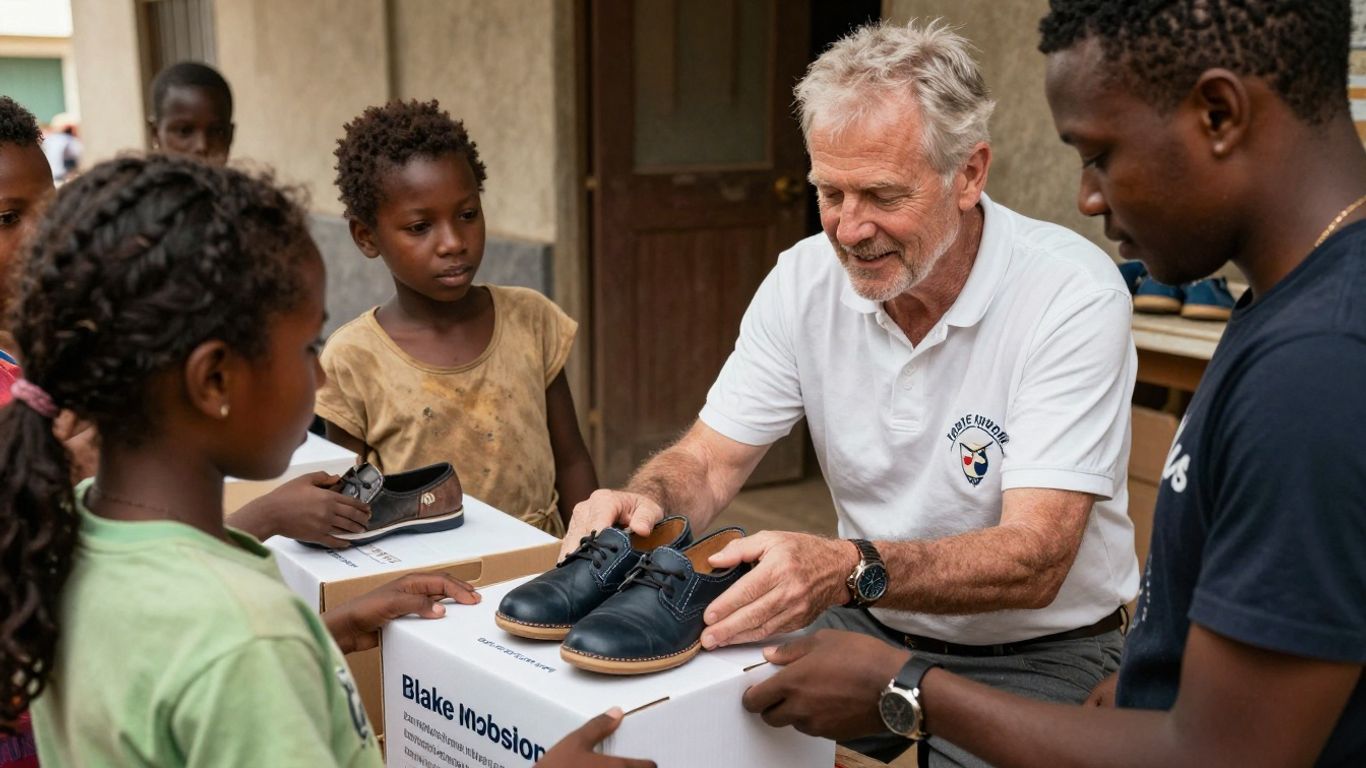
Toms Shoes has really changed how they do things over the years. You might remember their old "One for One" model – buy a pair of shoes, and they give a pair away. It was a pretty big deal and they donated millions of pairs. But, they realized that just giving away products wasn't always the best way to help. So, they shifted gears.
Now, Toms puts one-third of its profits into supporting grassroots organizations. This move shows a deeper commitment to tackling the root causes of problems, not just the symptoms. They focus on three main areas: mental health, access to opportunity, and stopping gun violence. It’s a more targeted approach that seems to be working well.
They don't try to run all the programs themselves. Instead, Toms partners with groups that are already experts in these fields and have strong ties to the communities they serve. It’s like they’re saying, "You know best, let's support you." This way, their money goes further and makes a real difference. They've supported groups that help teens with mental health through peer hotlines, empower LGBTQ+ youth, and assist refugee girls. They even fund programs for people with past involvement in the justice system.
It’s a smart way to operate, making sure their social impact is as effective as possible. They also publish reports detailing their work, which is pretty cool for transparency. It’s interesting to see how companies like Toms Shoes are evolving their CSR strategies [b4b5].
The company's evolution from a product-donation model to a profit-sharing strategy with a focus on expert-led partnerships highlights a more mature and impactful approach to corporate social responsibility. This shift allows for more responsive and sustainable change in the communities they aim to serve.
18. Warby Parker
Warby Parker proves you can run a successful company and make a difference at the same time. Their "Buy a Pair, Give a Pair" program is simple: for every pair of glasses you buy, they give a pair to someone who needs them. To date, they’ve donated over 20 million pairs of eyeglasses in more than 80 countries.
This impact goes beyond just glasses—it means people can land jobs, students can see their lessons, and daily life just gets easier for so many. One thing that stands out is how Warby Parker works with local nonprofits to make sure their help is actually helpful. For example, in India, they team up with the LV Prasad Eye Institute to serve rural communities; in Mexico, they've helped give millions of children their first pair of glasses through Ver Bien Para Aprender Mejor.
Let’s look at the range of their recent programs:
- Their partnership in Austin, TX, plans to provide nearly 1,800 glasses to school kids across 15 districts.
- In Las Vegas, they've set a goal to give out up to 11,000 glasses each year to students in need.
- The Pupils Project, started in 2015, has now reached schools across New York, Pennsylvania, California, and more, providing vision screenings, exams, and glasses.
Many families simply can’t afford glasses. Easy access to clear sight can boost learning and help break cycles of poverty, especially for kids growing up in tough circumstances.
Warby Parker also founded its own nonprofit, the Impact Foundation, which lets them push their mission even further. They don’t just count how many pairs they give away—they track things like student progress and economic improvements, showing that there’s real-world change happening. Overall, they’re a clear example of a business that genuinely puts people first.
19. Seventh Generation
Seventh Generation stands out as a company that has built its name on transparency and sustainable action. Right from the start, they've pushed the cleaning industry to be honest about ingredients, listing every component directly on packaging before it was ever required. That move didn't just establish trust, it set a bar others would follow. Their commitment runs deep, not just with their ingredient lists, but in how they choose what goes in their bottles—staying away from things like phthalates and harsh synthetics in favor of plant-based cleaning power that actually works.
Packaging waste is another area where they've made real progress. By 2022, almost all of their packaging was biodegradable or recyclable, and much of it came from post-consumer recycled materials. Their packaging stats are pretty eye-opening:
It doesn't stop there. Seventh Generation is aiming for 75% less virgin plastic in packaging by 2030 and has already rolled out products—like their new pouches and reusable spray heads—that use way less plastic per wash. This kind of forward-thinking shows up in other ways too:
- Regularly reformulating products to remove questionable chemicals (they took out 1,4 dioxane before most people even knew about it)
- Using biobased ingredients, earning several USDA BioPreferred certifications for being over 95% plant-derived
- Launching campaigns such as "Come Clean," which challenged the cleaning world to focus on health and clarity over artificial shine
Their approach has also earned them recognition as a sustainability leader, often listed alongside companies like Patagonia and Microsoft.
Cleaning up isn’t just about shining floors—it's about healthy homes, honest labels, and less waste on the planet. Seventh Generation is proving it’s possible to do all three at once.
20. Uncommon Goods
Uncommon Goods really stands out in the online retail space, and not just because they sell some pretty unique stuff. Their whole vibe is about supporting independent artists and makers from all over. Think of them as a big stage for small creators, with about 80% of their featured artists employing 10 people or fewer. That's a huge deal for keeping those small businesses alive and kicking.
They've also got some serious commitments when it comes to being good to the planet. For starters, they ditched plastic packaging for paper alternatives made from recycled stuff. This move alone is saving a ton of trees and water each year. Plus, they really push their artists to use recycled or sustainable materials in their work. It’s all about trying to cut down on waste.
Here's a quick look at some of their key practices:
- Ethical Sourcing: They have a strict code of conduct for vendors, making sure products are made ethically and through fair trade. No leather, feathers, or fur allowed, which is a pretty strong statement.
- Supporting Makers: A big chunk of their sales comes from items made right here in the U.S. and from handmade goods.
- Sustainable Materials: They encourage and highlight products made with recycled materials.
Uncommon Goods is a certified B Corporation, which means they're serious about balancing profit with purpose. They even pay their hourly workers significantly more than the federal minimum wage and have a program where they donate a portion of sales to various charities. It's a business model that shows you can do good while still being a successful company.
Looking for unique items? Section 20, "Uncommon Goods," has some really cool stuff you might not find anywhere else. Discover something special today! Visit our website to see all the amazing products we offer.
Wrapping It Up
So, looking at these companies, it's pretty clear that doing good isn't just a nice idea anymore – it's smart business. People are paying attention to how companies act, not just what they sell. Whether it's looking after the planet, treating workers right, or helping out the community, these top companies are showing us all how it's done. They're proving that you can make a profit while still making a positive difference. It’s inspiring to see, and hopefully, it encourages even more businesses to step up and do their part. The future looks brighter when companies and communities grow together.
Frequently Asked Questions
What exactly is Corporate Social Responsibility (CSR)?
Corporate Social Responsibility, or CSR, is like a company's promise to be a good citizen. It means they try to do good things for society and the planet, not just make money. This could involve helping the environment, treating their workers well, or giving back to the community.
Why do companies focus on CSR?
Companies do CSR because it's the right thing to do, and it also helps their business. When people know a company cares about more than just profits, they are more likely to buy their products, invest in them, and want to work there. It builds a good reputation.
How do companies show they are responsible?
They show it in many ways! Some companies focus on using eco-friendly materials, reducing pollution, or making sure their factories treat workers fairly. Others might donate money to charities, encourage employees to volunteer, or create programs that help people in need.
What does 'ethical sourcing' mean for a company like Starbucks?
Ethical sourcing means a company makes sure the things they buy to make their products are obtained in a fair and responsible way. For Starbucks, this means ensuring the coffee beans they buy are grown and traded in a way that's good for the farmers and the environment.
Can small businesses do CSR too?
Absolutely! Small businesses can start with simple steps. They might recycle more, use less energy, support local charities, or give their employees fair wages and good working conditions. Even small actions make a difference.
What's the difference between CSR and just donating money?
Donating money is part of CSR, but CSR is much bigger. It's about how a company runs its entire business. It means thinking about how their actions affect people and the planet every single day, not just writing a check occasionally.