
The Growing Landscape of Climate Tech Jobs: Opportunities and Trends
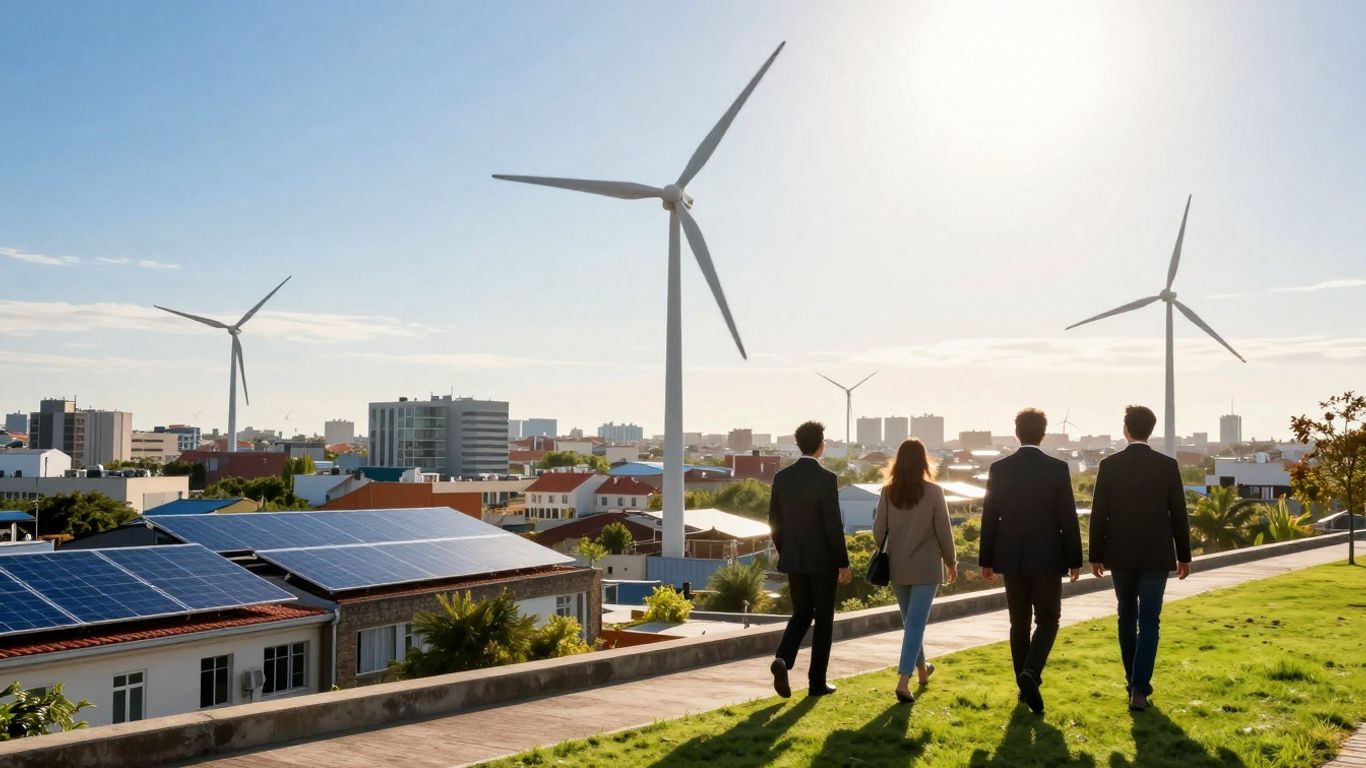
So, you're curious about climate tech jobs? It's a pretty big topic right now, with lots of talk about how buildings and construction play a huge role in all of it. Basically, we're talking about all the new tech and ideas aimed at making our buildings and how we build them way better for the planet. Think less energy use, materials that don't hurt the earth as much, and buildings that can handle weird weather. It's a whole growing field, and it means new kinds of work are popping up.
Key Takeaways
- New jobs are appearing in areas like making buildings more energy-efficient, using greener building stuff, and creating tech to help buildings deal with climate change.
- Even though money flowing into climate tech has slowed a bit recently, government help and big companies are still putting money into green building ideas.
- Buildings and how we construct them are a massive part of the climate tech picture, responsible for a big chunk of carbon emissions, so fixing them is a major focus.
- There's a need for more trained workers, like electricians and builders, to handle new green building methods, and programs are starting to help with this.
- Places like North America and Europe are leading the way with rules and money for green buildings, creating lots of job opportunities in these regions.
Emerging Opportunities in Climate Tech Jobs
The world of climate tech is really opening up, especially when it comes to jobs in the built environment. It’s not just about solar panels anymore; there’s a whole lot more going on.
Key Growth Areas in Sustainable Buildings
When we talk about making buildings greener, a few areas are really taking off. Energy efficiency is a big one. Think about things like better insulation, smarter heating and cooling systems (like advanced heat pumps that are replacing older, fossil-fuel-burning ones), and windows that actually help keep the heat in or out. These improvements are becoming standard, not just a nice-to-have. Also, integrating renewable energy directly into buildings is huge. This means more solar panels on roofs, plus battery storage so buildings can save energy for later or even send it back to the grid. It’s like turning buildings into their own little power plants.
Innovation in Green Construction Materials
Construction itself is a major source of emissions, so there’s a big push for new materials. We’re seeing a lot of work on alternatives to traditional concrete and steel, which are very carbon-intensive. This includes things like engineered timber, recycled materials, and even new types of concrete that absorb CO2 as they cure. The goal is to make building materials that have a much lower environmental footprint from start to finish. This isn't just about being eco-friendly; it's also becoming a cost-effective choice as regulations tighten.
Demand for Climate Resilience Technologies
As the climate changes, buildings need to be able to handle more extreme weather. This is where climate resilience tech comes in. We’re talking about solutions that help buildings withstand floods, high winds, or extreme heat. This could involve new design tools that predict weather impacts, better materials for flood protection, or cooling systems that work efficiently even when temperatures soar. Cities in vulnerable areas, like coastal regions, are particularly looking for these kinds of solutions, creating a growing market for specialized jobs.
Market Dynamics And Investment Trends
Climate Tech Investment Landscape
The climate tech market has seen some shifts lately. After a big surge in investment a few years back, things have cooled down a bit. We're seeing fewer deals happening, and the total money invested is lower than it was a couple of years ago. It's not all doom and gloom, though. Investors are being more careful, looking for companies with solid plans that go beyond just being "green." The focus is really on returns now, which makes sense.
The United States market, however, has shown some real strength, partly thanks to government policies like the Inflation Reduction Act. This has helped keep investment steady, especially in energy-related startups. Interestingly, companies using artificial intelligence in their climate solutions are attracting more attention and funding than before. It seems like AI is seen as a way to make things more efficient and productive.
Here's a quick look at the investment picture:
Government Policies Driving Growth
Government actions are playing a big role in shaping the climate tech landscape. Policies like the Inflation Reduction Act (IRA) in the US have been a game-changer, injecting significant capital into clean energy and related technologies. These incentives encourage investment and help make green solutions more competitive. It's not just about funding; these policies also create a more predictable environment for businesses, which is always good for investment.
Other government initiatives, like those focused on science and technology, also contribute to this growth. They help create a foundation for innovation and support the development of new technologies. The impact of these policies is clear: they are helping to drive demand and attract capital to the climate tech sector, even when the broader economic picture is uncertain.
Corporate Investment in Green Solutions
Big companies are not just sitting on the sidelines; they're actively involved in the climate tech scene. Many are investing directly in startups, either through their own venture capital arms or by acquiring promising companies. This is a smart move for them, as it gives them access to new technologies and helps them tap into the growing market for sustainable solutions. It's a win-win: startups get much-needed funding and support, and larger corporations can integrate innovative climate tech into their operations.
These corporate investments are particularly important in areas where startups might struggle to get funding on their own, like in industrial sectors or the built environment. By partnering with or investing in these companies, large corporations can help accelerate the development and adoption of technologies needed to meet climate goals. It's a sign that the market is maturing, with established players recognizing the long-term value of climate action.
The need for climate adaptation and resilience technologies is becoming more apparent. Events like severe air quality issues from wildfires have shown a clear increase in demand for solutions that protect people and infrastructure from climate impacts. This trend is likely to continue as the effects of climate change become more pronounced globally.
The Built Environment's Role In Climate Tech
The buildings we live and work in, along with how we construct them, have a massive impact on our planet's climate. It's not just about the energy they use while occupied; the materials that go into them and the waste generated during building also add up. This is why the built environment is such a hot area for climate tech innovation.
Energy Efficiency In Buildings
This is probably the most straightforward area where climate tech is making a difference. Think about making buildings use less energy in the first place. This includes things like better insulation, windows that keep heat in during winter and out during summer, and smarter heating and cooling systems. Heat pumps, for example, are becoming really popular as a way to replace old, polluting furnaces. We're also seeing a lot more smart thermostats and lighting systems that automatically adjust based on whether people are in the room or how much natural light is available. The goal is to significantly cut down on the energy needed for heating, cooling, and lighting, which are big energy hogs.
- Advanced Insulation: Materials like aerogels and vacuum-insulated panels offer superior thermal performance.
- Smart HVAC Systems: Heat pumps and variable refrigerant flow (VRF) systems adapt to real-time needs.
- LED Lighting & Controls: Efficient lighting paired with occupancy sensors and daylight harvesting.
- Building Envelope Improvements: High-performance windows, air sealing, and cool roofs.
Making buildings more energy efficient isn't just good for the planet; it also saves money on utility bills. This makes it a win-win situation for building owners and occupants alike.
Circular Construction And Materials
Beyond just energy use, the actual stuff we use to build is getting a climate makeover. Traditionally, making cement and steel creates a lot of carbon emissions. Now, companies are developing new materials that are either made from recycled content, bio-based sources, or designed to be easily recycled at the end of a building's life. This whole idea of a circular economy is catching on, meaning we try to reuse and recycle as much as possible, reducing the need to extract new raw materials. Some innovative approaches even look at capturing carbon dioxide during the manufacturing of building materials like concrete.
- Low-Carbon Concrete: Using supplementary cementitious materials (SCMs) or alternative binders.
- Engineered Timber: Cross-laminated timber (CLT) and glulam offer sustainable alternatives to steel and concrete.
- Recycled Content: Incorporating recycled plastics, metals, and aggregates into building products.
- Bio-based Materials: Utilizing materials like bamboo, hempcrete, and mycelium.
Retrofitting For A Greener Future
Most of the buildings that will exist in 2050 are already standing today. That's why retrofitting – upgrading existing buildings to be more sustainable – is so important. This involves many of the same technologies as new construction, like improving insulation and installing efficient HVAC systems. It also includes adding renewable energy sources, such as solar panels, to older buildings. The challenge here is often the cost and the disruption to occupants, but the potential for emissions reduction is huge. Many governments are offering incentives to encourage these upgrades, recognizing their role in meeting climate targets. This is a big area for job growth, requiring skilled tradespeople to do the work. You can find more information on ESG reporting and how it drives these changes.
- Energy Audits: Identifying areas for improvement in existing structures.
- System Upgrades: Replacing old boilers, furnaces, and lighting with modern, efficient alternatives.
- Renewable Energy Integration: Installing solar panels and battery storage systems.
- Building Envelope Sealing: Improving airtightness to prevent energy loss.
Skills Gap And Workforce Development
It's pretty clear that the climate tech boom, especially in the built environment, is creating a ton of new jobs. But here's the thing: we're running into a bit of a snag. There aren't enough people with the right skills to fill all these new roles. Think about it – installing solar panels, upgrading old buildings for better energy efficiency, or working with new, eco-friendly materials all require specific know-how. This skills gap could seriously slow down our progress on climate goals.
Training For New Green Technologies
We need to get people up to speed on the latest green tech. This isn't just about knowing how to use a new tool; it's about understanding the whole system. For example, when we talk about retrofitting buildings, it's not just about slapping on some extra insulation. It involves understanding how different systems work together – heating, cooling, ventilation, and how they interact with smart controls. Training programs are starting to pop up, but they need to be widespread and accessible. We're talking about:
- Courses on installing and maintaining heat pumps.
- Workshops for energy auditors who can assess building performance.
- Training in using new, sustainable building materials.
- Programs focused on integrating renewable energy sources like solar into existing structures.
Addressing Shortages In Skilled Labor
It's not just about training people from scratch. We also need to upskill the folks already working in construction and trades. Electricians, plumbers, and general builders need to learn about new green techniques and technologies. This is where microcredentials and shorter, focused training modules become really useful. They can help experienced workers add new skills without needing to go back for a full degree. The demand for these skills is high, and the green talent gap in Canada is just one example of a wider issue.
The transition to a greener built environment requires a workforce that's adaptable and skilled in new technologies. Simply put, we need more people who know how to build and maintain sustainable structures. This isn't a niche requirement anymore; it's becoming standard practice.
The Future Green Workforce
So, what does the future look like? If we can get this training and development right, we're looking at a significant boost to local economies. Many of these jobs, like retrofitting and installing systems, can't be outsourced. This means more stable, local employment. By 2030, we could see millions of new jobs created in sustainable construction alone. It’s a big undertaking, but the payoff – a more sustainable planet and a stronger workforce – is definitely worth the effort.
Regional Focus On Climate Tech Jobs
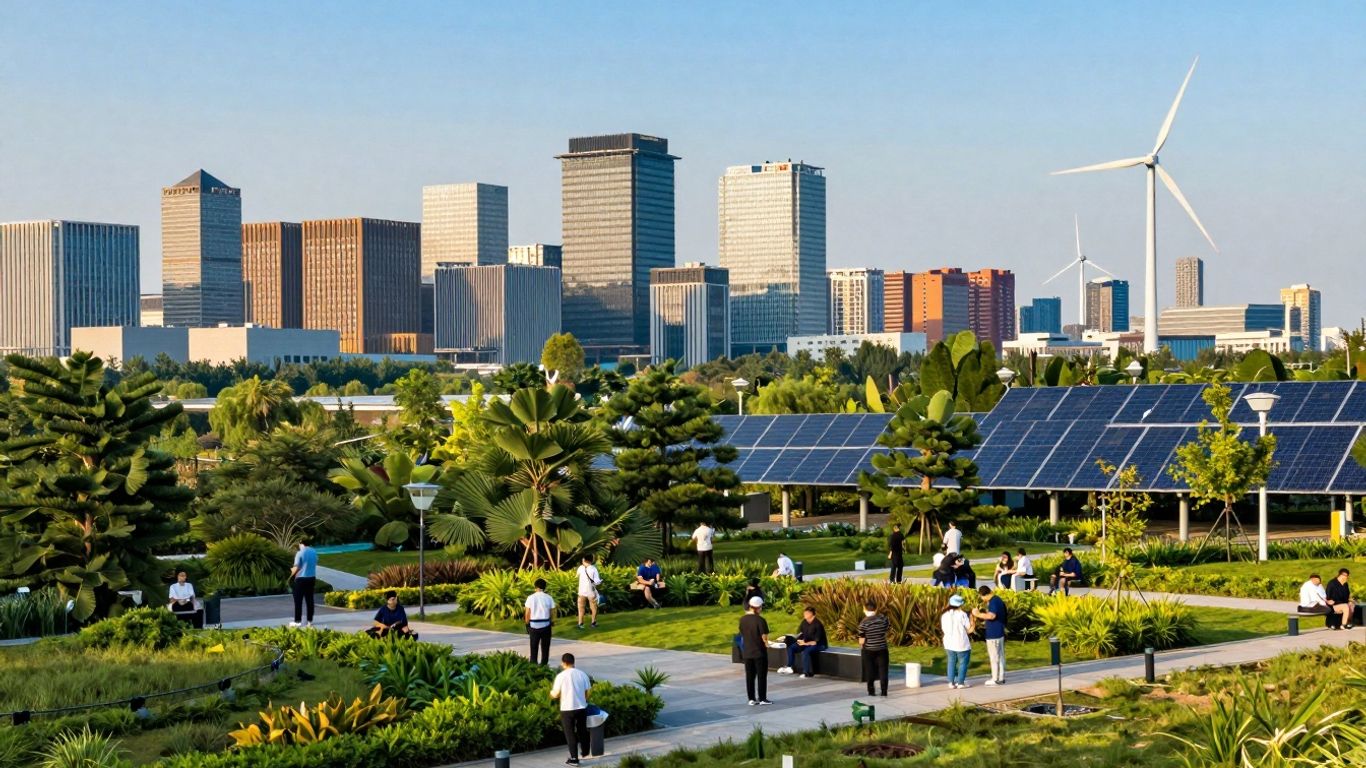
Climate tech jobs in the built environment aren't spread out evenly; they're really shaped by what's happening locally, especially when it comes to government rules and how much money is being put into green projects. Different parts of the world are moving at their own pace, creating unique job markets.
North America's Green Building Boom
In North America, especially the United States, there's a big push for green buildings. This is largely thanks to policies like the Inflation Reduction Act, which offers serious incentives for making buildings more energy-efficient and switching to cleaner heating systems. This has really gotten private companies to invest more money, too. We're seeing a lot of jobs pop up in areas like installing better insulation, upgrading HVAC systems, and putting in solar panels. The U.S. has been a major player in climate tech financing, and a good chunk of that is going into the built environment. It's a pretty exciting time for job seekers interested in this sector here.
Europe's Aggressive Climate Regulations
Europe is taking a really strong stance with its Green Deal programs. These initiatives are pouring money into renovating older buildings and promoting clean heating solutions across the continent. Because of these strict regulations and ambitious goals, there's a high demand for workers who can implement these changes. Think about jobs related to heat pumps, energy-efficient windows, and smart building technologies. The focus here is on widespread adoption and meeting tough carbon reduction targets, which means a steady stream of work for those in the green building trades.
Global Employment Impact Of Sustainable Construction
Across the globe, the shift towards sustainable construction is creating jobs that are pretty much impossible to move elsewhere. These are local jobs, building and retrofitting communities. Think about the need for electricians, plumbers, and construction workers trained in new green methods. This localized job creation is a big win for local economies. While there's a challenge in finding enough skilled workers to keep up with the demand, especially for big retrofitting projects, the long-term outlook is positive. By 2030, we're looking at a larger, greener workforce that's actively rebuilding our cities in a more sustainable way. You can find many of these opportunities on platforms like Climatebase.
The built environment is a huge piece of the climate puzzle, responsible for a large chunk of global carbon emissions. As we focus more on reducing this impact, the demand for technologies and skills related to energy efficiency, sustainable materials, and climate resilience will only grow. This creates a fertile ground for new jobs and career paths.
Here's a quick look at some key areas driving job growth:
- Energy Efficiency Upgrades: Installing better insulation, high-performance windows, and efficient heating and cooling systems.
- Renewable Energy Integration: Adding solar panels, battery storage, and EV charging stations to buildings.
- Sustainable Materials: Developing and using low-carbon concrete, engineered timber, and recycled materials.
- Climate Resilience: Implementing designs and technologies to protect buildings from extreme weather events like floods and heatwaves.
Cross-Sector Synergies In Climate Tech
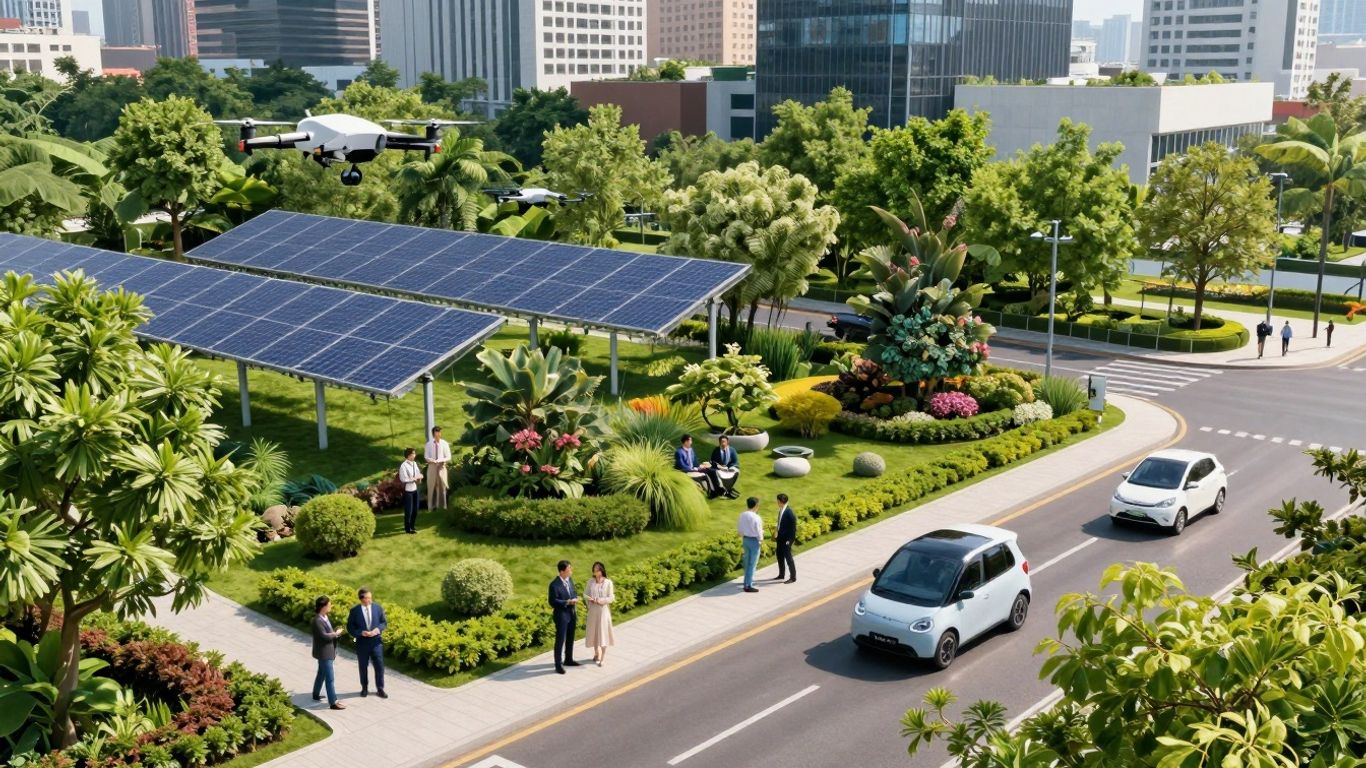
Overlap With PropTech And ConTech
It's pretty interesting how many climate tech jobs in the built environment aren't just about being "green." They often blend right into what we call PropTech (property technology) and ConTech (construction technology). Think about a company developing AI software to make buildings use less energy – is that climate tech, or is it PropTech? The lines get blurry, and honestly, that's a good thing. It means climate goals are pushing innovation across the board in how we build and manage properties. This overlap isn't a problem; it's a sign that climate solutions are becoming a core part of the real estate and construction industries, not just an add-on.
AI's Role In Building Efficiency
Artificial intelligence is becoming a big player in making buildings smarter and greener. AI can analyze huge amounts of data from a building's systems – like heating, cooling, and lighting – to find patterns and suggest ways to cut down on energy use. It's not just about simple automation; AI can predict when energy demand will be high and adjust systems proactively. This means less wasted energy and lower utility bills. The potential for AI to optimize building performance is massive.
The Impact Of IoT On Energy Management
When you combine the Internet of Things (IoT) with climate tech, you get a powerful tool for managing energy. IoT devices, like smart thermostats, sensors, and connected appliances, collect real-time data about energy consumption throughout a building. This data is then fed into systems, often powered by AI, that can make adjustments on the fly. For example, sensors can detect when a room is empty and automatically turn off lights or adjust the temperature. This constant feedback loop allows for fine-tuning energy use in ways that were impossible before.
Here's a quick look at how these technologies work together:
- Data Collection: IoT sensors gather information on temperature, occupancy, light levels, and energy usage.
- Analysis: AI algorithms process this data to identify inefficiencies and predict future needs.
- Optimization: Automated systems adjust HVAC, lighting, and other functions to reduce waste.
- Reporting: Dashboards provide insights into energy performance and savings.
The integration of AI and IoT is transforming how we approach energy management in buildings. It's moving us from reactive fixes to proactive, intelligent control, which is exactly what we need to meet our climate targets. This synergy is creating new job roles focused on data analysis, system integration, and smart building management.
Key Synergistic Areas
- Smart Grid Integration: Buildings equipped with IoT and AI can communicate with the power grid, adjusting energy consumption based on grid demand and renewable energy availability. This helps stabilize the grid and makes better use of clean energy sources.
- Predictive Maintenance: AI can analyze data from building systems to predict when equipment might fail, allowing for maintenance before a breakdown occurs. This prevents energy waste from malfunctioning systems and extends equipment life.
- Occupancy Sensing: Advanced IoT sensors can accurately track how spaces are being used, enabling HVAC and lighting systems to operate only when and where needed, significantly cutting down on energy consumption in commercial and residential buildings.
Discover how different industries are teaming up to tackle climate change in our "Cross-Sector Synergies In Climate Tech" section. It's amazing to see how working together can lead to bigger and better solutions for our planet. Want to learn more about how these partnerships are making a difference? Visit our website today to explore the latest innovations and see how you can get involved!
Looking Ahead: A Greener Future of Work
So, what does all this mean for jobs? Basically, the climate tech world, especially around buildings, is really taking off. We're seeing a lot of new ideas and money going into making buildings more energy-efficient, using better materials, and even making them tougher against things like floods or extreme heat. This isn't just about fancy gadgets; it's creating real jobs. Think about folks installing solar panels, upgrading insulation, or even designing smarter heating systems. While there are challenges, like needing more skilled workers, the trend is clear: more green jobs are coming. These jobs are often local, can't be sent overseas, and are helping to build a more sustainable future, one building at a time. It's a pretty exciting space to be in right now, with lots of room to grow.
Frequently Asked Questions
What kind of jobs are growing in climate tech for buildings?
Lots of new jobs are popping up, especially in making buildings use less energy. Think about jobs installing super-efficient lights, smart heating and cooling systems, and better insulation. Also, jobs in adding solar panels and battery storage to buildings are growing fast. We also need people to create and use new building materials that are better for the planet, like ones made from plants or recycled stuff. And, with weather getting wilder, jobs in making buildings tougher against floods or heat are also in demand.
Is money being invested in climate tech for buildings?
Yes, even though sometimes the amount of money invested goes up and down, people are still putting a lot of money into climate tech for buildings. Governments are helping by offering money and tax breaks for making buildings greener. Big companies are also investing in new ideas and technologies to make their buildings more eco-friendly. This money helps create new companies and jobs.
Why are buildings important for climate tech?
Buildings use a lot of energy and create a lot of pollution, about 40% of the world's total! So, making them more energy-efficient and using greener materials is a huge way to fight climate change. This includes making sure buildings don't waste energy, using materials that don't harm the environment, and fixing up old buildings to make them better for the planet.
Are there enough skilled workers for these new climate jobs?
Not always. There's a big need for people with the right skills, like electricians and builders, to learn about new green technologies. Many places are starting training programs to teach people these new skills. The goal is to have enough workers to build and fix up buildings in a way that's good for the climate.
Are climate tech jobs for buildings happening everywhere?
These jobs are growing in many places, but some areas are leading the way. North America is seeing a lot of growth because of government support for energy-saving upgrades. Europe has strict rules that are pushing for greener buildings, creating many jobs in renovating old buildings and installing new tech. As more countries focus on climate change, these jobs will likely spread globally.
How do climate tech jobs in buildings connect with other tech fields?
These jobs often work together with other technology areas. For example, technology that makes buildings smarter with energy use can be called 'PropTech' (property technology) or 'ClimateTech'. Also, tools like Artificial Intelligence (AI) and the Internet of Things (IoT) are being used to make buildings more energy-efficient and manage their energy use better, creating more job opportunities.