
The Future is Here: Understanding Carbon-Neutral Gas and Its Role in a Sustainable World
So, we're hearing a lot about going 'green' these days, right? One of the buzzwords popping up is 'carbon-neutral gas.' It sounds a bit complicated, but it's basically about using gas in a way that doesn't add extra greenhouse gases to the atmosphere. Think of it like balancing the books – for every bit of carbon released, something is done to take an equal amount out. This idea is becoming a big deal as we look for ways to keep our planet healthy. This article will break down what carbon-neutral gas really means and why it matters for our future.
Key Takeaways
- Carbon-neutral gas means that any carbon emissions released when using gas are balanced out, often by removing an equivalent amount from the atmosphere. This is part of a bigger push towards net-zero emissions.
- Achieving a stable climate requires balancing carbon flows, meaning we need to both cut emissions and remove existing carbon. This is sometimes called 'durable net zero' when the removals are permanent.
- Big jumps in clean energy technology are needed to reach net-zero goals, especially for things like advanced batteries, hydrogen production, and capturing carbon directly from the air. We also need new infrastructure to support these technologies.
- The world is shifting away from fossil fuels towards renewable energy sources like solar and wind. This change will affect how we produce and use energy across all parts of our lives, from industry to how we get around.
- This transition brings new economic chances, like in mining for minerals needed for clean tech, but also challenges for places that rely heavily on fossil fuels. Making sure this shift is fair for everyone is really important.
Understanding Carbon-Neutral Gas
So, what exactly is this "carbon-neutral gas" everyone's talking about? It sounds a bit like magic, right? But it's actually rooted in some pretty solid science, aiming to balance the carbon that goes into the atmosphere with what gets taken out. Think of it like a global scale, where we're trying to get both sides perfectly even.
The Science Behind Net Zero Emissions
At its core, "net zero" means we're not adding any new greenhouse gases to the atmosphere over a period of time. It's not about stopping all emissions entirely – that's a whole other challenge – but about making sure that whatever we do emit, we also remove an equal amount. This concept comes straight from climate science, which shows us how these gases trap heat and warm up the planet. The goal is to stop that warming trend. The whole idea is to stop adding to the problem, not just slow it down.
Balancing Carbon Flows for a Stable Climate
Imagine carbon moving between the air, the land, and the oceans. Right now, we're pumping way more into the atmosphere than can be naturally absorbed, and that's what's messing with our climate. Achieving net zero means getting those flows back into balance. It's about reducing the amount of carbon we release from sources like burning fossil fuels, and increasing the amount that gets stored away, maybe in forests or in the ground. This balancing act is what scientists believe is needed to keep global temperatures from rising too much, ideally staying below that 1.5-degree Celsius mark.
Durable Net Zero: Ensuring Permanent Reductions
Just reaching net zero isn't quite enough for long-term stability. We need what's called "durable net zero." This means that any carbon we remove from the atmosphere has to stay removed, permanently. If we plant a forest and then it burns down, or if we store carbon underground and it leaks out, we haven't really achieved anything lasting. Durable net zero requires that the carbon we take out stays out, so the balance we achieve actually sticks around and helps stabilize the climate for good. It's about making sure our solutions are built to last.
The Role of Innovation in Achieving Net Zero
Reaching our climate goals, like net zero by 2050, isn't just about using what we have now more efficiently. It really hinges on developing and deploying new technologies. Think of it like this: most of the emission cuts we can make by 2030 will come from tools we already know work. But when we look further out, to 2050, a big chunk of those needed reductions will depend on technologies that are still in the early stages – like prototypes or even just ideas. This means we need to seriously ramp up our innovation efforts over the next decade.
Leaps in Clean Energy Technology
We're seeing some pretty exciting progress in clean energy. Things like advanced batteries that can store more power for longer, and more efficient hydrogen electrolyzers that produce clean fuel, are becoming more viable. These aren't just minor tweaks; they represent significant advancements that could change the energy landscape. The challenge is getting them from the lab to widespread use.
Bridging the Gap with Emerging Technologies
For sectors that are tough to decarbonize, like heavy industry and long-distance transport, the solutions are even more dependent on technologies that are still under development. This is where things like direct air capture and carbon storage come into play. These technologies aim to remove carbon dioxide directly from the atmosphere or capture it at the source and store it permanently. The biggest innovation opportunities over the next ten years lie in these specific areas.
Infrastructure for the Future Energy System
Developing new technologies is only half the battle. We also need the infrastructure to support them. This includes building new pipelines to transport captured carbon and creating systems to move hydrogen efficiently between ports and industrial centers. Without this groundwork, even the best new technologies won't be able to make the impact they're designed for. It's a complex puzzle, and getting the Net-Zero Accelerator program right was just one piece of the larger effort.
The path to net zero requires a global effort, but different countries and regions will have unique starting points and timelines. Advanced economies are expected to lead the way, paving the path for developing nations and providing support along the journey. While the exact route may vary, the overarching goal remains the same: a balanced global climate.
Here's a look at some key areas where innovation is making a difference:
- Advanced Batteries: Improving energy density, lifespan, and charging speed.
- Hydrogen Electrolyzers: Making green hydrogen production more affordable and scalable.
- Direct Air Capture (DAC): Developing more efficient and cost-effective methods to remove CO2 from the air.
- Carbon Capture, Utilization, and Storage (CCUS): Enhancing technologies to capture emissions from industrial sources and either store them or use them in new products.
Transforming Energy Production and Consumption
The Shift from Fossil Fuels to Renewables
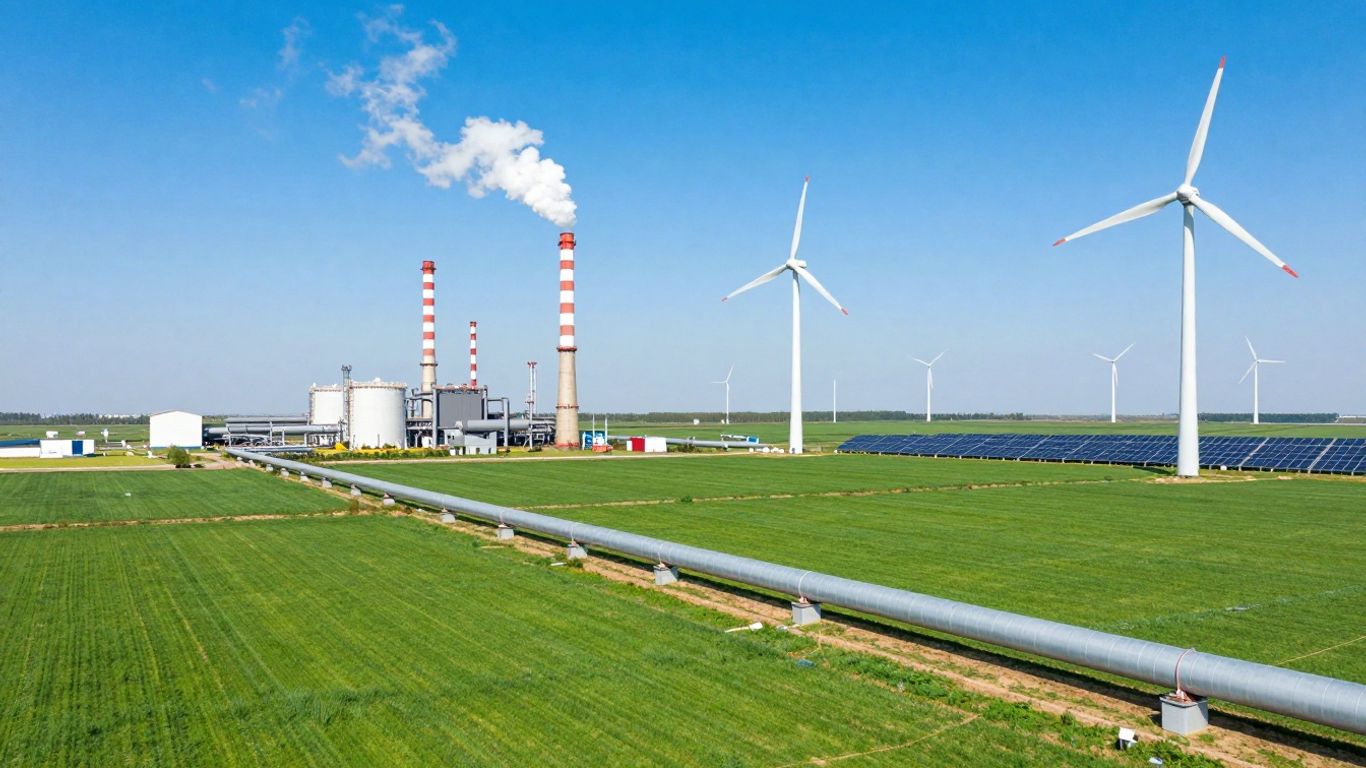
We're seeing a massive change in how we get our energy. For decades, it's been all about coal, oil, and natural gas. But that's changing, and fast. The goal is to move away from these traditional sources and lean heavily on things like wind and solar power. Think about it: solar panels are getting way cheaper and more efficient, and wind turbines are popping up everywhere. By 2050, the plan is for renewables to make up a huge chunk of our energy supply, with solar alone providing a fifth of it. This means a big drop in fossil fuel use, though they'll still be around for things like making plastics or in industries where switching is really tough.
Electrification Across All Sectors
As we clean up electricity generation, making everything run on electricity becomes a much smarter move. This is what we mean by electrification. It's not just about electric cars, though those are a big part of it. We're talking about heating our homes with electric heat pumps instead of gas furnaces, and industries using electricity for processes that used to rely on burning fossil fuels. By 2050, electricity is expected to be almost half of all the energy we use. This requires a lot more electricity generation overall, but the key is that most of it will come from clean sources like wind and solar.
Reducing Emissions in Industry and Transport
Cleaning up big industries and how we get around is a bit trickier. It takes time and new ways of doing things. For transport, the big push is towards electric vehicles. Sales of new gasoline cars are expected to stop in many places by 2035, meaning most cars on the road will be electric or run on fuel cells. For things like planes and ships, where batteries aren't practical yet, we'll need cleaner fuels like biofuels or hydrogen-based options. In industry, it's about building new plants that run on clean energy or using technologies that capture carbon. We're also seeing a push to phase out old, inefficient coal plants and make sure new ones aren't built.
The changes needed to reach net zero aren't just about big power plants or factories. They involve everyday choices. Things like choosing an electric car, making your home more energy-efficient, or even just walking or cycling instead of driving all contribute. It's estimated that about half of the emissions reductions needed will come from these kinds of consumer decisions and changes in how we live.
Here's a quick look at how things might change:
- Transport: Electric vehicles (EVs) going from a small percentage of sales to over 60% by 2030. New gasoline car sales ending by 2035.
- Industry: New plants using hydrogen, and carbon capture technology being added to existing facilities.
- Buildings: Phasing out new gas boilers starting around 2025, with more homes using electric heat pumps.
- Energy Supply: Solar and wind power capacity increasing dramatically, becoming the dominant sources of electricity.
Economic and Societal Implications of the Transition
So, we're talking about a massive shift here, right? Moving away from the old ways of getting and using energy isn't just about swapping out lightbulbs or driving electric cars. It's going to shake things up, economically and for all of us as people. This transition is really for and about people.
New Opportunities in Critical Minerals
Think about what powers all these new gadgets and machines. We're going to need a whole lot more of certain metals and minerals – things like copper, cobalt, and rare earth elements. The demand for these is set to skyrocket. It's like a gold rush, but for minerals. This means big business for mining companies, but it also brings its own set of worries. What happens if we can't get enough of these minerals fast enough? Prices could get wild, and that could slow down the whole clean energy push.
Here's a quick look at how big this mineral market could get:
Impact on Fossil Fuel Producing Economies
Now, for the places that have made their living digging up oil and gas, this is a tough pill to swallow. We won't need as many new oil and gas fields. The production will likely get concentrated in fewer, cheaper places. This means a big drop in income for countries that rely heavily on selling these fuels. We're talking about a potential drop of about 75% in income per person from oil and gas by the 2030s. That's a huge change and could really impact communities. They'll need to find new ways to make money, and honestly, it's unlikely those new ways will fully replace what they're losing. On the flip side, the skills and know-how from the oil and gas industry could be super useful for new things like hydrogen production or offshore wind farms.
The Importance of Equitable Transitions
This whole energy change needs to be fair. We're looking at millions of new jobs popping up in clean energy – think manufacturing, installation, and maintenance. That's great news! But here's the catch: those jobs might not be in the same places or require the same skills as the jobs being lost in the fossil fuel sector. We could see around 5 million jobs disappear. Many of these are well-paying jobs, often located near where the fossil fuels are extracted. This means some communities could face serious economic shocks. We need to be smart about this. That means helping workers retrain, trying to put new clean energy projects in areas that are hurting, and offering support to those regions. It's not just about the planet; it's about making sure everyone has a shot at benefiting from this new energy future.
The way we get our energy is changing, and that means our daily lives will change too. From how we get around to how we heat our homes, these shifts will touch everyone. A big part of this change comes down to the choices we make as individuals – like buying an electric vehicle or making our homes more energy-efficient. Even small changes, like walking or biking more instead of driving, add up. It's also about making sure everyone, everywhere, has access to clean and reliable energy, which is a huge part of building a better future for all.
We also need to remember that cleaner energy means cleaner air. That's a massive win for public health, potentially saving millions of lives lost too early due to pollution. Plus, getting clean energy to everyone who doesn't have it yet would be a game-changer for well-being and productivity in developing countries.
Key Technologies for a Sustainable Future
So, we've talked a lot about why we need to go carbon-neutral, but how are we actually going to get there? It's not just about flipping a switch. A whole bunch of new and improved technologies are popping up, and they're going to be super important for making this whole net-zero thing a reality. Think of them as the building blocks for our future energy system.
Advancements in Battery Technology
Batteries are a big deal, right? They're not just for your phone anymore. We're talking about massive battery storage systems that can hold onto renewable energy when the sun isn't shining or the wind isn't blowing. This helps make sure we have power whenever we need it, even when the grid is relying heavily on sources like solar and wind. The improvements we're seeing mean batteries are becoming cheaper and can store more energy for longer periods. This is a game-changer for grid stability and for electric vehicles, making them more practical for everyday use.
The Potential of Hydrogen Electrolyzers
Hydrogen is another one of those buzzwords, but it's got real potential. Specifically, hydrogen electrolyzers are key. These machines use electricity to split water into hydrogen and oxygen. If that electricity comes from renewable sources, then the hydrogen produced is considered 'green' hydrogen. This green hydrogen can then be used as a clean fuel for things that are hard to electrify, like heavy industry or long-haul shipping. It's a way to decarbonize sectors where batteries just don't cut it. We're seeing a big push to get these electrolyzers built and running at scale.
Direct Air Capture and Carbon Storage
Okay, this one sounds a bit like science fiction, but it's becoming more real. Direct Air Capture (DAC) technology actually pulls carbon dioxide straight out of the atmosphere. It's like a giant air filter for the planet. Once captured, that CO2 can be stored underground permanently, or sometimes it can be used to make other products. While it's still developing and can be energy-intensive, DAC could play a role in dealing with emissions that are really tough to avoid entirely, helping us reach those ambitious net-zero targets. It's a vital part of the toolkit for a green energy future.
Here's a quick look at how these technologies are expected to contribute:
- Battery Storage: Stabilizes grids with intermittent renewables, powers electric vehicles.
- Hydrogen Electrolyzers: Produces green hydrogen for hard-to-abate sectors like industry and shipping.
- Direct Air Capture: Removes existing CO2 from the atmosphere, addressing residual emissions.
The path to net zero by 2050 requires not just using what we have now, but also developing and deploying technologies that are still in the early stages. Innovation over the next decade is absolutely critical to bring these new solutions to market in time. We need to see big leaps in areas like advanced batteries, hydrogen electrolyzers, and direct air capture to make the biggest difference between 2030 and 2050.
Exploring the "Key Technologies for a Sustainable Future" is crucial for building a better tomorrow. These innovations are paving the way for a greener planet and a healthier society. Want to learn more about how these technologies can help your business thrive while being kind to the Earth? Visit our website today to discover solutions that make a real difference!
So, What's Next?
Look, getting to a carbon-neutral future isn't going to be a walk in the park. It means big changes, like relying way more on solar and wind power and less on the old fossil fuels. We're talking about needing new tech, like better batteries and ways to capture carbon, and getting them out there fast. Plus, it's not just about the environment; it's about making sure everyone benefits and that we don't leave anyone behind. It's a huge task, but it's happening, and understanding this stuff is the first step for all of us.
Frequently Asked Questions
What exactly is carbon-neutral gas?
Carbon-neutral gas, often called net-zero gas, means that any carbon dioxide released when the gas is used is balanced out by removing the same amount of carbon from the atmosphere. It's like a seesaw where both sides are equal – what goes up is taken down. This helps keep the amount of carbon in the air stable, which is super important for our planet's climate.
How do we know if we've truly reached 'net zero'?
Reaching net zero isn't just about cutting down on pollution. It's about making sure that all the greenhouse gases we put into the air are matched by taking an equal amount out. This involves reducing our emissions as much as possible and then using special technologies or natural methods to remove the rest. It's a careful balancing act to keep our climate steady.
What is 'durable net zero' and why is it important?
Durable net zero means that the carbon we remove from the atmosphere stays out for a very, very long time. Think of it like storing carbon permanently, not just for a short while. This is crucial because if the removed carbon comes back into the atmosphere later, it defeats the whole purpose. We need these removals to be lasting to truly help stabilize the climate.
What new technologies are helping us get to net zero?
Lots of exciting new tech is popping up! We're seeing big improvements in batteries that store energy, special machines called hydrogen electrolyzers that make clean fuel, and even systems that pull carbon dioxide straight out of the air (called Direct Air Capture). These innovations are key to making big changes in how we power our world.
How will switching to cleaner energy affect jobs and economies?
As we move away from old ways of getting energy, some jobs might change. But this transition also creates new jobs, especially in areas like mining for important minerals needed for new technologies and in building and managing clean energy systems. It's important that everyone benefits from these changes, making sure the shift is fair for all communities.
Will we still need fossil fuels like oil and gas in a net-zero future?
In a net-zero world, the use of fossil fuels will drop dramatically. We'll rely much more on clean energy like solar and wind. Any fossil fuels that are still used will likely be for things like making plastics, where the carbon is locked into the product, or in special facilities that capture the carbon emissions. The goal is to phase them out as much as possible.