
Save Earth And Our Future: Simple Steps for a Greener Tomorrow
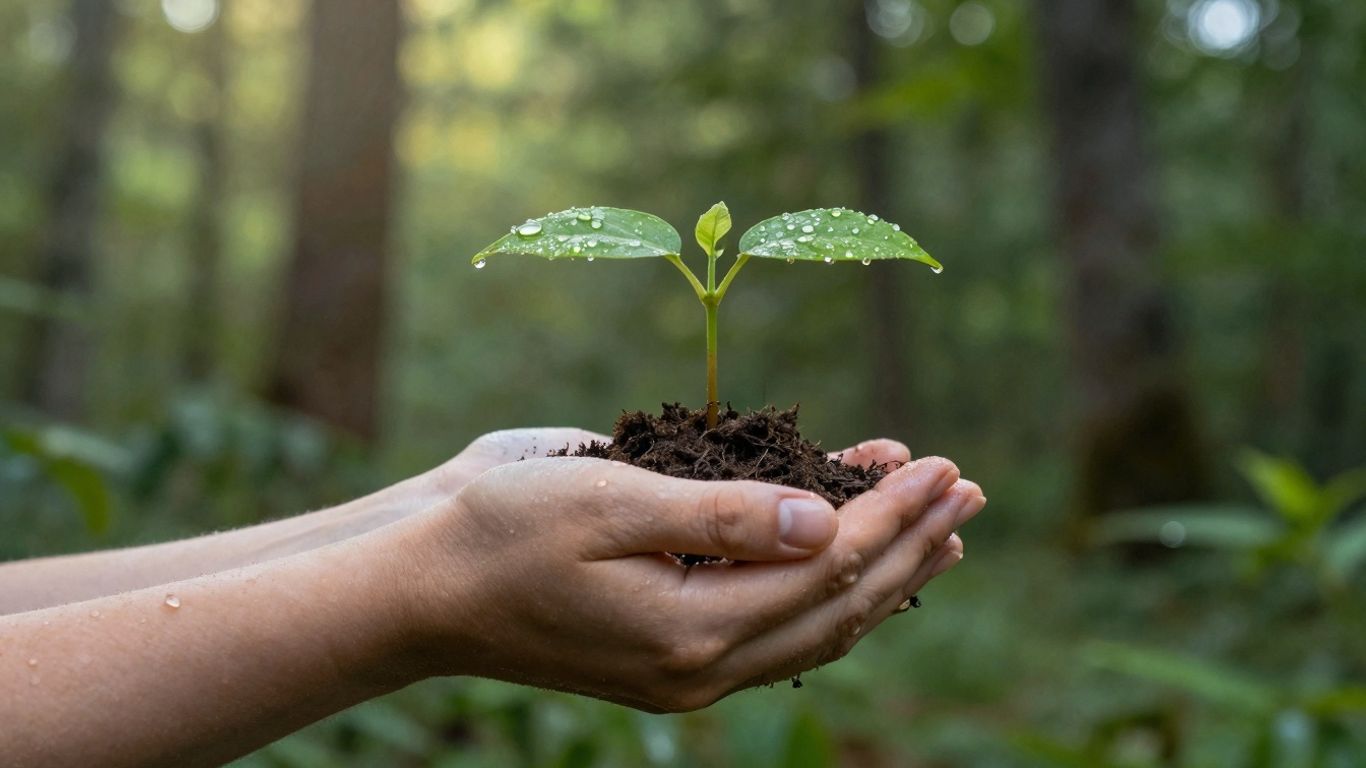
Hey everyone! It feels like everywhere you look, people are talking about saving the planet. And honestly, it's about time. We've got one Earth, and it's our job to look after it, not just for us, but for everyone who comes after. It can feel a bit overwhelming, right? Like, what can one person really do? Well, turns out, quite a lot! We're going to break down some super simple, everyday things you can do to help save Earth and make our future a whole lot greener. No need to be an eco-warrior overnight; small changes add up!
Key Takeaways
- Cut down on single-use plastics by opting for reusable bags, straws, and containers.
- Embrace the 'reduce, reuse, recycle' mantra by separating waste and choosing reusable items.
- Conserve energy and water by turning off lights and taps, and consider energy-efficient appliances.
- Incorporate sustainable practices like trying plant-based meals and growing your own food.
- Support eco-conscious brands and participate in community cleanups to amplify your impact.
Simple Steps To Save Earth And Our Future
Making changes to help our planet doesn't have to be a huge undertaking. Honestly, it's often the small, everyday choices that add up to make a real difference. We're talking about simple shifts in how we live that can help reduce waste, conserve resources, and generally be kinder to the Earth. It’s about building habits that stick.
Reduce Your Plastics Consumption
Plastic is a big one, isn't it? It seems to be everywhere, from our grocery bags to our coffee cups. But cutting back is totally doable. Think about bringing your own reusable shopping bags to the store – keep a few folded up in your car or purse. And those little plastic straws? Swap them out for a reusable bamboo or metal one. It’s a small change, but it cuts down on waste that can end up harming wildlife, especially in our oceans. Consider ditching single-use plastic cutlery and opting for a portable set you can carry with you. It might feel a bit extra at first, but it quickly becomes second nature.
Reuse, Reduce, Recycle
This old saying is still gold. Before you toss something, ask yourself: can it be used again? Maybe that glass jar can store leftovers, or an old t-shirt can become a cleaning rag. Reducing what we buy in the first place is even better. Think about packaging – can you choose items with less of it? And when something truly reaches the end of its life, recycling is key. Make sure you know what can and can't be recycled in your area. It's not just about tossing things in the blue bin; it's about a whole mindset shift.
Start Composting
Composting might sound a bit intimidating, but it's actually pretty straightforward and incredibly beneficial. It's basically letting organic stuff, like food scraps and yard waste, break down naturally into rich soil. This keeps a ton of waste out of landfills, where it can produce harmful gases. Plus, the compost you create is fantastic for your garden or houseplants, giving them nutrients without needing store-bought fertilizers. You can start small with a simple bin, and it's amazing how much food waste you can divert.
The key is to integrate these practices gradually. Don't try to do everything at once. Pick one or two things that feel manageable and build from there. Small, consistent efforts are what truly create lasting change for our planet.
If you're looking for ways to track your environmental impact, tools exist to help calculate emissions and identify areas for improvement, making your sustainability journey more measurable.
Conserve Energy And Water Daily
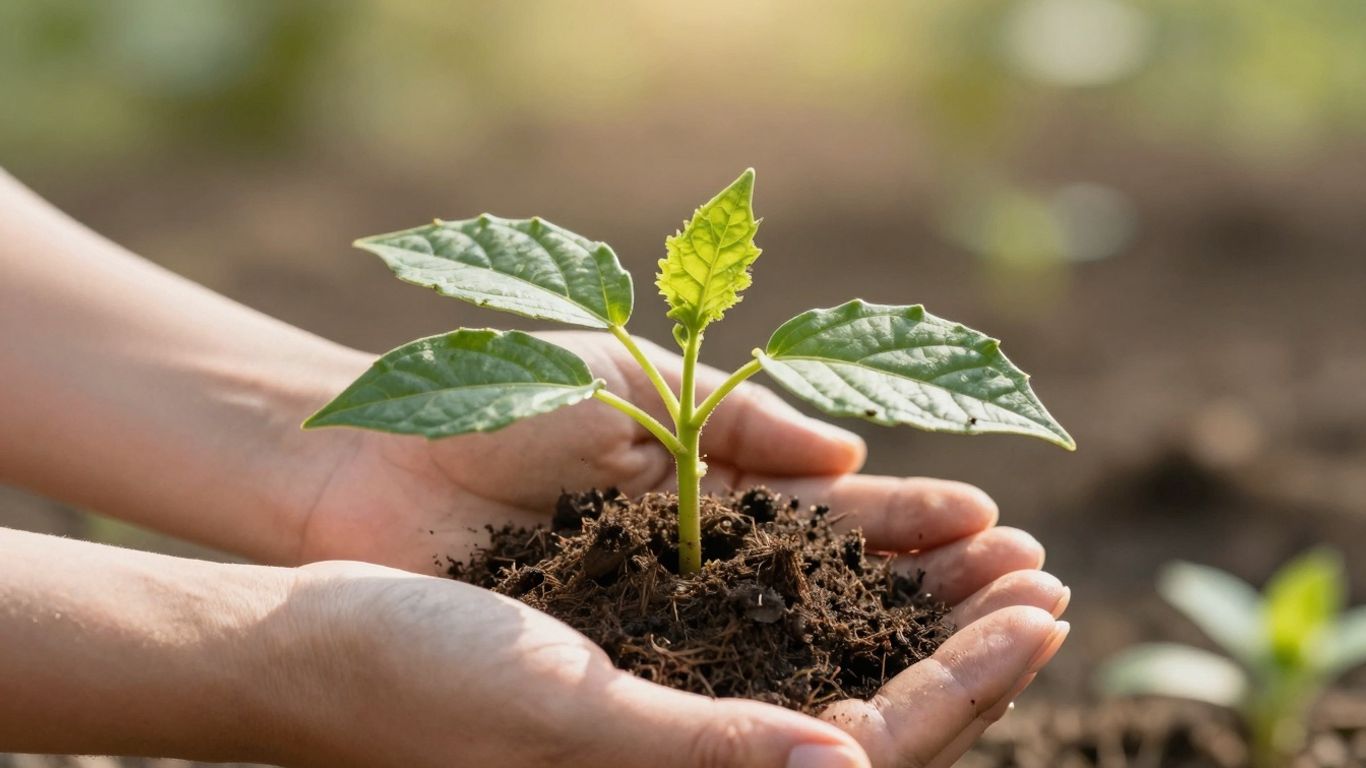
It's pretty easy to forget how much energy and water we use without even thinking about it. But small changes can really add up. Being mindful of our daily habits is key to a greener lifestyle.
Turn Off Switches When Not In Use
Did you know that a lot of electricity gets used by devices even when they're off? This is called 'standby power,' and it's like leaving a tiny light on all the time. TVs, computers, game consoles – they all sip power when plugged in but not actively used. It might seem small, but over time, it's a significant amount of wasted energy. So, get in the habit of flipping the switch on power strips or unplugging devices when you're done with them. It's a simple step that makes a difference.
Turn Off Taps When Not In Use
Water is precious, and we often let it run unnecessarily. Think about brushing your teeth or washing dishes. Letting the tap flow freely during these times wastes gallons of water. A simple habit change, like turning off the tap while you brush or lathering up, can save a surprising amount. If you notice any drips from your faucets, it's worth looking into fixing those leaky faucets and pipes, as even a small drip can waste a lot of water over time.
Choose Energy-Efficient Appliances
When it's time to replace an old appliance, look for ones that are designed to use less energy. These are often labeled with an energy efficiency rating. While they might cost a bit more upfront, they'll save you money on your utility bills in the long run and reduce your environmental footprint. Don't just go for the biggest or fanciest model; pick one that fits your actual needs. Sometimes, simpler is better for both your wallet and the planet.
Embrace Sustainable Living Practices
Living a more sustainable life doesn't mean you have to completely overhaul everything you do. It's about making conscious choices that add up. Think about your daily habits and how you can tweak them to be a little kinder to the planet. It’s really about finding a balance that works for you and your household.
Support Plant-Based Meals
Food production has a big footprint, and cutting back on meat and dairy can make a real difference. You don't have to go fully vegetarian or vegan overnight. Try incorporating more plant-based meals into your week. Maybe start with one or two meat-free days. Adding more vegetables and legumes to your plate is good for you and good for the Earth. It's a simple shift that helps reduce the strain on land and water resources.
Grow Your Own Garden
Even a small garden can have a big impact. Growing your own herbs, vegetables, or fruits means less packaging and fewer food miles. Plus, there's something really satisfying about eating food you've grown yourself. If you don't have a yard, consider a balcony garden or even some indoor plants. They not only provide fresh produce but also help clean the air inside your home. It’s a great way to connect with nature, even in an urban setting. You can find resources for starting a garden online, like tips for beginners.
Donate Clothes For Recycling
Fast fashion contributes a lot to waste. When clothes end up in landfills, they can release harmful gases. Instead of tossing old clothes, consider giving them a second life. Many charities accept clothing donations, and there are also textile recycling programs. This reduces the need to produce new garments, saving water and energy. It’s a win-win: you declutter your closet, and someone else gets to use your pre-loved items. Think about checking out a local thrift store or clothing exchange.
The Power Of Collective Action
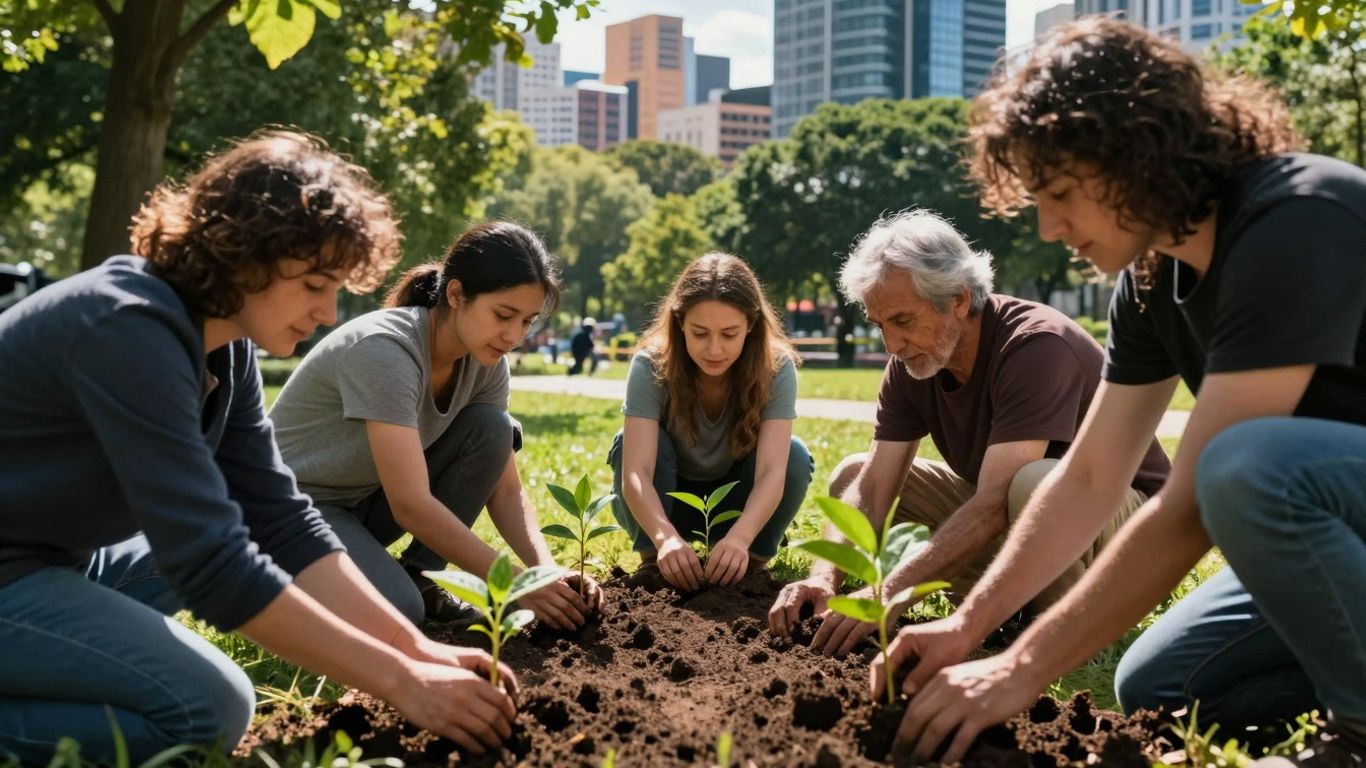
It's easy to feel like one person can't make much of a difference when we're talking about big environmental issues. But that's really not the case. When we all pitch in, even with small actions, it adds up to something huge. Think about it like a single drop of water versus a whole ocean – each drop matters, right?
Make Every Day Earth Day
Sure, April 22nd is a special day to focus on our planet, but why limit our good habits to just one day a year? We can make every day a little bit like Earth Day. It’s about weaving eco-friendly choices into our regular routines. This could be as simple as remembering to bring your reusable bags to the grocery store or choosing to walk instead of drive for short trips. These aren't massive sacrifices, but they do add up. When lots of people do these small things consistently, it creates a real shift.
Volunteer For Local Cleanups
Getting involved in your community is a fantastic way to see the impact of collective action firsthand. Joining a local cleanup event, whether it's at a park, beach, or riverbank, directly tackles pollution and makes your neighborhood a better place. Plus, you get to meet other people who care about the environment, which can be really motivating. It's a hands-on way to contribute and see the immediate results of your efforts.
Buy From Eco-Conscious Brands
Your wallet has power! When you choose to buy products from companies that are genuinely trying to be sustainable, you're sending a message. You're telling businesses that you care about how things are made, where they come from, and what impact they have on the planet. Look for brands that are transparent about their practices, use recycled materials, or have ethical sourcing policies. It might take a little extra research, but supporting these businesses helps them grow and encourages others to follow suit.
The truth is, individual actions, when multiplied by millions, become a powerful force for change. Don't underestimate the ripple effect of your choices. What you do today can inspire others and contribute to a much larger movement towards a healthier planet.
Rethink Your Transportation Habits
Our daily commutes and travel choices have a bigger impact on the planet than we might think. The way we get around contributes significantly to air pollution and greenhouse gas emissions. But don't worry, making some simple adjustments can really help.
Bike Or Walk Instead Of Driving
If your destination is close by, ditching the car for a walk or bike ride is a fantastic idea. Not only is it great exercise, but it also means zero emissions. Plus, exploring your neighborhood on foot or two wheels can be surprisingly peaceful. Some towns are really set up for this, making it super safe and easy. It's a win-win for your health and the environment.
Carpool Or Try Public Transportation
When driving is unavoidable, think about sharing the ride. Carpooling cuts down on the number of cars on the road, which means less traffic and less pollution. If your area has good public transit options like buses or trains, give them a shot. Using public transportation is like a big group carpool, and it makes a real difference. In the US, public transit saves billions of gallons of gasoline every year, which is pretty amazing when you think about it. It's a smart way to reduce your carbon footprint and help create more sustainable and efficient transport networks.
Work Remotely When Possible
Remote work has become a game-changer for many. If your job allows you to work from home, even just a few days a week, you eliminate your commute entirely. This means no gas burned, no emissions released. Think about the cumulative effect if many people could do this! Even if you prefer going into the office, consider if remote work is an option for some of your tasks. It's a simple change that has a significant positive impact on the environment.
Making conscious choices about how we travel is one of the most direct ways we can reduce our personal impact on the planet. Every trip taken without a car is a step towards cleaner air and a healthier Earth.
It's time to think differently about how you get around. Small changes in your daily travel can make a big difference for the planet. Consider swapping your car for a bike, taking public transport more often, or even carpooling with friends. These simple steps help reduce pollution and create healthier communities for everyone. Ready to explore greener ways to travel? Visit our website to discover more.
Keep the Green Going
So, we've talked about a bunch of ways to help out our planet, from ditching single-use plastics to saving a little energy at home. It might seem like a lot, but honestly, it's about making small changes that add up. Think of it like this: if everyone just did one or two of these things, imagine the difference we could make together. It’s not just about one special day; it’s about building habits that stick. Let’s keep this momentum going, not just for ourselves, but for everyone who comes after us. Our Earth is pretty amazing, and it deserves our care every single day. Ready to make a difference? The planet's counting on us.
Frequently Asked Questions
What are some easy ways to cut down on plastic use?
Using reusable bags for shopping, carrying your own water bottle, and choosing products with less packaging are simple steps. You can also bring your own reusable straws and cutlery when you're out and about.
Why is recycling so important?
Recycling helps save energy and natural resources. When we recycle items like plastic, paper, and glass, they can be made into new products, which means less waste goes into landfills and less new material needs to be created.
How can I save energy at home?
Simple habits like turning off lights and electronics when you're not using them make a big difference. When it's time to buy new appliances, look for ones that use less electricity.
What's the deal with composting?
Composting is like making super soil food from your kitchen scraps and yard waste. It keeps trash out of landfills, helps your garden grow healthy, and is good for the environment.
How does eating more plant-based meals help the Earth?
Raising animals for meat and dairy uses a lot of land and water and creates greenhouse gases. Eating more vegetables, fruits, and grains can lower your environmental impact and is often healthier too!
What does 'collective action' mean for saving the planet?
It means that when many people do small things together, it adds up to a big change. Joining local cleanups, supporting eco-friendly businesses, and spreading the word about saving the Earth all contribute to a healthier planet for everyone.