
Real-World Carbon Neutral Examples: Inspiring Companies Leading the Way

It feels like everyone is talking about being green these days, right? But what does that actually look like for big companies? It's not just about recycling bins anymore. Some businesses have really gone all in, making sustainability a core part of what they do. We're talking about companies that are actively working to be carbon neutral, not just talking about it. Let's look at some real carbon neutral examples that show how businesses can actually make a difference.
Key Takeaways
- Patagonia shows that making eco-friendly products and being open about how things are made builds serious customer trust.
- Interface Inc. proved that manufacturing can be done with a zero-footprint goal, using smart materials and closed-loop systems.
- Unilever integrates green practices across its many brands, cutting down on plastic and making production sites carbon-neutral.
- Ørsted's big move from fossil fuels to offshore wind power is a solid example of changing an entire industry for the better.
- Google aims for carbon-free operations and invests in green tech, showing that even huge tech companies can prioritize the planet.
Patagonia: Sustainability Woven Into Brand Identity
Patagonia isn't just a company that sells outdoor gear; it's practically synonymous with environmental responsibility. From the very beginning, the founders built the business around a core idea: make great stuff, but don't trash the planet doing it. This isn't some add-on marketing ploy; it's baked into everything they do.
Mission-Driven Product Development
At Patagonia, the philosophy is that the most sustainable product is the one you already own. This means they focus on making things that last. We're talking durable materials, designs that don't go out of style after one season, and a real emphasis on repairability. They even have a program called Worn Wear where you can send back used gear. Patagonia then cleans it up, fixes it, and resells it. It’s a smart way to keep clothes out of landfills and build a community that cares about the same things. In 2022 alone, this program saved about 45 tons of clothing from ending up in the trash.
Activism and Environmental Advocacy
Patagonia doesn't shy away from speaking out about environmental issues. They've famously donated 1% of their sales to environmental groups for decades through their "1% for the Planet" initiative, contributing over $140 million since 1985. They've also been vocal about climate change and conservation efforts. Their commitment goes beyond just donating money; they actively encourage their customers to think twice before buying new. Remember that "Don't Buy This Jacket" ad? That was Patagonia, urging people to consider the impact of their purchases. It’s a bold move that really highlights their dedication to a more sustainable future.
Transparency in Operations
Being open about how things are made is a big deal for Patagonia. They share information about their supply chain and their efforts to reduce their environmental footprint. For instance, they've set goals to cut emissions from their own operations and the electricity they buy. They aim for an 80 percent reduction by 2030, using 2017 as a starting point. This kind of openness helps build trust and shows they're serious about making a difference. It’s a good example for other businesses looking to improve their own environmental practices, perhaps by looking into sustainable business opportunities.
The company's dedication to environmental causes isn't just a side project; it's the main event. They've even transferred ownership to a trust and a nonprofit to ensure profits continue to fund environmental protection efforts. This shows a deep-seated belief in using business as a force for good.
Interface Inc.: Redefining Manufacturing with 'Mission Zero'
Pioneering Zero Negative Footprint Goals
Back in the 1990s, Interface, a big name in carpet tiles, decided to do things differently. The founder, Ray Anderson, had this idea to make the company's environmental impact zero by the year 2020. It was called "Mission Zero," and it was a pretty bold goal for a manufacturing company at the time. They wanted to stop causing harm to the planet through their operations. This wasn't just about looking good; it was a fundamental shift in how they did business, moving away from the old 'take-make-waste' model.
Innovation in Sustainable Materials
Interface really put their thinking caps on when it came to materials. They developed things like CircuitBac Green, a carpet backing that uses recycled and plant-based stuff. What's cool about it is that it actually has a negative carbon footprint, meaning it helps take carbon out of the air. They also have this program called ReEntry®, which is basically a fancy recycling system for old carpet tiles. Since 1995, they've managed to keep over 226,000 tons of old carpet out of landfills. That's a lot of waste avoided!
Commitment to Closed-Loop Systems
Thinking in cycles is a big part of what Interface does. They've worked hard to create systems where old products can be brought back and turned into new ones. This idea of a circular economy is key to their strategy. They don't just want to reduce waste; they want to reuse and recycle as much as possible. This approach not only cuts down on environmental damage but also makes good business sense by conserving resources. Their efforts have led to significant reductions in greenhouse gas emissions intensity, with a 96% drop achieved by 2020. They also powered all their factories with 100% renewable electricity that same year, showing a real commitment to clean energy sources.
The company's sustainability journey didn't stop with 'Mission Zero.' They've since moved on to an even more ambitious goal called 'Climate Take Back,' which aims to actively reverse climate change by using their business practices to restore the planet.
Unilever's Sustainable Living Brands

Unilever, a giant in the consumer goods world, has really shown how big companies can make a difference. They've got a ton of brands under their umbrella, like Dove, Ben & Jerry's, and Hellmann's, and they've been busy weaving sustainability right into how they do business. It's not just a side project; it's a core part of their strategy.
Integrating Sustainability Across Brands
Unilever's approach is pretty neat. They created the "Sustainable Living Plan" a while back, aiming to grow their business without growing their environmental impact. The idea is that brands with a clear purpose, whether it's social or environmental, tend to connect better with people and grow faster. And guess what? It seems to be working. Brands that actively put sustainability into their products and marketing have seen some serious growth, outperforming others in their portfolio. It's like they figured out that doing good can also be good for business.
Reducing Plastic Packaging Waste
One big area they've tackled is plastic. We all know plastic waste is a huge problem, and Unilever has been working hard to cut down. Since 2019, they've managed to get rid of over 100,000 tons of plastic packaging. Their goal is to make sure all their plastic packaging can be reused, recycled, or composted by 2025. This kind of commitment is what we need to see more of across the industry.
Achieving Carbon-Neutral Production
Beyond just packaging, Unilever has also made strides in their production facilities. By 2020, they had already achieved carbon-neutral production sites on five different continents. This is a massive undertaking, showing a real dedication to reducing their carbon footprint. It's a clear sign that large companies can lead the way in environmental responsibility.
The company's strategy shows that sustainability isn't just a buzzword; it's a practical way to innovate, connect with consumers, and build a more resilient business for the future. They're proving that purpose and profit aren't mutually exclusive.
Ørsted's Transformative Shift to Renewable Energy
Transitioning from Fossil Fuels
It's pretty wild to think about, but Ørsted, a Danish energy company, used to be one of Europe's biggest users of coal. Seriously. But they decided to completely flip the script. Instead of just tweaking things around the edges, they went for a total overhaul, selling off their fossil fuel businesses and pouring all their energy into renewables. This wasn't a small move; it was a fundamental change to their entire business model. This bold pivot shows that a complete business reorientation is not only possible but can lead to significant success. It’s a powerful example of how a company can shed its past and embrace a greener future.
Pioneering Zero Negative Footprint Goals
Ørsted didn't just aim to be less bad; they aimed for zero negative impact. Their 'Mission Zero' initiative was all about getting to a point where their operations didn't harm the environment. This involved a lot of hard work and smart decisions. They focused on offshore wind power, which is a massive undertaking, but they saw it as the future. It’s about setting really ambitious targets and then figuring out how to actually hit them, which is easier said than done.
Measurable Impact in Offshore Wind
By 2023, Ørsted had made incredible progress. Almost all of their energy generation, a staggering 99%, came from renewable sources. They've built and operate offshore wind farms all over the world, with a huge capacity of 7.6 GW. And the numbers speak for themselves: they've cut their CO2 emissions by 87% since 2006. That's a massive reduction. It really highlights how focusing on offshore wind can make a tangible difference.
Here's a look at their progress:
- 2006: High reliance on fossil fuels.
- 2023: 99% of energy generation from renewables.
- CO2 Emission Reduction: 87% decrease since 2006.
The company's journey demonstrates that profitability and a climate-neutral approach can absolutely go hand in hand. It's not about choosing between making money and saving the planet; it's about finding ways for them to work together.
Driving Growth Through Green Energy
Ørsted's transformation wasn't just about environmental responsibility; it was also a smart business strategy. By investing heavily in renewable energy, especially offshore wind, they positioned themselves as a leader in a rapidly growing market. They've shown that embracing sustainability can actually be a major driver of growth and profitability. They also look for opportunities in new areas like green hydrogen, which helps ensure they stay relevant and competitive in the long run. This kind of forward-thinking is what makes them such an inspiring example for companies looking to transition. They also focus on integrating biodiversity protection into their projects, as seen in their work in Taiwan, showing a commitment to broader environmental stewardship beyond just energy generation.
Google's Commitment to Carbon-Free Operations
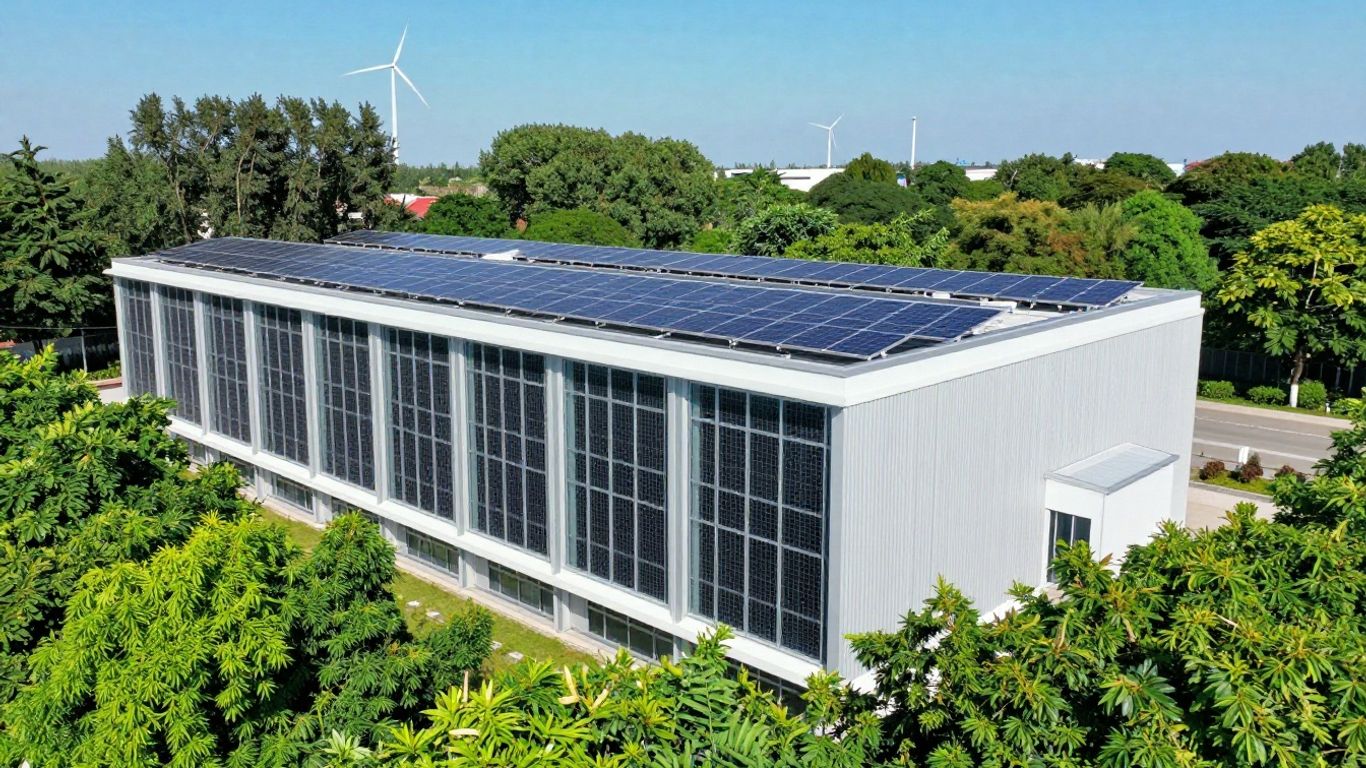
When you think about big tech companies and their environmental impact, Google often comes up. And for good reason. They've been pretty upfront about their efforts to run their massive operations without adding to carbon emissions. It’s not just a side project for them; it’s deeply embedded in how they operate.
Achieving 100% Renewable Energy Use
Back in 2017, Google hit a major milestone: they started powering their entire global operations with 100% renewable energy. This wasn't a small feat, considering the sheer amount of energy needed to run data centers and offices worldwide. They achieved this by buying enough wind and solar power to match their annual electricity consumption. It’s a pretty impressive example of how large companies can shift their energy sources.
Maintaining Carbon Neutrality
Beyond just using renewables, Google has also been carbon neutral since 2007. This means they’ve been actively offsetting any emissions they can’t eliminate. But they aren’t stopping there. Their next big goal is to run on carbon-free energy 24/7 by 2030. This is a huge step, aiming to eliminate their carbon footprint entirely, not just offset it. It shows a commitment to a cleaner future that goes beyond what's currently required.
Investing in Sustainable Technology
Google isn't just focused on its own operations; they're also putting money into technologies that help the planet. This includes supporting projects that remove carbon from the atmosphere and investing in research for new clean energy solutions. They believe that technology can play a big role in solving environmental problems.
The company's approach shows that ambitious environmental goals are achievable, even for a global tech giant. It's about making sustainability a core part of the business strategy, not just an add-on.
Here's a quick look at their progress:
- 100% Renewable Energy: Achieved in 2017, matching electricity use with renewable purchases.
- Carbon Neutrality: Maintained since 2007 through offsets.
- 24/7 Carbon-Free Energy Goal: Aiming for this by 2030, a significant step towards zero emissions.
- Investment: Funding environmental projects and clean tech innovation.
Google's journey highlights how significant environmental progress can be made through dedicated effort and investment in sustainable business practices. Their work is a good indicator of the direction the tech industry is heading regarding climate-focused initiatives.
Beyond Meat: Reducing Environmental Impact Through Plant-Based Alternatives
Beyond Meat has really made a splash in the food world, offering alternatives to traditional meat that aim to be kinder to the planet. It’s not just about making burgers that taste like the real thing; it’s about tackling some pretty big environmental issues that come with raising livestock. You know, things like land use, water consumption, and, of course, those greenhouse gas emissions.
Addressing Greenhouse Gas Emissions
This is a big one. Traditional meat production is a major source of greenhouse gases. Beyond Meat's approach is to create products from plants, which, when you look at the whole picture, can significantly cut down on these emissions. The company's plant-based burgers produce substantially fewer greenhouse gases compared to conventional beef. It’s a pretty compelling argument for anyone thinking about their carbon footprint. For more details on how this stacks up, you can look into the life cycle assessments of their products, which show where the impacts lie [22f3].
Developing Sustainable Food Solutions
Beyond Meat is focused on creating food that’s not only appealing but also part of a more sustainable food system. They’re working with ingredients like pea protein and other plant sources to build their products. This means less reliance on resources that are strained by animal agriculture. It’s about rethinking what’s on our plates and how it gets there.
Consumer-Focused Innovation
What's interesting is how Beyond Meat tries to make these sustainable choices easy for consumers. They're not asking people to completely change their eating habits overnight. Instead, they offer familiar formats like burgers and sausages, just made differently. This makes it simpler for folks to try out plant-based options without feeling like they're sacrificing taste or convenience. It’s a smart way to encourage change, one meal at a time. The goal is to make plant-based eating accessible and appealing to a wider audience, helping to shift the food industry towards more sustainable practices [8cc3].
The Body Shop: Ethical Sourcing and Cruelty-Free Practices
Commitment to Natural Ingredients
The Body Shop has always been about using what nature gives us. They focus on ingredients that are good for you and, importantly, good for the planet. Think plant-based goodness, sourced responsibly. It’s not just about what goes into the product, but where it comes from and how it’s grown. This approach means they often work with smaller communities, helping them thrive.
Strict Anti-Animal Testing Policy
This is a big one for The Body Shop. They were one of the first companies to really push back against animal testing in cosmetics. They've been campaigning against it for decades, and it's a core part of their identity. It’s not just a policy; it’s a movement they’ve helped lead. This commitment means you can use their products knowing no animals were harmed in the process. It’s a pretty straightforward ethical stance that a lot of people connect with.
Supporting Local Communities
Beyond just the ingredients, The Body Shop puts effort into how they source them. They have a program called Community Fair Trade, which is all about building fair relationships with suppliers. This isn't just about buying raw materials; it's about supporting the people who grow and harvest them. They aim to provide fair wages, safe working conditions, and help communities develop.
Here’s a look at some of their Community Fair Trade partnerships:
- Shea Butter from Ghana: Supporting women's cooperatives.
- Essential Oils from Kenya: Working with local farmers.
- Handicrafts from Nepal: Empowering artisans.
This way of doing business shows that a company can be successful while also doing good in the world. It’s a model that shows how business can be a force for positive change, much like the efforts seen in sustainable fashion.
The Body Shop's approach highlights that ethical sourcing and cruelty-free practices aren't just buzzwords. They are foundational elements that build trust and loyalty with consumers who care about where their products come from and the impact they have. It’s about making conscious choices that align with personal values.
The Body Shop is known for being a company that cares about where its ingredients come from and making sure its products are never tested on animals. They work hard to be good to the planet and all living things. Want to learn more about companies that are making a difference? Visit our website to explore how businesses can be more responsible.
So, What's the Takeaway?
Looking at companies like Patagonia, Interface, and Unilever, it's pretty clear that being good to the planet and being a successful business aren't mutually exclusive. These companies show us that weaving sustainability into what you do, right from the start, can actually be a smart move. It's not just about looking good; it's about building something that lasts, connecting with customers who care, and honestly, just doing the right thing. The journey might seem tough, but seeing these examples makes you think it's totally doable. It’s about making those first steps, no matter how small, and building from there. The planet, your customers, and your business will thank you for it.
Frequently Asked Questions
What does it mean for a company to be carbon neutral?
Being carbon neutral means a company has reduced its carbon dioxide emissions as much as possible and then offsets the rest. They do this by either removing carbon from the atmosphere or investing in projects that prevent emissions, like planting trees or using clean energy.
Why are companies focusing on sustainability?
Companies are focusing on sustainability because people care more about the planet. Also, using resources wisely and reducing waste can actually save companies money in the long run. It also helps them build a better image and attract customers and employees who share these values.
How can a small business become more sustainable?
Even small businesses can make a difference! They can start by using less energy, like switching to LED lights, reducing paper use, recycling, and choosing eco-friendly shipping options. They can also support local suppliers who care about the environment.
What is 'greenwashing'?
Greenwashing is when a company pretends to be more environmentally friendly than it actually is. They might use fancy words or pictures of nature in their ads, but their actions don't really help the planet. It's important to look for proof of what a company is actually doing.
Are sustainable products more expensive?
Sometimes, sustainable products might cost a little more upfront because they use better materials or ethical production methods. However, many sustainable products are made to last longer, which can save you money over time. Plus, the environmental benefits are often worth the small extra cost.
How do companies measure their carbon footprint?
Companies measure their carbon footprint by tracking all the greenhouse gases they produce from things like energy use, transportation, and making their products. They then add all these emissions up to get a total number. This helps them see where they can make improvements.