
Protecting NYC's Water: An Inside Look at the Watershed NYC Program
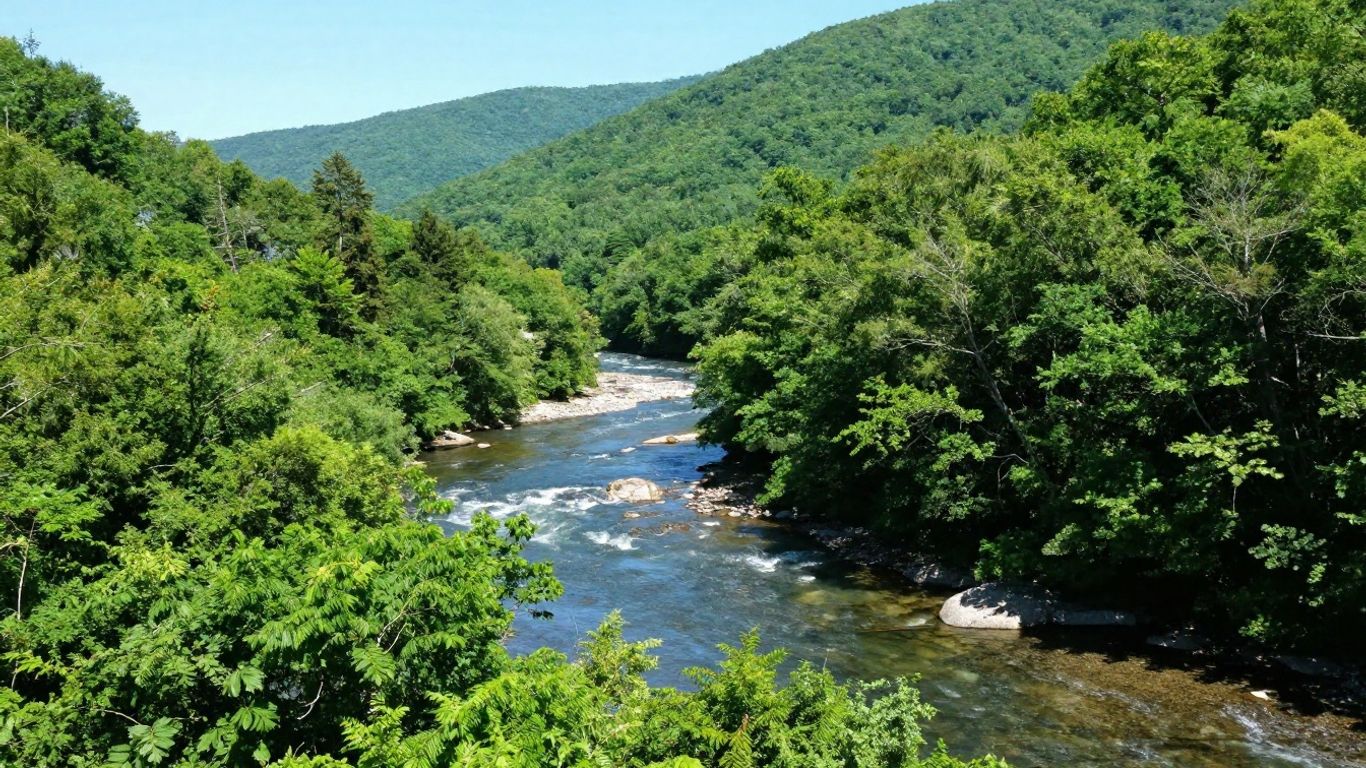
New York City's water comes from pretty far away, up in the Catskills and other areas. It's a huge system, and keeping that water clean involves a lot of people and a lot of land. The Watershed NYC Program is basically the city's way of looking after this massive water source. It's not just about pipes and treatment plants; it's about what happens way upstream. This program tries to make sure the water is good quality before it even gets close to the city. Let's take a peek at how it all works.
Key Takeaways
- The Watershed NYC Program works to keep the city's drinking water clean by protecting the areas where it comes from, far upstate.
- This program has been pretty good at keeping the water quality high, even during big storms.
- While water quality is a success, there's less proof that the program has really helped the communities living in the watershed areas.
- Protecting forests and wetlands is a big part of the plan, acting as natural filters for the water.
- The program involves many different groups, from city folks to people living in the watershed, and balancing their needs is important.
Understanding the Watershed NYC Program
Defining the Watershed
So, what exactly is a watershed? Think of it as a giant natural basin. All the rain and snowmelt that falls within a specific area eventually drains into a common body of water – like a reservoir, a lake, or a river. Whether your tap water comes from a surface source or underground, you're living in a watershed. As water moves across the land, it can pick up minerals and, unfortunately, contaminants from both nature and our own activities. These pollution sources can be either 'point' (like a pipe from a treatment plant) or 'nonpoint' (spread out, like runoff from farms or streets). The key idea behind watershed protection is to stop these pollutants from reaching our water supplies in the first place. It's all about managing how we use the land to keep our water clean.
The Importance of Watershed Protection
Protecting New York City's water supply is a pretty big deal. We're talking about the largest unfiltered water system in the entire world, providing clean drinking water to millions of people every single day. The New York City Watershed Program was set up specifically to look after these vital water sources. It's not just about the water itself, though. Healthy watersheds mean healthy ecosystems, which in turn support biodiversity and can even help with things like flood control. It's a complex system where what happens upstream directly impacts what comes out of your faucet downstream. Maintaining the quality of this water is paramount for public health and the environment.
Stakeholders in the Watershed NYC System
When you think about who's involved in the NYC watershed, it's a pretty diverse group. You've got the nine million city dwellers who rely on the water, of course. But then there are also nearly a quarter-million people living in the older Croton Watershed area and tens of thousands more in the more rural Catskill/Delaware Watershed. Add to that all the plants, animals, and natural landscapes that make up the ecosystem itself. This mix means that protecting the water requires a careful balancing act between the needs of urban and rural communities, and upstate versus downstate interests. It's a shared resource, and everyone has a role to play.
Here's a quick look at who's involved:
- Urban Consumers: The millions of New Yorkers who drink the water daily.
- Upstate Residents: People living in the Catskill/Delaware and Croton watershed regions.
- Environmental Advocates: Groups focused on conservation and ecosystem health.
- Agricultural Community: Farmers whose land use practices can impact water quality.
- NYC Department of Environmental Protection (DEP): The agency responsible for managing the system.
The success of watershed protection hinges on collaboration. It's about finding ways for different groups to coexist and manage the land in a way that benefits everyone, especially the water supply.
Successes and Challenges of Watershed NYC
Maintaining Water Quality
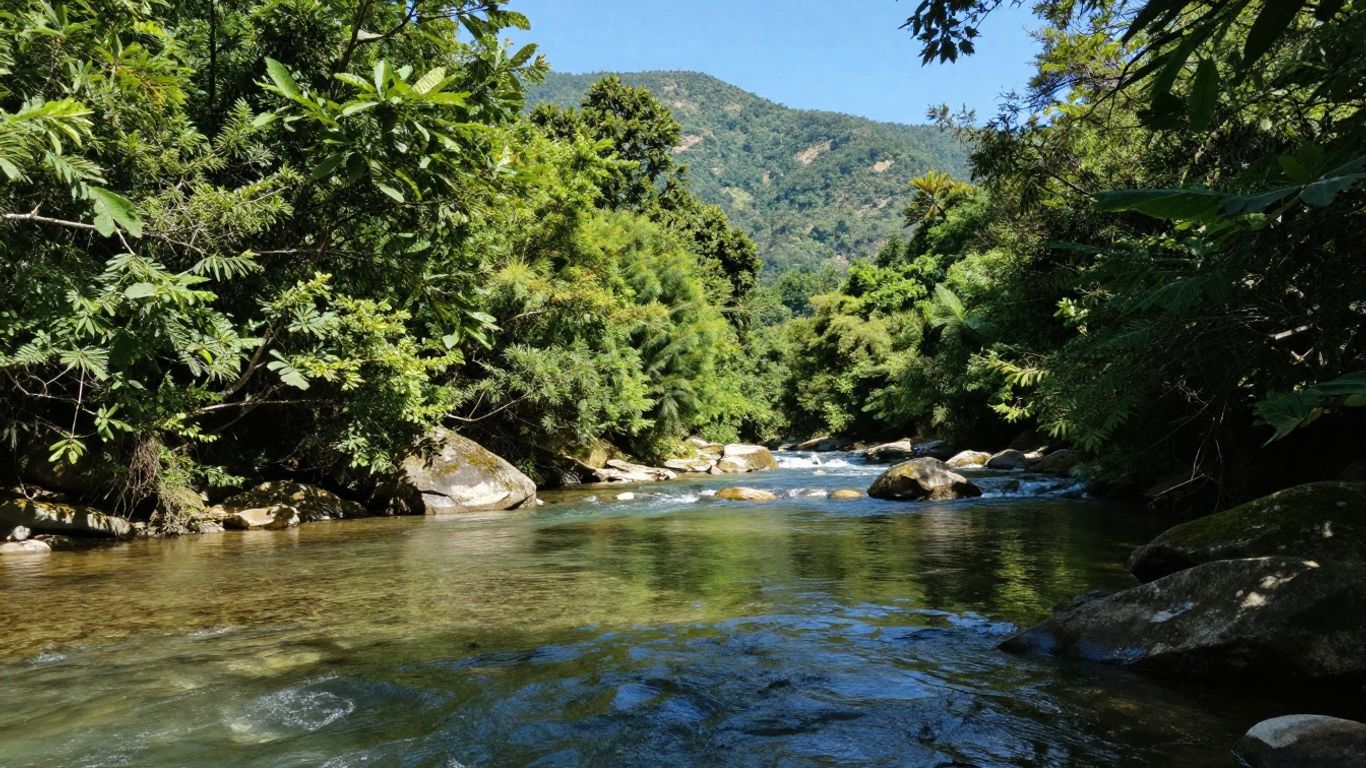
The New York City Watershed Protection Program has been pretty successful at keeping our drinking water clean. A big review back in 2026 said the program has done a good job protecting water quality since it started. It seems like the system can handle even rough weather, like those big storms a few years back, and still keep the water safe. The city's water system appears able to more than adequately protect the quality of drinking water sources. However, there are still things to watch out for, like changes in water quality due to climate change and keeping an eye on turbidity. It's a constant effort, you know?
Enhancing Community Vitality
This is where things get a bit more complicated. While the water quality side of things is looking good, the program hasn't shown as much success in boosting the life and energy of the communities within the watershed. Despite putting money into the program and infrastructure, the impact on community vitality hasn't been as clear. It's a tough balance, trying to protect the water while also supporting the people who live in the watershed. There's definitely room for improvement here, and it's something the Department of Environmental Protection (DEP) is looking into.
Addressing Future Challenges
Looking ahead, there are a few key areas that need more attention. The National Academies report pointed out that improvements to the Watershed Agricultural Program, the Septic System Program, and the Land Acquisition Program would be really beneficial. These programs are important for keeping things running smoothly and preventing problems before they start. It's all about making sure the water supply stays top-notch for everyone, now and for generations to come. The DEP has a long-term plan to manage these challenges, focusing on both protecting the water and working with the folks in the watershed. It's a complex system with many different people involved, and finding that balance is key. You can learn more about Whole Farm Planning which is one of the ways they work with farmers.
Protecting our water is a big job that involves a lot of different people and places. It's not just about the water itself, but also about the land and the communities that are part of the watershed. Making sure everyone's needs are considered is a big part of the process.
Natural Infrastructure in Watershed NYC
When we talk about protecting New York City's water, it's not just about pipes and treatment plants. A huge part of the story involves the natural stuff – the forests, wetlands, and open spaces that make up the watershed. These aren't just pretty landscapes; they're working hard behind the scenes to keep our water clean. Think of them as nature's own filtration system.
The Role of Forests and Wetlands
Forests and wetlands are like the lungs and kidneys of the watershed. Trees and plants soak up rainwater, slowing it down and letting it filter naturally into the ground. This process removes pollutants and reduces the amount of runoff that can carry sediment and other contaminants into our reservoirs. Wetlands, in particular, are fantastic at trapping sediment and absorbing excess water, which helps prevent flooding and keeps the water flowing steadily. These natural systems are incredibly effective at maintaining water quality and regulating water flow. They also support a ton of biodiversity, which is a nice bonus.
NYC's Watershed Forest Management Plan
New York City actually has a pretty detailed plan for managing the forests in its watershed. It's called the Watershed Forest Management Plan, and it's been around since 2011. The main goal is to keep the forests healthy so they can continue to do their job of protecting the water supply. This involves things like preventing forest fires, managing invasive species, and encouraging good forestry practices on both city-owned land and private property. It's a big undertaking, covering a huge area, and it shows how seriously the city takes this natural approach to water protection. They've even partnered with the U.S. Forest Service on this. You can find more details about this plan on the NYC DEP website.
Lessons for Climate Resilience
What's really interesting is how this focus on natural infrastructure ties into climate resilience. As the climate changes, we're seeing more extreme weather – heavier storms and longer dry spells. Healthy forests and wetlands are better equipped to handle these shifts. They can absorb more water during intense rain events, reducing flood damage, and they help maintain water levels during droughts. This approach is about building a more robust and adaptable water system for the future. It's a smart way to prepare for whatever comes next, and it shows how investing in nature can pay off in big ways for urban areas. This kind of thinking is also being applied to revitalizing public parks and open spaces, showing a broader commitment to green solutions.
Key Programs Within Watershed NYC
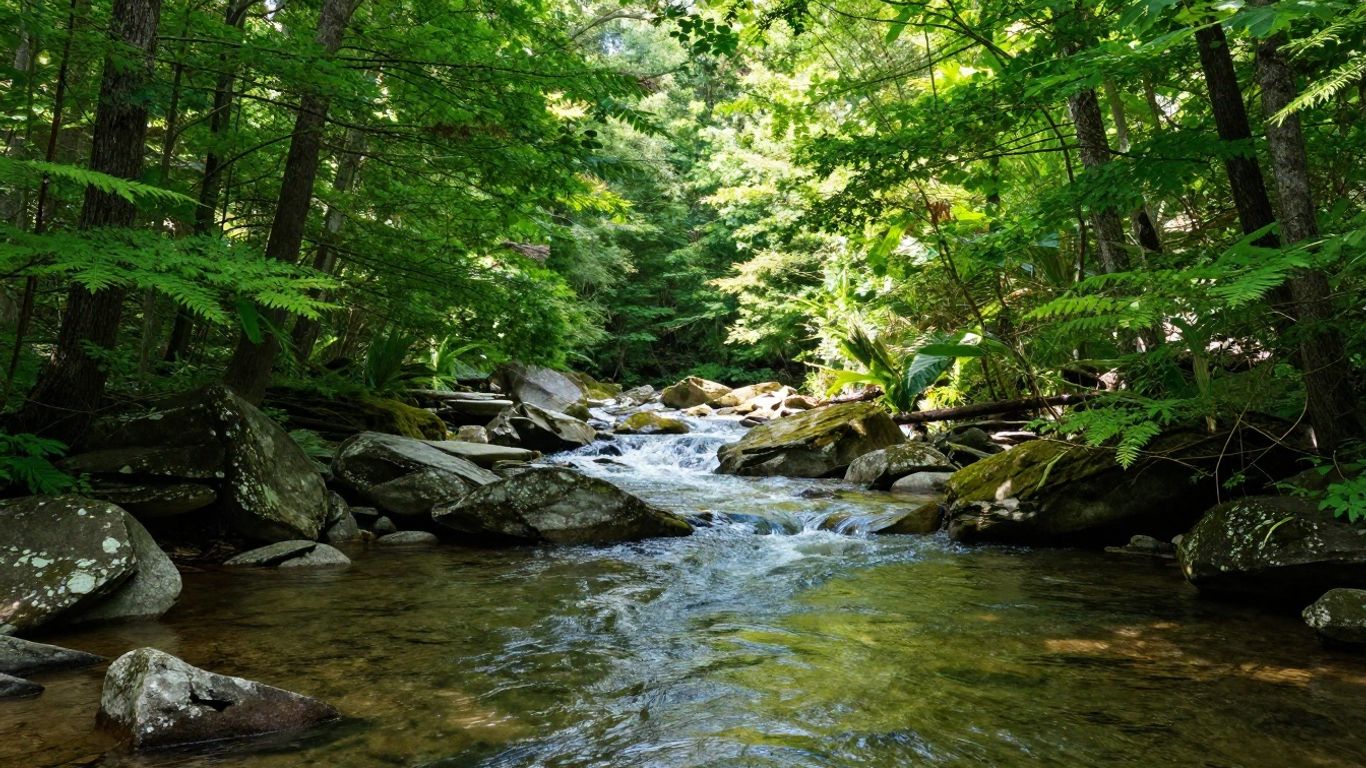
The New York City water system is pretty amazing, and a lot of that has to do with the work happening way upstate in the watershed. It's not just one big thing; there are several specific programs the NYC Department of Environmental Protection (DEP) runs to keep our water clean. These programs are designed to work with the land and the people who live there.
The Watershed Agricultural Program
This program is all about working with farmers in the watershed. Farming can sometimes lead to runoff that affects water quality, so this program helps farmers adopt practices that minimize that impact. Think cover crops, better manure management, and stream buffers. The goal is to support a healthy agricultural community while protecting the water supply. It's a partnership, really, aiming for sustainable farming that doesn't harm the water. They've had agreements with counties like Delaware County for a while now, showing a commitment to these ongoing efforts [772b].
Septic System Management
Lots of homes in the watershed, especially in more rural areas, rely on septic systems. If these systems aren't maintained, they can leak and pollute nearby streams and groundwater. The DEP helps homeowners with inspections, maintenance, and sometimes even replacement of older, failing systems. It’s a big job because there are so many of them scattered across the watershed. Making sure these systems are working right is a pretty big deal for keeping the water clean.
Land Acquisition Strategies
Sometimes, the best way to protect water quality is to own the land directly. The DEP has a land acquisition program where they buy sensitive parcels of land in the watershed. This doesn't mean they're kicking people off their farms or out of their homes; it's usually targeted purchases of land that, if developed, could pose a risk to the water supply. Protecting these areas helps maintain forests and natural landscapes that act as filters. It's a way to get ahead of potential problems before they even start. This approach is part of a larger effort to manage the vast areas that feed into our reservoirs, which are largely forested [7b0f].
These programs aren't just about stopping pollution; they're about building a relationship with the watershed and its residents. It's a long-term commitment to keeping the water supply safe and clean for millions of people.
The Long-Term Vision for Watershed NYC
Ensuring Water for Future Generations
Thinking about the future of New York City's water supply means looking way beyond today. It's about making sure that the clean water we rely on keeps flowing for our kids, grandkids, and everyone who comes after us. This isn't just about pipes and reservoirs; it's about protecting the vast natural areas that act as the city's water filter. The folks at the Department of Environmental Protection (DEP) have been working on this for a long time, with a comprehensive Long-Term Watershed Protection Program that aims to keep things clean and healthy.
Balancing Urban and Rural Interests
It's a bit of a balancing act, really. On one hand, you have millions of city dwellers who need a constant supply of good water. On the other, you have communities living right in the watershed areas, folks who have their own needs and ways of life. Protecting the water means working with all these different groups. It's about finding common ground so that everyone benefits. This involves a lot of talking and planning, making sure that what happens in the rural parts of the watershed doesn't negatively impact the water quality for the city, and vice versa.
The DEP's Comprehensive Approach
The DEP's strategy is pretty thorough. They know that a healthy watershed means healthy water. So, they focus on a few key areas:
- Protecting natural spaces: This includes managing forests and wetlands, which are nature's own water purifiers. Think of them as giant sponges and filters.
- Working with landowners: Many people live and work in the watershed, and their actions matter. Programs help farmers manage their land responsibly and assist homeowners with things like septic systems.
- Buying land: Sometimes, the best way to protect a critical area is for the city to own it. This land acquisition strategy helps preserve large tracts of forest and open space.
The whole idea is to prevent problems before they start. Instead of just cleaning up water after it's already dirty, the focus is on keeping it clean right at the source. This proactive approach saves money and, more importantly, protects the quality of the water for everyone.
It's a big job, and it requires constant attention. The city's water system is the largest unfiltered surface water system in the country, so keeping it in top shape is a huge responsibility. The DEP's commitment to this long-term vision is what helps make sure that New York City's water remains a reliable and high-quality resource for years to come. It's a good example of how environmental stewardship can work on a massive scale.
Looking ahead, our long-term goals for Watershed NYC are all about making a real difference. We're focused on creating a healthier environment for everyone. Want to learn more about our plans and how you can be a part of it? Visit our website today!
Looking Ahead
So, it seems like the NYC Watershed Protection Program has done a pretty good job keeping our water clean, which is great news for all nine million of us who drink it. The studies show it's working, even when the weather gets wild. But, like anything, there's always room for improvement. They're looking at ways to handle murky water better and deal with changes from our changing climate. Plus, making sure the farming and septic systems are top-notch, and keeping an eye on land use, will help keep things running smoothly. It’s a big job, balancing the needs of the city with the folks living upstate, but it’s clear that protecting these forests and natural areas is key to making sure we all have good water for years to come. It’s a reminder that what happens out in the watershed really does matter to all of us.
Frequently Asked Questions
What is the NYC Watershed Protection Program?
The NYC Watershed Protection Program is a big effort to keep the water that New York City drinks clean. It focuses on protecting the areas where the city's water comes from, like forests and rivers, to make sure it stays pure before it even gets to the city.
Why is protecting the watershed so important?
It's super important because this program keeps the drinking water for millions of people safe and healthy. By taking care of the land and water sources upstate, the city can avoid expensive water treatment plants and ensure a clean water supply for everyone, now and in the future.
Who is involved in protecting NYC's water?
Lots of people and groups are involved! This includes the city's water department (DEP), people who live in the watershed areas, farmers, environmental groups, and of course, the nine million people in the city who drink the water. It's a team effort.
What are some of the main ways NYC protects its water?
NYC uses natural solutions, like protecting forests and wetlands, which act as nature's filters. They also work with farmers to manage their land better, help people with septic systems, and sometimes buy land to keep it undeveloped. These are called natural infrastructure solutions.
Has the program been successful?
Yes, studies show the program has been very good at keeping the water quality high. It's even done a good job protecting water during big storms. However, there's always work to do, especially with things like climate change affecting water quality.
What does 'watershed' mean?
A watershed is basically a land area where all the rain and snowmelt drains into the same place, like a river, lake, or reservoir. Everyone lives in a watershed, and what happens on the land can affect the water quality in that area.