
Operations Management Sustainability and Supply Chain Management Heizer PDF: A Comprehensive Guide

Thinking about how businesses run their operations and manage their supply chains, especially with a focus on being good to the planet and people? It's a big topic, and the "Operations Management: Sustainability and Supply Chain Management Heizer PDF" is a go-to resource for many. This guide breaks down the complex world of making and moving goods, making sure it's done in a way that's responsible. We'll look at what makes operations tick, why being sustainable matters, and how to get your hands on this helpful PDF.
Key Takeaways
- The Heizer PDF offers a solid look at how companies manage their production and supply lines, with an eye on sustainability.
- It covers the basics of operations, from designing products to managing the day-to-day flow of work.
- The book emphasizes how to make supply chains more eco-friendly and socially responsible.
- It shows how to measure if your sustainability efforts are actually working.
- You can find this operations management sustainability and supply chain management Heizer PDF in various digital formats, often with extra study tools included.
Understanding Operations Management Sustainability and Supply Chain Management Heizer PDF
So, you've got this textbook, 'Operations Management: Sustainability and Supply Chain Management' by Heizer, Render, and Munson. It's a pretty big deal in the business world, especially if you're looking into how companies actually make and move stuff, and how they do it without wrecking the planet or treating people badly. This guide is basically your roadmap to understanding all that.
Key Concepts in Operations Management
At its heart, operations management is all about how businesses create goods and services. It's the engine room where raw materials turn into finished products or where services get delivered. Think about everything that goes into making your morning coffee – from the farm where the beans are grown, to the roaster, the shipping company, and finally, the cafe. Operations management looks at all those steps.
- Productivity: How efficiently are resources being used? More output for the same input is the goal.
- Quality: Making sure the product or service meets customer expectations.
- Efficiency: Doing things with the least amount of waste – time, money, materials.
- Innovation: Coming up with new ways to make things or deliver services.
The Role of Sustainability in Operations
This is where things get interesting. Sustainability isn't just a buzzword anymore; it's a core part of how smart businesses operate. It means thinking about the long-term impact of business decisions on the environment and society. For operations, this translates to things like reducing waste, using renewable energy, and making sure workers are treated fairly throughout the entire process.
Businesses today can't just focus on profit. They have to consider their footprint – how their actions affect the planet and the people involved, from start to finish.
Supply Chain Management Principles
Your product or service doesn't just appear out of thin air. It travels through a supply chain. This involves all the organizations, people, activities, information, and resources involved in moving a product or service from supplier to customer. Good supply chain management means making sure this flow is smooth, cost-effective, and, you guessed it, sustainable.
Here are some basic ideas:
- Supplier Relationships: Building strong, ethical partnerships with those who provide your materials.
- Logistics: Efficiently moving and storing goods.
- Demand Forecasting: Predicting what customers will want and when, to avoid overproduction or shortages.
- Risk Management: Identifying and preparing for potential disruptions, like natural disasters or political instability.
Core Components of the Heizer PDF
This section of the Heizer PDF really gets into the nitty-gritty of what operations management is all about. It breaks down the big picture into manageable pieces, making it easier to grasp how everything fits together.
Operations Strategy and Productivity
This part focuses on how a company decides to run its operations to get ahead. It's not just about making stuff; it's about making it in a way that supports the company's overall goals. Think about a company that wants to be known for super-fast delivery – their operations strategy will look very different from one that aims for the lowest prices. Productivity is a big deal here too. It's all about getting the most output for the least input. The book likely covers ways to measure this and, more importantly, how to improve it.
- Defining the competitive priorities (cost, quality, speed, flexibility).
- Aligning operations decisions with business strategy.
- Measuring and improving productivity.
The PDF emphasizes that a well-defined operations strategy acts as a roadmap, guiding all subsequent decisions and actions within the organization to achieve a competitive edge.
Designing Goods and Services
Before you can manage operations, you need to know what you're offering. This section dives into how companies come up with new products or services and how they design them to be produced efficiently and effectively. It covers everything from initial ideas to the detailed specifications needed for manufacturing or service delivery. It's about making sure what's designed can actually be made or delivered well.
Managing Operations and Supply Chains
This is where the rubber meets the road. Once the strategy is set and the products/services are designed, it's time to actually run the show. This part of the PDF covers the day-to-day management of production, inventory, quality control, and the whole network of suppliers and distributors that make up a supply chain. It’s about keeping things running smoothly, efficiently, and in line with the company’s objectives. The book likely details various techniques and tools used to keep these complex systems in check.
- Inventory control methods.
- Quality assurance processes.
- Supply chain coordination and logistics.
- Scheduling and capacity planning.
Integrating Sustainability into Operations and Supply Chains

Sustainable Supply Chain Practices
Making your supply chain greener isn't just a nice idea anymore; it's becoming a necessity. Think about where your materials come from and how they get to you. Are the suppliers treating their workers fairly? Are they using resources responsibly? These are the kinds of questions you need to ask. Companies are increasingly looking at their entire supply chain, not just their own factory walls, to reduce their environmental footprint. This involves things like choosing suppliers who are committed to ethical labor and environmental standards, optimizing transportation routes to cut down on emissions, and even looking at how products are packaged and disposed of at the end of their life. It’s a big puzzle, but piecing it together can lead to a more resilient and responsible business.
Here are some key areas to focus on:
- Supplier Selection: Develop clear criteria for choosing suppliers based on their sustainability performance, not just price.
- Logistics Optimization: Use technology to plan more efficient shipping routes and modes of transport.
- Circular Economy Principles: Design products and processes that allow for reuse, repair, and recycling.
- Transparency and Traceability: Know where your materials are coming from and be able to track them.
Environmental and Social Responsibility
Beyond just the supply chain, operations management has a direct impact on the environment and society. This means looking at energy consumption in your facilities, waste generation, and water usage. It also means considering the well-being of your employees and the communities where you operate. Are you providing safe working conditions? Are you contributing positively to the local economy? These aren't just abstract concepts; they have real-world consequences. For instance, reducing energy use not only helps the planet but also cuts down on operating costs. Similarly, investing in employee training and development can lead to higher productivity and lower turnover.
Businesses that ignore their environmental and social impact do so at their own peril. Regulations are tightening, and consumers are more aware than ever. Proactive engagement with these issues builds trust and can even become a competitive advantage.
Measuring Sustainability Performance
So, how do you know if your sustainability efforts are actually working? You need to measure them. This involves setting clear goals and tracking key performance indicators (KPIs). For example, you might track:
- Carbon Emissions: The total amount of greenhouse gases produced by your operations.
- Waste Diversion Rate: The percentage of waste that is recycled or composted instead of going to landfill.
- Water Consumption: The amount of water used per unit of production.
- Employee Safety Incidents: The number of accidents or injuries in the workplace.
Having this data allows you to see where you're succeeding and where you need to improve. It also helps you report your progress to stakeholders, whether they are investors, customers, or employees. It’s about making sustainability a tangible part of your business strategy, not just a buzzword.
Leveraging Business Analytics in Operations Management
In today's fast-paced business world, making smart decisions is key to staying ahead. That's where business analytics comes in. It's all about using data to figure out what's going on and what to do next. Think of it as having a super-powered crystal ball for your operations. This section looks at how we can use these tools to make things run smoother and smarter.
Decision-Making Tools for Operations
Operations management has a whole toolbox of analytical methods to help managers make better choices. These aren't just abstract theories; they're practical ways to tackle real problems. We're talking about things like decision trees, which help you map out different choices and their possible outcomes, or simulation models that let you test out scenarios without risking actual resources. These tools help cut through the noise and focus on what really matters.
- Decision Trees: Visualizing choices and potential results.
- Simulation: Testing strategies in a virtual environment.
- Break-Even Analysis: Finding the point where costs and revenue meet.
- PERT/CPM: Project management techniques for scheduling and control.
Applying Analytics to Big Data
We're generating more data than ever before. The trick is knowing what to do with it all. Business analytics helps us sort through this massive amount of information to find useful patterns and insights. This can mean anything from understanding customer buying habits to predicting equipment failures before they happen. For organizations dealing with extensive data, standard reporting might not cut it. Tools that can process and analyze large datasets are becoming really important. You can find more on optimizing big data analysis here.
The goal isn't just to collect data, but to turn it into actionable information that drives improvements. It's about making informed guesses based on evidence, not just gut feelings.
Forecasting and Inventory Management Analytics
Predicting the future is tough, but analytics makes it a bit easier. When it comes to inventory, accurate forecasting is a game-changer. It helps prevent having too much stock sitting around, costing money, or not having enough when customers want it. Analytics can look at past sales, market trends, and even external factors like weather to create more reliable demand forecasts. This directly impacts how much inventory you need to keep on hand, saving both space and cash.
Here's a quick look at how analytics helps:
Practical Applications and Case Studies
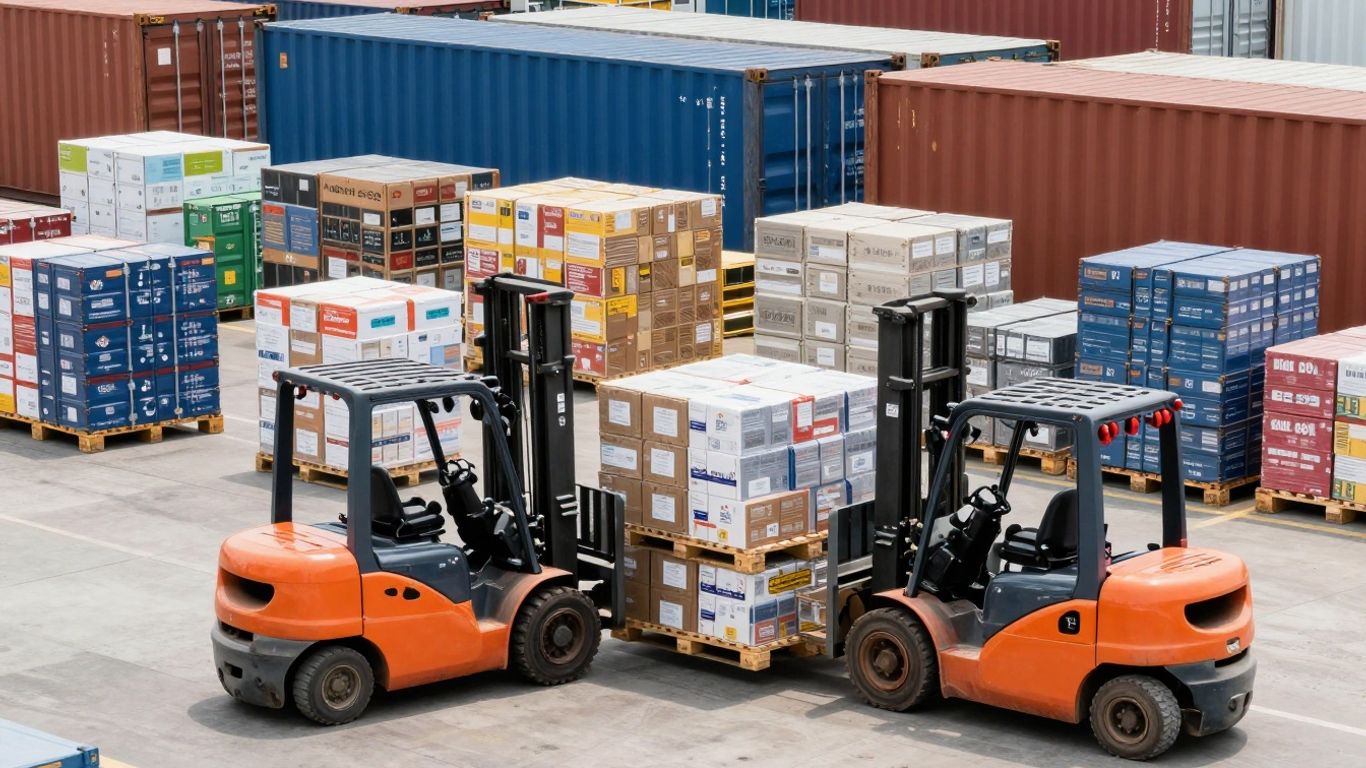
So, you've read about all the theories and concepts in the Heizer PDF, but how does it all shake out in the real world? That's where practical applications and case studies come in. It's one thing to talk about optimizing a supply chain, and another to see how a company actually did it and what the results were. This section is all about bridging that gap, showing you how businesses are putting these operations management and sustainability principles into action.
Real-World Operations Management Examples
Companies are constantly tweaking their operations to be more efficient and, increasingly, more sustainable. Think about a manufacturing plant that redesigned its assembly line to reduce waste and energy consumption. Or a logistics company that implemented a new routing system to cut down on fuel use and delivery times. These aren't just theoretical exercises; they have a direct impact on the bottom line and the environment.
Here are a few common areas where these examples pop up:
- Process Improvement: Businesses often look at their core processes, like production or service delivery, and find ways to make them faster, cheaper, or better quality. This could involve adopting lean manufacturing techniques or Six Sigma methodologies.
- Technology Adoption: Implementing new software for inventory management, using automation in warehouses, or even adopting AI for demand forecasting are all practical examples of operations management in play.
- Workforce Management: How companies schedule their employees, train them, and ensure a safe working environment are also key operational aspects that have real-world implications.
Supply Chain Optimization Strategies
Supply chains are complex beasts, and optimizing them is a huge undertaking. It's not just about getting products from point A to point B; it's about doing it in the most efficient, cost-effective, and sustainable way possible. This often involves looking at every single link in the chain, from raw material suppliers to the final customer.
Some common strategies include:
- Supplier Relationship Management: Building stronger ties with suppliers can lead to better pricing, improved quality, and more reliable delivery. It also opens doors for collaborative sustainability initiatives.
- Inventory Control: Finding the sweet spot for inventory levels is critical. Too much ties up capital, while too little can lead to stockouts and lost sales. Techniques like Just-In-Time (JIT) are often discussed here.
- Logistics and Distribution Network Design: Deciding where to place warehouses, how to transport goods, and managing the flow of products through the network can significantly impact costs and delivery speed.
The goal of supply chain optimization is to create a system that is responsive to customer needs while minimizing costs and environmental impact. It requires a holistic view, considering all parties involved and the potential ripple effects of any changes made.
Case Studies in Sustainable Operations
This is where things get really interesting. We can look at specific companies and see how they've tackled sustainability head-on within their operations and supply chains. It's not always easy, and sometimes there are trade-offs, but the results can be impressive.
For instance, consider a clothing company that decided to source all its cotton from organic farms. This might increase their material costs initially, but it reduces pesticide use and water consumption, appealing to environmentally conscious consumers. Another example could be a food producer that invested in renewable energy sources for its factories, cutting its carbon footprint significantly.
Here’s a quick look at what these case studies often highlight:
- Challenges Faced: What hurdles did the company encounter? Was it resistance from suppliers, higher upfront costs, or difficulty in measuring impact?
- Solutions Implemented: What specific actions did they take? Did they change their packaging, invest in new technology, or revise their sourcing policies?
- Outcomes and Lessons Learned: What were the results? Did they see cost savings, improved brand reputation, or better environmental metrics? What can other businesses learn from their experience?
Accessing the Operations Management Sustainability and Supply Chain Management Heizer PDF
So, you're looking to get your hands on the "Operations Management: Sustainability and Supply Chain Management" textbook by Heizer, Render, and Munson, huh? It's a pretty standard resource for anyone diving into this field, and thankfully, it's not too hard to find. The 13th edition is widely available, often in digital formats.
Digital Library and Download Options
Most likely, you'll find this book through academic digital libraries or online bookstores. Think Pearson's own platform, or other educational resource sites. They usually offer it as a direct download, which is super convenient. You can often get it as a PDF, which is great for searching and highlighting.
- PDF eBook: The most common format, easy to access on various devices.
- Instant Download: Get the material right away without waiting for shipping.
- Multiple Retailers: Check major academic book providers.
Educational Resources and Study Aids
Beyond just the main textbook, you'll often find a bunch of extra stuff designed to help you learn. These can make a big difference when you're trying to get a handle on all the concepts.
- Study Guides: These break down chapters and highlight key points.
- Test Banks: Practice questions to check your knowledge before an exam.
- Solved Problems: Worked-out examples that show you how to tackle specific issues.
Sometimes, these supplementary materials are bundled with the main text, or they might be available as separate purchases. It's worth looking around to see what package works best for your study style.
Formats and Accessibility Features
When you're looking for the Heizer PDF, pay attention to the available formats. While PDF is common, you might also see ePub or other eBook types. The good news is that many modern textbooks, including this one, are designed with accessibility in mind. This means features like text reflow, compatibility with screen readers, and descriptions for images are often included. This makes the learning experience much smoother for everyone.
Looking for the Heizer PDF on Operations Management, Sustainability, and Supply Chain Management? We can help you find the resources you need to succeed. Visit our website today to learn more and get started!
Wrapping It Up
So, we've gone through a lot about operations management, especially how it ties into sustainability and the whole supply chain. This book by Heizer, Render, and Munson really lays it all out there, from how to make things efficiently to thinking about the planet and how goods get from point A to point B. It’s not just about making stuff; it’s about making it smart and responsible. Whether you're just starting out or looking to brush up on your knowledge, this guide gives you the tools and ideas to handle the complexities of modern business operations. It’s a solid resource for anyone wanting to get a better handle on how businesses run today.
Frequently Asked Questions
What is 'Operations Management: Sustainability and Supply Chain Management' all about?
This book is like a guide that teaches you how businesses make and deliver things, from start to finish. It covers how to be good at making stuff, how to make sure the planet and people are treated well along the way, and how to get products to customers smoothly.
Why is sustainability important in making and moving products?
Sustainability means doing things in a way that doesn't harm the environment or people, and can keep going for a long time. In business, it means making products without wasting too much or polluting, and making sure workers are treated fairly. It's about being responsible.
What does 'Supply Chain Management' mean?
Think of a supply chain as all the steps it takes to get a product from where it's made to you, the customer. It includes getting raw materials, making the product, storing it, and finally delivering it. Supply chain management is about making all these steps work together really well.
What kind of topics does the Heizer book cover?
The book dives into many areas, like how to plan and design products, how to manage factories and workers, how to keep track of supplies, and how to make sure everything runs efficiently. It also shows how to use data to make smart choices.
Are there real-life examples in the book?
Yes! The book uses lots of real-world examples and case studies. This helps you see how the ideas and strategies are used by actual companies to solve problems and become better at what they do.
How can students access this book and its study materials?
You can usually find this book as a digital copy, like an eBook, or sometimes even a physical book. There are often extra learning tools available, such as study guides, practice questions, and online resources to help you learn the material better.