
Navigating the Minefield: Understanding and Avoiding Greenwashing in ESG
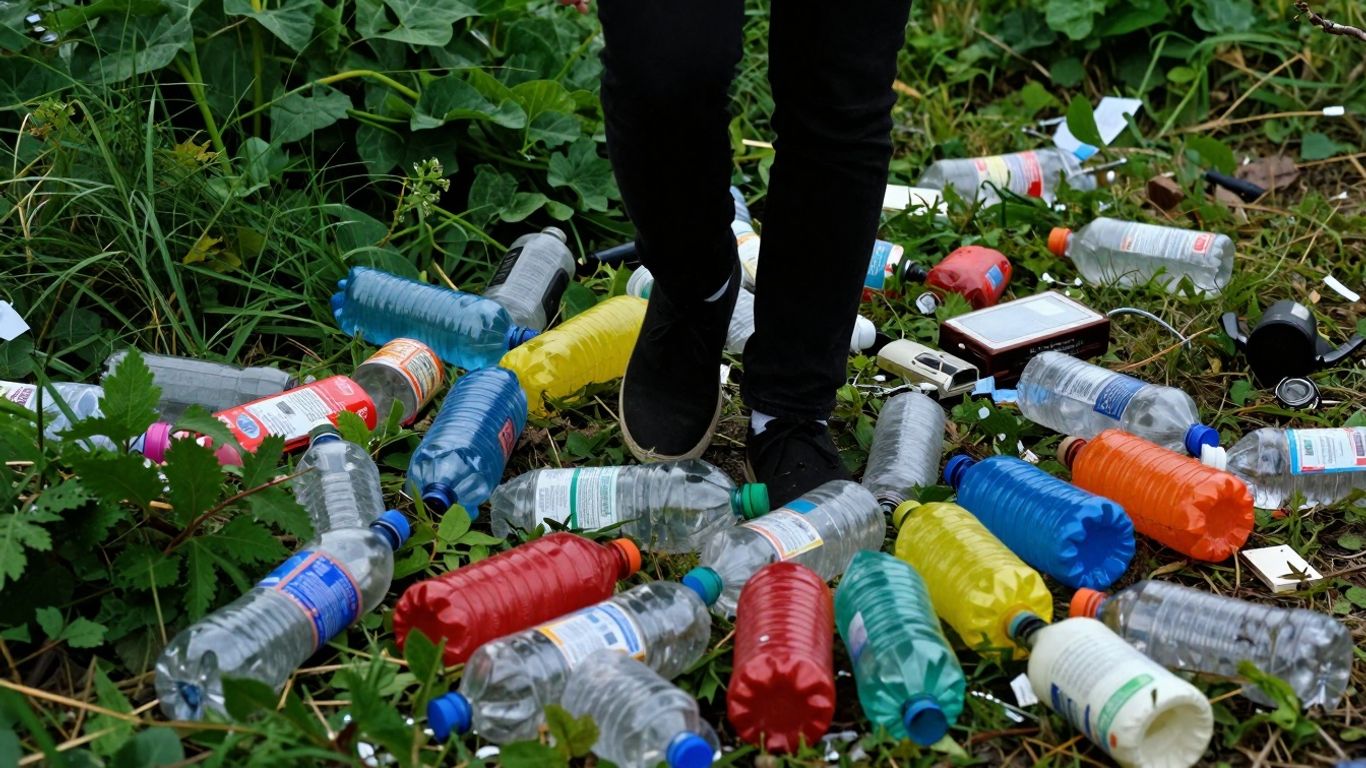
So, you've heard about ESG, right? It's the buzzword for companies trying to be good for the planet and people. But sometimes, companies say they're doing great things for the environment when, well, they're not really. This is called greenwashing, and it's a tricky area. It's like saying your car runs on sunshine when it's actually chugging gas. This article is all about figuring out what's real and what's just talk when it comes to green claims, especially with the focus keyword green washing esg.
Key Takeaways
- Greenwashing in ESG basically means a company makes itself look better environmentally or socially than it really is. It's about stretching the truth or outright lying about eco-friendly actions.
- Figuring out what's truly green and what's not can be tough because there aren't always clear rules. What one place considers okay, another might see as misleading.
- Companies can get into trouble, like facing lawsuits or bad press, if their green claims aren't backed up. This can hurt their reputation and cost them money.
- To avoid greenwashing, businesses need to be honest and clear about their ESG efforts. This means making sure what they say matches what they actually do, and having proof.
- Doing your homework before trusting a company's green claims is smart. Check if their promises are realistic and if they have solid proof, especially when it comes to things like carbon offsets.
Understanding the Nuances of Greenwashing ESG
So, what exactly is this "greenwashing" thing everyone's talking about, especially when it comes to ESG? It's basically when a company tries to make itself look way more environmentally friendly or socially responsible than it actually is. Think of it like putting a "freshly baked" sticker on a loaf of bread that's been sitting on the shelf for a week – it's about perception, not reality.
Defining Greenwashing in the ESG Landscape
There isn't one single, universally agreed-upon definition of greenwashing. It can mean different things to different people, and what one regulator might see as a stretch, another might consider outright deception. It often boils down to making claims about environmental, social, or governance (ESG) practices that are misleading, exaggerated, or simply not true. This lack of a clear definition makes it tricky for businesses to know where the line is and for consumers to know who to trust.
The Evolving Regulatory Environment
Governments and regulatory bodies worldwide are starting to pay much closer attention to ESG claims. We're seeing more laws and guidelines popping up, trying to bring some order to the chaos. For instance, the US Federal Trade Commission has been looking at updating its "Green Guides" to better handle claims about things like carbon offsets and recyclability. This means companies need to be extra careful about what they say, as the rules are changing and enforcement is becoming more common.
Common Pitfalls in ESG Claims
Companies often stumble into greenwashing without even realizing it. Some common mistakes include:
- Making claims that aren't quite right: Stating something about your environmental impact that's just factually incorrect.
- Not telling the whole story: Highlighting one small positive action while ignoring larger negative impacts. It's like bragging about recycling your coffee cups while still using tons of single-use plastics elsewhere.
- Using shaky data or calculations: Basing your sustainability claims on incomplete research or flawed math. If the numbers don't add up, your claims won't hold water.
- Being too vague: Using buzzwords like "eco-friendly" or "sustainable" without providing any specific details or proof. These terms are often meaningless without context.
The pressure to appear sustainable is immense, but cutting corners or being less than honest can lead to serious trouble, from angry customers to hefty fines. It's really about being genuine and transparent, not just looking the part.
It's a complex area, and getting it wrong can have real consequences. The key is to ensure your ESG communications are accurate, substantiated, and reflect your actual business practices.
Identifying Misleading ESG Communications
So, you're trying to figure out if a company's ESG claims are the real deal or just a bunch of hot air. It's not always straightforward, and honestly, it can feel like a bit of a guessing game sometimes. Companies are under a lot of pressure to look good, especially when it comes to sustainability, but not everyone is playing by the same rules. The key is to look beyond the shiny marketing and dig into the details.
When Claims Don't Tell The Full Story
This is a big one. Sometimes, a company will highlight one small positive thing they're doing while ignoring the bigger picture. Think about a product that's made with some recycled materials, but the manufacturing process itself is really polluting. They might focus all their advertising on the 'recycled' aspect, making it sound like the whole product is eco-friendly, when in reality, it's not that simple. It's like saying your car is 'green' because it has a hybrid engine, but you never mention the massive carbon footprint from its production or the fact that you only drive it to the corner store. It's about looking at the entire lifecycle and impact, not just the cherry-picked bits. Companies might also use vague language or focus on future goals without clear plans to get there, which can be misleading.
It's easy to get caught up in the positive spin. Always ask yourself: 'Is this the whole picture, or just a carefully selected snapshot?'
The Impact of Flawed Data and Calculations
This is where things get technical, and frankly, a bit messy. ESG data can be tricky to collect and even trickier to make sense of. There's often no single, agreed-upon way to measure things like carbon emissions or social impact. This means that a company's claims might be based on data that isn't quite right, or calculations that are, let's say, generous. For example, a company might claim to have reduced its waste by 30%, but if they changed how they measure 'waste' halfway through the year, that number doesn't really mean much. Or they might use outdated scientific models that don't reflect current understanding. It's important to see if their numbers add up and if the methods they used are sound. You can often find information about their methodologies in their sustainability reports, though sometimes these reports can be hard to find or understand. Check out ESG reporting standards to get a better idea of what to look for.
Recognizing Vague or Unsubstantiated Statements
This is probably the easiest type of greenwashing to spot if you're paying attention. You'll see phrases like 'eco-friendly,' 'natural,' or 'sustainable' thrown around without any real backup. What does 'eco-friendly' even mean? It could mean anything! Companies might also make bold statements about their future plans, like aiming for 'net-zero emissions by 2050,' but without any concrete steps or a clear roadmap on how they plan to achieve it. It's like saying you're going to run a marathon next year without ever going for a jog. Here are some red flags:
- Buzzwords without definitions: Using terms like 'green,' 'sustainable,' or 'conscious' without explaining what they mean in their specific context.
- Future promises without proof: Announcing ambitious goals without detailing the actions, investments, or timelines needed to reach them.
- Irrelevant claims: Highlighting a minor positive attribute that has no real impact on the overall environmental or social footprint of the product or service.
- Lack of third-party validation: Making claims that haven't been checked or verified by an independent organization.
Mitigating Greenwashing Risks for Your Organization

Okay, so we've talked about what greenwashing is and how to spot it. Now, let's get down to business: how do you actually stop your own company from falling into that trap? It's not just about avoiding bad press; it's about building real trust. Getting this right means being honest and clear about your environmental, social, and governance (ESG) efforts.
Establishing Robust Internal Policies
This is where you lay the groundwork. Think of it like setting the rules of the road for your company's ESG communications. You need clear guidelines that everyone understands. These policies should be developed with input from different departments – legal, compliance, sustainability, and even internal audit. They need to spell out what greenwashing looks like for your business and how to steer clear of it. Plus, you've got to document everything. If someone ever questions your claims, having solid records showing you followed your own policies is key.
- Define ESG Terms: Make sure everyone agrees on what terms like "sustainable," "eco-friendly," or "carbon neutral" mean within your company.
- Claim Substantiation: Outline exactly what kind of proof is needed before any ESG claim can be made public.
- Review Process: Establish a clear process for reviewing and approving all external ESG communications.
- Regular Updates: Policies need to keep up with changing regulations and market expectations.
It's easy to get caught up in the excitement of making sustainability a part of your brand. But without solid internal rules, you risk overpromising or misrepresenting your efforts, which can backfire spectacularly.
Implementing Comprehensive Employee Training
Policies are great, but they don't do much good if nobody knows about them or understands them. That's where training comes in. You need to make sure your employees, especially those involved in marketing, communications, and product development, really get what greenwashing is and why it's a problem. Use real-world examples – show them what good looks like and what definitely not to do. The goal is to make sure your company's stance on ESG honesty is understood from the top down and the bottom up.
Staying Abreast of Market Practices
The world of ESG is always changing. New regulations pop up, consumer expectations shift, and what was acceptable yesterday might not be today. It's important to keep an eye on what other companies are doing, both good and bad. What are regulators focusing on? What are stakeholders asking for? Learning from others' mistakes and successes can help you refine your own approach and avoid common pitfalls. Think of it as continuous learning for your business's sustainability journey.
Conducting Thorough ESG Due Diligence
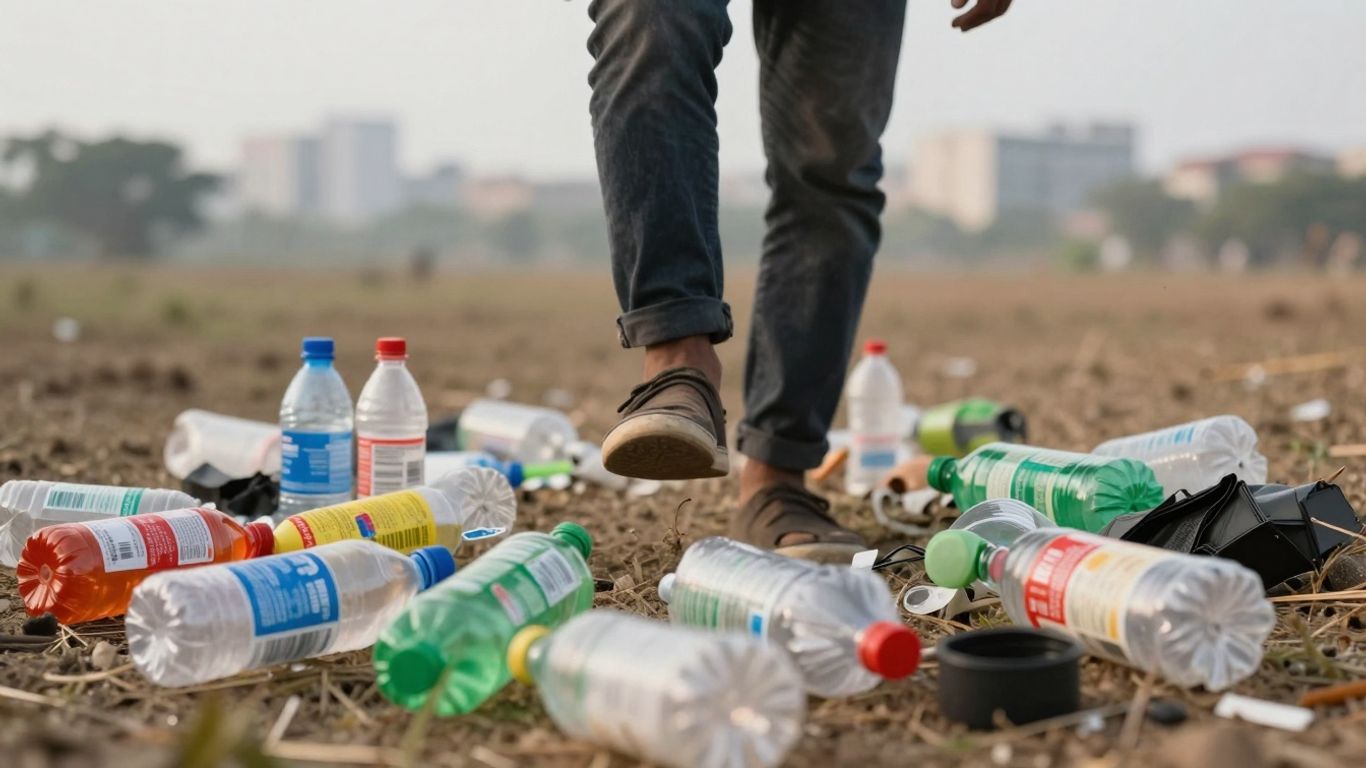
So, you're looking into a company, an investment, or maybe even just trying to figure out if your own claims hold water. That's where ESG due diligence comes in. It's not just a box-ticking exercise; it's about really digging in to see what's actually going on beneath the surface. Think of it like checking the ingredients list on a food package before you buy it – you want to know what you're really getting.
Reviewing Existing Environmental Claims
First off, let's talk about what a company is already saying. Are those claims about being 'eco-friendly' or 'sustainable' actually backed up by anything solid? We need to look at everything from product labels to public statements and advertising. It's vital that these claims are based on factual evidence and can stand up to scrutiny. This means checking if the company has the data to prove it. For instance, if a company claims its product is made from recycled materials, do they have records showing the source and quantity of those materials? It’s about making sure the words match the reality.
Assessing the Achievability of Future Commitments
Beyond what's being said now, what about the promises for the future? Companies often set ambitious goals, like reducing emissions by a certain percentage or achieving carbon neutrality by a specific date. Due diligence here means asking: can they actually do it? This involves looking at their plans, the technology they have (or plan to get), and the resources available. Are these goals based on realistic science and market conditions, or are they just wishful thinking? We need to see a clear roadmap, not just a hopeful destination. It's about understanding the feasibility of their targets.
Due Diligence in Transactions and Carbon Offsets
When a company is involved in a merger, acquisition, or even just buying carbon offsets, due diligence gets even more complex. For transactions, it's about understanding the sustainability profile of the other party. How will this deal affect the company's own ESG reputation? Does it align with their stated values and policies? Then there are carbon offsets. While they can be a tool for managing emissions, they're also a hotbed for greenwashing. It’s important to check the integrity of these offsets. Are they real, verifiable, and additional? Just because an offset is certified doesn't mean it's automatically a good or honest one. You need to look into the quality and the methodology behind them.
Here's a quick checklist for carbon offset due diligence:
- Verify the offset provider's reputation.
- Understand the project generating the offset.
- Confirm the offset's additionality (would the emission reduction have happened anyway?).
- Check for potential double-counting.
Making sure that ESG claims are accurate and achievable requires a deep dive into data and plans. It's not enough to just state a commitment; you need to show the work. This diligence helps prevent future problems and builds trust with stakeholders. It's about being honest about where you are and where you're going.
This process is becoming increasingly important as ESG reporting standards evolve and regulators pay closer attention. Getting this right means your company can avoid missteps and build a genuine reputation for sustainability.
Ensuring Transparency in ESG Disclosures
Making honest and clear statements about your company's environmental, social, and governance (ESG) efforts is super important. It's not just about looking good; it's about building trust with everyone involved, from customers to investors. When your claims match your actions, you build a solid reputation.
Accuracy, Clarity, and Verifiability of Claims
This is where things can get tricky. You need to make sure that what you're saying is actually true and that people can check it. If you say your product is "eco-friendly," what does that really mean? You need to be able to back that up with facts. Avoid using vague terms that don't mean much. Think about it like this:
- Be Specific: Instead of "we reduce waste," try "we reduced manufacturing waste by 15% in the last fiscal year through a new recycling program."
- Explain Your Terms: If you use words like "sustainable" or "green," define them clearly and explain how you're meeting that definition.
- Show Your Work: Make your data and calculations available so people can see how you arrived at your conclusions.
It's really about being upfront. If there are limitations or downsides to your approach, it's better to mention them than to hide them. This is especially true when you're talking about future goals. You wouldn't want to promise the moon and then only deliver a small crater, right?
Making ESG claims requires a commitment to honesty. It means admitting when things aren't perfect and showing a clear path toward improvement. Transparency isn't just a buzzword; it's the foundation of credible ESG reporting.
Bridging the Gap Between Disclosure and Action
Sometimes, companies talk a big game about their ESG initiatives but don't actually follow through. This gap between what's written in reports and what's happening on the ground is a major red flag. It's like saying you're going on a diet but then eating a whole cake. Investors are getting wise to this, and they're looking for proof that your words translate into real change. You need to show how your stated goals are being met through concrete actions and measurable progress. This is where investor expectations are really shaping the landscape.
The Role of Disclaimers and Third-Party Verification
Using disclaimers can help manage expectations, especially for forward-looking statements. Think of them as saying, "This is our best guess based on current information, but things could change." However, disclaimers shouldn't be used to hide the truth or excuse misleading information. They are a tool to add context, not to cover up problems. Getting a third party to check your claims can add a lot of credibility. It's like having an independent auditor look at your financial statements. This verification process helps confirm that your ESG data and statements are accurate and reliable, giving stakeholders more confidence in your reporting. It's a good way to show you're serious about your commitments.
Navigating Litigation and Enforcement Actions
It feels like every week there's a new headline about a company getting called out for its environmental claims. This isn't just about bad press anymore; it's leading to real legal trouble. Regulators and even regular folks are starting to sue companies that aren't upfront about their green practices. The landscape of greenwashing litigation is definitely heating up.
The Rise of Greenwashing Litigation
So, why all of a sudden? A few things are at play. For starters, people are way more aware of climate change and sustainability issues now. Consumers, investors, and activist groups are all watching companies more closely. If your claims don't match what you're actually doing, you're going to hear about it. Plus, there are more ways for people to actually take legal action. Things like litigation funding make it easier for groups to bring cases, even if they don't have deep pockets themselves. It's not always about winning big; sometimes, the goal is just to make a company look bad and warn others off.
Regulatory Scrutiny and Enforcement Trends
Government agencies are also getting involved. They're looking closely at ESG disclosures and cracking down on anything that seems misleading. This means companies need to be extra careful about what they say and make sure they can back it up with solid proof. We're seeing enforcement actions pop up in different places, and it's expected to increase as rules get clearer.
- Corporate Commitments: Companies are being challenged on their 'net zero' or 'carbon neutral' goals if they aren't clear or realistic. For example, if a plan doesn't account for future emissions from fossil fuel projects, it could be seen as misleading.
- Product Attributes: Claims about a product's environmental benefits are under the microscope. If a company says a product is 'eco-friendly' but the data doesn't support it, that's a problem.
- Disclosure of Climate Investments: How companies report their investments in climate solutions and the risks they face is also being scrutinized.
It's becoming clear that simply stating good intentions isn't enough. Companies need to demonstrate tangible actions and provide verifiable data to support their environmental and social claims. The bar is getting higher, and the consequences for falling short are becoming more severe.
Consequences of Misleading ESG Statements
Getting caught in a greenwashing scandal can be costly. Beyond the legal fees and potential fines, there's the damage to your company's reputation. Trust is hard to build and easy to lose, and once it's gone, it's tough to get back. This can affect everything from customer loyalty to investor confidence. It's a serious business risk that needs careful attention, especially when you're making environmental claims.
Dealing with legal troubles and government actions can be tough. We help you understand and manage these challenges. If you're facing a lawsuit or an investigation, we can guide you through it. Visit our website to learn how we can support you.
Wrapping It Up
So, we've talked a lot about greenwashing, and honestly, it's a tricky subject. There's no single rulebook, and what one person thinks is okay, another might see as misleading. Companies are trying to do better, but sometimes they just don't have the right info or the skills to back up their claims. It's easy to get caught out, and the consequences can be pretty rough, from angry customers to fines. The best way forward? Be straight up. Make sure what you're saying is true, and if you're not sure, maybe don't say it. Keep learning, check your facts, and remember that being honest is always the best policy, especially when it comes to looking after our planet and each other.
Frequently Asked Questions
What exactly is greenwashing?
Greenwashing is like pretending something is way better for the environment or society than it really is. Imagine a company saying its product is 'super eco-friendly' when it only made one tiny change that barely helps. It's basically making things sound greener or more responsible than they actually are, often to attract customers or investors.
Why is greenwashing a problem?
It's a problem because it tricks people. When companies greenwash, they mislead customers, investors, and others who want to support good environmental and social practices. This can hurt honest companies and make it harder for everyone to know who is truly making an effort to be sustainable.
How can I tell if a company is greenwashing?
Look closely at what companies say. Do their claims seem too good to be true? Are they using vague words like 'eco-friendly' without explaining why? Check if they provide real proof or data to back up their claims. Sometimes, companies focus on one small good thing while ignoring bigger problems they cause.
Are there rules against greenwashing?
Yes, many places are creating rules and laws to stop greenwashing. Governments and organizations are watching companies more closely and taking action against those who make false or misleading claims about their environmental or social efforts. The rules can be a bit different depending on where you are.
What happens if a company gets caught greenwashing?
Companies caught greenwashing can face serious trouble. They might have to stop their ads, pay fines, and even face lawsuits. Plus, their reputation can take a big hit, meaning people might stop trusting them or buying their products, which can cost them a lot of money.
How can my company avoid greenwashing?
To avoid greenwashing, be honest and clear in all your communications. Make sure your claims are true and have solid proof. Set realistic goals for being environmentally and socially responsible, and share your progress openly. It's also smart to get advice from experts and check your claims regularly to ensure they are accurate.