
Navigating the Minefield: How to Spot and Combat Greenwashing in ESG Claims
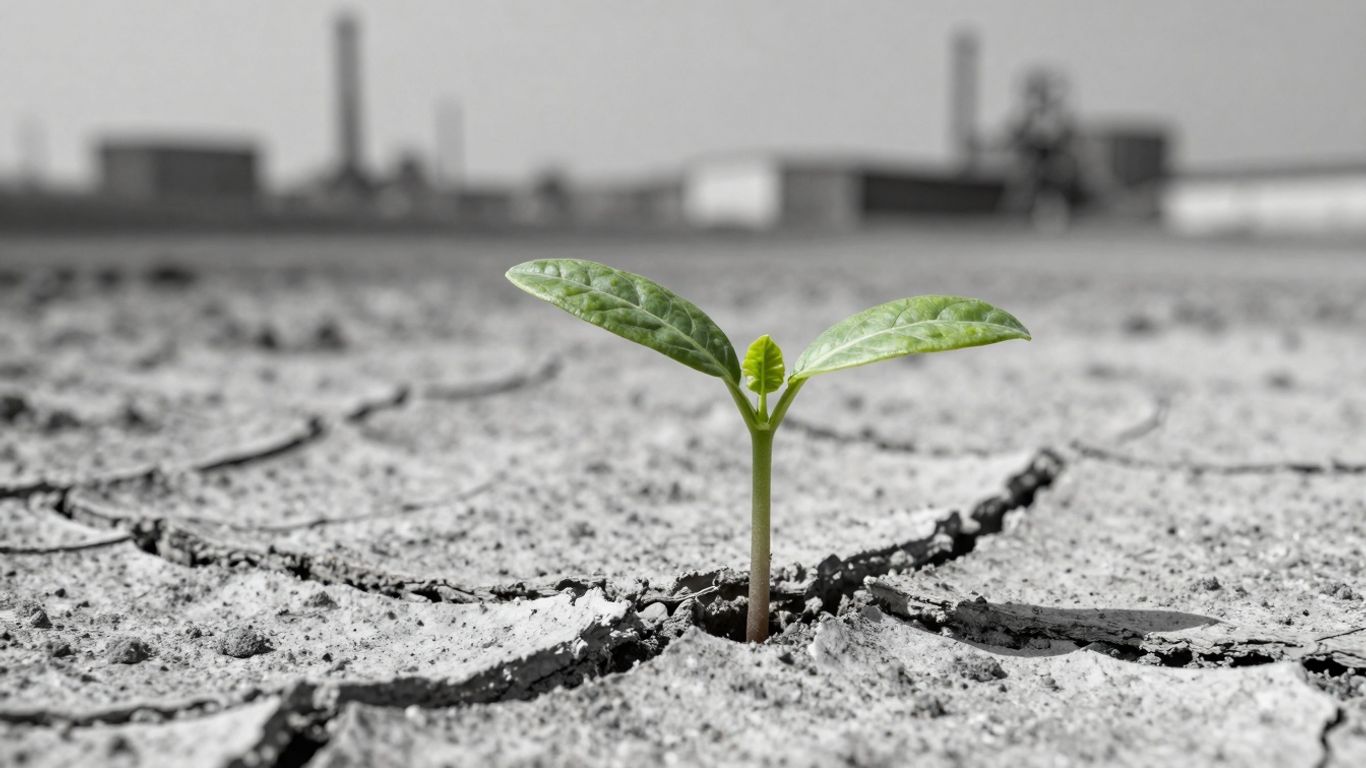
So, you're trying to figure out if a company is actually doing good for the planet or just saying it is, right? It’s a bit like trying to find a needle in a haystack sometimes. Lots of businesses are talking about being green these days, but not all of them are walking the walk. This whole thing, called greenwashing, can be super confusing. We're going to break down how to spot when companies might be stretching the truth about their environmental, social, and governance (ESG) efforts, and what you can do about it. It's important stuff, because our choices matter.
Key Takeaways
- Greenwashing means a company makes itself look more eco-friendly or socially responsible than it really is, often without solid proof. There isn't one single definition, which makes it tricky.
- Watch out for vague words like 'eco-friendly' or 'natural' without clear explanations. Companies might also show pretty nature pictures that don't match what they actually do.
- When looking at company reports, check if their claims are backed by real data and calculations. Sometimes they only tell part of the story, hiding negative impacts.
- Governments and regulators are starting to pay more attention to greenwashing. They're creating rules and can fine companies for making misleading claims.
- As consumers, we can fight greenwashing by asking questions, researching brands, and looking for trusted eco-labels. If claims don't add up, speak up or report it.
Understanding the Nuances of Greenwashing ESG
So, let's talk about greenwashing. It's basically when a company tries to make itself look way more eco-friendly or socially responsible than it actually is. Think of it like putting a fresh coat of green paint on something that's still got a lot of rust underneath. The tricky part is, there isn't one single, universally agreed-upon definition for what counts as greenwashing. This lack of a clear standard means what one person sees as a genuine sustainability effort, another might flag as misleading. It's a bit of a wild west out there, and this ambiguity is a big reason why greenwashing allegations are popping up more and more.
Defining Greenwashing: A Lack of Harmonized Standards
It's kind of frustrating, right? We're all trying to make better choices for the planet and society, but it's hard when the rules aren't clear. Because there's no single, official definition, companies can sometimes get away with making claims that aren't quite accurate. This ambiguity can lead to confusion for consumers and makes it tough for businesses that are genuinely trying to do good to stand out. It's a big deal because these claims, whether true or not, can really impact how people see a company and its products. For instance, Canada is working on new rules to combat this very issue, aiming to bring more clarity to environmental claims combat greenwashing.
The Spectrum of Greenwashing: Environmental, Social, and Governance
When people hear "greenwashing," they often think only about environmental stuff – like saying a product is "all-natural" when it's not. But it's broader than that. Greenwashing can also apply to social issues (the 'S' in ESG) and how a company is run (the 'G'). A company might brag about its diversity initiatives while having a terrible record on employee treatment, or claim strong governance while operating with little transparency. It's important to look at the whole picture, not just the shiny environmental bits.
- Environmental: Claims about reducing carbon footprint, using recycled materials, or being "eco-friendly."
- Social: Claims about fair labor practices, community support, or diversity and inclusion.
- Governance: Claims about ethical leadership, board diversity, or transparent financial reporting.
Why Greenwashing Allegations Are on the Rise
There are a few big reasons why we're hearing more about greenwashing lately. First, more and more people actually care about sustainability and are paying attention. Around 76% of consumers say they consider sustainability when buying things, but a lot of them (like 80%) don't even trust the claims companies make. That's a huge gap! This increased awareness means people are more likely to call out companies that seem to be faking it. Plus, regulators are starting to pay closer attention, and there's more pressure on companies to be honest about their ESG efforts. It's a mix of consumer demand, skepticism, and growing regulatory interest that's fueling these allegations.
Identifying Deceptive Environmental Claims
So, you're trying to do the right thing and pick products that are actually good for the planet, but it's not always easy, is it? Companies know this, and some use this awareness to their advantage, making claims that sound great but don't really hold up. It's like seeing a shiny apple that looks perfect but is rotten inside. The key is to look beyond the pretty words and pictures.
Vague Terminology and Unsubstantiated Assertions
This is probably the most common trick in the book. You'll see words like "eco-friendly," "natural," "sustainable," or "green" plastered everywhere. But what do they actually mean? Often, they mean very little. There aren't strict rules for using these terms, so a company can slap them on anything. For example, a product might be labeled "natural" because it contains one natural ingredient, even if the rest of it is full of synthetic chemicals. It's a way to make you feel good about your purchase without actually doing much. It's important to question these claims and look for specifics. For instance, if a company says its packaging is "recyclable," it's worth asking if it's actually recyclable in your local area, or if it requires special facilities that most people don't have access to. This kind of vagueness is a big red flag.
Common Themes in Greenwashing Controversies
When you start paying attention, you'll notice patterns in how companies try to pull the wool over your eyes. One big one is the "hidden trade-off." This is where a company highlights one small positive environmental aspect of their product while completely ignoring much bigger negative impacts. Think of a product with "eco-friendly" packaging that was made using incredibly polluting manufacturing processes. Another tactic is making irrelevant claims. They might boast about something that's already legally required, like saying a product is free of a certain chemical that's banned anyway. It's like bragging that your car has working brakes – it's the bare minimum! Then there are outright falsehoods, which are just plain lies, like claiming a product is 100% biodegradable when it really isn't, or saying it's carbon neutral without any proof. It's a whole spectrum of deception.
Misleading Imagery and Outright Falsehoods
Sometimes, it's not just the words; it's the pictures too. You'll see lush green forests, happy animals, or serene blue skies on packaging, even if the product has nothing to do with nature or has a significant environmental footprint. This imagery is designed to evoke positive feelings and associate those feelings with the brand, regardless of reality. It's a visual shortcut to appearing green. Then, of course, there are the outright lies. These are claims that are simply not true. For example, a company might claim their product is made from recycled materials when it's not, or that it has significantly reduced its carbon emissions when the data doesn't support it. It's crucial to remember that if a claim sounds too good to be true, it probably is. Always look for verifiable data and certifications from reputable third parties. For example, understanding the requirements for climate-related financial risk disclosures can help you see if a company is meeting actual regulatory standards, not just making pretty claims.
Here are some common deceptive tactics:
- Vague language: Using terms like "green," "natural," or "eco-friendly" without clear definitions.
- Hidden trade-offs: Focusing on one positive attribute while ignoring significant negative impacts.
- Irrelevant claims: Highlighting a minor or legally mandated positive aspect.
- Misleading imagery: Using nature-related visuals that don't reflect the product's actual impact.
- Outright falsehoods: Making demonstrably untrue statements about environmental performance.
When a company's environmental claims lack specific, verifiable data, it's a strong indicator that they might be engaging in greenwashing. Genuine sustainability efforts are usually backed by transparent reporting and measurable results, not just feel-good marketing slogans.
Navigating Corporate Sustainability Reports

So, you've heard a company talk a big game about being green, but how do you actually check if they're walking the walk? One of the best places to start is by digging into their corporate sustainability reports. These documents are supposed to lay out a company's environmental, social, and governance (ESG) performance. But, like anything, they can be tricky.
Analyzing Environmental Claims for Accuracy
When you crack open a sustainability report, the first thing to look for is how they back up their claims. Are they just throwing around vague buzzwords like "eco-friendly" or "sustainable" without any real data? Genuine reports will include specific metrics and performance data. For example, instead of saying they "reduced waste," a good report might say they "decreased landfill waste by 15% in the last fiscal year" and explain how they did it. If they miss targets, a transparent company will admit it and explain why. It’s like looking at your own progress report – you want to see the numbers, not just the general comments.
The Full Story: Uncovering Hidden Trade-offs
Sometimes, a company might highlight one positive environmental action while ignoring or downplaying other negative impacts. This is where you need to read between the lines. For instance, a company might boast about using recycled materials in their packaging but fail to mention the significant carbon emissions from their manufacturing process. Look for sections that discuss challenges or trade-offs. A truly sustainable company will acknowledge these complexities. It’s easy to focus on the good stuff, but the full picture is what really matters. You can find tools and software to help manage this data, making it easier for companies to be upfront about their ESG performance.
Evaluating the Science and Calculations Behind Claims
This is where things can get a bit technical, but it's important. How did they arrive at their numbers? Are they using recognized frameworks like the Global Reporting Initiative (GRI), the Carbon Disclosure Project (CDP), or the Sustainability Accounting Standards Board (SASB)? These frameworks provide guidelines for reporting, making it easier to compare companies. If a company is making claims about carbon reduction, for example, do they explain their methodology? Are the calculations sound, or do they seem a bit… convenient? It’s worth checking if they mention third-party verification for their data. This adds a layer of credibility.
Here’s a quick checklist to keep in mind:
- Look for specific, quantifiable data. Vague statements are a red flag.
- Check for consistency. Do the claims in the report match what the company says elsewhere?
- See if they mention any recognized reporting standards. This shows they're following established practices.
- Investigate any stated targets. Are they realistic? Are they being met?
It's easy for companies to present a rosy picture in their reports. The real test is whether they provide the detailed evidence and context to support their claims, acknowledging both successes and shortcomings.
The Role of Regulatory Bodies and Enforcement
It feels like everywhere you look, companies are shouting about how green they are. But how much of it is real, and how much is just clever marketing? That's where the grown-ups, the regulatory bodies, come in. They're supposed to be the referees in this whole sustainability game, making sure companies aren't just making stuff up.
Global Efforts to Establish Clearer Frameworks
Globally, there's a big push to get everyone on the same page. It's tough because different countries have different ideas about what counts as 'green.' But things are moving. The European Union, for instance, is working on a Green Claims Directive. The idea is to make sure that when a company says something is eco-friendly, they actually have the proof to back it up. This means claims need to be scientifically proven and verified by outside groups, not just the company itself. It's a move away from vague promises to concrete evidence. We're also seeing efforts to standardize how companies report their environmental, social, and governance (ESG) data, making it easier to compare apples to apples. This is a big deal for investors and consumers alike.
Regulatory Scrutiny of ESG Disclosures
Regulators are starting to pay closer attention to what companies are saying about their sustainability efforts. They're looking at environmental marketing claims and sustainability reports with a more critical eye. The US Securities and Exchange Commission (SEC), for example, has a task force looking into companies that might be fudging their ESG numbers or making misleading statements. It's not just about environmental claims either; the 'S' and 'G' in ESG are getting attention too. They're checking for things like fake audits or outright lies in official filings. This increased scrutiny means companies can't just get away with making bold claims without any substance.
Penalties for Misleading Environmental Claims
When companies cross the line, there are consequences. These aren't just slaps on the wrist anymore. In Australia, for example, the competition watchdog has gone after companies for misleading claims, leading to hefty fines. One company had to pay over A$8 million for saying its trash bags were made with 50% ocean plastic when they weren't. Other financial regulators have also handed out millions in penalties for greenwashing. These actions send a clear message: making false environmental claims can be very expensive, not just in fines but also in damage to a company's reputation. It's a tough lesson, but one that's needed to build trust in the market. The goal is to make sure that genuine sustainability efforts are rewarded, not overshadowed by deceptive practices.
The challenge for regulators is to keep pace with the evolving landscape of corporate sustainability. As companies become more sophisticated in their marketing, so too must the oversight mechanisms. This requires not only robust enforcement but also clear guidelines that prevent confusion and empower consumers to make informed choices based on verifiable facts, not just feel-good slogans.
Empowering Consumers to Combat Greenwashing

It can feel like a minefield out there, trying to figure out which companies are actually doing good for the planet and which are just saying they are. The good news is, you have more power than you think. By asking the right questions and doing a little digging, you can make more informed choices and even encourage businesses to be more honest.
Asking Critical Questions About Claims
When you see a company boasting about its eco-friendly practices, don't just take their word for it. Start by asking yourself: what exactly are they claiming? Is it specific, or just a vague "green" statement? For instance, saying a product is "eco-friendly" tells you next to nothing. But if they say "made with 50% recycled plastic," that's a more concrete claim you can look into. It's about pushing past the feel-good marketing to find the actual facts. This involves scrutinizing environmental marketing to make informed purchasing decisions and avoid deceptive practices [9aee].
Researching Brands and Verifying Credentials
This is where you become a detective. Before you buy, spend a few minutes looking up the brand. Do they have a sustainability report? What does it say? Are there any independent organizations that have reviewed their practices? Sometimes, companies will highlight one small positive action while ignoring much larger environmental problems they cause. It’s important to get the full picture, not just the highlight reel. Look for consistency between what they say and what they actually do.
Recognizing Eco-Labels and Certifications
Eco-labels can be helpful, but they can also be confusing or even misleading. Some labels are backed by rigorous third-party verification, while others are created by the company itself. It's worth learning which certifications actually mean something. For example, certifications like Fair Trade or USDA Organic have established standards. If a company uses a label you don't recognize, try to find out who is behind it and what criteria they use. A quick search can often tell you if a label is reputable or just a marketing gimmick.
The sheer number of "green" claims can be overwhelming, leading to decision fatigue. When faced with too many options and vague promises, it's easy to just pick the easiest or cheapest one, even if it's not the most sustainable. Being aware of this psychological trap helps you slow down and make a more conscious choice.
Here are some steps to take:
- Look for specifics: Vague terms like "natural" or "earth-friendly" are red flags. Seek out quantifiable data.
- Check the source: Who is making the claim? Is it the company itself, or an independent third party?
- Investigate further: If a claim seems too good to be true, it probably is. Do a quick online search for reviews or news about the company's environmental practices.
- Consider the whole picture: Does the company's overall business model align with its green claims, or is this just a small part of their operation?
Strategies for Businesses to Avoid Greenwashing
Building Genuine ESG Capabilities and Knowledge
Look, nobody wants to be caught out making claims they can't back up. It's bad for business, and honestly, it's just not right. So, how do you make sure your company is on the level when it comes to environmental, social, and governance (ESG) stuff? First off, you've got to actually know what you're talking about. This means getting serious about building real capabilities within your company. It’s not just about hiring one person to handle "sustainability"; it’s about embedding that knowledge across the board.
Think about training your teams. They need to understand the basics of ESG, what your company is actually doing, and how to talk about it accurately. This isn't just for the marketing department; it's for product development, operations, and even finance. The goal is to make sustainability a core part of how you do business, not just a talking point.
Ensuring Data Availability and Consistency
Okay, so you're building knowledge, which is great. But what about the proof? You can't just say you're reducing waste if you don't have the numbers to show it. This is where data comes in. You need systems in place to collect, track, and store information about your environmental and social impact. And it's not a one-off thing; this data needs to be consistent over time.
Imagine trying to show you've cut your carbon emissions. You need reliable data from previous years to compare against. If your data collection methods change wildly each year, or if you're missing key information, your claims will look shaky. It’s like trying to build a house on sand – it’s just not going to hold up.
Here’s a quick look at what kind of data you might need:
- Energy consumption (electricity, gas, etc.)
- Water usage
- Waste generated and recycled
- Greenhouse gas emissions (Scope 1, 2, and 3 if possible)
- Employee diversity and inclusion metrics
- Supply chain labor practices
Communicating Environmental Benefits Authentically
This is where a lot of companies stumble. They have some good things going on, but they either overstate them or present them in a way that sounds too good to be true. Authenticity is key. Instead of using vague buzzwords, be specific. If your product uses recycled materials, say how much recycled material and where it comes from.
Don't just say "eco-friendly." Explain why it's eco-friendly. Is it because it uses less energy to manufacture? Does it biodegrade faster? Is it made from renewable resources? Be clear and honest. If there are trade-offs, acknowledge them. For example, a product might be made from recycled plastic, which is good, but maybe the manufacturing process is still quite energy-intensive. Being upfront about these nuances builds trust.
When you communicate your sustainability efforts, focus on verifiable actions and measurable outcomes. Avoid hyperbole and stick to the facts. Transparency about both successes and challenges is far more credible than a perfect, but unbelievable, story.
Remember, consumers are getting savvier. They can spot a fake from a mile away. Genuine communication, backed by solid data and real action, is the only way to build lasting credibility.
Distinguishing Greenwashing from Legitimate Green Marketing
So, how do we tell the difference between a company that's genuinely trying to be good for the planet and one that's just putting on a green show? It's not always easy, but there are some key things to look out for. Legitimate green marketing is about honest communication backed by real action, while greenwashing is about making things sound better than they are.
Green Marketing Backed by Facts
When a company is doing good things for the environment, they usually have proof. They'll talk about specific actions they've taken and provide details. Think about a clothing brand that uses recycled materials. They won't just say "eco-friendly"; they'll tell you which materials are recycled, how much of the product is made from them, and maybe even show you the process. They might have certifications from reputable organizations to back up their claims.
Here's what to expect from genuine green marketing:
- Specifics over generalities: Instead of "sustainable," they'll say "made with 70% recycled ocean plastic."
- Verifiable data: They'll provide numbers, reports, or links to studies that support their environmental claims.
- Transparency about the whole picture: They'll acknowledge areas where they still need to improve, not just highlight one small positive.
- Third-party validation: Look for recognized eco-labels or certifications that have been independently verified.
When Green Claims Become Misleading
This is where things get tricky. Greenwashing often relies on vague language, pretty pictures, and a lack of solid evidence. A company might use images of nature – like leaves or green landscapes – to make you feel like their product is good for the environment, even if it has no real connection.
Common red flags include:
- Vague terms: Words like "natural," "eco-friendly," or "green" without any explanation of what they actually mean in this context.
- Hidden trade-offs: Focusing on one small positive aspect while ignoring bigger environmental problems associated with the product or company.
- Irrelevant claims: Stating something that's already required by law as if it's a special environmental effort.
- Outright falsehoods: Making claims that are simply not true, like saying a product is fully recyclable when it's not.
It's easy to get caught up in the hype, but remember that a company's marketing is designed to sell. Always question claims that seem too good to be true, especially when they lack concrete details.
The Importance of Verifiable Actions
Ultimately, the biggest difference lies in action. Is the company's environmental commitment just a marketing tactic, or is it deeply embedded in how they operate? Legitimate green marketing is a reflection of genuine efforts to reduce environmental impact. Greenwashing, on the other hand, is a way to appear environmentally conscious without doing the hard work.
When you're evaluating a company's claims, ask yourself:
- Does the company's overall business model align with environmental responsibility?
- Are they transparent about their supply chain and manufacturing processes?
- Do they have clear, measurable goals for reducing their environmental footprint, and are they reporting on their progress?
If the answers are unclear or seem evasive, it's a good sign that you might be looking at greenwashing, not genuine green marketing. Staying curious and demanding proof is your best defense.
It can be tricky to tell the difference between companies that are truly trying to be eco-friendly and those that are just pretending. We're here to help you sort it out. Want to learn more about how to spot fake green claims and find businesses that are genuinely committed to the planet? Visit our website for clear explanations and helpful tips.
Moving Forward: Making Real Change
So, we've talked a lot about how companies try to look greener than they are. It's a tricky situation because while some businesses are genuinely trying to do better, others are just using fancy words to sell stuff. It’s easy to get confused, and honestly, it’s frustrating when you want to make good choices. The good news is, we’re not powerless. By staying aware, asking questions, and looking for real proof instead of just pretty pictures, we can push companies to actually make a difference. It’s about demanding honesty and supporting the ones who are truly committed to a healthier planet. Let’s keep pushing for that real change, not just the talk.
Frequently Asked Questions
What exactly is greenwashing?
Greenwashing is when a company makes itself seem more eco-friendly or sustainable than it really is. It's like saying you cleaned your room when you only pushed your mess under the bed. Companies might use fancy words or pretty pictures to make you think their products or actions are good for the planet, but there's no real proof.
Why do companies do this?
Many people care about the environment and want to buy from companies that do too. So, some businesses try to trick customers into thinking they're helping the planet, even if they're not. It's a way to get more customers without actually making big changes to be more sustainable.
How can I tell if a company is greenwashing?
Look out for vague words like 'eco-friendly' or 'natural' without any explanation. Also, check if they only talk about one small good thing they do while ignoring bigger problems. Be suspicious if their ads use lots of green colors or nature pictures but don't explain how their product is actually good for the environment.
Are there rules against greenwashing?
Yes, governments and consumer watchdogs are starting to pay more attention. They are creating clearer rules about what companies can say about their environmental efforts. If companies break these rules, they can face fines or other penalties.
What's the difference between green marketing and greenwashing?
Green marketing is when a company honestly shares the good things it's doing for the environment, and they can prove it. Greenwashing is when they lie or exaggerate their environmental efforts, or don't provide any proof. The key is whether the claims are true and backed by facts.
What can I do to stop greenwashing?
You can be a smart shopper! Ask companies questions about their claims. Do a little research to see if their actions match their words. Look for trusted eco-labels or certifications. If you think a company is greenwashing, you can report them to consumer protection groups.