
Navigating the Booming Landscape of Climate Tech Jobs in 2026

So, you're thinking about getting into climate tech jobs? It's a pretty exciting area right now, with lots of growth. Things are changing fast, and knowing what's up can really help you land a good position. Whether you're just starting out or looking to switch careers, understanding the landscape is key. Let's break down what you need to know to get ahead in this field.
Key Takeaways
- The demand for people with green skills is growing across many industries, not just traditional environmental roles.
- Renewable energy, sustainable building, and carbon management are major areas creating new climate tech jobs.
- Getting specific certifications and building technical knowledge in areas like solar or energy efficiency can make you a stronger candidate.
- Connecting with people already in the climate tech space through events and online platforms is super important for finding opportunities.
- Being open to learning new things and adapting to changes is vital, as the climate tech field is always evolving.
Understanding The Evolving Climate Tech Job Market

The Growing Demand for Green Skills
The world is really starting to pay attention to climate change, and that means a lot more jobs are popping up in areas focused on sustainability. It's not just about being an environmental scientist anymore; companies across the board are looking for people who understand how to make their operations greener. Think about it: businesses need folks who can figure out how to reduce their carbon footprint, manage waste better, or even design more energy-efficient buildings. This shift means that "green skills" are becoming super important, no matter what industry you're in. LinkedIn even pointed out that these skills are showing up in jobs that weren't traditionally considered "green" at all, like in finance or facilities management. So, if you've got any experience with sustainability initiatives, even from volunteering or a past internship, make sure to highlight it. It shows you're not just looking for a job, but you're committed to making a difference.
Key Sectors Driving Climate Tech Job Growth
Several areas are really leading the charge when it comes to creating new jobs in climate tech. Renewable energy, of course, is a huge one. We're talking solar, wind, and the infrastructure to support them. But it's not just about generating clean power; there's also a big need for people who can improve energy efficiency in homes and businesses. Then there's sustainable agriculture, which is all about growing food in ways that are kinder to the planet. And don't forget about things like carbon capture technology and the development of new materials that are better for the environment. The International Labour Organization has predicted that the green economy could create millions of new jobs globally by 2030, which is pretty significant. It's a good idea to keep an eye on which sectors are expanding the fastest, as that's where the most opportunities will likely be. You can often find this information by looking at industry reports or specialized job boards.
Emerging Opportunities in Sustainability
Beyond the more obvious roles, there are a bunch of new and interesting opportunities emerging in sustainability. For example, with more companies needing to report on their environmental impact, there's a growing demand for professionals skilled in sustainability reporting and management. This involves understanding regulations, collecting data, and communicating a company's progress. Also, as the world tries to decarbonize harder-to-reach sectors, new technologies and approaches are constantly being developed. This creates openings for people who are adaptable and willing to learn about cutting-edge solutions. The whole field is still pretty new, so being open to roles that might not be perfectly defined yet can lead to some really rewarding career paths. It's a dynamic space, and staying curious is definitely a plus. The clean technology landscape is shaped by several interconnected trends, including AI's impact on energy demand and challenges with grid infrastructure [f7cf].
The job market in climate tech is changing fast. What was a niche field a few years ago is now a major area for career growth. Companies are actively seeking individuals who can help them meet environmental goals and adapt to new regulations. This means there's a real chance to build a career that aligns with your values and contributes to a healthier planet.
Cultivating Essential Skills for Climate Tech Careers
So, you're thinking about jumping into the climate tech world? That's awesome. But it's not just about wanting to save the planet; you've got to have the right tools in your toolbox, so to speak. The job market here is growing fast, and employers are looking for people who know their stuff.
Technical Expertise in Renewable Energy and Beyond
This is probably what most people think of first. We're talking about folks who can design, build, and maintain solar farms, wind turbines, or battery storage systems. But it's broader than just that. Think about the software needed to manage energy grids efficiently, or the materials science behind more sustainable products. Even understanding the basics of how these technologies work is a big plus. You don't necessarily need a PhD in physics, but having a solid grasp of the principles behind renewable energy is a good start. If you're looking to get into this, consider courses in electrical engineering, mechanical engineering, or even environmental science with a focus on energy systems. Many online platforms now offer introductory courses that can give you a good overview.
The Importance of Sustainability Reporting and Management
This is where things get a bit more complex, but it's super important. Companies are increasingly being asked – and sometimes legally required – to report on their environmental impact. This includes tracking things like carbon emissions, water usage, and waste. For example, California's SB 253 law is making companies report their greenhouse gas emissions, and they need people who can actually gather and present that data accurately. This is where skills in data analysis, environmental management, and understanding regulations come in. You'll need to know how to collect information, make sure it's correct, and then put it into a report that makes sense. It's not just about crunching numbers; it's about understanding what those numbers mean for the company and the environment. Learning about frameworks like the Greenhouse Gas Protocol is a good way to start. You can find software that helps with this, but you still need people who know how to use it and interpret the results. This area is growing fast, and having skills here can really set you apart.
The shift towards sustainability means businesses need to be transparent about their environmental footprint. This requires individuals who can not only collect and analyze data but also communicate complex information clearly to stakeholders.
Leveraging Certifications for Career Advancement
While a degree is great, sometimes a specific certification can really make your resume pop. Think of it like getting a special badge that says you've proven you know a particular skill. For example, LEED certification is well-known in green building, and becoming a Certified Energy Manager (CEM) shows you're serious about energy efficiency. These aren't just pieces of paper; they often involve rigorous training and exams. They signal to employers that you've gone the extra mile. You can find these certifications through various professional organizations. They can be a great way to specialize and show you're committed to a career in climate tech. Plus, they often come with networking opportunities, which is always a good thing when you're looking for a job.
Here are a few areas where certifications are gaining traction:
- Renewable Energy: Certifications for solar panel installation, wind turbine maintenance, or battery system operation.
- Energy Efficiency: Credentials for energy auditing, building performance analysis, or sustainable facility management.
- Carbon Accounting: Training and certifications related to measuring and reporting greenhouse gas emissions, like those needed for compliance with new regulations.
- Sustainability Reporting: Certifications focused on ESG (Environmental, Social, and Governance) reporting standards.
Strategic Networking in The Climate Tech Ecosystem
Connecting with Industry Leaders and Professionals
Getting your foot in the door of the climate tech world often means knowing the right people. It’s not just about having the skills; it’s about being visible to those who are hiring and making decisions. Think about it like this: you wouldn't try to find a hidden gem without a map, right? Networking is your map in this booming industry.
Attending industry events, whether they're big conferences or smaller local meetups, is a solid way to start. These gatherings are packed with people who are passionate about sustainability and innovation. You can learn a lot just by listening to speakers and then strike up conversations during breaks. Don't be shy; most people in this field are eager to share their experiences and connect with others who are equally interested.
Utilizing Professional Organizations and Job Boards
Joining professional groups focused on renewable energy, environmental management, or specific areas like carbon capture can really pay off. These organizations often host exclusive networking events, workshops, and even have job boards that list openings you might not find anywhere else. It’s a way to get plugged into a community that’s already invested in the climate tech space.
When you're looking for jobs, don't just stick to the big, general job sites. Seek out platforms that specialize in green careers. These sites are curated for the climate tech industry, meaning you'll find more relevant listings and often more detailed information about the companies and their sustainability goals. It saves time and helps you focus your search.
Building Your Network Through Social Media Platforms
Social media, especially LinkedIn, is a goldmine for building connections. Follow companies you admire and thought leaders in climate tech. Engage with their posts – like them, comment thoughtfully, and share relevant articles. This makes your profile more visible and shows you're an active participant in the conversation. When you feel ready, send personalized connection requests to people whose work interests you. A simple message explaining why you want to connect can go a long way.
The climate tech landscape is evolving rapidly. Staying connected means staying informed. Regular interaction with peers and leaders helps you spot emerging trends and opportunities before they become widely known. It's about building relationships that can lead to mentorship, collaboration, and future job prospects.
Navigating The Job Search in Climate Technology
So, you've decided to jump into the climate tech job market. That's awesome! But let's be real, finding the right gig can feel like a puzzle. It's not just about sending out a million resumes and hoping for the best. You've got to be smart about it. Tailoring your application is key to standing out.
Tailoring Your Resume to Highlight Green Skills
Think of your resume as your personal highlight reel for sustainability. Don't just list your past duties; show how they connect to climate solutions. Did you manage a project that reduced waste? Put that front and center. Even if your previous job wasn't strictly 'green,' think about the transferable skills. Maybe you improved efficiency in a process, which directly relates to resource conservation. Employers want to see that you've thought about this and can connect your experience to their mission. It's about showing you understand the impact of your work.
Demonstrating Commitment to Sustainability
Beyond the resume, how do you show you're genuinely invested? This is where your cover letter and interview prep come in. Talk about why climate tech matters to you. Did you volunteer for an environmental group? Mention it. Are you following specific companies because you admire their sustainability efforts? Let them know. It's not just about having the skills; it's about having the passion. Employers are looking for people who will stick around and contribute to their long-term goals. This is a field built on purpose, after all.
Exploring Entry-Level Positions and Internships
Sometimes, the best way to get your foot in the door is through an entry-level role or an internship. Don't dismiss these as
Staying Ahead in The Dynamic Climate Tech Landscape
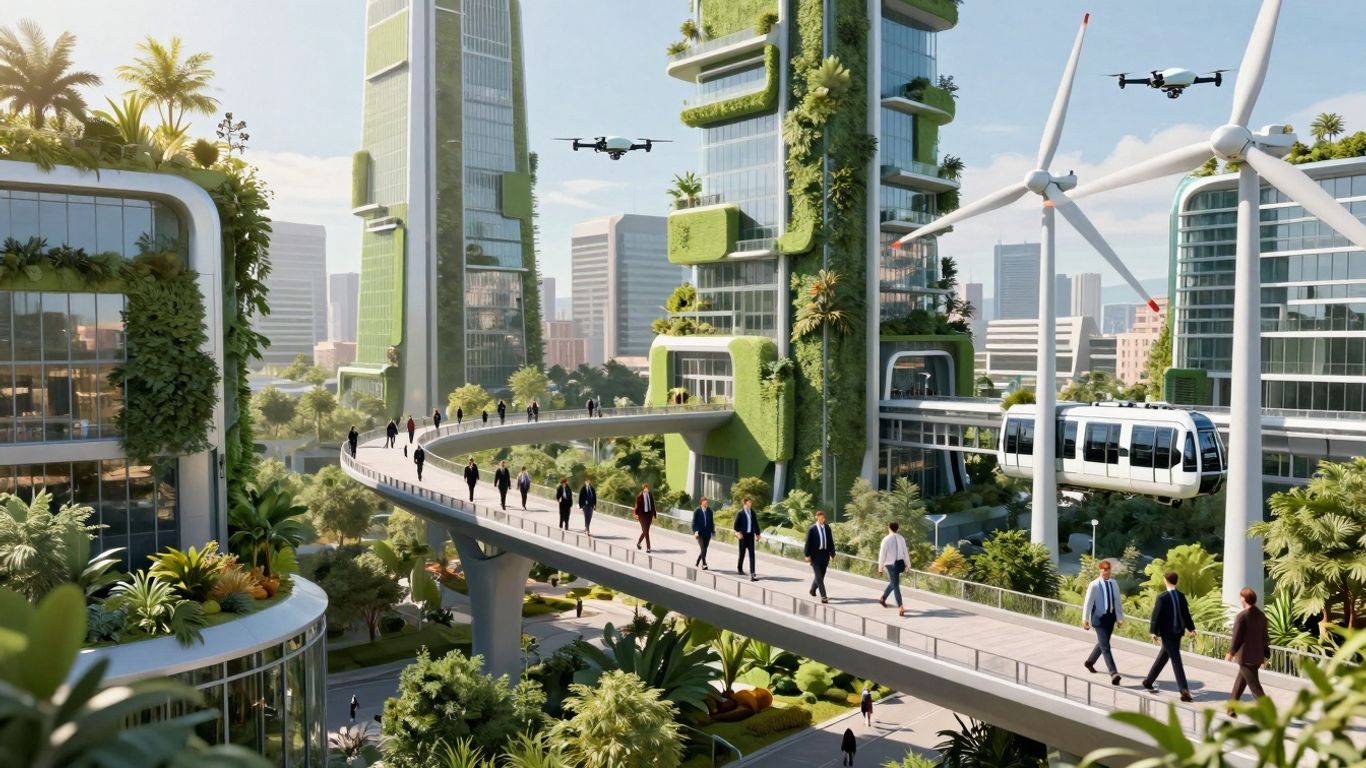
The climate tech world moves fast. Like, really fast. What was cutting-edge last year might be old news by next quarter. It’s not just about keeping up; it’s about anticipating what’s next. Think of it like trying to catch a wave – you need to be in the right spot at the right time, and that takes a bit of foresight.
Embracing Continuous Learning and Adaptability
This field isn't static. New technologies pop up, regulations shift, and market demands change. The best way to handle this is to just keep learning. Don't get too comfortable with what you know now. Be ready to pick up new skills, whether it's understanding a new type of battery storage or figuring out how carbon accounting software works. Flexibility is your superpower here. It means being open to different kinds of projects and even different roles than you initially planned.
Following Industry Trends and Technological Advancements
How do you know what's coming? You gotta read. Follow the news, subscribe to newsletters from climate tech organizations, and keep an eye on what big companies are investing in. Look at what problems they're trying to solve. Are they focused on grid modernization? Carbon capture? Sustainable agriculture? Knowing these trends helps you see where the job market is heading.
Here's a quick look at some areas seeing a lot of movement:
- Renewable Energy Integration: Making solar and wind power work smoothly with the existing grid.
- Sustainable Materials: Developing and using eco-friendly alternatives in manufacturing and construction.
- Circular Economy Solutions: Designing products and systems to reduce waste and reuse resources.
- Climate Data Analytics: Using data to understand climate impacts and inform business decisions.
The Value of Flexibility in Emerging Roles
Sometimes, the most interesting opportunities aren't the ones with the fanciest titles. They might be in smaller companies or even in roles that are brand new. Being willing to take on a project that's a bit outside your comfort zone can teach you a ton and put you on the radar for future, bigger roles. It’s about getting experience and showing you can adapt. You might start in one area, but find yourself moving into another as the industry evolves. That's totally normal and often a good thing.
The pace of change means that traditional ways of doing things just don't cut it anymore. Companies that are built to learn and adapt quickly are the ones that will thrive. It's less about having the perfect plan from day one and more about being able to adjust your sails as the wind shifts. This applies to individuals too – your ability to learn and pivot is what will keep you relevant and valuable in the climate tech space.
The world of climate tech is always changing. To stay on top, you need to keep up with the latest trends and innovations. We can help you navigate this exciting field and find the best solutions for your needs. Want to learn more about how we can help you succeed? Visit our website today!
Wrapping It Up
So, as we look ahead to 2026, it's clear that the world of climate tech jobs is really taking off. We've seen how many different areas are growing, from renewable energy to sustainable building. It’s not just about having a passion for the planet anymore; it’s about having the right skills and knowing where to find these opportunities. Whether you're looking to switch careers or just starting out, getting familiar with the green economy, building up your skills, and connecting with people in the field are smart moves. The job market is changing, and being ready for it means staying flexible and always learning. It looks like a pretty exciting time to get into this field and actually make a difference.
Frequently Asked Questions
What kind of jobs are available in climate tech?
Climate tech jobs are all about protecting our planet! You can find work in areas like making clean energy, like solar and wind power, or helping companies be more eco-friendly. There are also jobs in managing waste better, creating greener buildings, and even in farming that's good for the earth.
Do I need special skills for a climate tech job?
Yes, having certain skills is super helpful. Knowing about renewable energy, how to measure and report on a company's environmental impact, and understanding how to manage resources are all important. Sometimes, having special training or a certificate in these areas can really make you stand out.
How can I find a job in climate tech?
It's smart to connect with people who already work in this field. Go to events, join online groups, and use websites that list green jobs. Also, make sure your resume clearly shows any experience or skills you have related to protecting the environment.
What if I don't have much experience yet?
Don't worry! Many companies offer entry-level jobs or internships. These are great ways to get your foot in the door, learn new things, and gain the experience you need to move up in the climate tech world. Being willing to learn is key.
Why is climate tech growing so fast?
The world is realizing we need to take better care of our planet. Because of this, more and more businesses and governments are investing in new technologies and ways of doing things that are better for the environment. This creates a lot of new job opportunities.
What are 'green skills'?
Green skills are abilities that help protect the environment. This could be anything from knowing how to install solar panels to understanding how to reduce pollution or manage water resources wisely. Even jobs that aren't directly about the environment might need people who understand sustainability.