
Mastering Sustainability: Your Comprehensive Guide to an Energy Management Course

Thinking about taking an energy management course? That's a smart move. In today's world, businesses need to be smart about how they use energy. It's not just about saving money, though that's a big plus. It's also about doing right by the planet. This guide is here to give you a clear picture of what sustainable energy management really means and how you can get started, whether you're just beginning or looking to improve.
Key Takeaways
- Learn the basics of sustainable energy management, including setting clear, measurable goals for your business.
- Explore different renewable energy options like solar, wind, and hydro to power your operations.
- Find ways to use less energy in your day-to-day work, like better lighting and smarter heating systems.
- Get everyone involved – your staff, your suppliers, and your customers – in making your business more sustainable.
- Keep an eye on new energy tech and rules, and adjust your plans as needed to stay on track.
Understanding Sustainable Energy Management Principles
Defining Sustainable Energy Management
Sustainable energy management is all about using energy wisely and switching to cleaner sources. It's not just about being "green"; it's a smart business practice. Think of it as a way to run your operations more smoothly while cutting down on waste and pollution. The core idea is to meet today's energy needs without making it harder for future generations to meet theirs. This involves looking at how you use energy now and finding ways to improve it, often by using power that doesn't run out, like sunshine or wind.
This approach helps businesses become more resilient, less dependent on fluctuating fossil fuel prices, and generally better positioned for the future.
Establishing Realistic Sustainability Goals
Setting goals is the first real step. Without them, you're just drifting. But these goals need to be practical. You can't just say "use less energy." You need to be specific. For example, instead of "reduce electricity use," try "cut our electricity bill by 10% in the next 18 months." This makes it clear what you're aiming for and when.
Here’s a quick way to think about good goals:
- Specific: What exactly do you want to achieve? (e.g., "Reduce heating fuel consumption.")
- Measurable: How will you know you've succeeded? (e.g., "By 15%.")
- Achievable: Is it actually possible with your resources? (e.g., "Yes, with some insulation upgrades.")
- Relevant: Does it fit with your business and its values? (e.g., "Yes, we want to be more environmentally friendly.")
- Time-bound: When will you achieve it? (e.g., "By the end of next year.")
Achieving Measurable Sustainability Targets
Once you have your goals, you need to track your progress. This means collecting data. How much energy did you use last month? How much did you use this month after making changes? Keeping records is key. For instance, you might want to track:
- Total energy consumed (kWh, therms, etc.)
- Energy costs per unit of production or service
- Carbon emissions associated with your energy use
Having clear targets, like reducing your overall energy intensity by 5% year-over-year, allows you to see if your efforts are paying off. It also helps you figure out if you need to change your strategy. For example, if your lighting upgrades are working well, maybe you focus more on HVAC next. It’s about making progress you can actually see on paper, not just hoping for the best.
Investing in Renewable Energy Sources
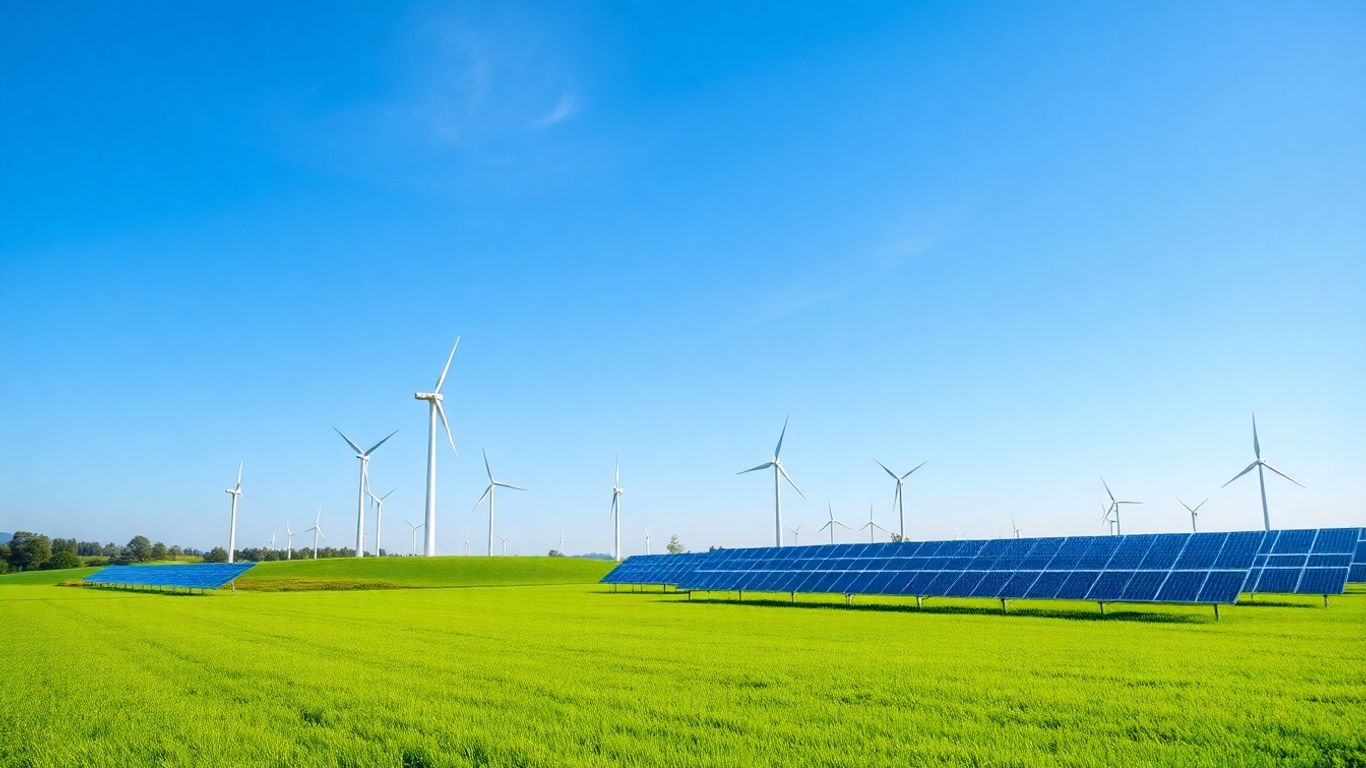
Shifting towards renewable energy isn't just a trend; it's a smart move for long-term business health and environmental responsibility. While the landscape of renewable energy deals saw some shifts recently, the focus on clean power remains strong. Making the switch means tapping into sources that replenish naturally, reducing your reliance on finite fossil fuels and often leading to more stable energy costs over time. It’s about building a more resilient and sustainable operation.
Exploring Solar Energy Solutions
Solar power is probably the most talked-about renewable source, and for good reason. Panels can be installed on rooftops, turning unused space into a power generator. For larger operations, dedicated solar farms are an option. The initial investment can seem significant, but the long-term savings on electricity bills, coupled with potential government incentives, make it a compelling choice. Plus, it directly cuts down on your carbon footprint. It's a tangible way to show your commitment to clean energy.
Leveraging Wind and Hydroelectric Power
If your business is located in an area with consistent wind patterns, wind energy could be a great fit. This might involve purchasing power from a local wind farm or, for larger enterprises, exploring the possibility of installing your own turbines. Similarly, hydroelectric power, while more geographically specific, can be a powerful option for businesses situated near flowing water. Small-scale hydro systems are becoming more accessible, offering a consistent power source.
Utilizing Bioenergy for Sustainable Operations
Bioenergy involves using organic matter, like agricultural waste or dedicated energy crops, to produce heat or electricity. This is particularly relevant for businesses in sectors like agriculture or forestry, where such materials are readily available. It offers a way to manage waste streams while generating power, creating a circular economy within your operations. This approach can significantly reduce landfill waste and provide a consistent energy supply.
Transitioning to renewables is a journey. It requires careful planning, assessing your specific needs, and understanding the available technologies. Don't feel pressured to do everything at once; start with what makes the most sense for your business and scale up over time. The key is to begin.
Here are some points to consider when evaluating renewable energy options:
- Location: Assess your geographical advantages for solar, wind, or hydro.
- Scale: Determine the energy needs of your operation.
- Investment: Research upfront costs, potential savings, and available incentives.
- Maintenance: Understand the upkeep requirements for different technologies.
Exploring these options can lead to significant cost savings and environmental benefits for your business.
Enhancing Energy Efficiency in Operations
Making your operations more energy efficient is a smart move. It's not just about saving the planet, though that's a big part of it. It's also about cutting down on those utility bills and making your business run smoother. Think of it as getting more bang for your buck, energy-wise.
Upgrading to Energy-Efficient Lighting
Lighting is one of those things we often overlook, but it adds up. Swapping out old incandescent bulbs for modern LED lights is a no-brainer. LEDs use way less electricity and last a whole lot longer. This means fewer replacements and less hassle, plus a noticeable dip in your energy costs. It’s a simple change that pays off.
Implementing Smart Metering for Usage Insights
How can you fix what you don't understand? That's where smart meters come in. These devices give you a real-time look at exactly how much energy you're using and when. This data is gold for spotting where you might be wasting energy. You can see patterns, identify peak usage times, and figure out which equipment is a real energy hog. With this information, you can make targeted changes to cut down consumption. It’s like having a personal energy detective on the job.
Optimizing HVAC System Performance
Heating, ventilation, and air conditioning (HVAC) systems are often the biggest energy users in a building. Keeping them running efficiently is key. This might mean regular tune-ups, cleaning filters, or even looking into upgrading older, less efficient units. Sometimes, just making sure your thermostat is set correctly and not running when it doesn't need to can make a big difference. For businesses looking to make a significant impact, exploring advanced building controls or retrofitting existing systems with newer, more efficient technology is a solid path forward. You can find more information on energy research and development at EPRI.
Making your operations more energy efficient is a practical way to reduce your environmental footprint and operational costs simultaneously. It requires a systematic approach, starting with understanding your current energy use and then implementing targeted improvements.
Engaging Stakeholders in Sustainability Initiatives
Getting everyone on board with your sustainability plans is a big part of making them work. It's not just about what the company does behind closed doors; it's about involving the people who make the business run and the people who buy from you.
Conducting Internal Training on Energy Conservation
Your employees are on the front lines every day, and they can be your biggest allies in saving energy. Think about holding some workshops or training sessions. These don't need to be super formal. You could cover simple things like turning off lights when leaving a room, unplugging electronics not in use, or even how to properly sort waste for recycling. Making energy conservation a part of the company culture starts with education. It helps people understand why these actions matter and how they contribute to the bigger picture. You might even find that employees have great ideas for saving energy that management hadn't considered.
Collaborating with Environmentally Conscious Suppliers
Who you do business with matters. When you choose suppliers who also care about the environment, you're sending a message and building a stronger, more sustainable supply chain. This means looking beyond just price and considering their environmental practices. Do they have certifications? What are their policies on waste and energy use? Partnering with these kinds of suppliers can lead to innovations and shared goals. It also helps push the industry as a whole towards better practices. You can even ask suppliers to share their sustainability reports, similar to how companies are now required to report under regulations like the Corporate Sustainability Reporting Directive (CSRD) [ad2c].
Communicating Sustainability Efforts to Customers
Customers today are more aware of environmental issues than ever before. They want to support businesses that align with their values. So, tell them what you're doing! This isn't about bragging; it's about transparency. Share your progress on energy reduction, your use of renewable sources, or any other green initiatives. This can be done through your website, social media, or even product packaging. Building this connection can lead to greater customer loyalty and attract new customers who are looking for eco-friendly options. It shows you're not just talking the talk, but walking the walk.
Here's a quick look at how different groups can be involved:
- Employees: Training, suggestion boxes for green ideas, team challenges.
- Suppliers: Preference for certified green vendors, joint sustainability projects.
- Customers: Clear communication on your website, eco-friendly product options, loyalty programs for sustainable choices.
Engaging stakeholders isn't a one-time event; it's an ongoing conversation. Regularly updating everyone on progress and challenges helps maintain momentum and keeps sustainability at the forefront of everyone's mind.
Reviewing and Adapting Energy Management Policies
So, you've put some good energy management practices in place. That's awesome! But here's the thing: sustainability isn't a 'set it and forget it' kind of deal. It's more like tending a garden; you've got to keep an eye on it, water it, and sometimes, you need to pull out weeds or plant something new. That's where reviewing and adapting your policies comes in. It's about making sure what you're doing today still makes sense for tomorrow.
Staying Informed on Emerging Energy Technologies
Think about it – the world of energy is always changing. New gadgets, new ways of doing things, they pop up all the time. Keeping up with these developments is pretty important if you want to stay ahead of the curve. Maybe there's a new type of solar panel that's way more efficient, or a smart grid technology that could really help you manage your power better. You don't want to be the last one to know, right?
- Attend industry conferences and webinars.
- Subscribe to trade publications and newsletters.
- Network with peers and technology providers.
Reassessing Performance-Based Sustainability Goals
Remember those goals you set way back when? It's time to look at them again. Are you hitting them? Are they still the right goals? Maybe you've smashed your initial targets, which is fantastic, but now you need to set new, more ambitious ones. Or perhaps you're falling short, and that's okay too – it just means you need to figure out why and adjust your plan. It’s all about checking your progress and making sure your targets are still realistic and relevant to your business.
Here’s a quick look at how you might track progress:
Ensuring Regulatory Compliance in Energy Practices
Laws and rules about energy and the environment can change. What was okay last year might not be okay next year. It’s your job to know what these rules are and make sure your business is following them. This isn't just about avoiding fines; it's about being a responsible business. Staying compliant means your energy management policies need to be up-to-date with all the latest regulations. It’s a good idea to have someone on your team, or an external advisor, who keeps a close eye on this stuff.
Staying on top of regulations means your business operates ethically and avoids unexpected legal issues. It also shows your commitment to responsible practices, which customers and partners appreciate.
The Role of Technology in Energy Management
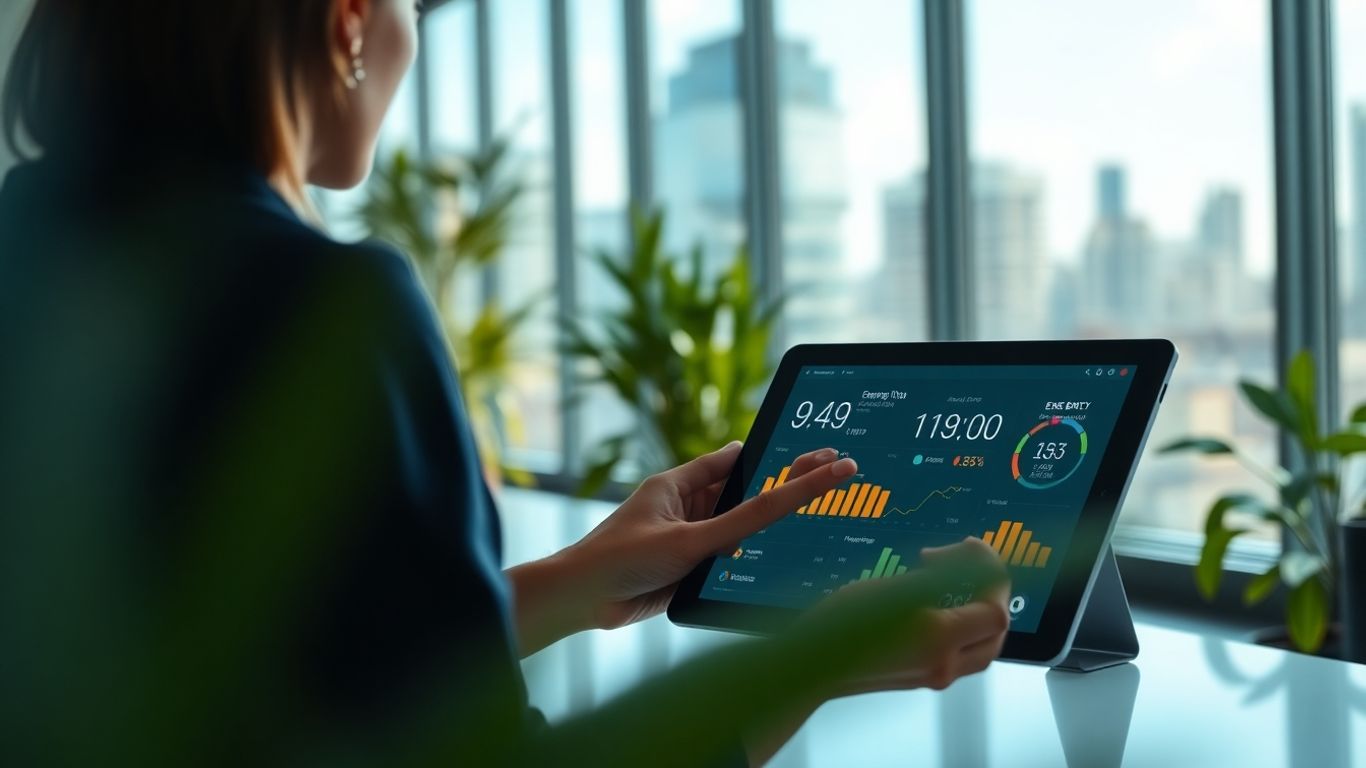
Technology is really changing the game when it comes to managing energy. It's not just about flipping switches anymore; we've got tools that give us super detailed insights and help us make smarter choices. Think of it as having a really good assistant who's always watching the energy meter for you.
Utilizing Energy Audits for Improvement
Before you can fix anything, you need to know what's broken, right? That's where energy audits come in. These aren't just quick walk-throughs; they're detailed checks of your whole setup. We're talking about looking at your lighting, your heating and cooling systems (HVAC), and even how well your building is insulated. The goal is to find those hidden energy drains – the places where energy is just being wasted without anyone noticing. It's like a doctor giving your building a check-up to find out where it's not feeling its best.
Implementing Retrofitting and Building Upgrades
Once an audit points out the problems, technology offers the solutions. Retrofitting means updating older systems with newer, more efficient ones. This could be swapping out old light bulbs for LEDs, which use way less power and last much longer. Or maybe it's installing smarter thermostats that learn your schedule and adjust the temperature automatically. Even bigger projects, like improving insulation or upgrading to more efficient windows, fall under this. These upgrades aren't just about saving energy; they often lead to lower maintenance costs and a more comfortable environment too.
Leveraging Carbon Accounting Software for Reporting
Keeping track of your energy use and its impact is super important, especially with all the regulations out there. This is where carbon accounting software shines. It helps you collect all that energy data, analyse it, and then generate reports. You can see exactly how much energy you're using, where it's coming from, and what your carbon footprint looks like. This makes it way easier to meet reporting requirements and show everyone how you're doing. It takes a lot of the guesswork out of sustainability reporting.
The right technology can turn energy management from a chore into a strategic advantage. It provides the data you need to make informed decisions, identify savings, and prove your commitment to sustainability.
Technology plays a huge part in how we manage energy today. Smart tools help us keep track of how much power we use and find ways to save it. This not only helps the planet but can also save money. Want to learn more about how smart energy use can benefit your business? Visit our website to discover the latest solutions.
Wrapping Up: Your Path to Smarter Energy Use
So, we've gone over a bunch of ways to get smarter about how your business uses energy. It's not just about saving the planet, though that's a big part of it. Doing this right can actually save you money and make your company look better to customers and partners. Think of it like this: getting a handle on your energy use is a smart move for the long haul. It’s about making good choices now that pay off later, both for your bottom line and for everyone else. Keep learning, keep trying new things, and you'll be well on your way to a more sustainable operation.
Frequently Asked Questions
Why is taking care of energy use important for businesses?
Being smart about energy helps businesses save money, protect the planet by using less harmful stuff, and makes the company look good to customers and others.
How can a business set good goals for being more sustainable?
To set good goals, businesses should make them clear, able to be measured, possible to reach, important to the business, and have a deadline. Think 'cut electricity use by 10% in one year,' not just 'use less energy'.
What's good about using energy from the sun, wind, or water?
Using clean energy like solar or wind means a business doesn't have to rely as much on fuels that run out. It can also save money over time and helps the environment.
Can small businesses really do sustainable energy management?
Absolutely! Small businesses can start with easy things like switching to LED lights. Then, they can slowly add bigger changes to save energy and help the earth.
How often should a company check its energy plans?
It's a good idea to look at energy plans at least once a year. Also, check them whenever something big changes, like getting new equipment or when rules change, to make sure the plans are still working well.
What's the easiest way to start saving energy at work?
A great first step is to switch to LED light bulbs because they use much less electricity. Also, training employees to turn off lights and equipment when they aren't needed makes a big difference.