
Mastering Supply Chains: Your Comprehensive Guide to a Materials Management Course
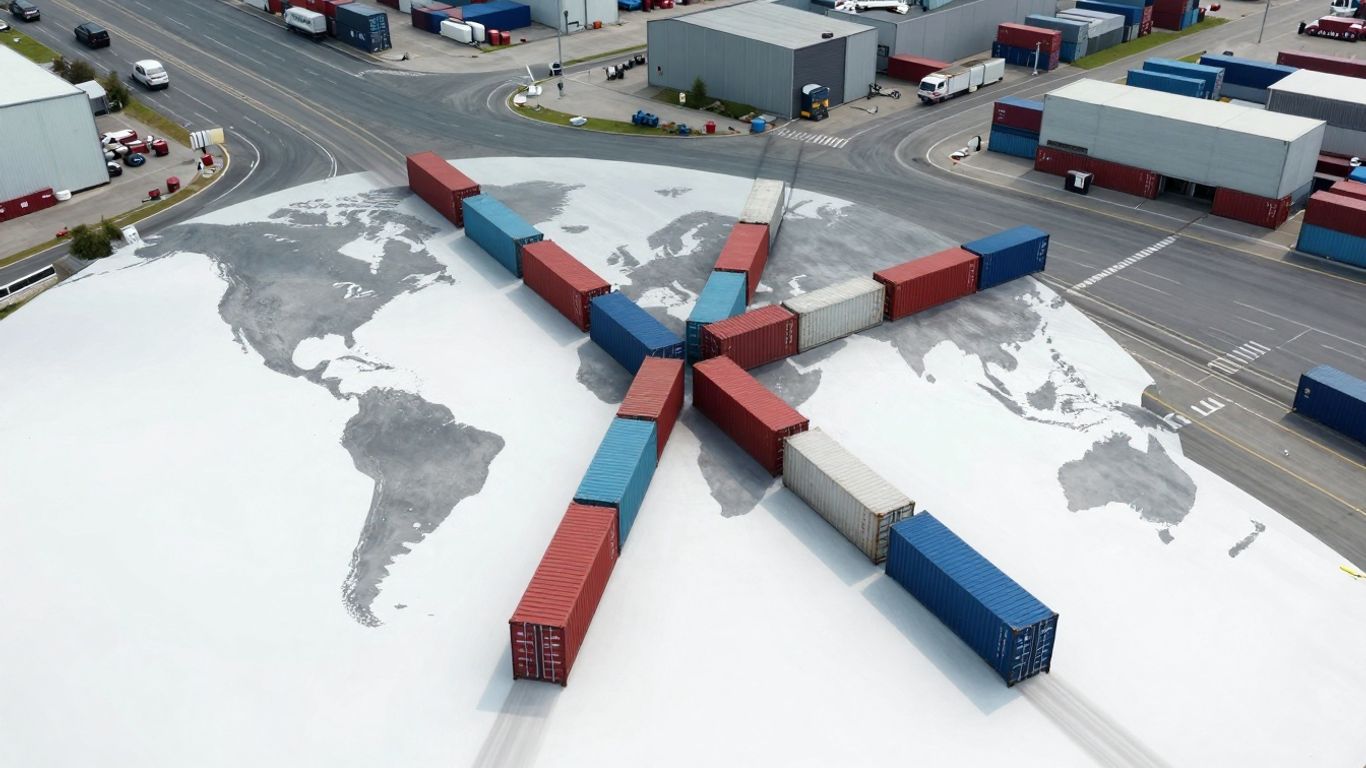
Thinking about getting a handle on how stuff gets from point A to point B? It's more complicated than it looks. This article is all about a materials management course, which is basically your roadmap to understanding the whole supply chain thing. We'll break down what it is, why you might want to take one, and what you'll actually learn. So, if you're curious about how products end up on shelves or at your door, stick around.
Key Takeaways
- A materials management course teaches you how to organize the movement of goods, from where they're made to when they reach the customer.
- These courses cover a lot, including planning, how to deal with suppliers, and using technology like ERP systems.
- Learning about supply chain management can really help your career, opening doors to jobs like operations manager or logistics coordinator.
- You'll learn about different parts of the process, like how to manage warehouses, plan for what customers will want, and make sure products get delivered on time.
- Understanding how to handle returns and keep customers happy is also a big part of what these courses teach.
Understanding The Core Of Supply Chain Management
What Is Mastering Supply Chain Management?
So, what's the big deal about mastering supply chain management? At its heart, it's all about getting things from where they start to where they need to end up, smoothly and without a hitch. Think about it: from the raw stuff that makes a product, all the way to that finished item you buy, and then getting it to your doorstep. It's the art and science of orchestrating this entire journey. This involves a lot of moving parts – planning what you'll need, finding the right suppliers, making the product, figuring out how to move it, and finally, delivering it. The goal is to make one big, efficient system that doesn't waste money, gets things done fast, and keeps customers happy.
The Flow of Goods and Services
When we talk about the 'flow' in supply chain management, we're really looking at two main streams that work together:
- Physical Flow: This is the stuff you can see and touch. It includes everything from making the product, storing it, and moving it around. It’s the actual transformation of raw materials into finished goods and their subsequent transport.
- Information Flow: This is the communication that keeps everything on track. It helps everyone involved – suppliers, manufacturers, distributors, and customers – coordinate their actions. Without good information flow, the whole system can get messy fast.
The entire process, from the initial idea for a product to its final delivery and even handling returns, relies on a well-coordinated dance between these physical and informational movements. It's not just about making something; it's about making it, moving it, and managing the data that makes it all possible.
Effectively managing these flows means that all the different parts of a business, and even different companies, have to work together. It's a big undertaking, and getting it right can give a company a real edge over the competition. It requires constant attention and smart planning to make sure everything runs productively.
Scope And Benefits Of A Materials Management Course
Vast Concepts and Vital Practices
So, what exactly does a materials management course cover? Think of it as learning the ins and outs of how stuff gets from point A to point B, and then to the customer, all while keeping things running smoothly. It's a pretty big topic, honestly. You'll get into all sorts of concepts, from figuring out how much of something you'll need (that's demand forecasting) to using fancy computer systems to keep track of it all. The goal is to make the whole process as efficient as possible. This means looking at everything from where raw materials come from to how finished products are made and shipped out. It’s about building a system that works well and doesn't waste resources. Learning about materials management is key to improving how a business operates.
Career Advancement and Certification
Now, why would you want to take a course like this? Well, for starters, it can really give your career a boost. Companies are starting to see that a well-run supply chain isn't just a nice-to-have; it's actually a big deal for making money and running things well. Because of this, there's a growing need for people who know their way around supply chains. Some courses even offer a certification, which is like a stamp of approval that shows you know what you're doing. This can make your resume look a lot better and open doors to jobs like supply chain manager or operations manager.
Demand Forecasting and Technology Integration
One of the really interesting parts of materials management is looking ahead. You have to try and guess what people will want and when they'll want it. This is called demand forecasting. It's not always easy, but it's super important for not having too much or too little stock. Then there's the tech side of things. You'll learn about different software systems that help manage all this information. Think of things like MIS (Management Information Systems), MRP (Material Requirement Planning), and ERP (Enterprise Resource Planning). These tools help organize everything, from planning what materials you need to tracking inventory and production schedules. It's all about using technology to make smarter decisions and keep the supply chain moving efficiently.
Key Topics Covered In Supply Chain Education
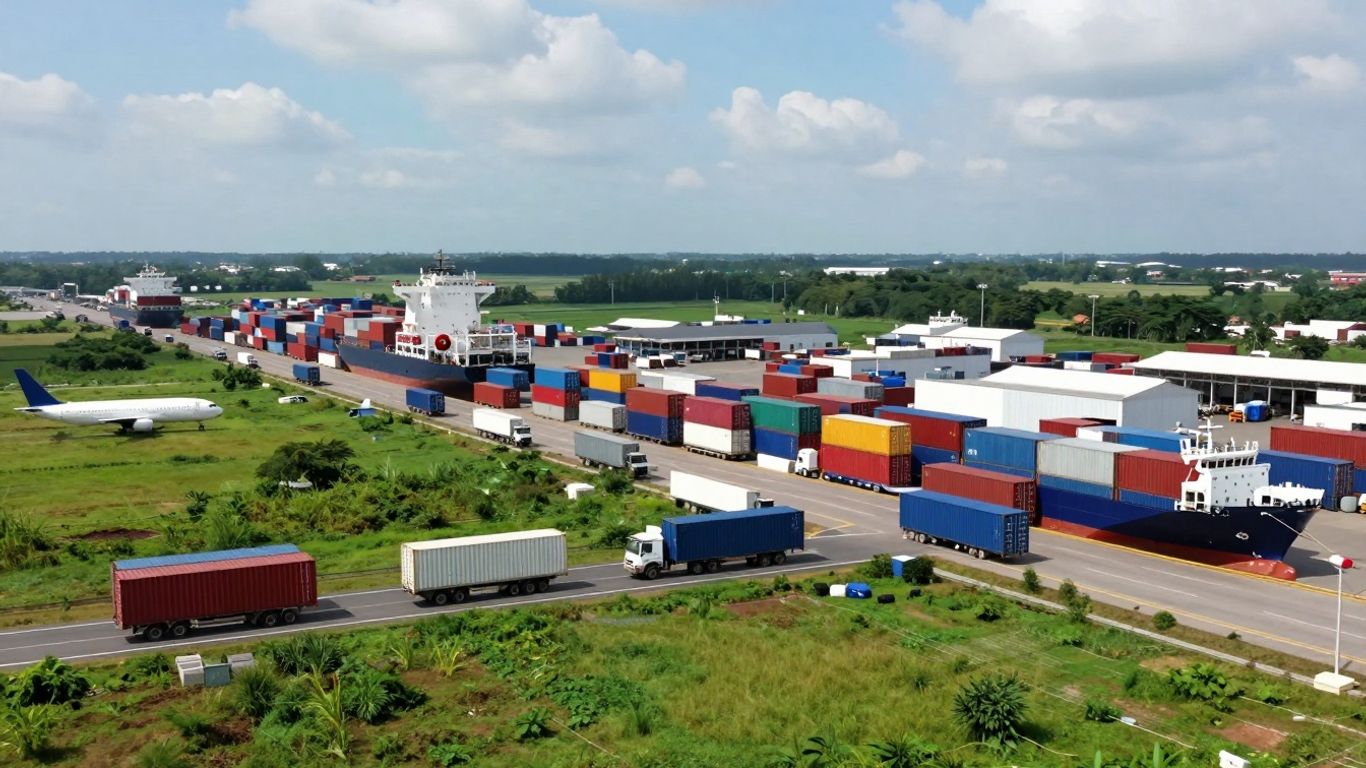
When you're looking into a supply chain course, you'll run into a few core topics that keep popping up. These are the building blocks, the things that really make the whole system tick. Understanding these is key to managing materials effectively.
Management Information Systems (MIS)
Think of MIS as the brain of the operation. It's all about how information flows and how we use it to make smart decisions. This isn't just about computers; it's about the systems and processes that collect, store, and analyze data related to your supply chain. Good MIS helps you see what's happening in real-time, spot problems before they get big, and plan for the future. It's pretty much the backbone for any modern supply chain, helping to connect all the different parts.
Material Requirement Planning (MRP)
MRP is a bit more specific. It's a system designed to help manufacturers figure out exactly what materials they need, when they need them, and how much they need to order. It takes into account your production schedule, current inventory levels, and what raw materials are required for each product. The goal is to make sure you have the right stuff on hand, without having too much sitting around collecting dust. This helps keep production running smoothly and avoids costly delays.
Enterprise Resource Planning (ERP)
ERP systems take things a step further than MRP. While MRP focuses on materials, ERP integrates all sorts of business processes into one system. This includes things like finance, human resources, manufacturing, and of course, supply chain management. An integrated ERP system provides a single source of truth for your entire organization, making it easier to coordinate activities across different departments. It helps in everything from planning production to managing customer orders and tracking inventory. Many companies rely on systems like SAP for their supply chain operations.
Here's a quick look at how these systems often work together:
- MIS provides the overall data and reporting.
- MRP uses that data to plan material needs for production.
- ERP integrates MRP and other business functions for a holistic view.
These systems aren't just buzzwords; they are practical tools that professionals use every day to keep things moving. Learning about them gives you a real advantage in the job market.
Foundational Disciplines In Supply Chain Operations
When you're looking at how a supply chain actually works, it's built on some pretty solid ground. Think of these as the core building blocks that make everything else possible. Without these, the whole system would just fall apart. It’s not just about moving stuff from point A to point B; it’s about doing it smartly and efficiently.
Operations Management Principles
This is all about how things get made and how services are delivered. It’s about making sure that the right resources – people, machines, materials – are in the right place at the right time. Effective operations management is key to keeping costs down and quality up. It involves a lot of planning, like figuring out production schedules and making sure everything runs smoothly. You also have to think about how to manage all the different parts of the production process so they work together without a hitch. It’s a bit like conducting an orchestra, where every instrument needs to play its part perfectly for the music to sound good.
Logistics and Warehousing Strategies
Once things are made, they need to be stored and moved. That's where logistics and warehousing come in. It’s not just about having a big building to put stuff in; it’s about having a smart system for storing inventory and getting it where it needs to go. This includes deciding on the best ways to transport goods, whether that's by truck, train, ship, or plane. You also need to think about how to organize your warehouses so you can find things easily and get them out the door quickly. Good logistics can make a huge difference in how happy your customers are and how much money the company makes. It's all about getting the right product to the right place at the right time, without costing too much.
Designing Value-Added Processes
This part is about looking at every step in the supply chain and asking, "How can we make this better?" It’s about finding ways to add value for the customer at each stage, from the moment raw materials come in to when the finished product goes out. This might mean finding faster ways to produce things, improving the quality of the product, or making the delivery process smoother. It’s a continuous effort to improve and innovate. You're always looking for opportunities to streamline, cut out unnecessary steps, and make the whole process more efficient. This focus on adding value helps businesses stand out from the competition and keeps customers coming back.
The goal is to create a system where every action contributes positively to the final outcome, whether that's a happy customer or a more profitable business. It's about being smart with resources and time.
Strategic Planning And Supplier Relations
The Role of Planning in SCM
Okay, so you've got your materials, and you're thinking about how to get them from point A to point B, and then to the customer. But before you even think about moving anything, there's this whole planning phase. It's not just about having a vague idea; it's about making solid decisions. This is where you figure out what you need, when you need it, and how much you'll need. Good planning is the bedrock of a smooth supply chain. It means looking at demand, figuring out your resources, and setting up the whole process so things don't get messy later. Think of it like drawing up a detailed map before you start a long road trip – you wouldn't just hop in the car and hope for the best, right?
Vendor Identification and Collaboration
Once you have a plan, you need people to help you execute it. That's where suppliers come in. Finding the right ones is a big deal. You want suppliers who are reliable, who can deliver what you need, when you need it, and at a decent quality. But it's not just about picking them off a list. It's about building relationships. When you work closely with your suppliers, sharing information and working together, you can solve problems before they even pop up. This kind of collaboration is key to keeping things moving. It's about more than just a transaction; it's about partnership. Learning about supplier relationship management best practices can really make a difference here.
Supplier Risk Management
Let's be real, things don't always go according to plan. That's where risk management comes in, especially when it comes to your suppliers. What happens if your main supplier has a problem? Maybe a natural disaster hits their area, or there's a political issue. You need to have a plan for that. This means identifying potential problems before they happen and figuring out what you'll do if they do. It could mean having backup suppliers, or maybe diversifying where you get your materials from. It's all about making your supply chain tough enough to handle unexpected bumps in the road. You don't want a small issue with one supplier to bring your whole operation to a halt.
Managing supplier risk isn't just about avoiding problems; it's about building a supply chain that can adapt and keep going, no matter what.
Here's a quick look at what goes into managing supplier relationships:
- Identification: Finding potential suppliers and checking their background.
- Evaluation: Assessing their capabilities, quality, and reliability.
- Selection: Choosing the best fit for your needs.
- Collaboration: Building strong working relationships.
- Monitoring: Keeping an eye on performance and potential risks.
Product Lifecycle And Delivery Management
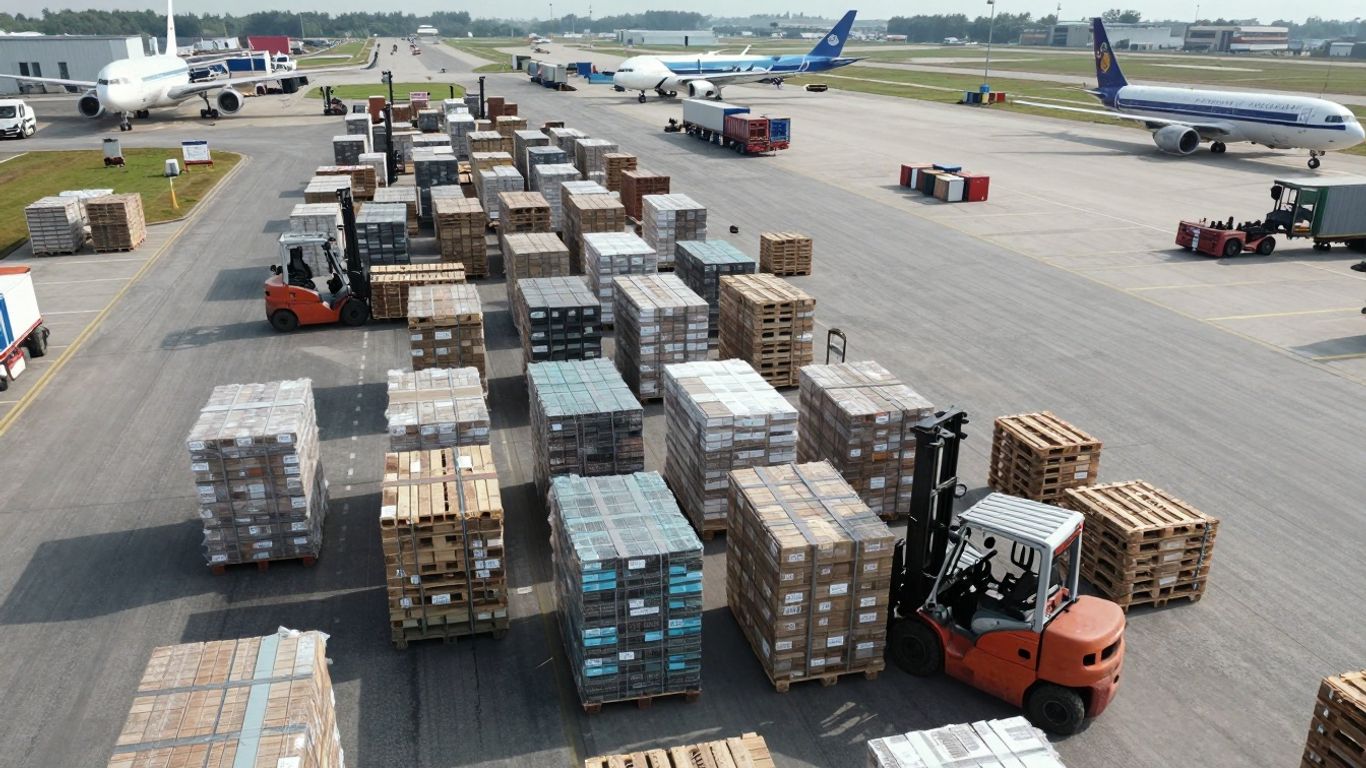
So, you've got your raw materials, and you've turned them into something a customer actually wants. Great! But that's only part of the story. The journey from a pile of components to a happy customer's doorstep, and what happens after, is where the real magic of supply chain management happens. It's all about making sure the right product gets to the right place at the right time, without a hitch.
Transforming Raw Materials to Finished Goods
This is where things really start to take shape. Think of it as the manufacturing phase. It's not just about putting pieces together; it involves careful planning of production schedules, making sure everything meets quality standards, and getting it all packaged up nicely. Technology plays a big role here, helping to automate processes and keep things running smoothly. The goal is to efficiently convert inputs into outputs that are ready for the next step.
Logistics Management for Final Delivery
Now for the exciting part: getting the product to the customer. This is where logistics takes center stage. You have to figure out the best way to ship it – truck, train, plane, ship? Each has its pros and cons. Then there's managing inventory so you know what you have and where it is, and making sure your warehouse is set up to handle everything. It's a balancing act, really, trying to get things delivered quickly and affordably. Good logistics management is key to keeping customers happy and coming back for more. For businesses looking to streamline this, exploring options for supply chain analytics can provide valuable insights.
Inventory Management Techniques
Keeping track of what you have is super important. Too much inventory ties up cash, and too little means you might miss out on sales. There are a bunch of ways to handle this:
- Just-In-Time (JIT): Get materials and produce goods only when they are needed. This cuts down on storage costs.
- Economic Order Quantity (EOQ): A formula to figure out the ideal amount of inventory to order to minimize costs.
- ABC Analysis: Categorizing inventory based on its value. 'A' items are high value and need close monitoring, 'B' items are moderate, and 'C' items are low value and can be managed more loosely.
Managing inventory effectively means you're not just storing stuff; you're actively controlling costs and making sure you can meet demand without having a warehouse full of unsold goods.
Handling Defective Products
Sometimes, things go wrong. A product might be faulty, or maybe the customer just changed their mind. Dealing with returns is a necessary part of the process. It's not just about taking the item back; it's about figuring out why it was returned and how to prevent it from happening again. This can involve inspecting the product, deciding if it can be repaired or needs to be disposed of, and updating records. It’s a stage that, if handled well, can actually build customer loyalty.
Managing Returns And Ensuring Customer Satisfaction
So, you've gotten a product to your customer, and they're happy. Great! But what happens when things don't go as planned? That's where managing returns and making sure customers are still satisfied comes into play. It's not just about sending stuff back; it's a whole process that can actually make or break your business's reputation.
Handling Defective Products
When a product is faulty, it's a bummer for everyone. The first step is to have a clear process for customers to report these issues. This could be through a dedicated online form or a customer service line. The goal is to make it easy for them to tell you what's wrong. You'll need to decide if you're going to offer a refund, a replacement, or a repair. This decision often depends on the nature of the defect and the product's value. Think about it like this: if a tiny part breaks on a big appliance, a repair might be best. But if the whole thing is a dud, a replacement is probably the way to go. It's all about finding that balance between cost and customer happiness.
Product Quality and Returns Management
Good product quality from the start means fewer returns, obviously. But even with the best quality control, some returns are inevitable. This is where effective product returns management really shines. It's about having systems in place to process these returns quickly and efficiently. This includes inspecting the returned item to see if it's genuinely defective or if it was damaged in transit or by the customer. Based on this inspection, you can then decide on the next steps, like restocking, refurbishing, or disposing of the item. A smooth returns process can turn a potentially negative experience into a positive one, showing customers you stand by your products.
Integrating Transportation and Inventory for Returns
This might sound a bit technical, but it's super important. How you handle the transportation of returned goods and how you manage that inventory back in your warehouse makes a big difference. For example, you might set up specific return shipping labels or partner with carriers who specialize in reverse logistics. Once the items are back, they need to be logged into your inventory system. Are they ready to be resold? Do they need repair? This information needs to be readily available. It's about making sure that the items coming back don't just sit in a corner gathering dust but are managed smartly. This integration helps reduce costs and speeds up the whole returns cycle, which ultimately benefits the customer.
Making sure customers are happy when they return items is super important. It shows you care about their experience even after the sale. Want to learn how to handle returns smoothly and keep your customers smiling? Visit our website to discover the best ways to manage returns and boost customer happiness!
Wrapping It Up
So, we've gone through what makes a supply chain tick, from getting the raw stuff to putting it in customers' hands. This course gives you the tools to make that whole process work better. It's not just about moving boxes; it's about smart planning, working with suppliers, and using technology to keep things running smoothly. Think of it as getting a clearer picture of how everything connects. By learning these things, you're setting yourself up for a career where you can really make a difference in how businesses operate. It’s a field that’s always changing, so being ready to learn and adapt is key.
Frequently Asked Questions
What exactly is mastering supply chain management?
It's all about making sure products get from where they're made to you, the customer, in the best way possible. This means planning everything from getting the raw stuff, making the product, and then getting it to your doorstep without any hiccups. The goal is to make it all work smoothly, save money, and make sure you get what you want when you want it.
What will I learn in a materials management course?
You'll learn a ton of useful things! It covers how to plan for what people will buy, use cool computer tools to keep track of everything, and understand how to manage factories and warehouses. You'll also learn how to work with the people who supply the materials and make sure products get delivered on time.
How can this course help me get a better job?
Companies really need people who know how to manage their supply chains because it helps them make more money and run better. This course can give you the skills and even a certificate that shows you know your stuff. This can help you land jobs like a supply chain manager or an operations manager.
What are some of the main topics in supply chain courses?
You'll dive into things like Management Information Systems (MIS), which are computer systems that help businesses make smart decisions. You'll also learn about Material Requirement Planning (MRP) and Enterprise Resource Planning (ERP), which are systems that help manage all the materials and resources a company needs.
What's the difference between logistics and warehousing?
Logistics is the whole process of moving goods, like figuring out the best way to ship things. Warehousing is about storing those goods safely and efficiently in a building, like a big warehouse. Both are super important for making sure products get where they need to go.
What happens if a product is broken or needs to be returned?
This course teaches you how to handle those situations. It's about making sure customers are happy even if something goes wrong. You'll learn how to manage returns, fix problems with product quality, and make sure the whole process of getting a product back is as smooth as possible.