
Mastering Decarbonisation Strategies: A Practical Guide for a Sustainable Future

So, you're trying to figure out how to cut down on your company's carbon emissions, huh? It sounds like a big job, and honestly, it can be. But it's also something more and more businesses are tackling. This guide is here to break down what a solid decarbonisation strategy looks like. We'll cover the basics, like figuring out where your emissions are coming from, setting realistic goals, and what actual steps you can take. Plus, we'll touch on how technology can help and why all this matters for your business's future.
Key Takeaways
- Start by understanding your company's current carbon footprint, including direct, energy-related, and indirect emissions. This baseline is the first step in any effective decarbonisation strategy.
- Set clear, measurable goals for reducing emissions. Aligning with science-based targets is a good way to ensure your goals are ambitious yet achievable.
- Focus on practical actions like improving energy efficiency, switching to renewable energy, working with suppliers on their emissions, and designing products with less environmental impact.
- Use digital tools and software to track emissions data, streamline reporting, and improve collaboration across different departments.
- A well-planned decarbonisation strategy not only helps meet regulations and improve your company's image but also offers real business benefits like cost savings and new market opportunities.
Building a Solid Foundation for Decarbonisation Strategies

Getting started with decarbonisation isn’t all about grand new tech or big spending. It’s about getting the basics right first—setting up a strong process, organizing your emissions data, and making sure your reporting lines up. If you don’t know where your emissions are coming from, it’s like trying to fix a leak without knowing where the water is pouring out.
Defining Your Greenhouse Gas Emissions Baseline
Before you cut down emissions, you have to know what you’re working with. A greenhouse gas baseline tells you exactly how much you’re emitting and from where—giving you a starting point. This means getting solid data from across your operations, covering everything from the company car fleet to the electricity bill and even less obvious things like waste or business travel.
- List all sources of emissions across your business
- Collect historical data (past 1-3 years works best)
- Use standard tools or calculators rather than trying to invent your own
Setting a proper baseline helps you spot quick wins, set targets, and track progress—all in a way that stands up to outside scrutiny.
Understanding Scope 1, 2, and 3 Emissions
Not all emissions are created equal. You’ve got:
Understanding these brackets is key, especially Scope 3, since that’s often the hardest—and biggest—chunk to measure. If you ignore indirect impacts, you’ll miss opportunities and might fall short of what regulators and customers expect.
Establishing Clear Reporting Structures
Decarbonisation isn’t a solo act. Making sure reporting is regular and clear keeps everyone honest and looped in, from managers to finance teams to external investors. Here’s what you need:
- Decide who’s responsible for tracking and reporting (this shouldn’t be a mystery)
- Set up a regular schedule for data review—monthly or quarterly usually works
- Make reporting transparent, with numbers easy to check and compare over time
A clear structure means less confusion, plus you’re more likely to spot errors or gaps before they become bigger problems.
Getting your foundation right isn’t flashy, but it’s what gives every other part of your decarbonisation work something solid to stand on. Without it, ambitious carbon goals end up as empty slogans. With it, you’re ready to actually make change that lasts.
Setting Science-Based and Actionable Reduction Targets
Okay, so you've figured out your company's carbon footprint. That's a big first step! But what do you do with that information? You need to set some goals, right? And not just any goals – they need to be smart goals. We're talking about targets that are actually achievable and, importantly, based on real science. This is where the Science Based Targets initiative (SBTi) comes into play. They provide a framework to make sure your reduction goals align with what scientists say is needed to keep global warming in check. It’s not just about looking good; it’s about doing your part.
Aligning with Science-Based Targets Initiatives (SBTi)
Think of SBTi as a guide for setting ambitious yet realistic climate goals. They help companies define how much they need to cut emissions to meet the Paris Agreement goals. It’s a pretty solid way to get your company on the right track. You can find out more about their work on forest, land, and agriculture guidance. They offer different pathways depending on your industry and company size, which is helpful because not everyone's situation is the same.
Ensuring Realistic and Measurable Goals
Setting a target is one thing, but making sure it's actually doable is another. Your goals should be specific, measurable, achievable, relevant, and time-bound (SMART). For example, instead of saying "we'll reduce emissions," aim for "reduce Scope 1 and 2 emissions by 30% by 2030 compared to a 2022 baseline." This makes it clear what you're aiming for and how you'll know if you've hit the mark.
Here’s a quick breakdown of what makes a good target:
- Absolute Reduction: Aim to cut total emissions by a set amount, not just reduce emissions per unit of production.
- Time-Bound: Set clear short-term (5-10 years) and long-term (10+ years) deadlines.
- Data-Driven: Base your targets on accurate emissions data.
- Accountability: Assign responsibility for achieving targets to specific teams or individuals.
Integrating Climate Goals Into Business Strategy
This isn't just a side project for the sustainability team. Climate goals need to be woven into the very fabric of your business. That means getting buy-in from the top and making sure operational leaders understand their role. When bonuses are tied to hitting climate targets, people tend to pay more attention. It also means looking at how your climate goals can actually benefit the business, like finding cost savings through energy efficiency or developing new, greener products that customers want.
Decarbonisation is becoming less of a 'nice-to-have' and more of a core business requirement. Companies that proactively set and pursue science-based targets are better positioned to manage risks, attract investment, and stay competitive in the long run. It's about building a more resilient and sustainable business model for the future.
Leveraging Key Levers to Drive Decarbonisation Strategies
So, you've got your emissions baseline sorted and your targets set. Great! Now comes the part where we actually do something about it. This isn't just about ticking boxes; it's about making real changes that cut down on greenhouse gases and, bonus, can actually make your business run better. Think of these as the main tools in your decarbonisation toolbox.
Enhancing Energy Efficiency Across Operations
This is often the low-hanging fruit, and honestly, it's a good place to start. We're talking about using less energy to get the same amount of work done. It might be tweaking how your machines run, making sure your buildings aren't leaking heat like a sieve, or just getting your team to switch off lights when they leave a room. It sounds simple, but these small things add up. Plus, using less energy means spending less money, which is always a win.
- Process Optimization: Look at your manufacturing or service delivery. Are there ways to make it smoother, faster, or require less power?
- Building Management: Better insulation, smart thermostats, and efficient lighting can make a big difference in your facilities.
- Equipment Upgrades: Replacing old, power-hungry machinery with newer, more efficient models can pay for itself over time.
Sometimes, the most impactful changes come from looking at the everyday stuff. Don't underestimate the power of small, consistent improvements.
Switching to Renewable Energy Sources
This is a big one. Moving away from fossil fuels for your electricity and heating is a major step. You can do this in a few ways. Maybe you install solar panels on your own buildings. Or, you could buy electricity from a provider that guarantees it comes from renewable sources like wind or solar. It's about cleaning up the energy you consume.
- On-site Generation: Installing solar panels or small wind turbines if your location allows.
- Green Energy Procurement: Signing contracts with utility providers for renewable electricity.
- Power Purchase Agreements (PPAs): Longer-term contracts to buy renewable energy directly from developers.
Engaging Suppliers for Low-Carbon Value Chains
Your company's emissions don't stop at your own doors. A huge chunk often comes from your supply chain – the materials you buy, how they're transported, and so on. You can't decarbonise alone. You need to work with your suppliers. Ask them about their own emissions, encourage them to set targets, and maybe even favour those who are also making an effort. It's about building a greener network.
- Supplier Assessment: Understand your suppliers' carbon footprints and practices.
- Collaboration and Support: Work with suppliers to help them reduce their emissions, perhaps through shared best practices or joint projects.
- Procurement Policies: Integrate sustainability criteria into your purchasing decisions.
Redesigning Products for Sustainability
Think about your products from start to finish. How are they made? What materials are used? How long do they last? Can they be repaired or recycled? Designing products with their entire lifecycle in mind, aiming to reduce emissions at every stage, is a powerful strategy. This might mean using recycled materials, making products more durable, or designing them for easier disassembly and recycling at the end of their life. It's about innovation that benefits both the planet and your customers.
- Material Selection: Opting for lower-carbon or recycled materials.
- Durability and Repairability: Designing products to last longer and be easily fixed.
- End-of-Life Considerations: Planning for reuse, remanufacturing, or recycling.
Harnessing Digital Tools for Enhanced Carbon Management
Let's be honest, trying to track carbon emissions manually feels like trying to count grains of sand on a beach. It's overwhelming, prone to errors, and frankly, a huge waste of time. That's where digital tools come in. They're not just fancy software; they're becoming the backbone of any serious decarbonisation effort. Think of them as your digital co-pilot, helping you see the whole picture and make smarter decisions.
Utilizing Carbon Accounting Software Solutions
This is where the real work begins. Carbon accounting software takes the chaos out of data collection. Instead of spreadsheets scattered everywhere, you get a central hub for all your emissions data. These platforms are designed to handle the complexities of Scope 1, 2, and 3 emissions, pulling data from various sources. Whether it's energy bills, supplier information, or operational logs, the software can process it. This gives you a much clearer picture of your company's environmental footprint. Tools like Salesforce Net Zero Cloud are built to manage this complexity, offering a structured way to track your impact.
Improving Cross-Departmental Collaboration With Data
Decarbonisation isn't just a job for the sustainability team. It touches procurement, operations, finance, and more. Digital tools create a shared language and a single source of truth for everyone involved. When procurement can see the emissions impact of different suppliers, or operations can track the efficiency of new equipment in real-time, everyone is working with the same information. This shared data foundation makes it easier to align goals and implement strategies across the board. It stops the finger-pointing and gets everyone pulling in the same direction.
Automating Emissions Data Collection and Reporting
Manual data entry is a bottleneck. It's slow, tedious, and increases the chance of mistakes. Automation changes the game. Software can automatically pull data from utility meters, ERP systems, and other sources. This not only saves a massive amount of time but also improves the accuracy and reliability of your emissions data. When it comes time for reporting, whether it's for regulatory compliance like CSRD or for internal reviews, automated reporting features can generate reports quickly and efficiently. This means less stress during audit periods and more time to focus on actual reduction efforts.
The shift towards digital tools for carbon management is more than just adopting new technology; it's about building a robust, data-driven foundation for your entire sustainability strategy. It transforms a daunting task into a manageable, measurable process, allowing for quicker identification of reduction opportunities and more effective implementation of climate actions.
Achieving Regulatory and Market Compliance
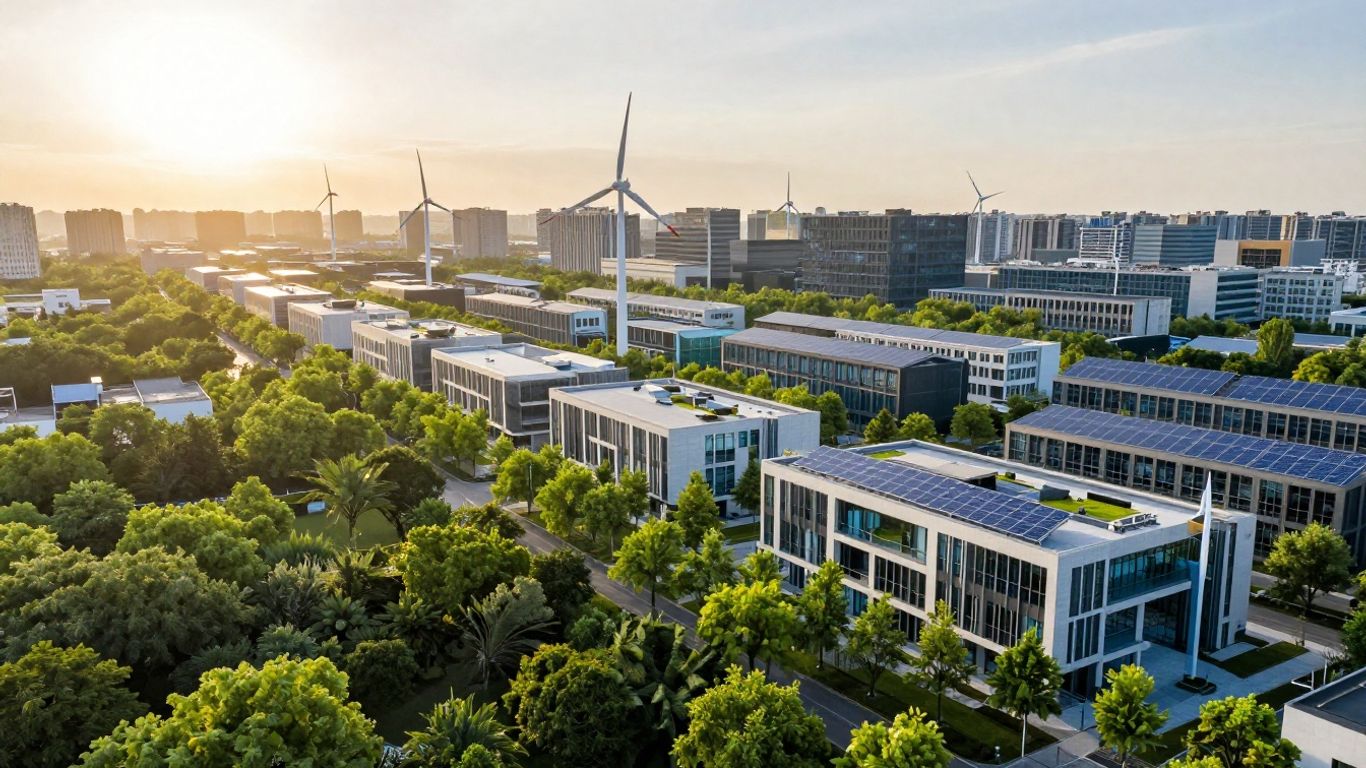
So, you've got your emissions baseline sorted, set some ambitious targets, and you're actively working on reducing your footprint. That's fantastic! But let's talk about the stuff that keeps the business world ticking: rules, regulations, and what the market expects. It’s not just about doing good; it’s about making sure your company is playing by the book and staying ahead of the curve.
Navigating CSRD, EU Taxonomy, and ESG Regulations
This is where things can get a bit complex, but it's super important. The Corporate Sustainability Reporting Directive (CSRD) is a big one, requiring companies to report on a wide range of sustainability matters. It's all about transparency and making sure your environmental, social, and governance (ESG) performance is clear to investors and the public. The EU Taxonomy, on the other hand, provides a classification system to determine which economic activities can be considered environmentally sustainable. Getting these right means your company can show it's genuinely contributing to environmental goals, not just talking about them. This structured approach builds trust and can even open doors to new investment opportunities.
Here’s a quick rundown of what you’ll likely be dealing with:
- CSRD Reporting: This involves detailed disclosures about your company's impacts, risks, and opportunities related to sustainability. You'll need to report on your strategy, governance, and performance metrics.
- EU Taxonomy Alignment: You'll need to assess and report on how your business activities contribute to specific environmental objectives, like climate change mitigation or adaptation.
- ESG Frameworks: Beyond specific regulations, many investors and stakeholders look at broader ESG performance. This means having solid data and practices across environmental, social, and governance areas.
Mastering Sustainable Supply Chain Reporting
Your company's footprint doesn't stop at your own doors, right? A huge chunk of emissions often comes from your supply chain, especially Scope 3. Regulations are increasingly pushing for companies to report on these indirect emissions. This means you've got to work closely with your suppliers, understand their emissions, and encourage them to decarbonize too. It’s a collaborative effort, and frankly, it’s where a lot of the real impact can be made. Think of it as building a more resilient and responsible network. Reporting on this isn't just a compliance exercise; it's a strategic move that can improve supplier relationships and identify risks before they become major problems. The voluntary carbon market is also evolving, with commitments seeing a significant surge, which can influence how your supply chain's efforts are valued understanding Scope 1, 2, and 3 emissions.
Preparing for Carbon Border Adjustment Mechanism (CBAM)
If your business imports certain goods into the European Union, you need to be aware of CBAM. This mechanism is designed to put a carbon price on imports of certain goods from outside the EU, leveling the playing field with EU producers who are subject to the EU's carbon pricing. It requires importers to buy certificates corresponding to the carbon emissions released during the production of those goods. Getting this wrong could mean unexpected costs and disruptions. It’s a good idea to start understanding the specific products covered and the reporting requirements well in advance.
The push for regulatory compliance in decarbonisation isn't just about avoiding penalties. It's about integrating sustainability into the core of your business operations and strategy. Companies that proactively address these requirements often find they are better positioned to attract investment, secure customer loyalty, and build a stronger, more future-proof business model. It's a shift from viewing compliance as a burden to seeing it as a competitive advantage.
Driving Continuous Improvement in Decarbonisation Strategies
Staying on track with decarbonisation isn’t just about a one-off effort. Success depends on keeping things moving—constantly checking your progress, fixing what doesn’t work, and never getting too comfortable. Let’s break down what steady improvement actually looks like in practice.
Implementing Regular Monitoring and Adjustment
Once you’ve started putting your carbon reduction plans into action, the real work begins with closely watching your results. Consistent monitoring lets you spot issues early and correct your course before small problems grow. A solid approach means:
- Tracking climate-relevant KPIs, like emissions per unit produced or energy used per square foot
- Reviewing performance monthly or quarterly, not just year-end
- Using real-time dashboards from carbon management software to speed up feedback
Here’s a simple table that shows what items might show up in a regular monitoring routine:
Staying disciplined with these checks is one reason why a regular review is key to a solid decarbonization roadmap.
Sometimes things just don’t go as planned—market conditions shift, or a supplier changes hands. Tweaking your game plan makes the difference between falling behind and staying ahead.
Communicating Progress to Stakeholders
Reporting your journey is almost as important as making progress itself. Keeping everyone—from the board and employees to customers and investors—informed about your climate action isn’t just box-ticking. It helps keep motivation high and trust intact.
When updating stakeholders, aim for:
- Clear stories that use real data, not buzzwords or empty claims
- Regular updates with visuals or dashboards
- Sharing both wins and setbacks to keep things transparent
Building trust through open reporting keeps everyone bought in for the long haul. That might even include documenting how you’re using feedback to improve routines.
Mitigating Risks and Strengthening Brand Reputation
Strong decarbonisation strategies pay off in more ways than just lower emissions. Keeping up with regulations and being willing to adapt helps protect against fines, public criticism, and even lost business. Here’s how to stay resilient:
- Stay updated on changing rules, like CSRD or ESG requirements
- Build flexibility into your strategy so you can act quickly when the unexpected happens
- Train managers to look out for both compliance risks and positive PR moments
Sticking with a continuous improvement mindset doesn’t just keep you in the clear—it makes your company look more reliable and forward-thinking to partners and customers. And really, that’s a win for both the planet and the bottom line.
Maximizing Business Value from Decarbonisation Initiatives
Unlocking New Markets Through Sustainability
Thinking about decarbonisation isn't just about saving the planet; it's also a smart move for your business. Companies that get serious about reducing their carbon footprint are finding new doors opening. More and more customers, especially in the business-to-business world, want to know their suppliers are also on a green path. Having a clear plan and showing real progress can make you stand out from the competition. It's like getting a VIP pass to markets that are increasingly focused on sustainability. This can mean landing bigger contracts or even getting access to financing that's specifically for green projects.
Enhancing Employee and Customer Engagement
When your company takes a stand on climate change, it really matters to people. Your employees often feel more connected to a company that's doing good, and this can lead to better morale and less turnover. Think about it: who wouldn't want to work for a place that's trying to make a positive difference? The same goes for your customers. They're not just buying a product or service; they're often buying into your company's values. Showing you care about the environment can build a stronger bond with them, making them more loyal and likely to recommend you to others. It's about building trust and a shared sense of purpose.
Achieving Cost-Efficiency and Operational Resilience
Let's be honest, cutting down on energy use and waste often means cutting down on costs. When you look closely at where your emissions are coming from, you usually find places where you can be more efficient. This could be anything from better insulation in your buildings to optimizing your delivery routes. These changes don't just reduce your carbon output; they put more money back into your pocket. Plus, by making your operations more efficient and less reliant on volatile fossil fuels, you're building a more stable business. This makes you less vulnerable to price shocks and supply chain disruptions, which is a big win for long-term stability.
- Focus on both business value and climate impact.
- Integrate decarbonisation into your core business operations.
- Prioritize initiatives that improve emissions and build financial value.
Making sustainability a core part of your business strategy isn't just about meeting regulations or looking good. It's about building a stronger, more adaptable company for the future. By focusing on efficiency, engaging your people, and tapping into new markets, you can turn climate action into a real business advantage.
Making your business greener isn't just good for the planet; it's smart for your wallet too. By focusing on ways to reduce your environmental impact, you can actually boost your company's worth. Ready to learn how? Visit our website to discover strategies that help your business thrive while being kind to the Earth.
Moving Forward: Making Decarbonisation a Reality
So, we've talked a lot about why cutting carbon is important, from new rules to just plain good business sense. It’s not just about saving the planet, though that’s a big part of it. It’s also about making your company stronger, more efficient, and frankly, more attractive to customers and investors. We looked at how to figure out your carbon footprint, set some real goals, and what steps you can actually take, like using less energy or finding greener suppliers. It might seem like a lot, but remember, it’s a journey. Start with what you can measure, focus on what makes sense for your business, and keep at it. The companies doing this well aren't just ticking boxes; they're building a more resilient and profitable future for themselves. It’s about smart planning and consistent effort, and that’s something every business can work towards.
Frequently Asked Questions
What is a decarbonization strategy?
A decarbonization strategy is a step-by-step plan that helps a company lower its carbon emissions. This can include using less energy, switching to renewable sources, and making products in a more eco-friendly way. The goal is to help the environment while also following rules and saving money.
Why should companies care about reducing their carbon footprint?
Companies need to reduce their carbon footprint because of new laws, customer expectations, and the need to stay competitive. Doing this can help them avoid fines, save on energy costs, attract more customers, and build a better reputation.
How do companies figure out where their emissions come from?
Companies start by measuring all the greenhouse gases they produce. They look at direct emissions (from their own factories), indirect emissions (from the energy they buy), and other indirect emissions (from their suppliers and the products they sell). This is called making a carbon footprint.
What are Scope 1, 2, and 3 emissions?
Scope 1 emissions are the greenhouse gases a company makes directly, like from its own trucks or factories. Scope 2 emissions are from the energy the company uses, like electricity. Scope 3 emissions are all other indirect emissions, like those from suppliers or when customers use the company’s products.
How can digital tools help with decarbonization?
Digital tools, such as carbon tracking software, make it easier to collect, track, and report emissions data. They help companies see where they can improve, make better decisions, and share their progress with others.
What are the benefits of having a good decarbonization strategy?
A strong decarbonization strategy helps companies follow the law, save money, build trust with customers and investors, and find new business opportunities. It also helps them be ready for future changes and risks related to climate change.