
Leading the Charge: MBA Sustainability Management Programs in India
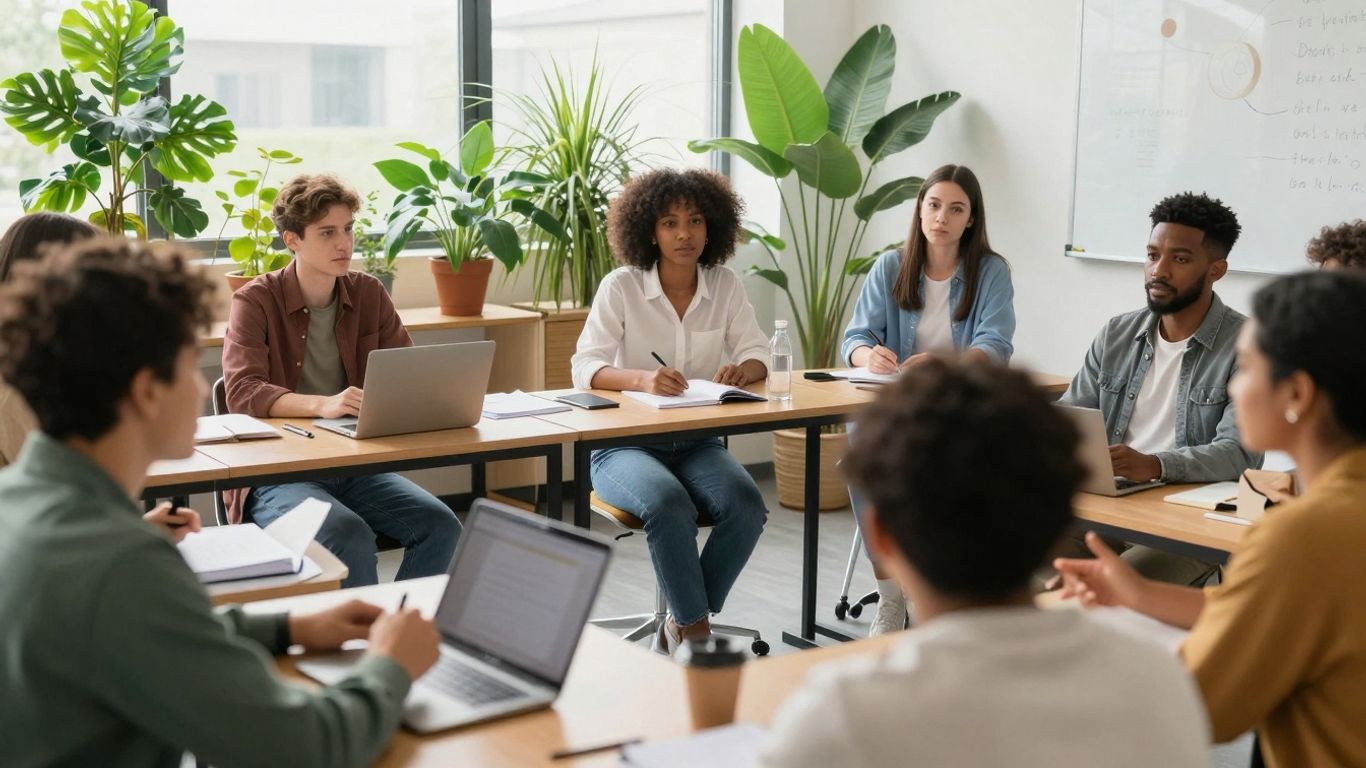
So, you're thinking about an MBA, but not just any MBA. You're looking at sustainability management, specifically here in India. It’s a smart move, honestly. Businesses everywhere are starting to get that just making money isn't enough anymore. They need to think about the planet and people too. This is where these specialized MBAs come in, preparing folks to lead that change. It’s a growing field, and getting the right education can really set you up for a career that matters.
Key Takeaways
- Sustainability MBAs in India are becoming more important because businesses need leaders who understand environmental and social issues.
- These programs teach about government rules, global goals like the SDGs, and how to get companies to follow them.
- The curriculum includes topics like ESG principles, environmental laws, carbon accounting, and how to make businesses more circular.
- Students learn to lead ethically and are encouraged to start their own green businesses.
- Graduates can find jobs as sustainability analysts, in green building, or in corporate social responsibility roles, making a real impact.
The Rise Of Sustainability Management MBAs In India
It feels like everywhere you look these days, people are talking about sustainability. It’s not just a buzzword anymore; it’s becoming a real part of how businesses operate. And in India, we're seeing a big shift, with more and more business schools offering specialized MBA programs focused on sustainability management. This isn't just about being 'green' for the sake of it; it's about smart business. Companies are realizing that ignoring environmental and social issues can actually hurt their bottom line in the long run.
Understanding The Urgency For Sustainable Business
So, why the sudden push? Well, the world is changing. We're seeing more extreme weather events, resource scarcity is becoming a bigger concern, and consumers are paying more attention to where their products come from and how they're made. Businesses that don't adapt risk falling behind. Companies that embrace sustainability are often more resilient and better positioned for future growth. It's about building a business that can last, not just for the next quarter, but for decades to come. This means looking at everything from how you source materials to how you treat your employees and the communities you operate in.
Government Policies And Global Frameworks Driving Change
It's not just public pressure, either. Governments are stepping in with new rules and incentives. Think about carbon taxes or subsidies for renewable energy – these policies push companies to think differently. On a global scale, initiatives like the UN's Sustainable Development Goals (SDGs) are providing a roadmap. These frameworks encourage businesses to think about their impact on a wider scale and work towards common goals. It’s a complex web of regulations and international agreements, but the direction is clear: businesses need to be more responsible.
The Growing Demand For Green Skills
Because of all this, there's a real need for people who understand sustainability. Businesses are actively looking for employees who can help them navigate these changes. They need people who can analyze environmental risks, develop sustainable strategies, and communicate these efforts effectively. This is where the MBA in Sustainability Management comes in. These programs are designed to equip graduates with the specific skills that companies are looking for right now, making them highly sought after in the job market.
Curriculum Innovations In Sustainability Management
Integrating Environmental, Social, And Governance Principles
These MBA programs are really shaking things up by weaving Environmental, Social, and Governance (ESG) principles right into the core of business education. It’s not just an add-on anymore; it’s fundamental. Think about it – businesses today can't just focus on profits. They have to consider their impact on the planet and people, too. This means learning how to measure and report on things like carbon emissions, fair labor practices, and ethical governance. The goal is to train leaders who see sustainability not as a cost center, but as a strategic advantage. It’s about building companies that are good for business and good for the world.
Exploring Environmental Laws And ESG Analytics
Understanding the legal landscape is a big part of this. You'll get into environmental laws and regulations, which can be pretty complex. But it's not just about knowing the rules; it's about using data to make smart decisions. ESG analytics helps you crunch the numbers to see where a company stands on sustainability and where it needs to improve. It’s like a report card for a company’s green and social performance. This helps in making choices that are not only compliant but also responsible and forward-thinking.
Mastering GHG Accounting And Sustainable Finance
This is where things get really practical. Greenhouse Gas (GHG) accounting is all about figuring out a company's carbon footprint. You learn how to track emissions across the entire business, from raw materials to the final product. Then there's sustainable finance. This is about directing money towards projects that have a positive environmental and social impact, not just a financial one. It’s about understanding green bonds, impact investing, and how to fund initiatives that contribute to a healthier planet and a more equitable society.
Embracing The Circular Economy
Forget the old 'take-make-dispose' model. The circular economy is the future. MBA programs are teaching students how to design products and systems that minimize waste and keep resources in use for as long as possible. This involves thinking about product lifecycles, recycling, and reusing materials. It’s a whole new way of looking at business, one that’s much more in tune with the planet's limits. It’s about creating value by keeping things in a loop, rather than just throwing them away.
Experiential Learning And Transdisciplinary Collaboration
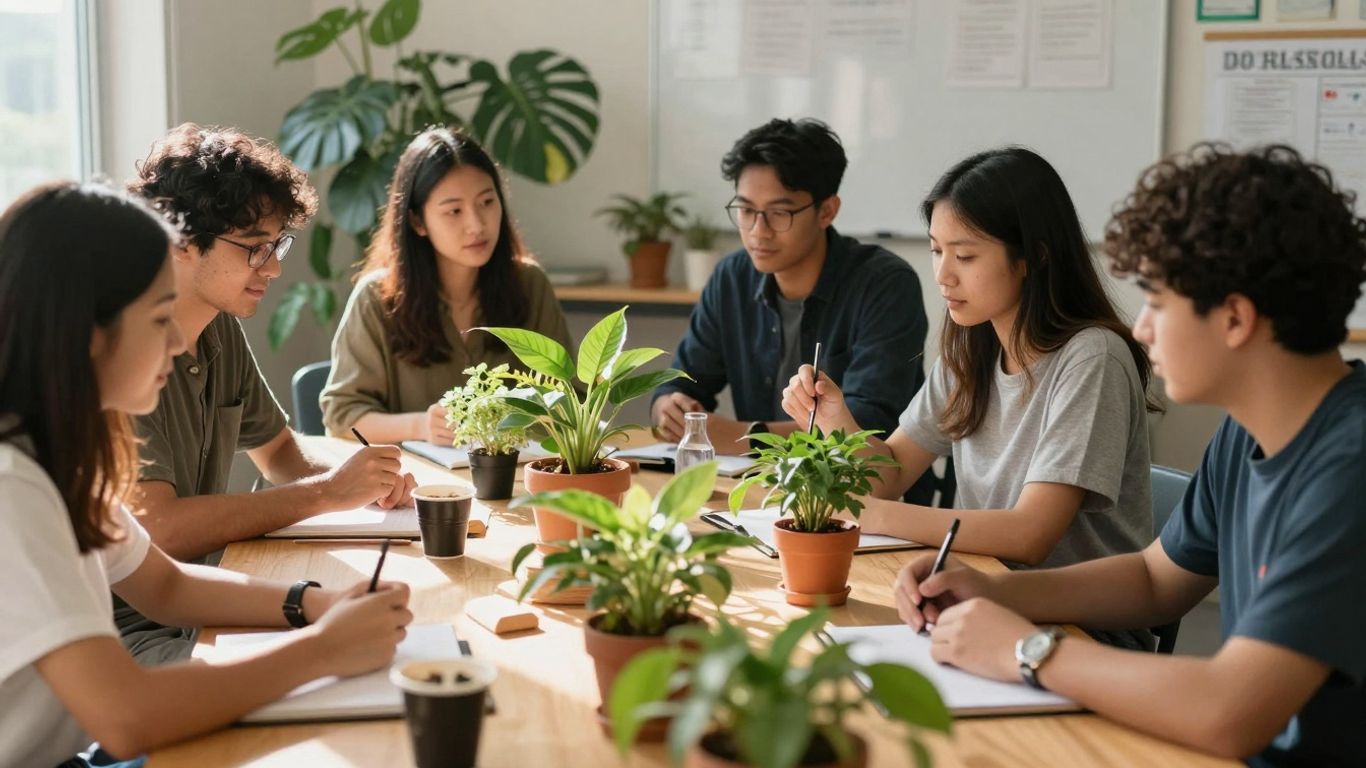
Look, business school can feel pretty theoretical sometimes, right? You read a lot of case studies, you do some group projects, and you learn about frameworks. But when it comes to sustainability, that's just not enough. You really need to get your hands dirty.
Action-Oriented Research For Tangible Outcomes
This is where the rubber meets the road. Instead of just talking about problems, these MBA programs push you to actually do something about them. Think about it: you're working with real companies, maybe even government agencies, on actual sustainability challenges they're facing right now. It's not just an academic exercise; you're aiming for results that you can point to. For instance, a project might involve figuring out how a manufacturing plant can cut its water usage by 15% or developing a plan for a city to increase its recycling rates. The goal is to produce work that makes a difference, not just a good grade.
Fostering Holistic Problem-Solving Through Diverse Backgrounds
Sustainability isn't just an environmental issue, or a social issue, or an economic issue. It's all of them, all tangled up. That's why these programs bring people together from all sorts of fields. You'll have engineers talking to marketing folks, environmental scientists debating with finance majors. It sounds chaotic, but it's actually brilliant. When you have different perspectives, you start to see problems in a new light. Someone with a background in public health might point out a social equity angle that an engineer missed, or a business student might figure out a way to make a green initiative financially viable. It’s about building a complete picture.
Developing Innovative Solutions To Environmental Challenges
Because you're working on real problems with diverse teams, you naturally start thinking outside the box. You're not just tweaking existing systems; you're looking for entirely new ways to do things. This could mean exploring how to use waste materials in new products, designing more efficient public transport systems, or finding ways to make renewable energy more accessible to communities. It's about creativity meeting practicality, and it's where some of the most exciting work in sustainability is happening.
The real learning happens when you step outside your comfort zone and engage directly with the complexities of the world. It's about understanding the systems, the people, and the practical limitations, and then finding ways to make positive change within that reality. This hands-on approach is what separates a sustainability MBA from a traditional one.
Cultivating Ethical Leadership And Entrepreneurship
Developing Values-Based Leadership Skills
It's not enough to just know about sustainability; you've got to live it. MBA programs focused on sustainability management are really digging into what it means to lead with a strong moral compass. This isn't just about following rules; it's about building a business that does good while making money. Think about it: companies that are honest about their impact, treat their workers fairly, and genuinely care about the planet tend to stick around longer. These programs push students to think about their own values and how those translate into business decisions. You'll find yourself wrestling with tough questions, like how to balance profit with people and the planet. It’s about making choices that feel right, even when they're hard.
Empowering Sustainability-Driven Innovators
These programs are basically incubators for people who want to shake things up. They teach you to look at problems differently, not just as challenges, but as chances to create something new and better. You learn to spot opportunities where others see roadblocks. For instance, a company might be struggling with waste. Instead of just trying to reduce it a little, a sustainability innovator might see a way to turn that waste into a new product or a new revenue stream. It’s about being clever and resourceful, using what you have to build a more sustainable future. The goal is to equip you with the mindset and tools to be a change-maker.
Launching Green Ventures For Economic Value
So, you've got a great idea for a business that's good for the environment and society? That's fantastic! But how do you actually make it happen and make it profitable? That's where the entrepreneurship side of these MBAs comes in. They help you figure out the business plan, how to get funding, and how to market your green product or service. It’s about showing that sustainability isn't just a cost center; it can be a real driver of economic growth. You learn how to build a business model that’s both environmentally sound and financially successful.
Here's a look at some potential areas where green ventures are taking off:
- Renewable Energy Solutions
- Sustainable Agriculture and Food Systems
- Waste Management and Recycling Innovations
- Eco-friendly Consumer Products
- Green Building and Infrastructure
Starting a business focused on sustainability requires a different kind of thinking. It's not just about the bottom line; it's about the triple bottom line – people, planet, and profit. You have to be prepared to explain your mission and your impact to investors, customers, and employees alike. It takes passion, persistence, and a solid business strategy.
Career Pathways In Sustainable Business Leadership
So, you've got this MBA in Sustainability Management, and now you're probably wondering, 'What's next?' It's a great question, because this isn't just about getting a piece of paper; it's about stepping into roles where you can actually make a difference. The demand for people who get the whole environmental, social, and governance (ESG) picture is really taking off. Companies are realizing they can't just ignore this stuff anymore if they want to stay relevant and, you know, profitable.
Roles For Sustainability Analysts And Managers
Think about being a Sustainability Analyst. Your job would be to dig into the data, figure out how a company's operations are impacting the planet and people, and then help them come up with a better plan. It’s about tracking progress and reporting on those big sustainability goals. Then there are Sustainability Managers. They're the ones overseeing the whole company's environmental game plan, making sure everyone's on board and that the business is actually meeting its targets. It's a hands-on role, really.
Opportunities In Green Building And Corporate Social Responsibility
Beyond the typical analyst or manager roles, there are some pretty interesting niches. Take Green Building. As a specialist, you'd be working with architects and builders to make sure new constructions are as eco-friendly as possible – think less energy use, less waste, and healthier spaces for people. It's about applying sustainability principles right from the ground up. And then there's Corporate Social Responsibility (CSR). This is where you develop and run programs that show the company cares about more than just making money. It's about community engagement, ethical sourcing, and generally being a good corporate citizen. These roles often require a solid grasp of business strategy and environmental impact.
The Impact Of MBA Sustainability Management India Graduates
Graduates from these MBA programs are finding their way into all sorts of companies, from startups to big corporations. They're the ones pushing for change from the inside. Some might even go on to launch their own green ventures, creating new businesses that are built on sustainable principles from day one. It’s not just about finding a job; it’s about shaping the future of business in India and beyond. The starting salaries can vary, but generally, you're looking at a range that reflects the specialized skills you bring to the table.
The shift towards sustainable business practices isn't just a trend; it's a fundamental change in how companies operate and are perceived. Graduates of sustainability management programs are at the forefront of this transformation, equipped to guide organizations toward a more responsible and profitable future.
Here are some common career paths:
- Sustainability Analyst
- Sustainability Manager
- Environmental Consultant
- Green Building Specialist
- CSR Specialist
- Carbon Analyst
Green Tech Innovations And The Future Of Business
The business world is changing, and fast. We're seeing a big push towards greener ways of doing things, and that's where green tech comes in. It's all about finding smart solutions that help the planet while still making good business sense. Think about it: companies that are good to the environment often end up saving money in the long run, and they tend to attract customers and investors who care about these issues too. It’s a win-win, really.
The Multidisciplinary Approach Of Green Tech MBAs
An MBA focused on Green Tech Innovations isn't just about learning business basics. It's a mix of business smarts, science, and technology. You'll learn how to create business plans that think about the long-term impact on the environment, how to develop marketing campaigns for eco-friendly products, and even how to handle investments in green projects. It’s about getting a broad view of how sustainability fits into every part of a company. These programs often look at things like:
- Environmental economics and policy
- New green technologies and how to use them
- Managing supply chains in an eco-friendly way
- Corporate social responsibility initiatives
It’s a pretty involved curriculum, designed to prepare you for a lot of different challenges. You can find programs that offer this kind of specialized learning, like the MBA in ESG & Sustainability Management.
Key Skills For Sustainable Business Strategy
So, what kind of skills do you actually pick up in these programs? Well, you get a solid grasp of sustainable business strategy, which means figuring out how a company can grow without harming the planet. You also learn about corporate social responsibility (CSR) – basically, how businesses can be good citizens. Then there's green marketing, which is about promoting products and practices that are good for the environment. And don't forget environmental finance, where you learn about investing in green ventures and understanding things like carbon credits. It’s a whole toolkit for building a business that’s both profitable and responsible.
The future of business is undeniably linked to sustainability. Companies that embrace green technologies and environmentally conscious practices are not just meeting regulatory demands; they are building resilience, attracting talent, and securing a competitive advantage in a rapidly evolving global market.
Future Trends Shaping The Clean Tech Sector
Looking ahead, the clean tech sector is buzzing with new ideas. Decarbonization is a huge focus, with innovations in capturing carbon and using renewable energy sources. The circular economy is another big one – it’s all about reusing materials and designing products that last longer or can be easily recycled. We're also seeing smart grids that make energy distribution more efficient and sustainable agriculture practices that use fewer resources. These trends mean there are always new opportunities popping up for people with green tech knowledge. It’s an exciting time to be involved in this field, and having the right business education can really set you up for success.
- Decarbonization is a major driver, pushing for reduced carbon emissions across industries.
- The circular economy model is gaining traction, emphasizing resource reuse and waste reduction.
- Smart grid technology is improving energy efficiency and integration of renewables.
- Sustainable agriculture is seeing advancements to minimize environmental impact.
New green tech is changing how businesses work. These smart ideas help companies be kinder to the planet and can even save them money. Want to learn more about how these cool innovations can help your business grow? Visit our website today to discover the latest in eco-friendly business solutions!
The Way Forward
So, it's pretty clear that getting an MBA in Sustainability Management is becoming a really smart move for anyone wanting to lead in today's business world. These programs aren't just about learning the usual business stuff; they're teaching people how to actually make a difference, whether that's through new green tech or just smarter, more responsible ways of doing business. India's leading institutions are stepping up, offering these specialized MBAs that equip graduates with the skills to tackle environmental and social issues head-on. It looks like the future of business is definitely going green, and these programs are setting people up to be the ones in charge of that change.
Frequently Asked Questions
What exactly is a Sustainability Management MBA?
Think of it like a regular business degree (MBA), but with a special focus on how businesses can do good for the planet and people while still making money. It teaches you how to run a company in a way that's good for the environment, fair to workers and communities, and also profitable in the long run.
Why are these programs becoming more popular in India?
Lots of reasons! The world is realizing we need to be kinder to our planet. Governments are making new rules, and big international goals are pushing companies to change. Plus, jobs that care about the environment are growing fast, so people want the skills to get those jobs.
What kind of subjects will I study in this MBA?
You'll learn about rules for the environment, how to measure a company's impact (like carbon footprint), how to invest money wisely in green projects, and how to design products and systems that can be used again and again, like in a circular economy.
Will I just be reading books, or will I get hands-on experience?
These programs are big on 'doing.' You'll likely work on real projects, maybe with actual companies, to solve problems. You'll also work with people from different study backgrounds, like engineers and scientists, to get a fuller picture of how to tackle tough issues.
What jobs can I get after finishing this MBA?
You could become a Sustainability Analyst, helping companies track their progress. Or maybe a Green Building Specialist, working on eco-friendly construction. There are also roles in Corporate Social Responsibility (CSR), where you focus on how a company helps society.
Does this MBA teach me how to start my own green business?
Yes, many programs encourage entrepreneurship! You'll learn how to come up with new ideas for eco-friendly products or services and how to turn those ideas into successful businesses that make a positive impact and create jobs.